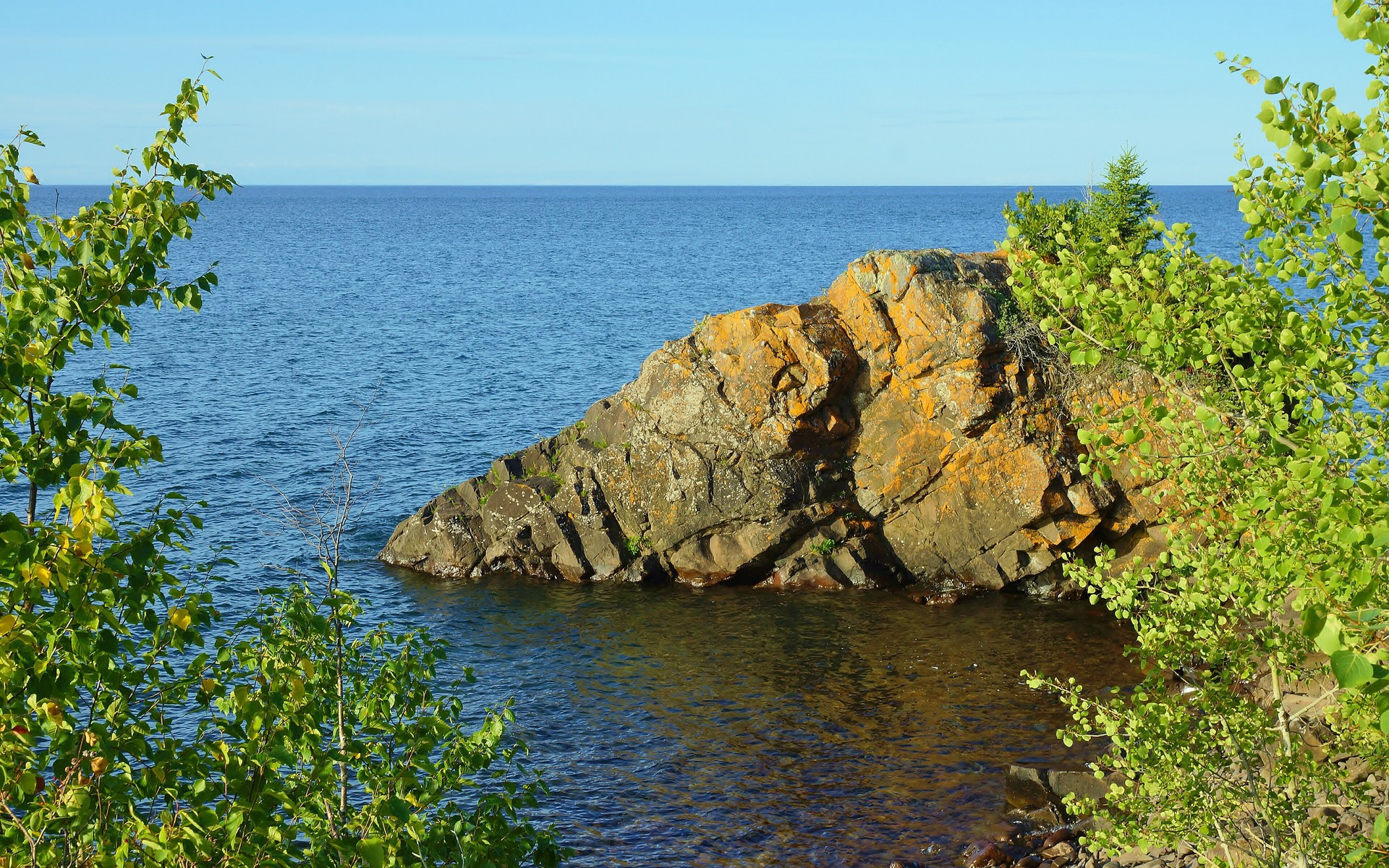
The largest freshwater lake in the world by surface area, the greatest of the Great Lakes.
Surface area
82,100 km²
Maximum depth
about 406 m
Elevation
183 m
Continent
North America
Countries
United States & Canada
Did you know?
Lake Superior holds enough water to cover all of North and South America to a depth of about 30 cm.
Little-known fact
Its cold, deep water preserves shipwrecks so well that vessels lost over a century ago still sit almost intact on the bottom.
Highlights
- Largest freshwater lake by area
- Could flood two continents
- A perfect preserver of shipwrecks
Life in the Lake Superior
The fish and animals, waterbirds and water plants — including some of the rarest — that this water supports.
Animals & fish
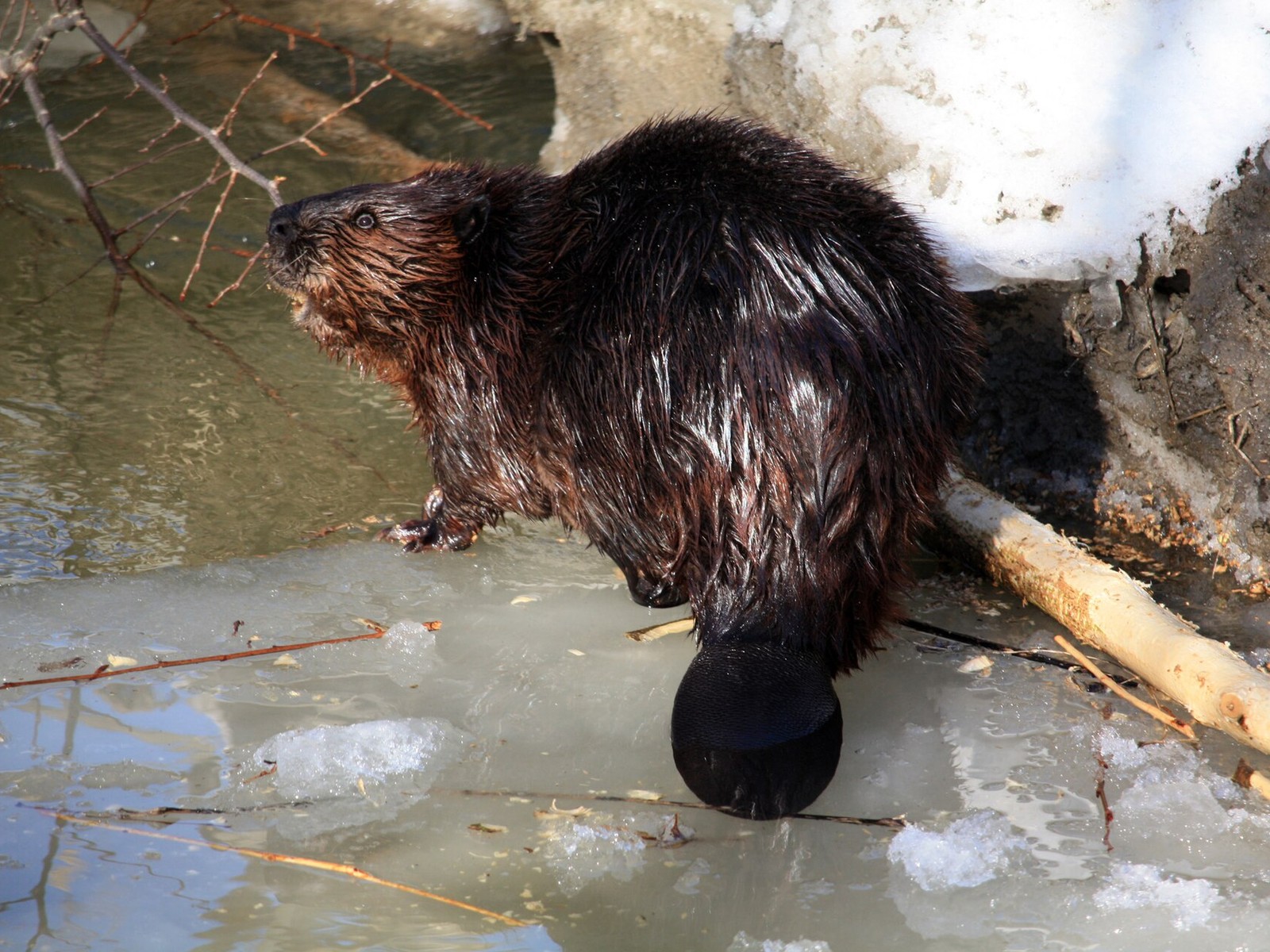
North American beaver
Nature’s engineer: its dams create wetlands that reshape whole river valleys.
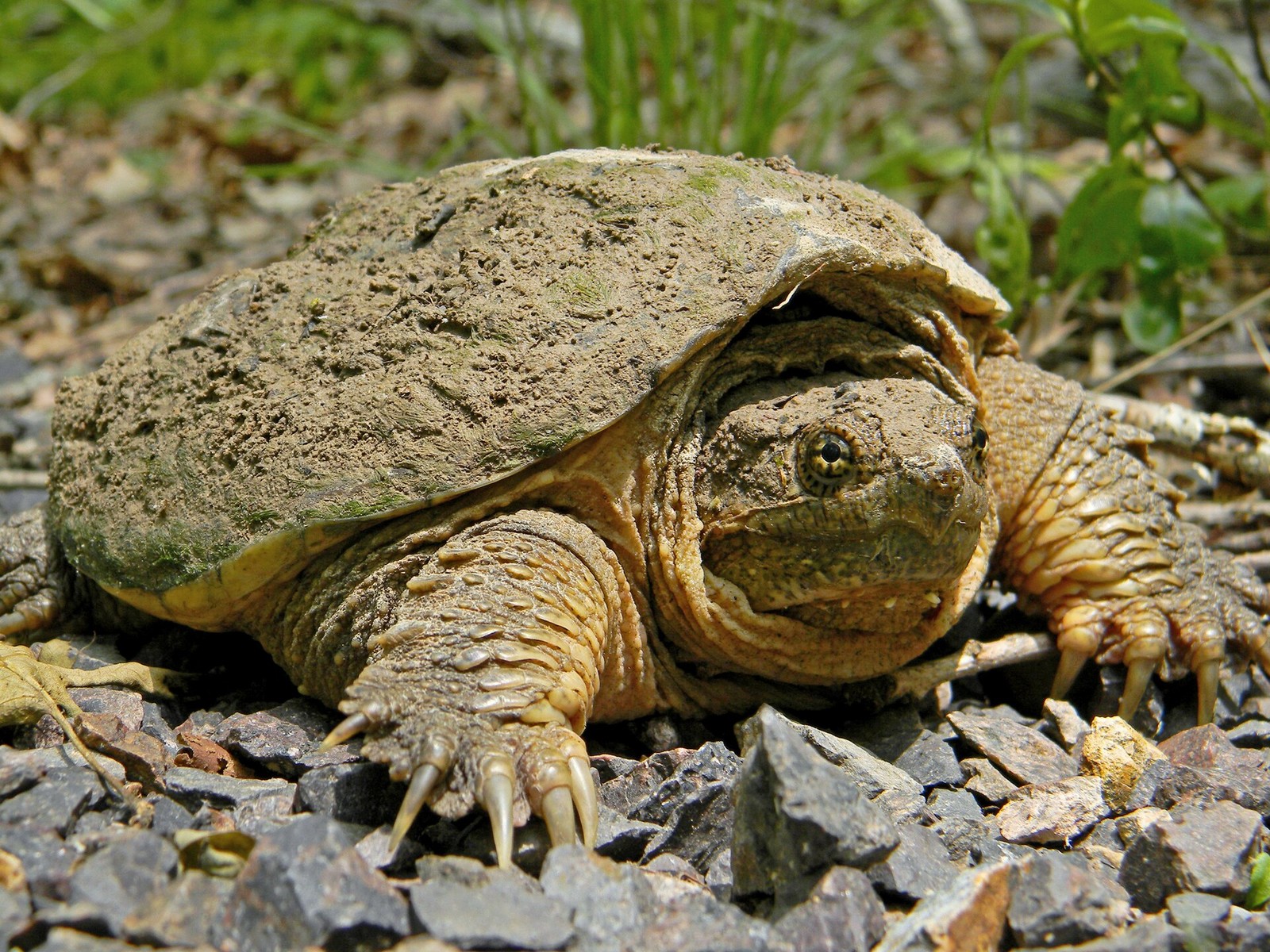
Common snapping turtle
An armoured, prehistoric-looking turtle with a powerful beak that haunts the muddy beds of North American waters.
Waterbirds
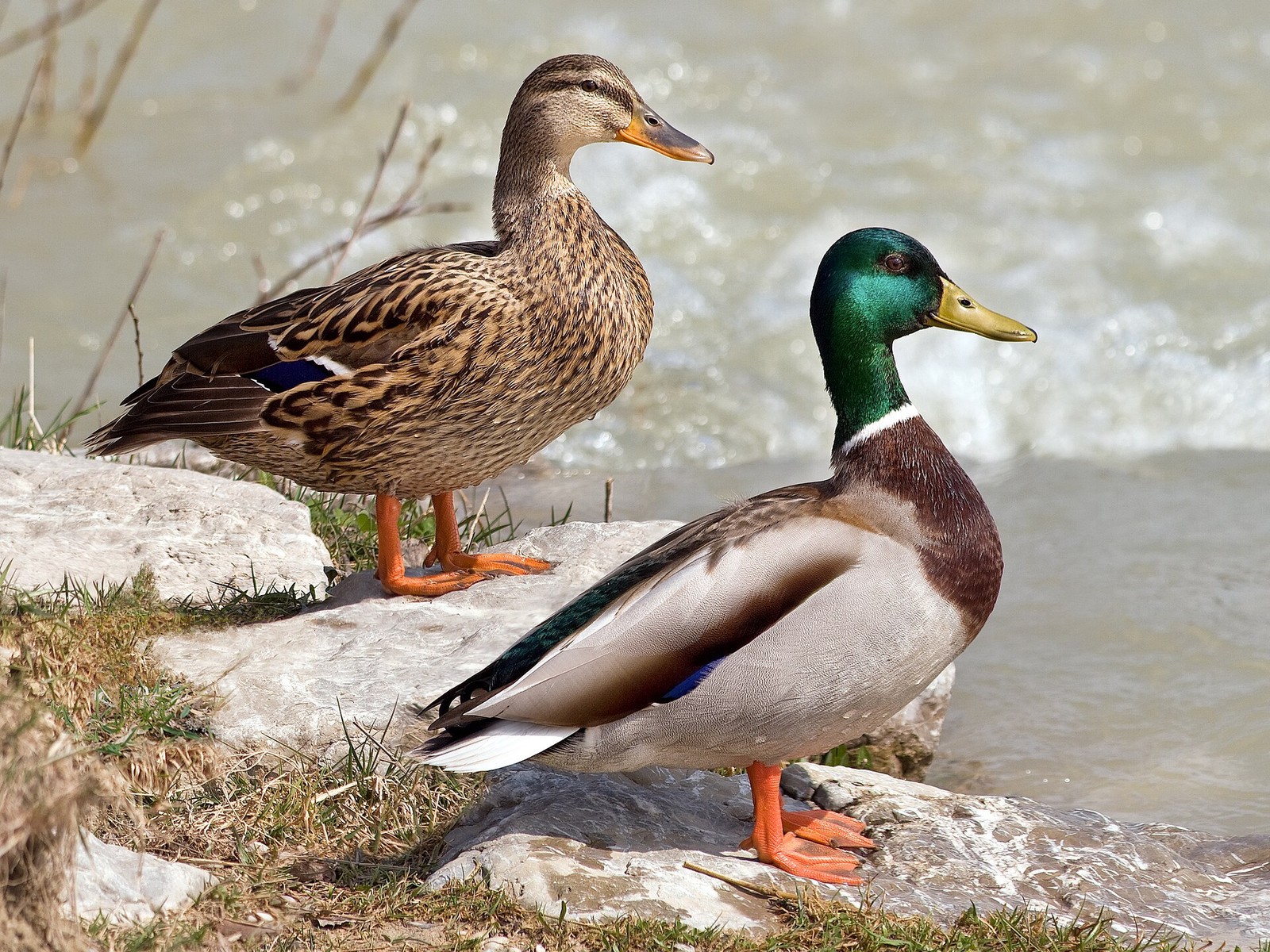
Mallard
The familiar green-headed dabbling duck — ancestor of most domestic ducks — found on waters worldwide.
Water plants & reeds
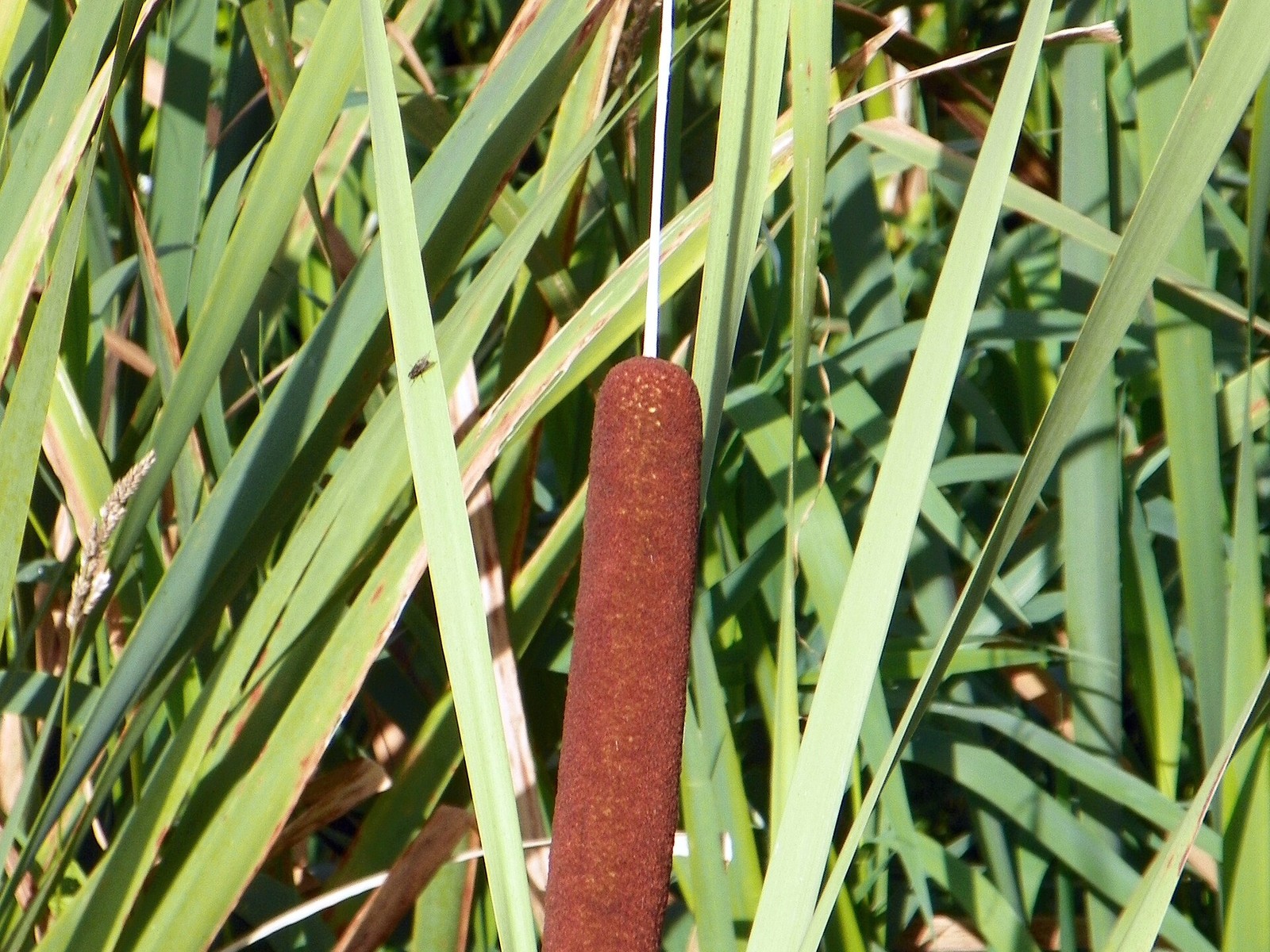
Cattail (bulrush)
The brown sausage-headed reed of marshy shallows, edible from root to pollen.
Interactive · 3D dive
How deep does a lake go?
A lake is layered from the sunlit, weed-filled shallows down to a cold, dark bed. Tap a zone to dive the submersible through the water column — and meet the life that belongs at each depth.
Tip: hover the column to tilt it · tap a layer to dive
Littoral Zone
The warm, bright band close to shore where sunlight reaches the bottom. Reeds, water lilies and rooted plants grow thickly here, making it the busiest, most crowded part of the whole lake.
Who lives here