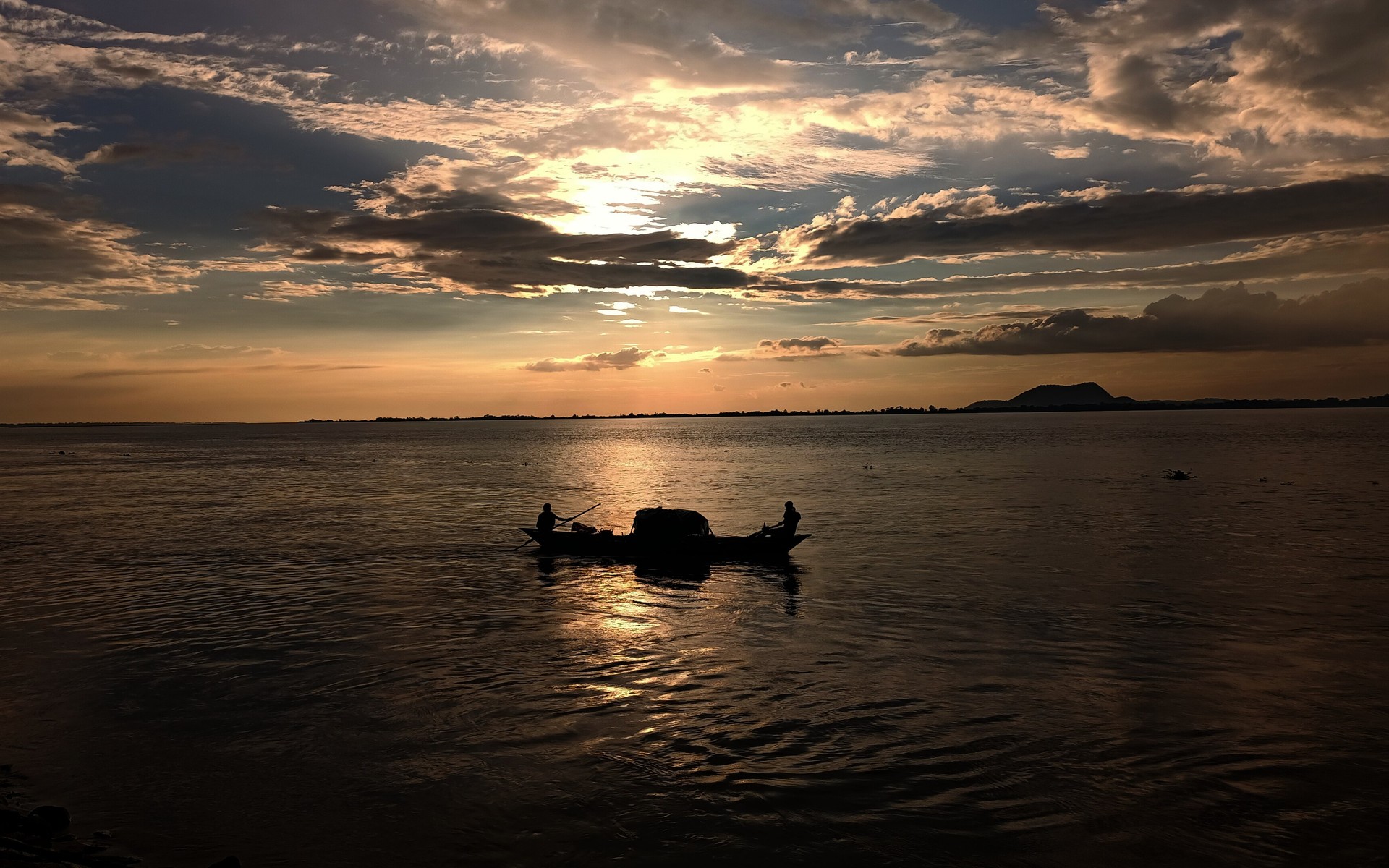
A mighty braided river of the Himalayas, known as the Yarlung Tsangpo in Tibet.
Length
2,900 km
Source
Angsi Glacier, Tibet
Mouth
Bay of Bengal (joins the Ganges)
Continent
Asia
Countries
China, India & Bangladesh
Did you know?
The Brahmaputra carves the Yarlung Tsangpo Grand Canyon in Tibet — by some measures the deepest canyon on Earth.
Little-known fact
It is one of the few major rivers with a masculine name in India ('son of Brahma'), while most are seen as goddesses.
Highlights
- Known as the Yarlung Tsangpo in Tibet
- Carves one of Earth's deepest canyons
- Rare 'male' river in Indian tradition
Life in the Brahmaputra
The fish and animals, waterbirds and water plants — including some of the rarest — that this water supports.
Animals & fish
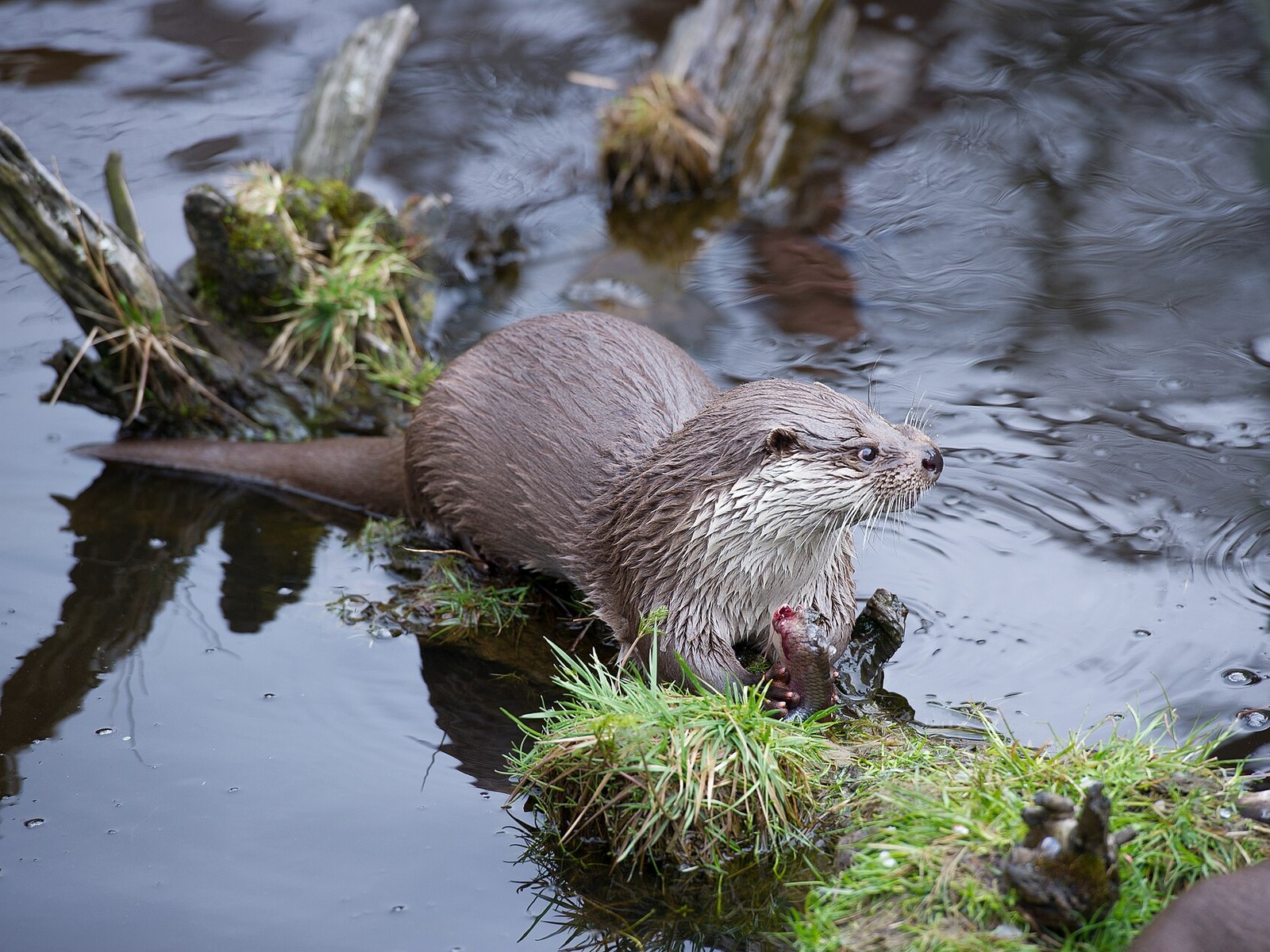
Eurasian otter
A sleek, playful hunter whose return to a river is a sign the water has run clean again.
Waterbirds
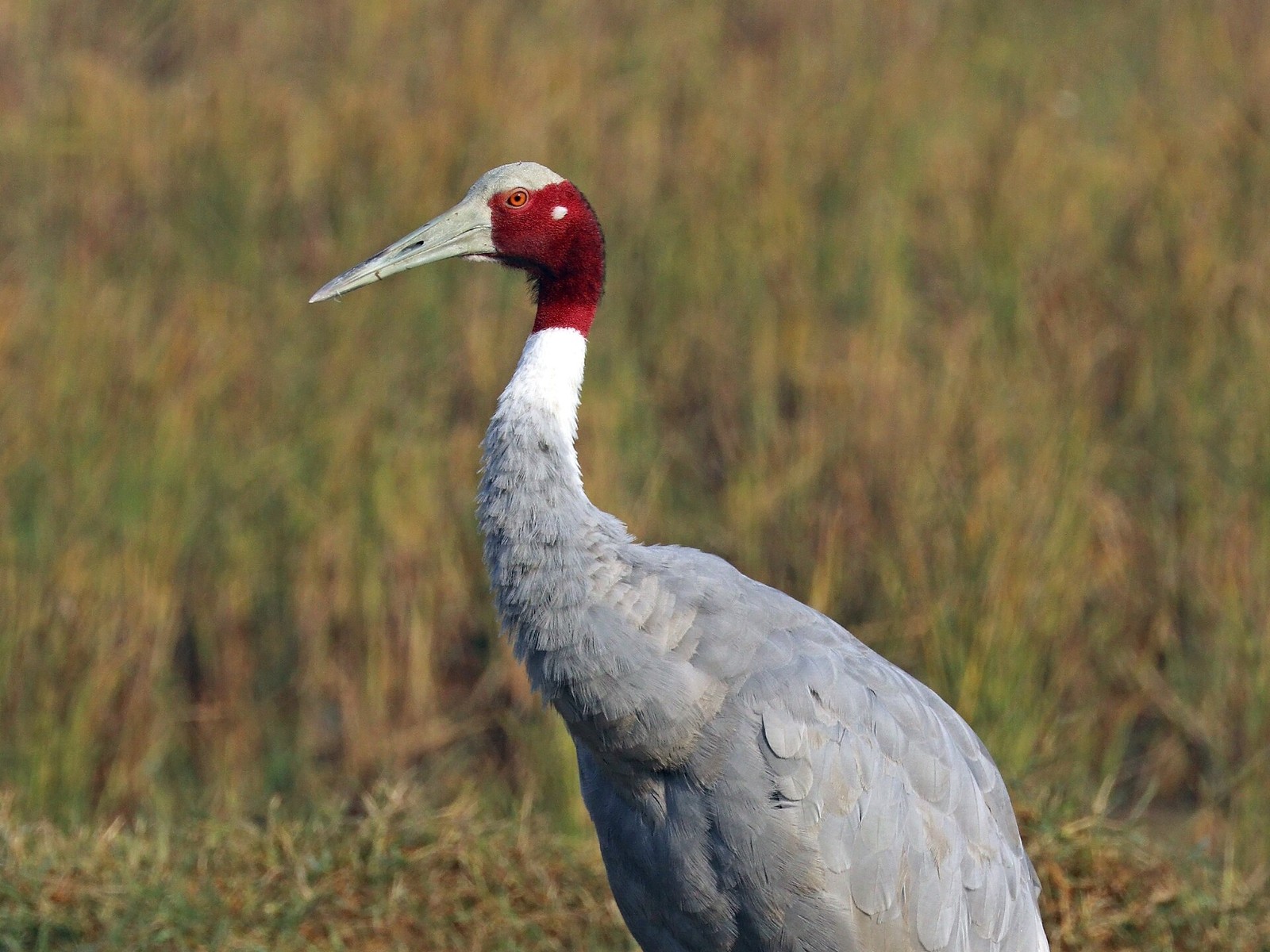
Sarus crane
The tallest flying bird on Earth; its lifelong pairs dance and call in duet across Asian wetlands.
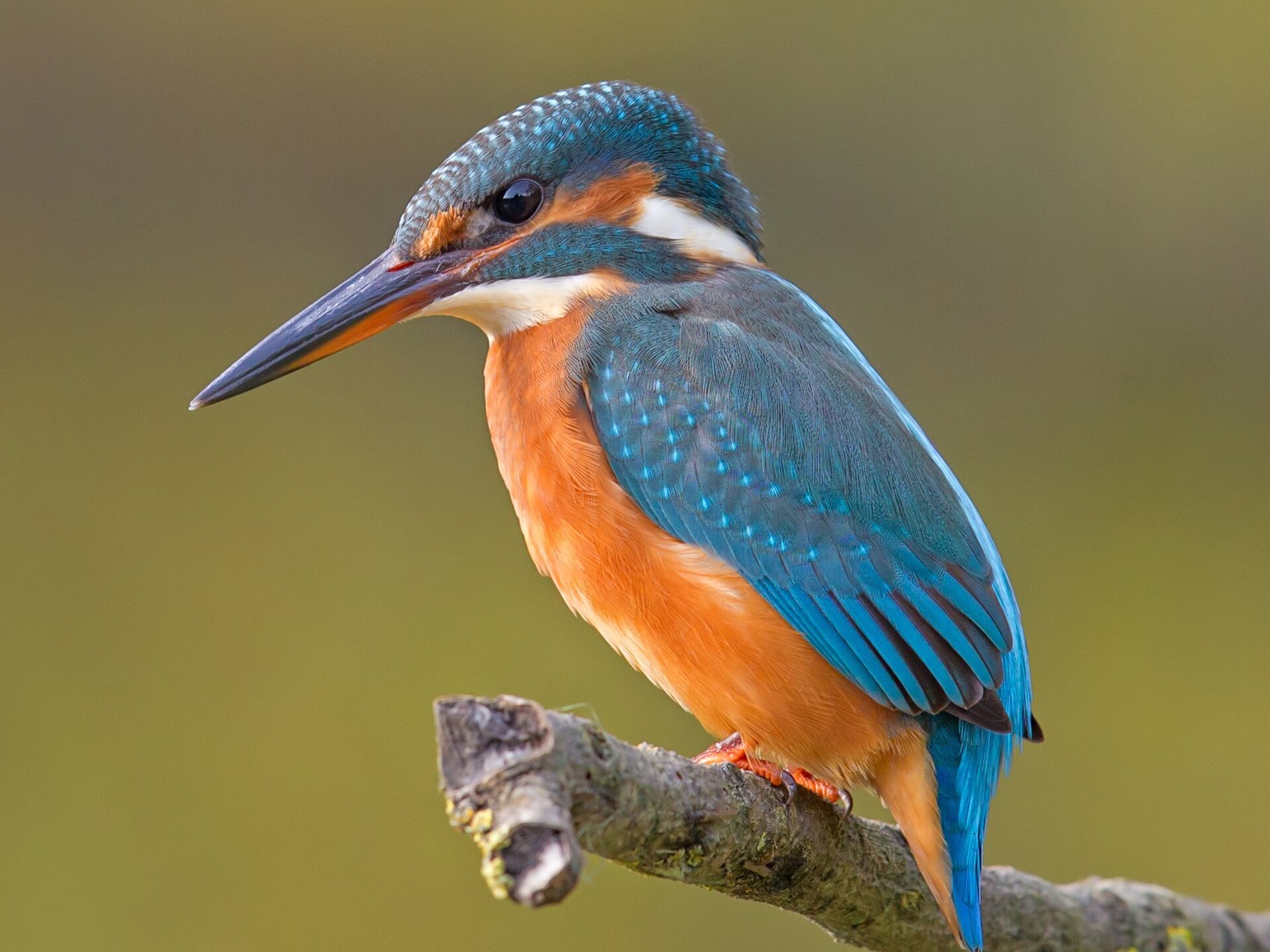
Common kingfisher
A dazzling blue-and-orange dart that plunges from a perch to spear fish in an instant.
Water plants & reeds
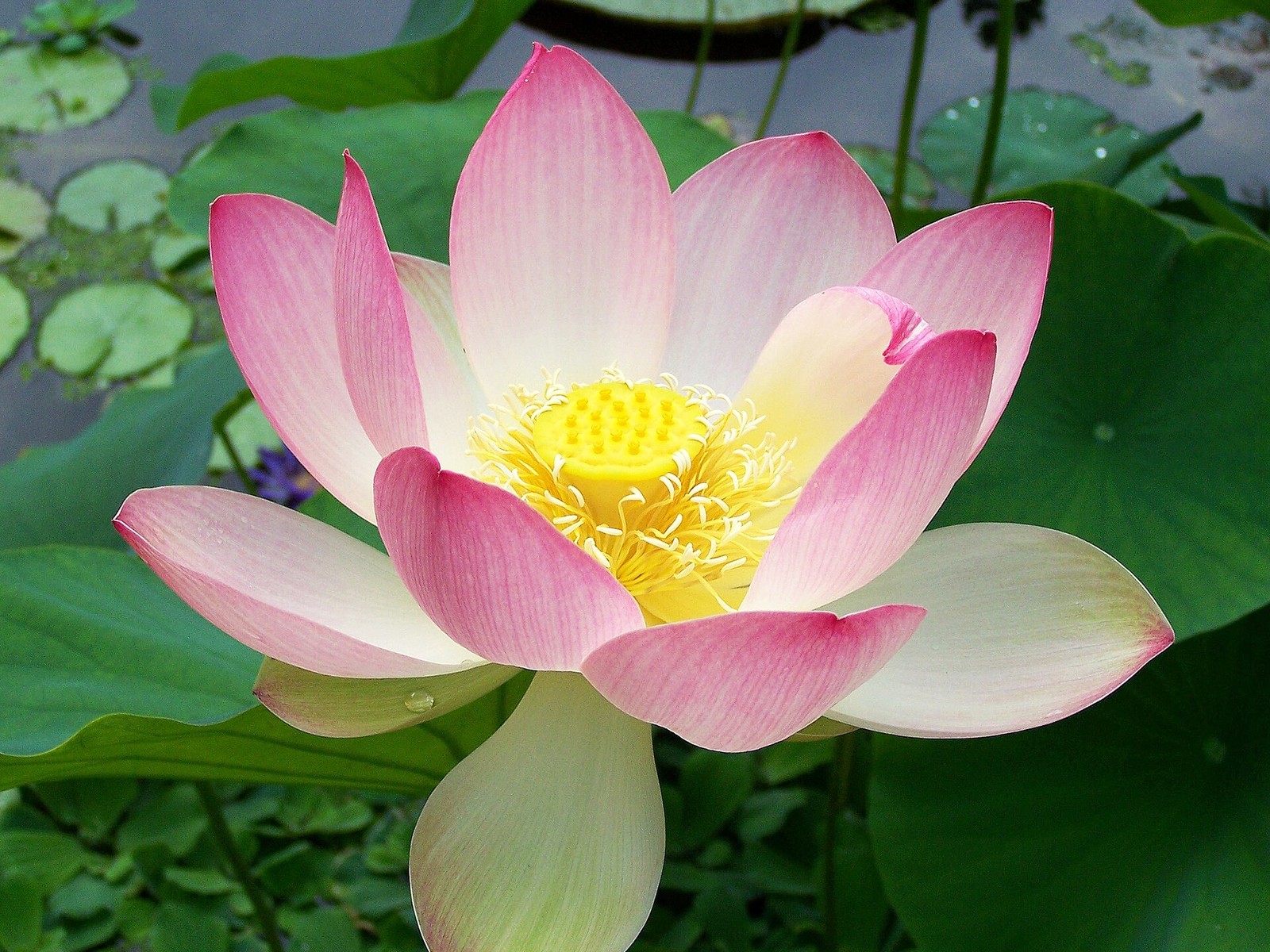
Sacred lotus
A revered Asian water plant whose leaves are so water-repellent that dirt rolls straight off them.
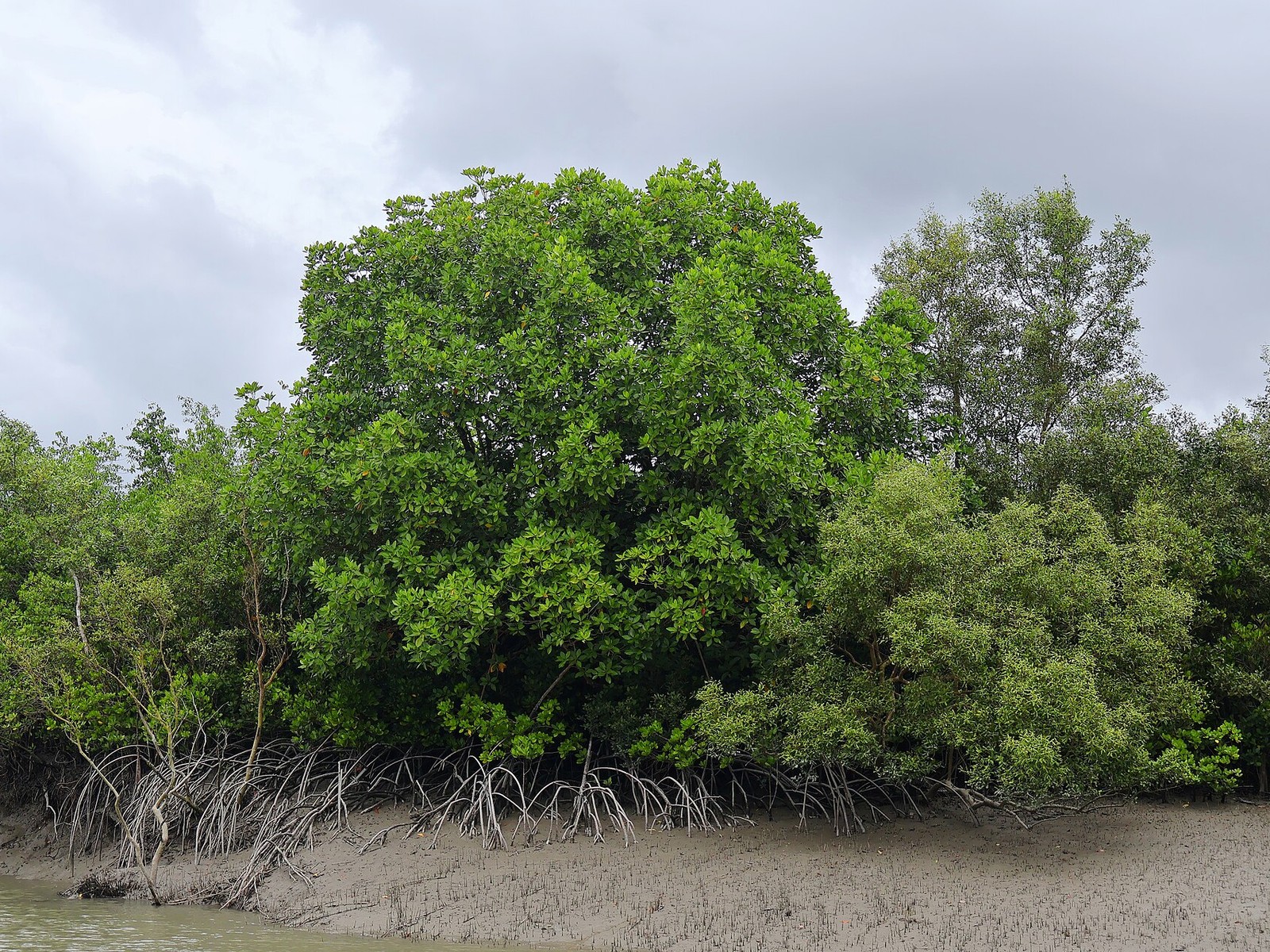
Mangrove
Salt-tolerant trees whose stilted roots build the nurseries of the great river deltas.
Interactive · 3D journey
Journey of a river · source → sea
Every river runs the same great journey — from an icy mountain spring, down through gorges and looping meanders, to a wide delta where it meets the sea. Tap a stage to follow the water downstream.
Tip: hover to tilt the valley · tap a stage to float downstream
The Source
Every river begins high up — in a mountain spring, a melting glacier or a boggy upland. The water is cold, clear and fast, tumbling down the steepest ground of its whole journey.
Landforms here