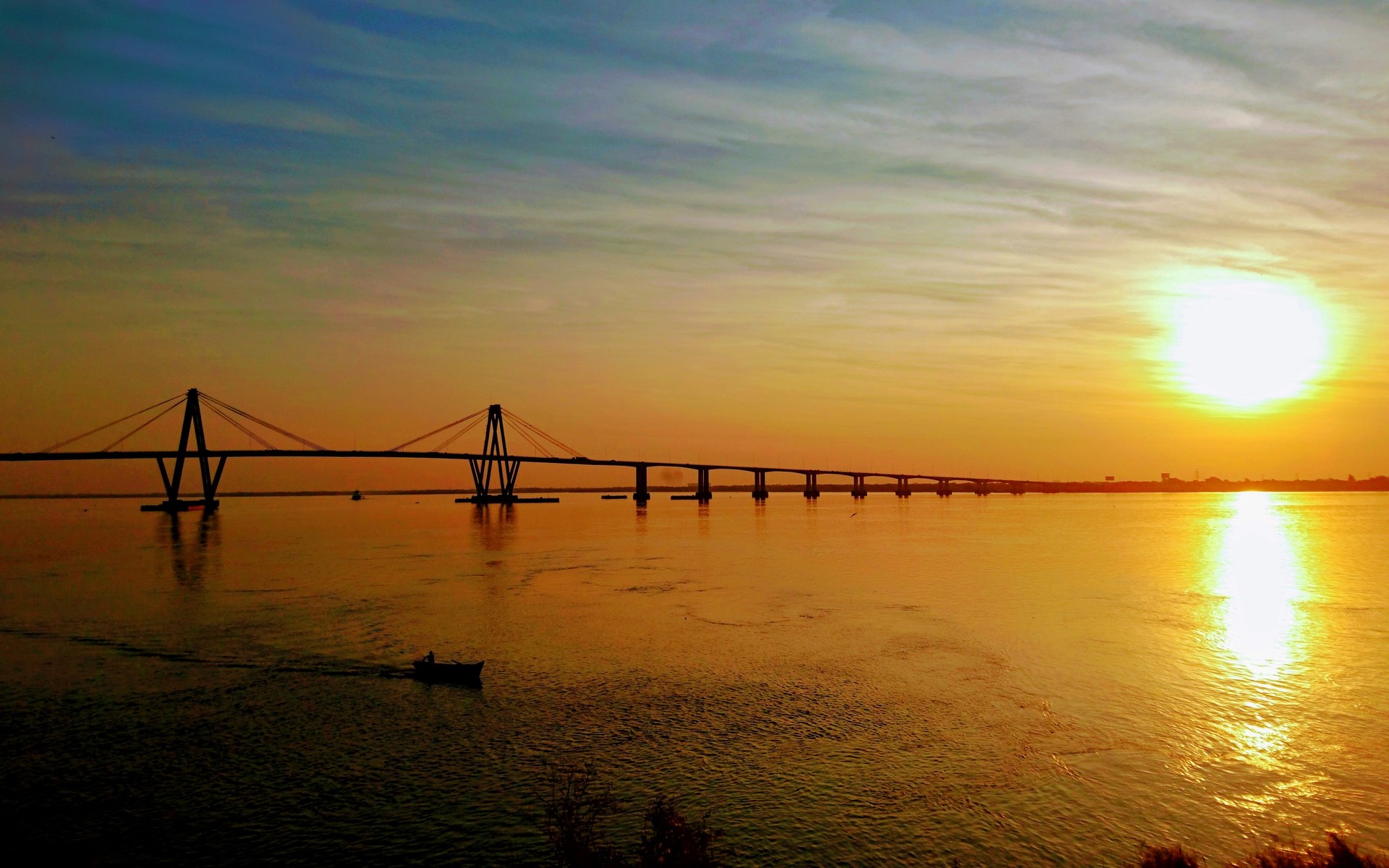
The second-longest river in South America, forming much of the border between Argentina, Paraguay and Brazil.
Length
4,880 km
Source
Confluence in southern Brazil
Mouth
Río de la Plata / Atlantic
Continent
South America
Countries
Brazil, Paraguay & Argentina
Did you know?
The Paraná feeds the Itaipú Dam, for years the largest hydroelectric plant in the world by output.
Little-known fact
Its tributary once formed the Guairá Falls, which carried more water than any waterfall on Earth before being drowned by a reservoir.
Highlights
- Second-longest river in South America
- Powers the giant Itaipú Dam
- Once home to the mighty Guairá Falls
Life in the Paraná
The fish and animals, waterbirds and water plants — including some of the rarest — that this water supports.
Animals & fish
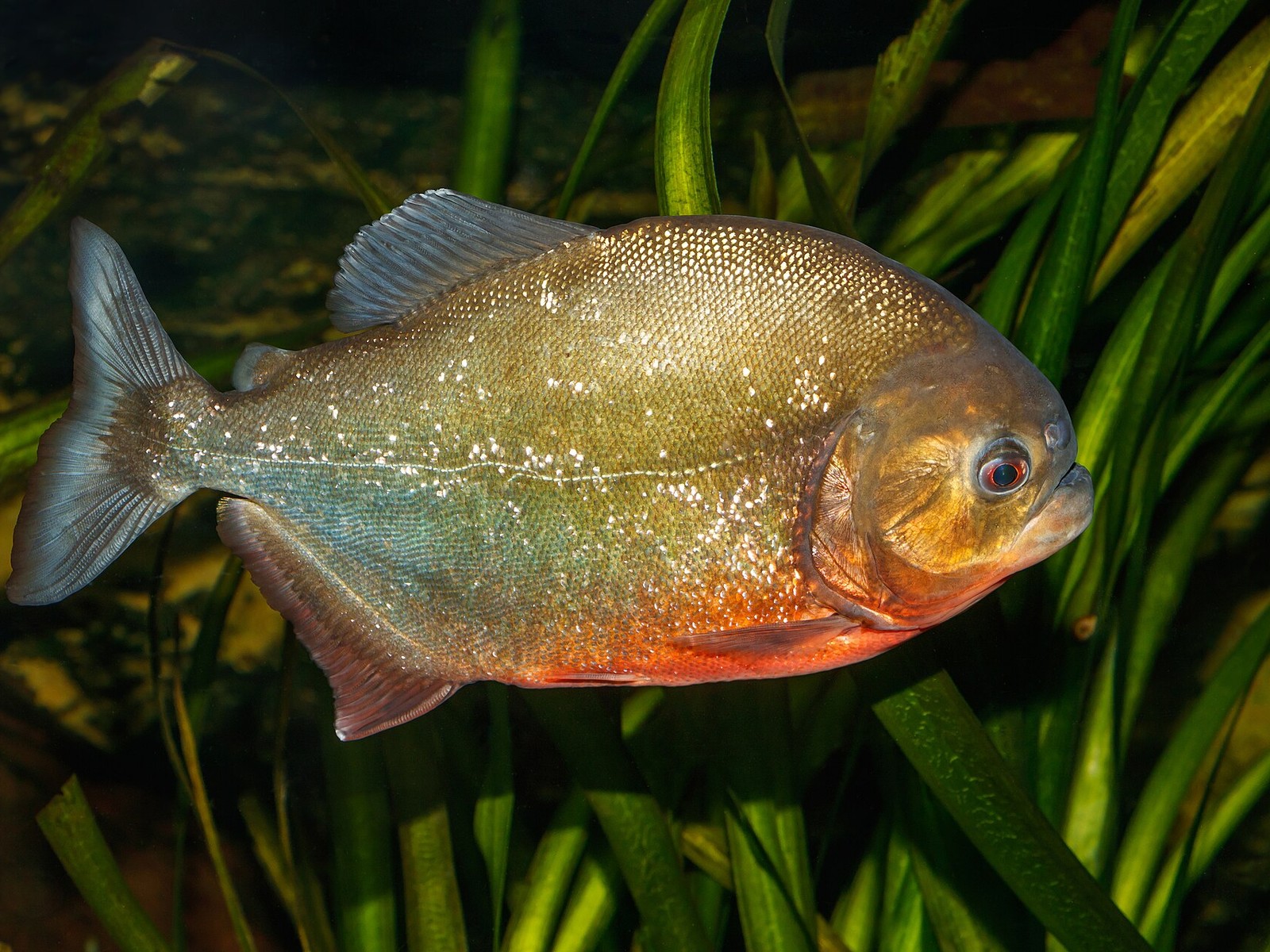
Red-bellied piranha
A razor-toothed shoaling fish of South America — far more scavenger than the man-eater of legend.
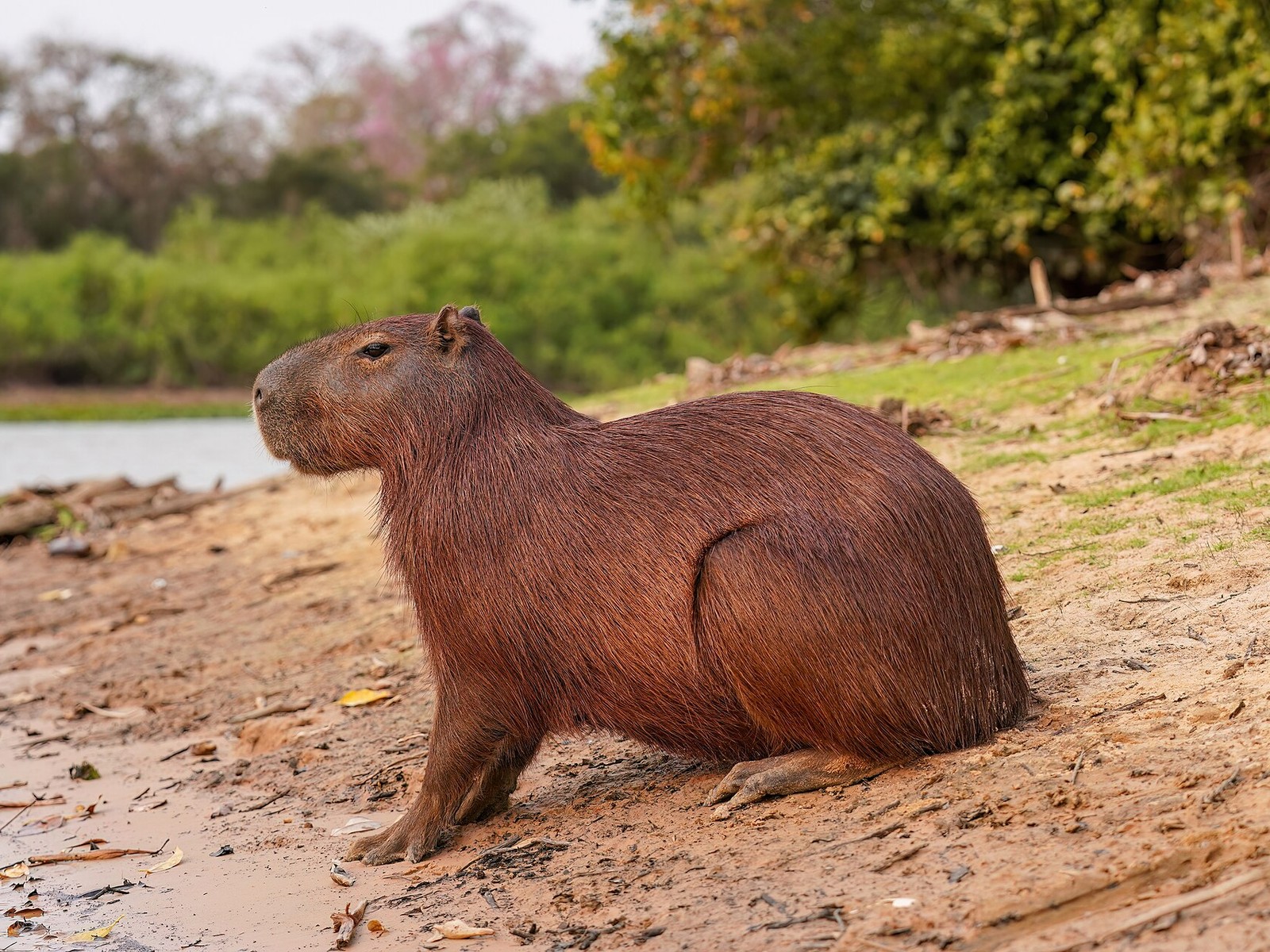
Capybara
The world’s largest rodent, a placid grazer that lives in family groups along South American waters.
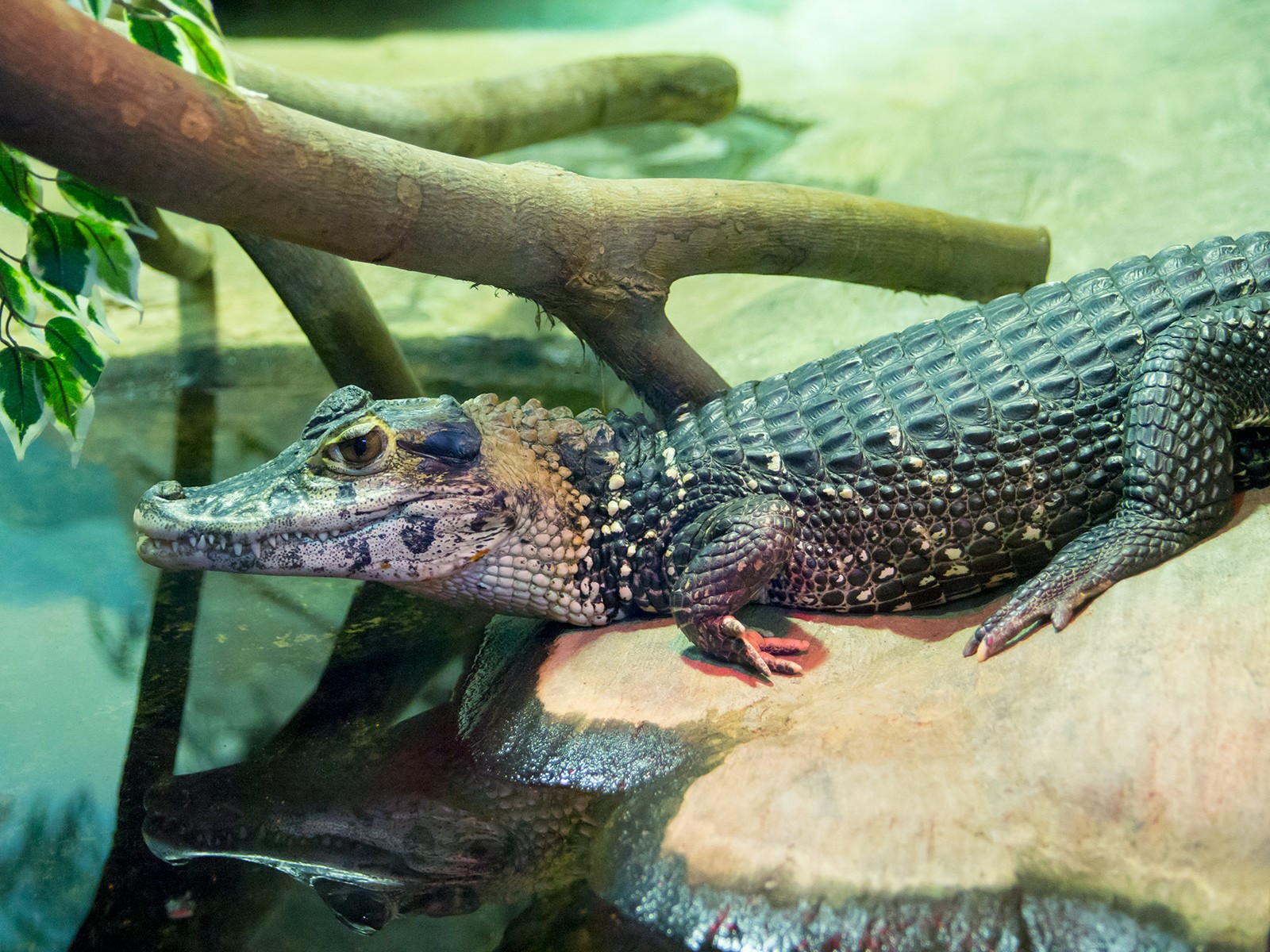
Black caiman
The Amazon’s top predator — the largest member of the alligator family, hunting by night on the water.
Water plants & reeds
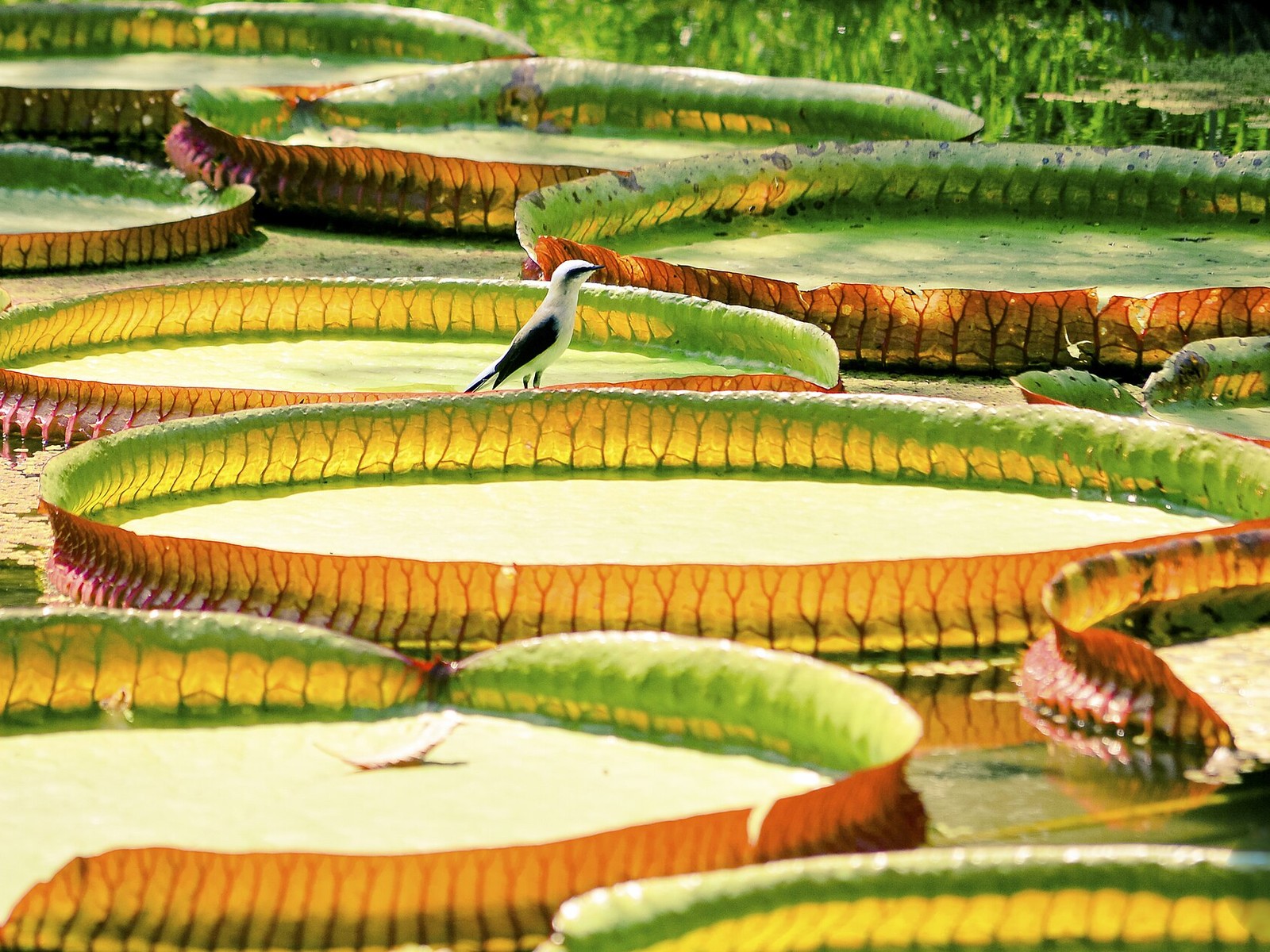
Giant water lily
Its ribbed pads can span 3 m and bear the weight of a small child, floating on Amazon backwaters.
Interactive · 3D journey
Journey of a river · source → sea
Every river runs the same great journey — from an icy mountain spring, down through gorges and looping meanders, to a wide delta where it meets the sea. Tap a stage to follow the water downstream.
Tip: hover to tilt the valley · tap a stage to float downstream
The Source
Every river begins high up — in a mountain spring, a melting glacier or a boggy upland. The water is cold, clear and fast, tumbling down the steepest ground of its whole journey.
Landforms here