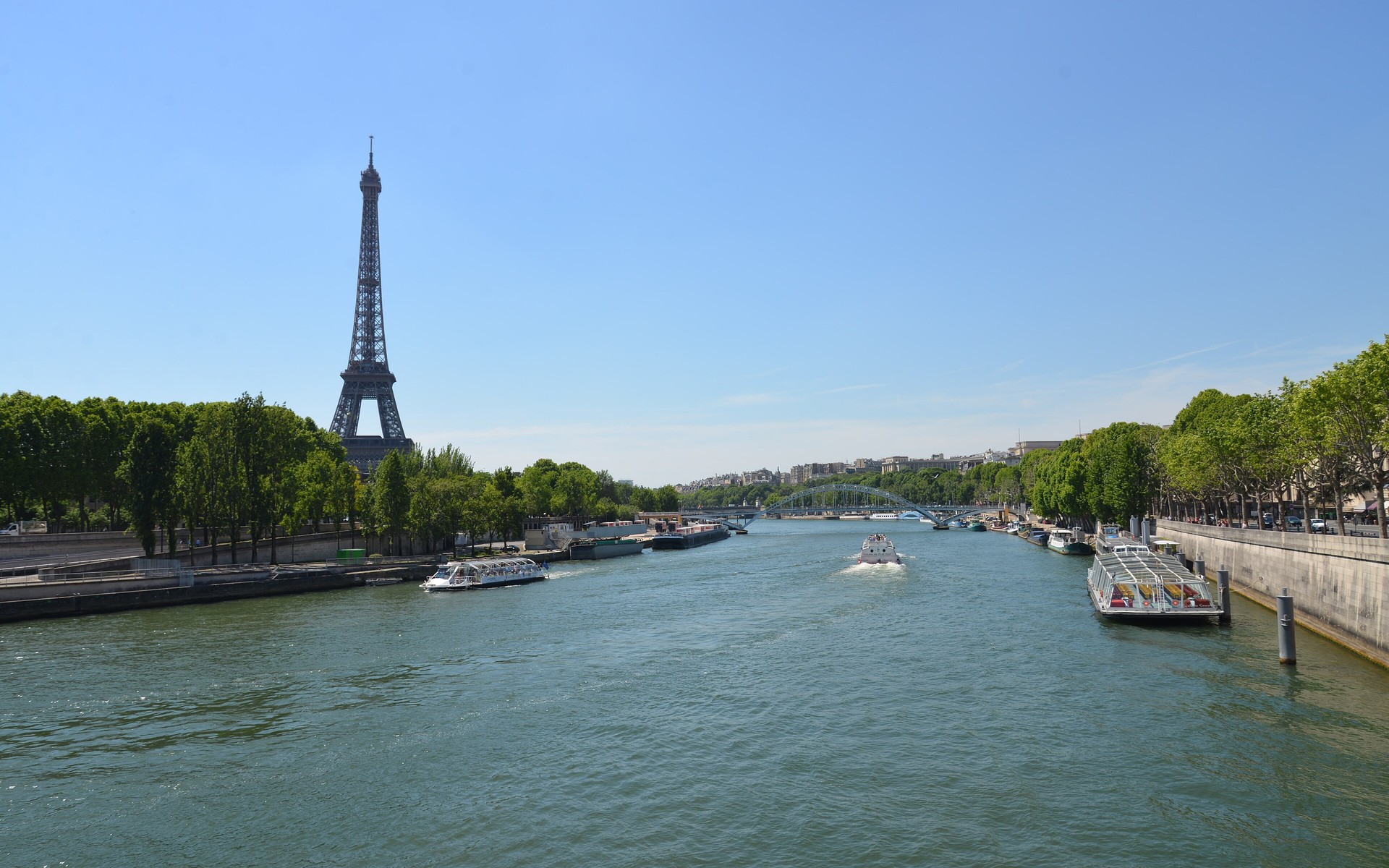
The river of Paris, curling past the Louvre, Notre-Dame and beneath the city's famous bridges.
Length
777 km
Source
Source-Seine, Burgundy
Mouth
English Channel (Le Havre)
Continent
Europe
Countries
France
Did you know?
The Seine is so gentle it drops only about 24 cm per kilometre, making it ideal for the bateaux-mouches sightseeing boats.
Little-known fact
Paris was founded on the Île de la Cité, a natural island in the Seine that was easy to defend.
Highlights
- The river of Paris
- Remarkably gentle gradient
- Paris was founded on its island
Life in the Seine
The fish and animals, waterbirds and water plants — including some of the rarest — that this water supports.
Animals & fish
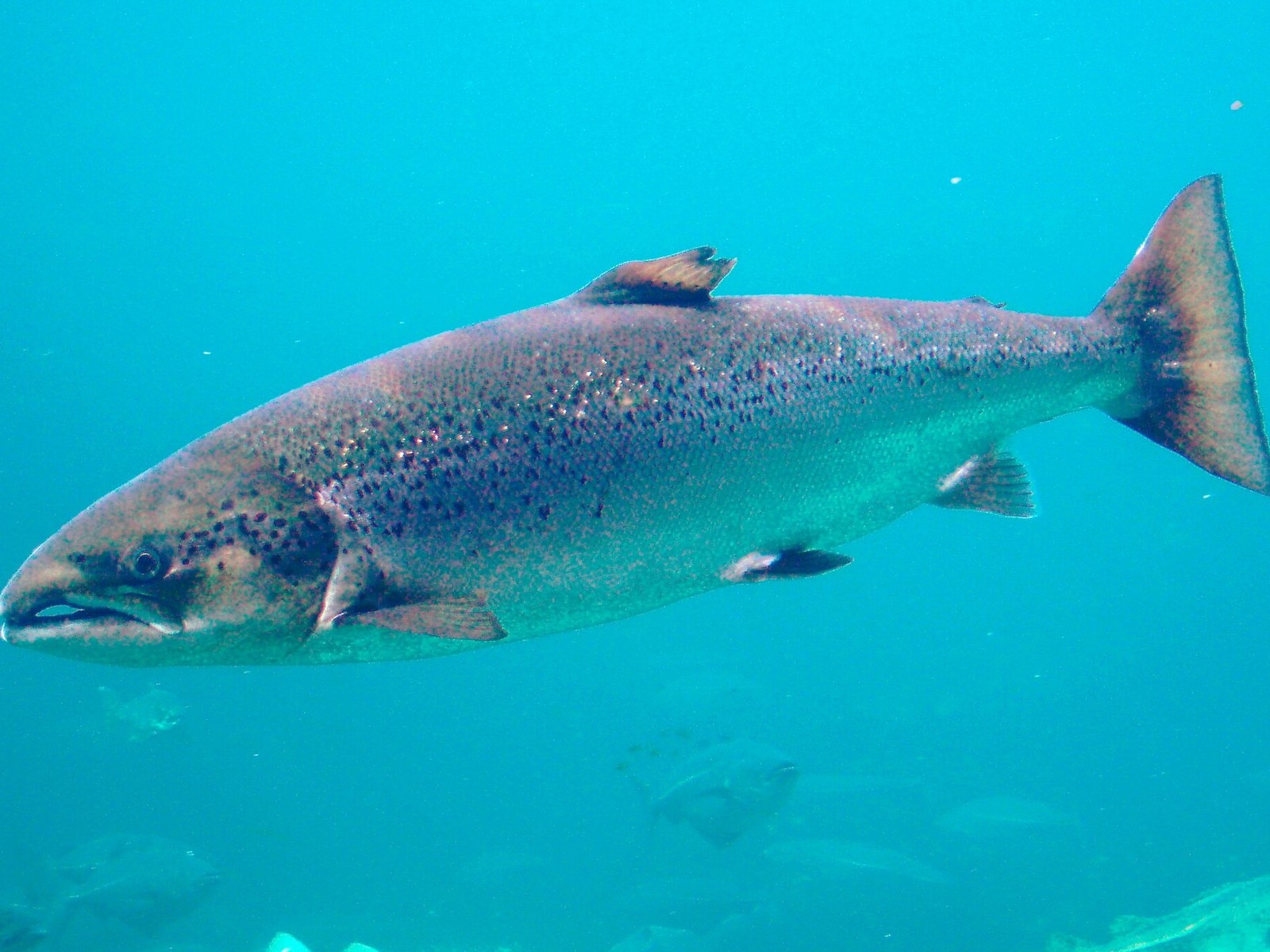
Atlantic salmon
The “king of fish” — it is born in a river, grows at sea, then fights its way back upstream to spawn where it hatched.
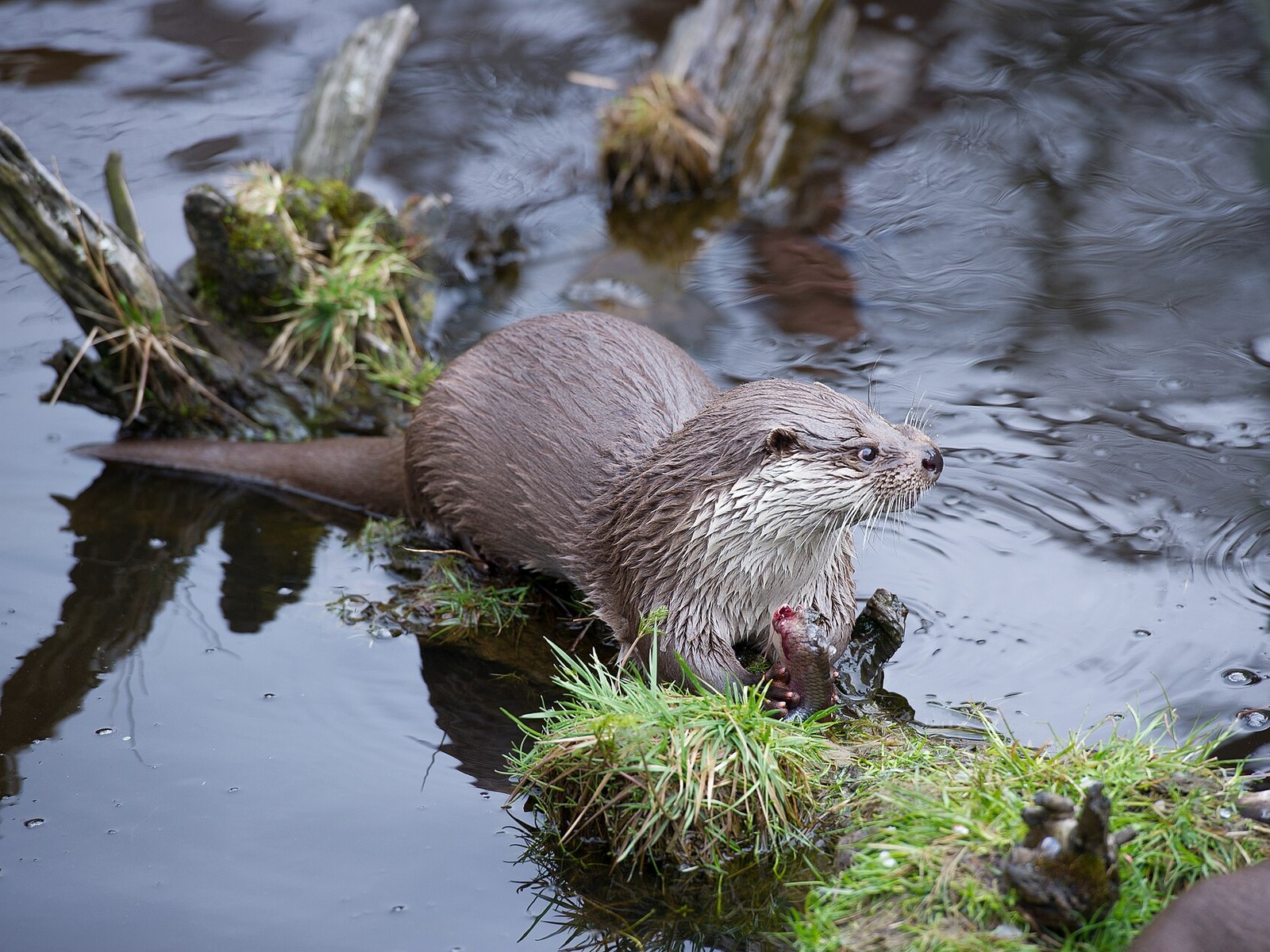
Eurasian otter
A sleek, playful hunter whose return to a river is a sign the water has run clean again.
Waterbirds
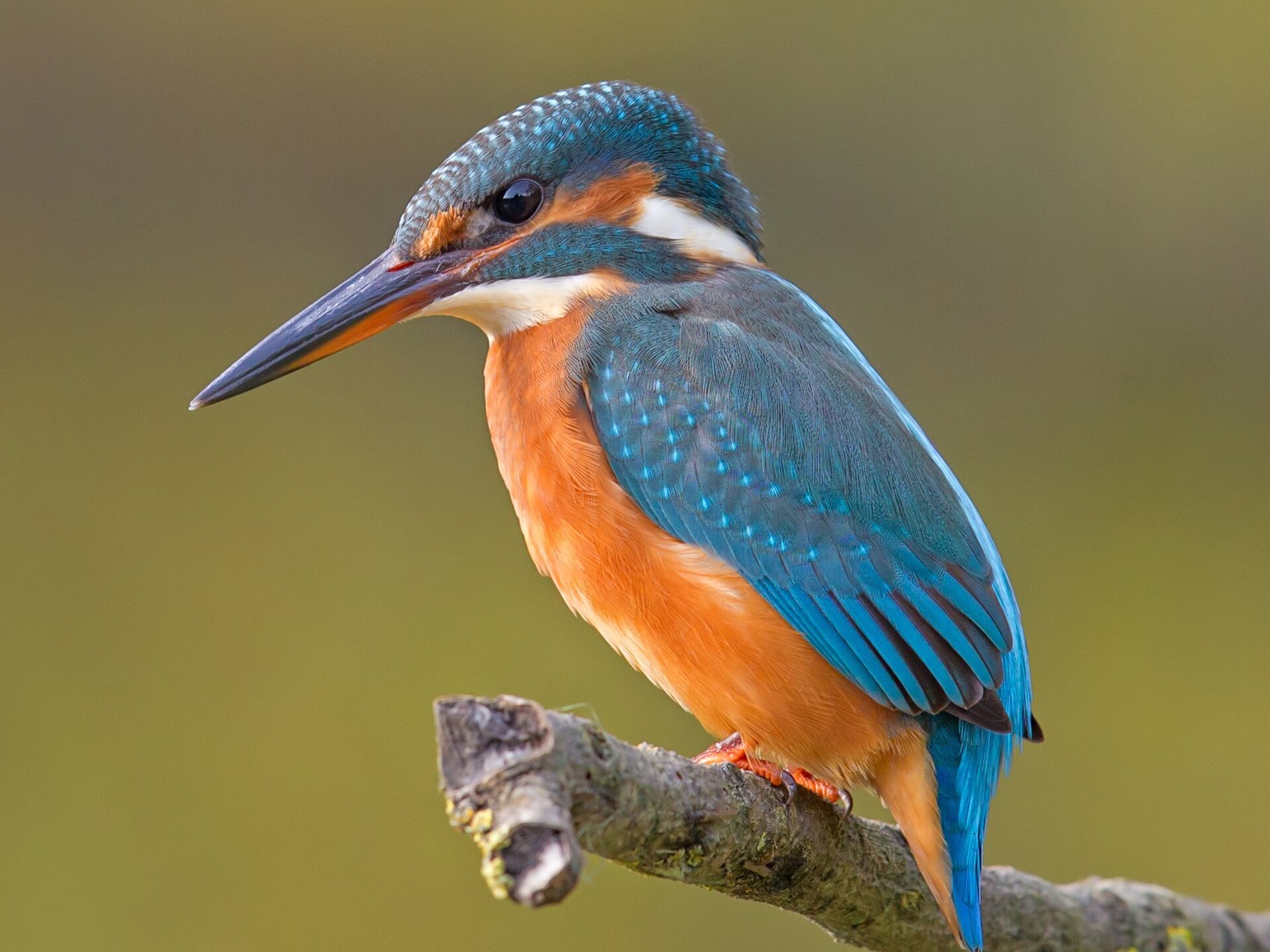
Common kingfisher
A dazzling blue-and-orange dart that plunges from a perch to spear fish in an instant.
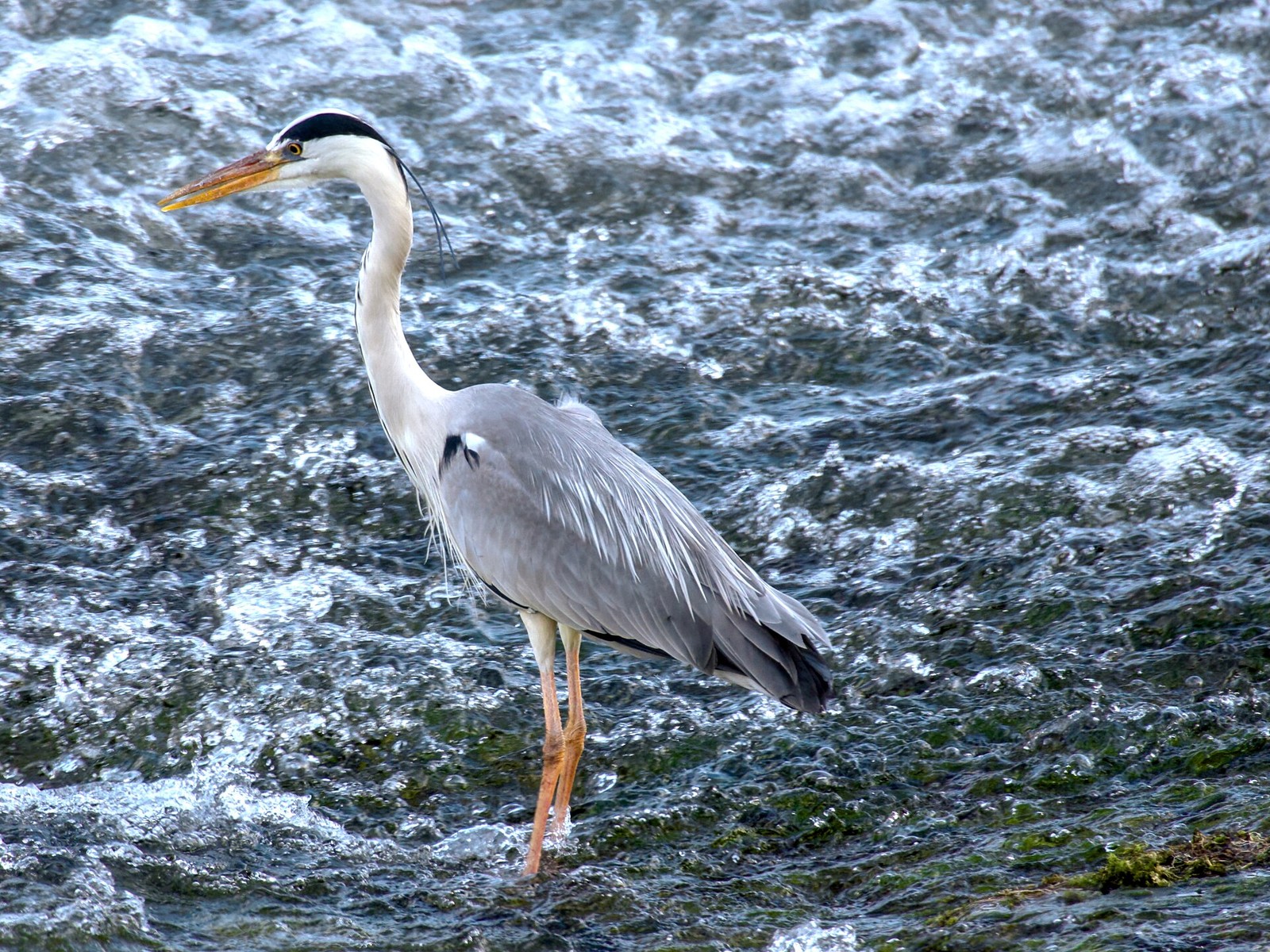
Grey heron
A patient, statue-still angler that stalks the shallows of rivers and lakes across the Old World.
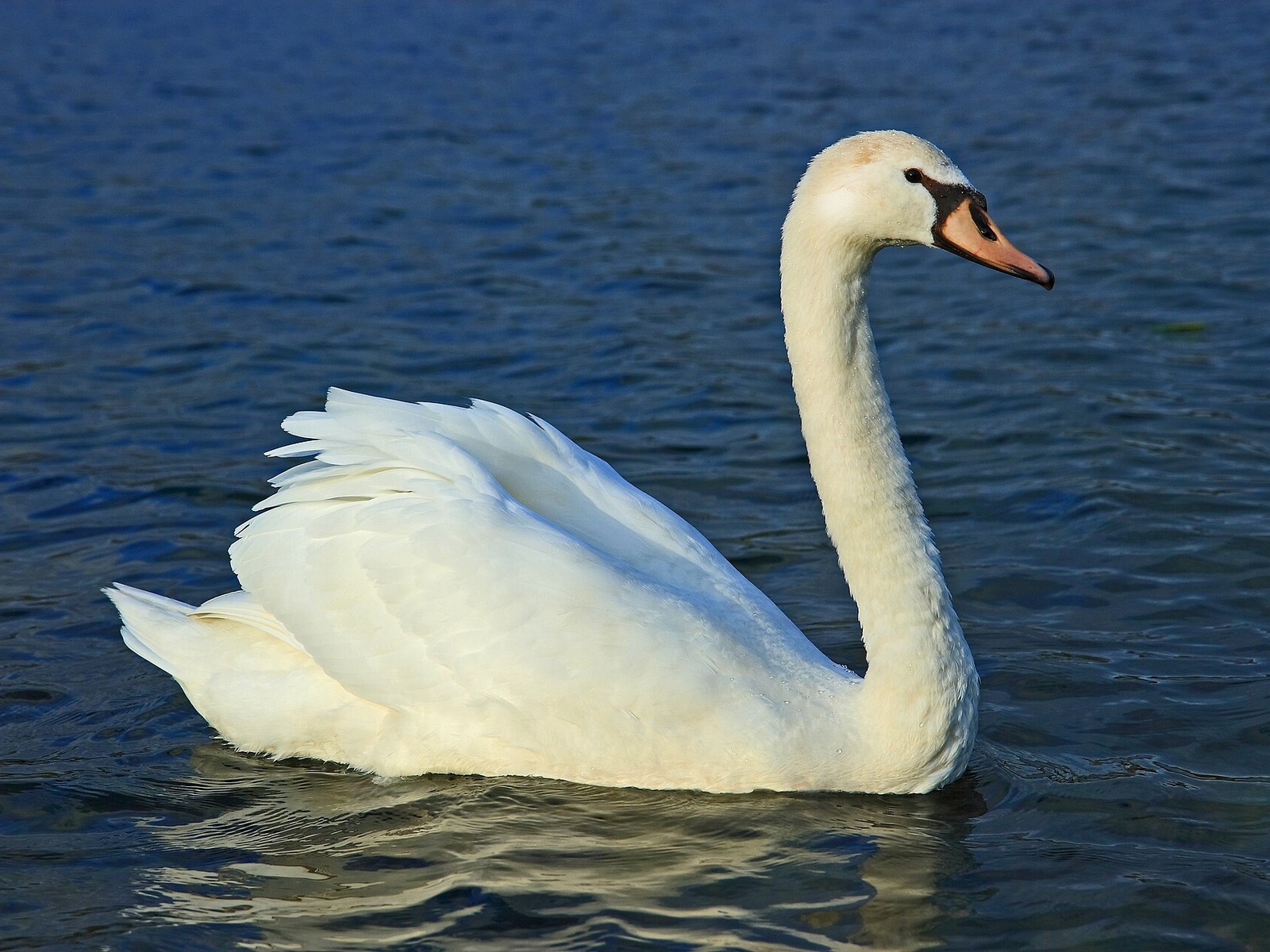
Mute swan
The great white swan of European waters, gliding in pairs that often mate for life.
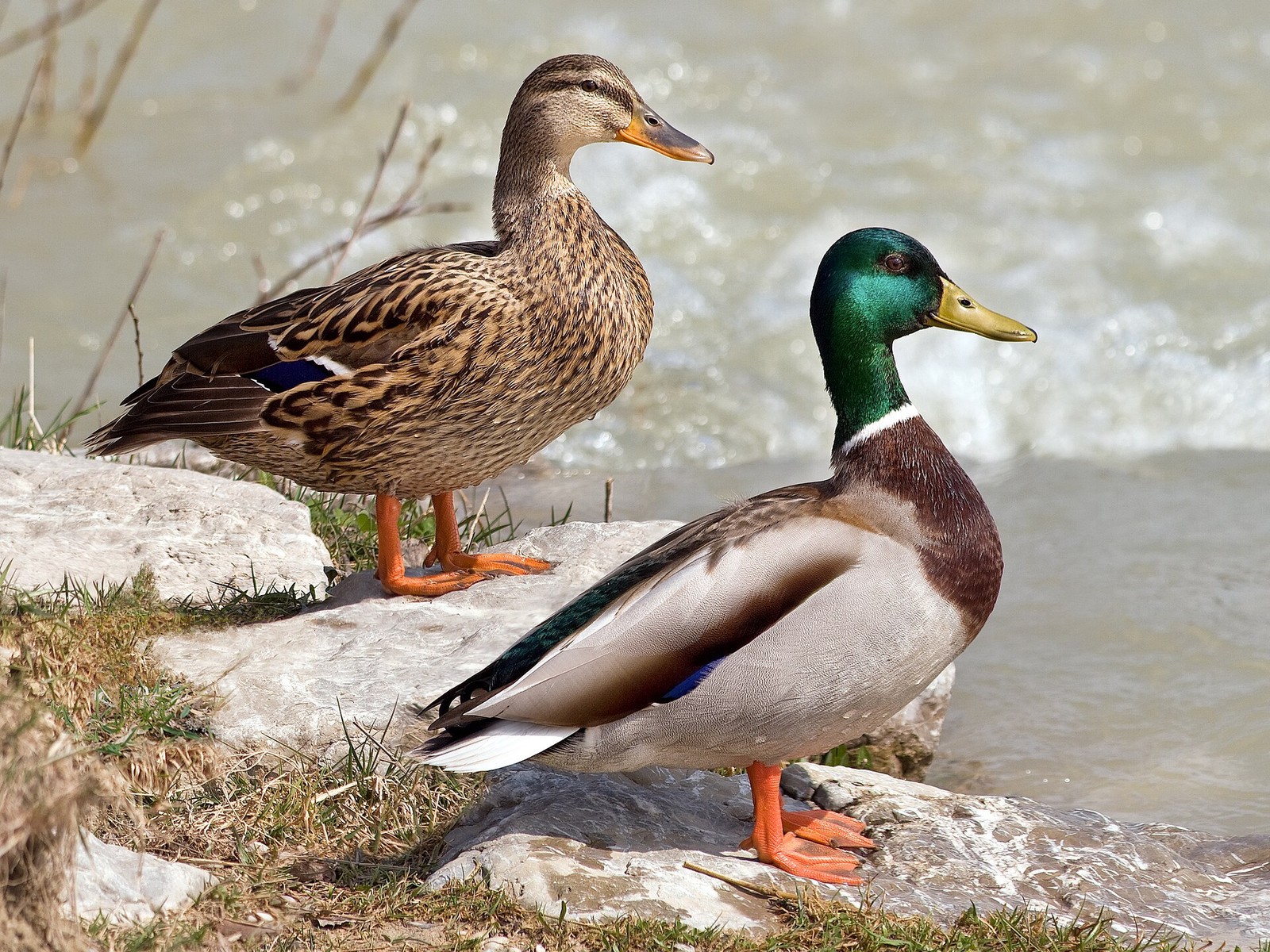
Mallard
The familiar green-headed dabbling duck — ancestor of most domestic ducks — found on waters worldwide.
Water plants & reeds
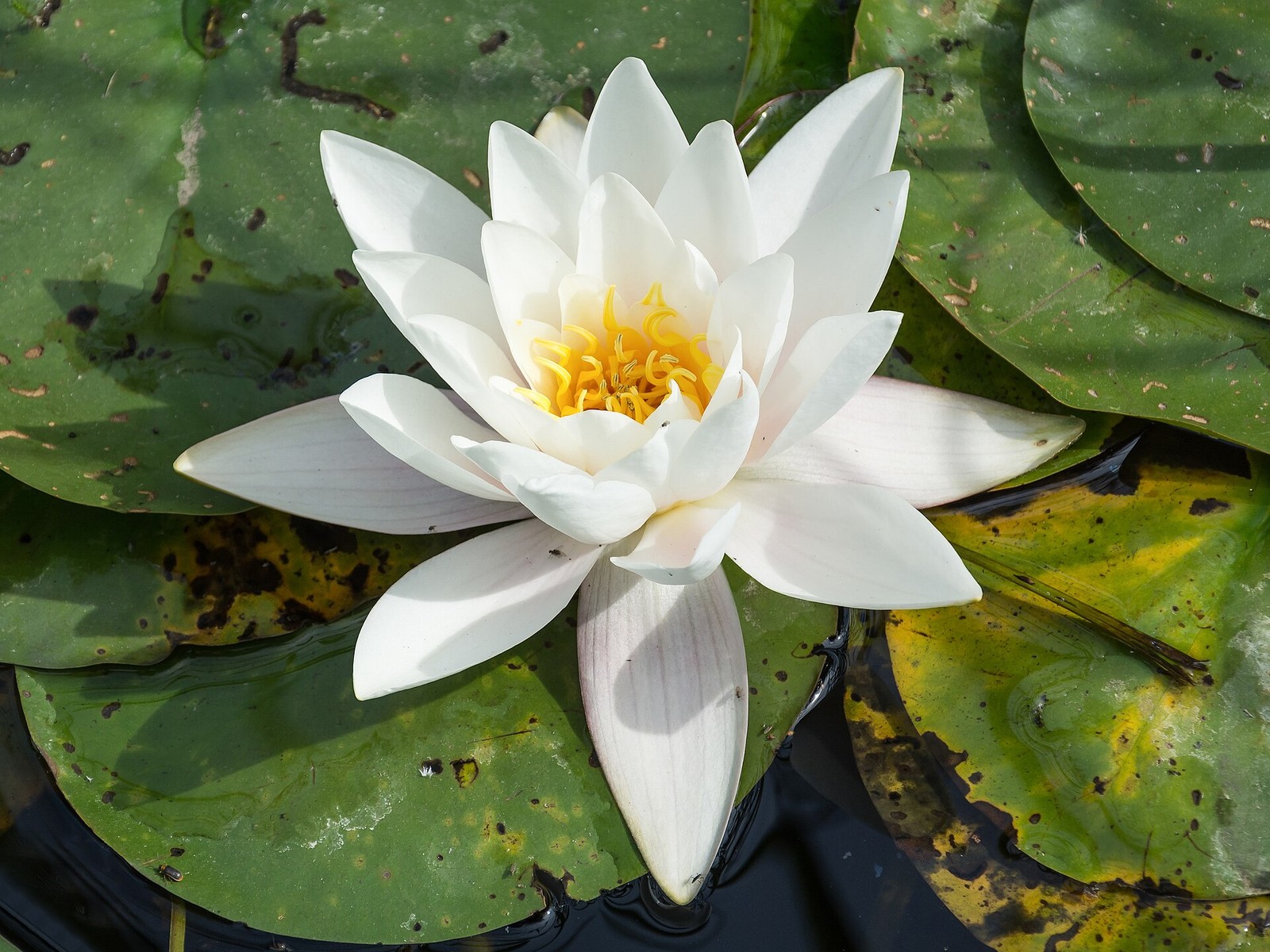
Water lily
Rooted in the mud, its round pads and star-like flowers float on the still surface of lakes and backwaters.
Interactive · 3D journey
Journey of a river · source → sea
Every river runs the same great journey — from an icy mountain spring, down through gorges and looping meanders, to a wide delta where it meets the sea. Tap a stage to follow the water downstream.
Tip: hover to tilt the valley · tap a stage to float downstream
The Source
Every river begins high up — in a mountain spring, a melting glacier or a boggy upland. The water is cold, clear and fast, tumbling down the steepest ground of its whole journey.
Landforms here