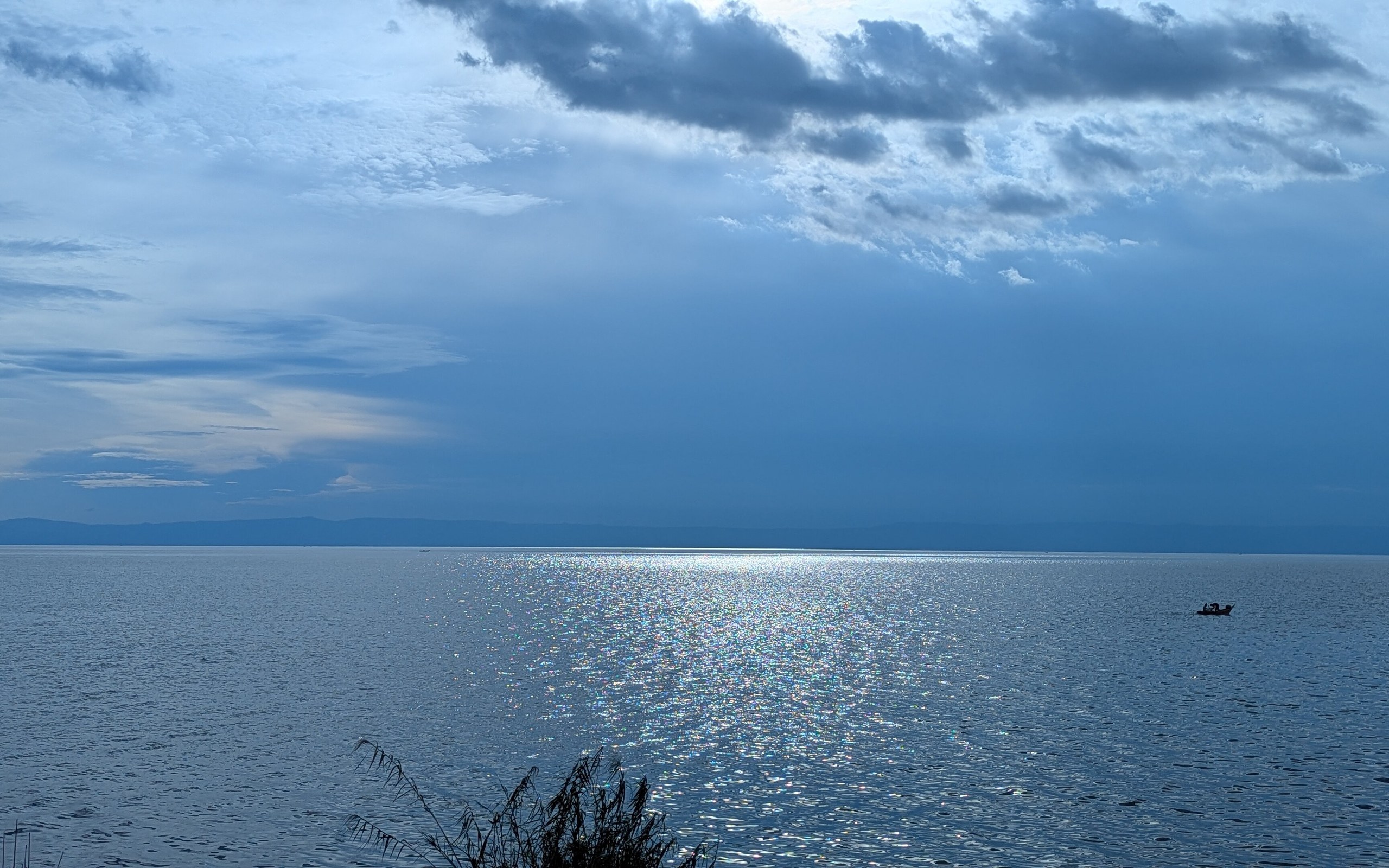
One of the great lakes of the African Rift, a source lake on the course of the Nile.
Surface area
5,300 km²
Maximum depth
about 58 m
Elevation
615 m
Continent
Africa
Countries
Uganda & DR Congo
Did you know?
The White Nile flows into Lake Albert and straight out again, making it part of the river's long journey north.
Little-known fact
It lies in the Albertine Rift, one of the most biodiverse regions in all of Africa.
Highlights
- A great African Rift lake
- A staging post of the Nile
- In a biodiversity hotspot
Life in the Lake Albert
The fish and animals, waterbirds and water plants — including some of the rarest — that this water supports.
Animals & fish
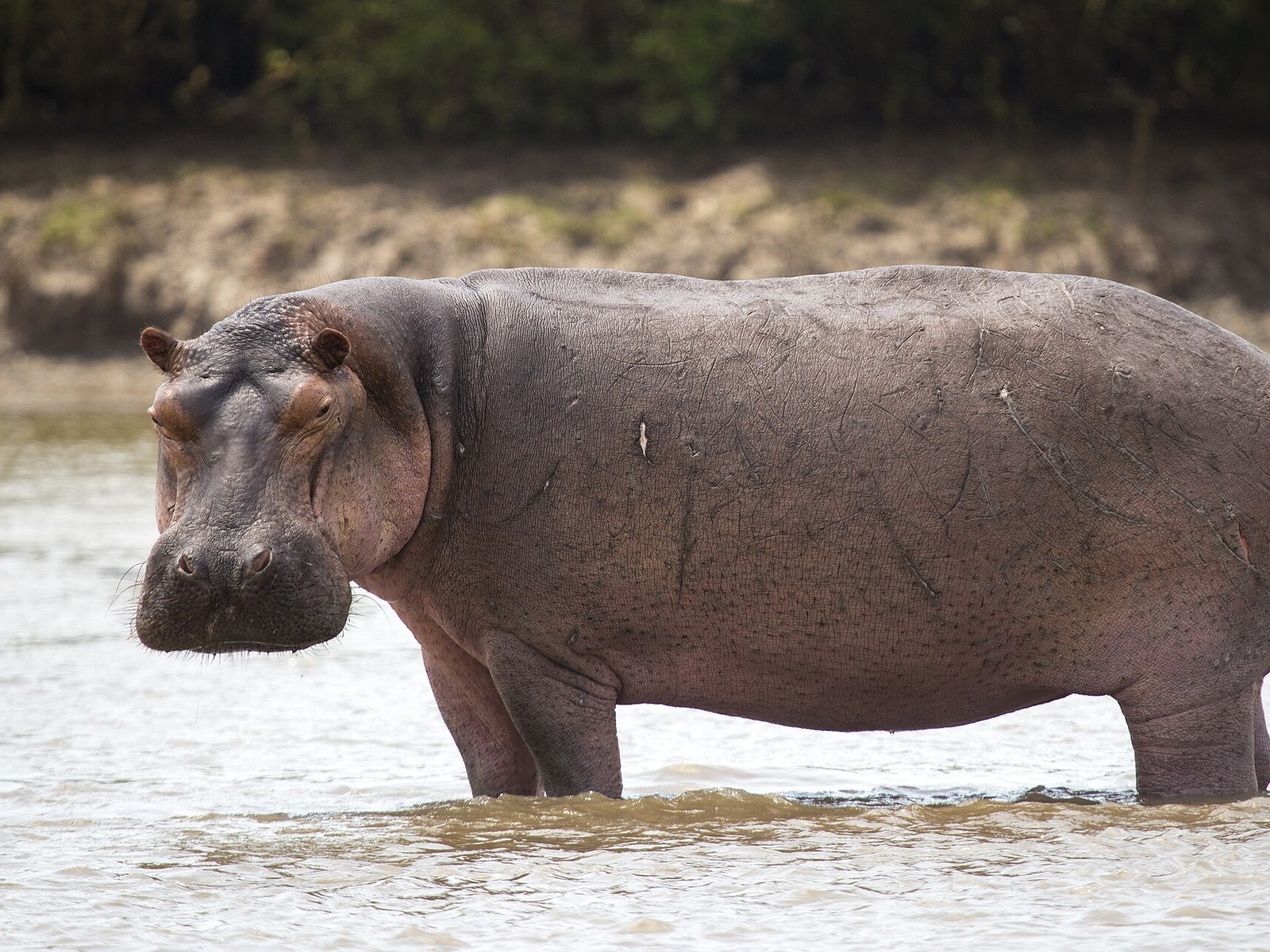
Hippopotamus
Africa’s river giant spends its days submerged and is, pound for pound, among the continent’s most dangerous animals.
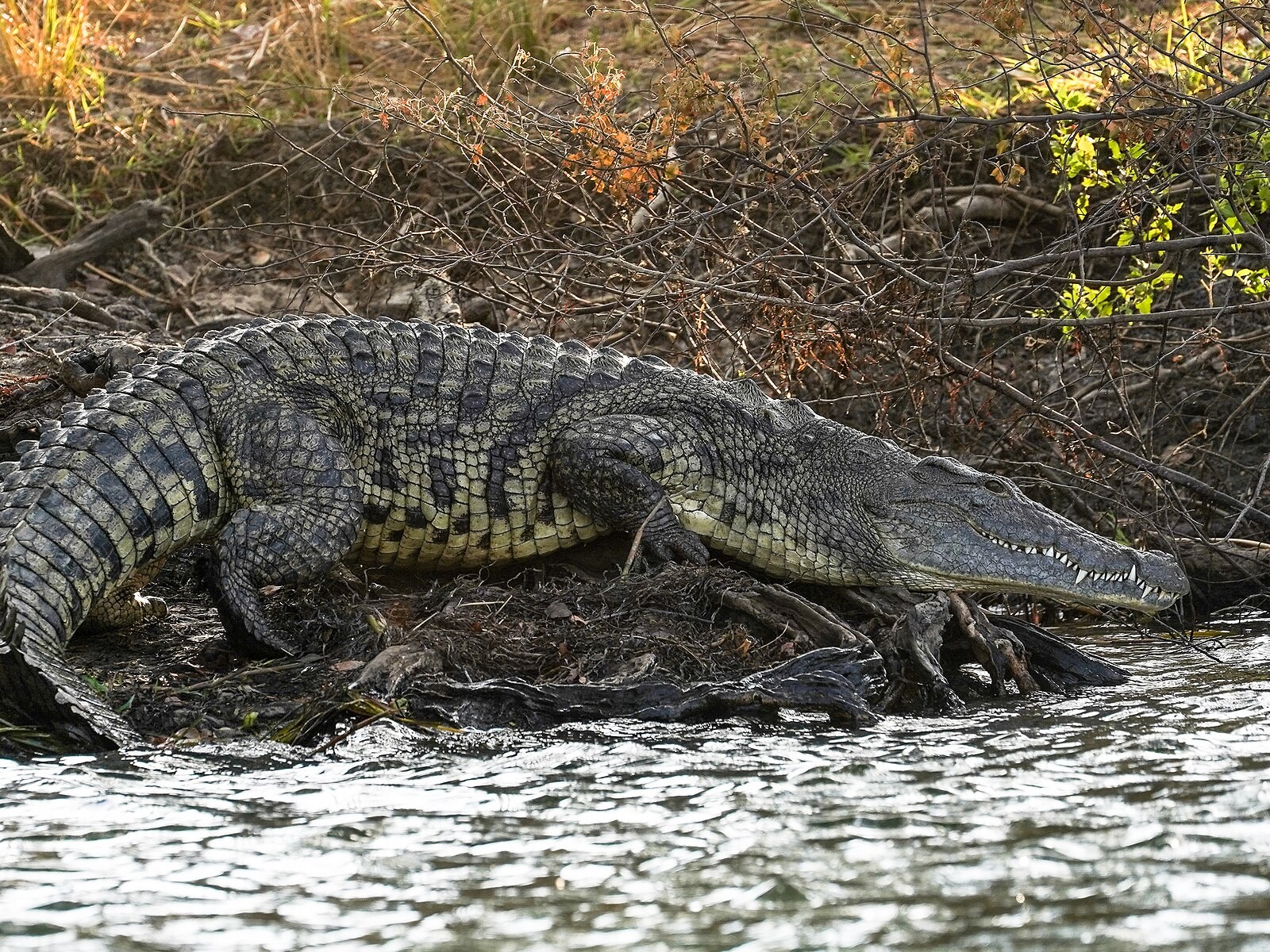
Nile crocodile
Africa’s largest crocodile and a patient ambush hunter little changed since the age of dinosaurs.
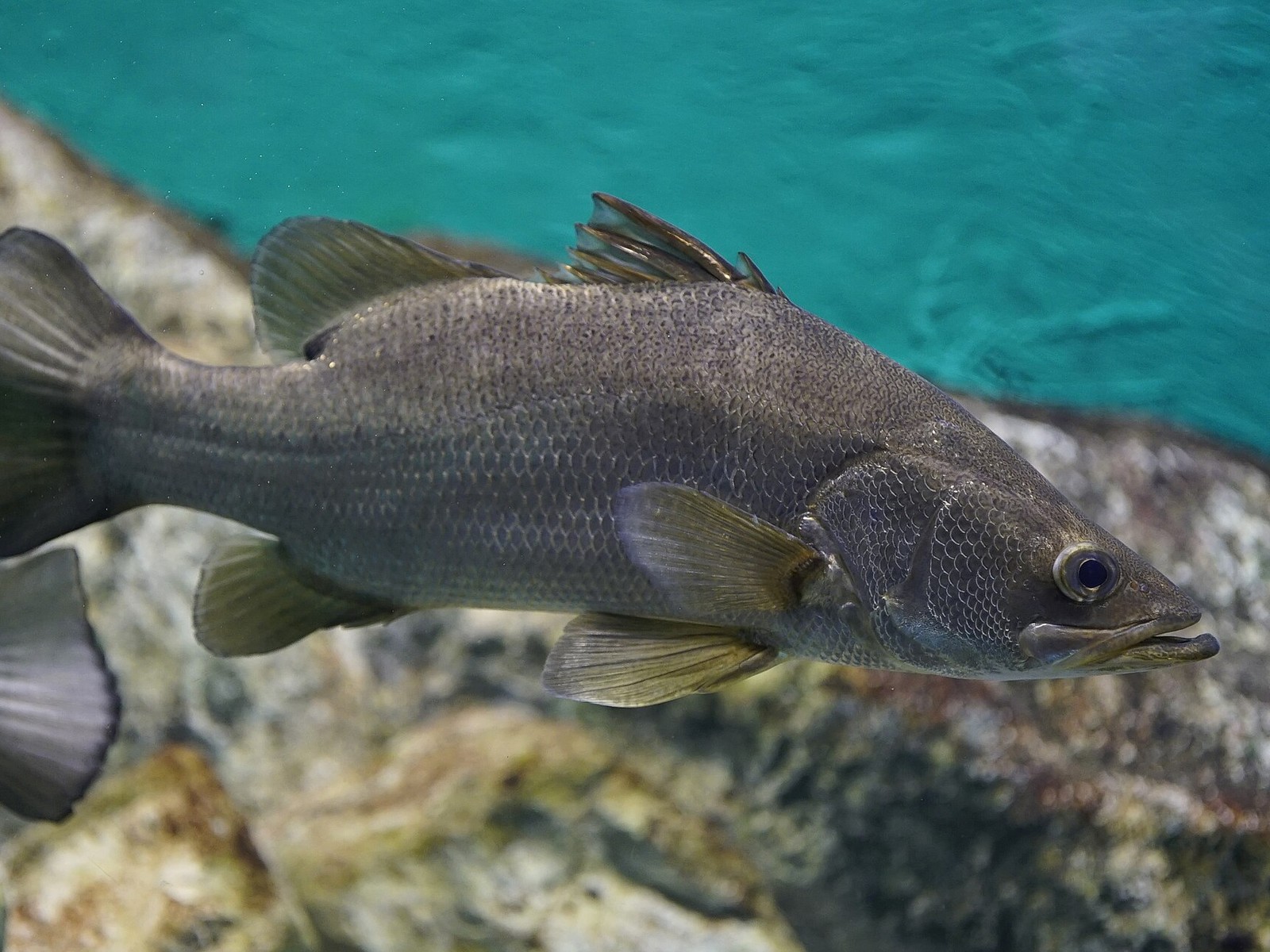
Nile perch
One of the largest freshwater fish, growing to 2 m; introduced to Lake Victoria with devastating results.
Waterbirds
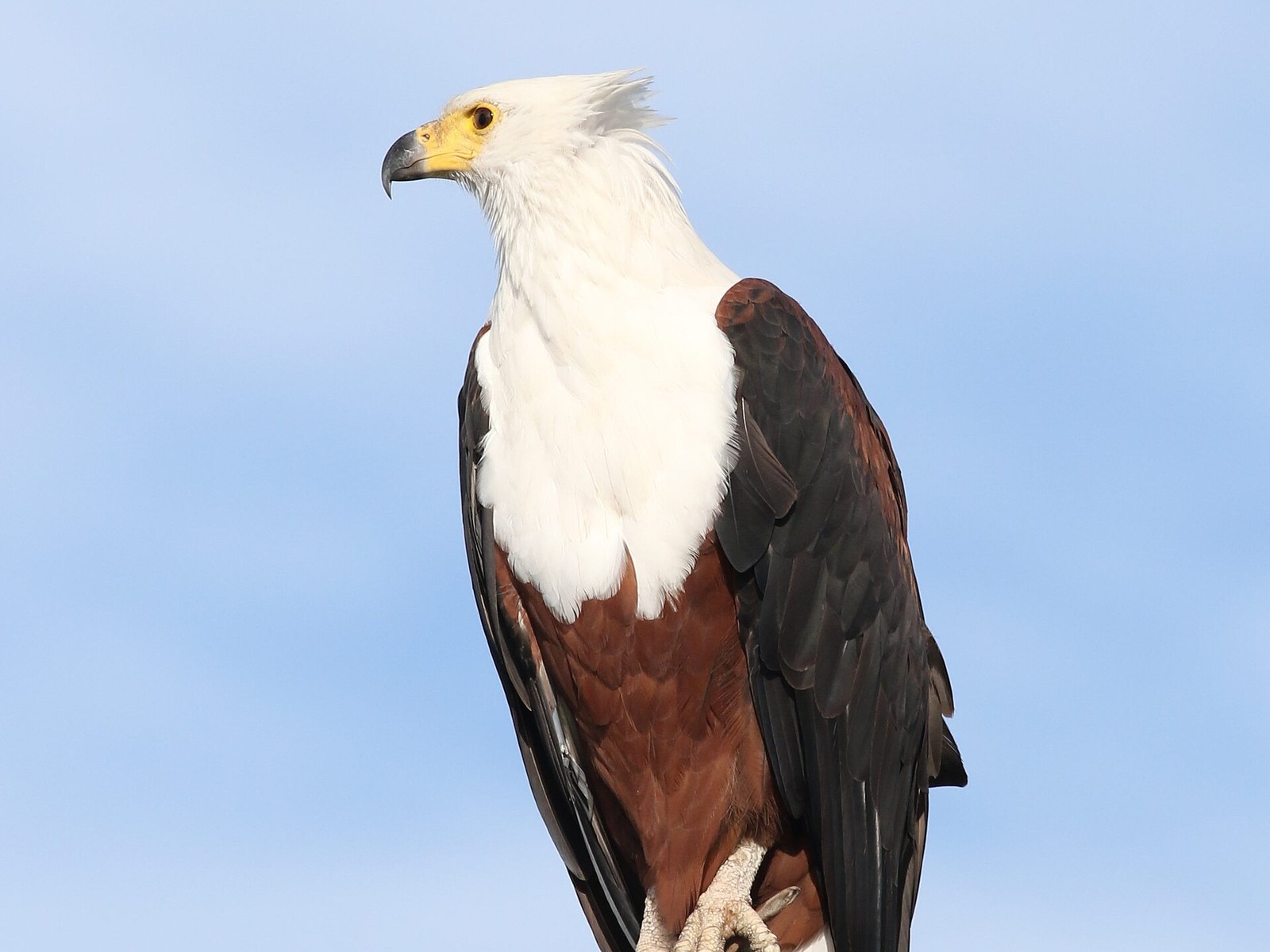
African fish eagle
The ringing call of this black-white-and-chestnut raptor is the iconic “voice of Africa” by the water.
Water plants & reeds
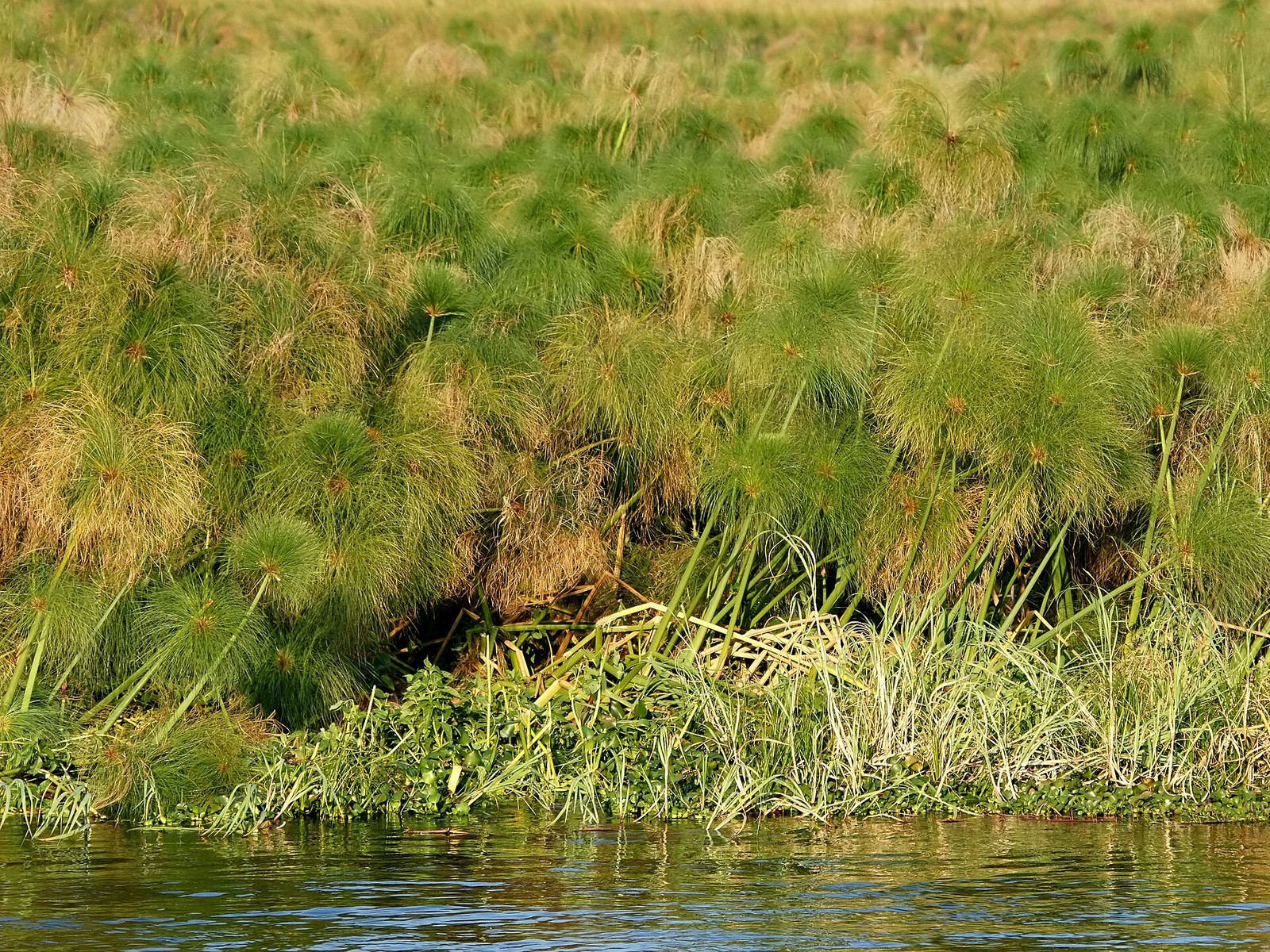
Papyrus
The towering reed of the Nile that the ancient Egyptians turned into the world’s first paper.
Interactive · 3D dive
How deep does a lake go?
A lake is layered from the sunlit, weed-filled shallows down to a cold, dark bed. Tap a zone to dive the submersible through the water column — and meet the life that belongs at each depth.
Tip: hover the column to tilt it · tap a layer to dive
Littoral Zone
The warm, bright band close to shore where sunlight reaches the bottom. Reeds, water lilies and rooted plants grow thickly here, making it the busiest, most crowded part of the whole lake.
Who lives here