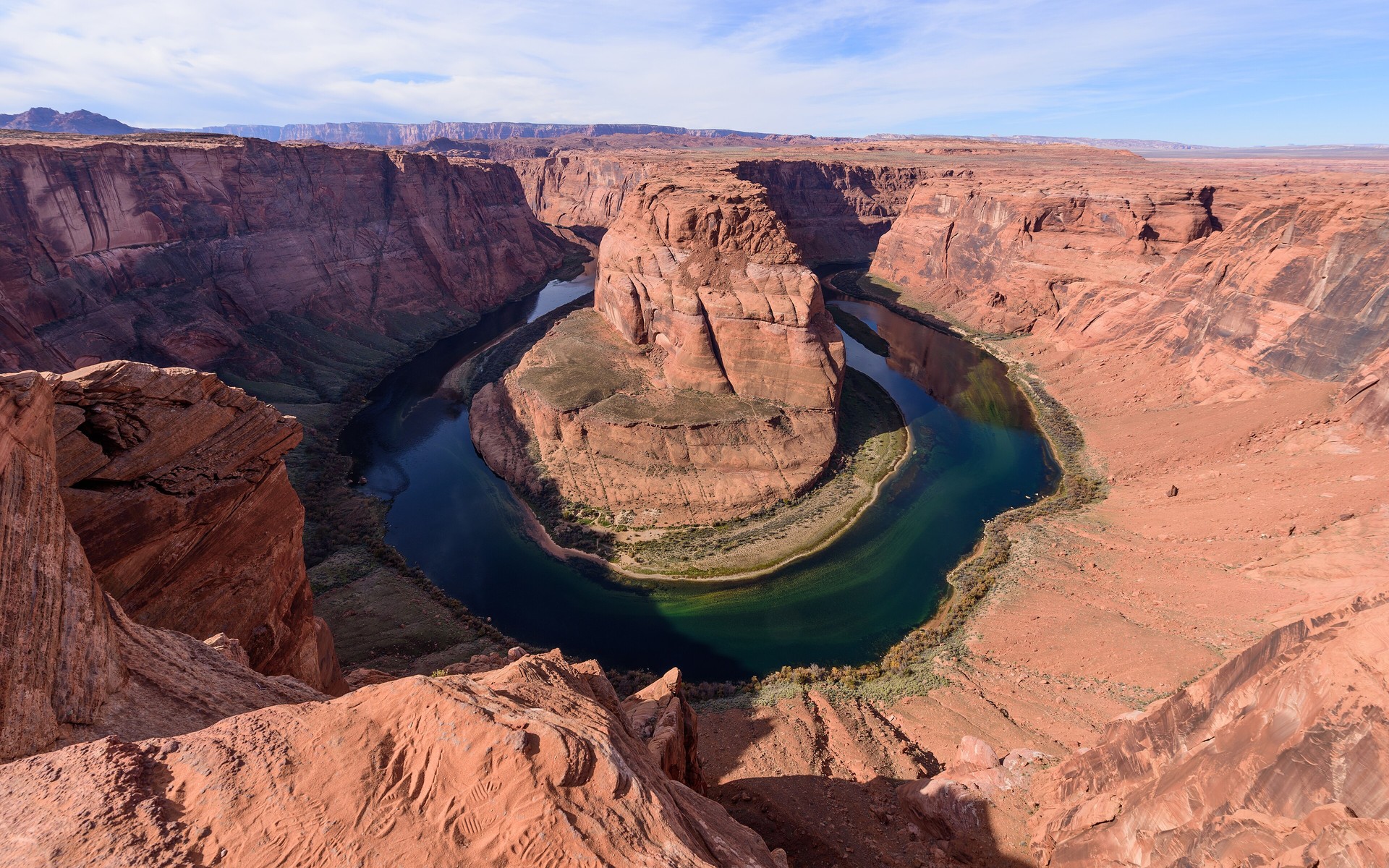
The river that carved the Grand Canyon over millions of years, now the hardest-working river in the American West.
Length
2,330 km
Source
Rocky Mountains, Colorado
Mouth
Gulf of California (usually dry)
Continent
North America
Countries
United States & Mexico
Did you know?
So much of the Colorado's water is drawn off for cities and farms that it usually runs dry before reaching the sea.
Little-known fact
The river carved the entire mile-deep Grand Canyon, exposing rocks almost two billion years old at the bottom.
Highlights
- Carved the Grand Canyon
- Often runs dry before the sea
- Exposes two-billion-year-old rock
Life in the Colorado
The fish and animals, waterbirds and water plants — including some of the rarest — that this water supports.
Animals & fish
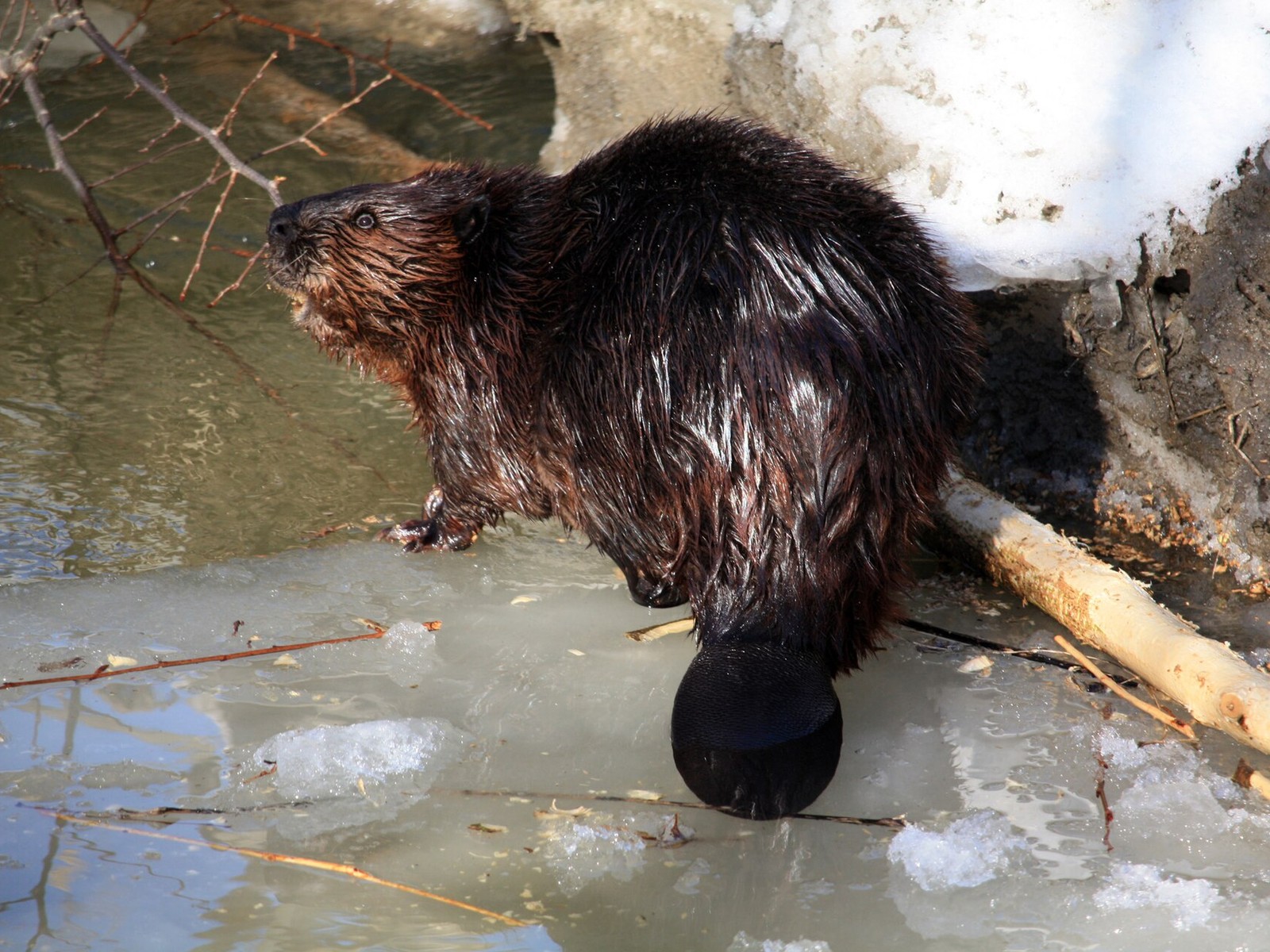
North American beaver
Nature’s engineer: its dams create wetlands that reshape whole river valleys.
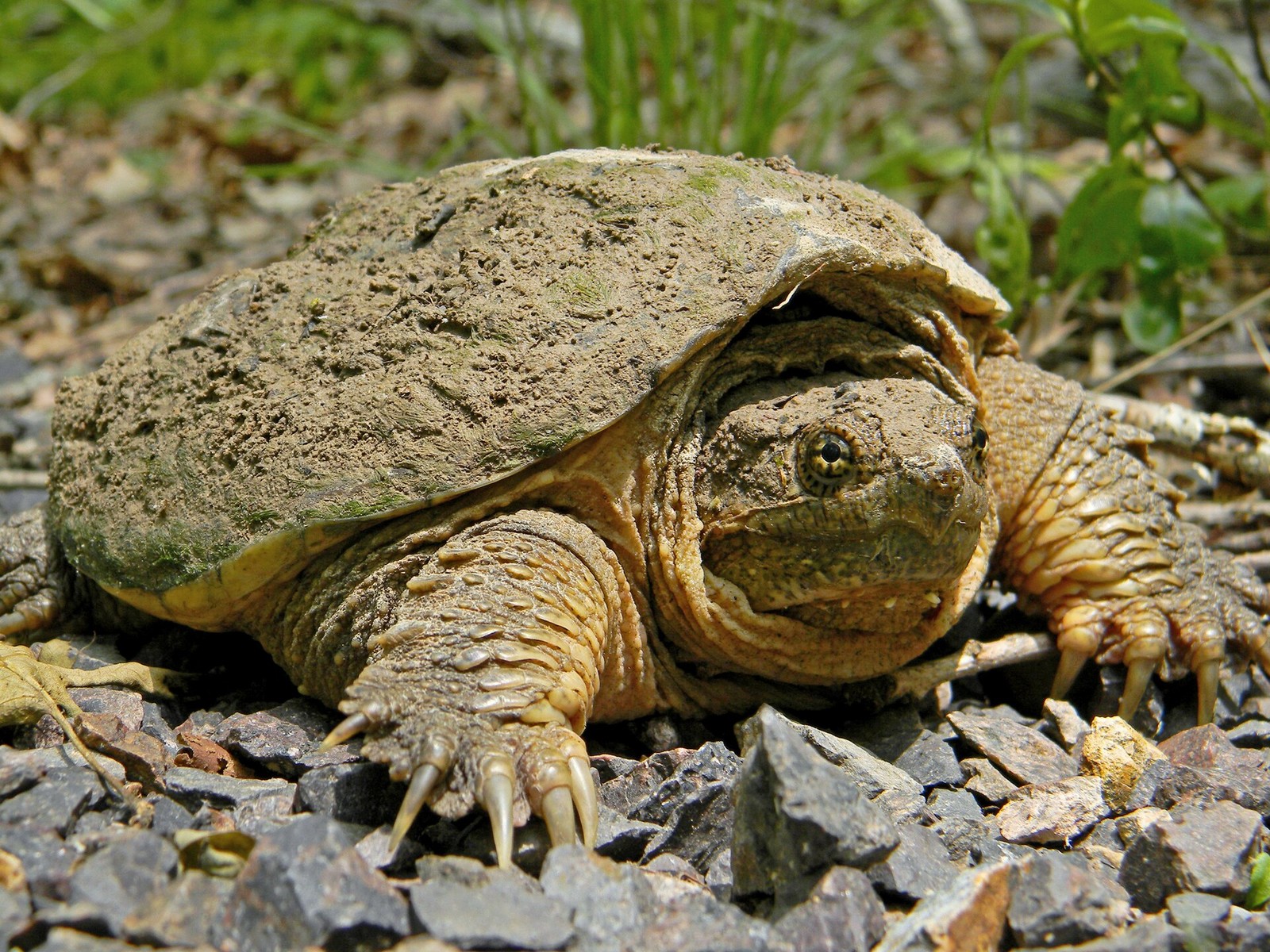
Common snapping turtle
An armoured, prehistoric-looking turtle with a powerful beak that haunts the muddy beds of North American waters.
Waterbirds
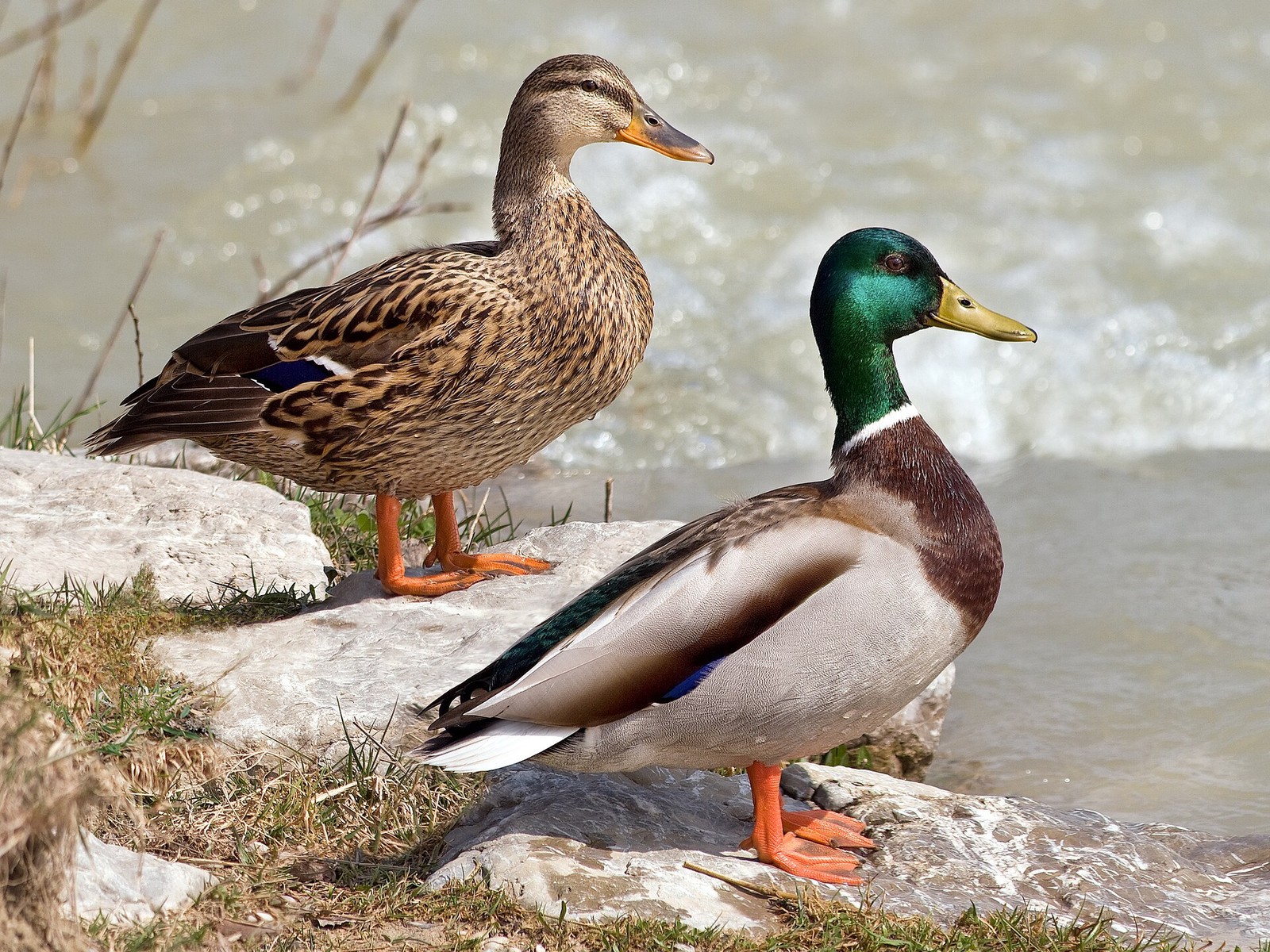
Mallard
The familiar green-headed dabbling duck — ancestor of most domestic ducks — found on waters worldwide.
Water plants & reeds
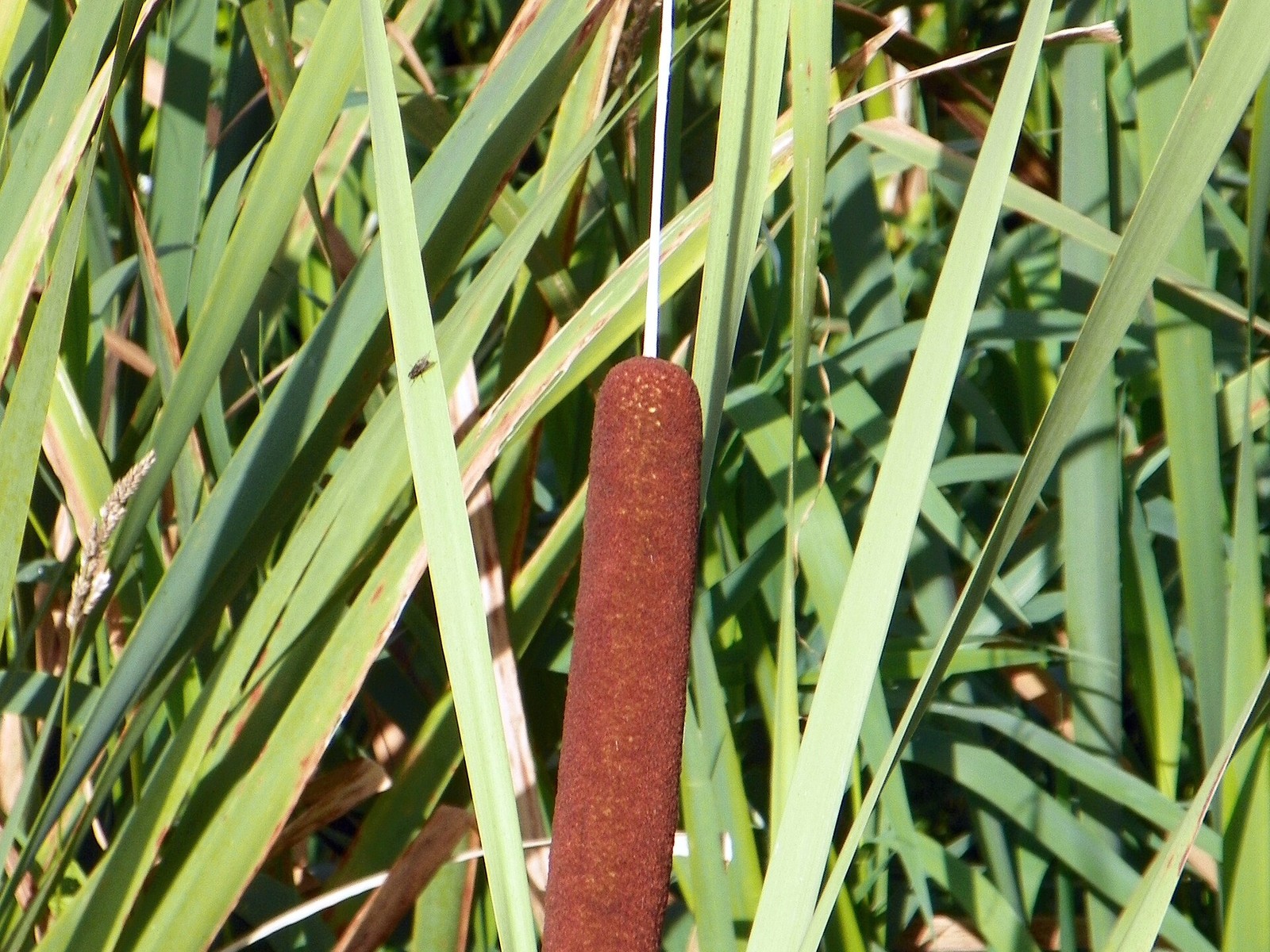
Cattail (bulrush)
The brown sausage-headed reed of marshy shallows, edible from root to pollen.
Interactive · 3D journey
Journey of a river · source → sea
Every river runs the same great journey — from an icy mountain spring, down through gorges and looping meanders, to a wide delta where it meets the sea. Tap a stage to follow the water downstream.
Tip: hover to tilt the valley · tap a stage to float downstream
The Source
Every river begins high up — in a mountain spring, a melting glacier or a boggy upland. The water is cold, clear and fast, tumbling down the steepest ground of its whole journey.
Landforms here