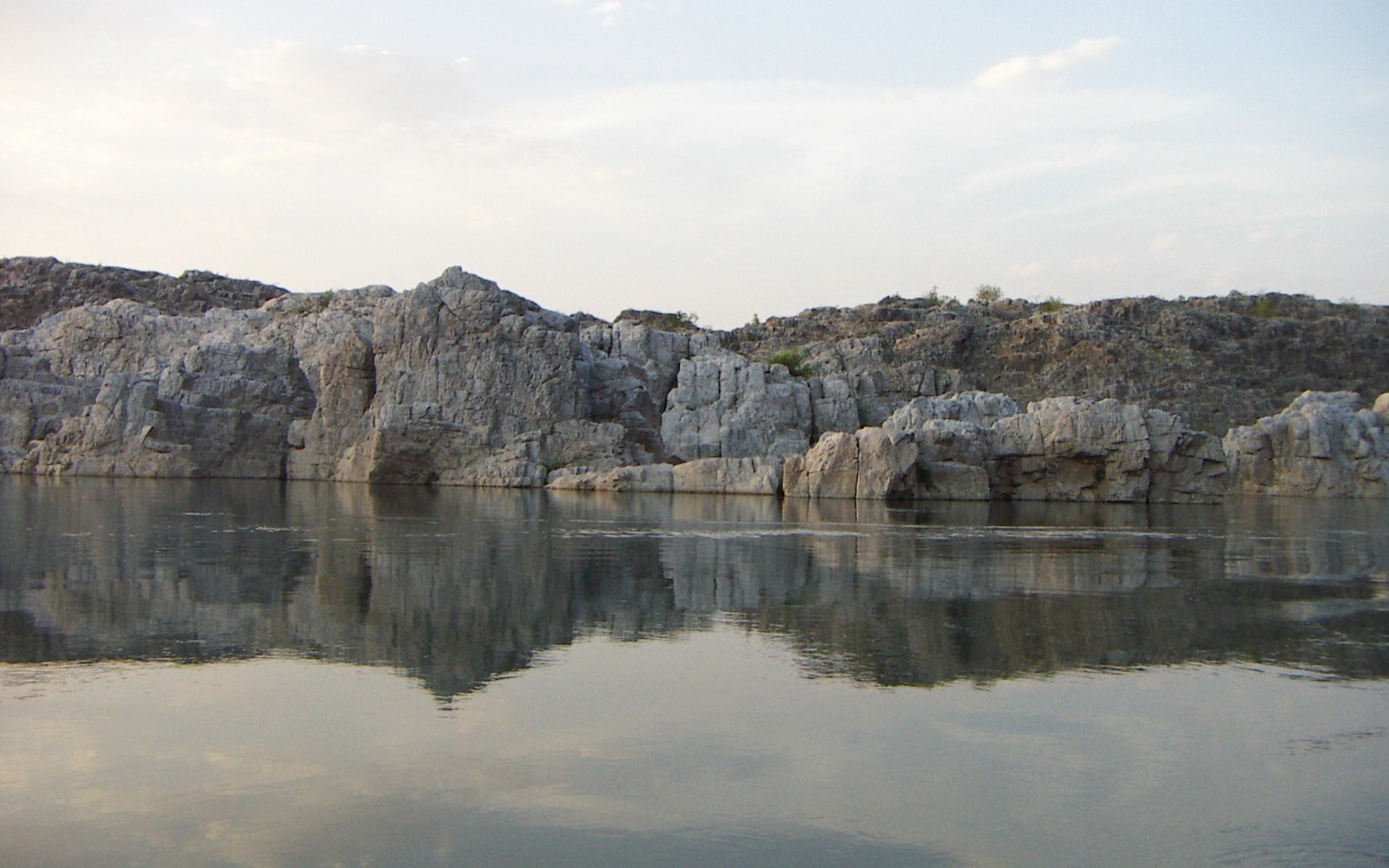
A sacred river of central India, unusual for flowing east to west through a deep rift valley.
Length
1,312 km
Source
Amarkantak Plateau
Mouth
Arabian Sea (Gulf of Khambhat)
Continent
Asia
Countries
India
Did you know?
The Narmada is one of the few major Indian rivers to flow westward, running through a rift between two mountain ranges.
Little-known fact
At Bhedaghat it flows between gleaming marble cliffs, so prized that pilgrims circle the entire river on foot — a walk of years.
Highlights
- Flows east to west
- Runs through a rift valley
- Passes the Marble Rocks of Bhedaghat
Life in the Narmada
The fish and animals, waterbirds and water plants — including some of the rarest — that this water supports.
Animals & fish
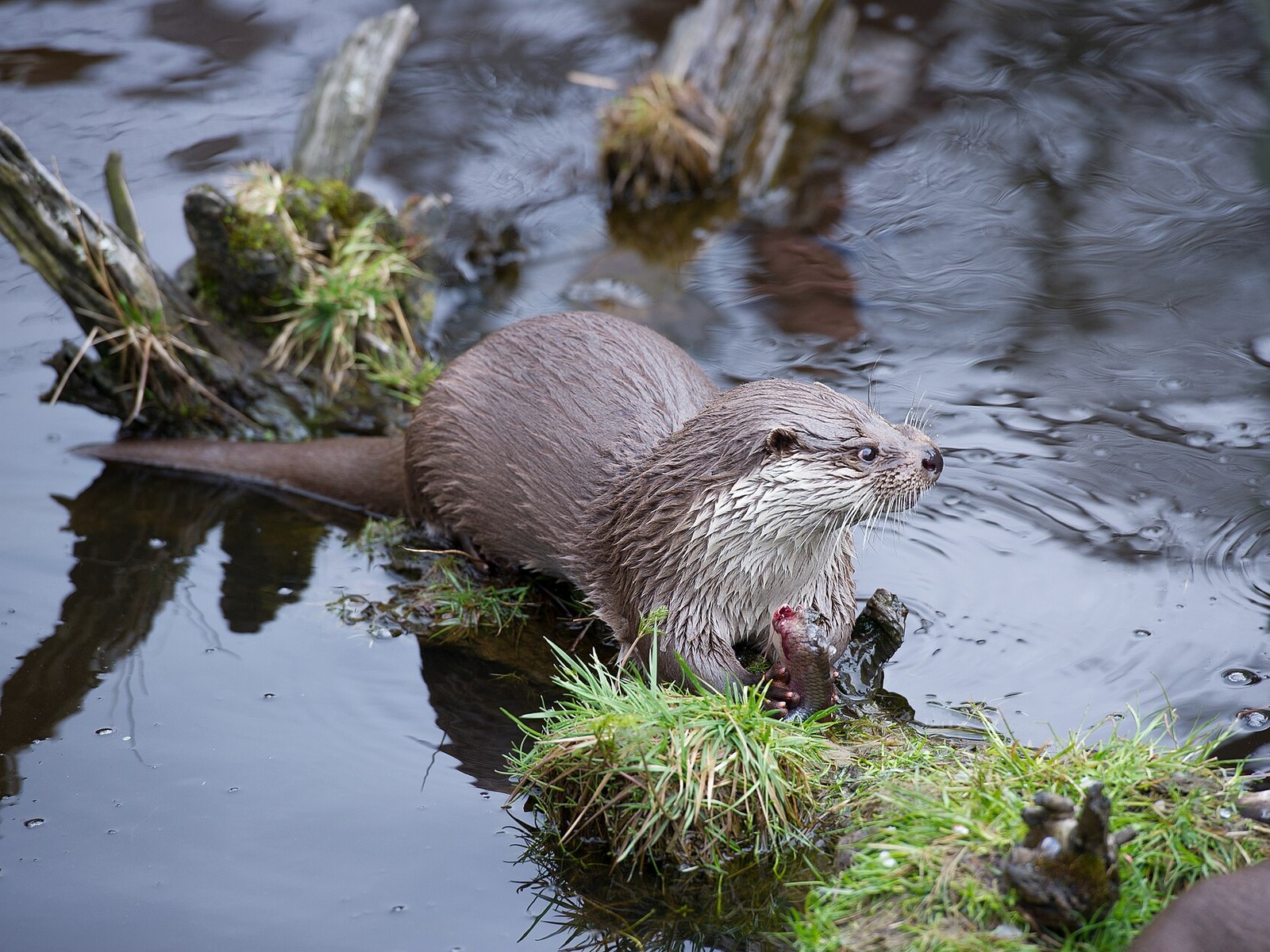
Eurasian otter
A sleek, playful hunter whose return to a river is a sign the water has run clean again.
Waterbirds
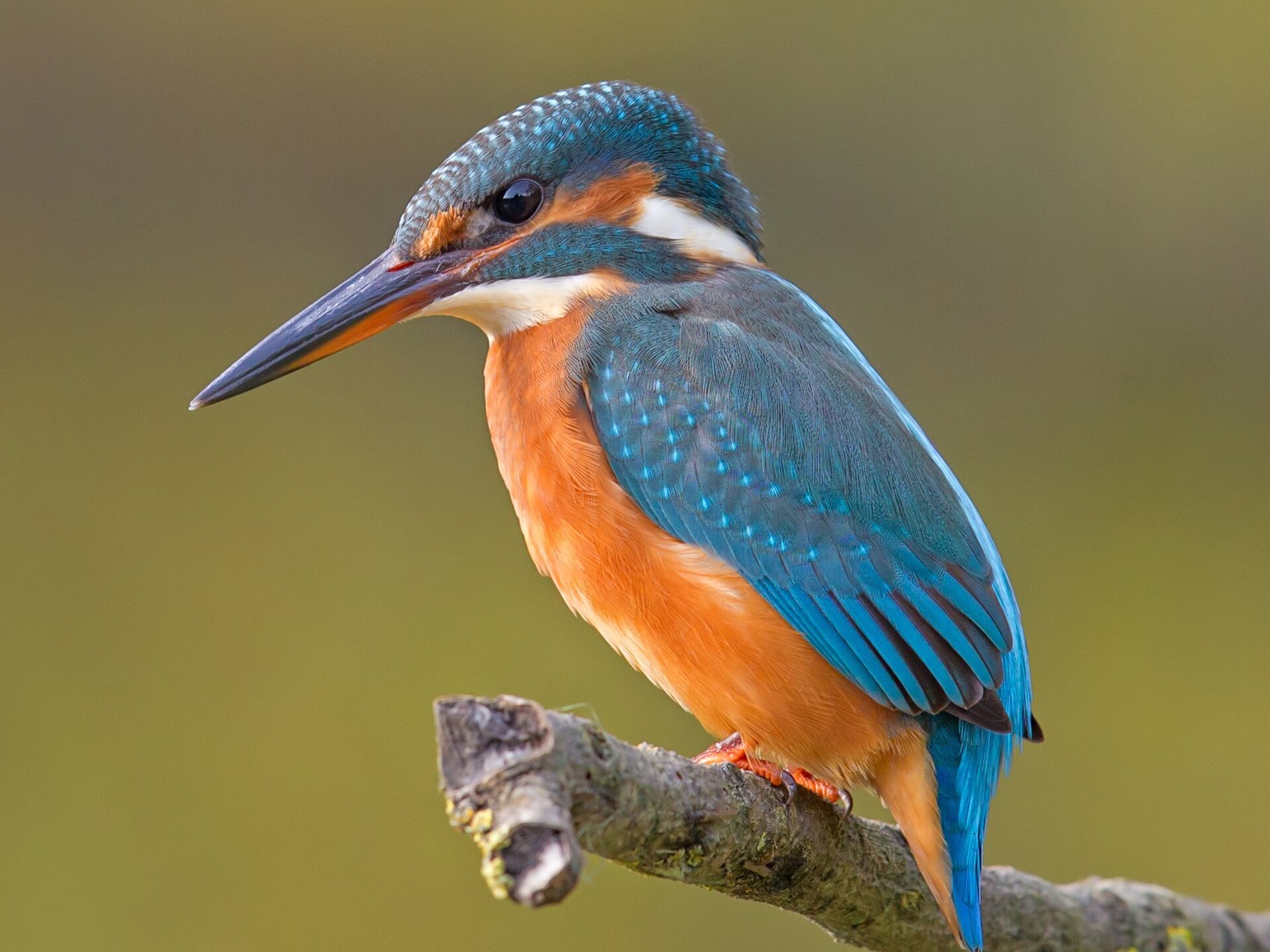
Common kingfisher
A dazzling blue-and-orange dart that plunges from a perch to spear fish in an instant.
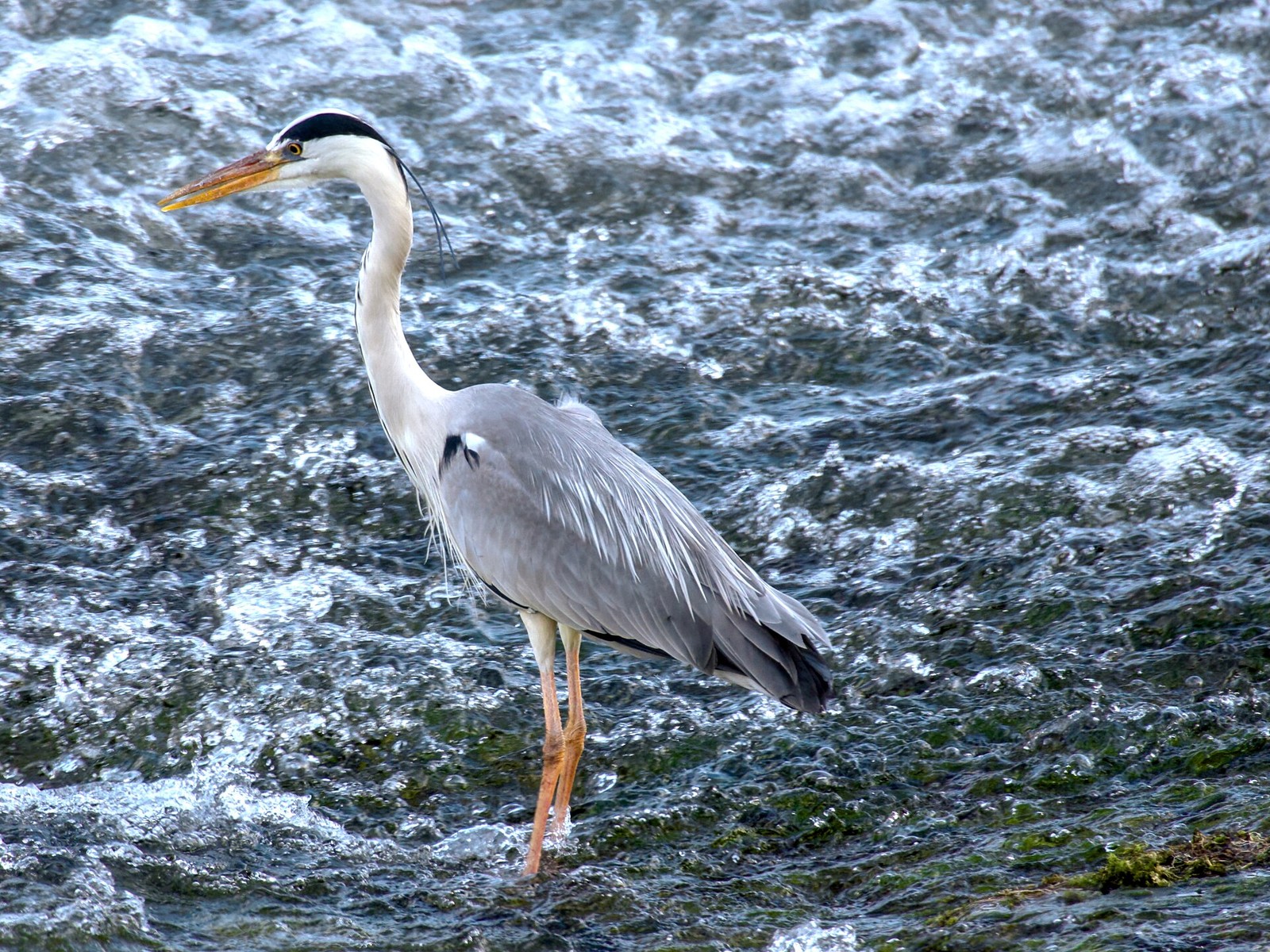
Grey heron
A patient, statue-still angler that stalks the shallows of rivers and lakes across the Old World.
Water plants & reeds
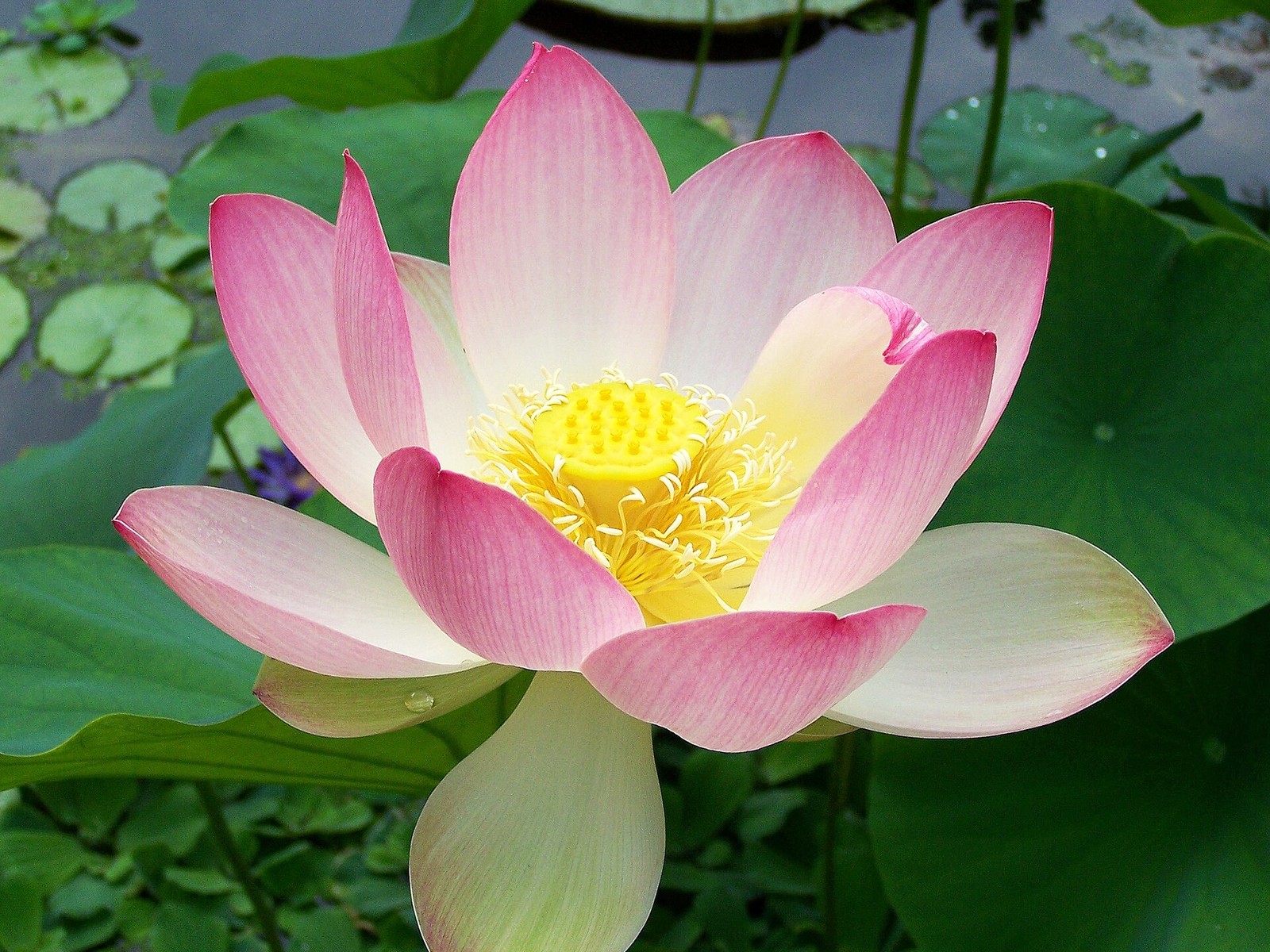
Sacred lotus
A revered Asian water plant whose leaves are so water-repellent that dirt rolls straight off them.
Interactive · 3D journey
Journey of a river · source → sea
Every river runs the same great journey — from an icy mountain spring, down through gorges and looping meanders, to a wide delta where it meets the sea. Tap a stage to follow the water downstream.
Tip: hover to tilt the valley · tap a stage to float downstream
The Source
Every river begins high up — in a mountain spring, a melting glacier or a boggy upland. The water is cold, clear and fast, tumbling down the steepest ground of its whole journey.
Landforms here