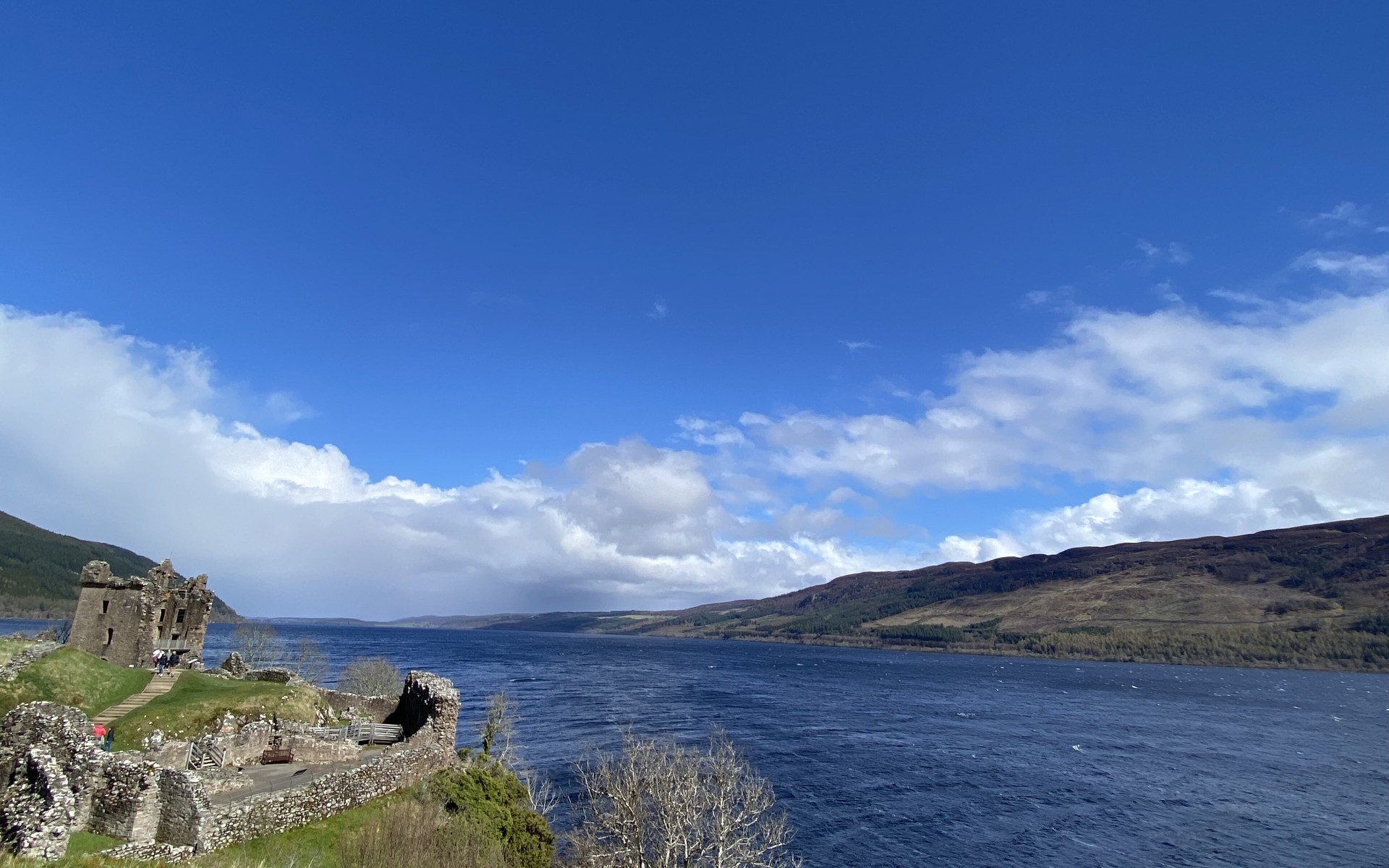
A long, deep, dark loch in the Scottish Highlands, famed for its legendary monster.
Surface area
56 km²
Maximum depth
about 227 m
Elevation
16 m
Continent
Europe
Countries
United Kingdom (Scotland)
Did you know?
Loch Ness holds more fresh water than all the lakes of England and Wales combined, thanks to its great depth.
Little-known fact
Its peaty water is so dark that visibility is almost nil a few metres down — part of why 'Nessie' has never been found.
Highlights
- A deep Highland loch
- More water than England's lakes
- Home of the Nessie legend
Life in the Loch Ness
The fish and animals, waterbirds and water plants — including some of the rarest — that this water supports.
Animals & fish
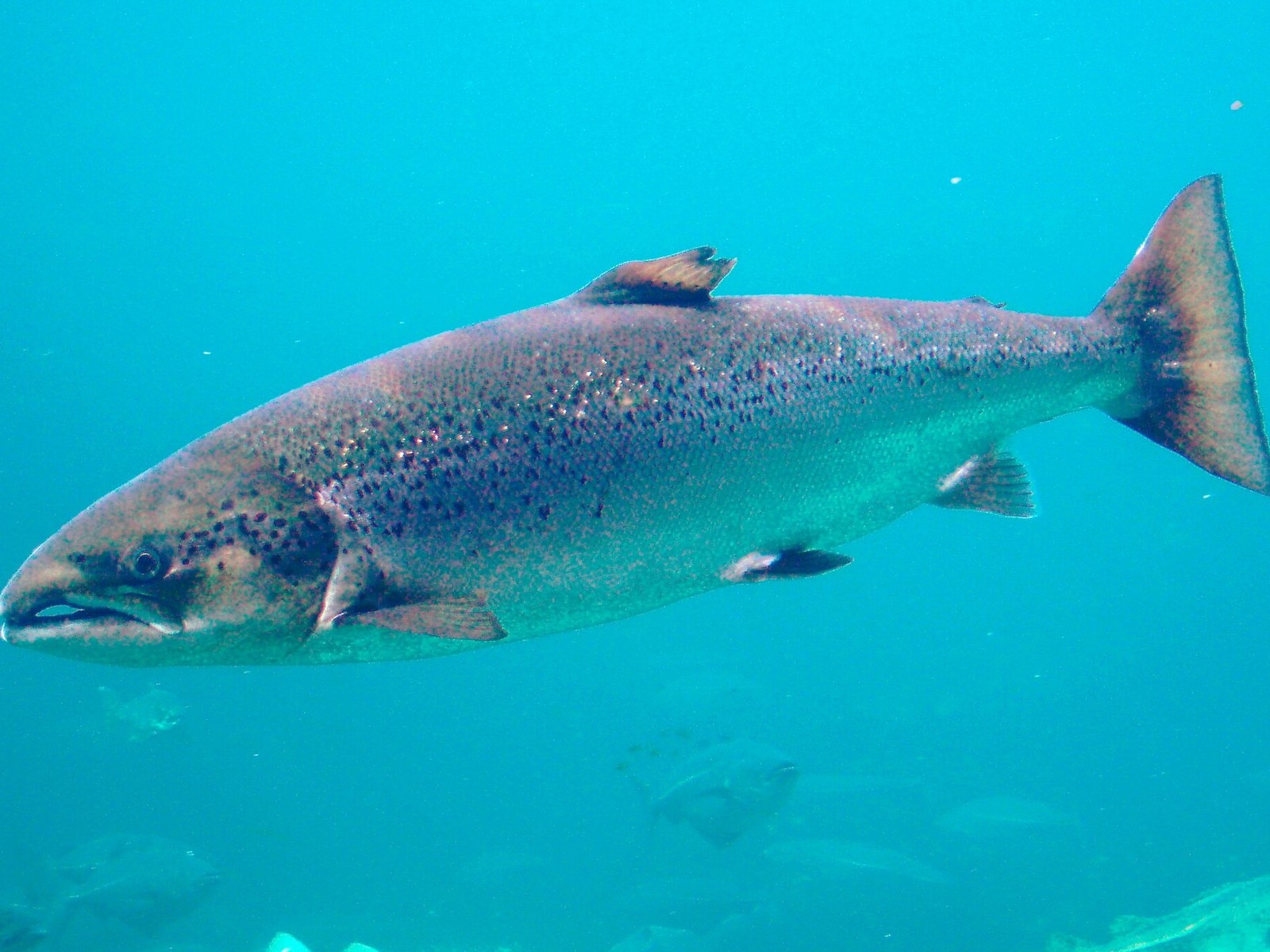
Atlantic salmon
The “king of fish” — it is born in a river, grows at sea, then fights its way back upstream to spawn where it hatched.
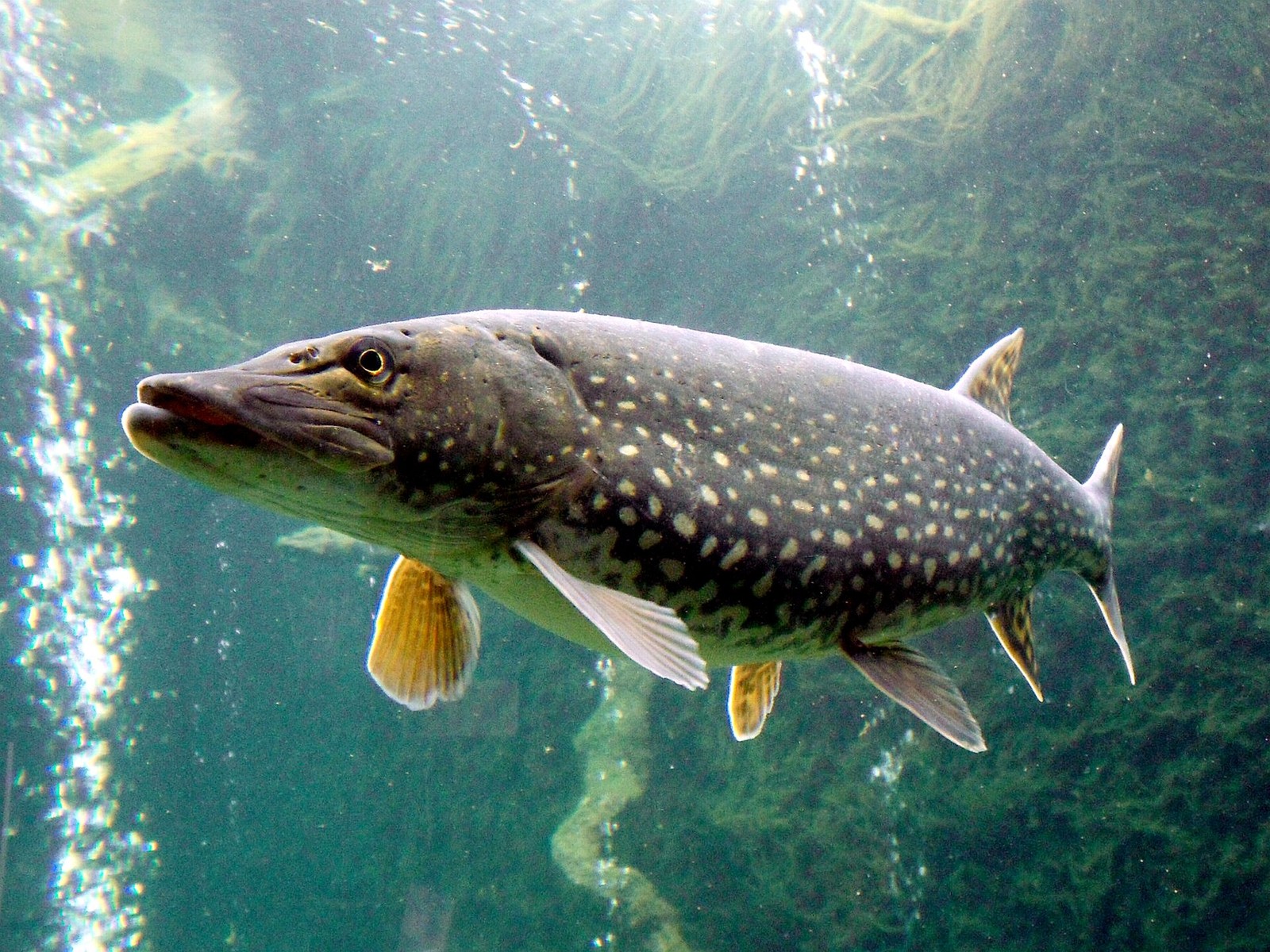
Northern pike
A long, torpedo-shaped ambush predator that lurks among weeds across the cool rivers and lakes of the north.
Waterbirds
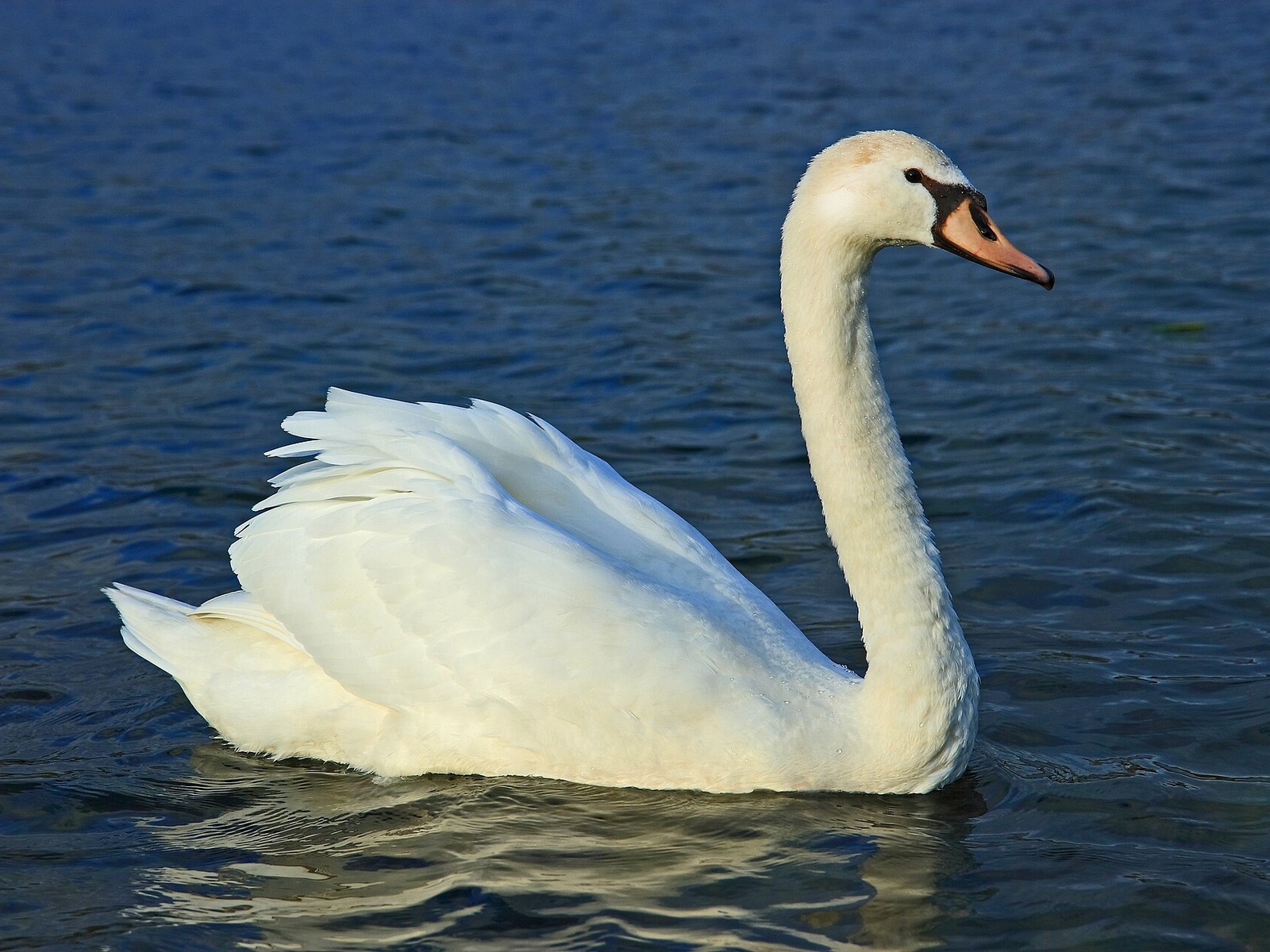
Mute swan
The great white swan of European waters, gliding in pairs that often mate for life.
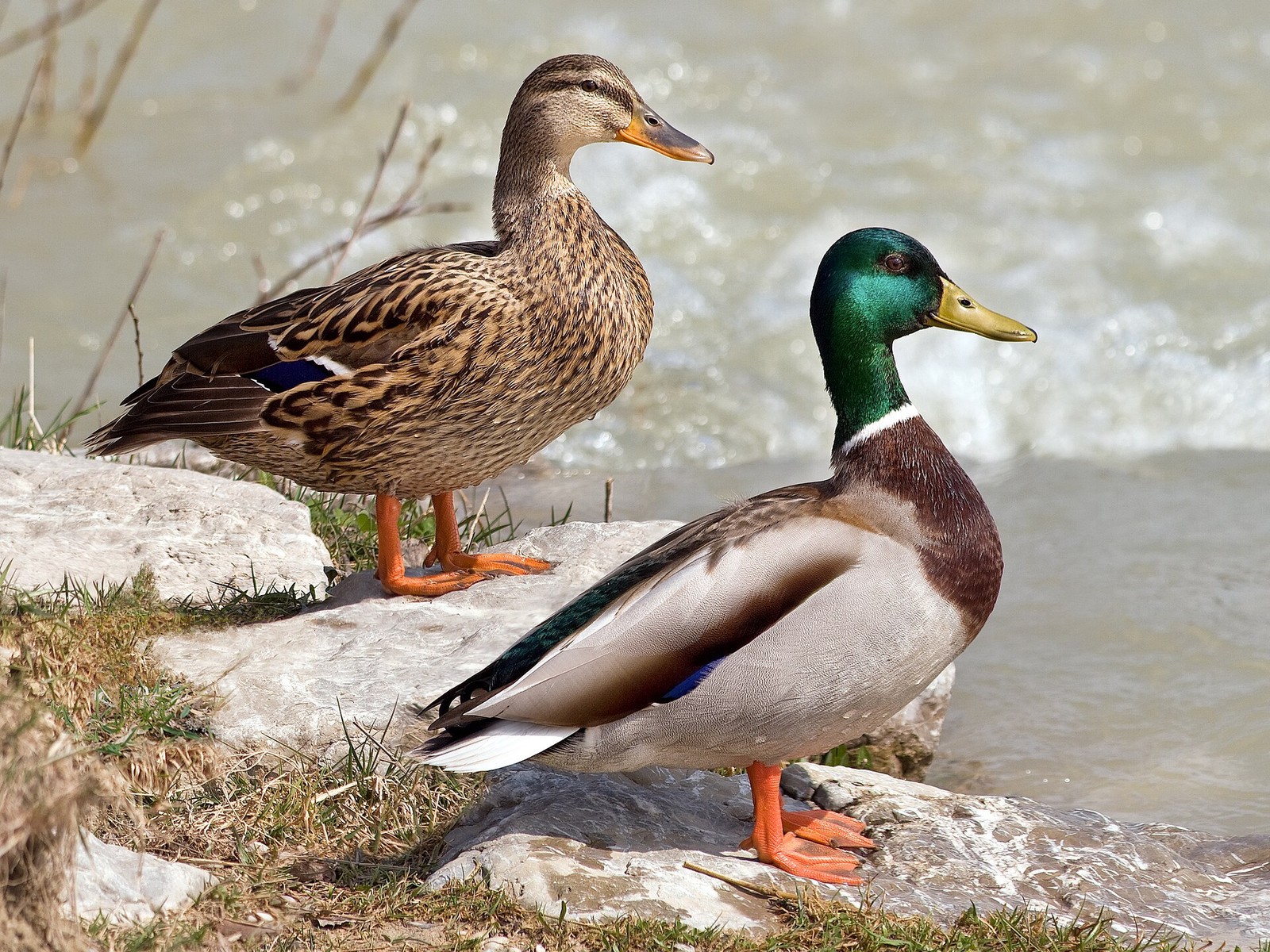
Mallard
The familiar green-headed dabbling duck — ancestor of most domestic ducks — found on waters worldwide.
Interactive · 3D dive
How deep does a lake go?
A lake is layered from the sunlit, weed-filled shallows down to a cold, dark bed. Tap a zone to dive the submersible through the water column — and meet the life that belongs at each depth.
Tip: hover the column to tilt it · tap a layer to dive
Littoral Zone
The warm, bright band close to shore where sunlight reaches the bottom. Reeds, water lilies and rooted plants grow thickly here, making it the busiest, most crowded part of the whole lake.
Who lives here