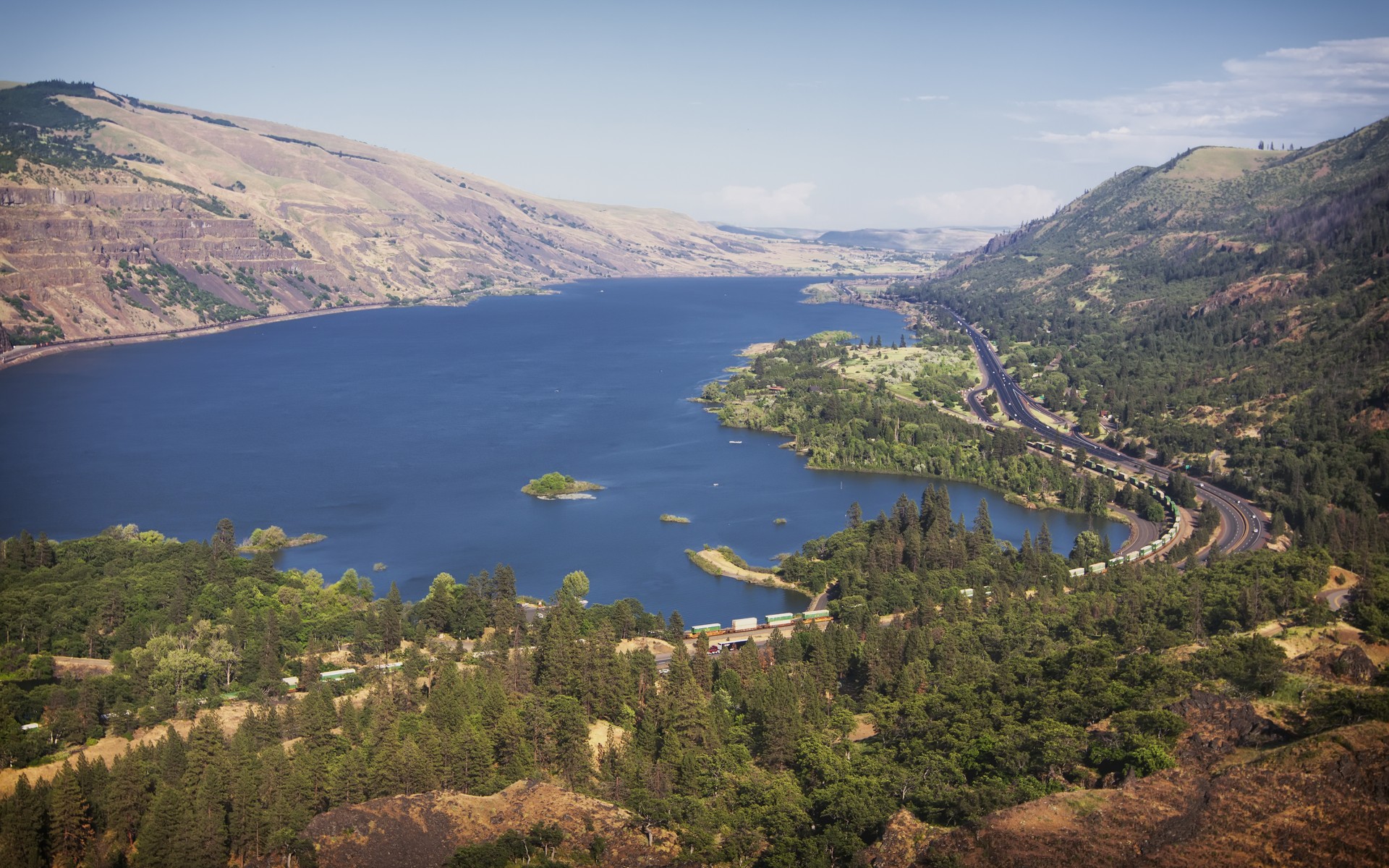
The great river of the Pacific Northwest, the most powerful river in North America for hydroelectric power.
Length
2,000 km
Source
Columbia Lake, British Columbia
Mouth
Pacific Ocean
Continent
North America
Countries
Canada & United States
Did you know?
The Columbia generates more hydroelectric power than any other river in North America, including at the vast Grand Coulee Dam.
Little-known fact
Its salmon once ran so thick that they shaped the culture of the region's peoples for over 10,000 years.
Highlights
- Hydro-power giant of North America
- Site of the Grand Coulee Dam
- Famed for its salmon runs
Life in the Columbia
The fish and animals, waterbirds and water plants — including some of the rarest — that this water supports.
Animals & fish
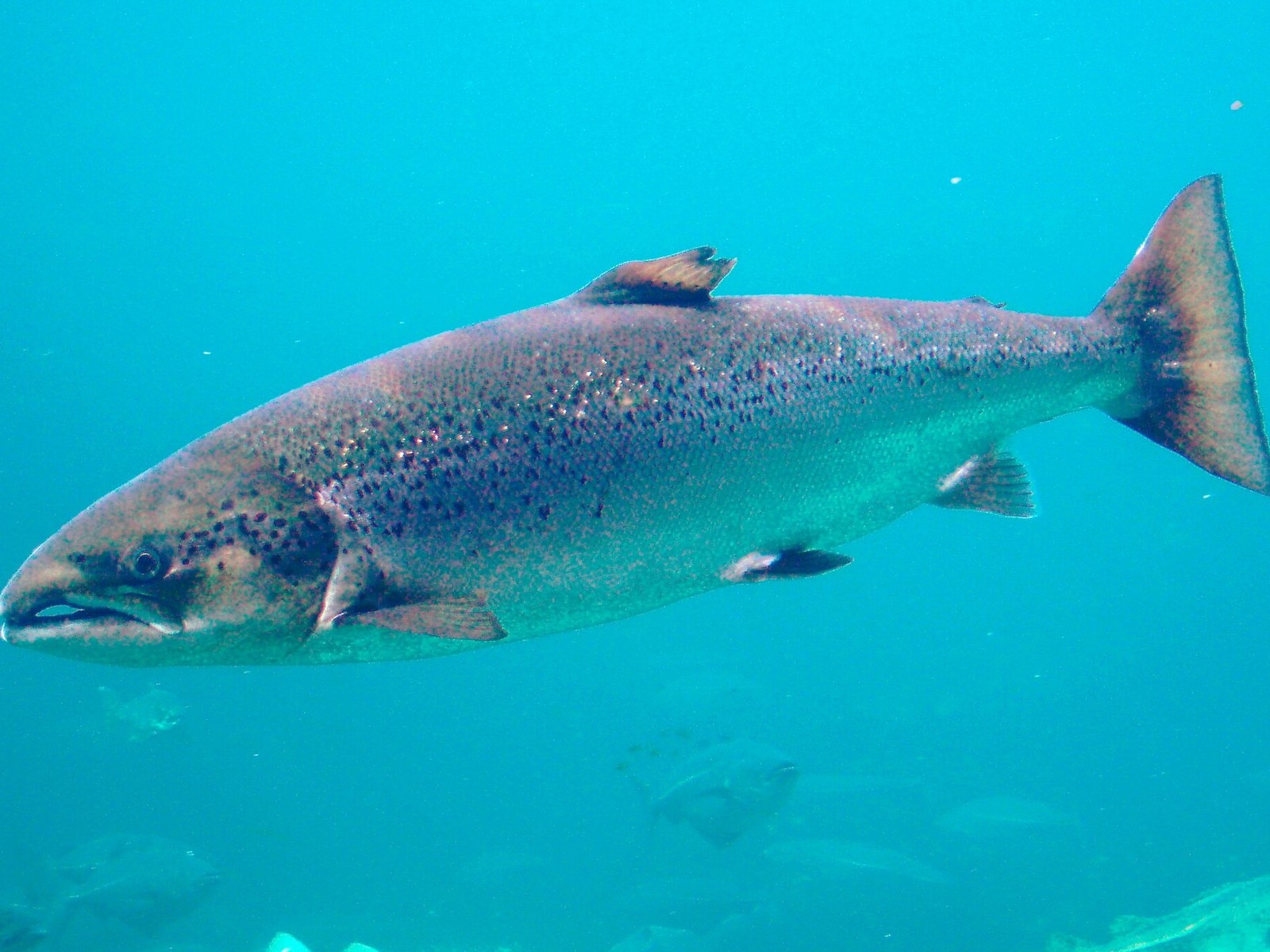
Atlantic salmon
The “king of fish” — it is born in a river, grows at sea, then fights its way back upstream to spawn where it hatched.
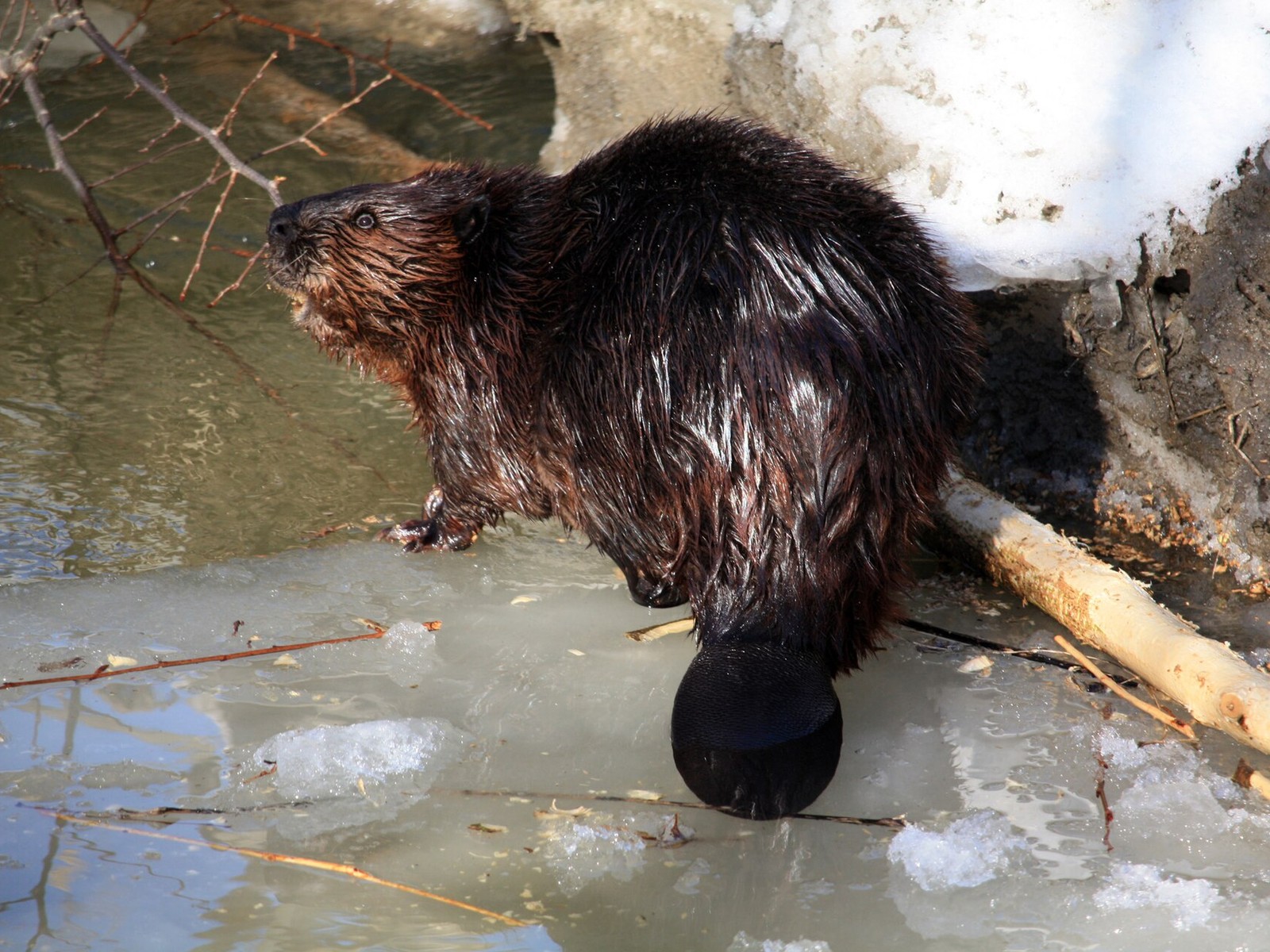
North American beaver
Nature’s engineer: its dams create wetlands that reshape whole river valleys.
Waterbirds
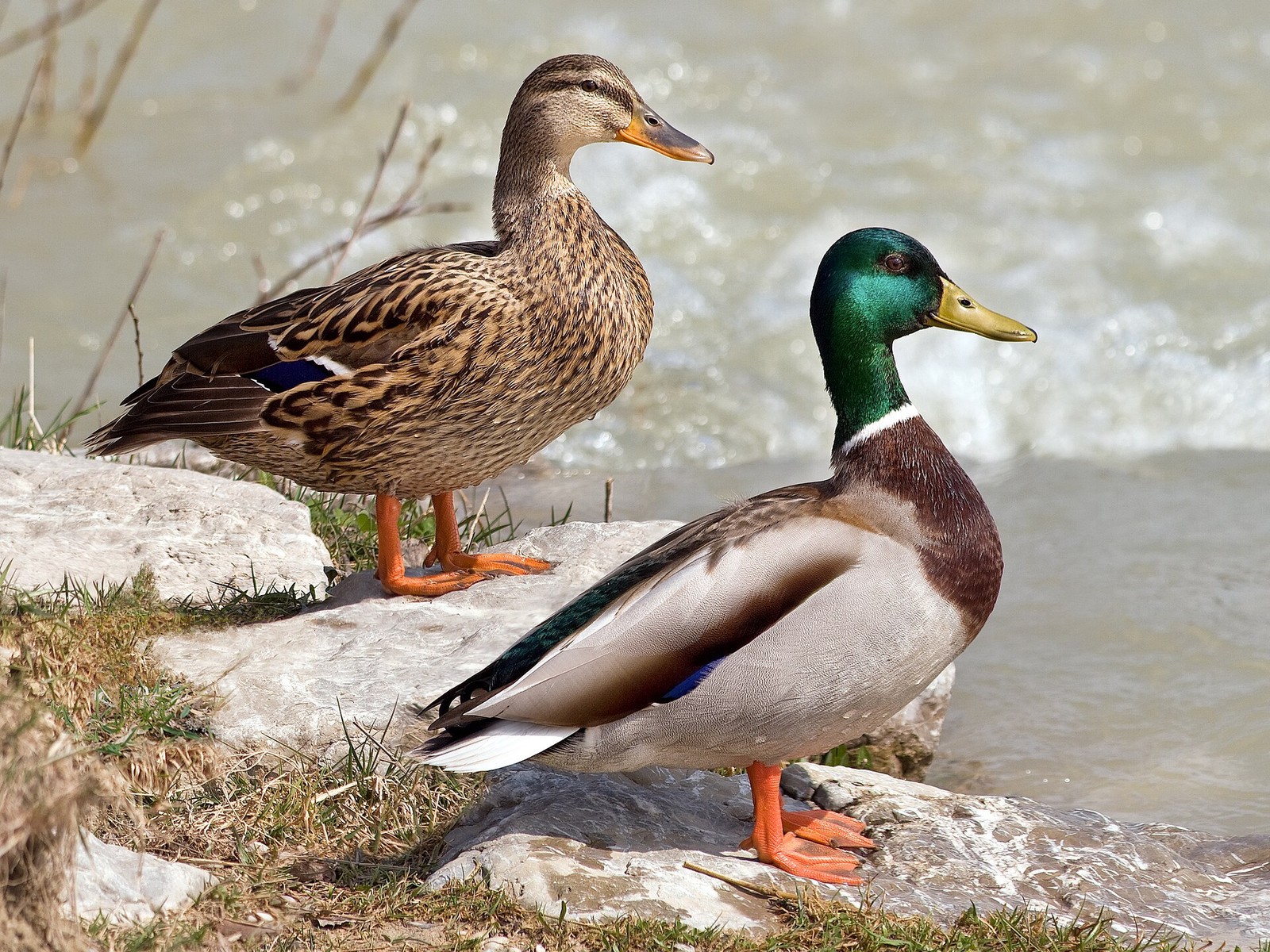
Mallard
The familiar green-headed dabbling duck — ancestor of most domestic ducks — found on waters worldwide.
Water plants & reeds
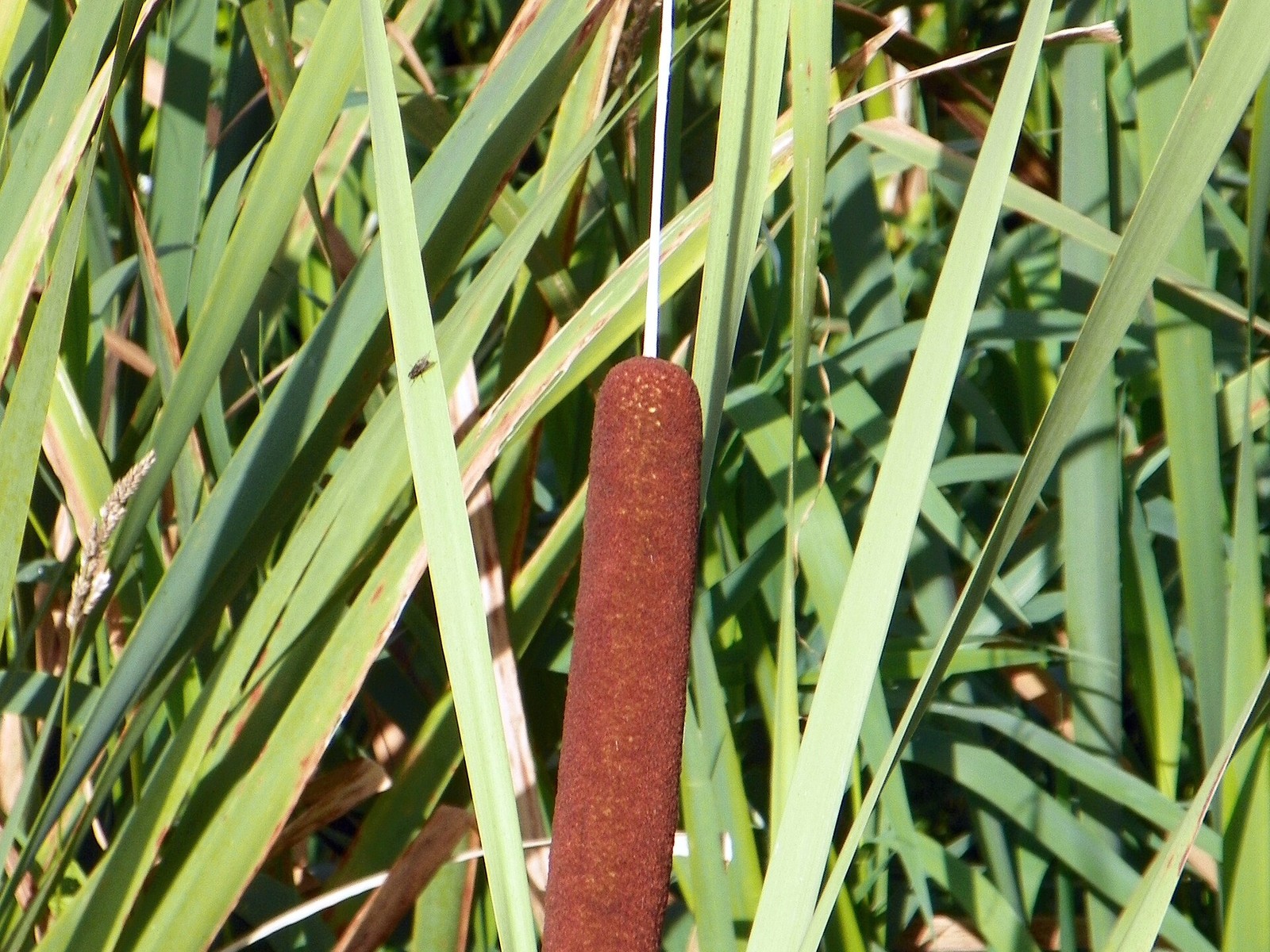
Cattail (bulrush)
The brown sausage-headed reed of marshy shallows, edible from root to pollen.
Interactive · 3D journey
Journey of a river · source → sea
Every river runs the same great journey — from an icy mountain spring, down through gorges and looping meanders, to a wide delta where it meets the sea. Tap a stage to follow the water downstream.
Tip: hover to tilt the valley · tap a stage to float downstream
The Source
Every river begins high up — in a mountain spring, a melting glacier or a boggy upland. The water is cold, clear and fast, tumbling down the steepest ground of its whole journey.
Landforms here