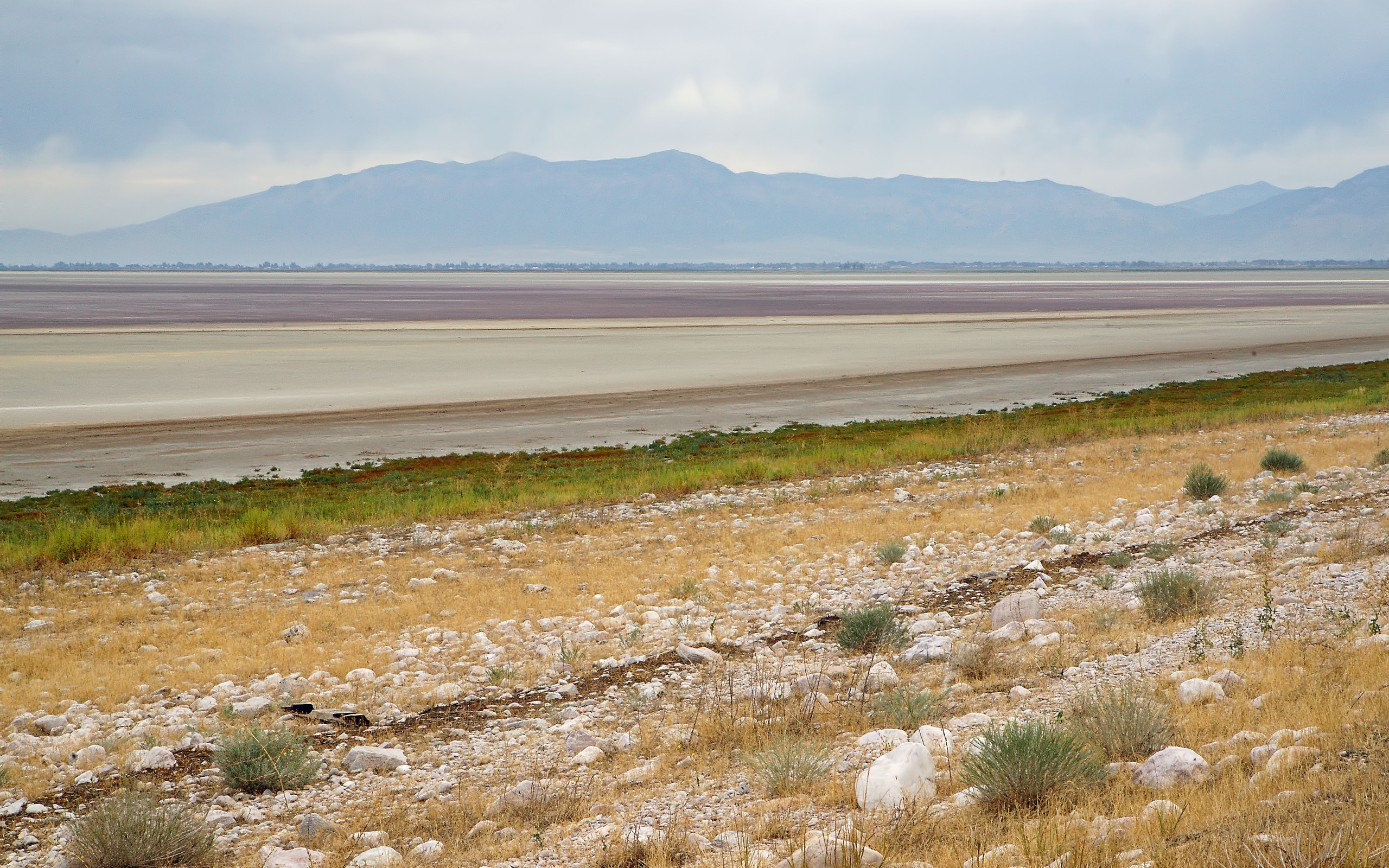
The largest salt lake in the Western Hemisphere, a shallow remnant of a vast Ice Age lake.
Surface area
4,400 km²
Maximum depth
about 10 m
Elevation
1,280 m
Continent
North America
Countries
United States
Did you know?
The Great Salt Lake has no outlet, so minerals wash in and stay, leaving it several times saltier than the sea.
Little-known fact
A railway causeway splits it into two halves of different colours — one pink from salt-loving microbes, the other blue.
Highlights
- Largest salt lake in the Americas
- Saltier than the ocean
- Split into pink and blue halves
Life in the Great Salt Lake
The fish and animals, waterbirds and water plants — including some of the rarest — that this water supports.
Waterbirds
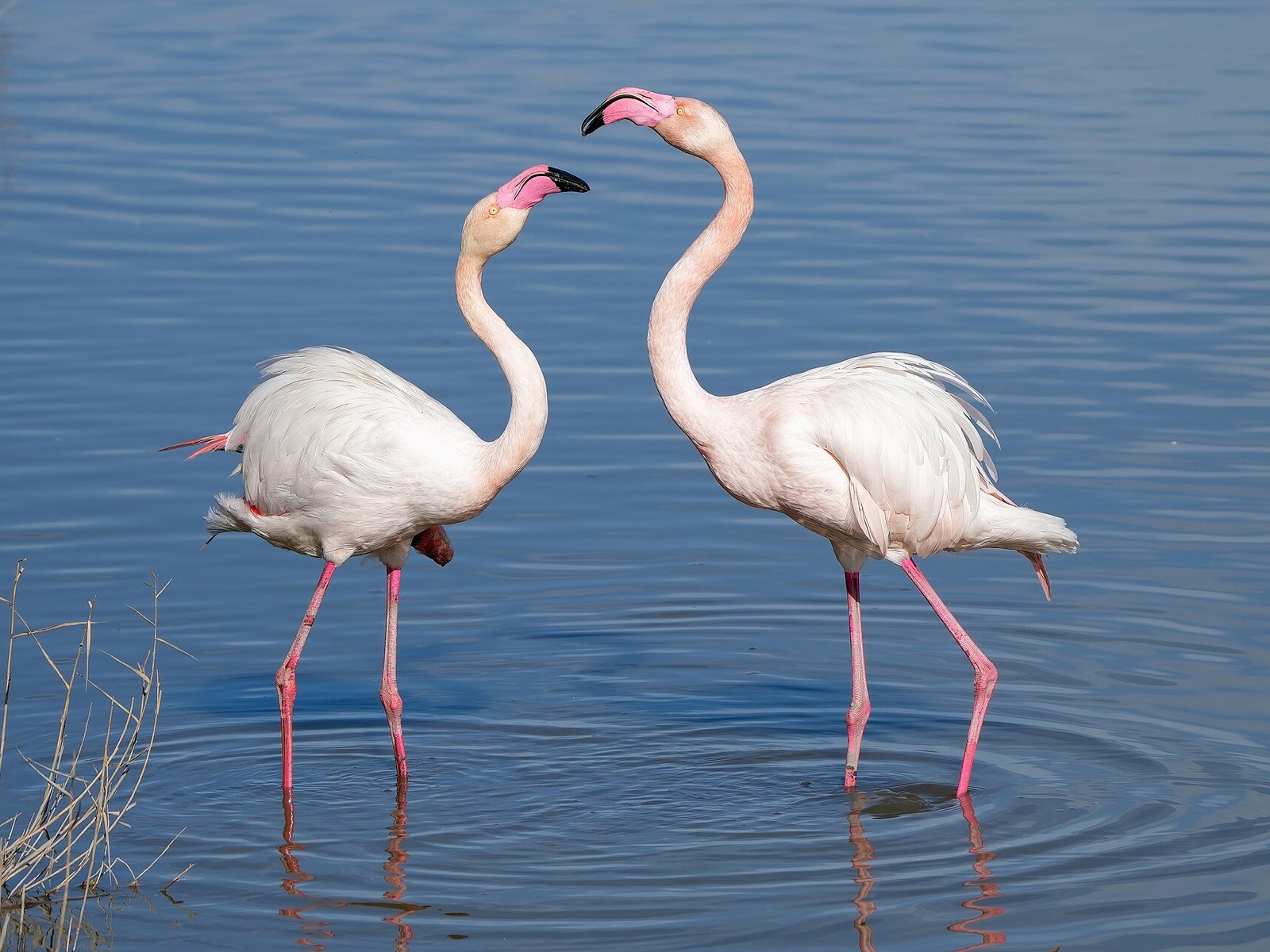
Greater flamingo
A tall, rose-tinted wader that filters tiny shrimp and algae from shallow salt and soda lakes.
Water plants & reeds
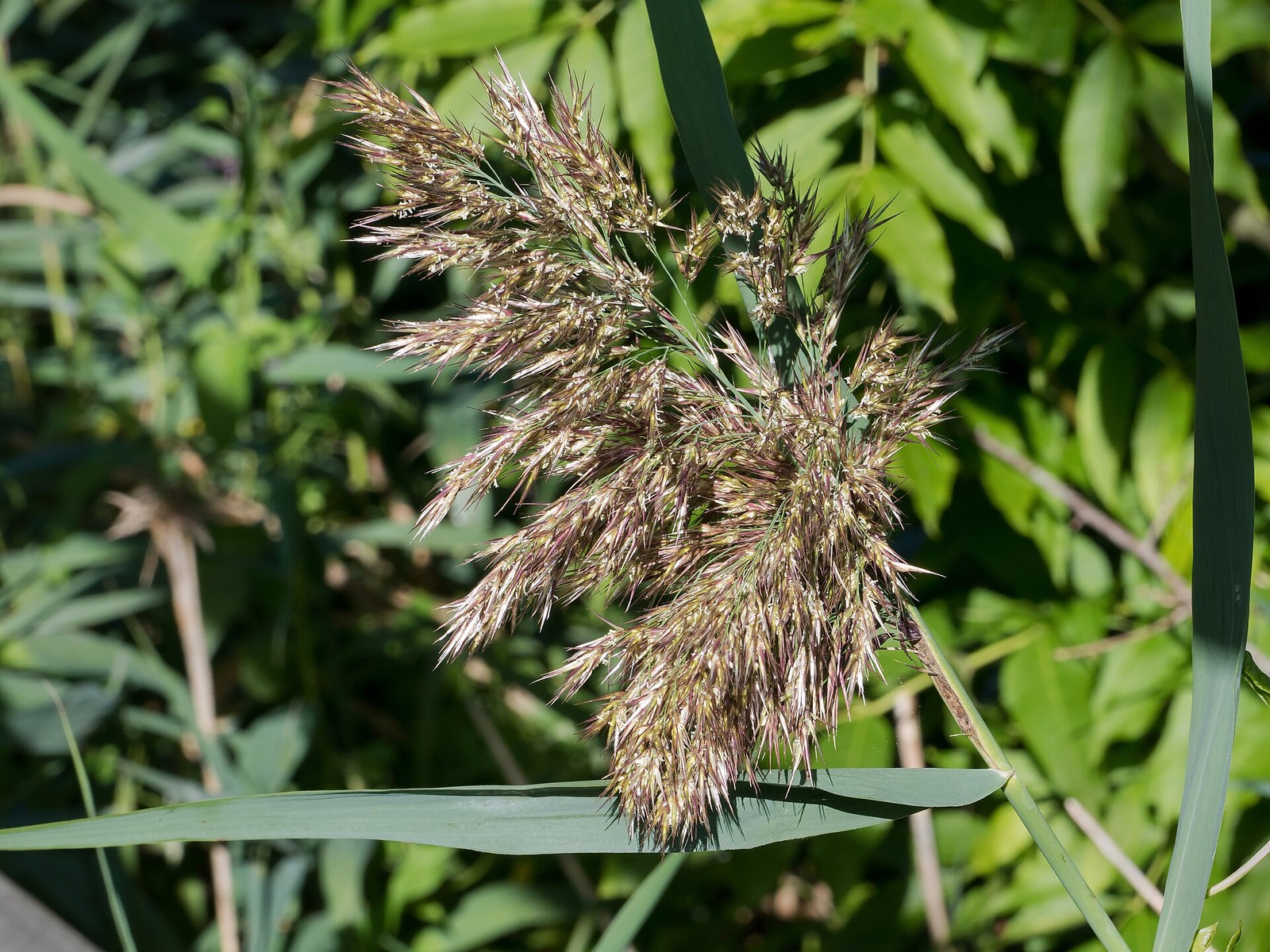
Common reed
The tall, feathery grass that forms the vast reedbeds fringing rivers and lakes, sheltering countless birds.
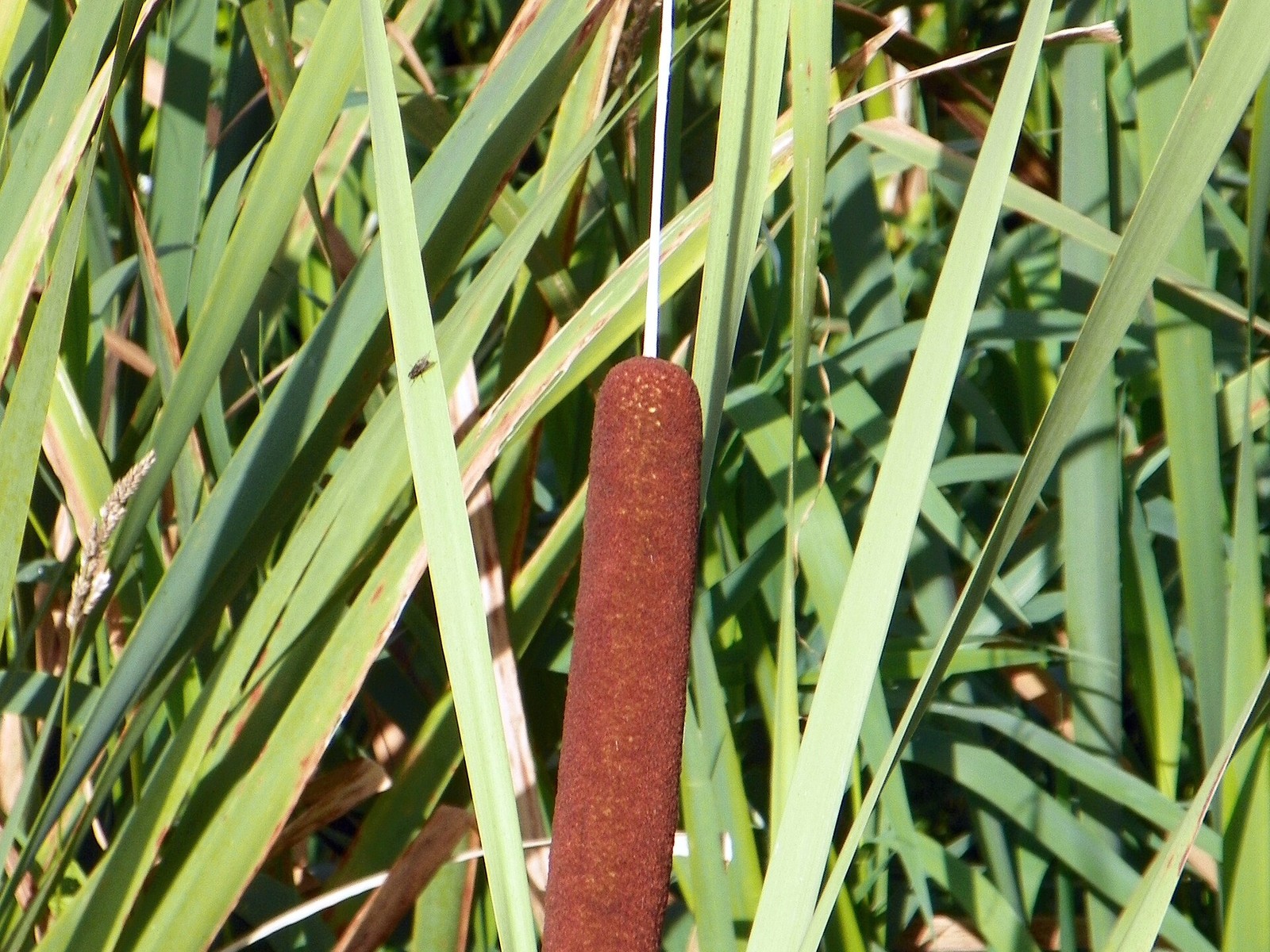
Cattail (bulrush)
The brown sausage-headed reed of marshy shallows, edible from root to pollen.
Interactive · 3D dive
How deep does a lake go?
A lake is layered from the sunlit, weed-filled shallows down to a cold, dark bed. Tap a zone to dive the submersible through the water column — and meet the life that belongs at each depth.
Tip: hover the column to tilt it · tap a layer to dive
Littoral Zone
The warm, bright band close to shore where sunlight reaches the bottom. Reeds, water lilies and rooted plants grow thickly here, making it the busiest, most crowded part of the whole lake.
Who lives here