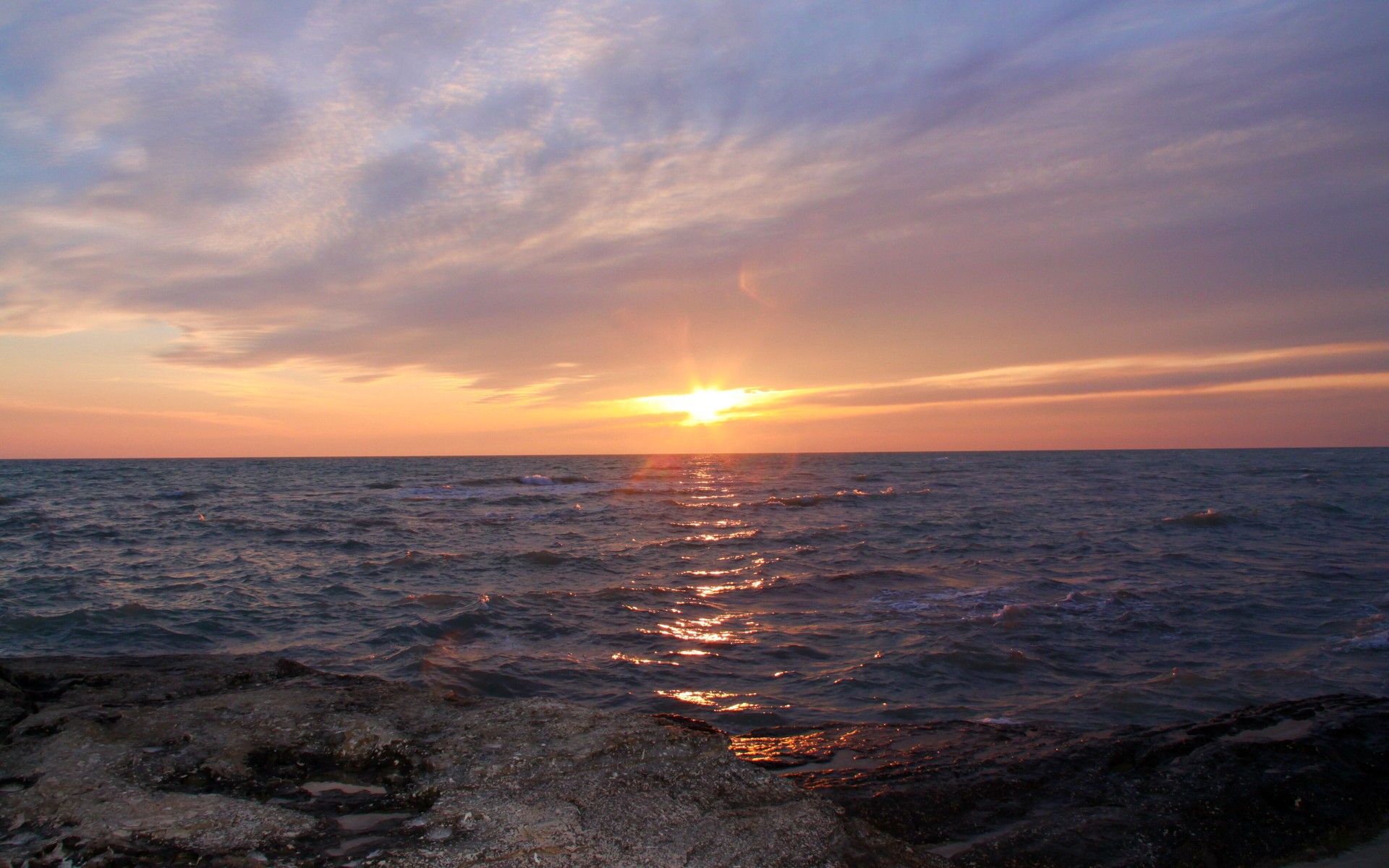
The largest enclosed body of water on Earth — so vast it is called a sea, though it is really a lake.
Surface area
371,000 km²
Maximum depth
about 1,025 m
Elevation
-28 m
Continent
Asia
Countries
Russia, Kazakhstan, Iran, Azerbaijan & Turkmenistan
Did you know?
The Caspian is the world's largest lake, bigger than Germany, and holds about 40% of all the lake water on Earth.
Little-known fact
It is the last home of the beluga sturgeon, source of the world's most prized caviar, and of its own tiny Caspian seal.
Highlights
- Largest lake on Earth
- Holds 40% of all lake water
- Home of the beluga sturgeon
Life in the Caspian Sea
The fish and animals, waterbirds and water plants — including some of the rarest — that this water supports.
Animals & fish
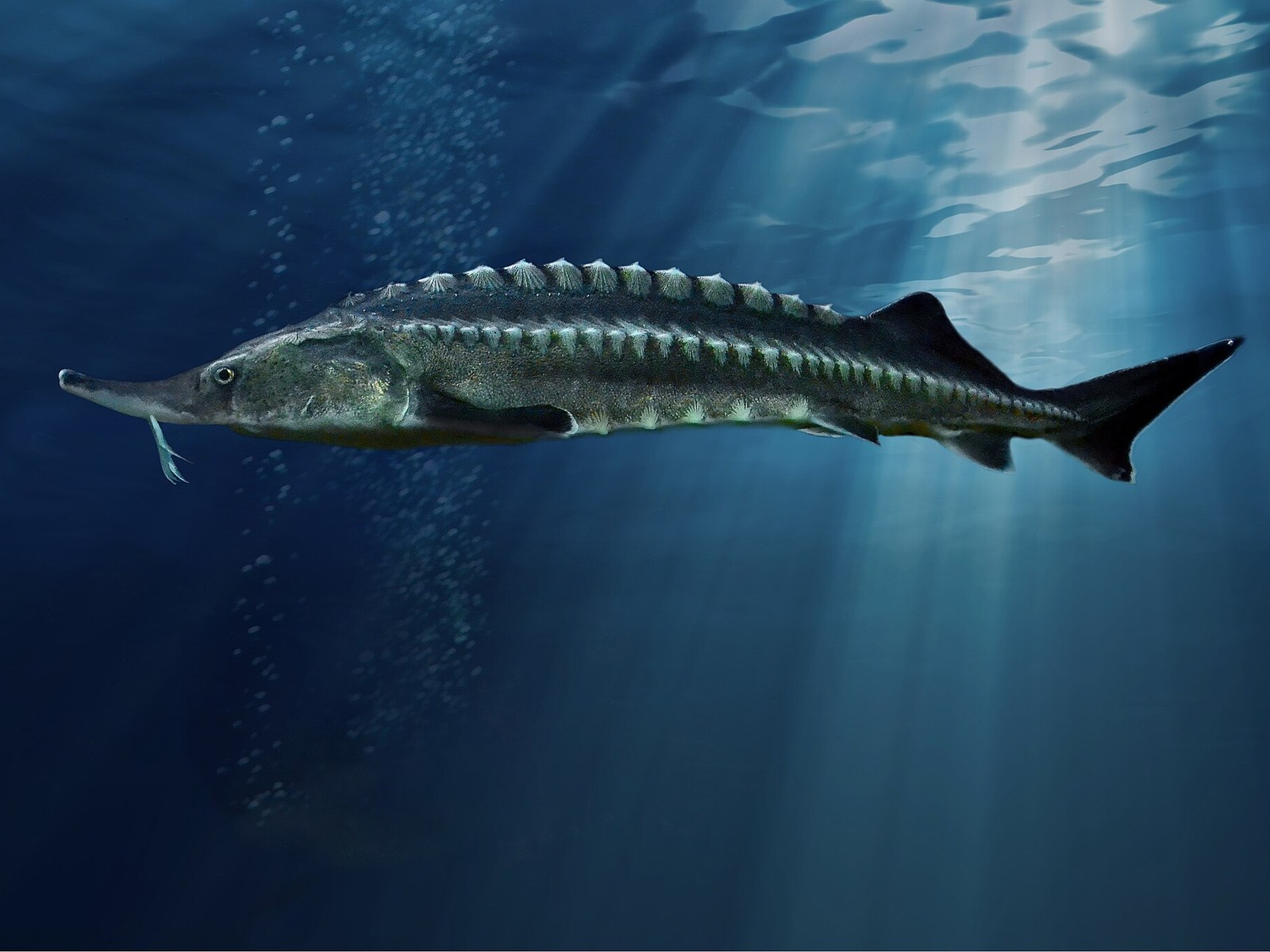
Beluga sturgeon
A giant armoured fish that can live over 100 years and yields the world’s most prized caviar.
Waterbirds
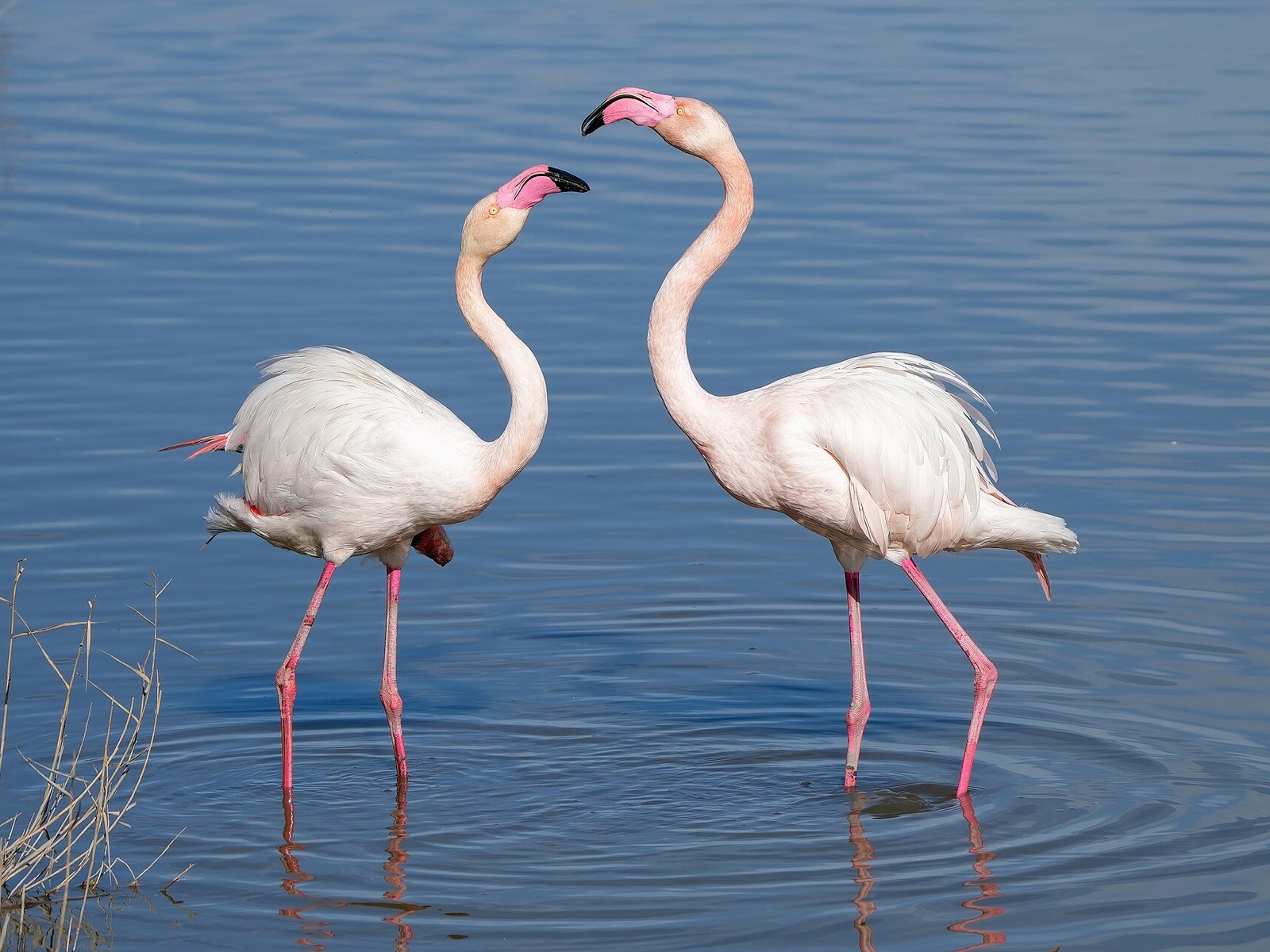
Greater flamingo
A tall, rose-tinted wader that filters tiny shrimp and algae from shallow salt and soda lakes.
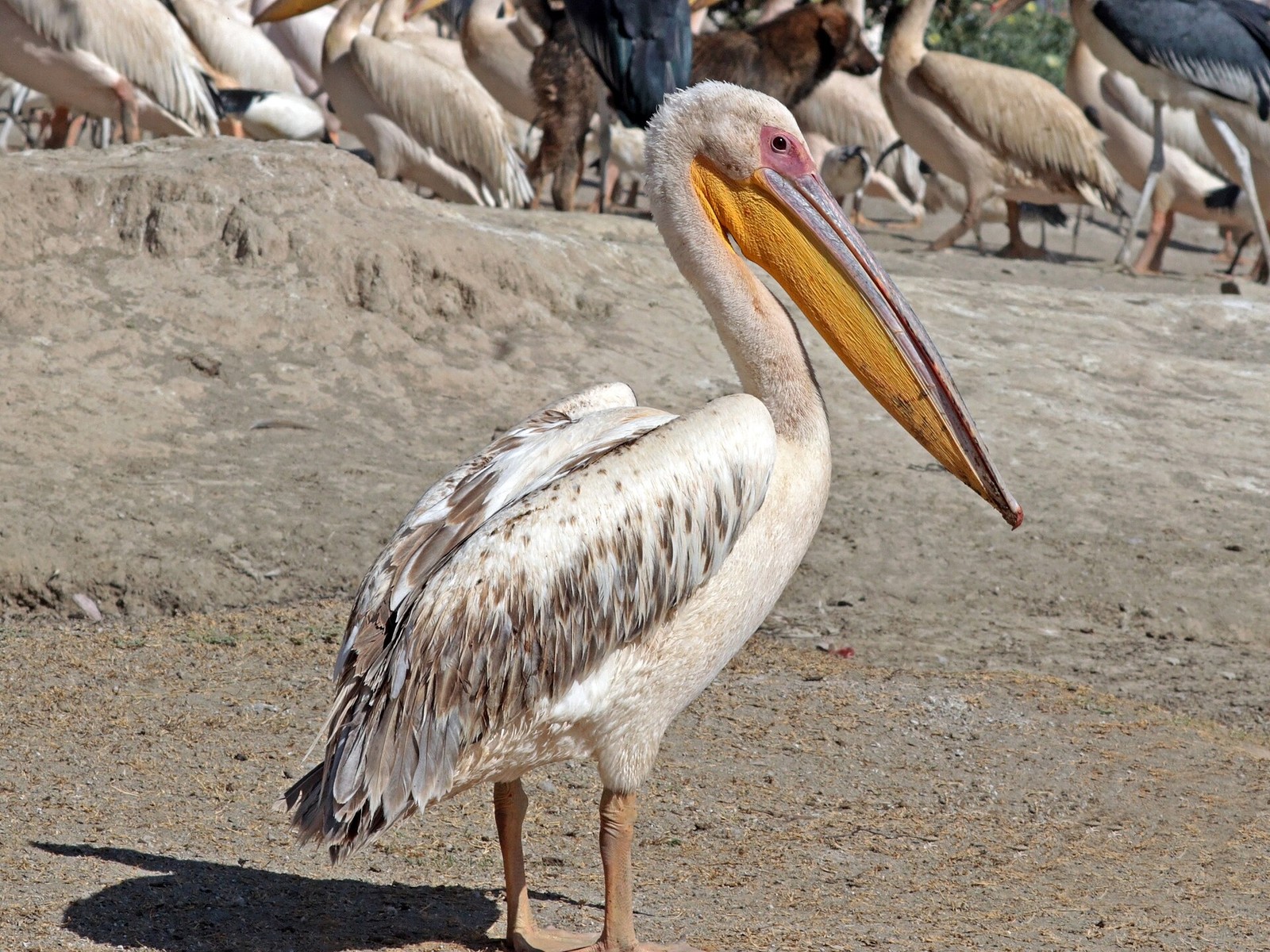
Great white pelican
A huge waterbird that fishes in co-ordinated flotillas, herding fish into its enormous pouch.
Water plants & reeds
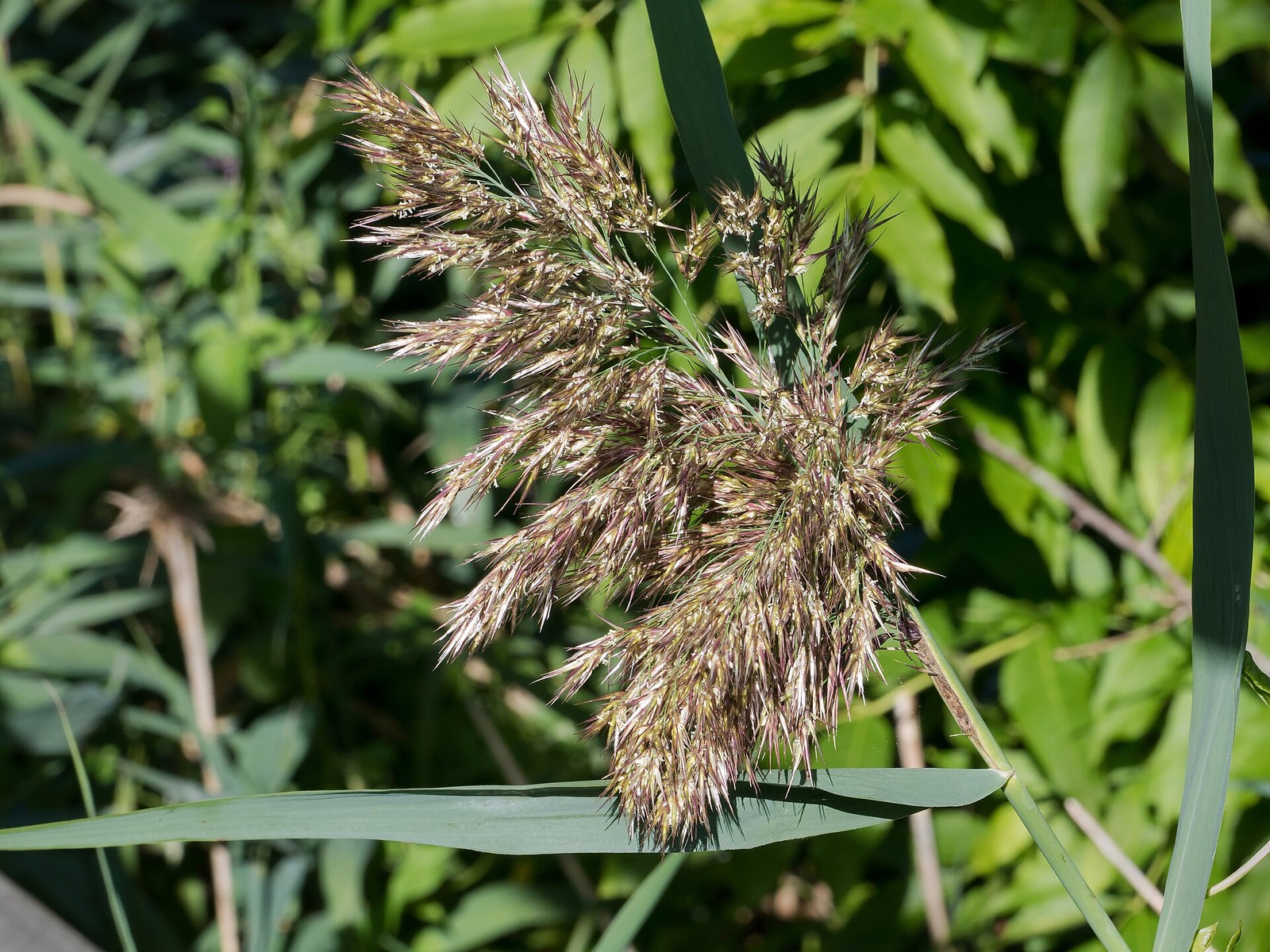
Common reed
The tall, feathery grass that forms the vast reedbeds fringing rivers and lakes, sheltering countless birds.
Interactive · 3D dive
How deep does a lake go?
A lake is layered from the sunlit, weed-filled shallows down to a cold, dark bed. Tap a zone to dive the submersible through the water column — and meet the life that belongs at each depth.
Tip: hover the column to tilt it · tap a layer to dive
Littoral Zone
The warm, bright band close to shore where sunlight reaches the bottom. Reeds, water lilies and rooted plants grow thickly here, making it the busiest, most crowded part of the whole lake.
Who lives here