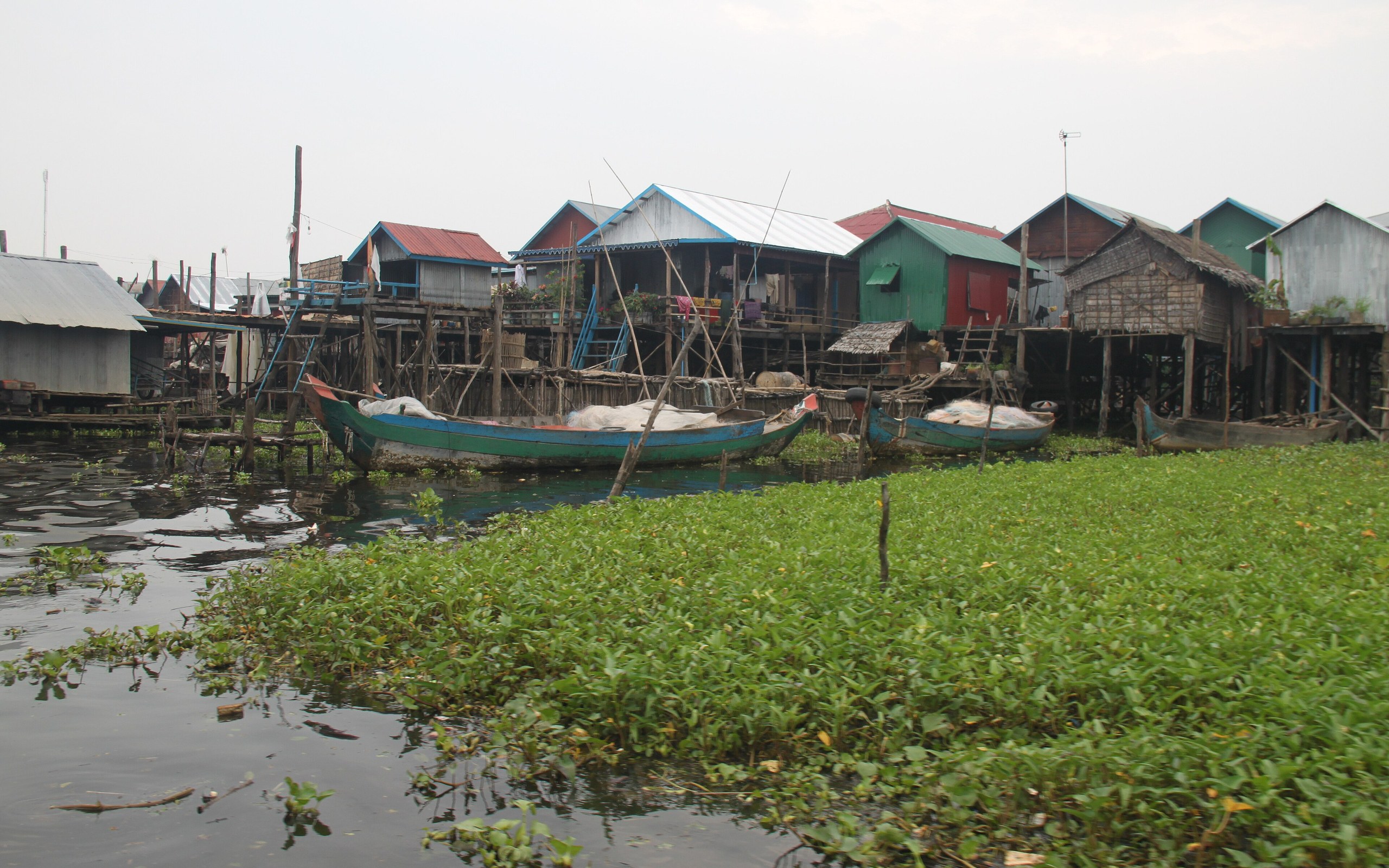
The largest freshwater lake in Southeast Asia, with a river that flows both ways.
Surface area
2,700 km²
Maximum depth
about 10 m
Elevation
1 m
Continent
Asia
Countries
Cambodia
Did you know?
Each monsoon the Tonlé Sap river reverses and flows backwards, swelling the lake to several times its size.
Little-known fact
Whole floating villages — houses, schools and markets — rise and fall with the lake on this annual pulse.
Highlights
- Largest lake in Southeast Asia
- Fed by a river that reverses
- Ringed by floating villages
Life in the Tonlé Sap
The fish and animals, waterbirds and water plants — including some of the rarest — that this water supports.
Waterbirds
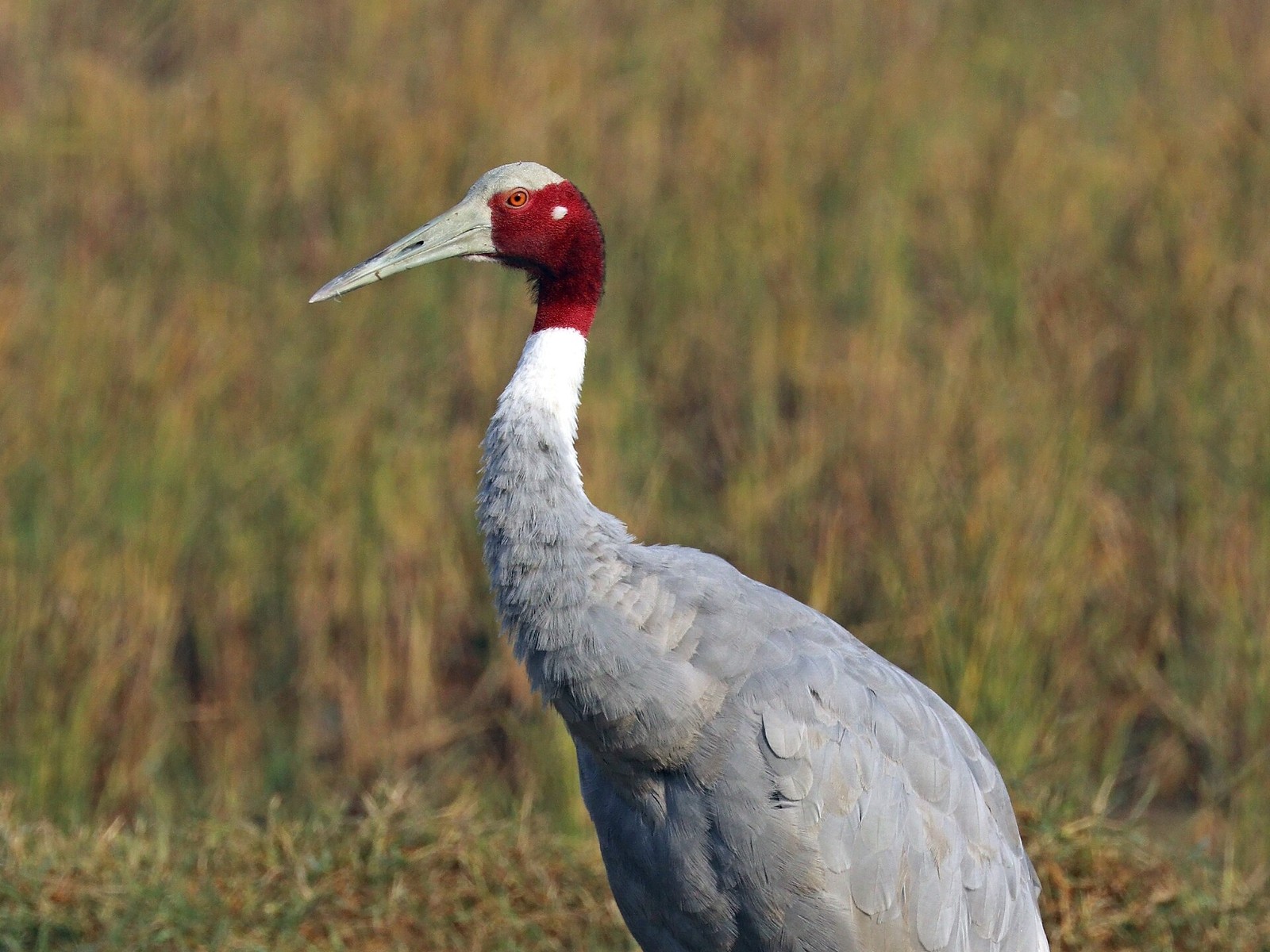
Sarus crane
The tallest flying bird on Earth; its lifelong pairs dance and call in duet across Asian wetlands.
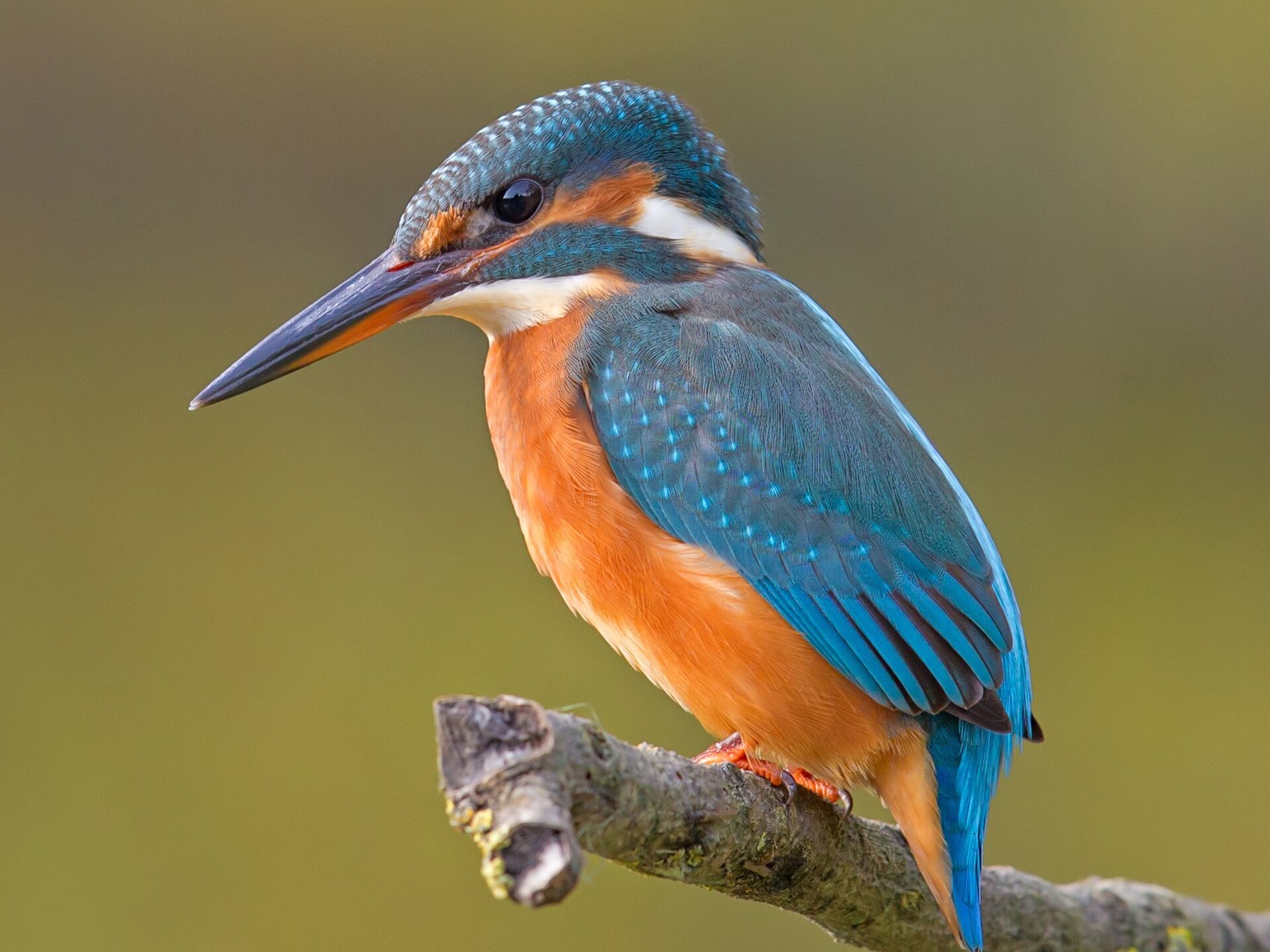
Common kingfisher
A dazzling blue-and-orange dart that plunges from a perch to spear fish in an instant.
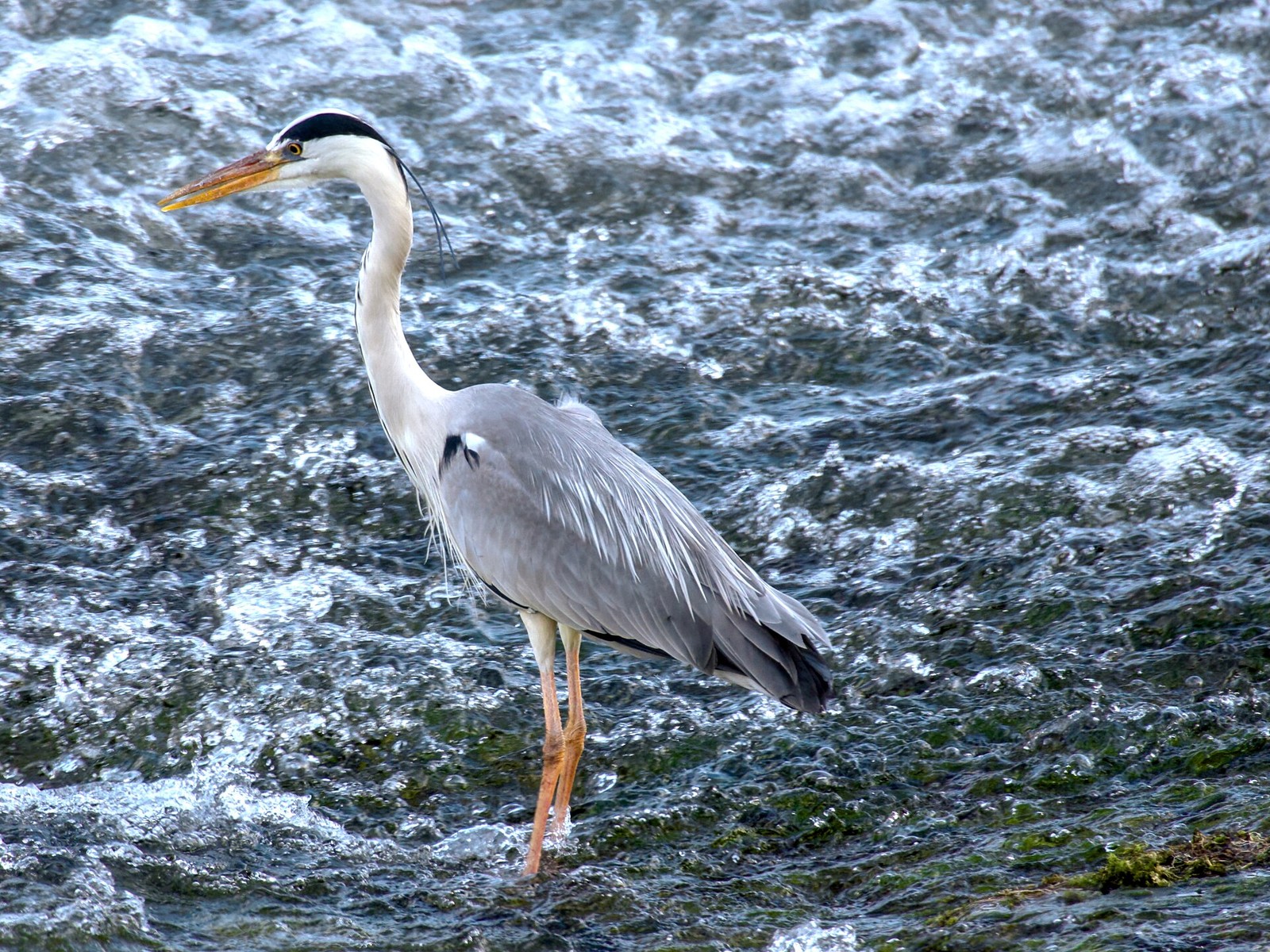
Grey heron
A patient, statue-still angler that stalks the shallows of rivers and lakes across the Old World.
Water plants & reeds
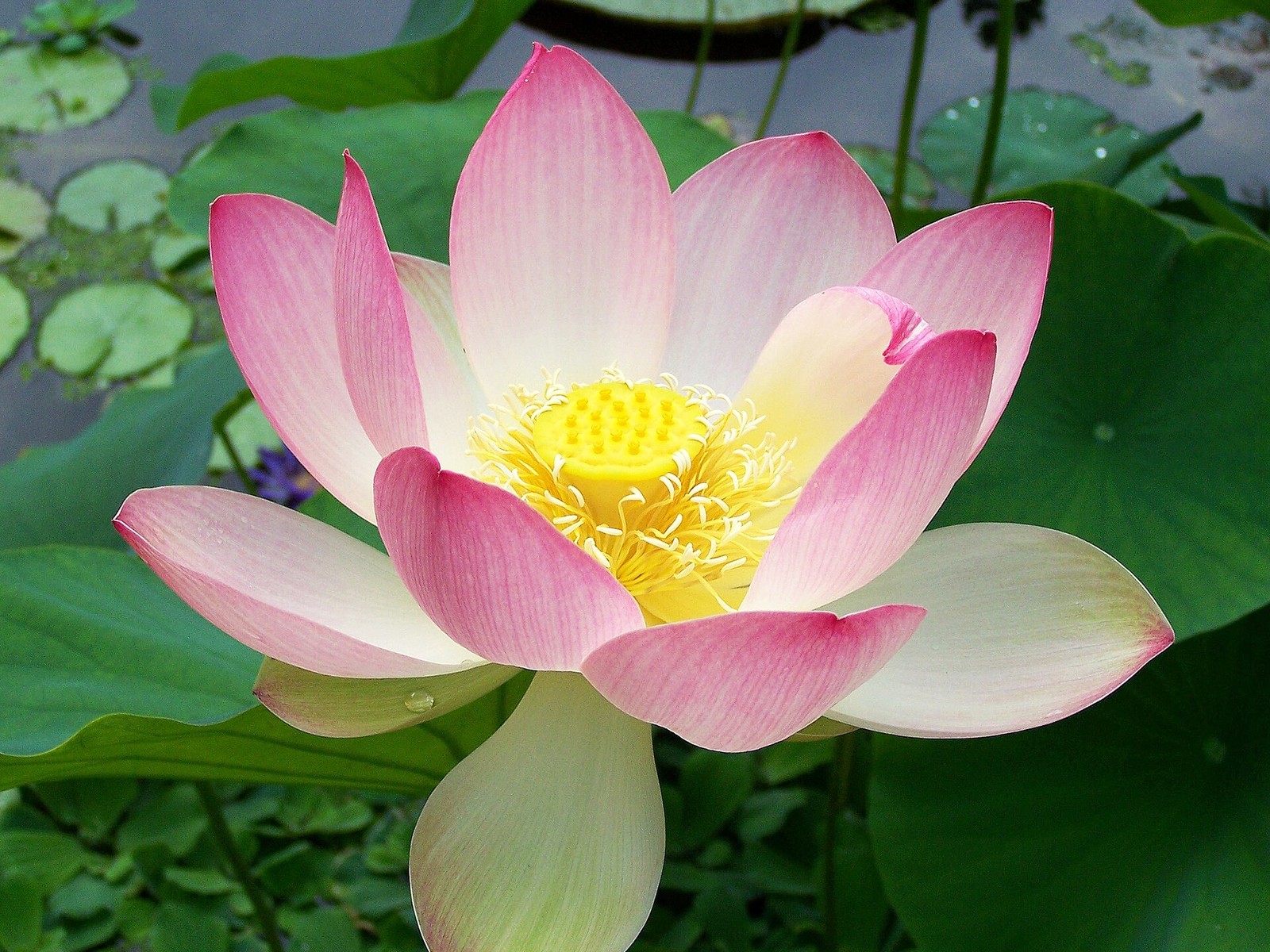
Sacred lotus
A revered Asian water plant whose leaves are so water-repellent that dirt rolls straight off them.
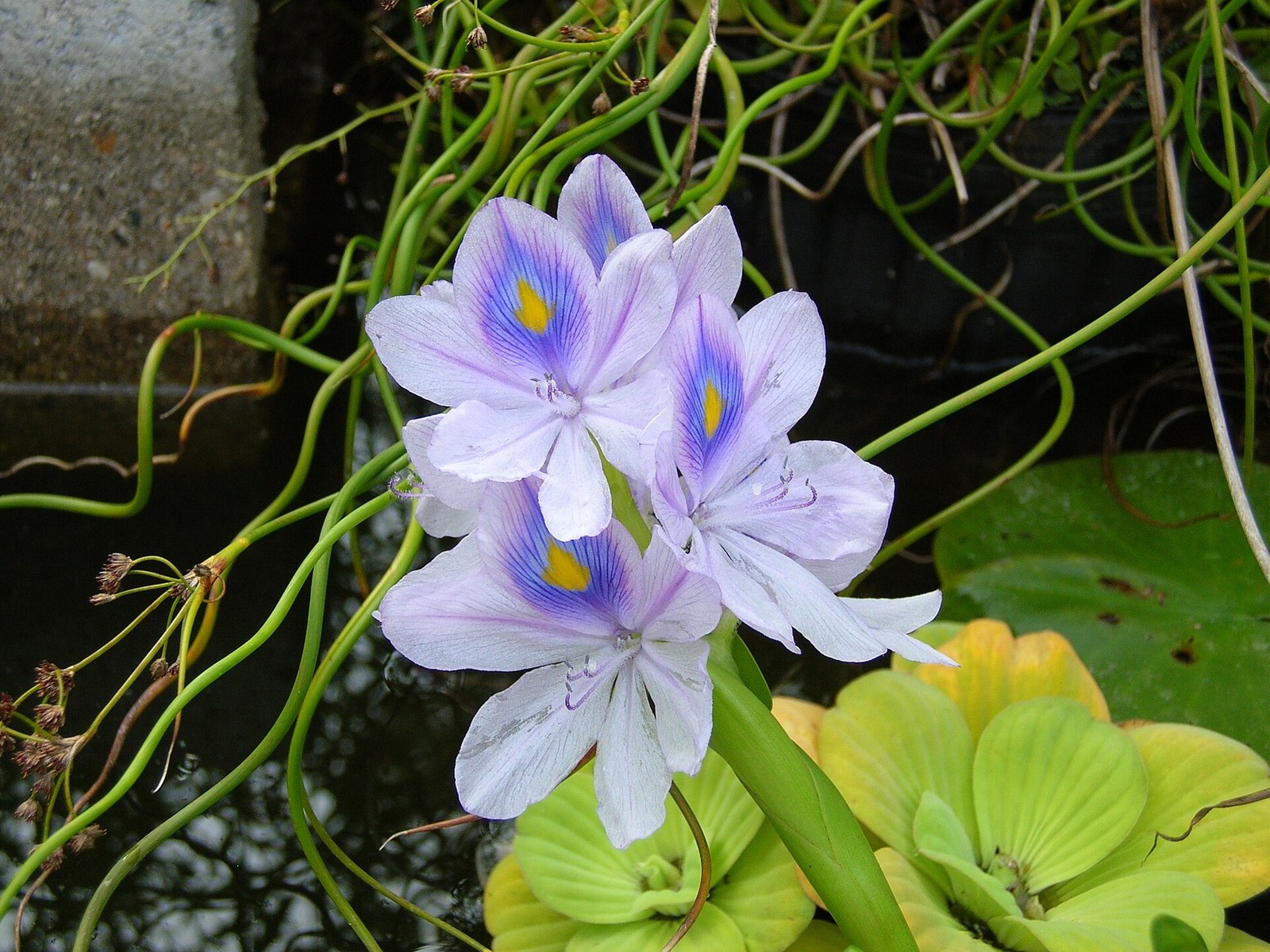
Water hyacinth
A beautiful but notorious free-floating weed that can choke entire waterways in a matter of weeks.
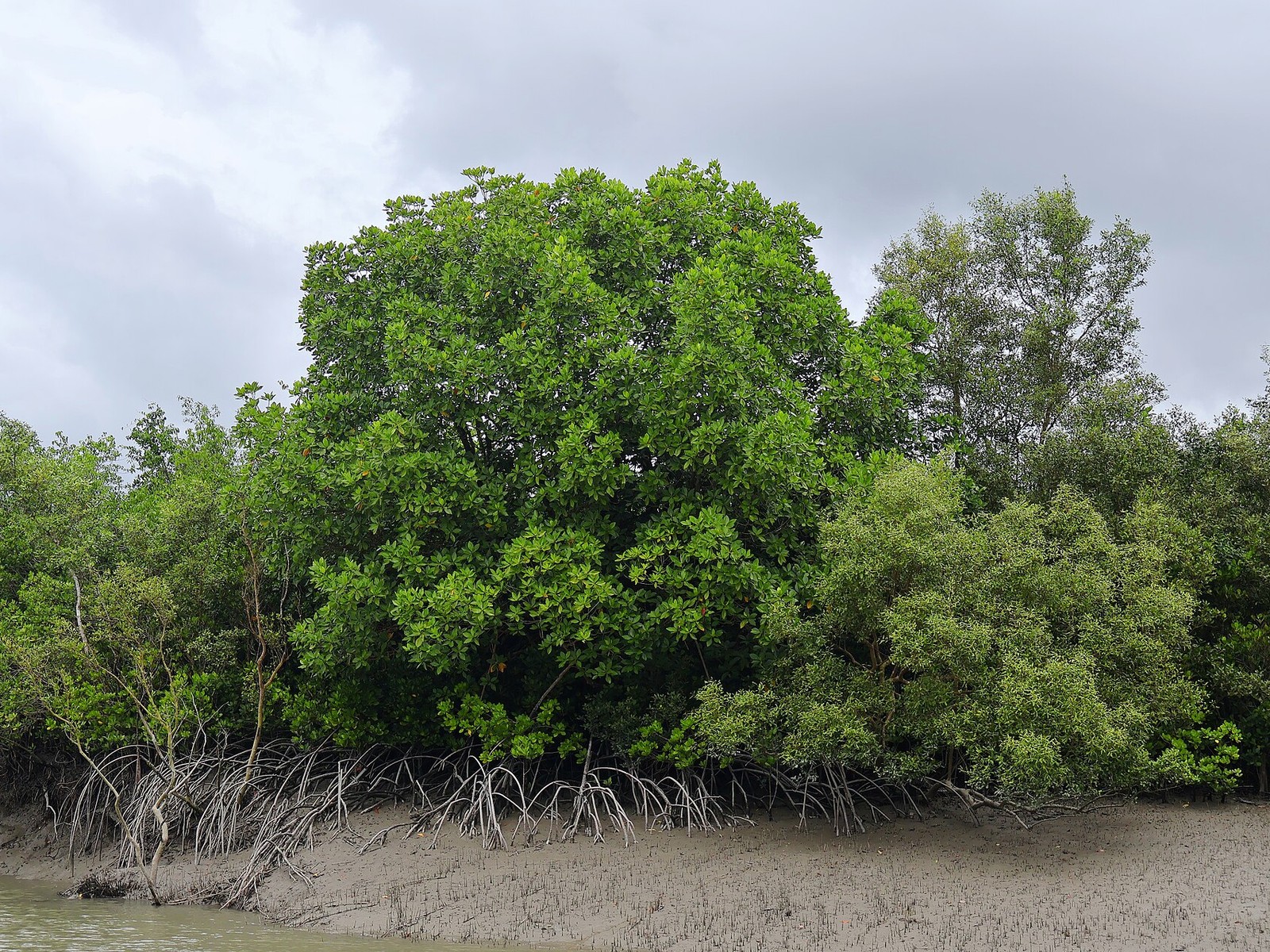
Mangrove
Salt-tolerant trees whose stilted roots build the nurseries of the great river deltas.
Interactive · 3D dive
How deep does a lake go?
A lake is layered from the sunlit, weed-filled shallows down to a cold, dark bed. Tap a zone to dive the submersible through the water column — and meet the life that belongs at each depth.
Tip: hover the column to tilt it · tap a layer to dive
Littoral Zone
The warm, bright band close to shore where sunlight reaches the bottom. Reeds, water lilies and rooted plants grow thickly here, making it the busiest, most crowded part of the whole lake.
Who lives here