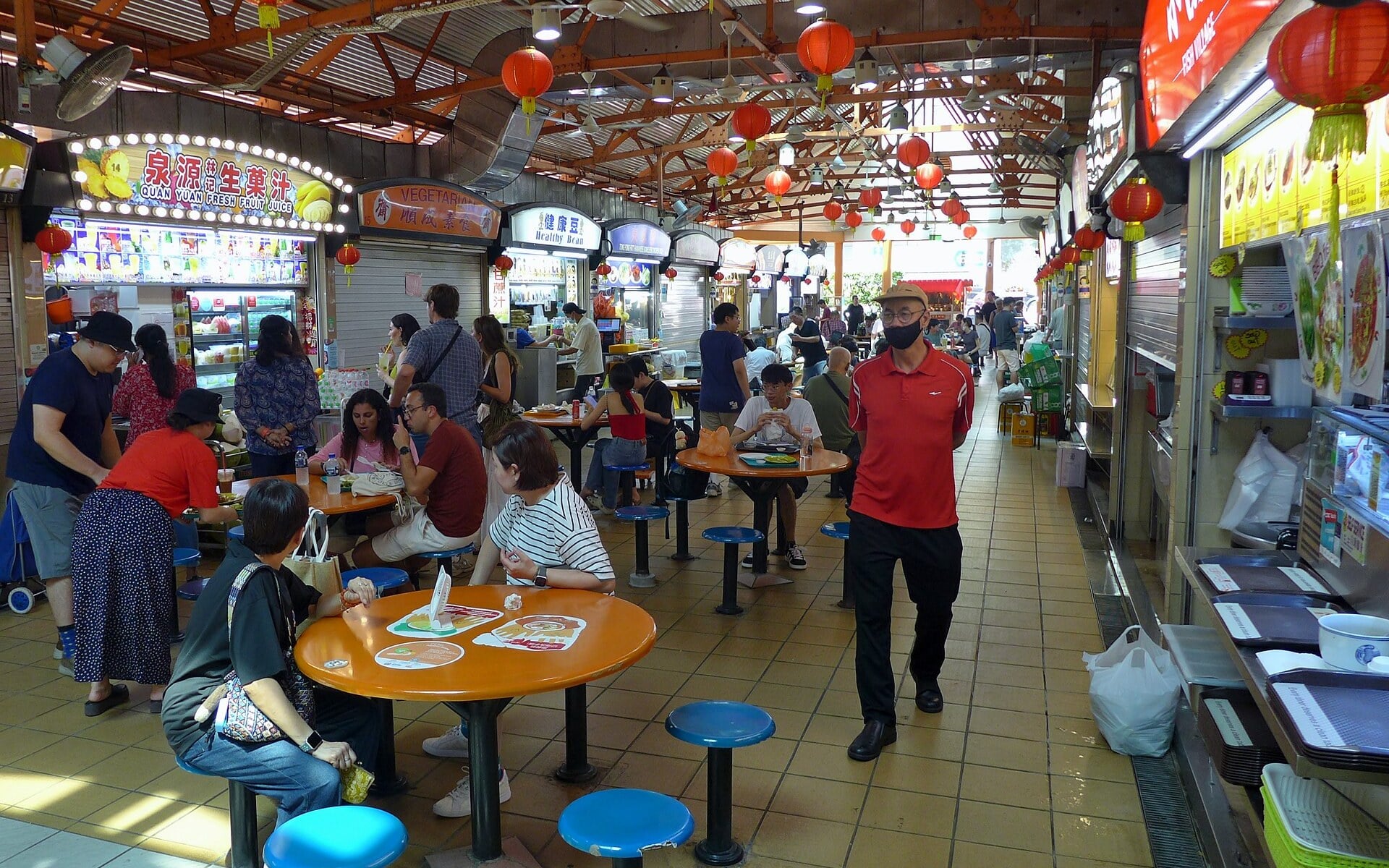
A hawker centre is more than a place to buy lunch. It is a space where different lives meet.
Open the field notes
Pull up a chair
In Singapore’s hawker centres, food from different culinary traditions is sold around a common dining space. UNESCO describes these centres as community dining rooms: people of different backgrounds share the same setting, even when they order from different stalls. The social space matters as much as the menu.
Work behind the counter
Hawker skills are learned through practice and are often passed within families or through apprenticeship. Recipes are only part of that knowledge: preparation, timing and serving customers also belong to the craft. This is a story about work and shared public life, rather than a list of national dishes.
A living tradition
UNESCO inscribed hawker culture in 2020. Recognition does not freeze a centre in time: the culture continues through the people who cook, learn and eat there. The photograph shows Maxwell Food Centre, one particular place within a much larger network.
A cycle lane turns the trip between places into a story about how a city works.
Open the field notes
Read the street
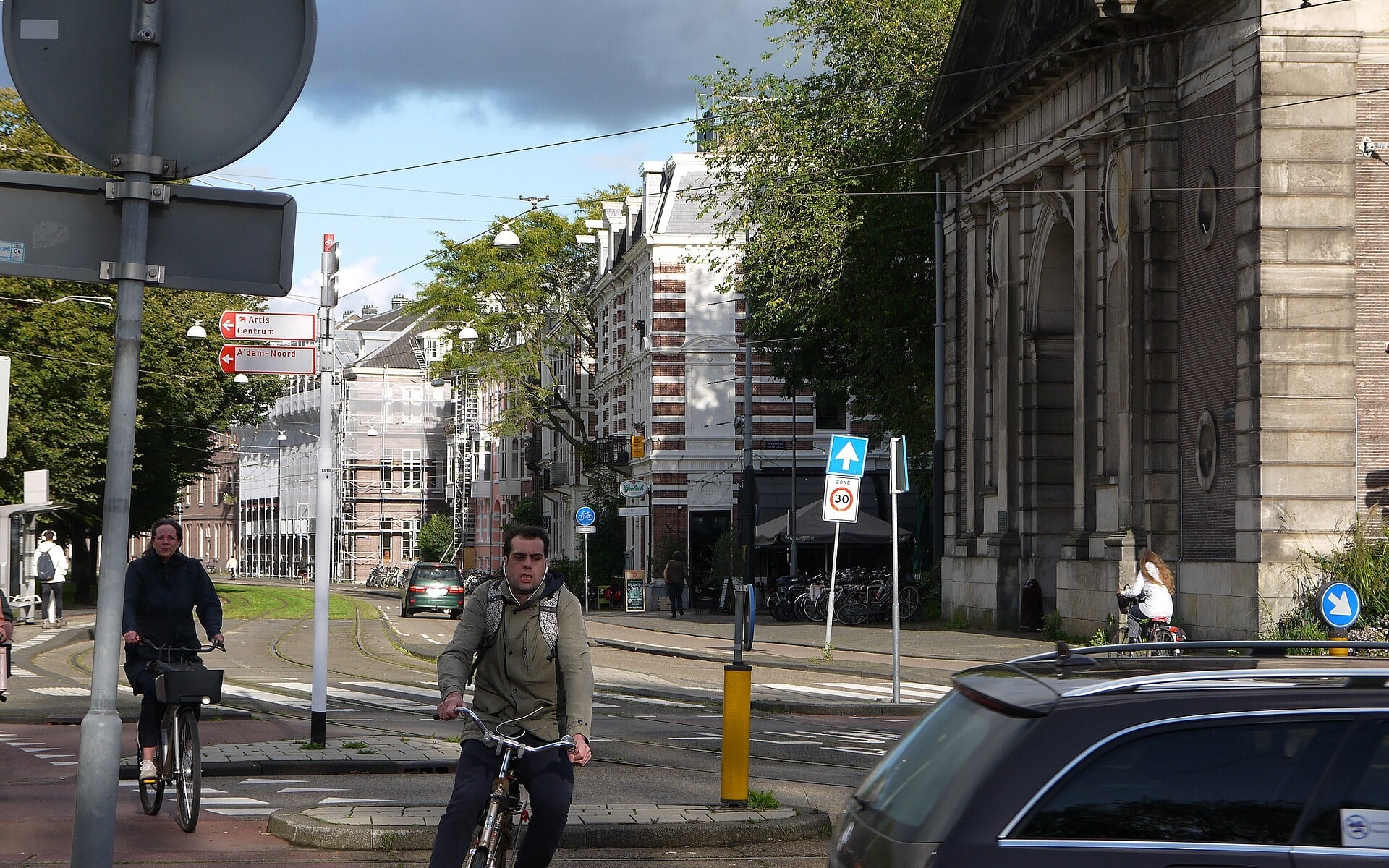
On Sarphatistraat, the photograph shows cyclists using a red-surfaced lane beside an ordinary street. Amsterdam’s extensive cycle network makes the bicycle a practical way to move through the city. The image is a moment in a real street, not a claim that every resident travels the same way.
Small rules, shared space
The city’s visitor guidance stresses designated lanes, hand signals, lights after dark and proper parking. Tram rails require care, and busy junctions can become congested at commuting times. Everyday mobility is a collective arrangement: infrastructure works together with attention to other people.
Beyond the postcard
Bicycle parking is part of the transport system too. Designated racks and garages keep routes usable; badly parked bicycles can be removed. Looking beyond the familiar canal-and-bicycle image reveals an urban system that has to be organised, maintained and shared.
Inside a metropolis, a water-shaped agricultural landscape preserves another way of working with land.
Open the field notes
Not just a boat ride
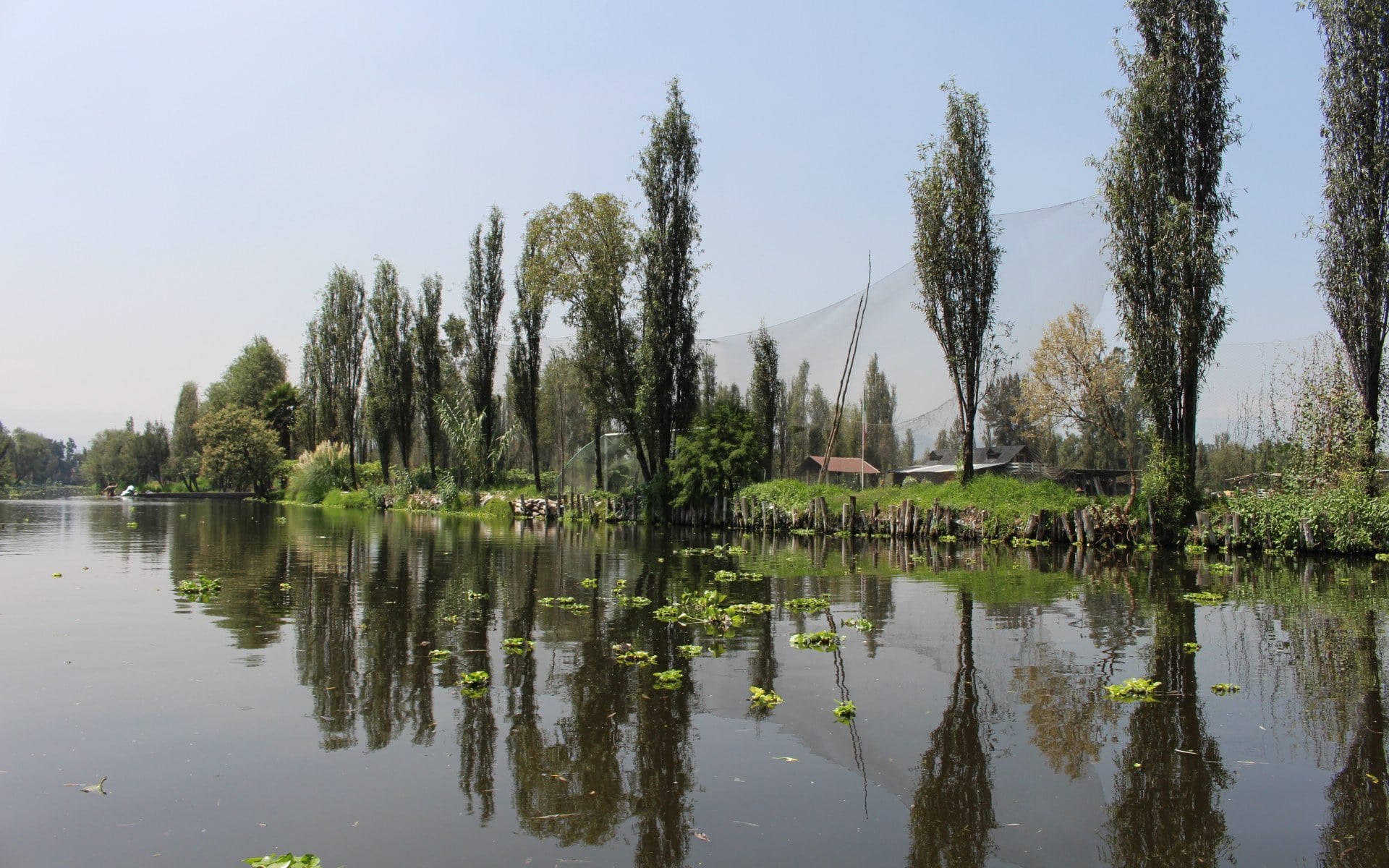
Xochimilco is often encountered through its canals. But the landscape is also agricultural: cultivated chinampa plots and waterways preserve traces of pre-Hispanic land use in the Mexico City basin. Looking at the land beside the water changes the story from sightseeing to livelihoods.
Water shapes work
The canal-and-plot pattern is part of a long relationship between cultivation and a lake environment. Chinampas are sometimes nicknamed floating gardens, but that phrase should not be taken to mean loose rafts drifting around the canals. The landscape is a managed arrangement of land and water.
Heritage under pressure
UNESCO identifies urban growth, water problems and changing land use as conservation pressures. This is not an untouched survival from the distant past: it is a living landscape within a modern city, where protecting heritage also involves the conditions that allow people to keep working.
Steep thatched roofs reveal a relationship between snow, household work and a mountain landscape.
Open the field notes
Look up
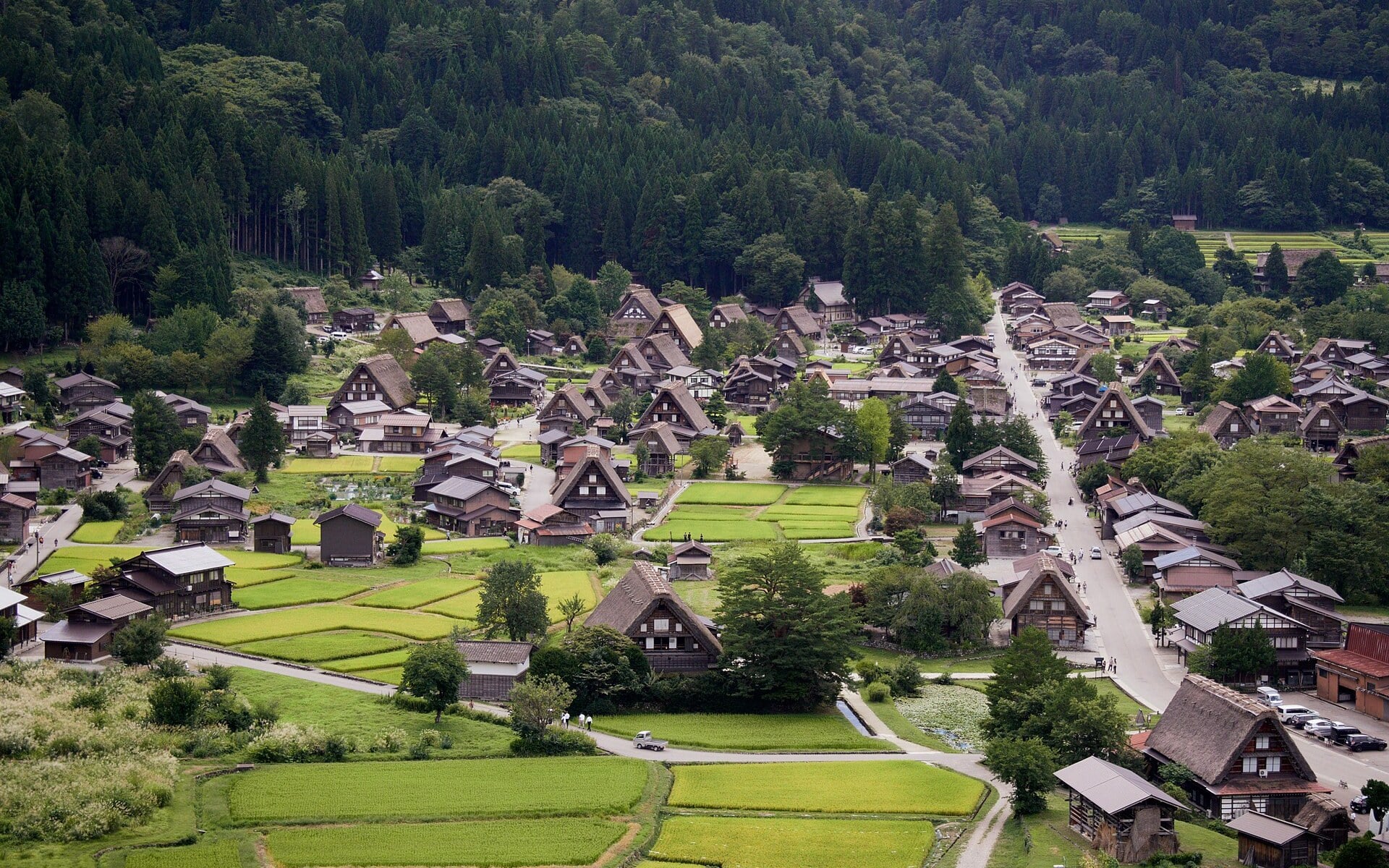
The steeply pitched thatched roofs of the gassho-style houses are the first thing that catches the eye. In the mountain villages of Shirakawa-go and Gokayama, the roof form responds to heavy winter snow. What looks picturesque is also a practical architectural response to place.
A house could also be a workplace
These houses evolved alongside local livelihoods, including mulberry cultivation and silkworm rearing. Domestic space and productive work were connected. The form of a home can therefore tell us about both its environment and the economic activities of the people who used it.
A village, not a national template
The World Heritage property includes Ogimachi, Ainokura and Suganuma. Our photograph shows Ogimachi in Shirakawa-go. Keeping that location precise matters: a distinctive regional building tradition is not a picture of how everyone across Japan lives today.
An earthen building can be a shared home, a defensive structure and a community space.
Open the field notes
A community in the plan
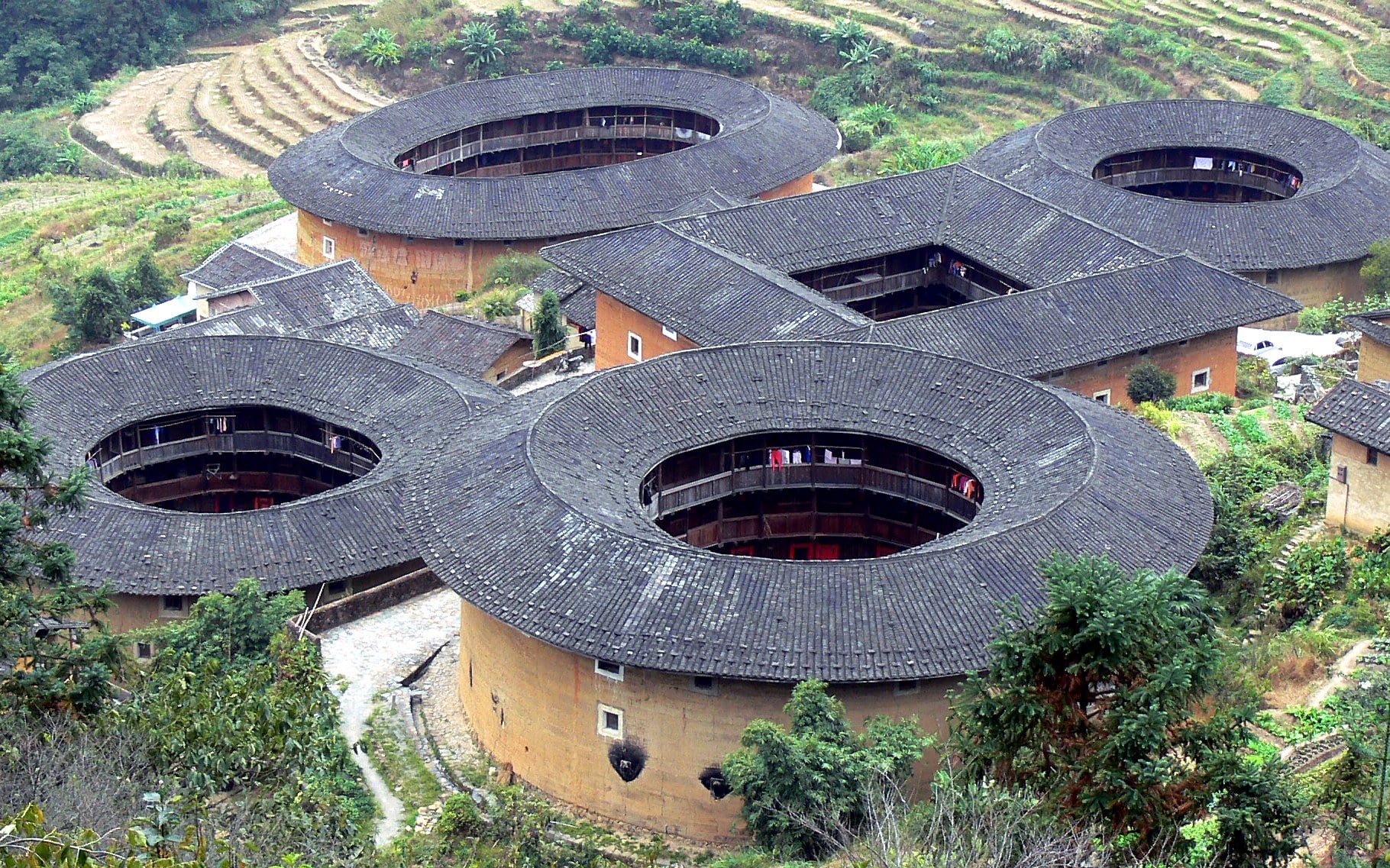
Fujian’s tulou are substantial earthen buildings, commonly circular or square, enclosing open courtyards. Their residential organisation joined many households within a single structure. The layout makes shared space visible: look at the courtyard, galleries and outer wall rather than only the striking outline.
Home and protection
UNESCO describes the tulou as both housing and defensive units for clans. Limited lower-level openings and controlled entrances belong to that history. These are not simply unusually large houses: their architecture expresses collective organisation and the need for security.
More than one shape
The photograph shows the Tianluokeng cluster, where circular buildings stand beside a square one. Tulou are not all identical, and this image represents one cluster within a broader regional tradition. Surrounding fields and hills are part of the setting, not an empty backdrop.
Earthen architecture is not just a material. It is knowledge that has to be kept alive.
Open the field notes
Read the material
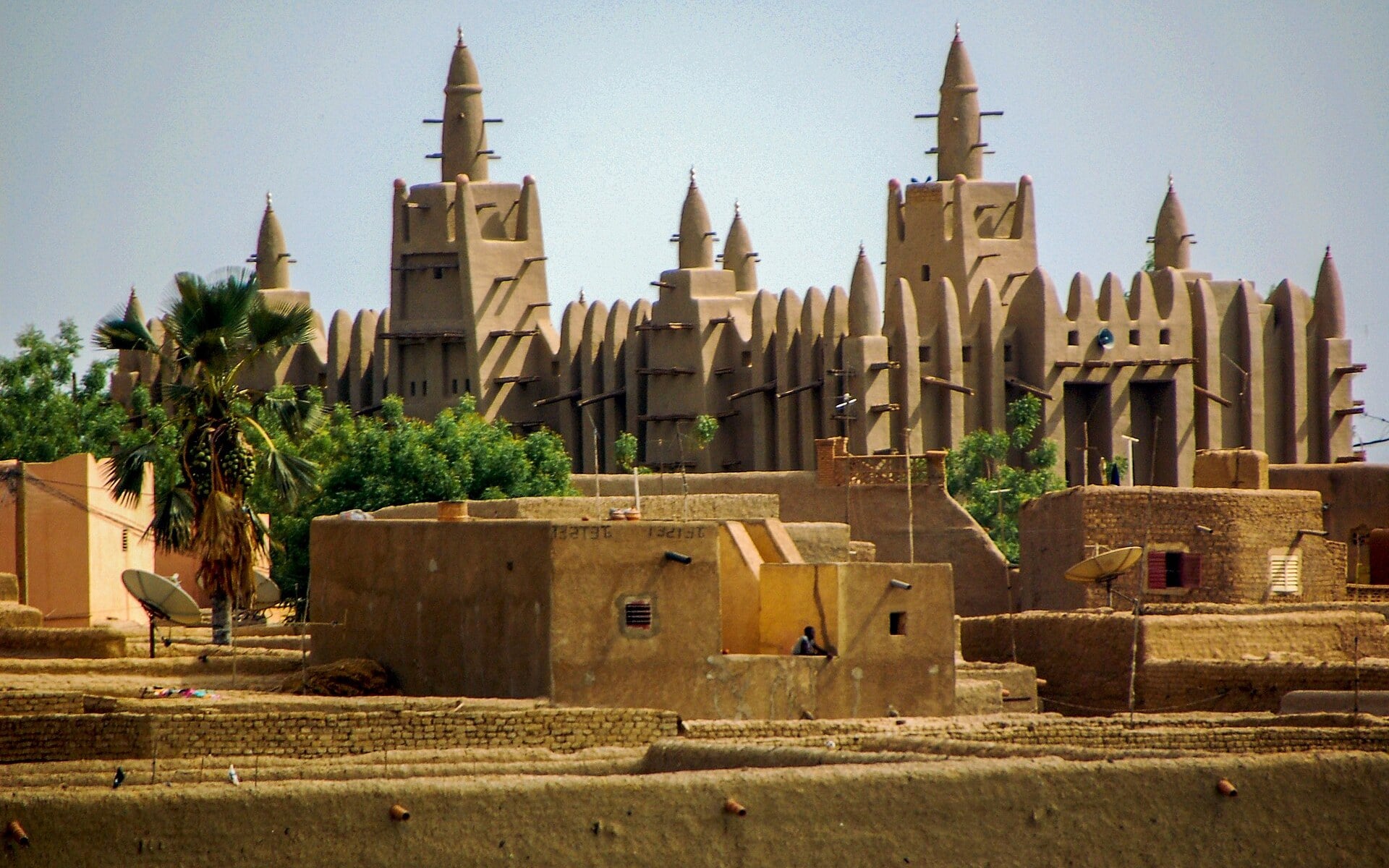
Djenné’s architecture is strongly associated with earth: walls, buttresses and sculpted façades give the townscape its distinctive appearance. The Great Mosque is its most recognisable monument, but the story also includes domestic buildings and the skills needed to create and maintain them.
Heritage needs work
An earthen building cannot be understood as an object that simply survives without care. UNESCO’s account identifies erosion and changes in construction materials among the challenges to the property. Continued knowledge of suitable building techniques matters alongside the preservation of individual structures.
A deep urban history
The World Heritage property brings the town together with archaeological sites that testify to much earlier settlement. Present-day Djenné and the archaeological remains are connected, but they are not the same time period. Reading the city means keeping those layers of history distinct.
On a rugged island, whistling can carry speech—not just attract attention.
Open the field notes
More than a signal
Silbo Gomero is a whistled form of communication that reproduces Castilian Spanish through whistles. It is not simply a small collection of calls such as “come here”. UNESCO describes a developed system capable of conveying messages across the island’s difficult terrain.
Geography and a voice
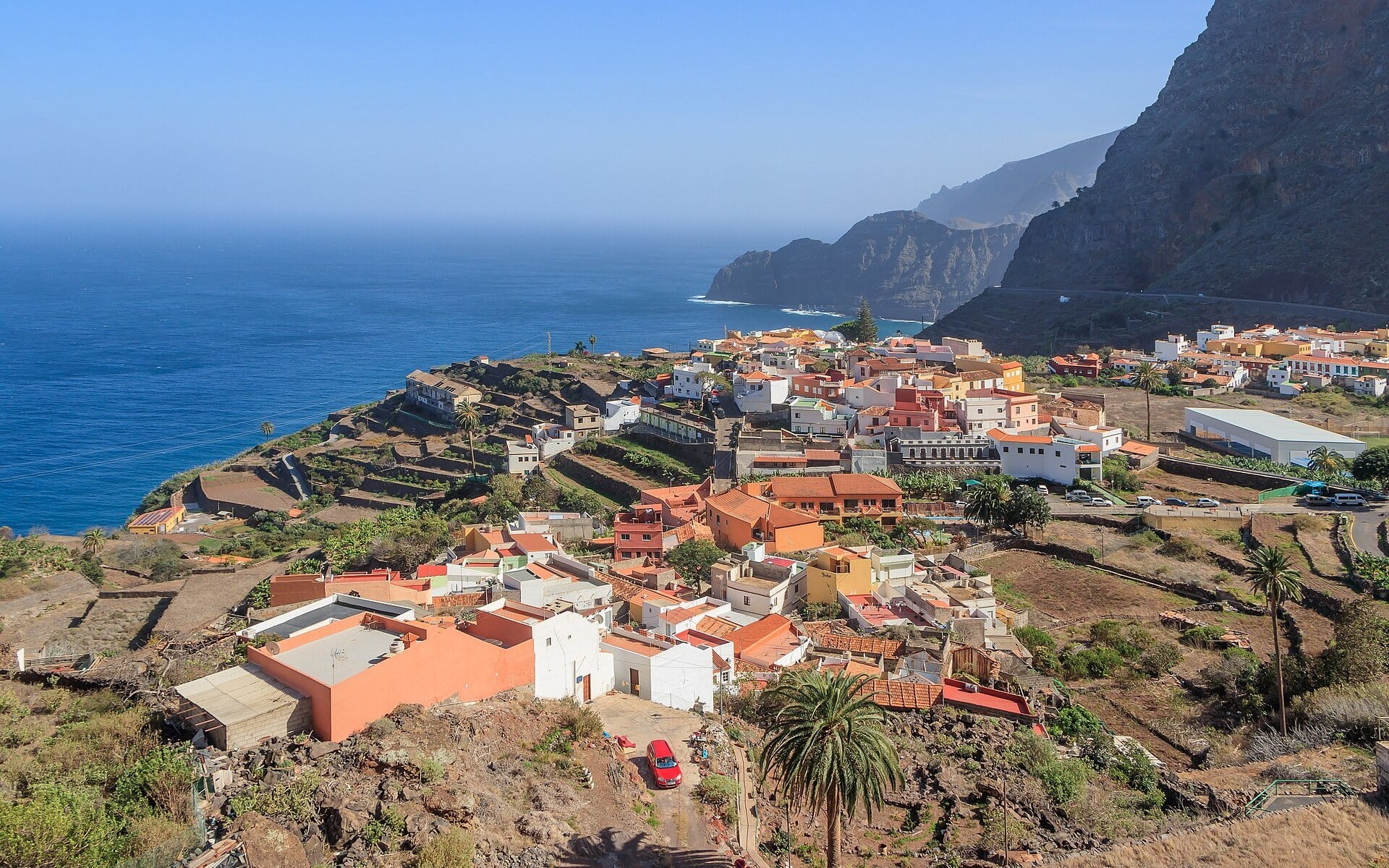
La Gomera’s ravines make the link between landscape and communication easy to imagine. A message that carries across a gap can avoid a much longer physical journey. The image shows Agulo and the island’s steep terrain; it does not show or document a whistling performance.
Learned, not inherited automatically
Silbo Gomero has been taught in local schools since 1999, according to UNESCO’s account. That detail is important: cultural knowledge continues through learning and deliberate transmission. Living on an island does not automatically mean a person practises every local tradition.
Community, memory and a distinctive creole connect a Colombian village to its African heritage.
Open the field notes
A refuge and a community
San Basilio de Palenque developed from a refuge founded by people who escaped enslavement in the seventeenth century. Its history is not simply a migration success story: it is inseparable from the violence of slavery and the pursuit of freedom.
Language as living knowledge
UNESCO identifies Palenquero as a Spanish-lexical creole with grammatical features associated with Bantu languages. Language forms part of a wider cultural space that includes music, oral traditions and social organisation. Shared vocabulary alone does not explain the whole history of a language.
The community is not frozen in this photograph
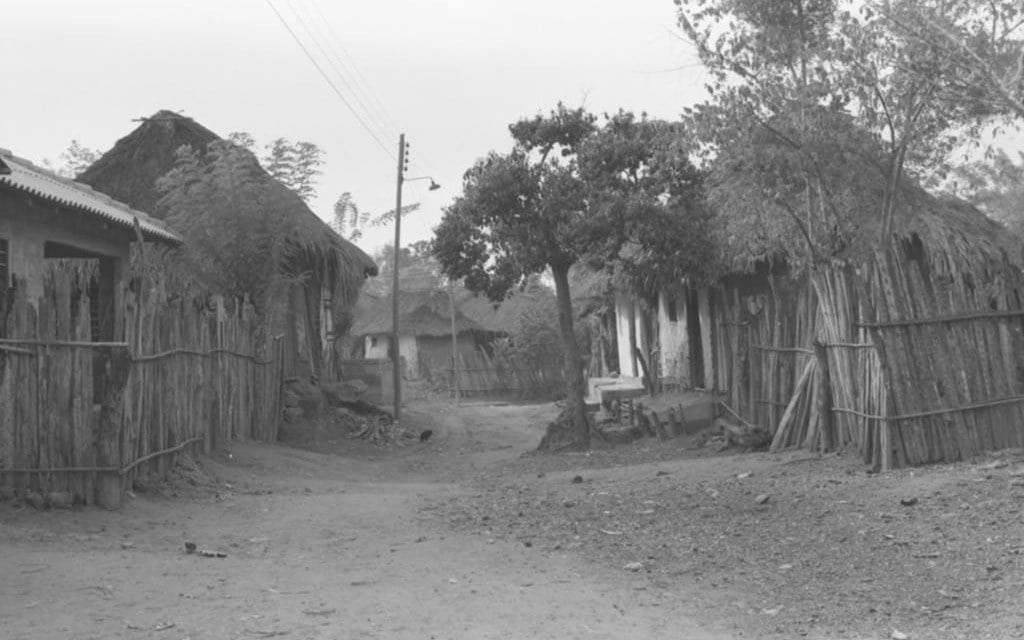
Family networks and age-based groups called ma kuagro are among the social structures described by UNESCO. The accompanying image comes from Richard Cross’s archive and was taken in 1976. It is a historical view, not a visual claim about current homes, roads or living standards.
Aapravasi Ghat holds the memory of indentured labour and the people whose journeys reshaped Mauritius.
Open the field notes
An arrival place
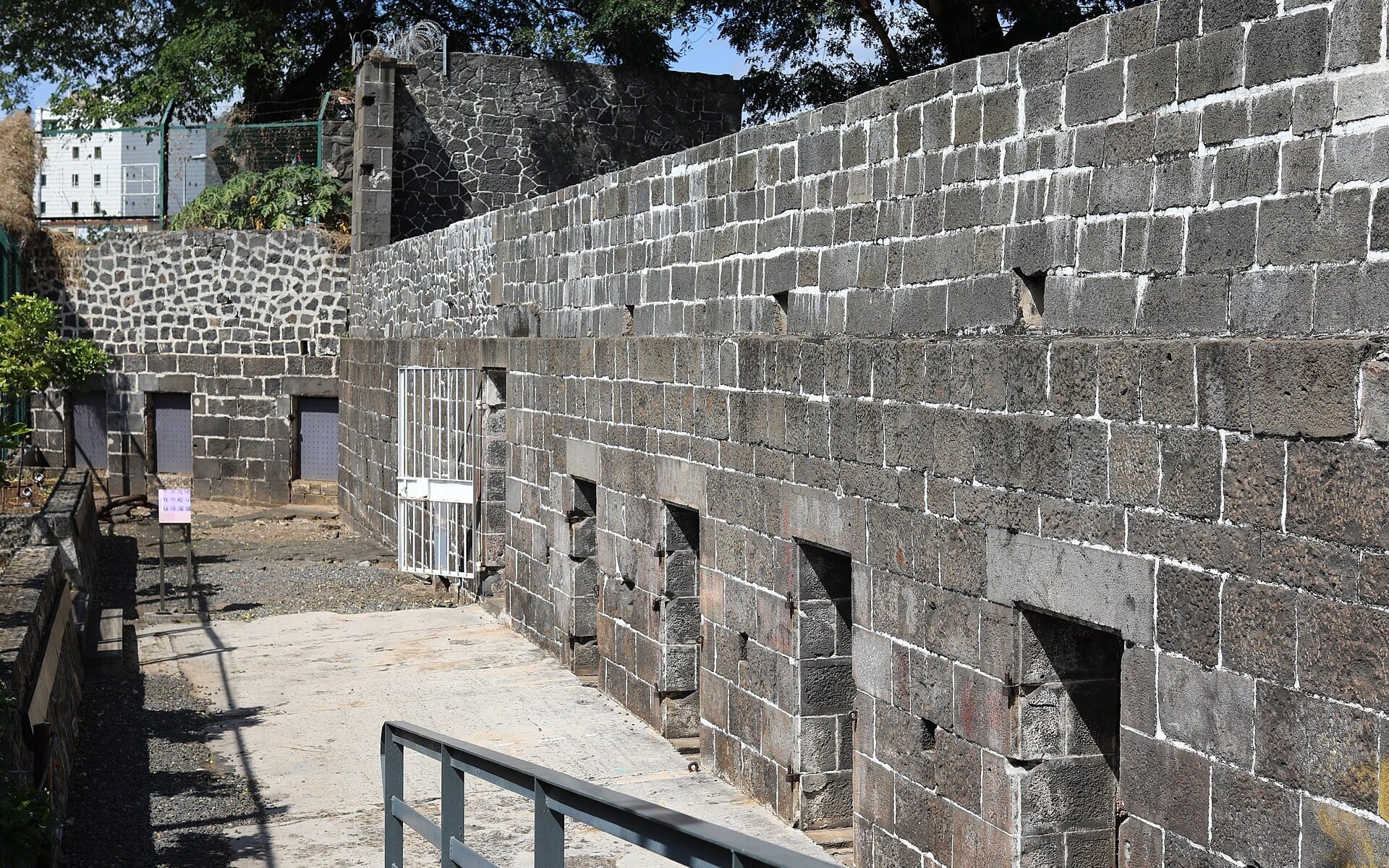
Aapravasi Ghat preserves remains of the immigration depot through which indentured labourers passed in the nineteenth and early twentieth centuries. Many came from India. The surviving buildings connect a large history of labour movement to a specific place on the Port Louis waterfront.
A contract did not guarantee freedom from exploitation
The indenture system expanded as colonial plantation economies sought labour after slavery. It must not be confused with either slavery itself or a present-day voluntary work-abroad programme. Describing a journey accurately means looking at the labour system and power relations behind it, not only its route.
Memory beyond the monument
UNESCO recognises the site for its association with the development of a wider indentured-labour diaspora. A historic depot can help visitors ask how migration shapes a society across generations. It cannot, by itself, tell the individual story of every person who arrived.
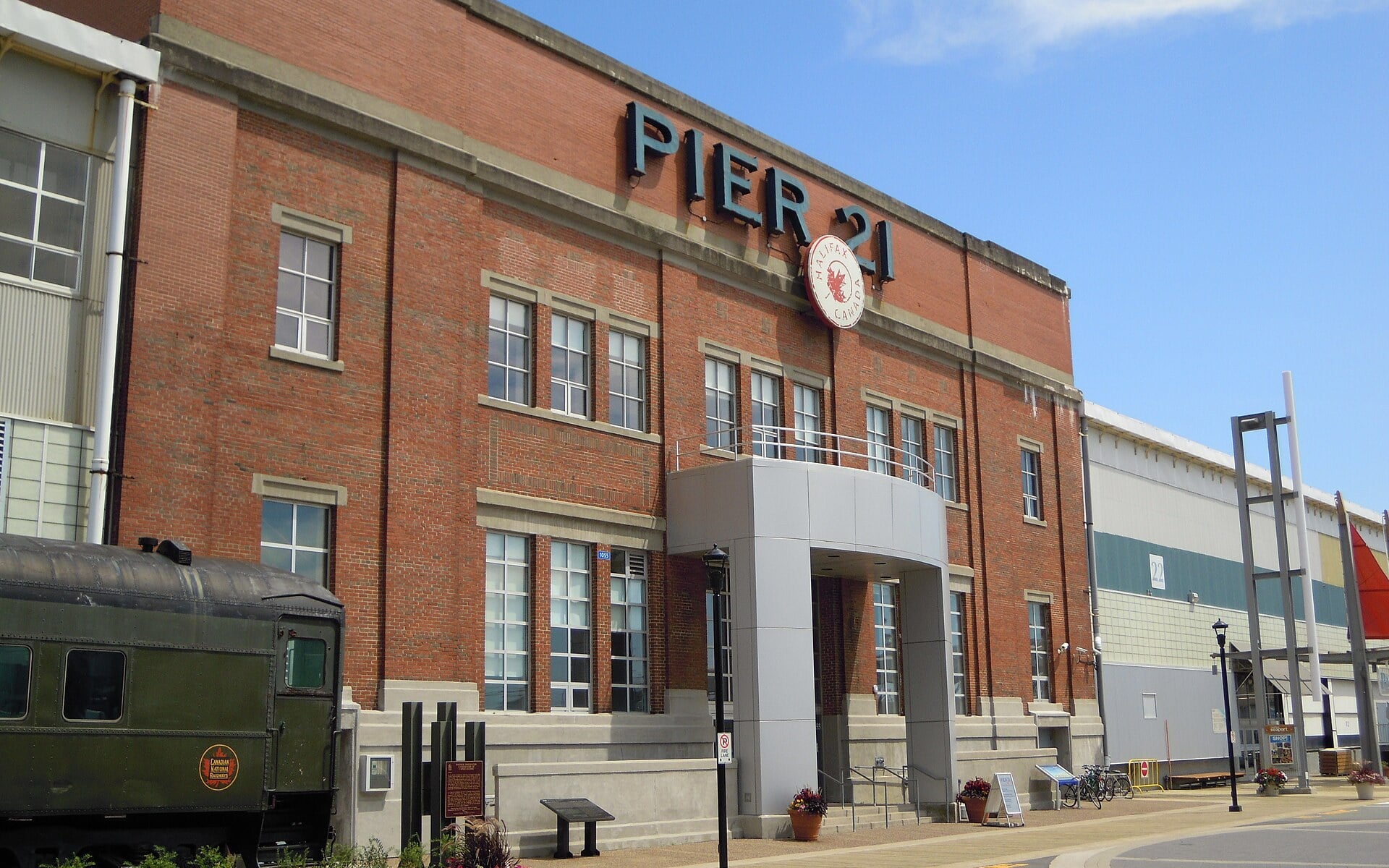
At Pier 21, a sea journey became the start of another journey inland.
Open the field notes
Arrival was not the end
Pier 21’s museum follows a sequence from the ship to customs and immigration in Halifax, then the train to an onward destination. That sequence is a reminder that the port where a person arrives is not necessarily the place where they make a home.
History in a trunk
The museum uses luggage, personal belongings, archival photographs and first-person accounts to tell migration histories. It also includes children’s perspectives. These objects make a large movement of people personal without assuming that every journey had the same circumstances or outcome.
Not every experience was the same
Pier 21 operated as an immigration facility from 1928 to 1971. The story belongs to a period with changing Canadian admission policies and unequal access. A welcoming sign or an arrival photograph should not erase that wider historical context. Today the site is a museum, not the active gateway depicted in the historical accounts.
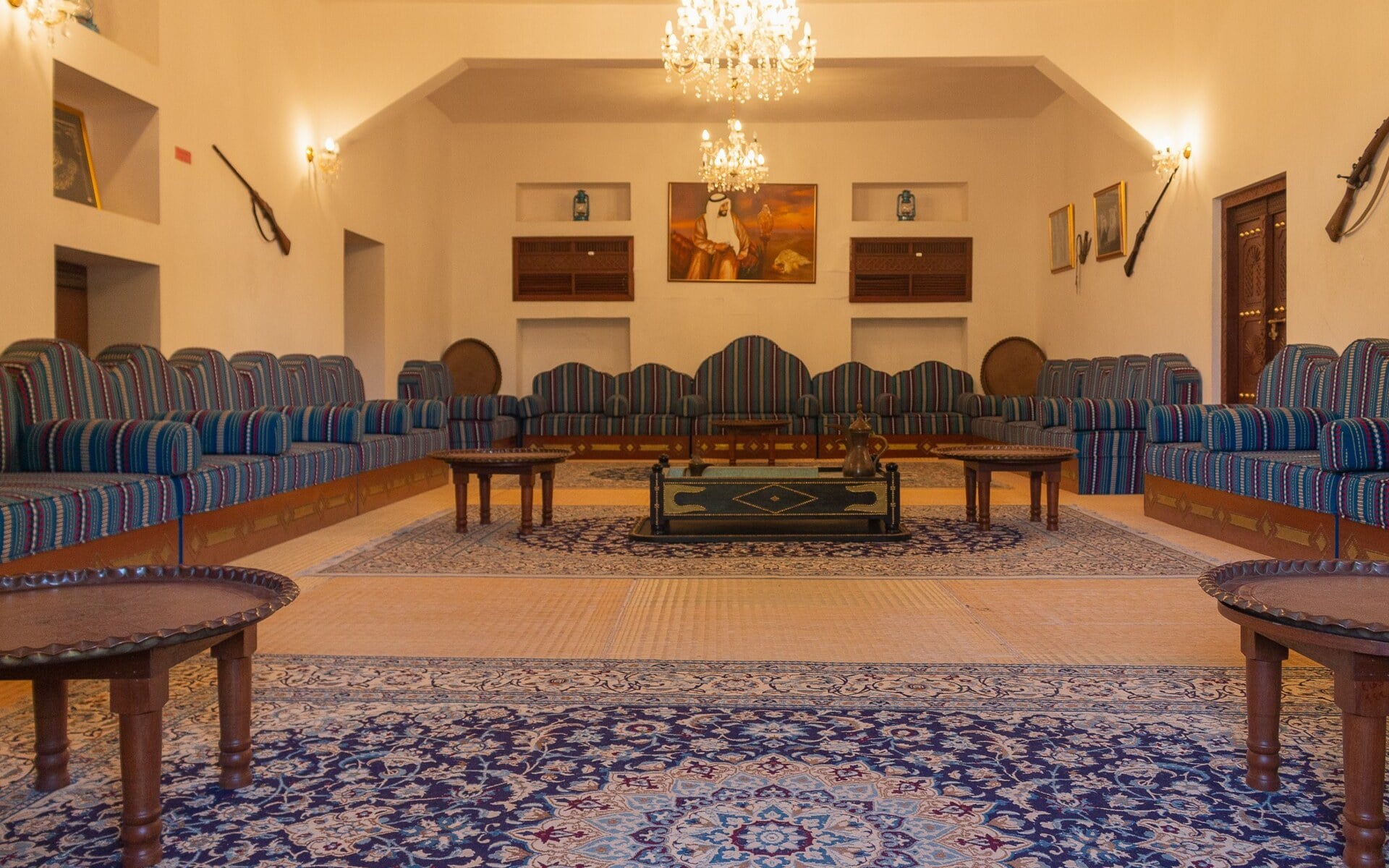
The majlis brings hospitality, conversation and the passing on of knowledge into one social space.
Open the field notes
More than furniture
A majlis is a sitting place, but its cultural significance lies in what people do there: exchange news, discuss events, receive guests and offer support. UNESCO’s shared inscription includes the United Arab Emirates, Oman, Qatar and Saudi Arabia. It is not an exclusively UAE tradition.
Listening is part of learning
UNESCO describes the majlis as a place where stories, poetry and community knowledge pass between generations. Younger participants can learn by accompanying adults, observing and listening. Hospitality is part of this social world, but reducing it to a rule about coffee would miss much of its purpose.
Look carefully at the illustration
The photograph shows a preserved heritage interior in Al Ain Palace Museum. It helps us examine a gathering-room arrangement, but it is not a photograph of a current family’s meeting or evidence that all majalis look alike. Living customs vary by community, setting and occasion.
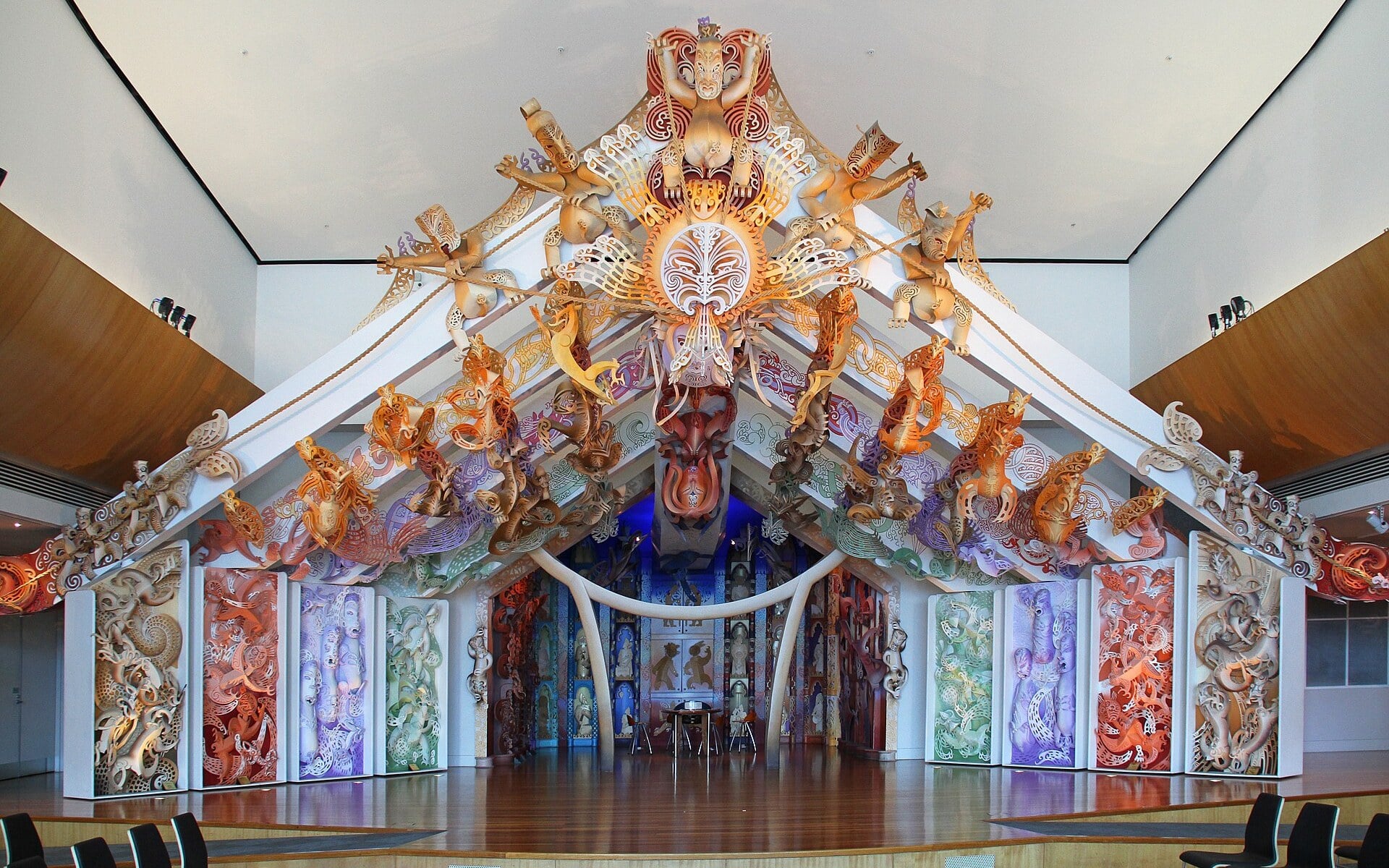
At Te Papa, a marae makes cultural belonging part of a modern museum’s life.
Open the field notes
Tradition is not the opposite of modernity
Te Papa describes Rongomaraeroa as an authentic, contemporary and inclusive marae for the twenty-first century. Its setting inside a national museum makes a useful point: a living cultural space need not look like a building from the distant past.
A space that is used
The museum describes Rongomaraeroa as a public space that also accommodates functions and events. The photograph shows the meeting house Te Hono ki Hawaiki within this marae. It is a specific setting with its own purpose, not a template for every marae in Aotearoa New Zealand.
An encounter has a context
Marae are associated with relationships between hosts and visitors, and formal welcomes can involve specific local protocols. A photograph does not establish which ceremony is taking place—or that one is taking place at all. Visitors should follow the guidance of the hosts and venue rather than copy a simplified internet script.
No. Each story concerns a named place, community, practice or historical site. Countries contain many languages, identities and ways of living. A selected example is never a national stereotype.
Are the photographs real?
Yes. The collection uses sourced photographs with visible author, source and licence credits. The Palenque photograph is an archive image from 1976, and the Al Ain majlis is a preserved heritage interior. These contexts are labelled.
Is A Day in the Life a real person’s diary?
No. It is a thematic explorer of documented activities—travelling, working and gathering—not an invented diary, timetable or interview. No words or personal histories are attributed to the people photographed.
How are sources and comparisons used?
Story sources appear beside each expanded account. Comparisons juxtapose selected local settings and their connections to geography, community and change. They do not rank countries or claim to represent national averages.
 Everyday life