The living world
Forests of the World
Step into the great forests of the planet — from steamy rainforests to frozen taiga — and meet the trees, animals and secrets that live within them.
Watch the film
Forests of the World — the full tour
Prefer to watch? Take the whole journey through the planet's forests in one film — biomes, layers, animals, trees and the secrets within.
The nine great biomes
Types of forests
Every forest on Earth falls into a handful of families, each shaped by its climate. Tap any card for exhaustive specs — climate, rainfall, soil, where it grows, and the life it holds.
By the numbers
How the world's forests divide up
Two ways to slice it — by the type of forest, and by the continent it grows on.
Share by forest type
Approximate share of global forest area by type, rounded for clarity.
Share by world region
Approximate share of the world's forests by continent (FAO-style figures).
Interactive
The layers of a forest
A rainforest is built in storeys, from the sunlit giants at the top to the dark, busy floor. Tap each layer to see who lives there.
🪨 Soil & roots · underground
Canopy
A thick, leafy roof where most of the action happens. It soaks up the sunlight and shelters the greatest number of animals — most rainforest life lives here.
Who lives here
Why they matter
Why forests matter
Forests are far more than trees — they keep the whole planet (and us) alive. Here is what they do for the world every single day.
They Make the Air We Breathe
Trees soak up carbon dioxide and release oxygen — forests help produce a huge share of the air that keeps us alive.
They Fight Climate Change
Forests are giant carbon stores, locking away billions of tonnes of carbon in their wood, leaves and soil.
They Clean & Move Water
Roots filter rainwater and release moisture into the sky, helping create clouds and rain far away.
They Are Home to Most Life
Though they cover less than a third of the land, forests shelter around 80% of the world’s land animals, plants and insects.
They Give Us Medicine
A quarter of all modern medicines come from rainforest plants — and most forest species have never even been studied.
They Protect the Land
Tree roots hold soil together, stopping landslides and keeping fertile ground from washing away.
They Cool the Planet
Forests shade the ground and release water vapour, acting like natural air-conditioning for whole regions.
They Support People
More than 1.6 billion people rely on forests for food, firewood, shelter and their way of life.
Around the globe
Famous forests & where to find them
The most remarkable forests on Earth — the biggest, oldest and most alive. Tap a card for its highlights.
The biggest, tallest & oldest
Forest record-breakers
The forests hold some of the most astonishing living things on Earth — the largest, the tallest and the most ancient trees ever found.
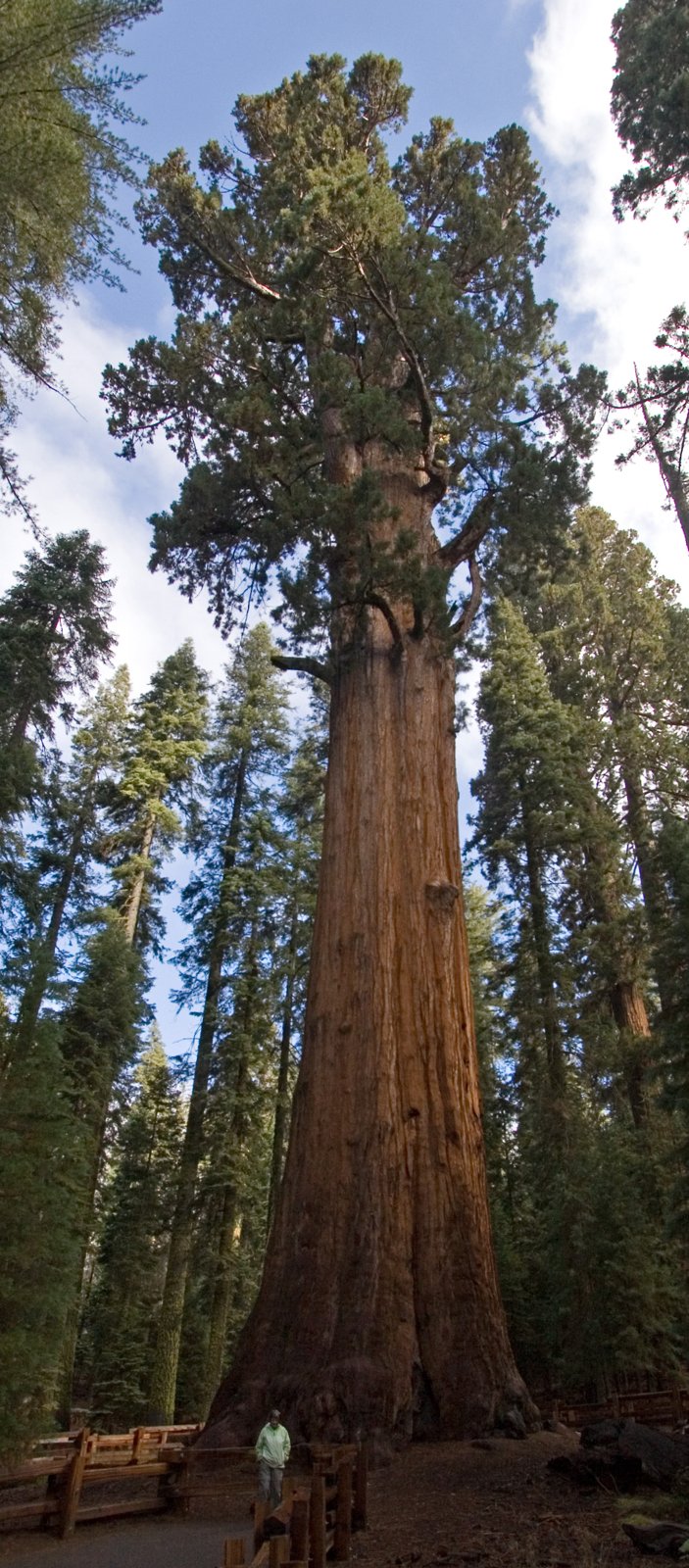 ~1,487 m³ of wood
Biggest Tree on Earth
🌲 General Sherman (Giant Sequoia)
Sequoia National Park, USABy volume, General Sherman is the largest single living tree in the world — as heavy as roughly 10 blue whales and still growing after about 2,200 years.
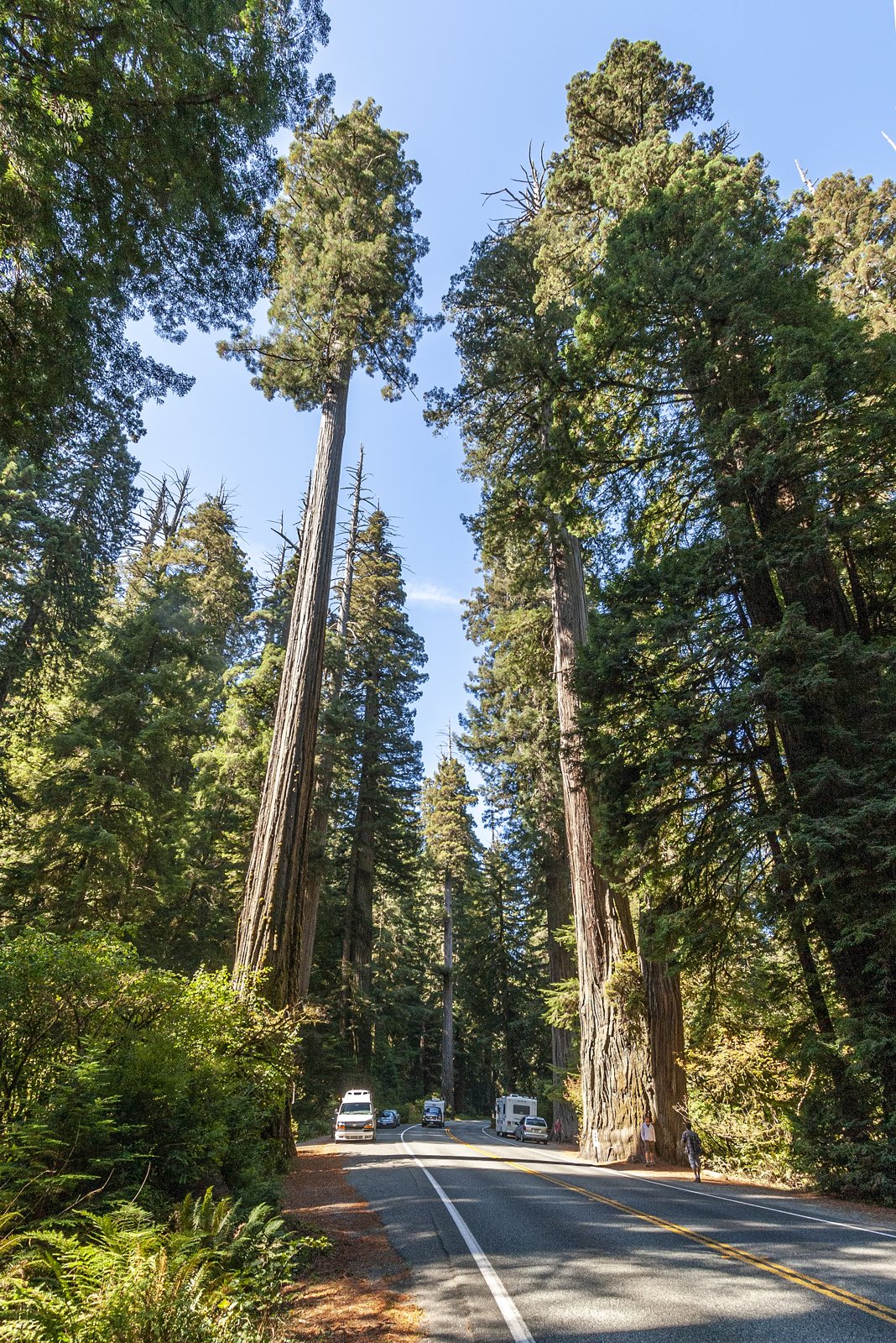 Up to 115.9 m tall
Tallest Trees on Earth
🌳 Coast Redwoods
California, USAThe tallest known tree, a redwood named Hyperion, stands taller than the Statue of Liberty — its exact location is kept secret to protect it.
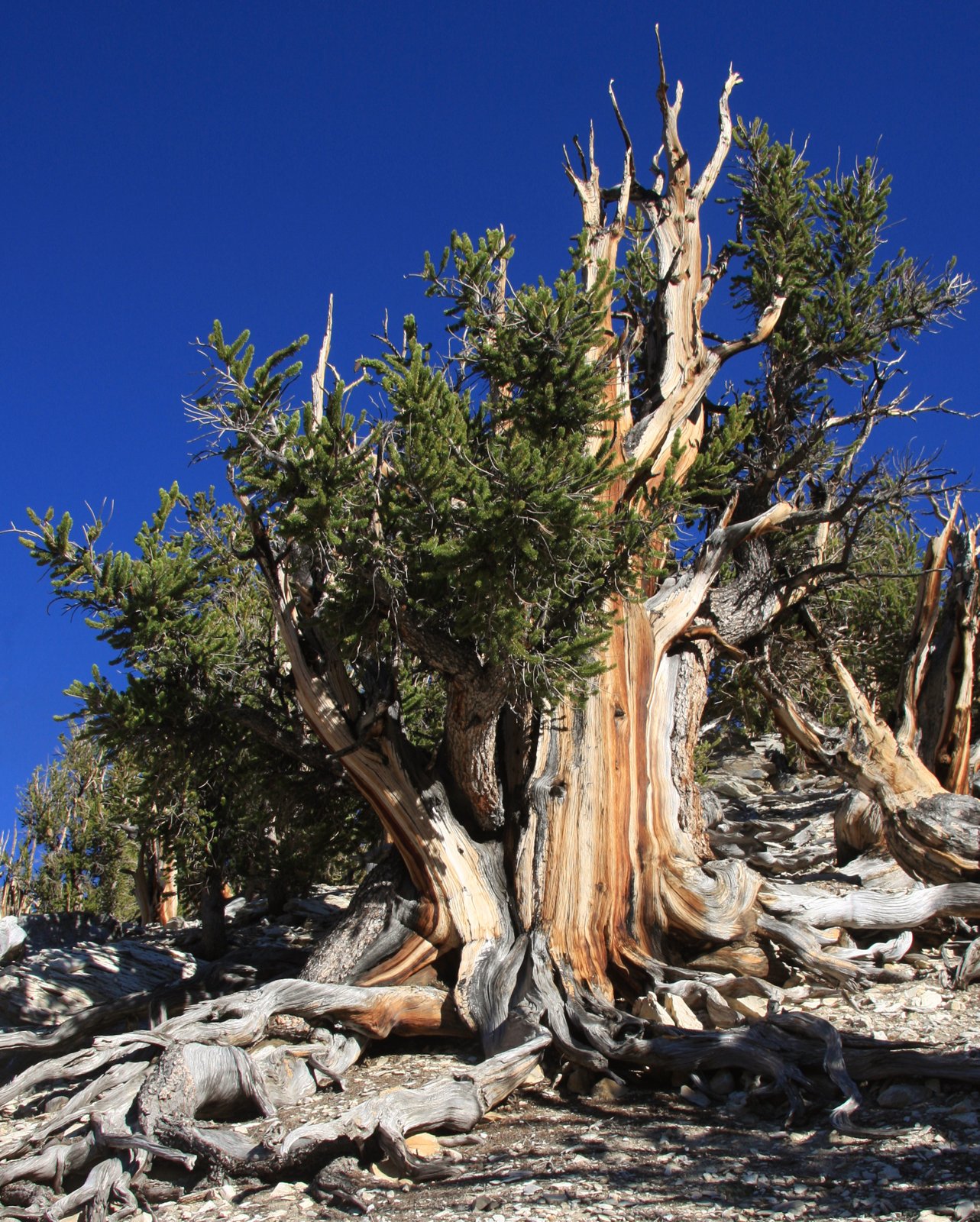 Over 4,800 years old
Oldest Living Trees
🎄 Great Basin Bristlecone Pines
White Mountains, USAA bristlecone pine called Methuselah was already a seedling before the Egyptian pyramids were built — one of the oldest individual living things on the planet.
Largest Forest
🌲 The Boreal Forest (Taiga)
Russia, Canada & ScandinaviaThe taiga wraps right around the top of the globe and holds about one third of all the trees on Earth.
Largest Rainforest
🌴 The Amazon
South AmericaThe Amazon produces so much of the planet’s oxygen and holds so many species it is often called the “lungs of the Earth.”
Oldest Rainforest
🌿 Daintree Rainforest
Queensland, AustraliaThe Daintree is older than the Amazon and has been growing since the age of the dinosaurs.
Forest dwellers
Animals of the forest
From jaguars to red pandas — a few of the incredible creatures that call the forests home, and their conservation status.
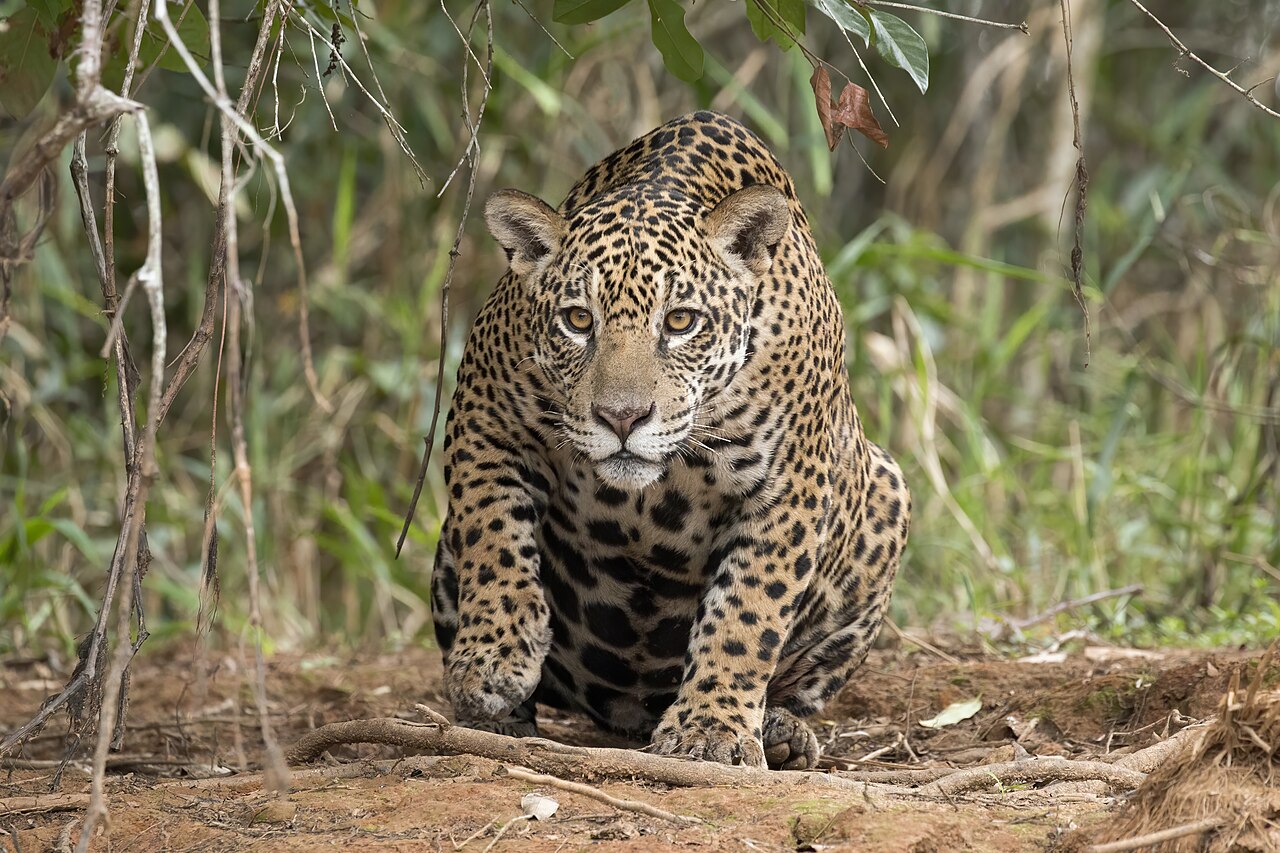 Near Threatened
🐆 Jaguar
The jaguar has the strongest bite of any big cat — it can crack a turtle’s shell.
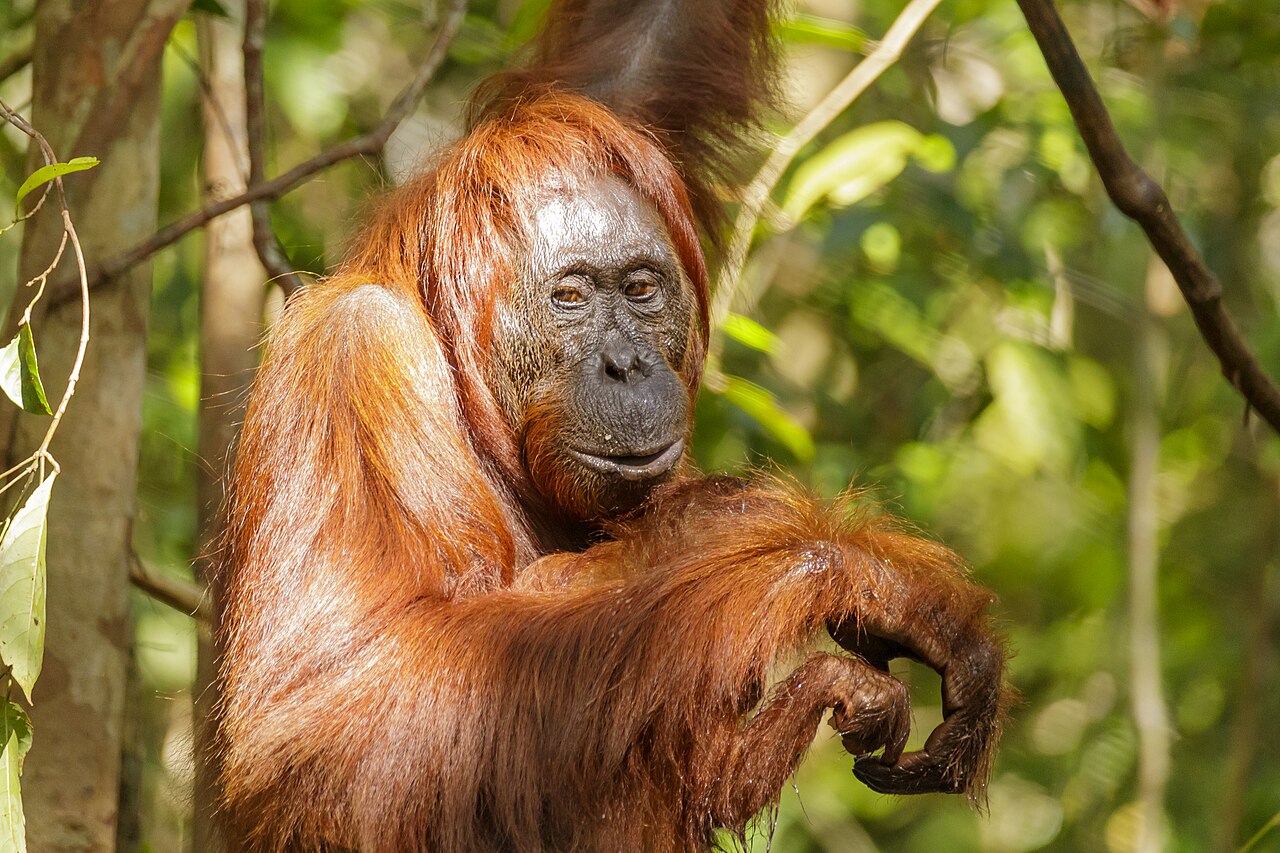 Critically Endangered
🦧 Orangutan
Orangutans build a fresh leafy nest high in the trees to sleep in every single night.
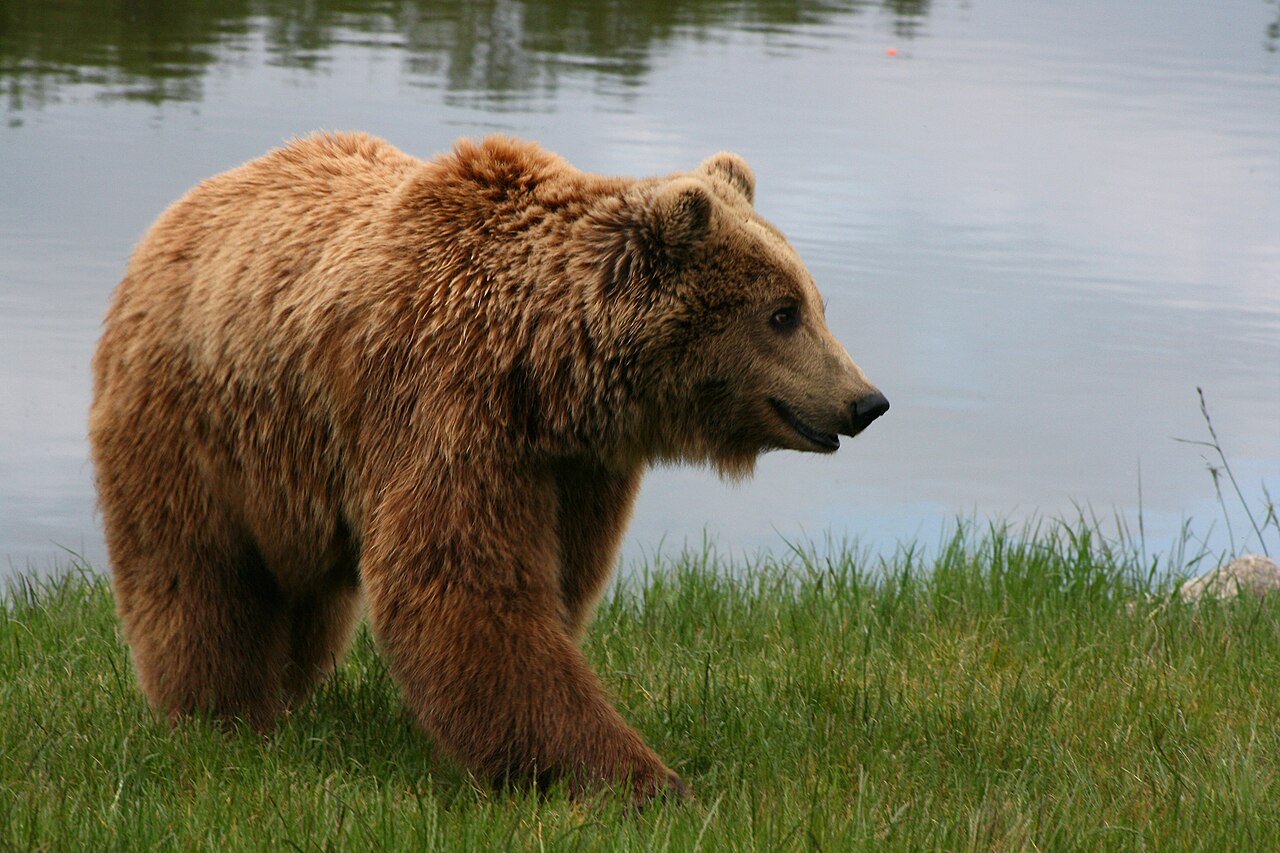 Least Concern
🐻 Brown Bear
Brown bears can sleep through the whole winter, living off their body fat for months.
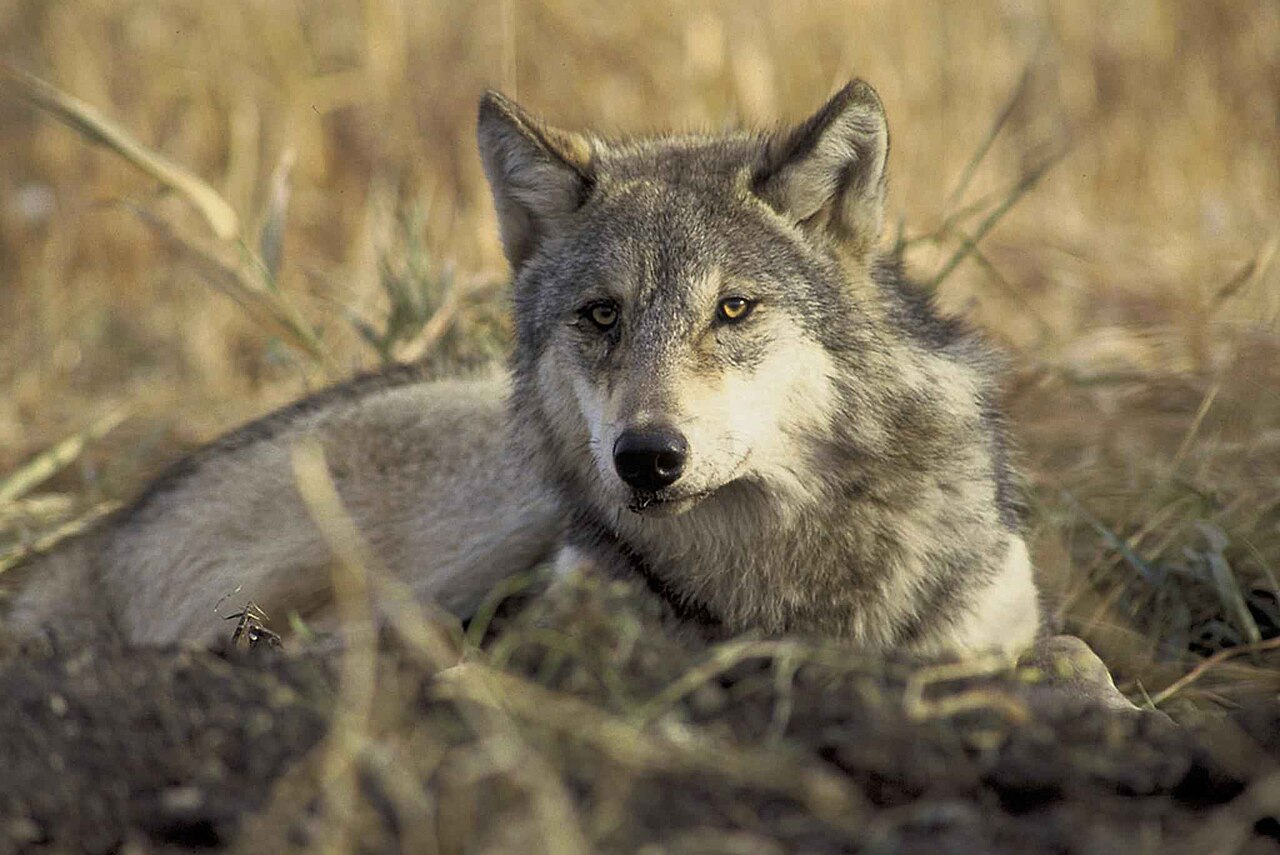 Least Concern
🐺 Gray Wolf
A wolf’s howl can be heard up to 16 km away and helps the pack stay together.
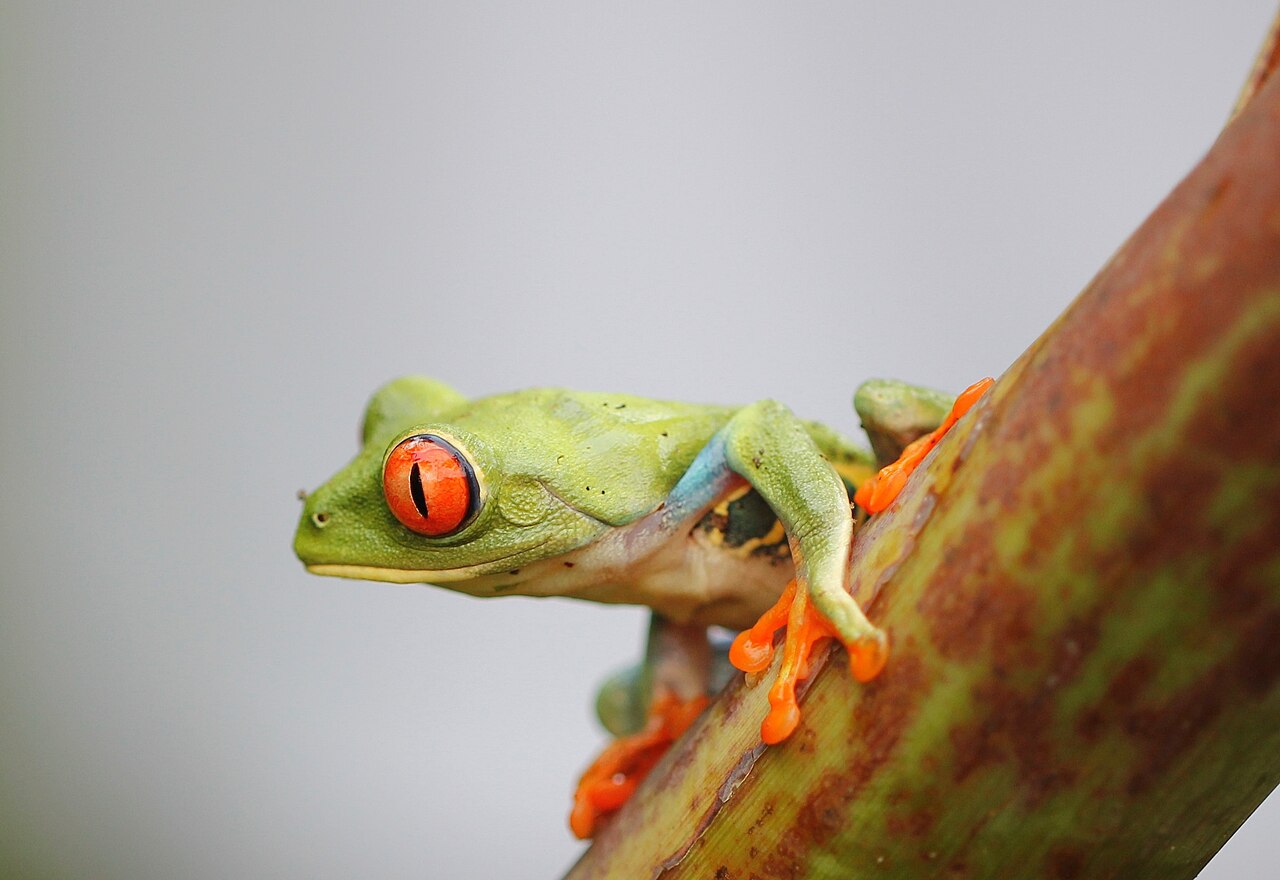 Least Concern
🐸 Red-eyed Tree Frog
Its bright red eyes flash to startle predators for a split second so it can leap away.
 Least Concern
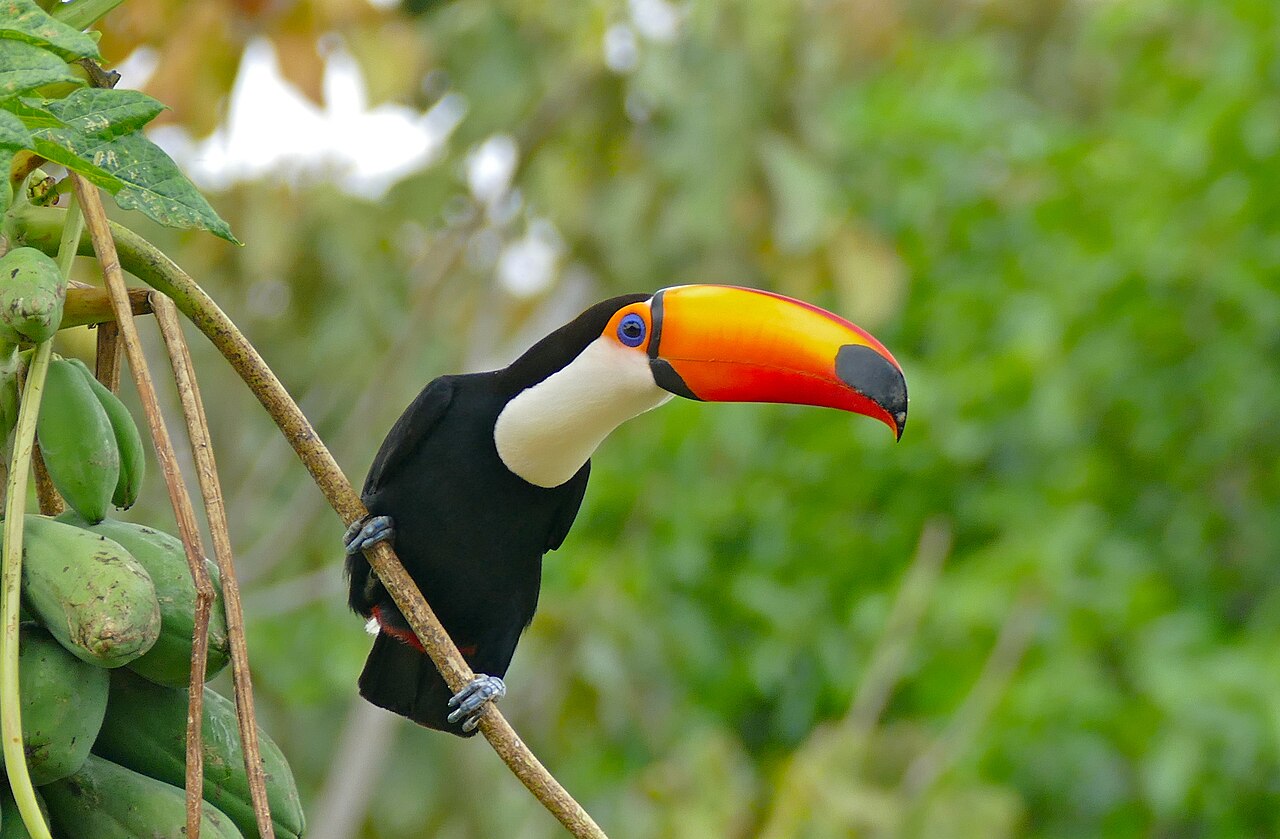
🦜 Toco Toucan
The toucan’s huge bill is mostly hollow and helps it keep cool in the heat.
 Endangered
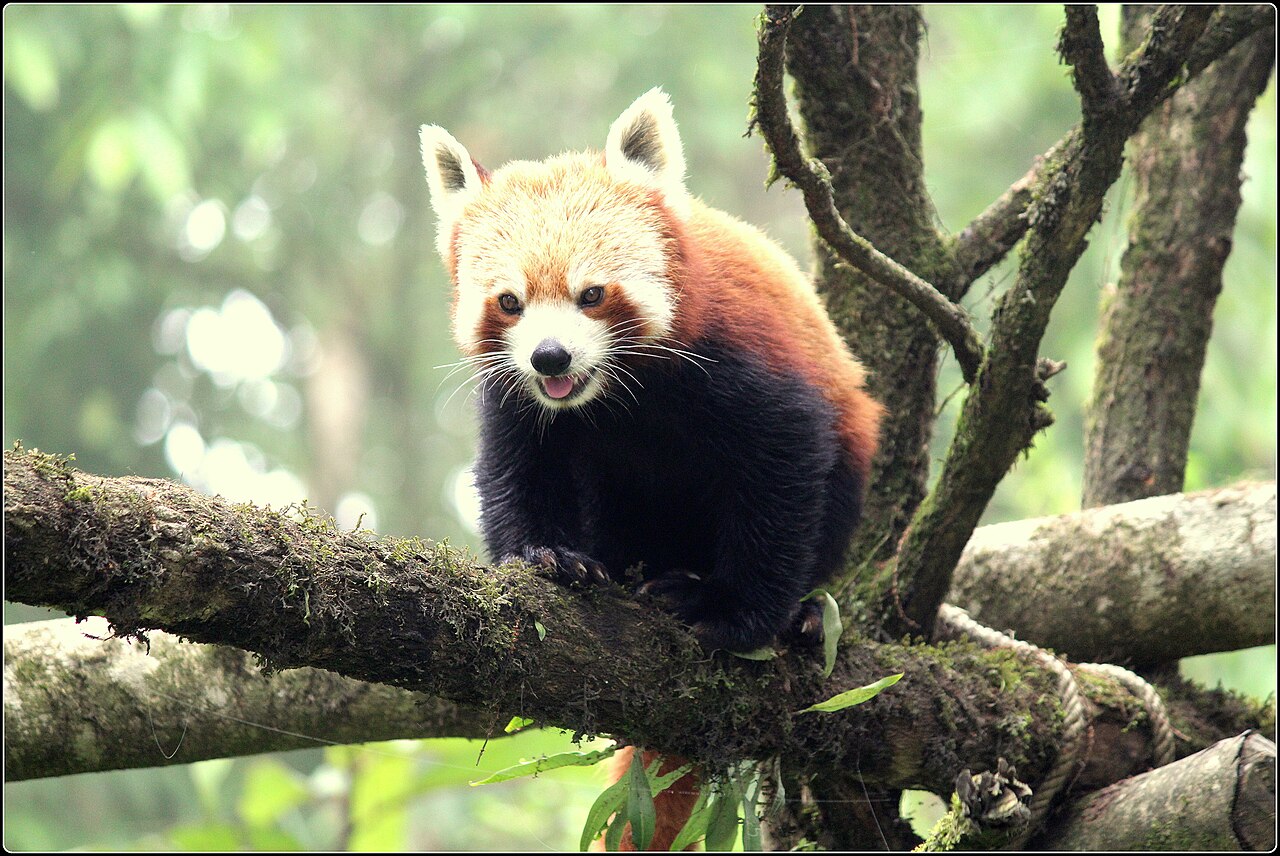
🦡 Red Panda
Red pandas use their bushy tails as a cosy blanket in cold mountain forests.
 Endangered
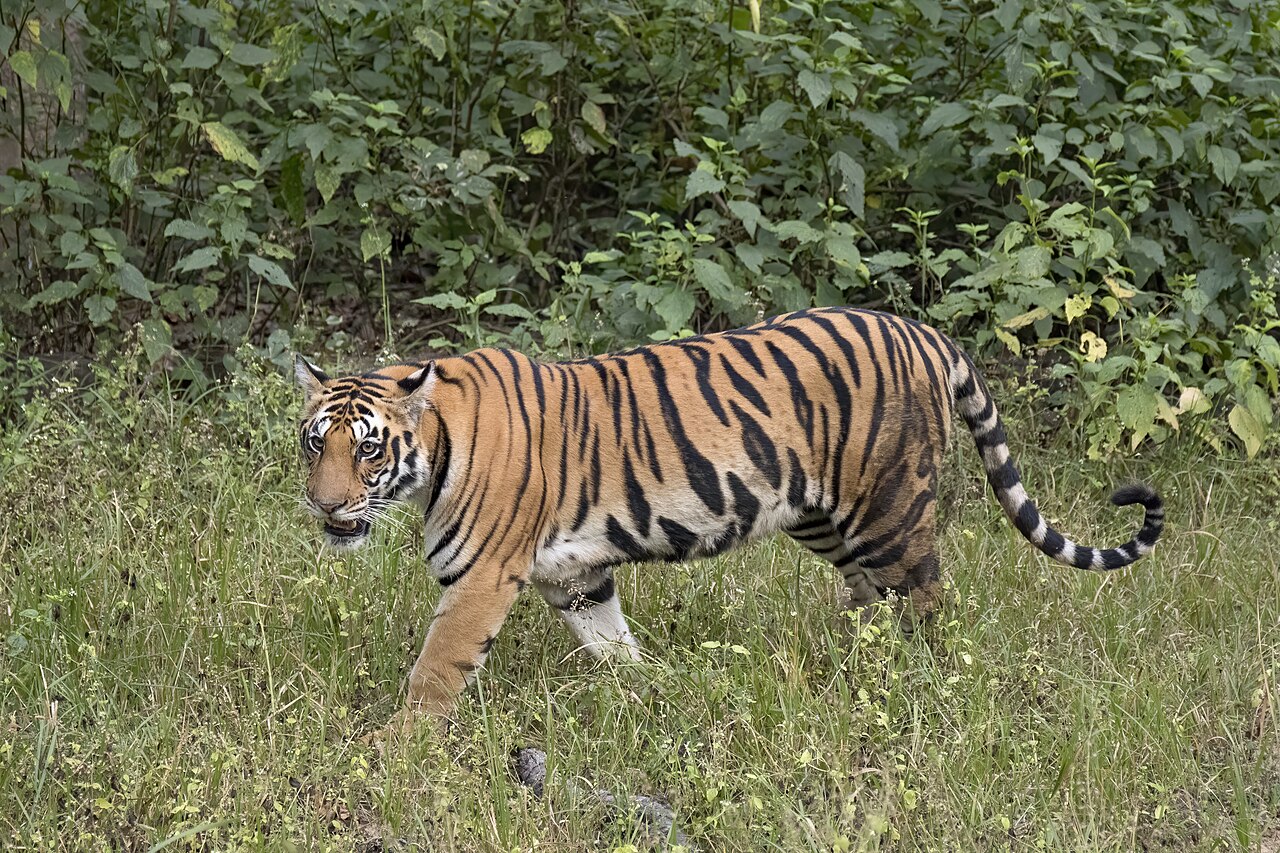
🐅 Bengal Tiger
The tigers of the Sundarbans are strong swimmers and hunt across tidal channels.
 Least Concern
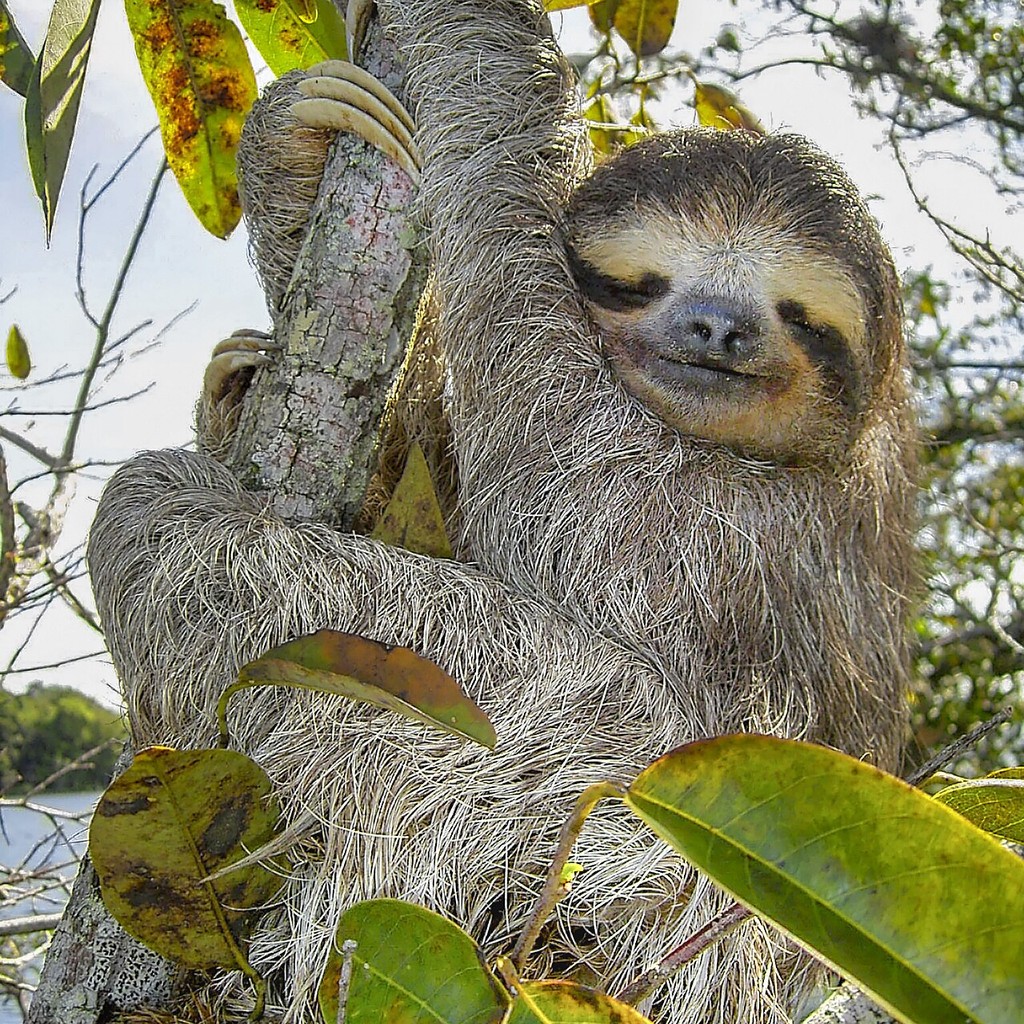
🦥 Three-toed Sloth
Sloths move so slowly that green algae grows on their fur, helping them hide in the canopy.
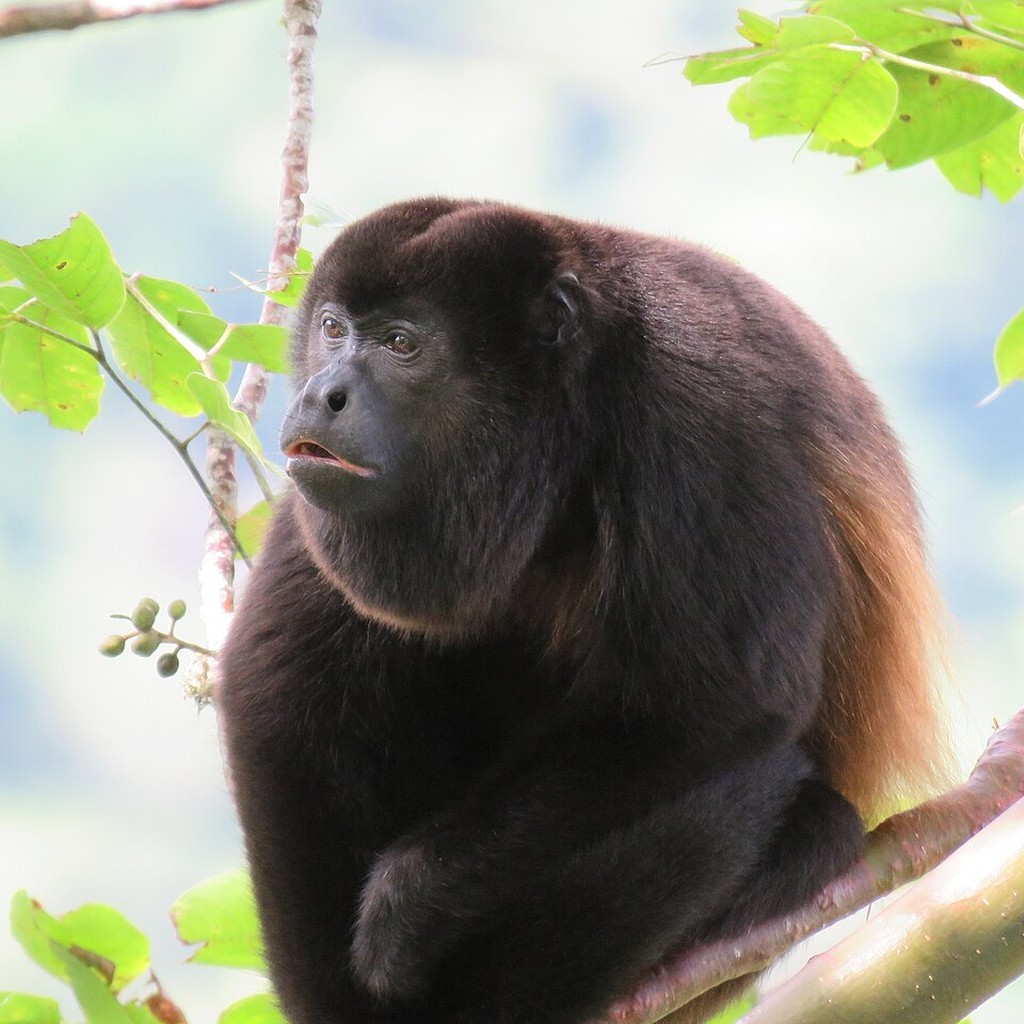 Least Concern
🐒 Howler Monkey
Among the loudest land animals — a howler’s dawn chorus carries up to 5 km through the forest.
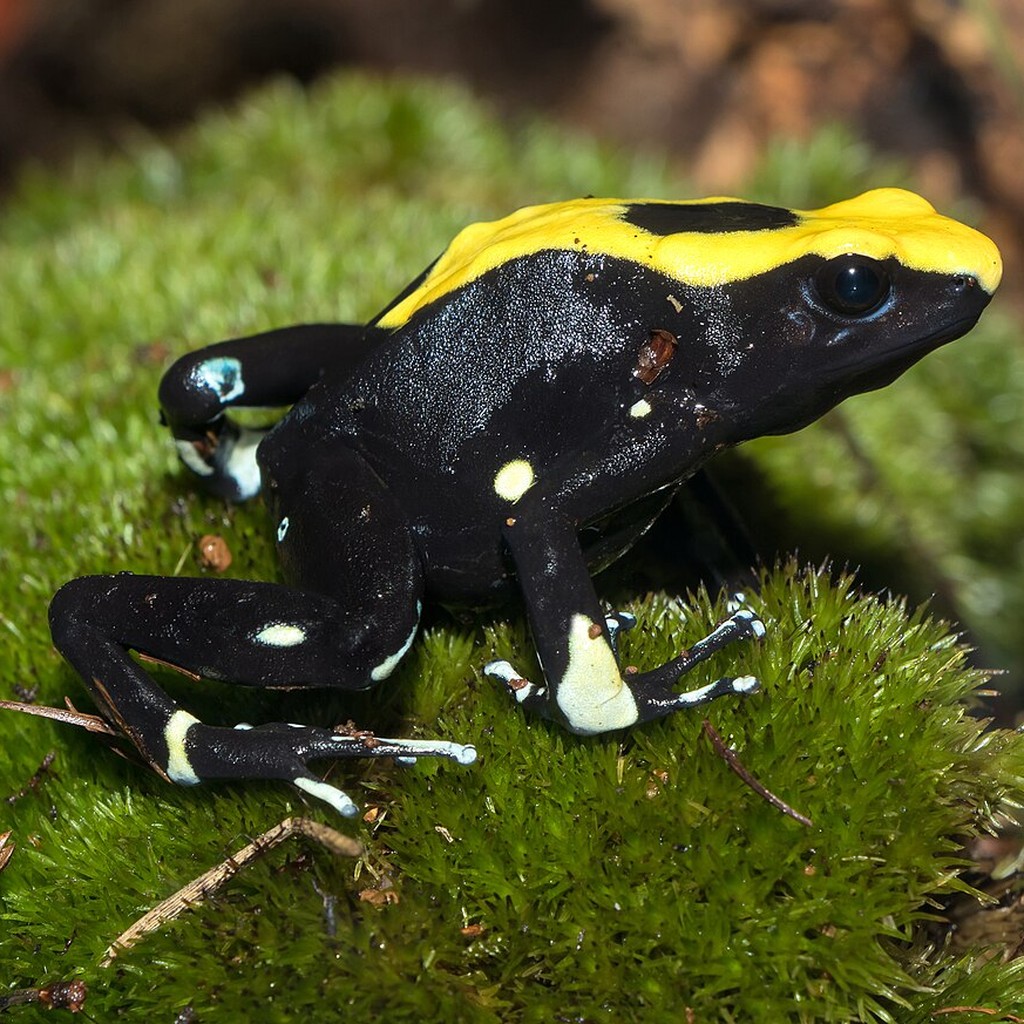 Least Concern
🐸 Poison Dart Frog
Its dazzling colours are a warning that its skin carries some of the strongest natural toxins.
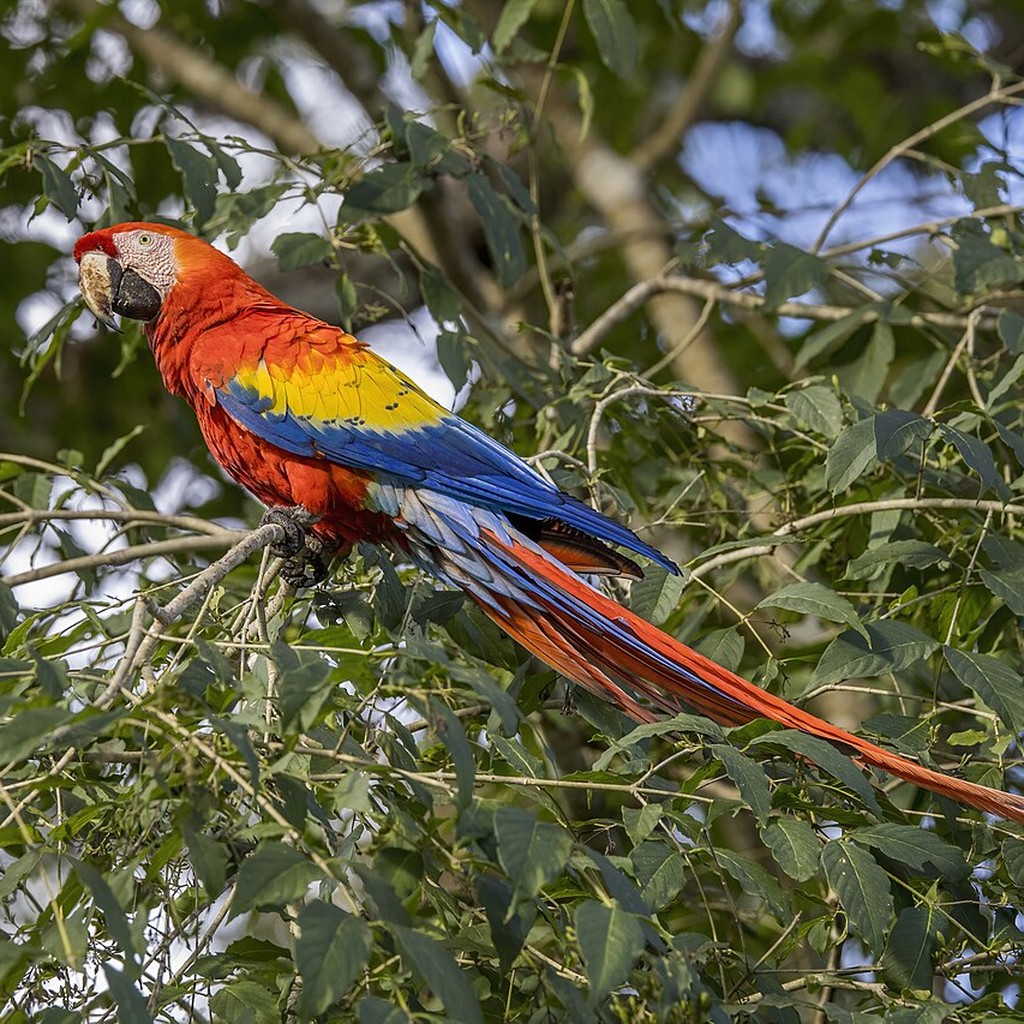 Least Concern
🦜 Scarlet Macaw
Scarlet macaws can live over 50 years and crack the hardest nuts with their powerful beaks.
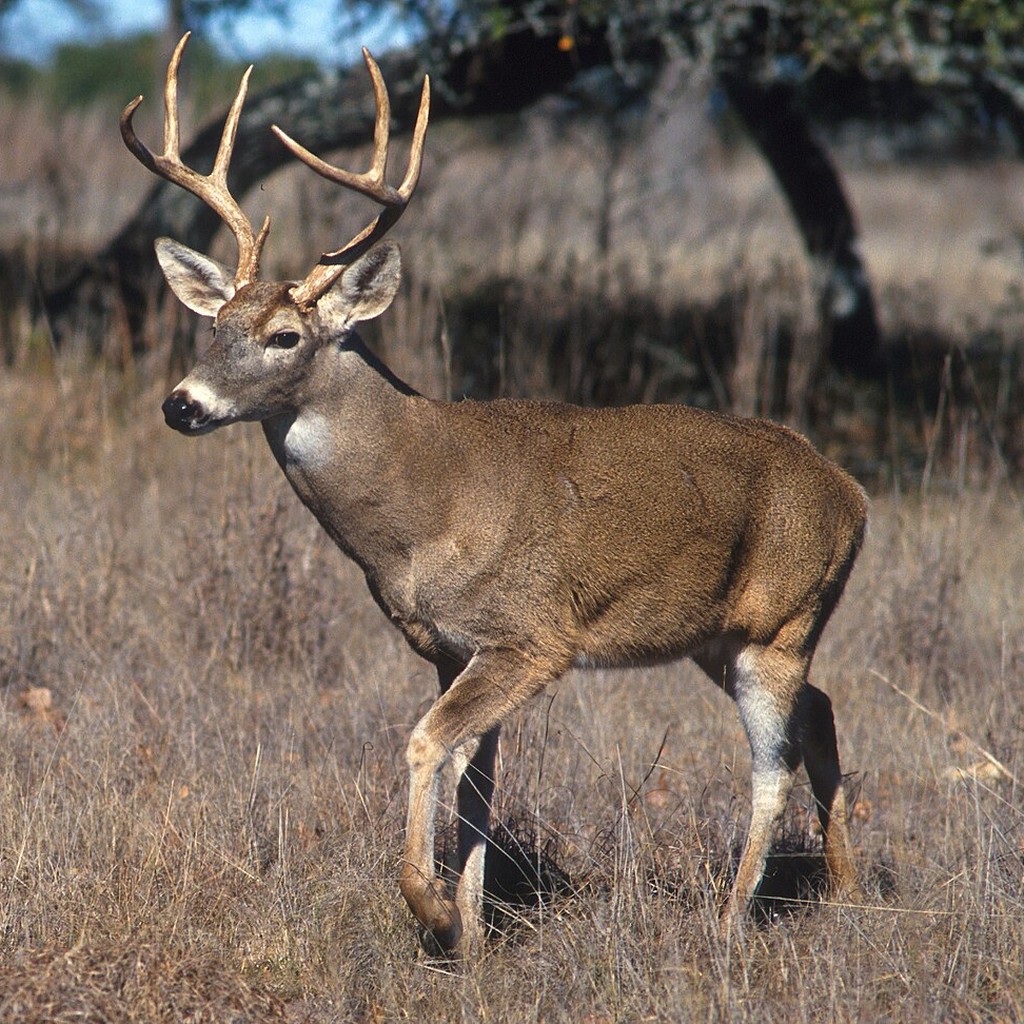 Least Concern
🦌 White-tailed Deer
It flashes the white underside of its tail like a flag to warn the herd of danger.
 Least Concern
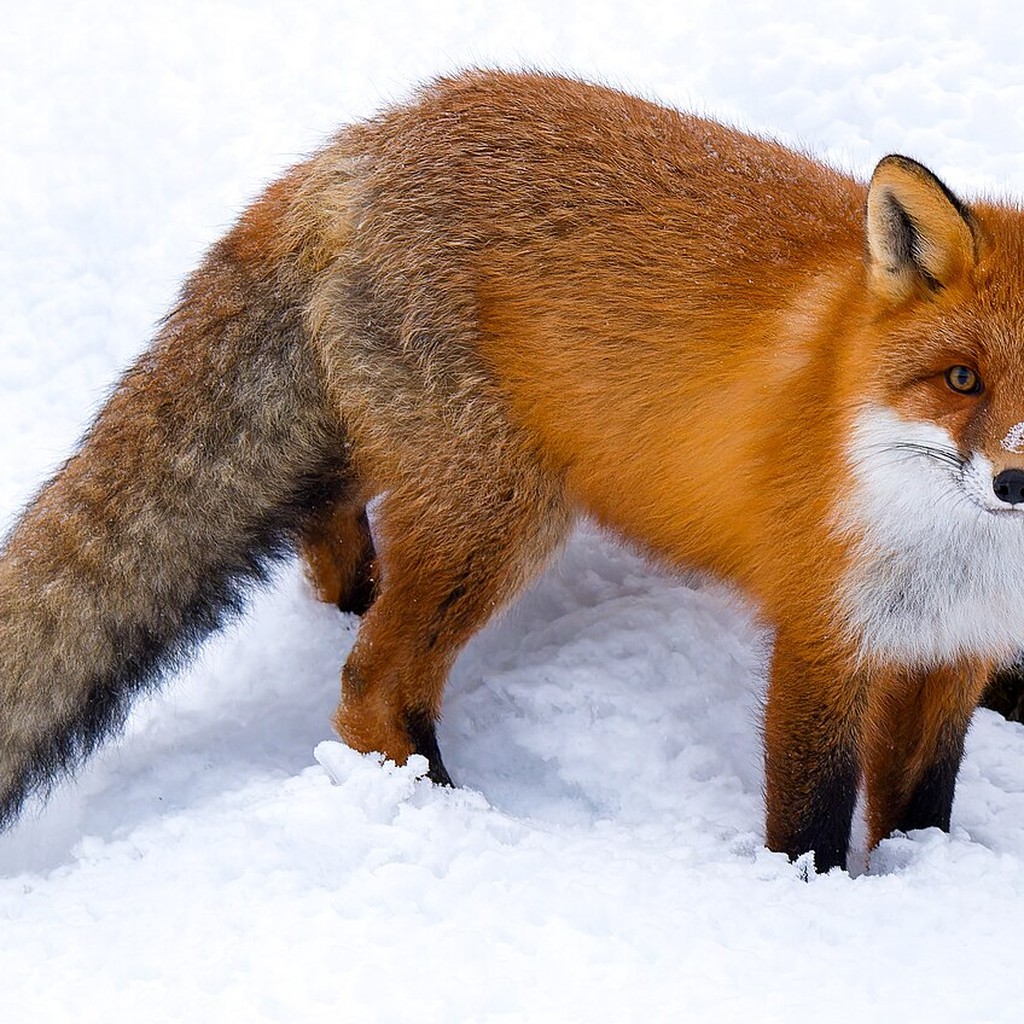
🦊 Red Fox
A red fox can hear a mouse squeak over 100 m away, then pounce right through the snow to catch it.
 Least Concern
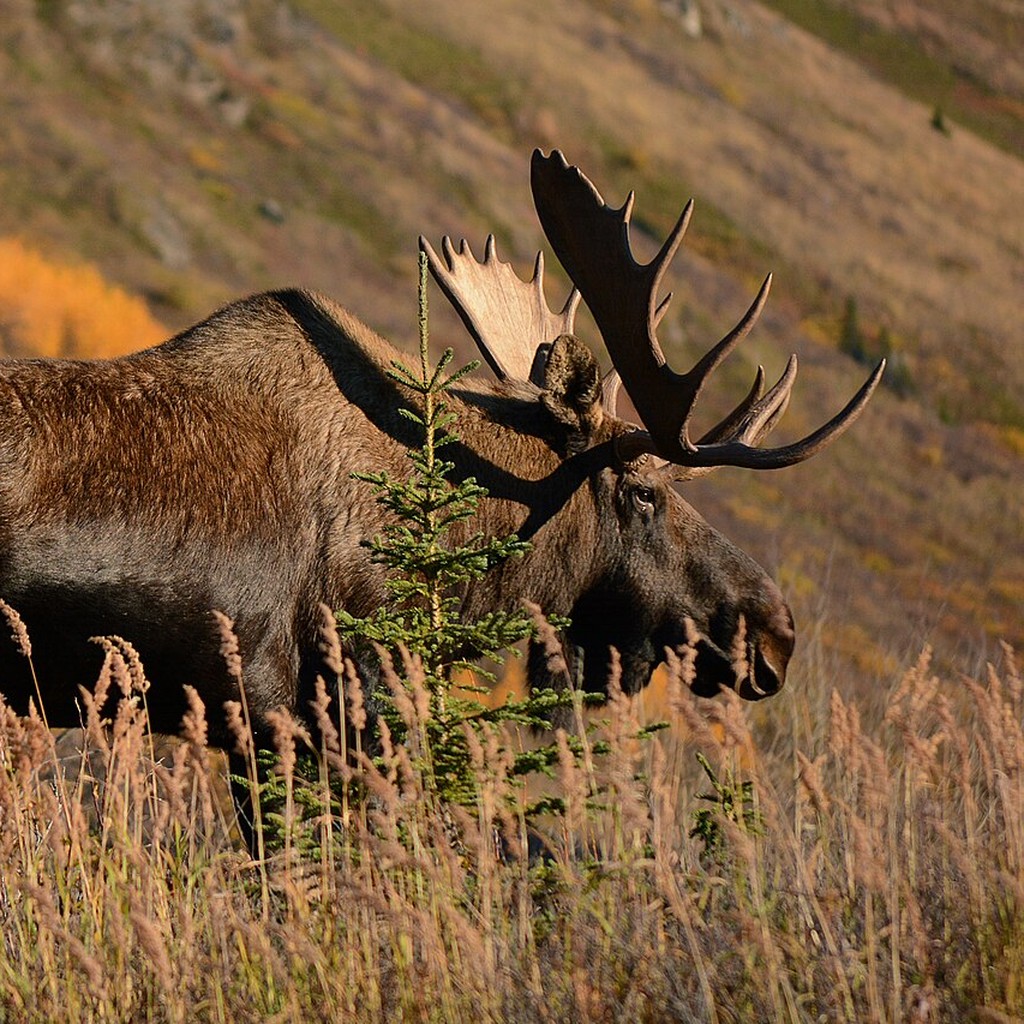
🫎 Moose
The largest deer on Earth — a big bull’s antlers can span two metres across.
 Least Concern
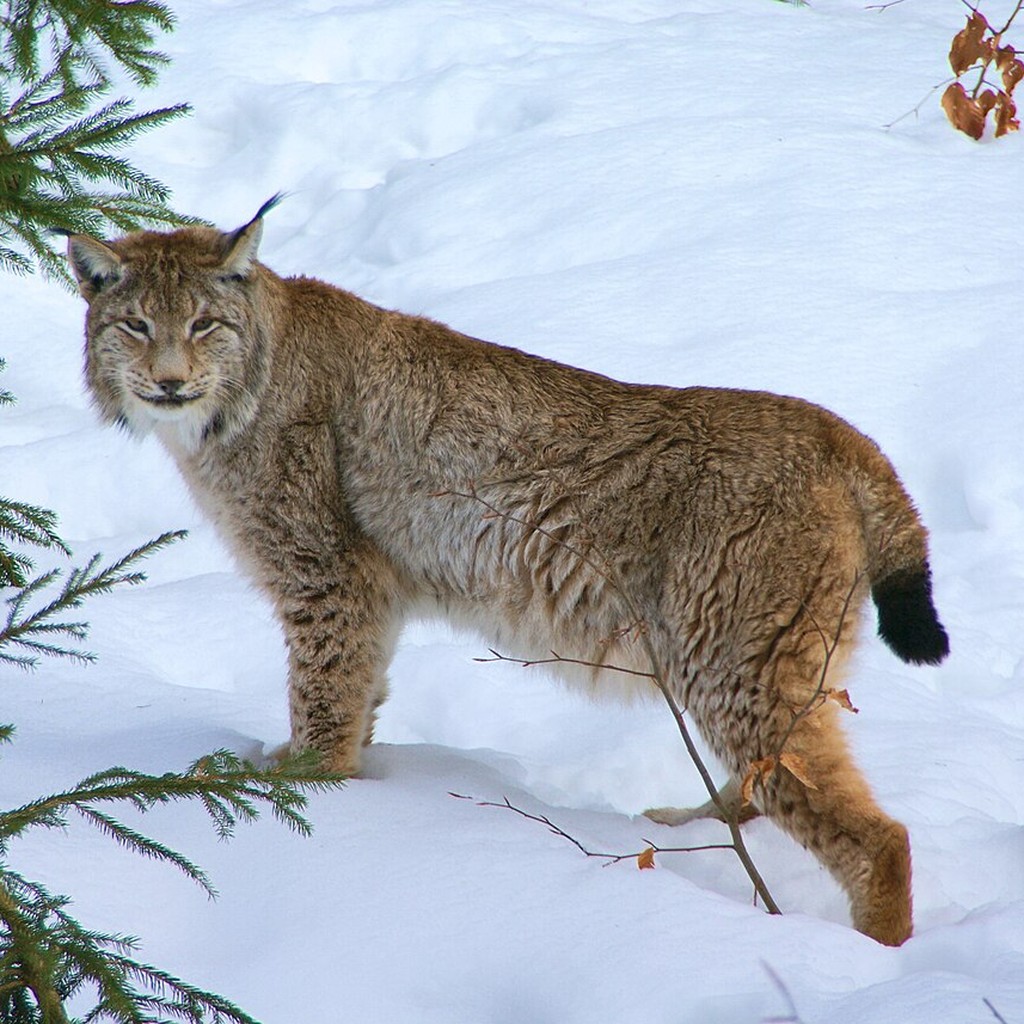
🐱 Eurasian Lynx
Tufted ears and huge snowshoe paws let the lynx hunt silently across deep snow.
 Vulnerable
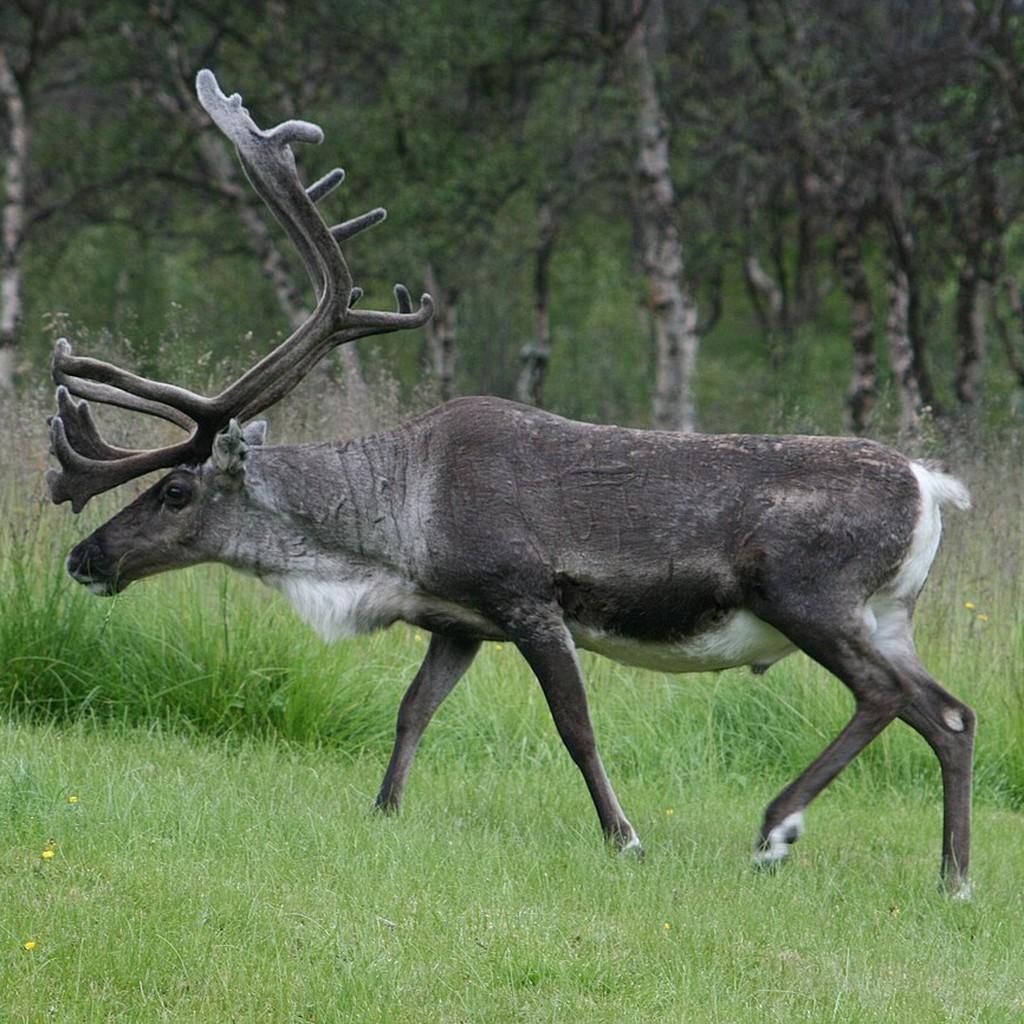
🦌 Reindeer (Caribou)
Reindeer are the only deer in which both males and females grow antlers.
 Least Concern
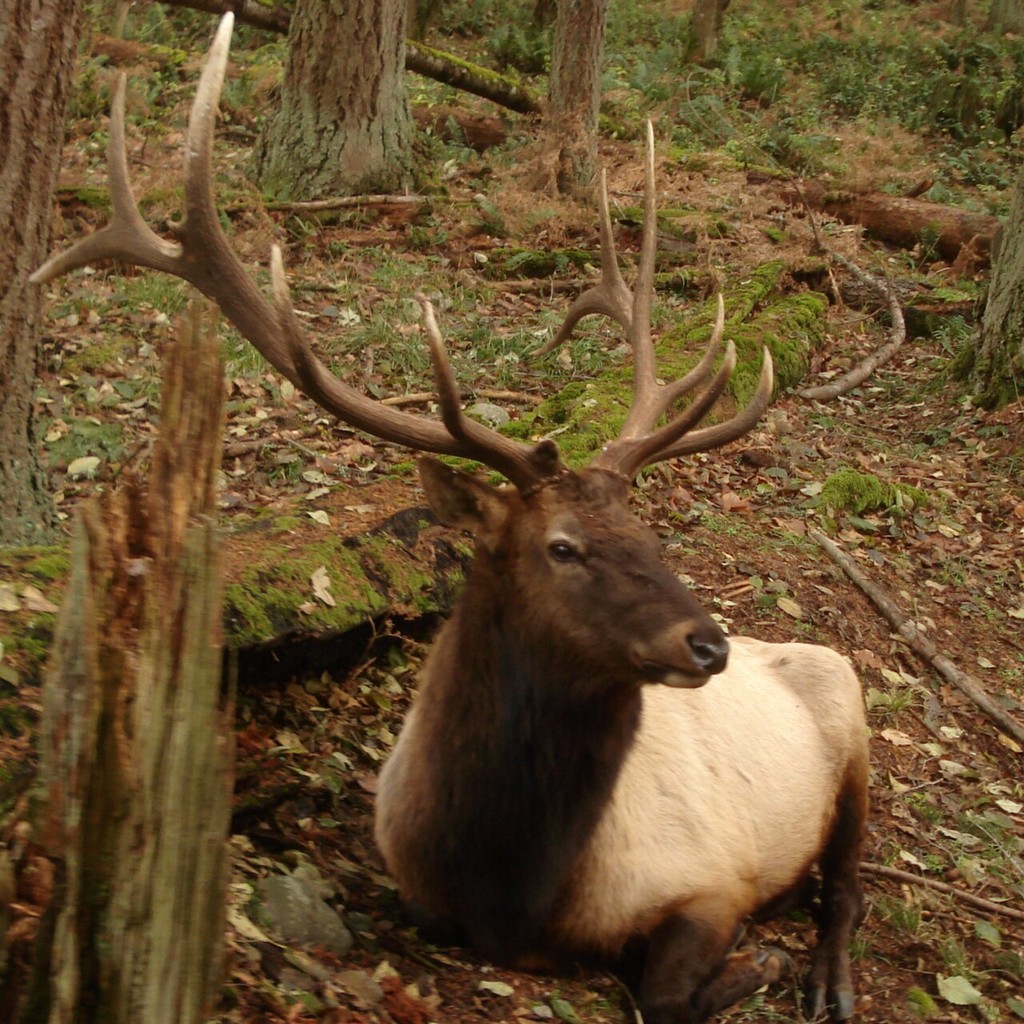
🦌 Roosevelt Elk
The largest elk in North America, it thrives in the misty redwood and rainforest coast.
 Least Concern
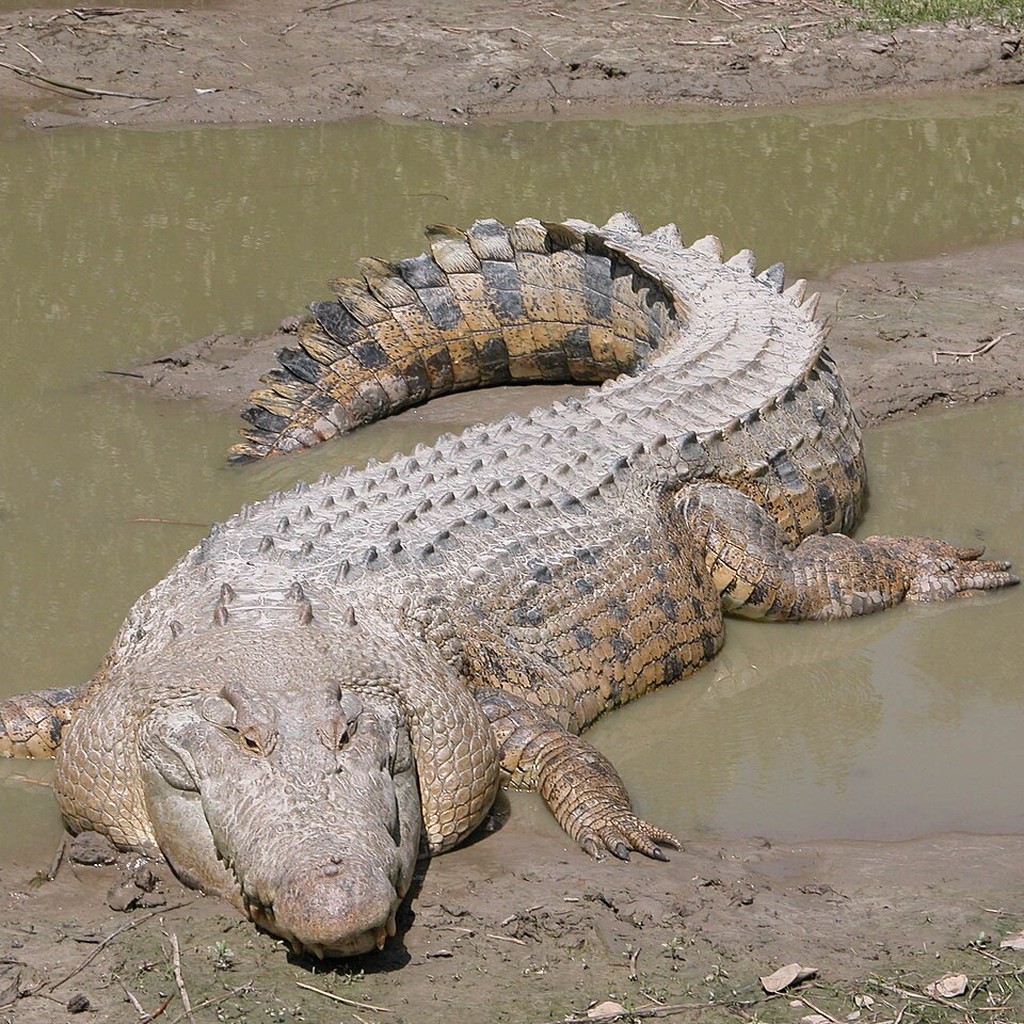
🐊 Saltwater Crocodile
The largest living reptile — big males can grow over six metres long.
 Endangered
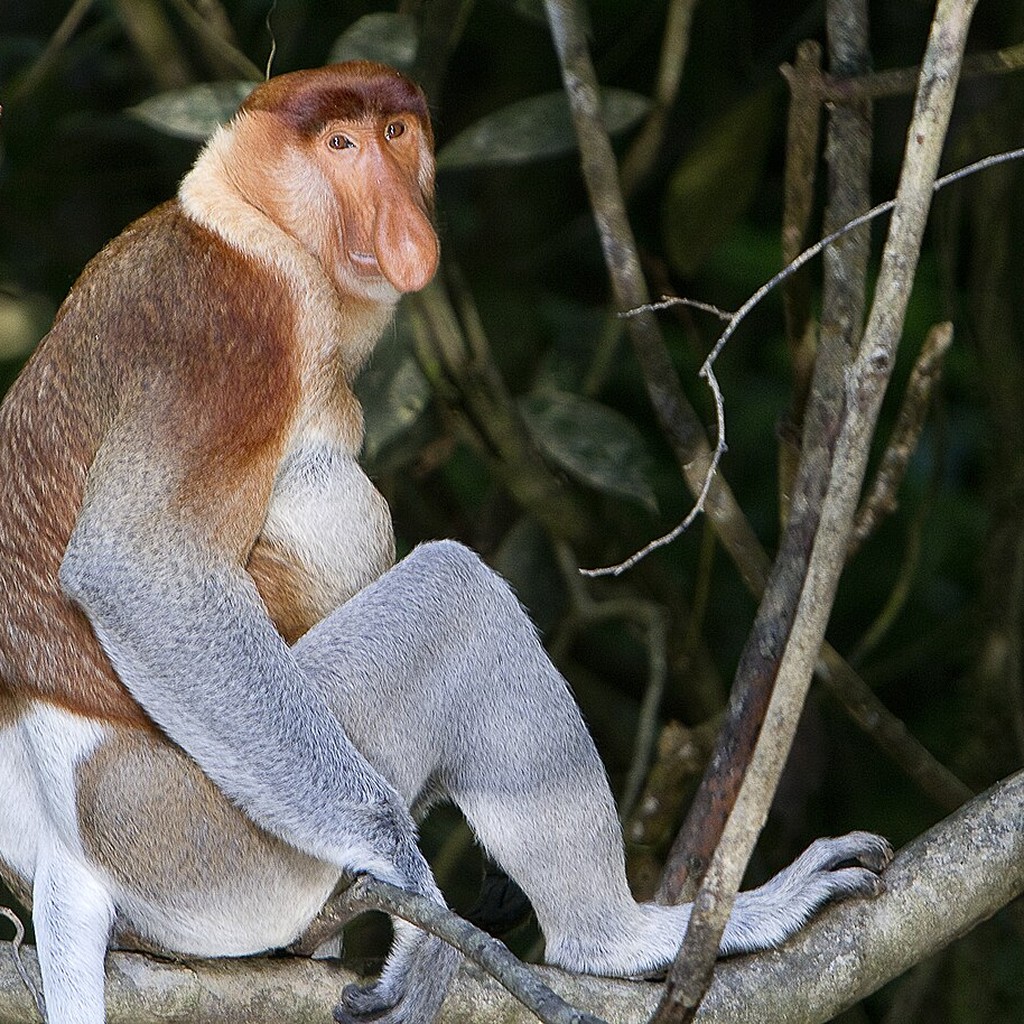
🐒 Proboscis Monkey
The male’s big drooping nose acts like a loudspeaker for his honking calls.
 Near Threatened
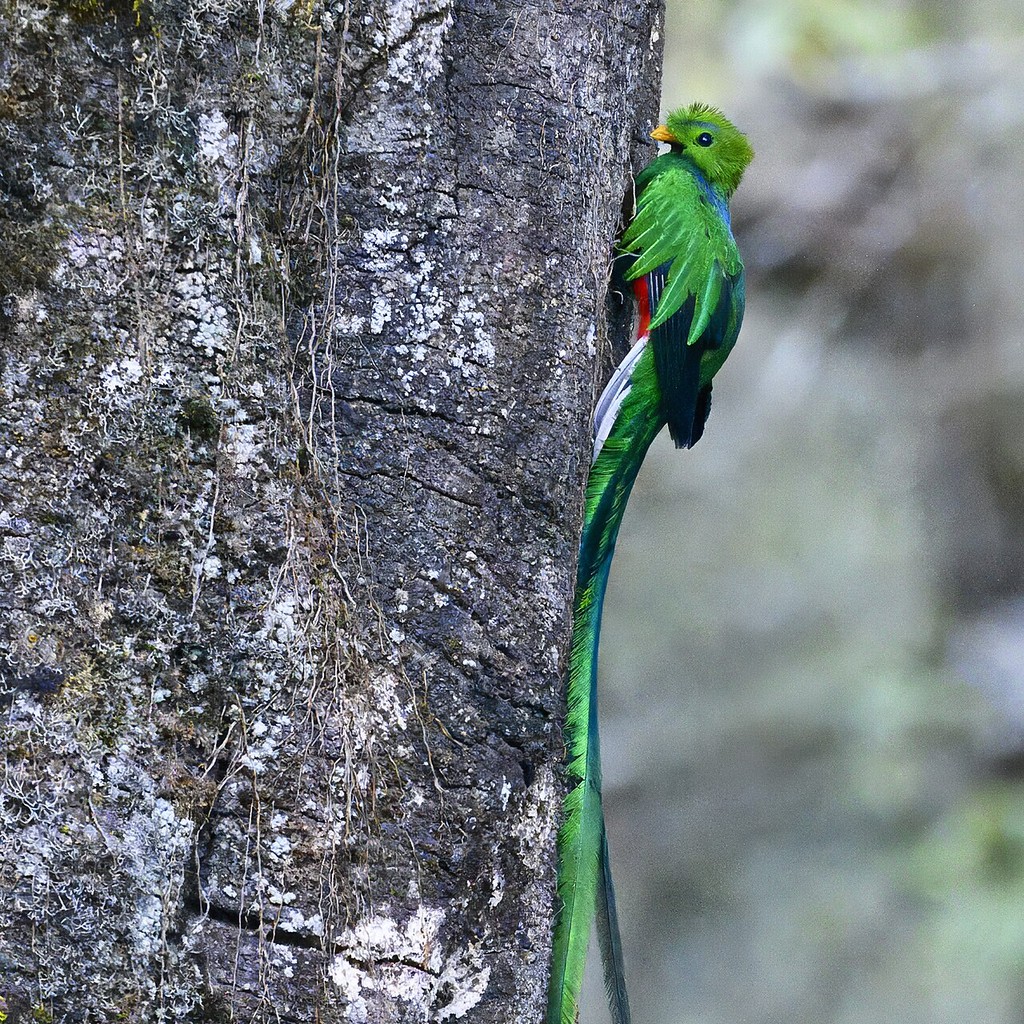
🦜 Resplendent Quetzal
Its shimmering tail can be a metre long; the quetzal was sacred to the Maya and Aztecs.
 Vulnerable
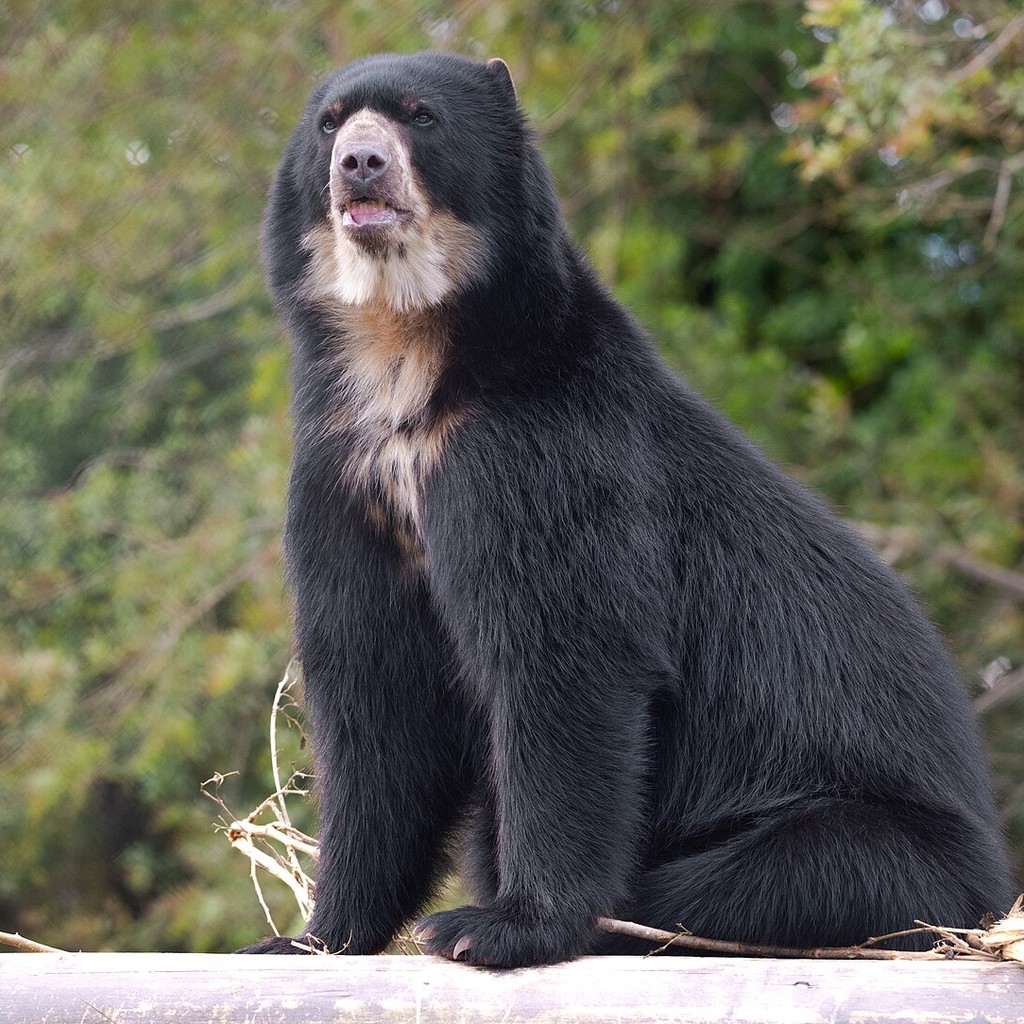
🐻 Spectacled Bear
South America’s only bear, named for the pale “spectacle” rings around its eyes.
 Vulnerable
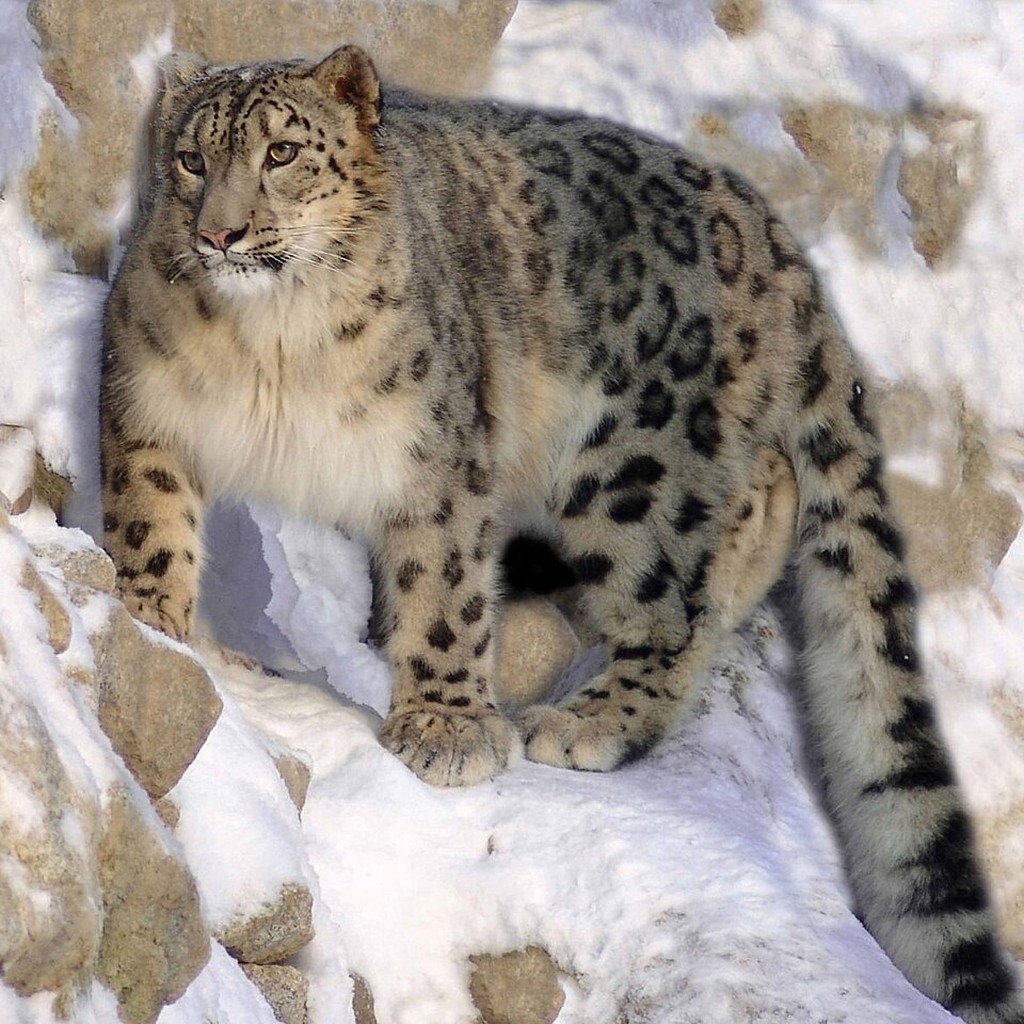
🐆 Snow Leopard
Its thick tail is almost as long as its body — used for balance and as a cosy scarf.
 Critically Endangered
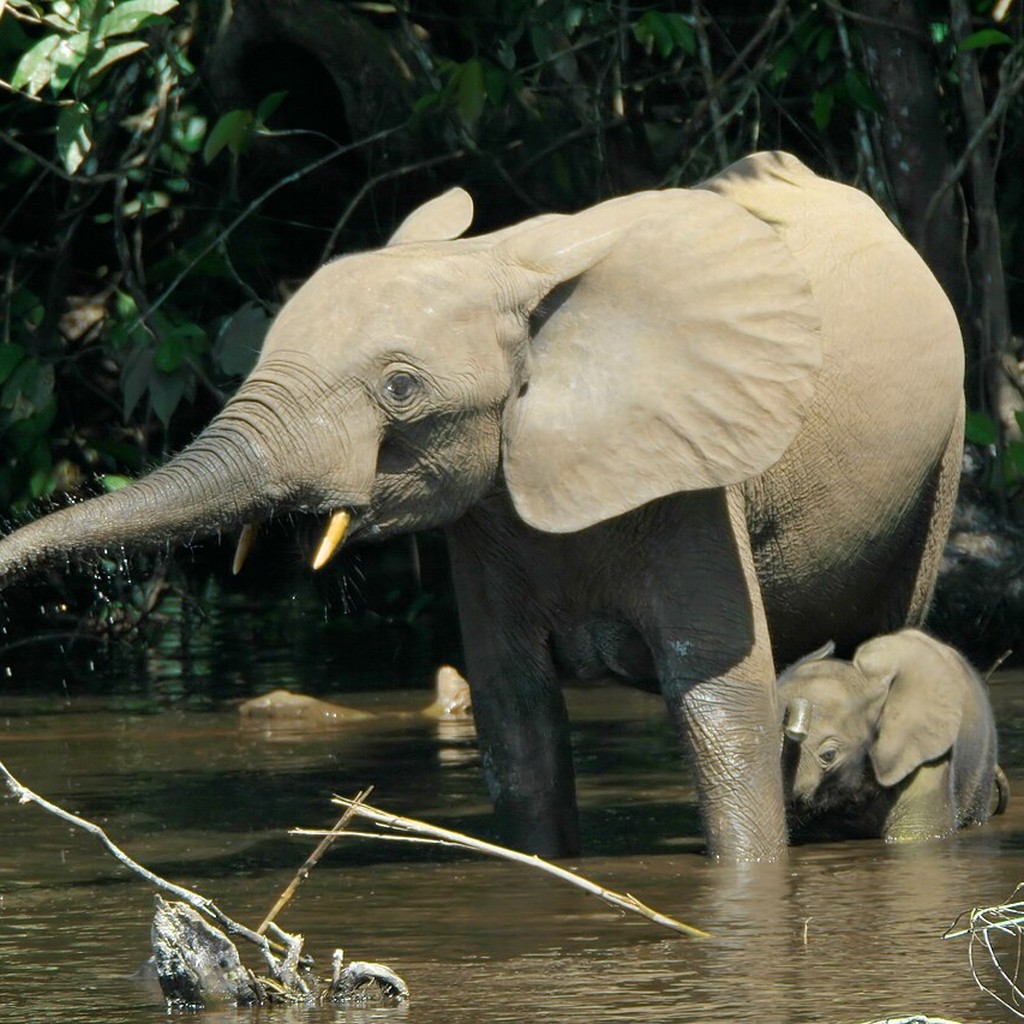
🐘 African Forest Elephant
Smaller than its savanna cousin, it “plants” the forest by scattering seeds in its dung.
Trees & plants
Signature trees & plants
The living architecture of the forest — from the tallest trees on Earth to the ferns carpeting the floor.
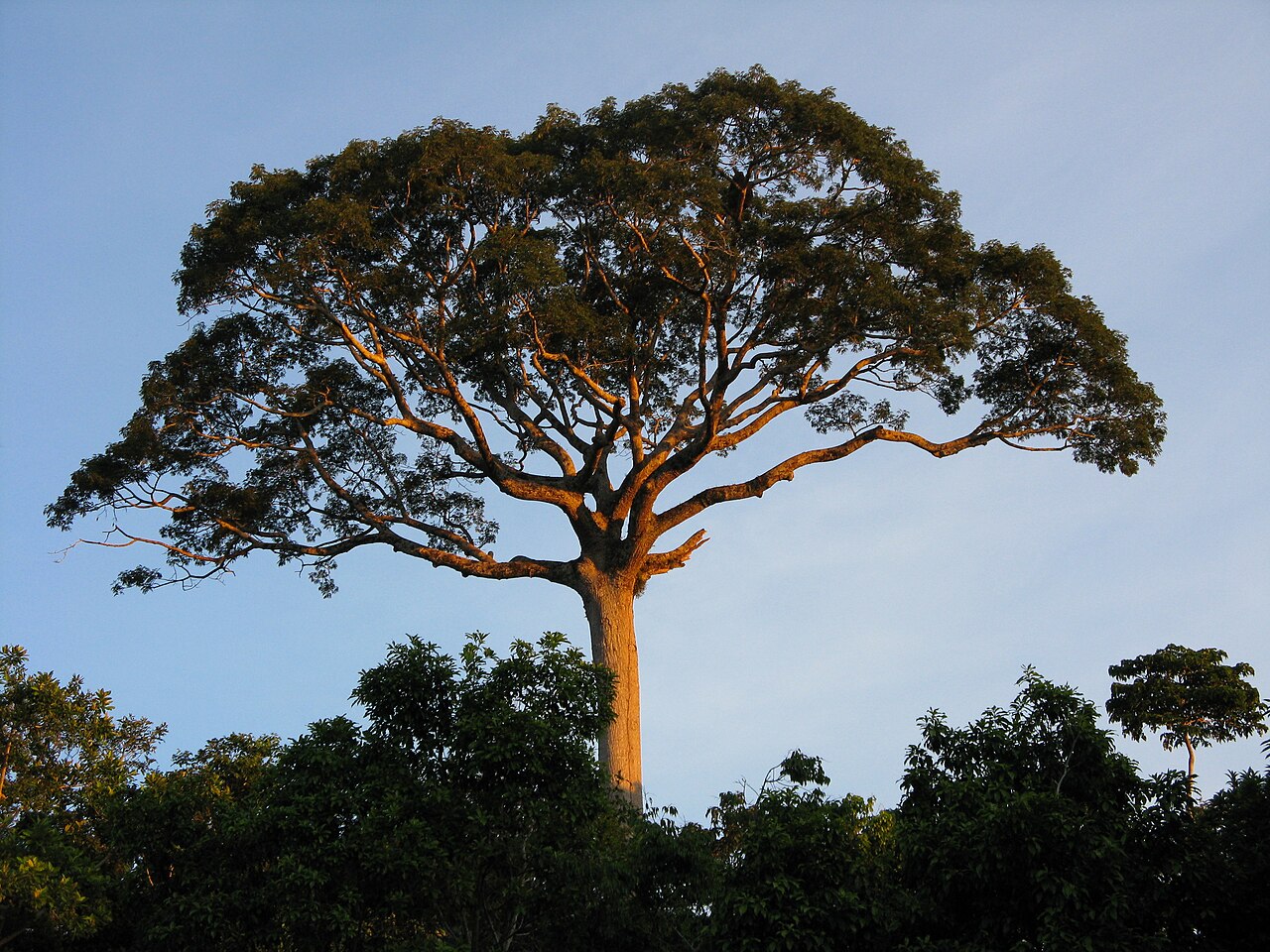
🌳 Kapok (Ceiba)
The kapok can soar 60–70 m high, towering above the canopy as an emergent giant.
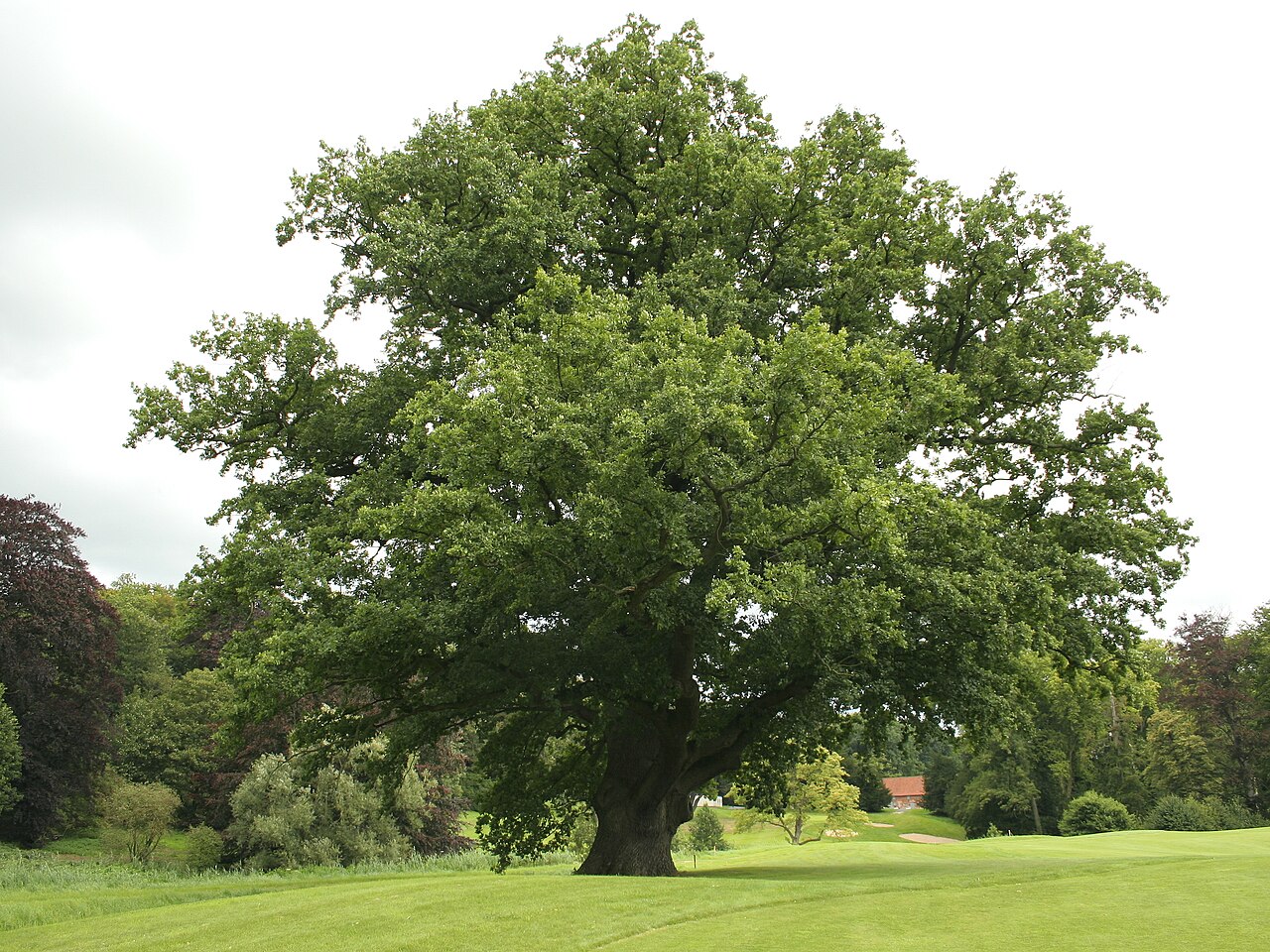
🌳 Oak
A single oak can support hundreds of species of insects, birds and fungi.
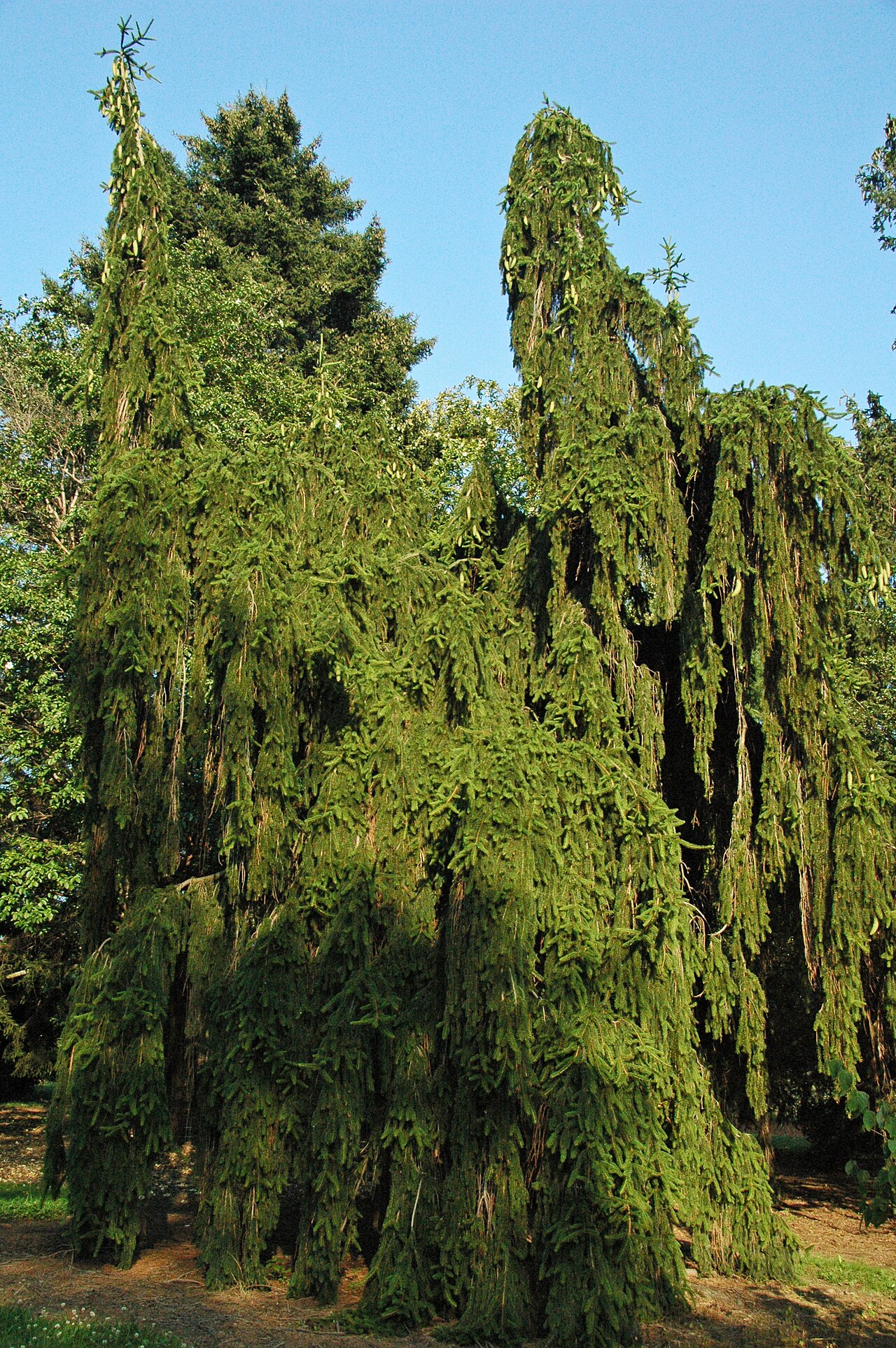
🌲 Spruce
Its cone shape and springy branches let heavy snow slide straight off.
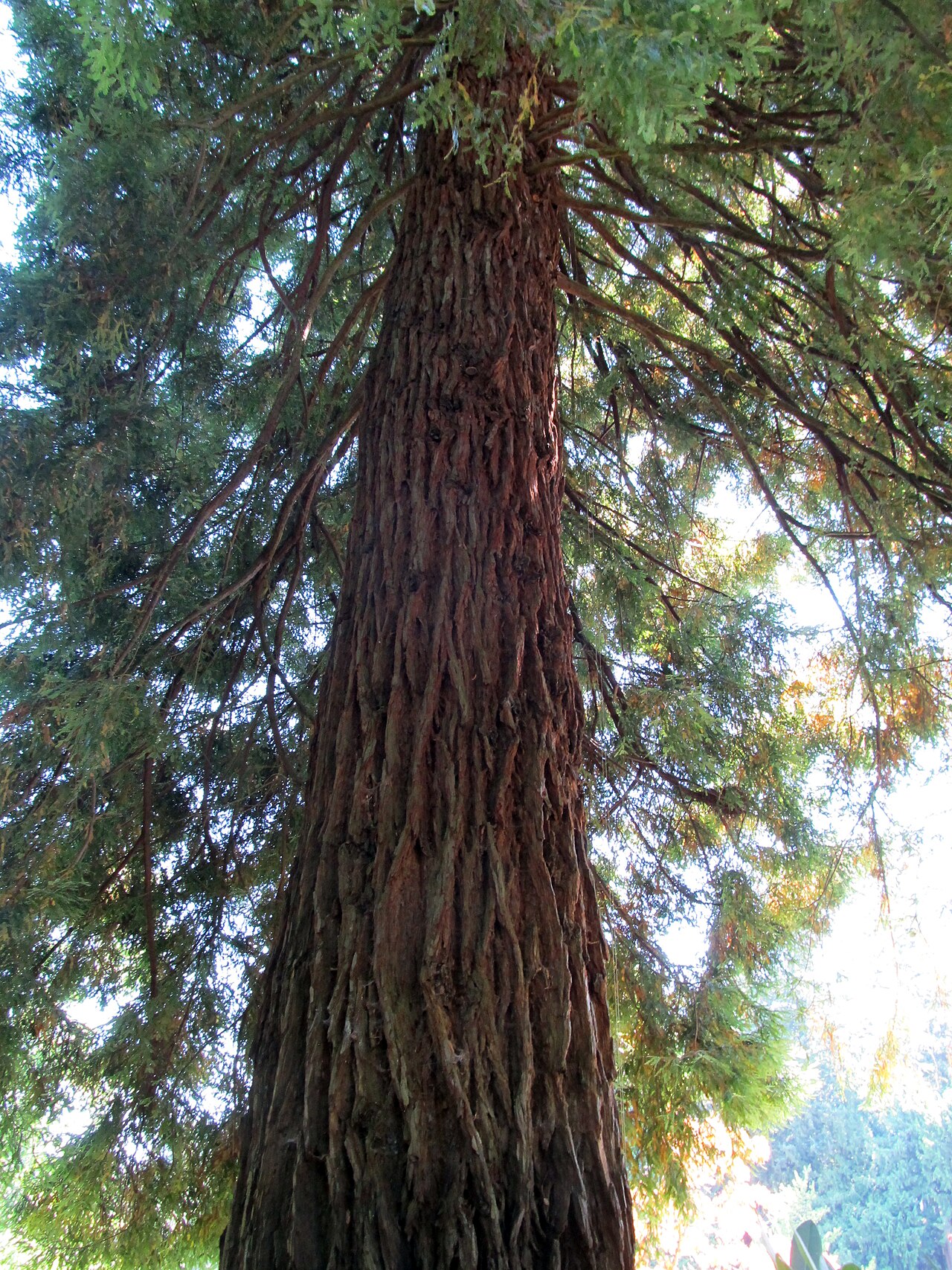
🌴 Coast Redwood
The tallest tree on Earth is a redwood named Hyperion, over 115 m tall.
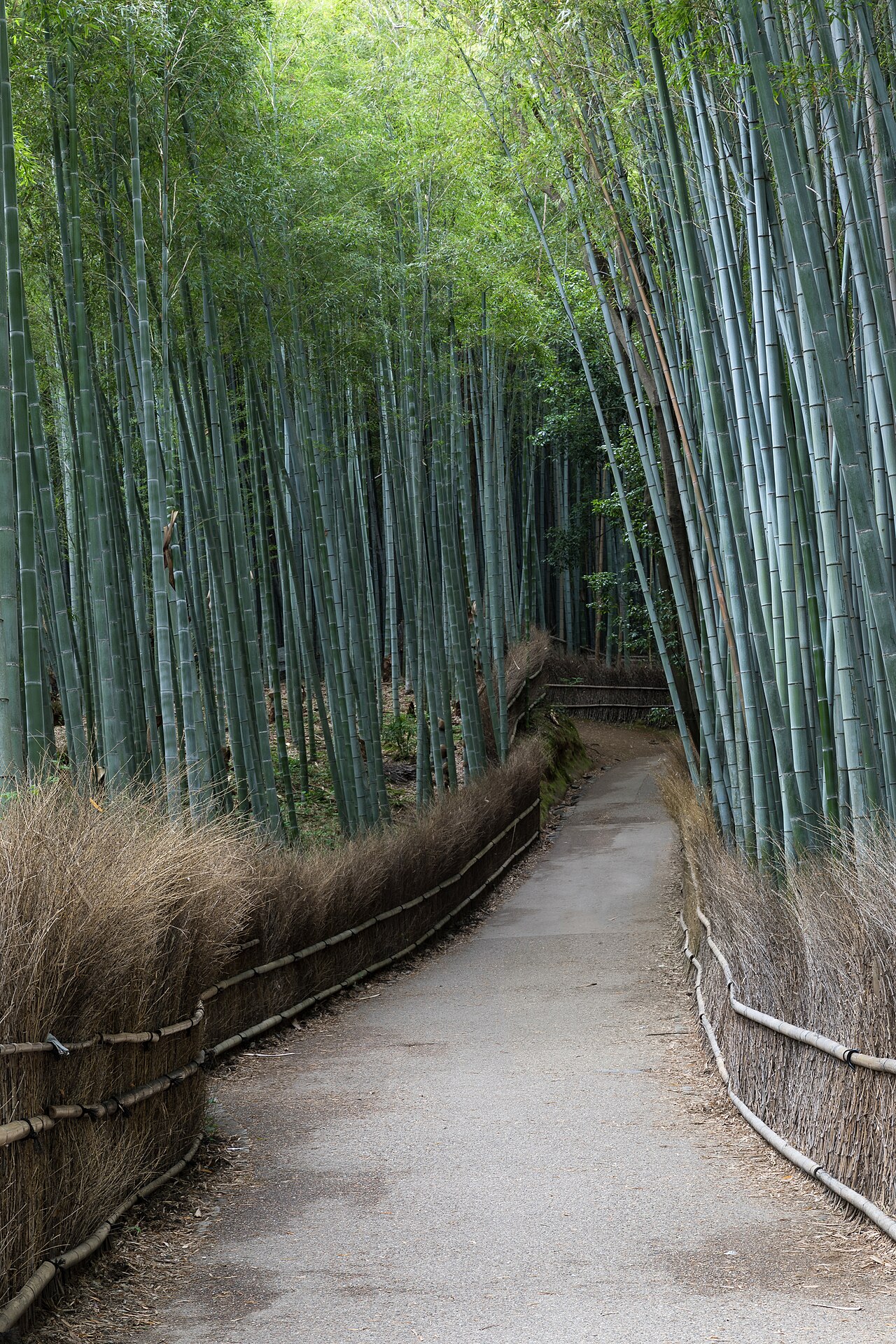
🎋 Bamboo
Bamboo is the fastest-growing plant on Earth — some grow almost a metre in a day.
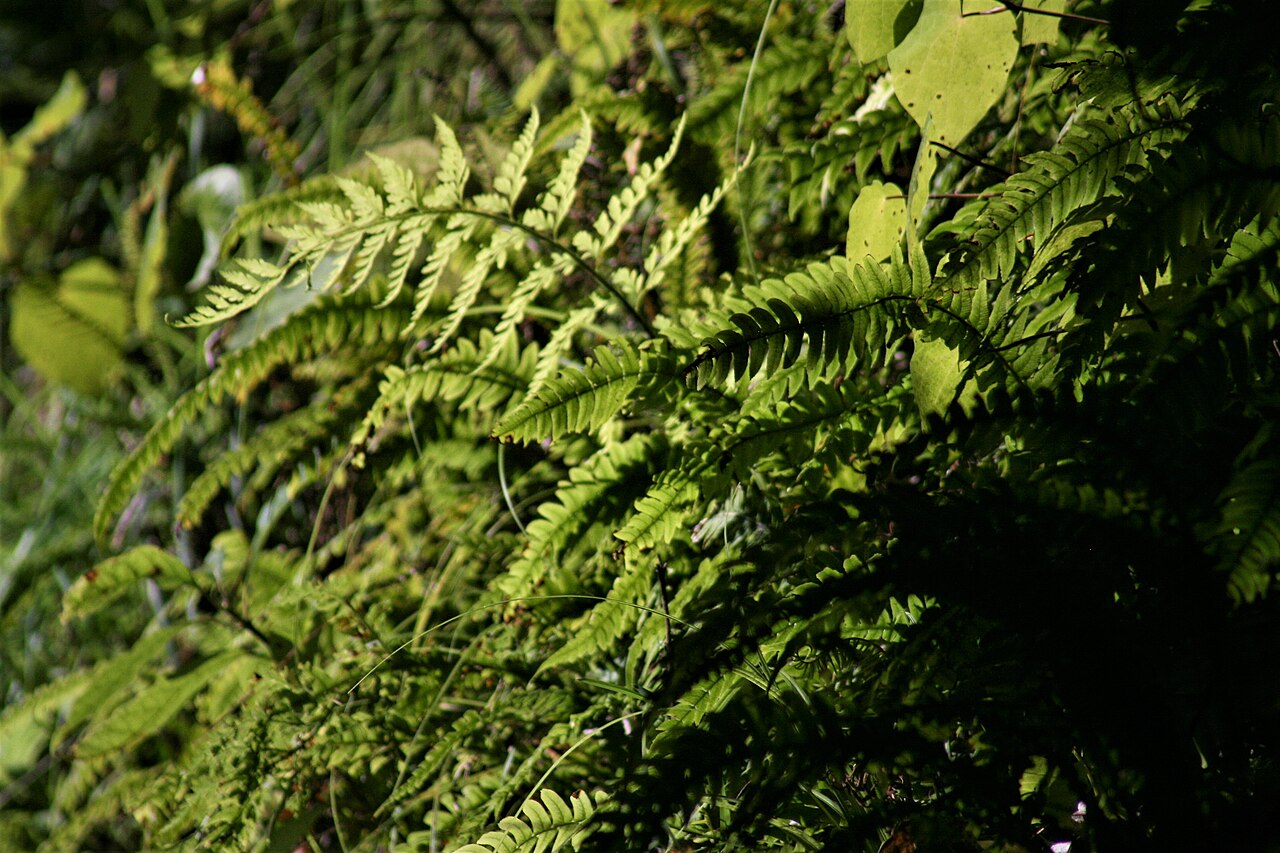
🌿 Ferns
Ferns are ancient — they covered the Earth long before flowers or dinosaurs.
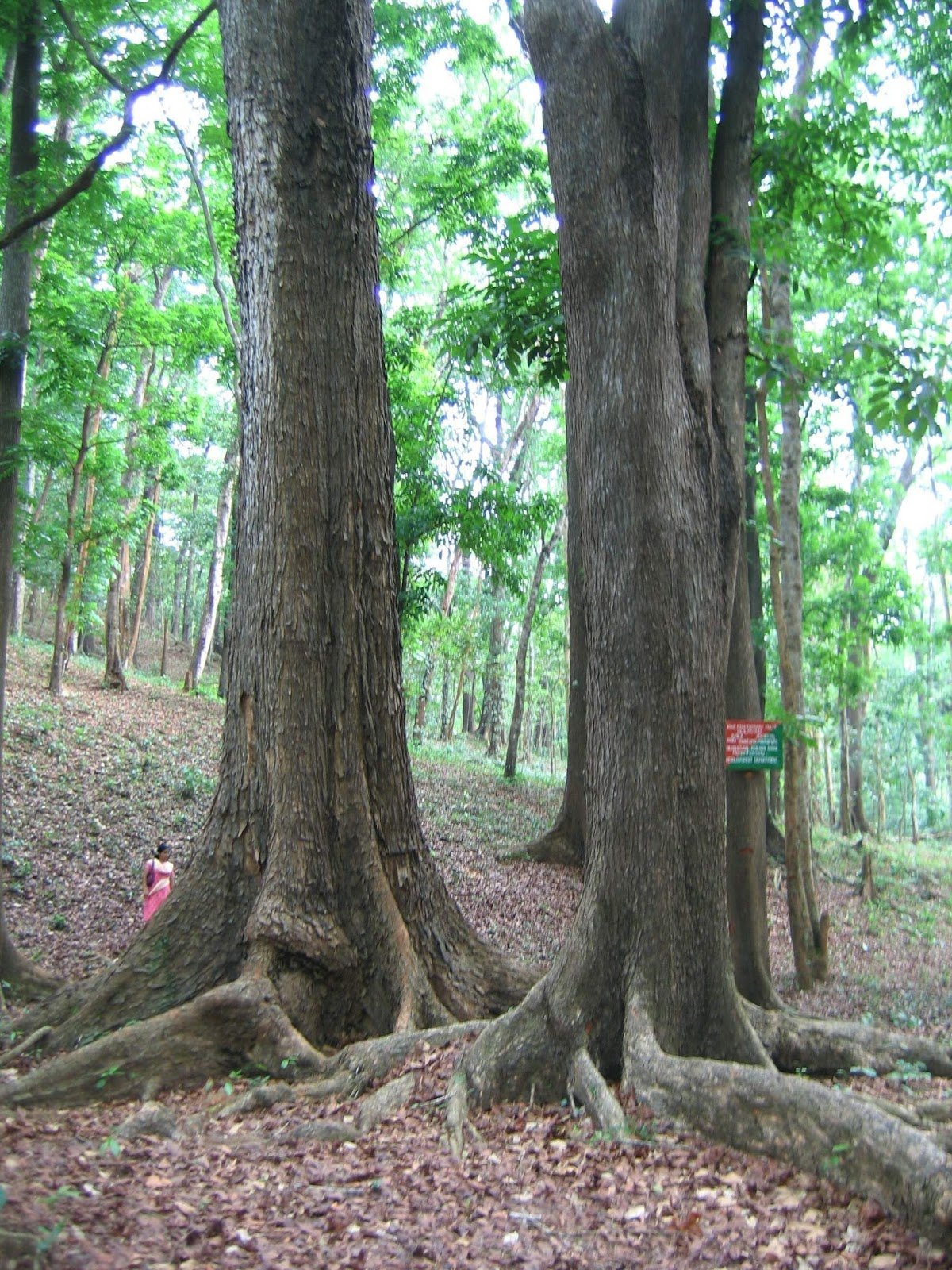
🌳 Mahogany
Mahogany’s rich reddish-brown timber is so prized for furniture that wild trees are now protected.
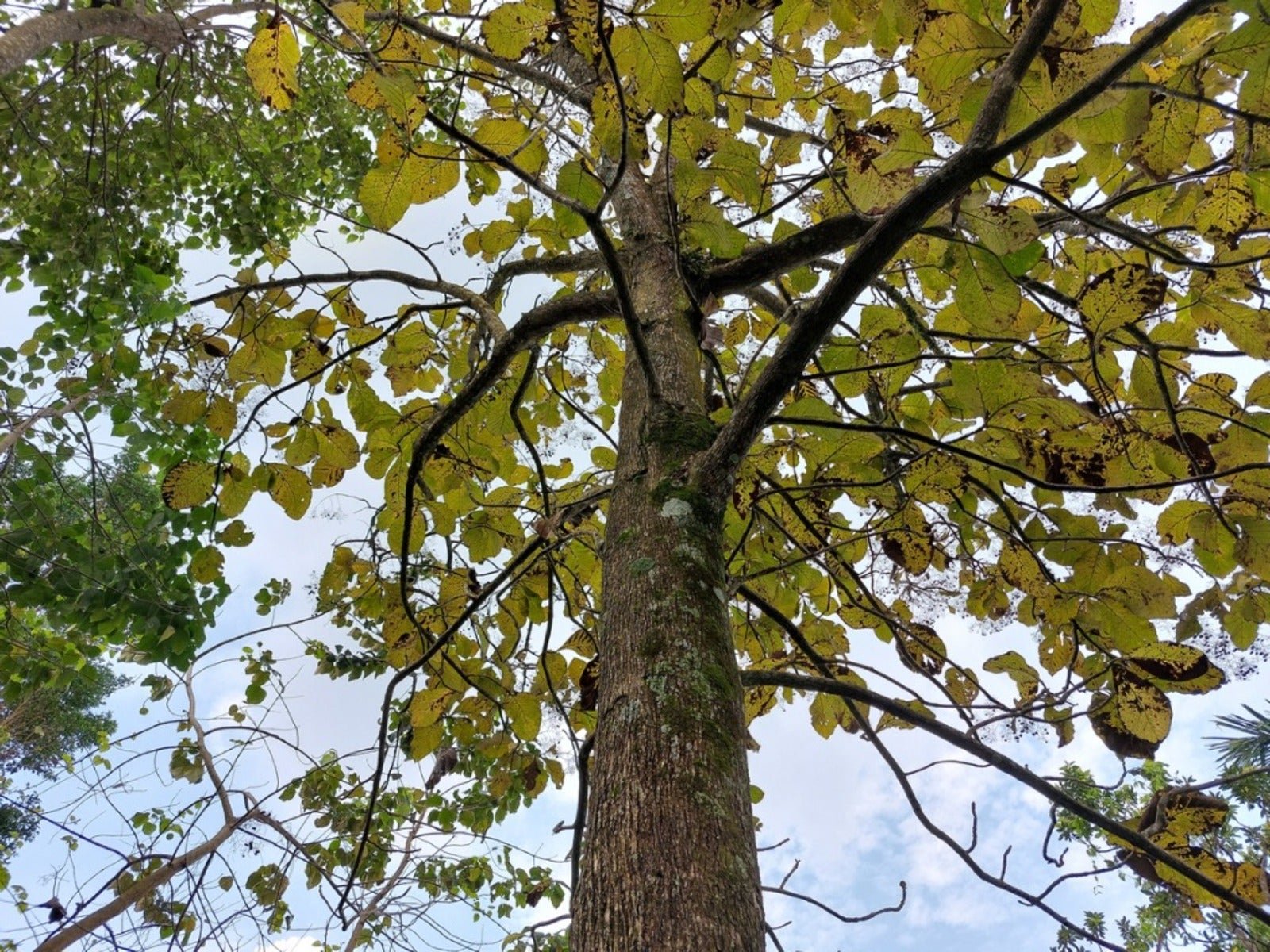
🌳 Teak
Teak wood is packed with natural oils that make it waterproof — perfect for ship decks.
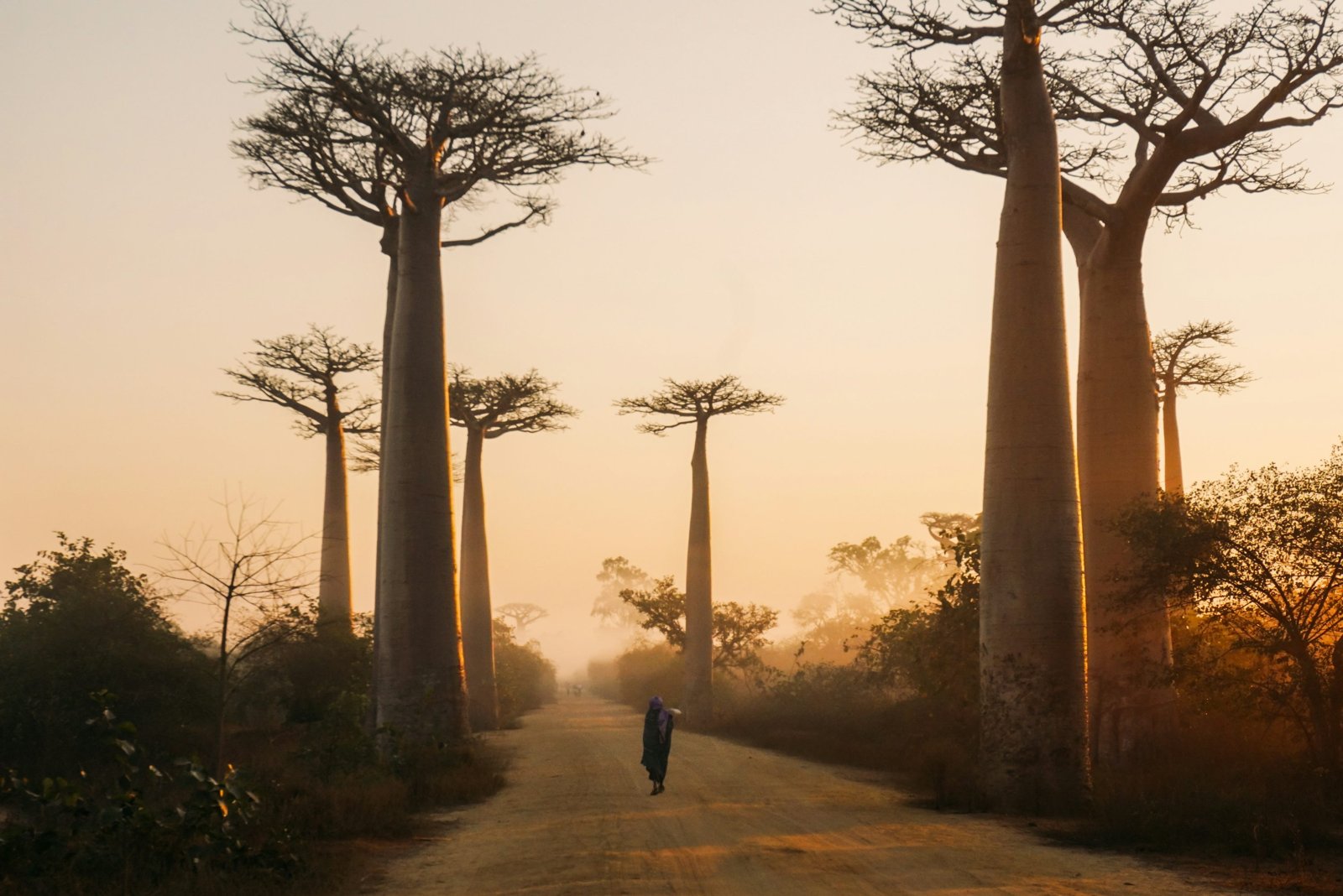
🌳 Baobab
The “upside-down tree” stores thousands of litres of water in its swollen trunk and can live over 1,000 years.
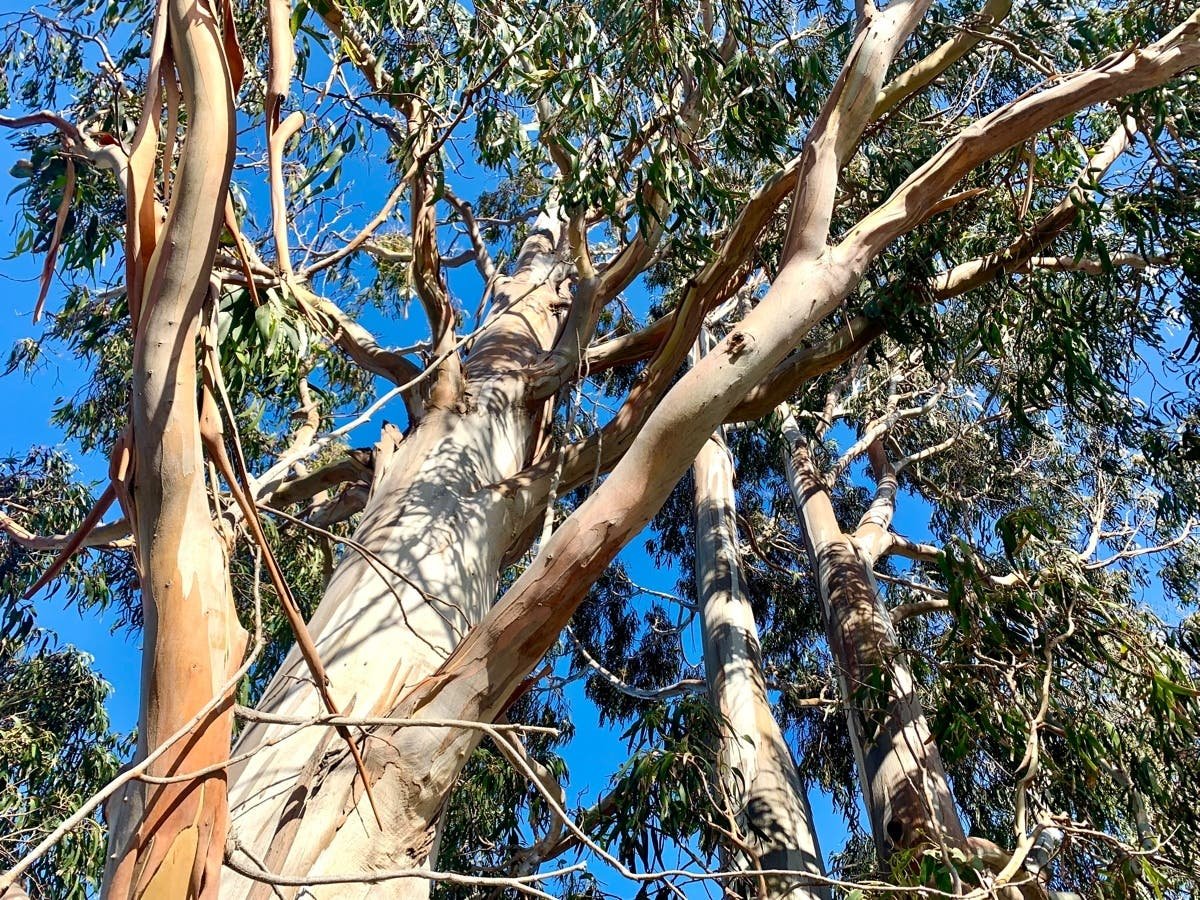
🌳 Eucalyptus
Eucalyptus leaves are rich in fragrant oil — and are the only food koalas will eat.
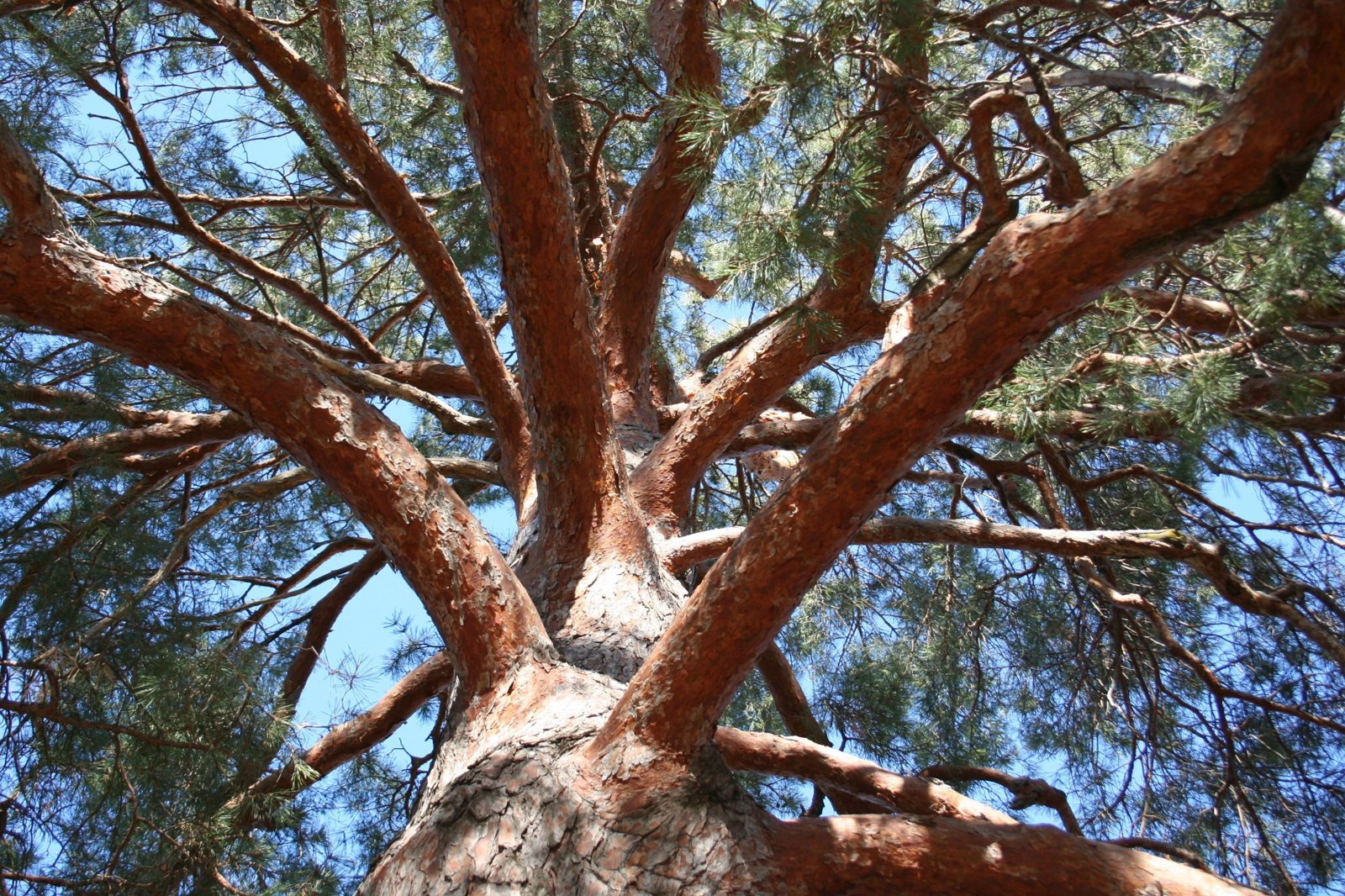
🌲 Scots Pine
Its flaky upper bark glows orange in the sun — a hallmark of the vast northern pine forests.
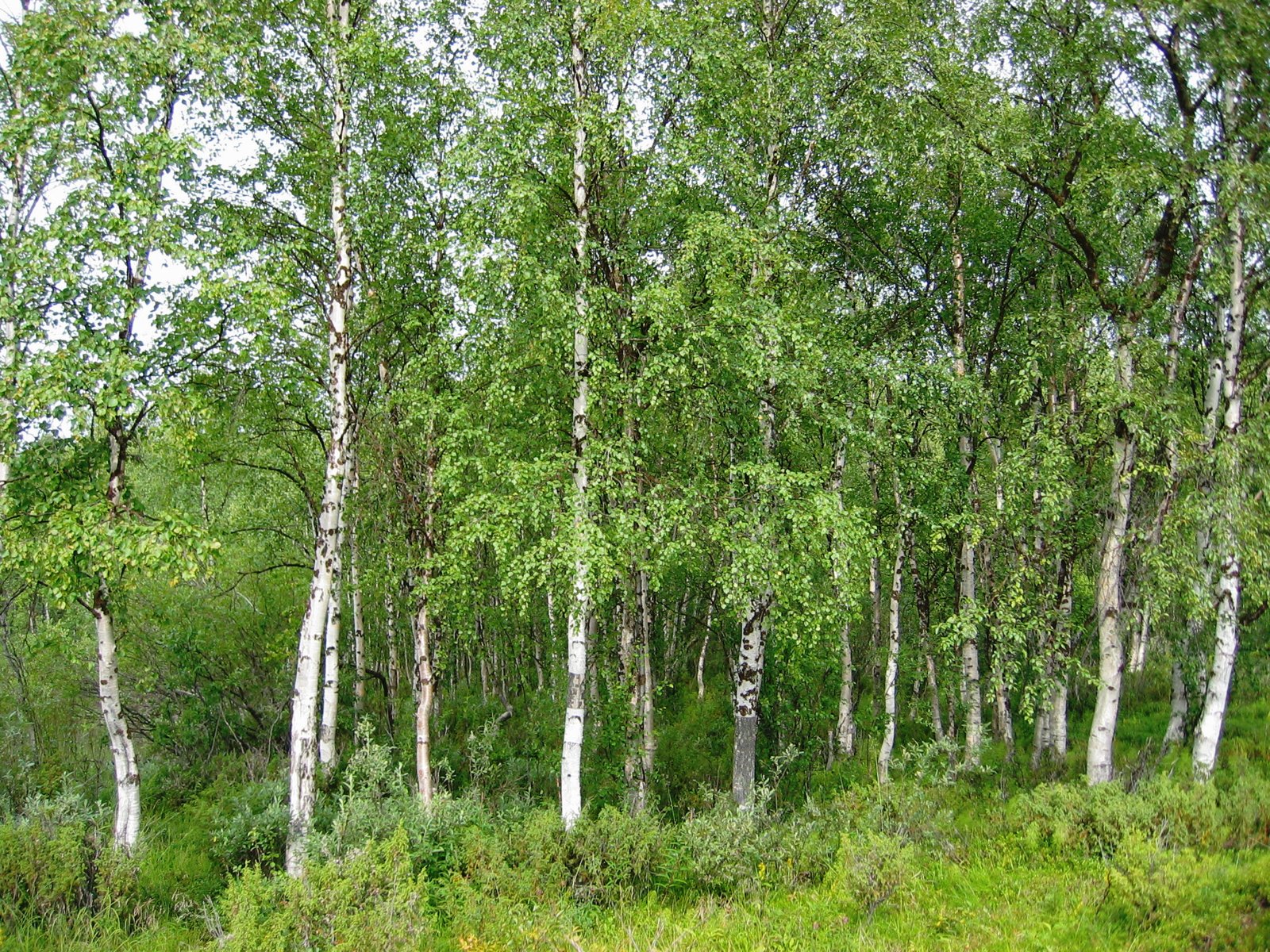
🌳 Silver Birch
Birch is a pioneer — its windborne seeds are among the first to recolonise bare or burned ground.
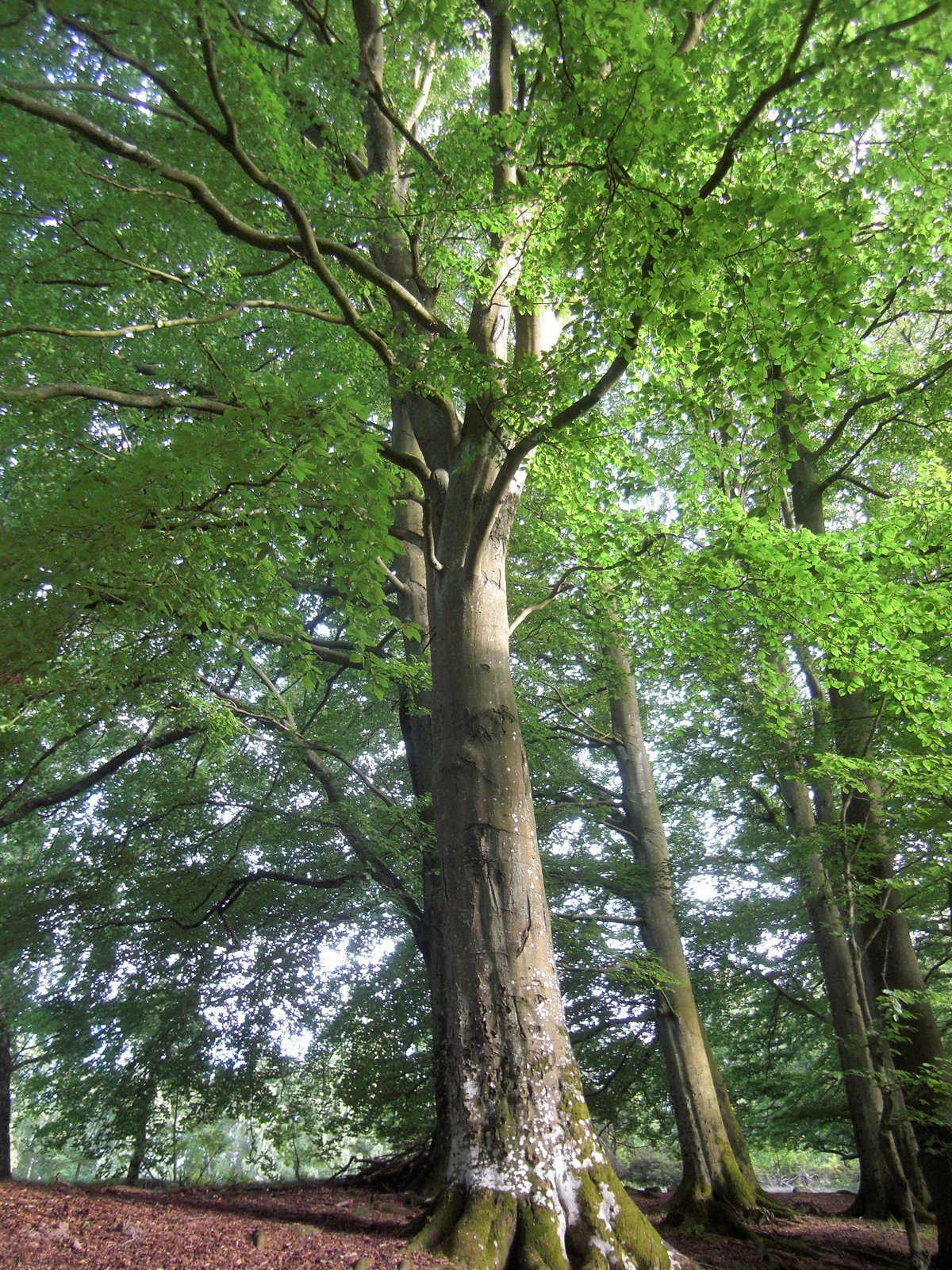
🌳 European Beech
Beech leaves cast such deep shade that little grows beneath them, creating hushed cathedral-like woods.
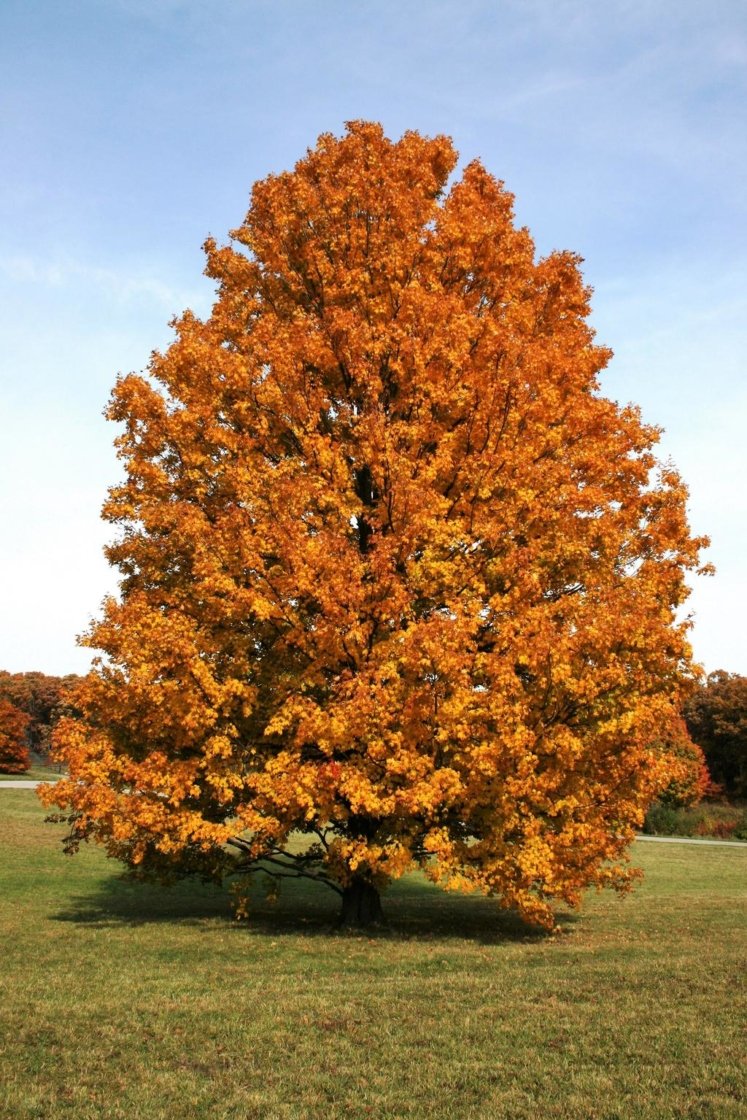
🍁 Sugar Maple
Its sap is boiled down into maple syrup — it takes about 40 litres of sap to make one litre.
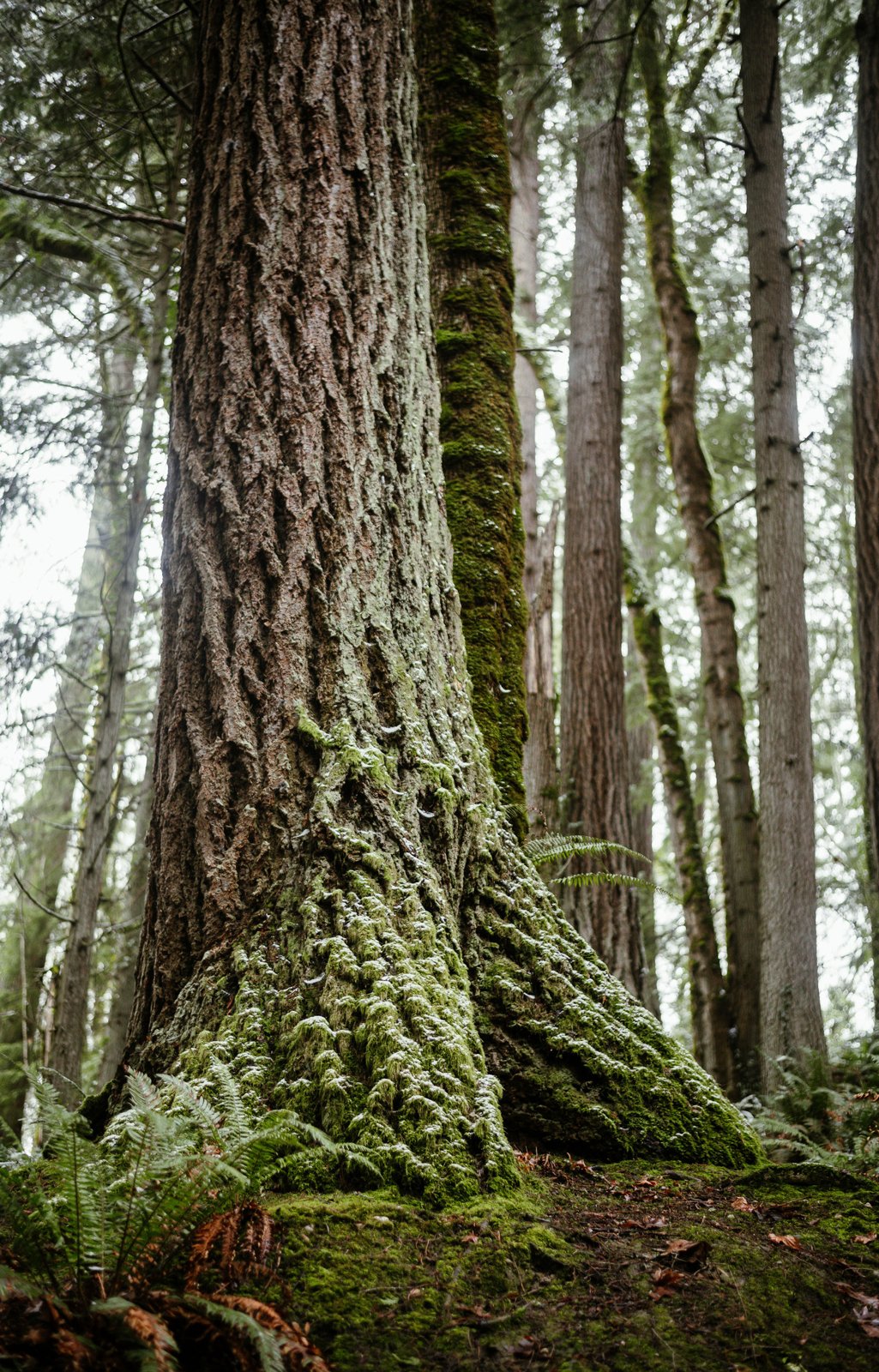
🌲 Douglas Fir
One of the tallest conifers on Earth, old Douglas firs can top 100 m and live for over 1,000 years.
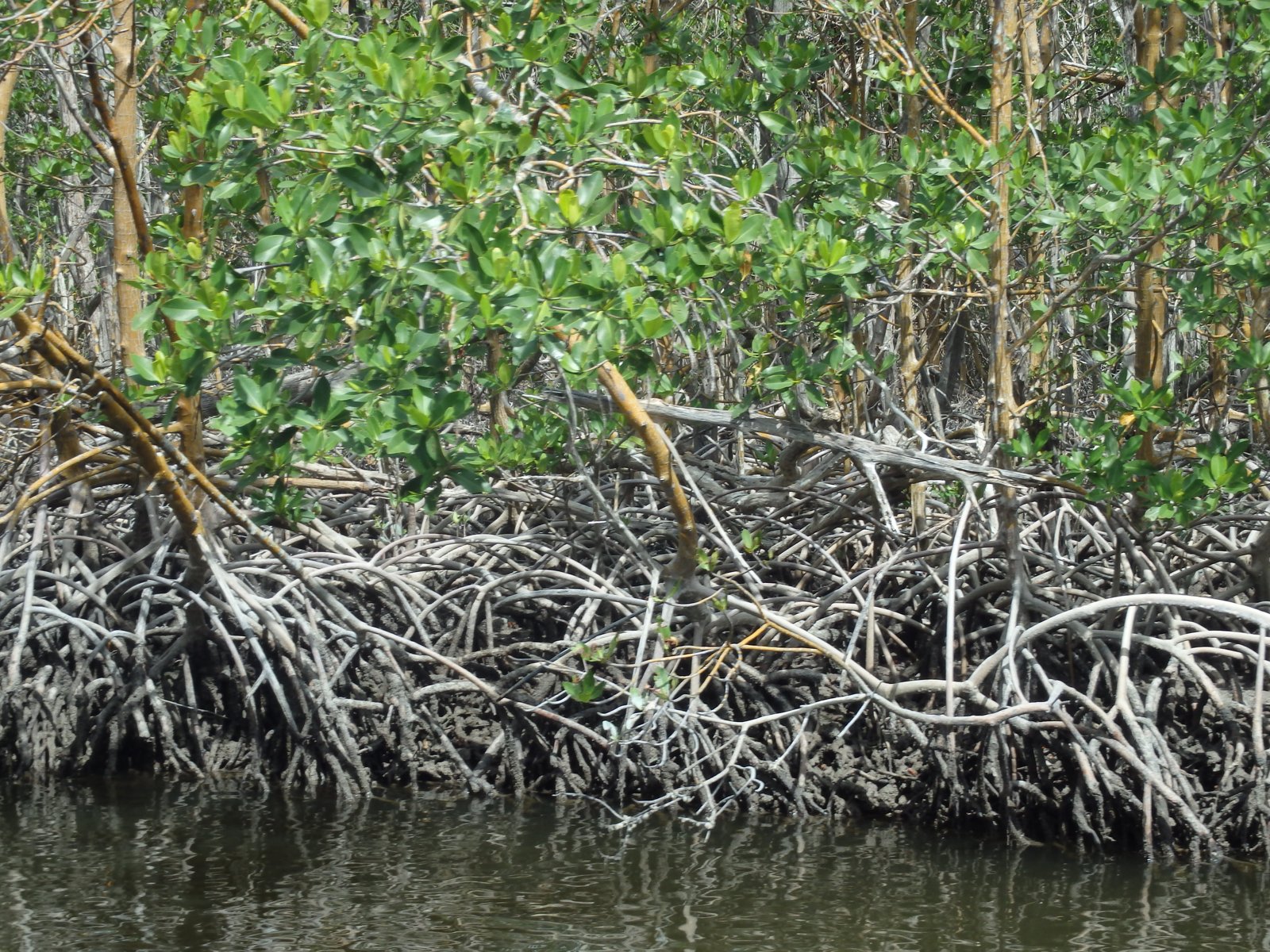
🌳 Red Mangrove
Its arching stilt roots filter salt from seawater and shelter young fish, crabs and shrimp.
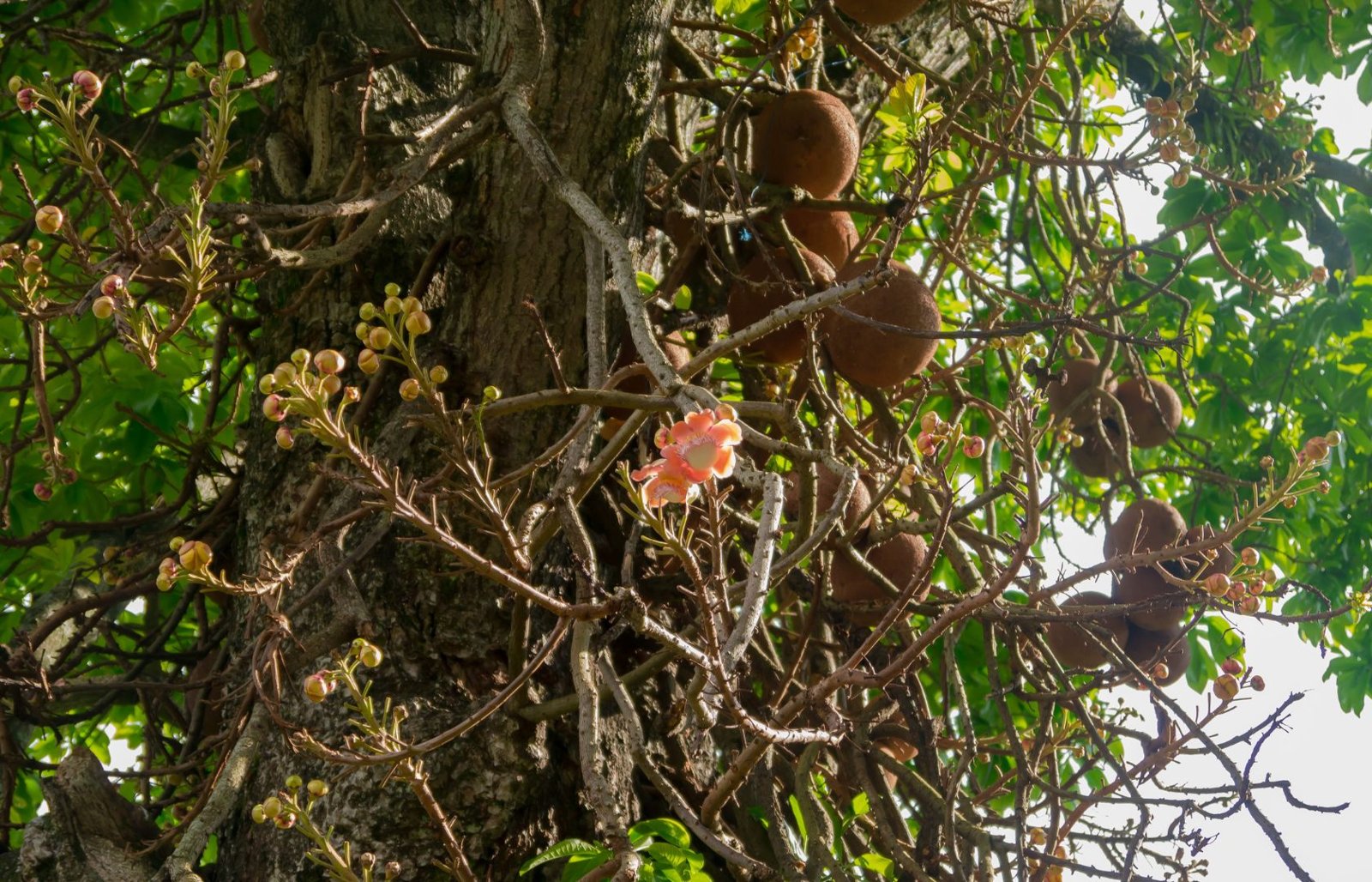
🌰 Brazil Nut Tree
Its cannonball-sized pods hold up to 20 nuts, and the tree only fruits where wild bees still pollinate it.
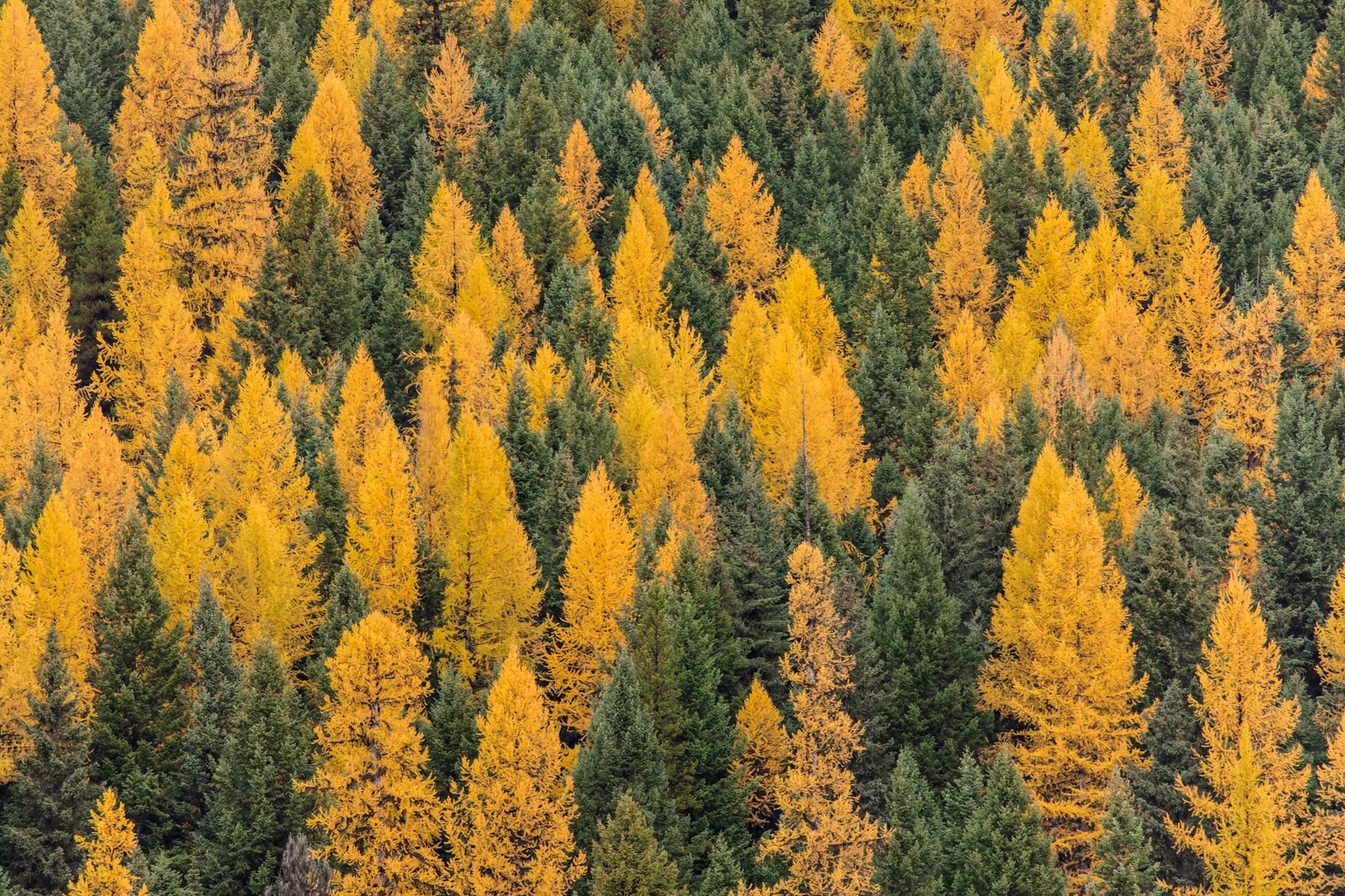
🌲 Larch
Larch is a rare conifer that drops its needles — turning whole mountainsides gold each autumn.
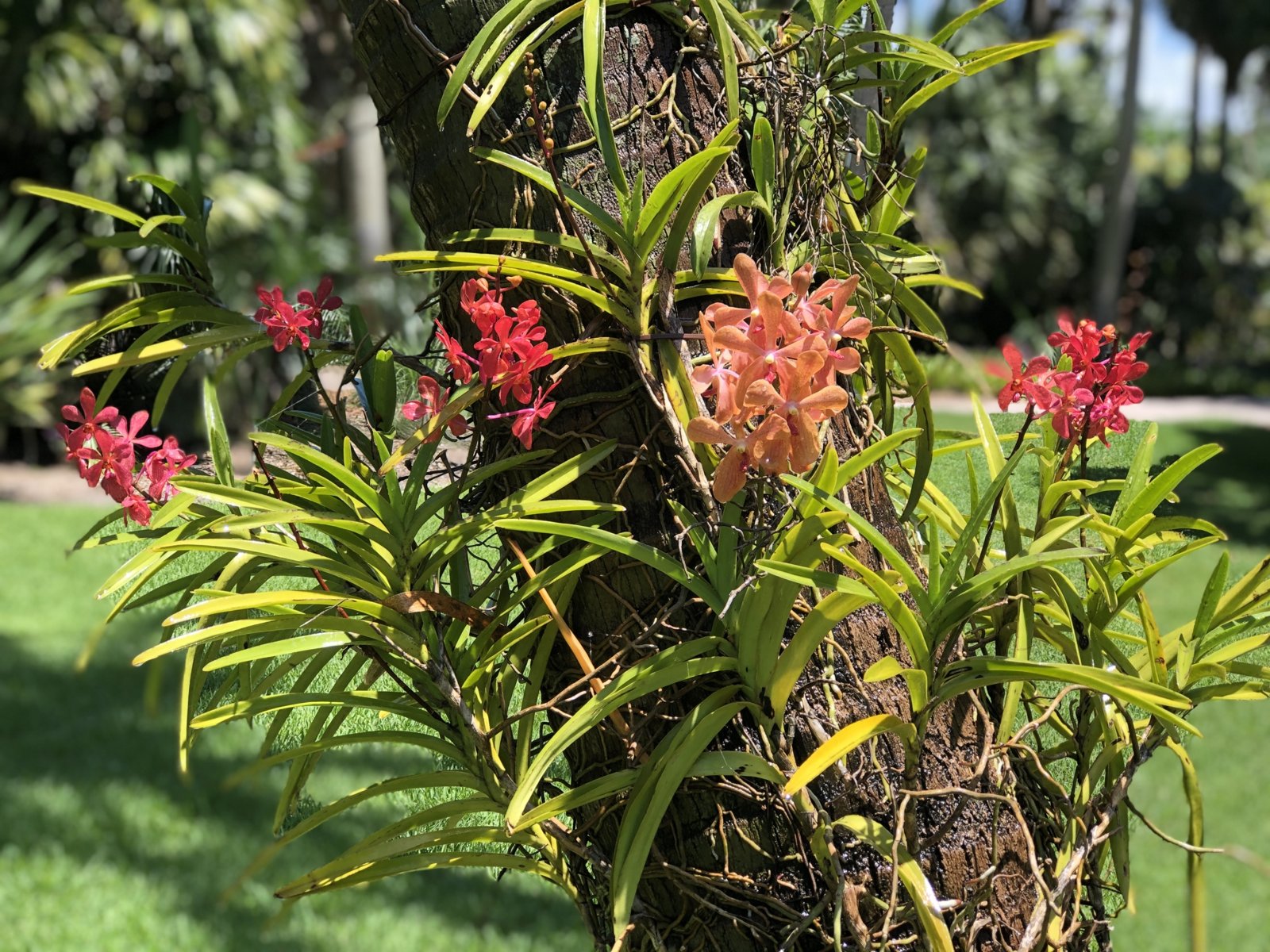
🌸 Epiphytic Orchid
Most rainforest orchids grow high on tree bark, drinking mist and rain without ever touching the soil.
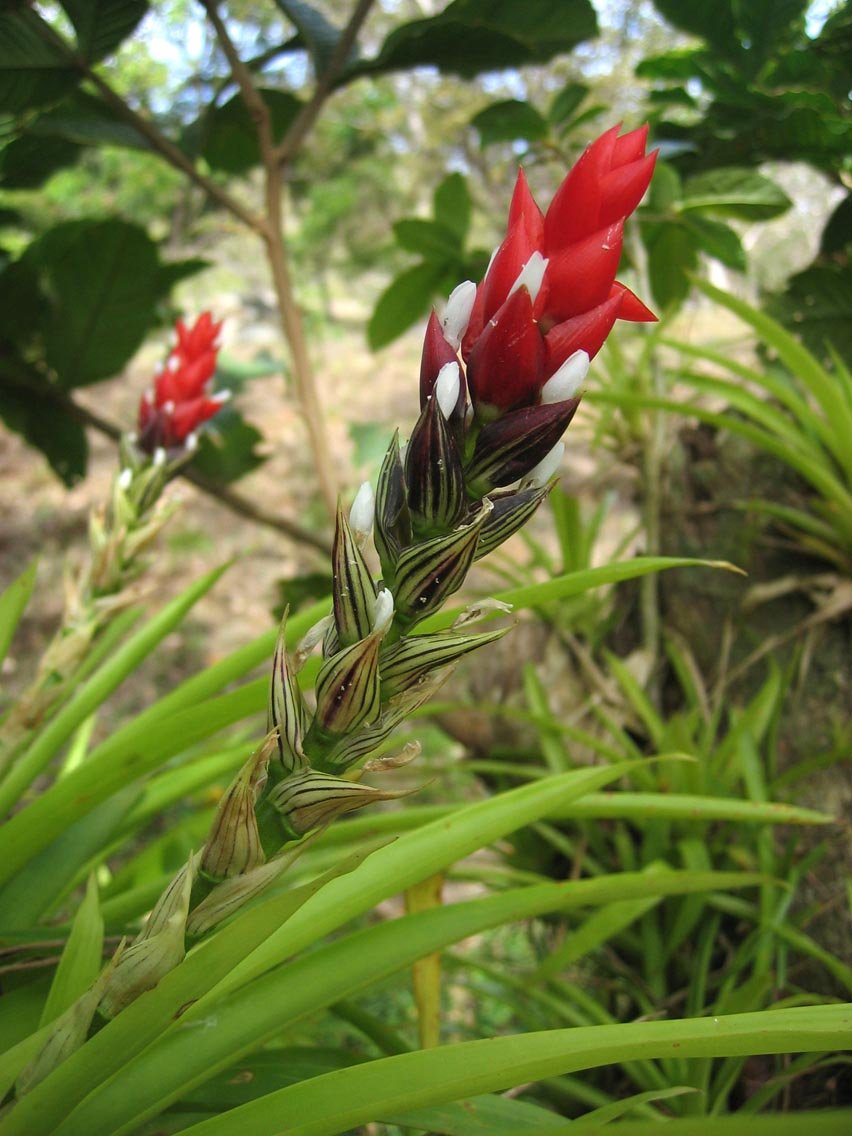
🌺 Bromeliad
Their tightly cupped leaves hold little pools of water where frogs, insects and even crabs live.
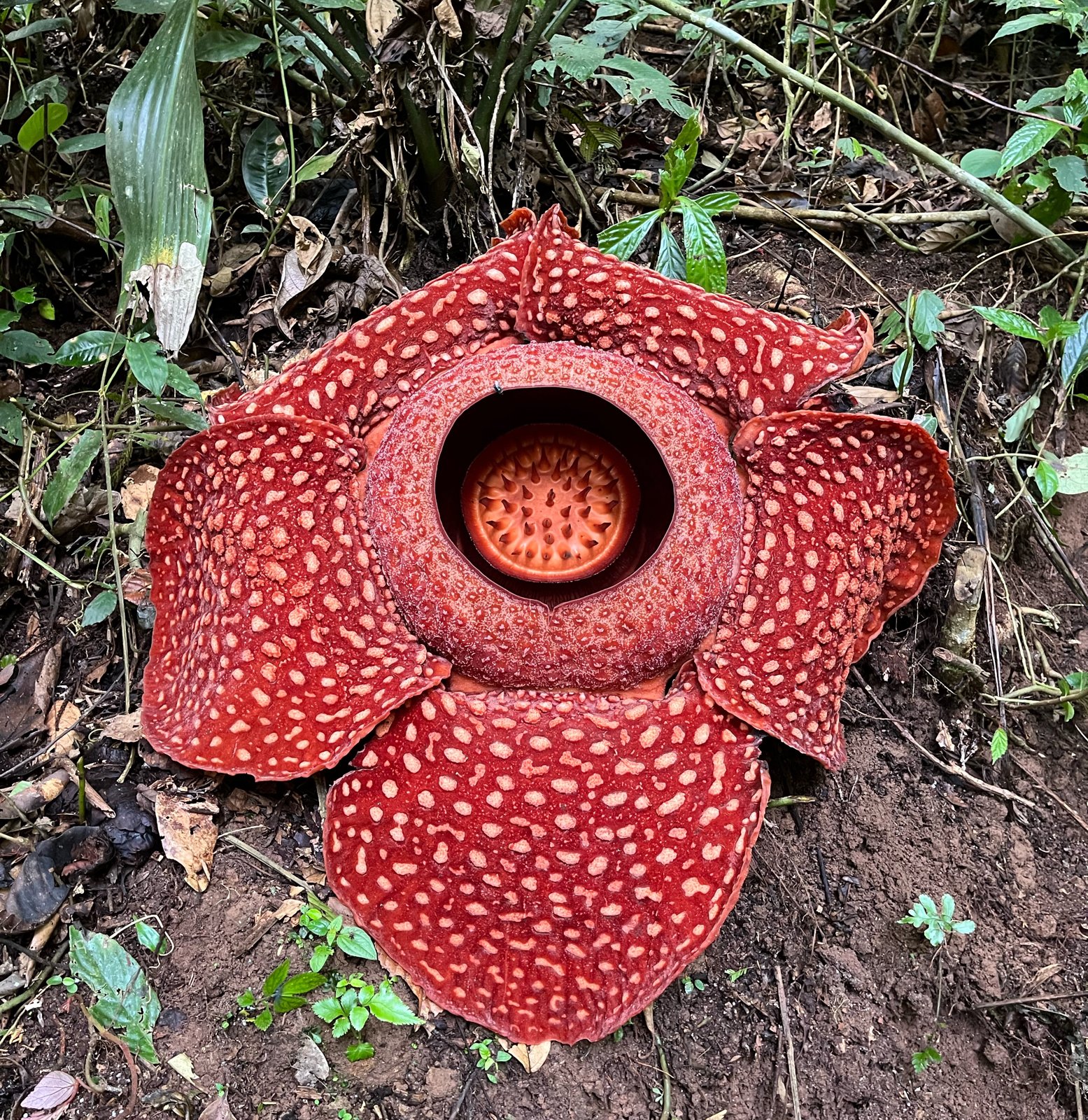
🌺 Rafflesia
It grows the largest single flower on Earth — up to a metre wide — and smells of rotting meat to attract flies.
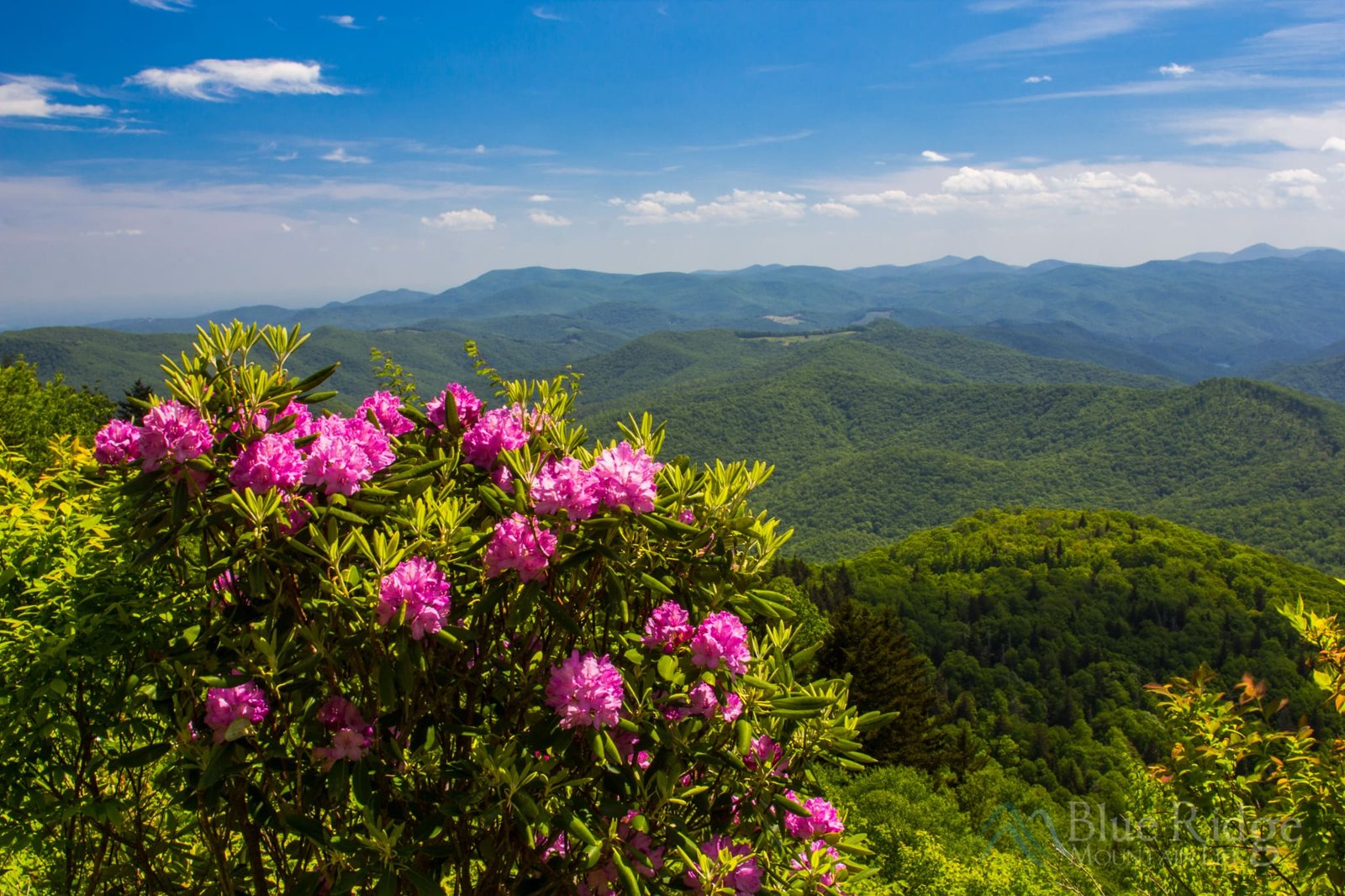
🌸 Rhododendron
In mountain forests rhododendrons form dense thickets that burst into pink and purple bloom each spring.
From the forest to your table
Fruits, spices & crops of the forest
Chocolate, coffee, cinnamon, nuts, maple syrup and more — so much of what we eat and use comes from the world's forests. Filter by kind to explore.
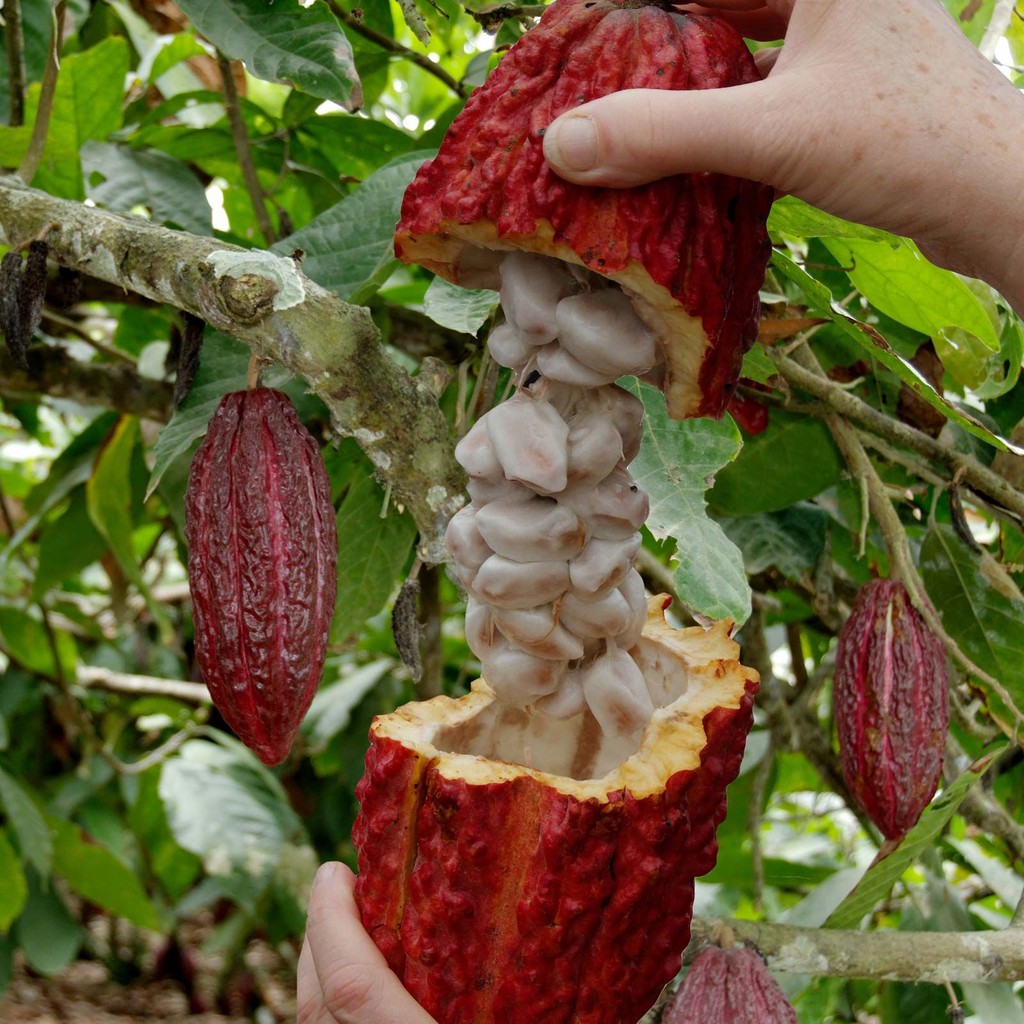 Fruit
🍫 Cocoa
Chocolate begins as beans inside rainforest cocoa pods that grow straight from the trunk.
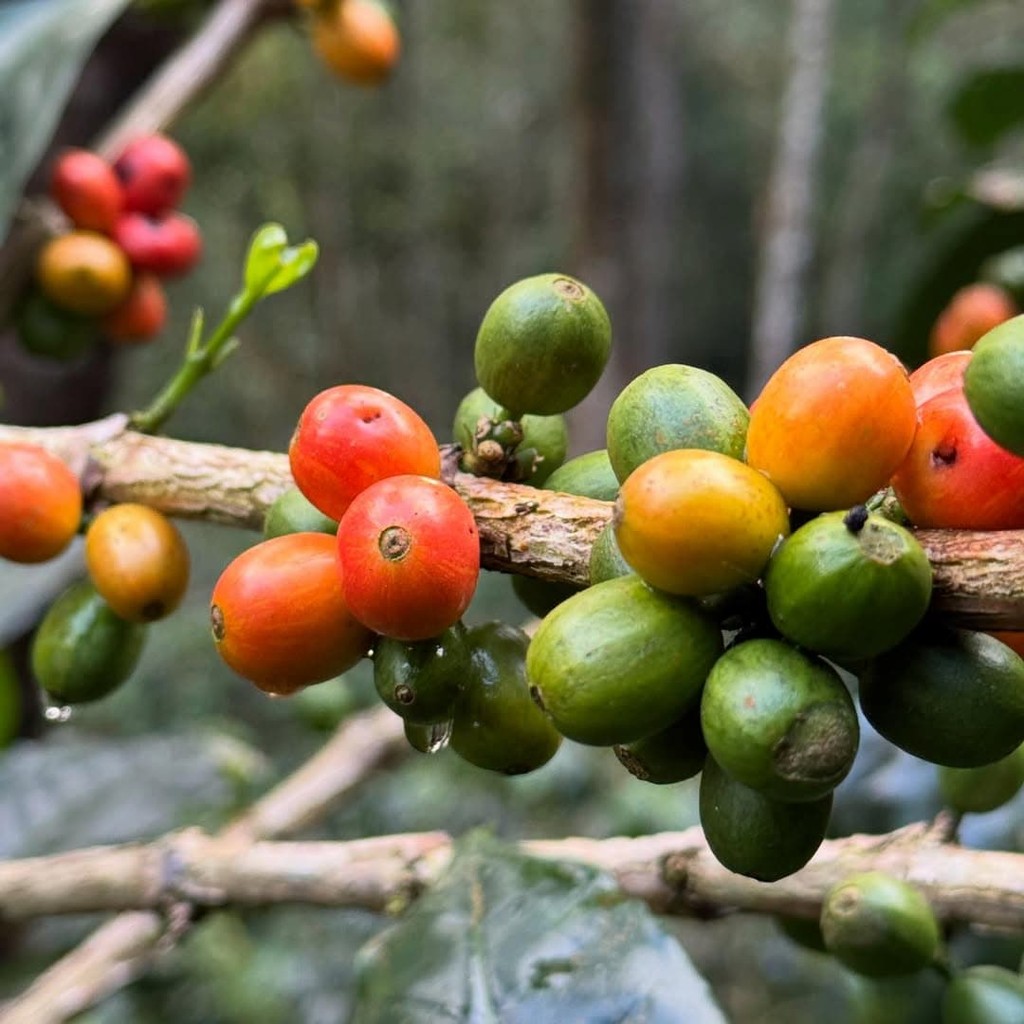 Fruit
☕ Coffee
Coffee beans are the seeds inside bright red “cherries” that grow best in shady mountain forests.
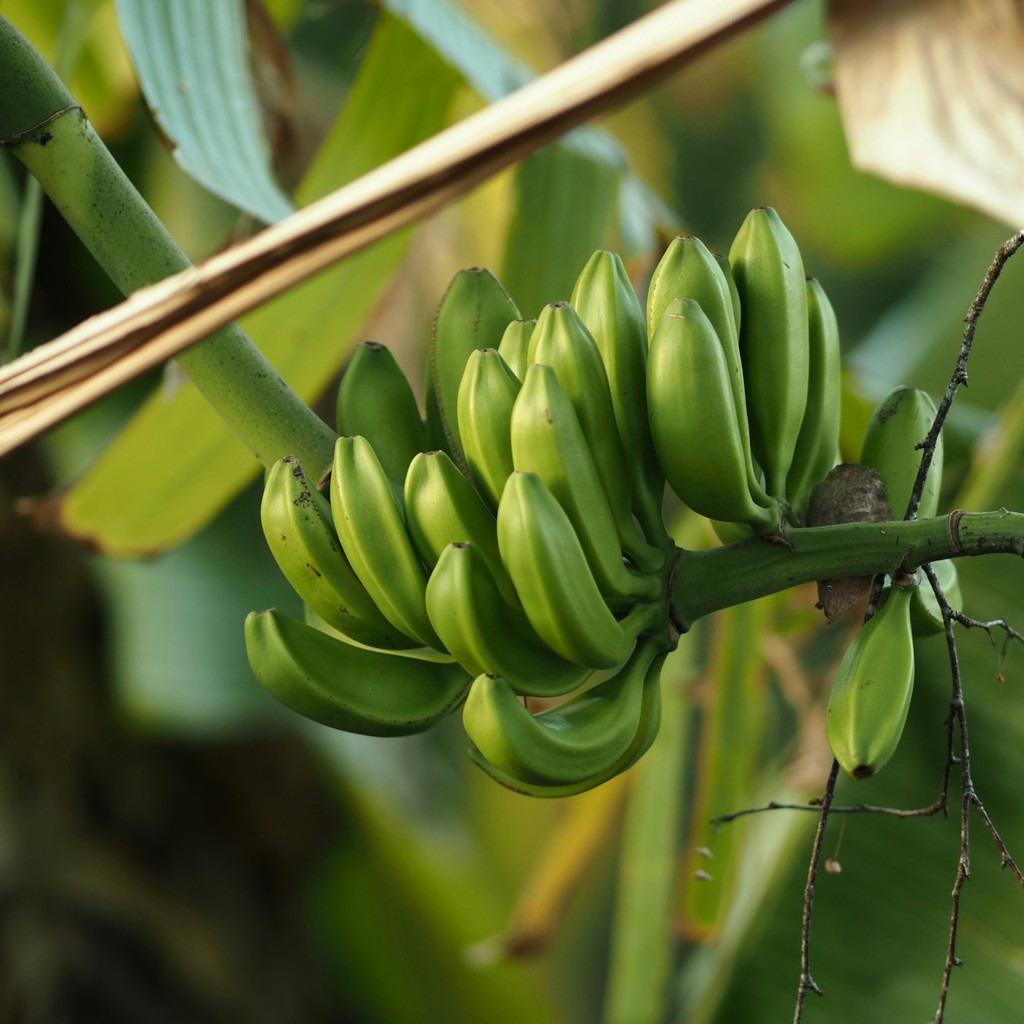 Fruit
🍌 Banana
A banana plant is actually a giant herb, not a tree — and every bunch grows pointing at the sky.
 Spice
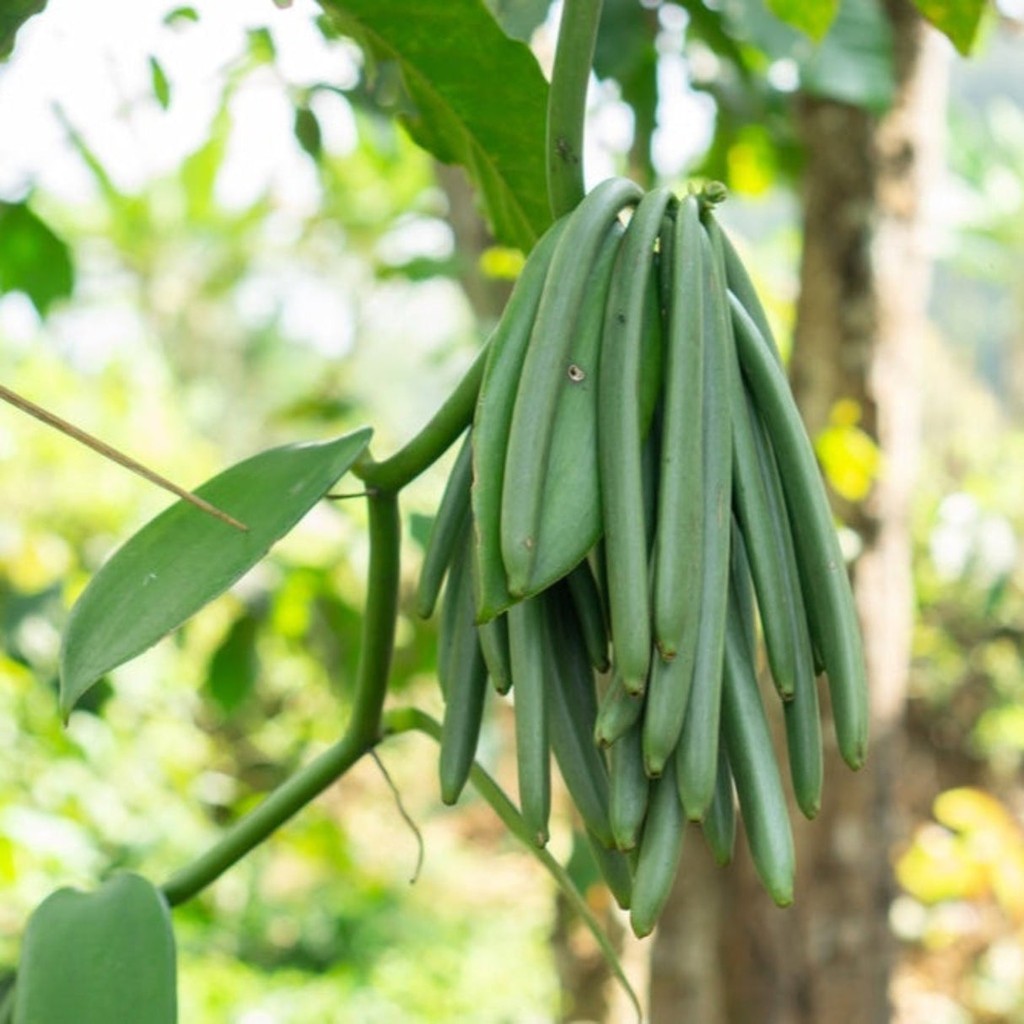
🌼 Vanilla
Vanilla comes from the pod of a climbing orchid — the only orchid grown for food.
 Spice
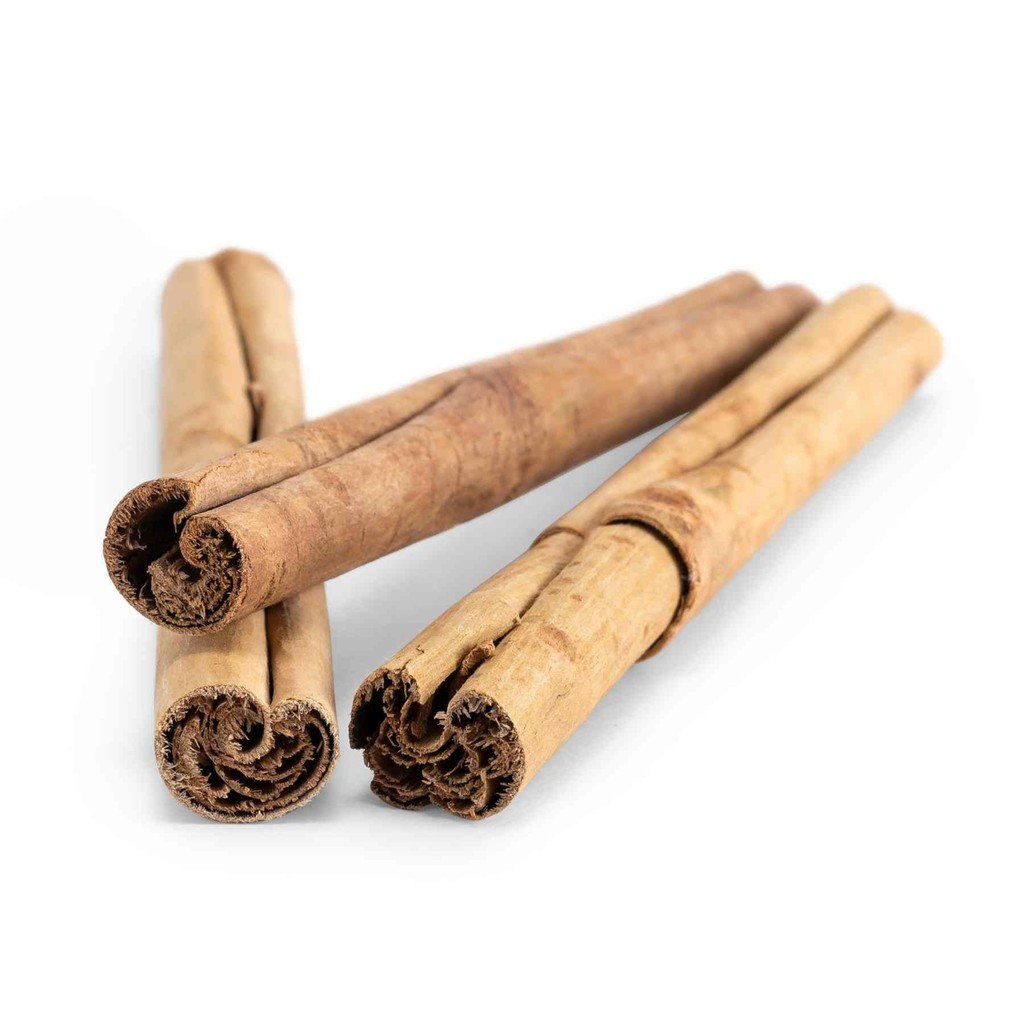
🥮 Cinnamon
Cinnamon is the inner bark of a tree, peeled off and dried until it curls into sticks.
 Spice
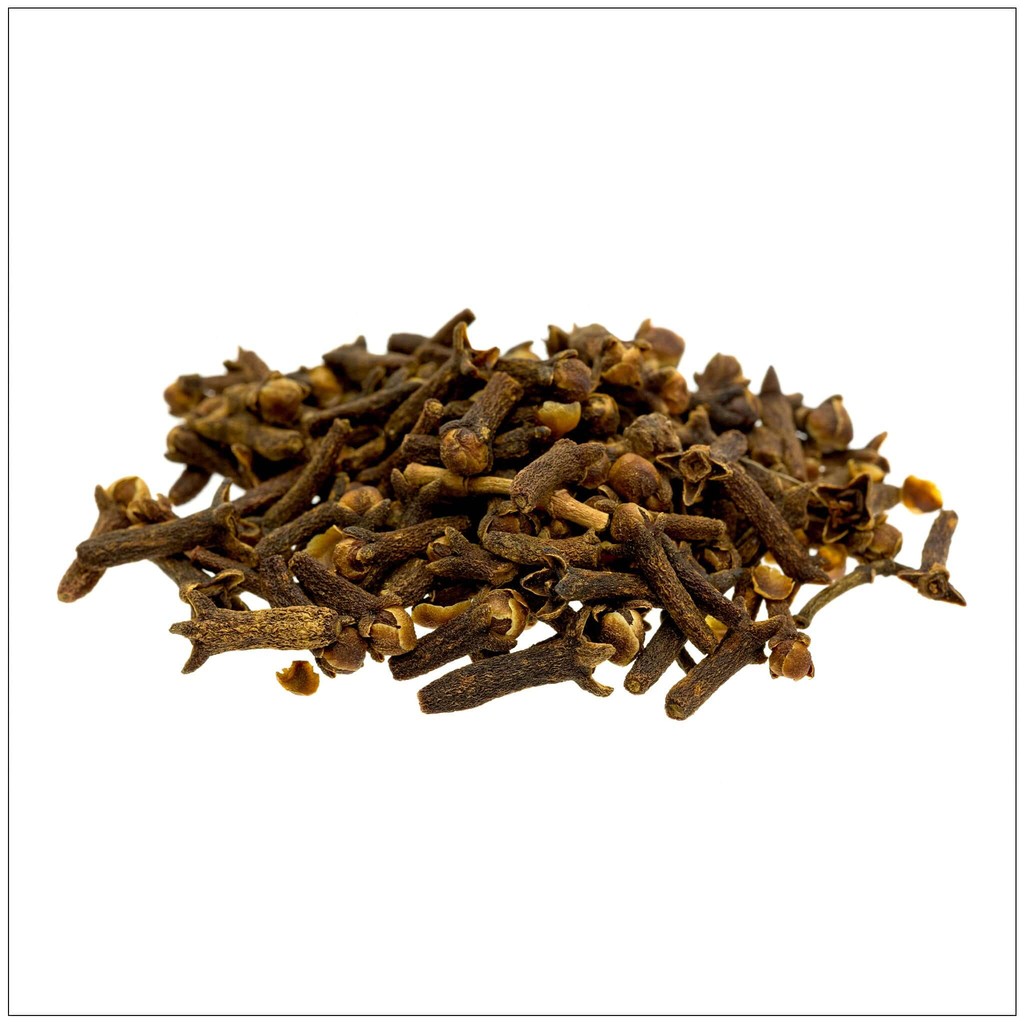
🌰 Cloves
Cloves are flower buds picked before they open, then dried in the sun.
 Spice
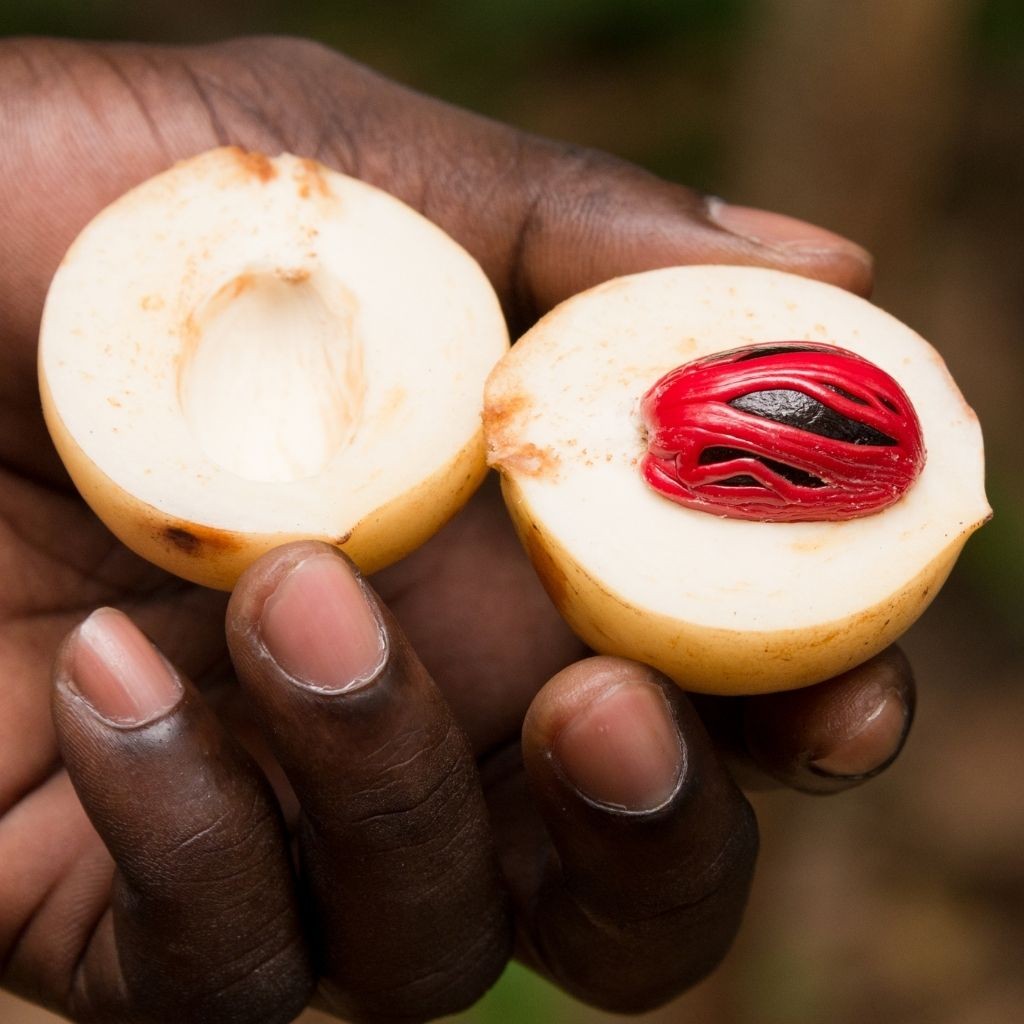
🌰 Nutmeg
One fruit gives two spices — nutmeg from the seed and mace from the red net around it.
 Spice
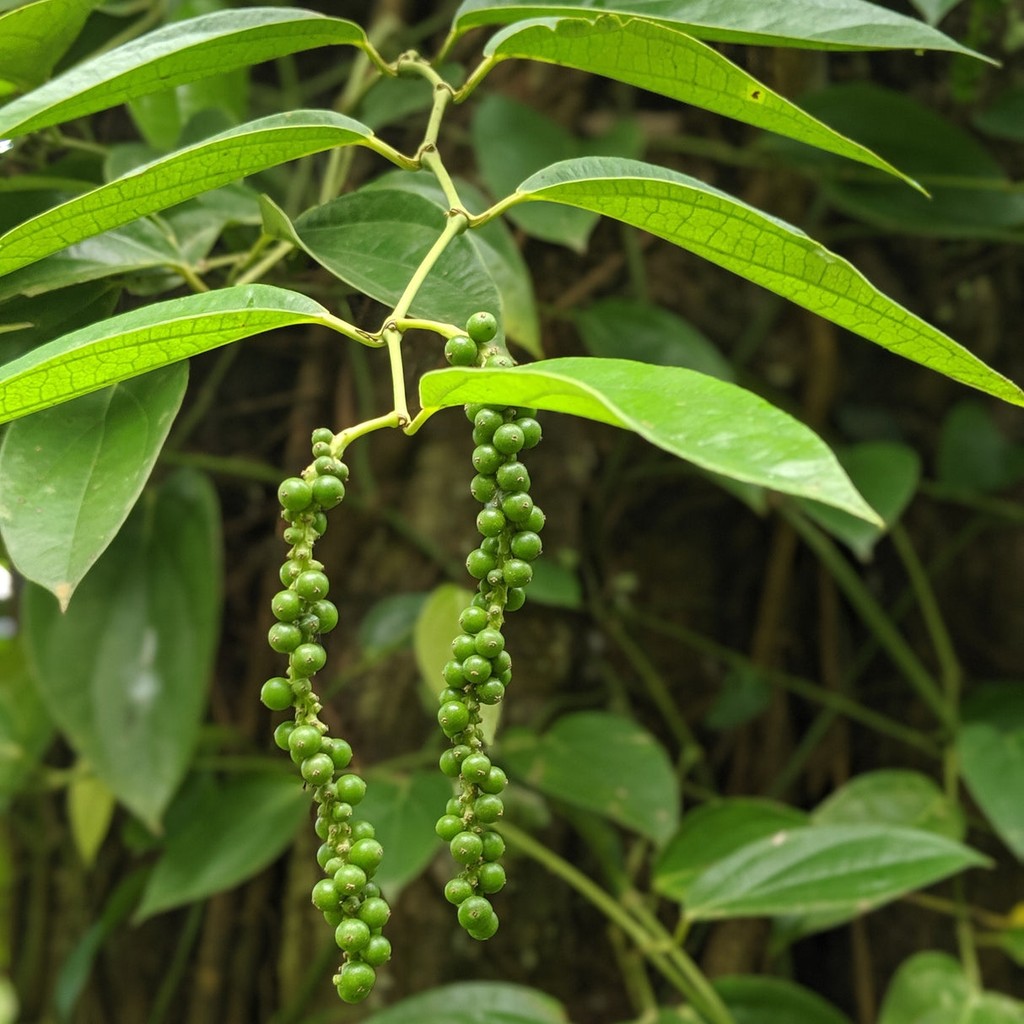
🫑 Black Pepper
Peppercorns grow on a rainforest vine and were once so precious they were used as money.
 Fruit
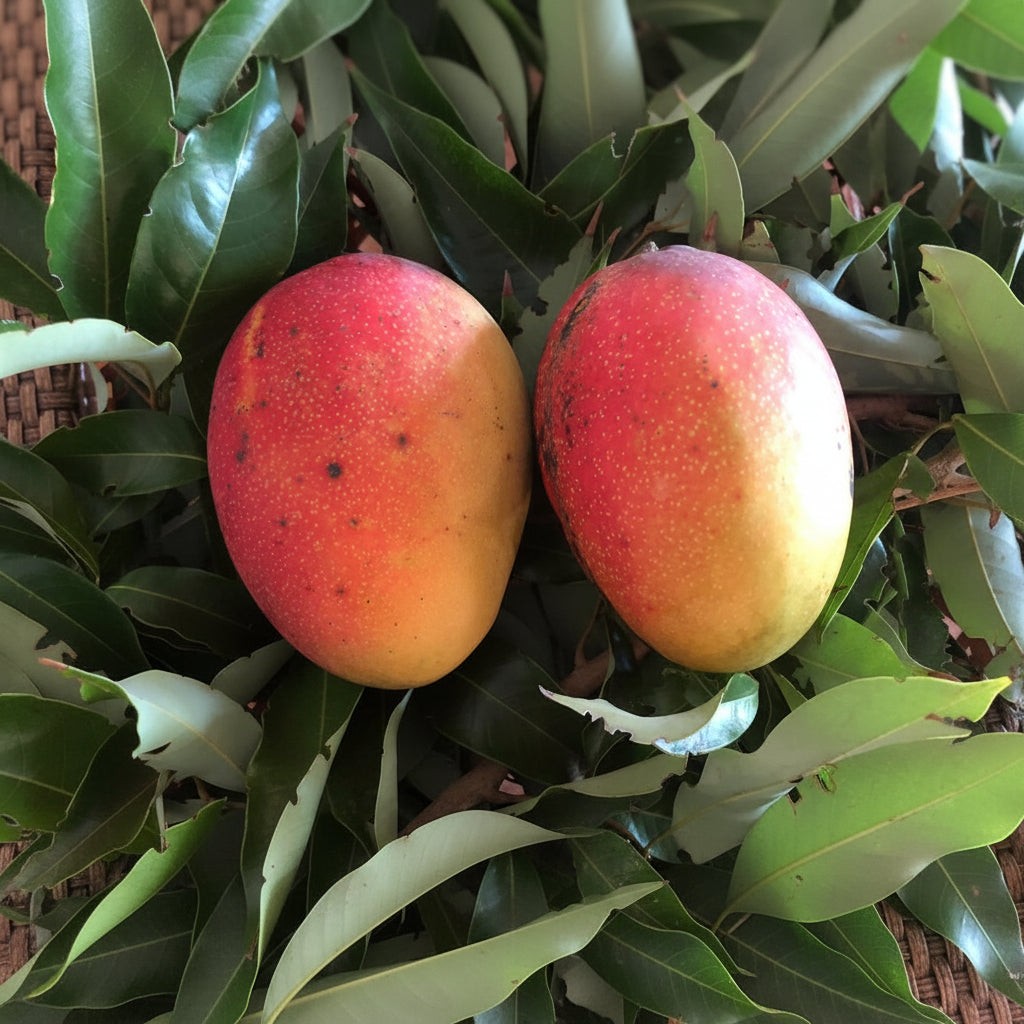
🥭 Mango
The mango is the most eaten fruit in the world and has grown in tropical forests for 4,000 years.
 Fruit
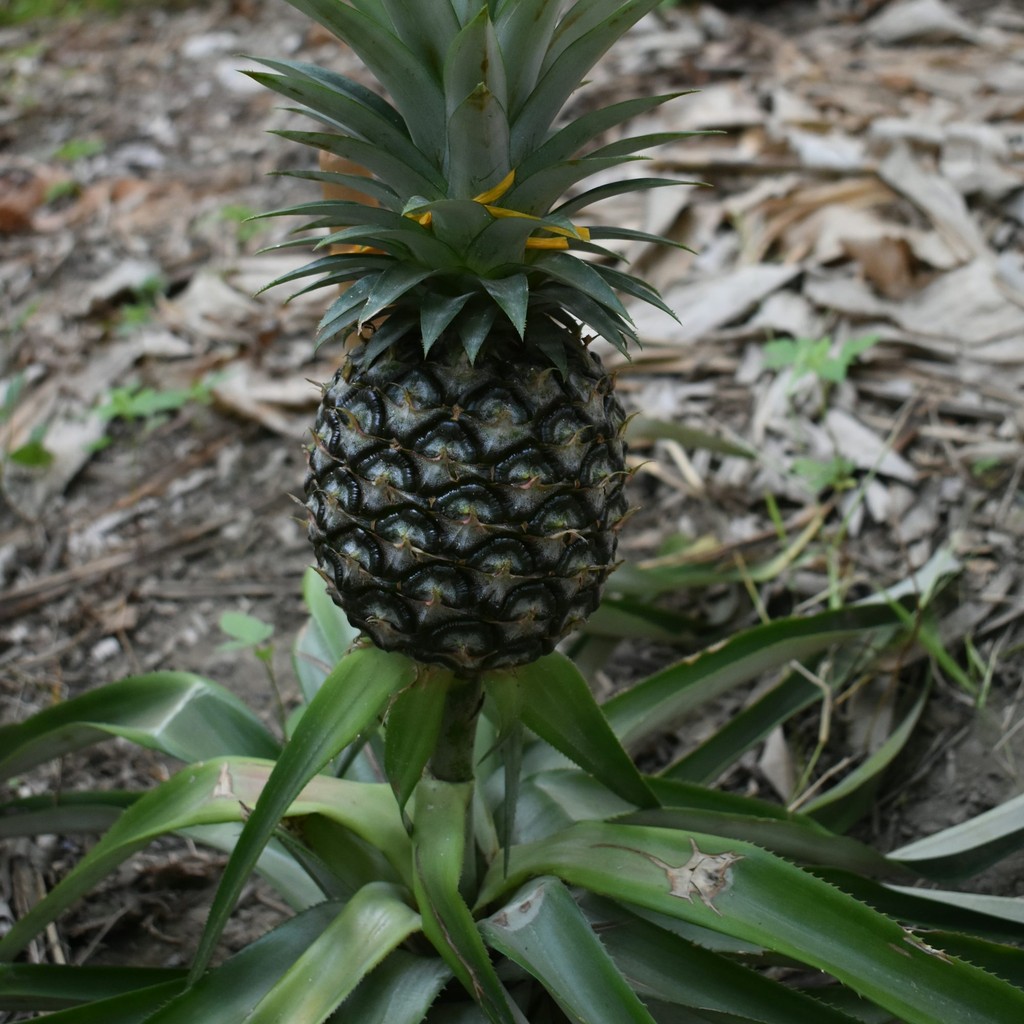
🍍 Pineapple
A pineapple is really many little fruits fused together, and each plant makes just one at a time.
 Fruit
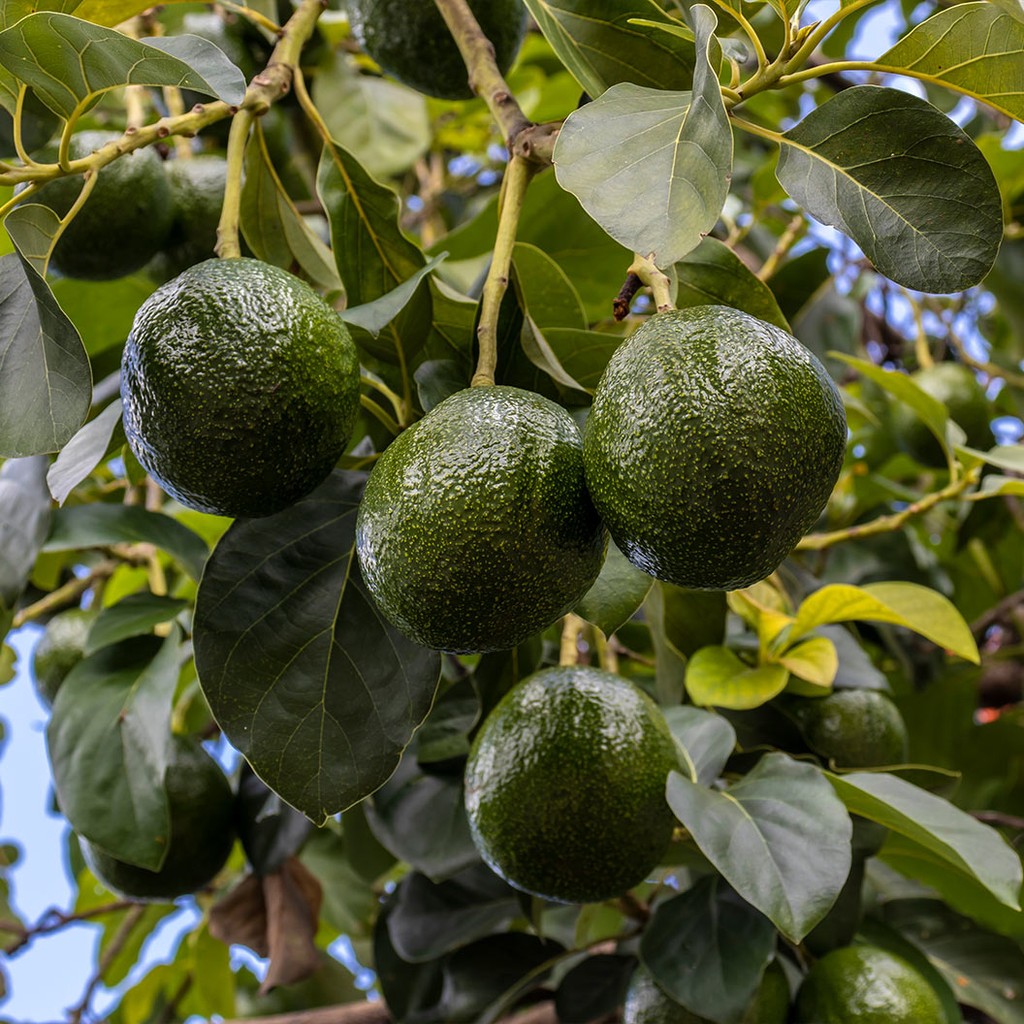
🥑 Avocado
Avocados are a creamy fruit with a giant single seed, first grown in Central American forests.
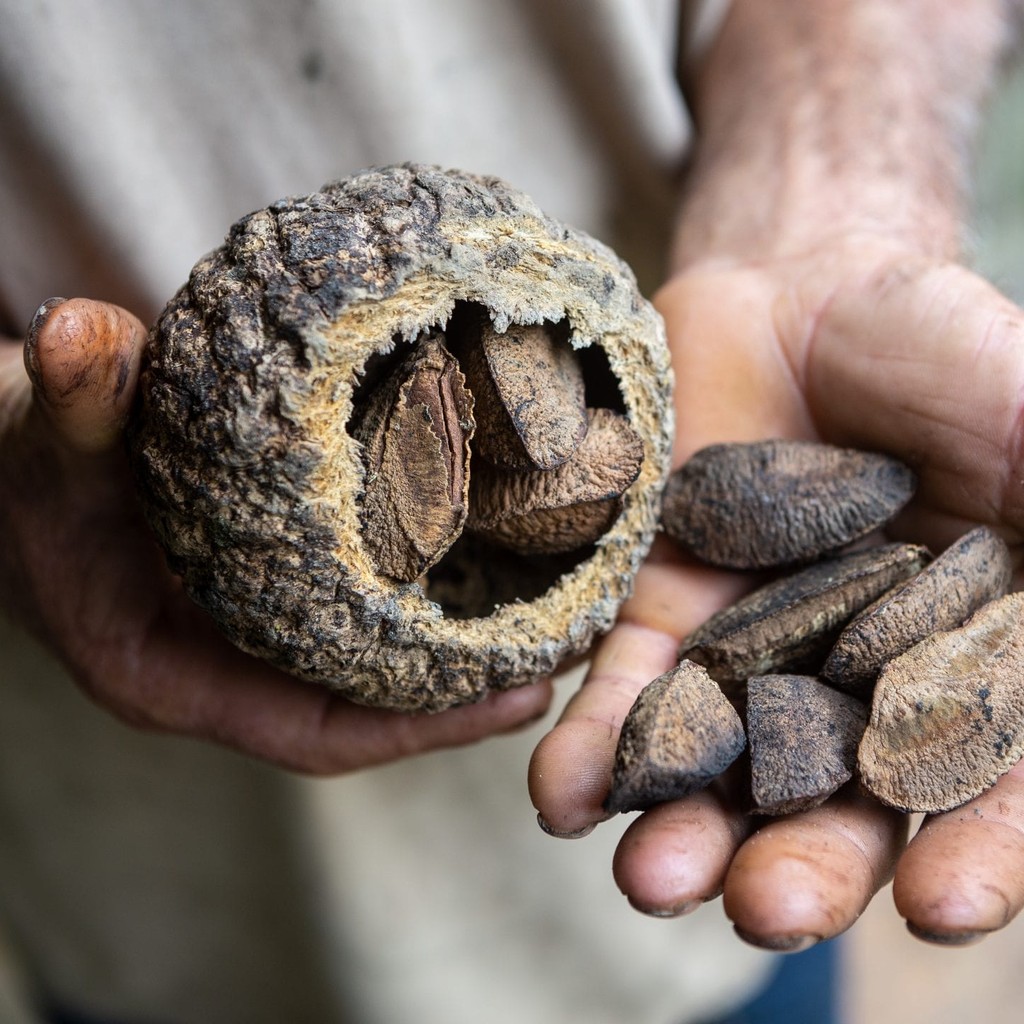 Nut
🌰 Brazil Nuts
Brazil nuts only grow in wild Amazon forest — they need a special bee and an agouti to survive.
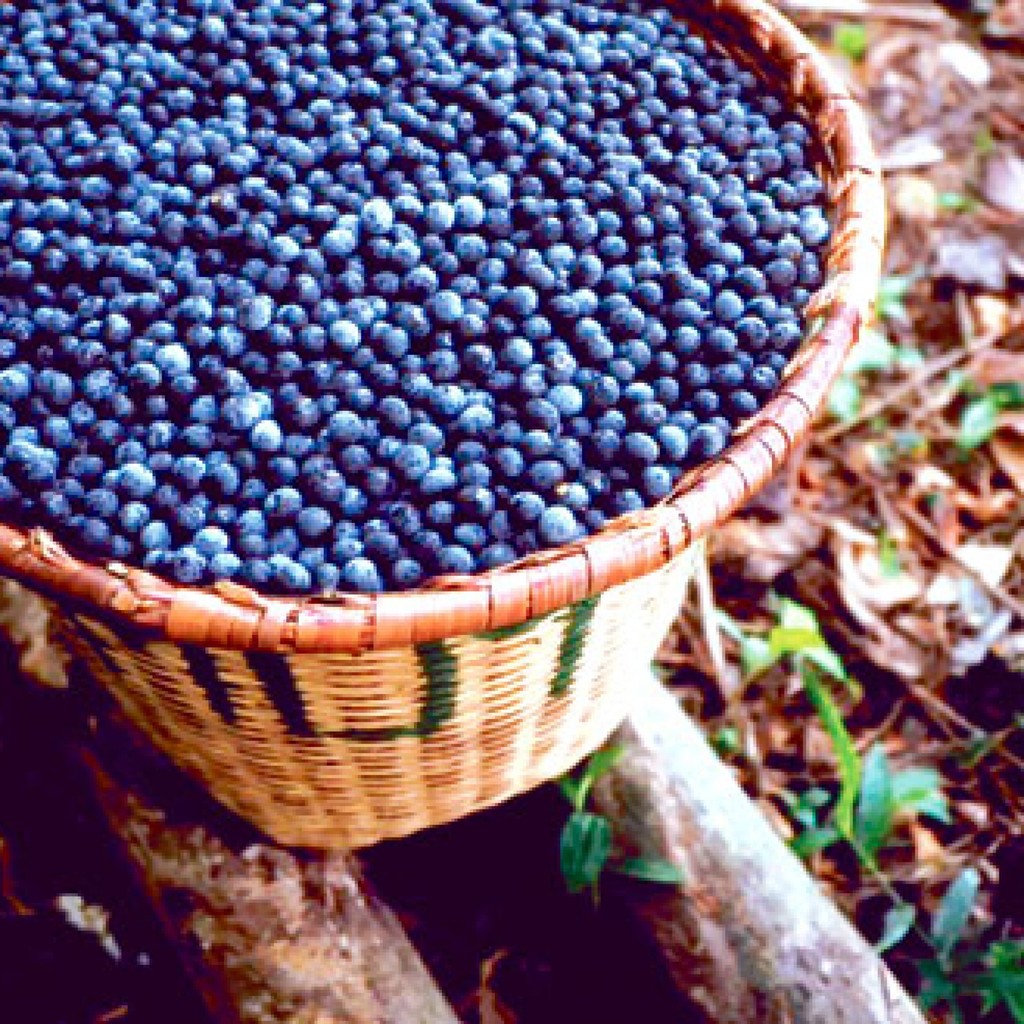 Fruit
🫐 Açaí
Açaí berries grow high on Amazon palms and are harvested by climbers who shin up the trunk.
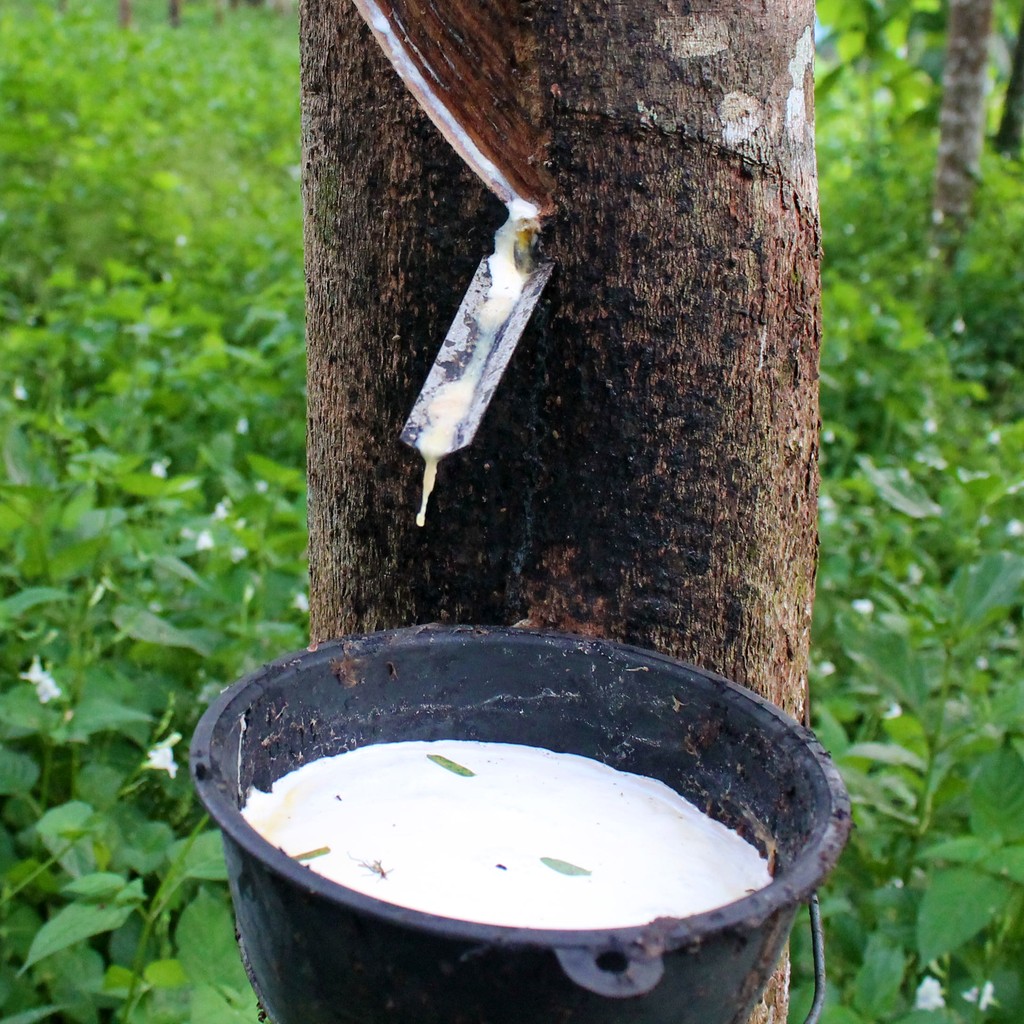 Other
🛞 Natural Rubber
Rubber is made from the milky sap of a rainforest tree, tapped by cutting a groove in its bark.
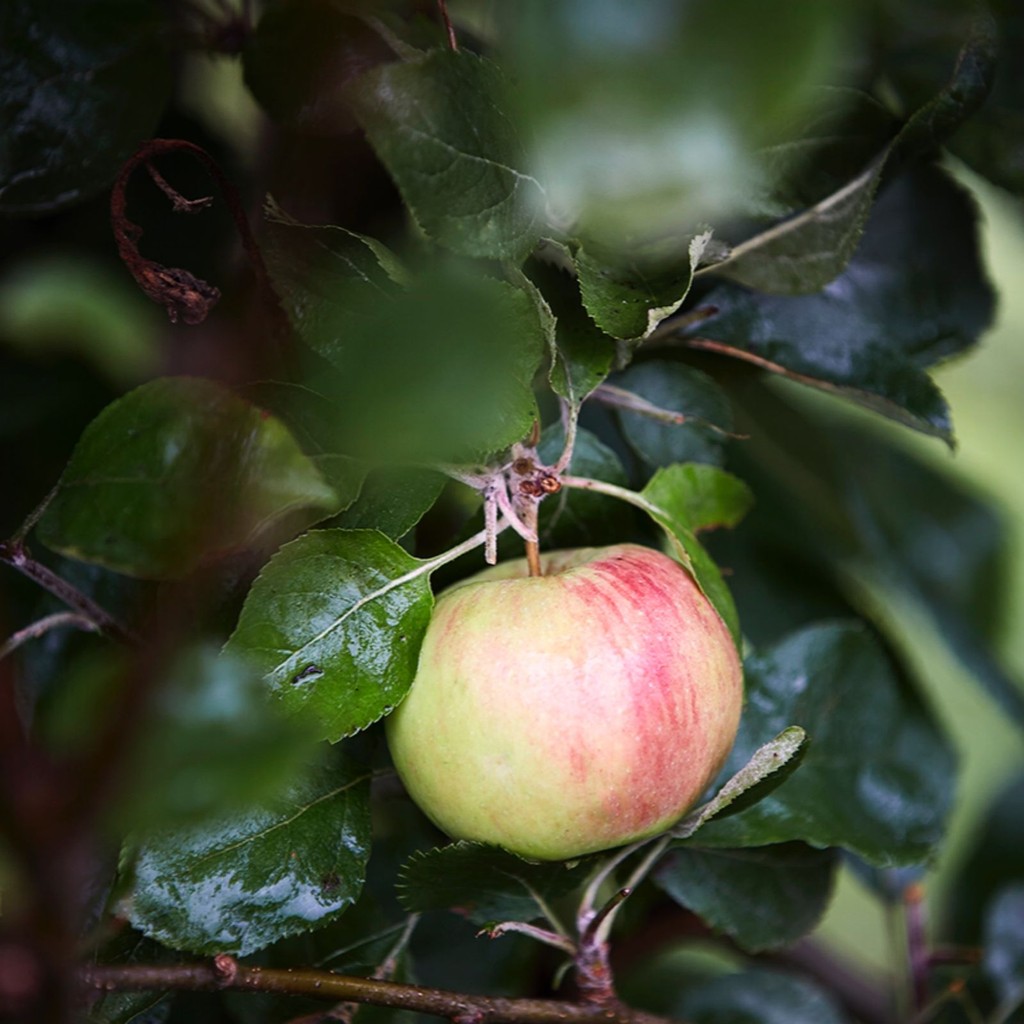 Fruit
🍎 Apples
Wild apples first grew in temperate mountain forests of Central Asia before spreading worldwide.
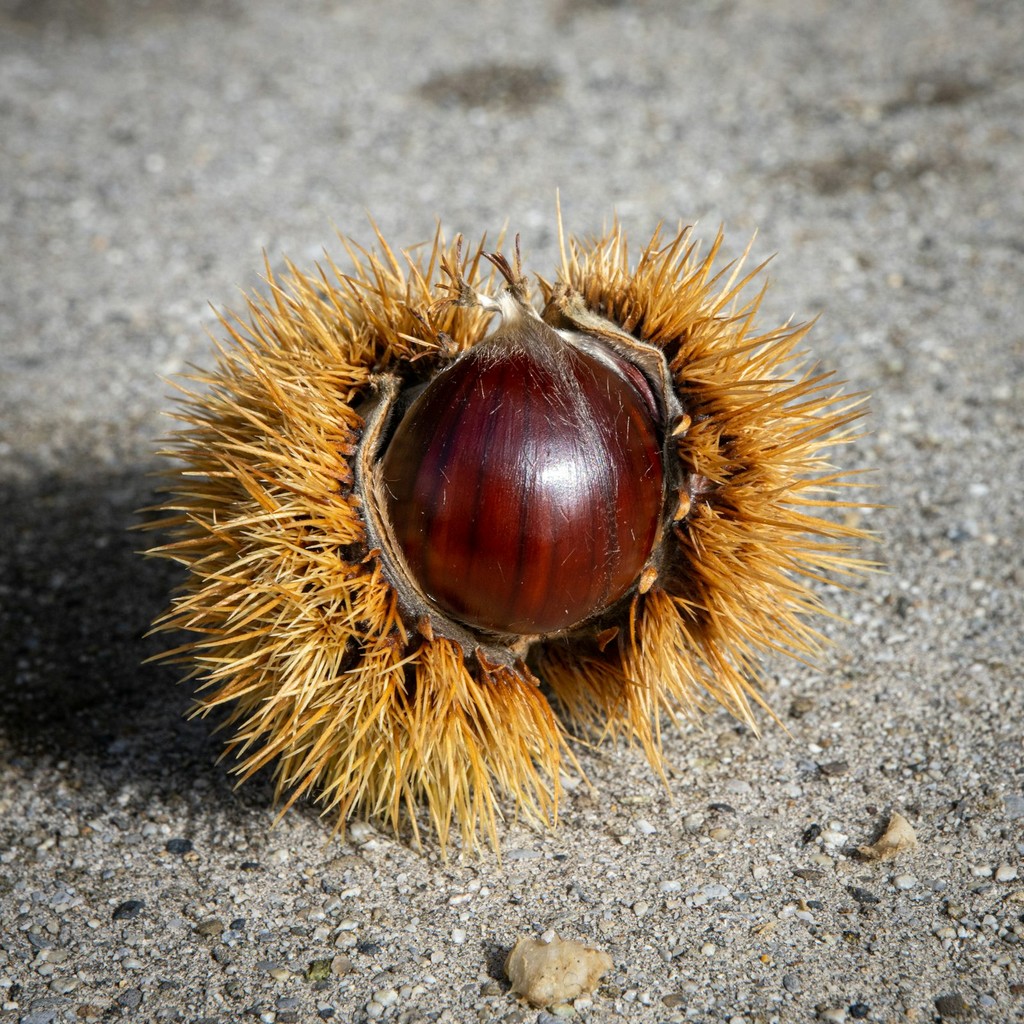 Nut
🌰 Sweet Chestnuts
Sweet chestnuts grow inside spiky green cases and were once called “the bread of the forest”.
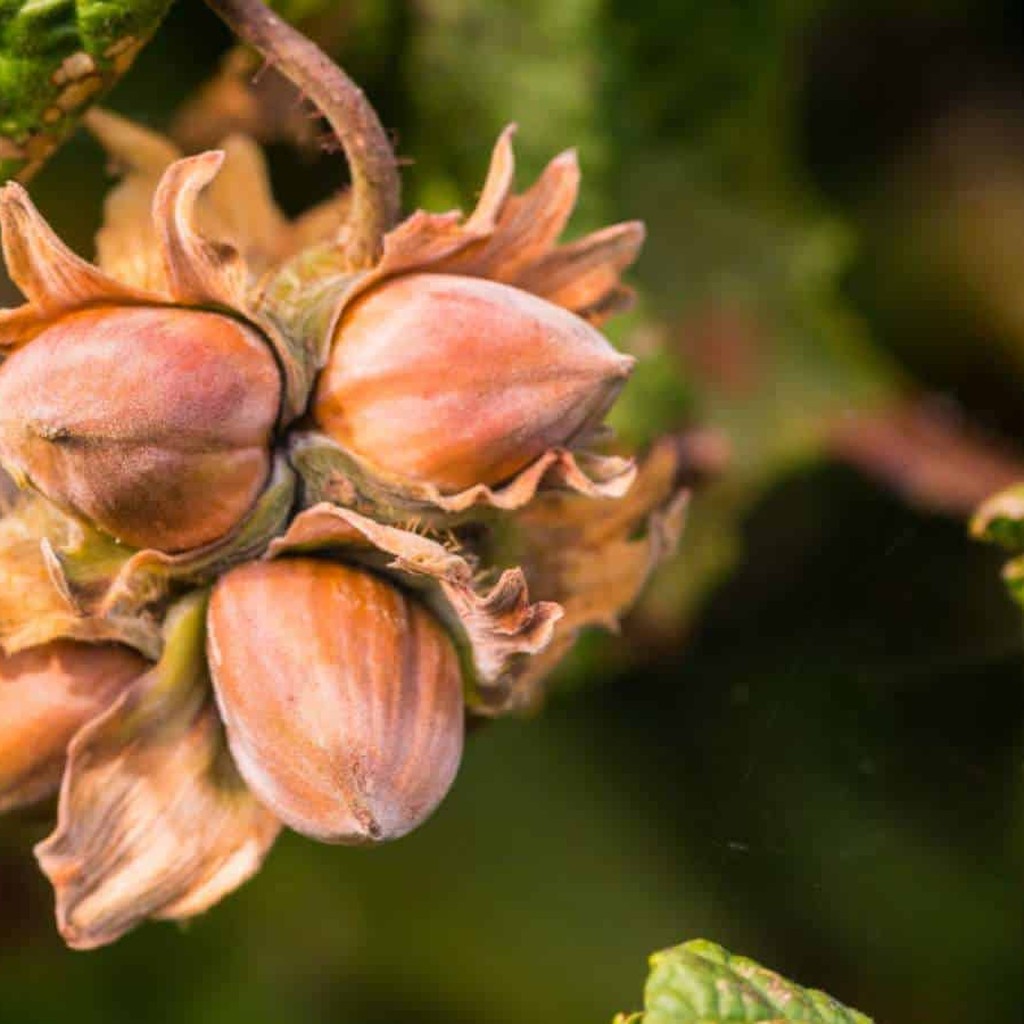 Nut
🌰 Hazelnuts
Hazelnuts grow on woodland shrubs and are a favourite autumn feast for squirrels and dormice.
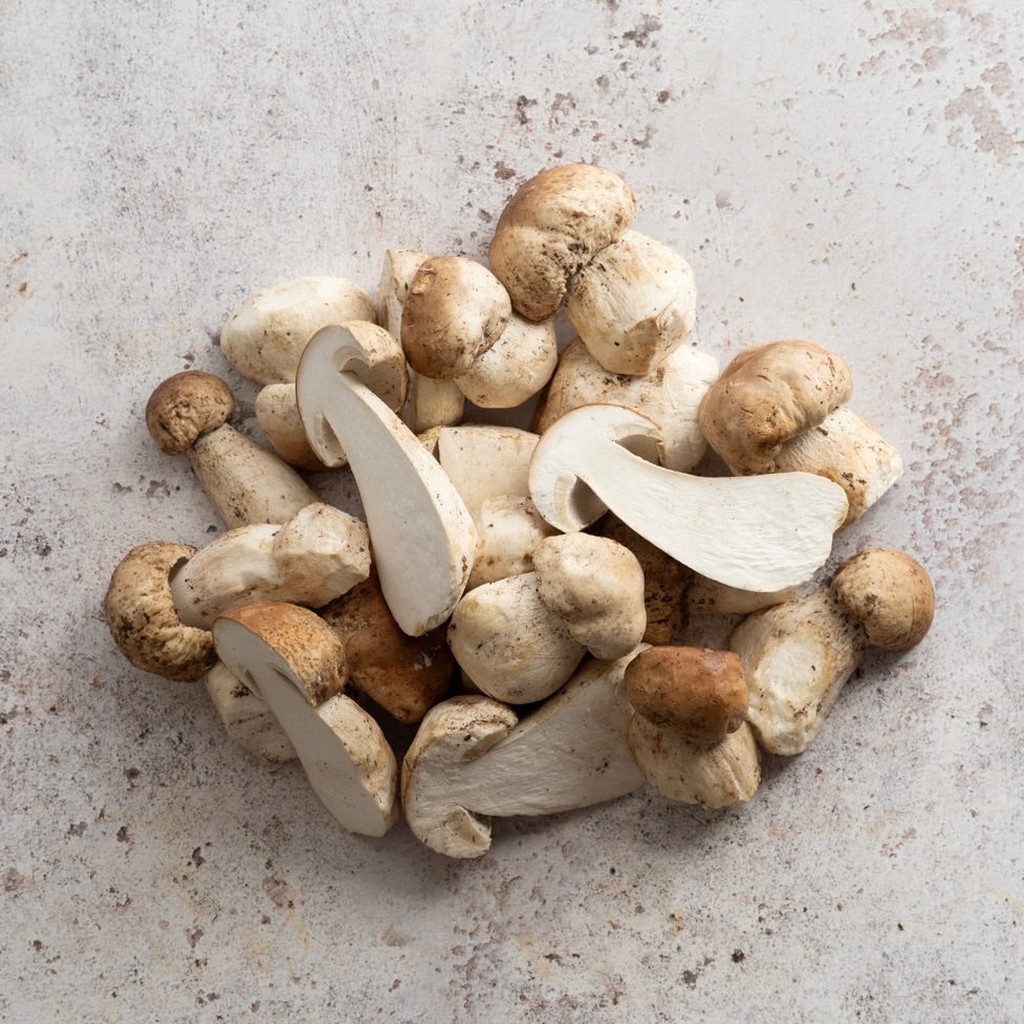 Other
🍄 Forest Mushrooms
Prized mushrooms like porcini sprout from a vast underground web that links forest trees together.
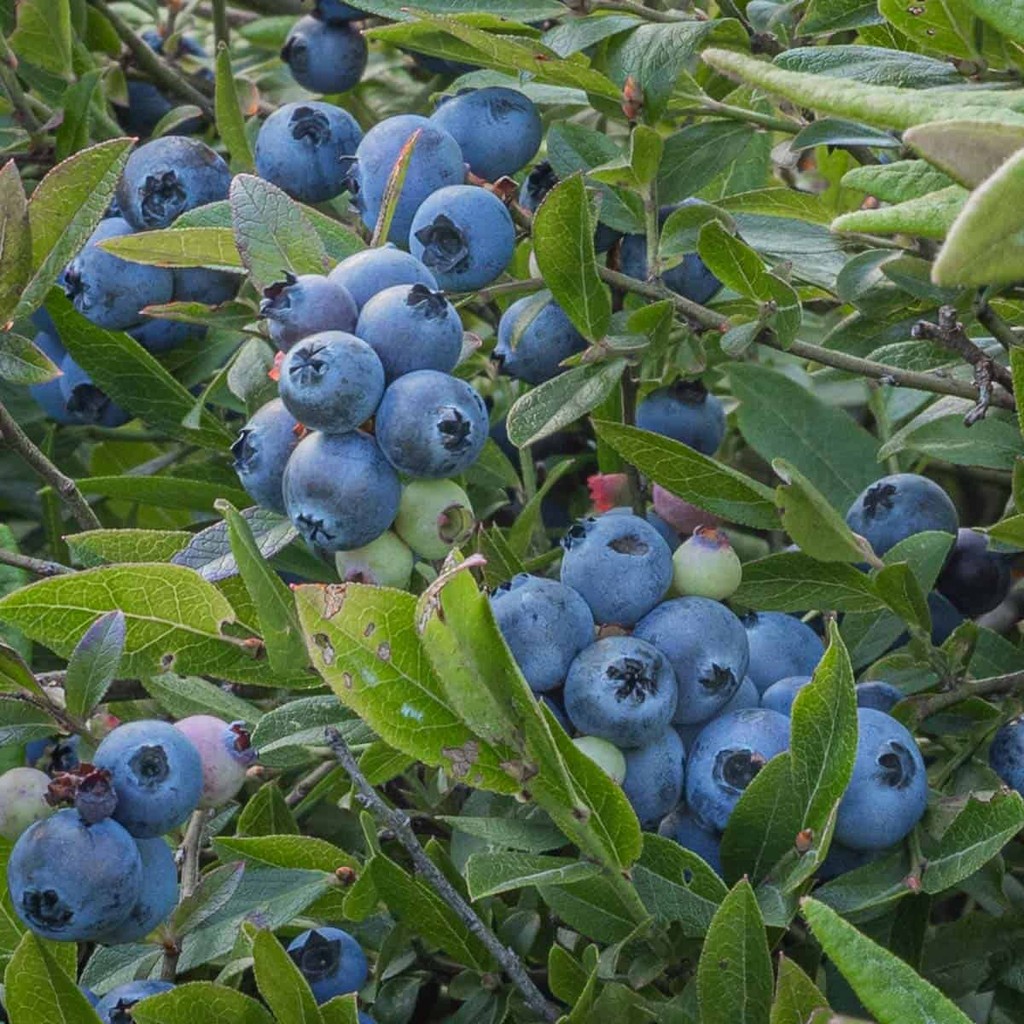 Fruit
🫐 Wild Blueberries
Wild blueberries carpet northern forest floors and bears gobble them by the thousands before winter.
 Other
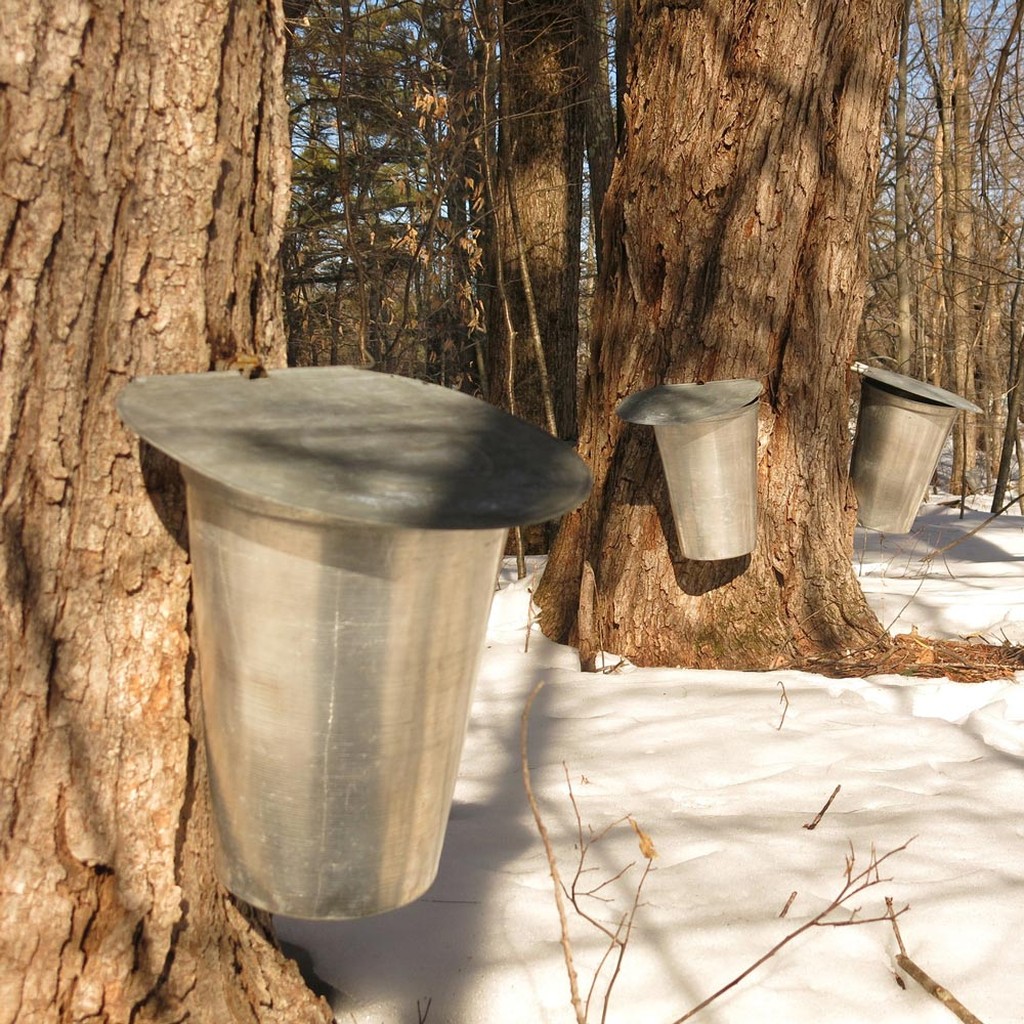
🍁 Maple Syrup
It takes about 40 buckets of maple tree sap to boil down into a single bucket of syrup.
 Fruit
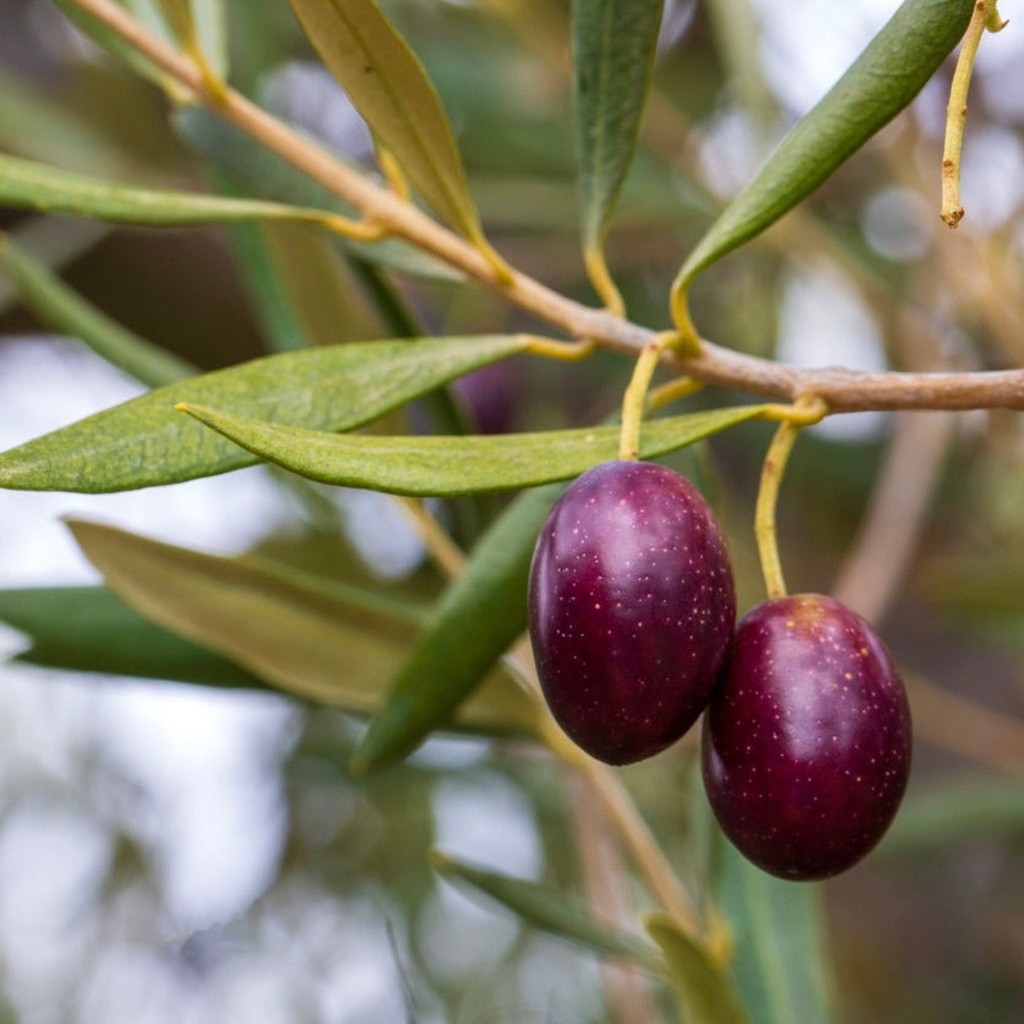
🫒 Olives
Olive trees can live for over a thousand years and still give fruit for oil every autumn.
 Other
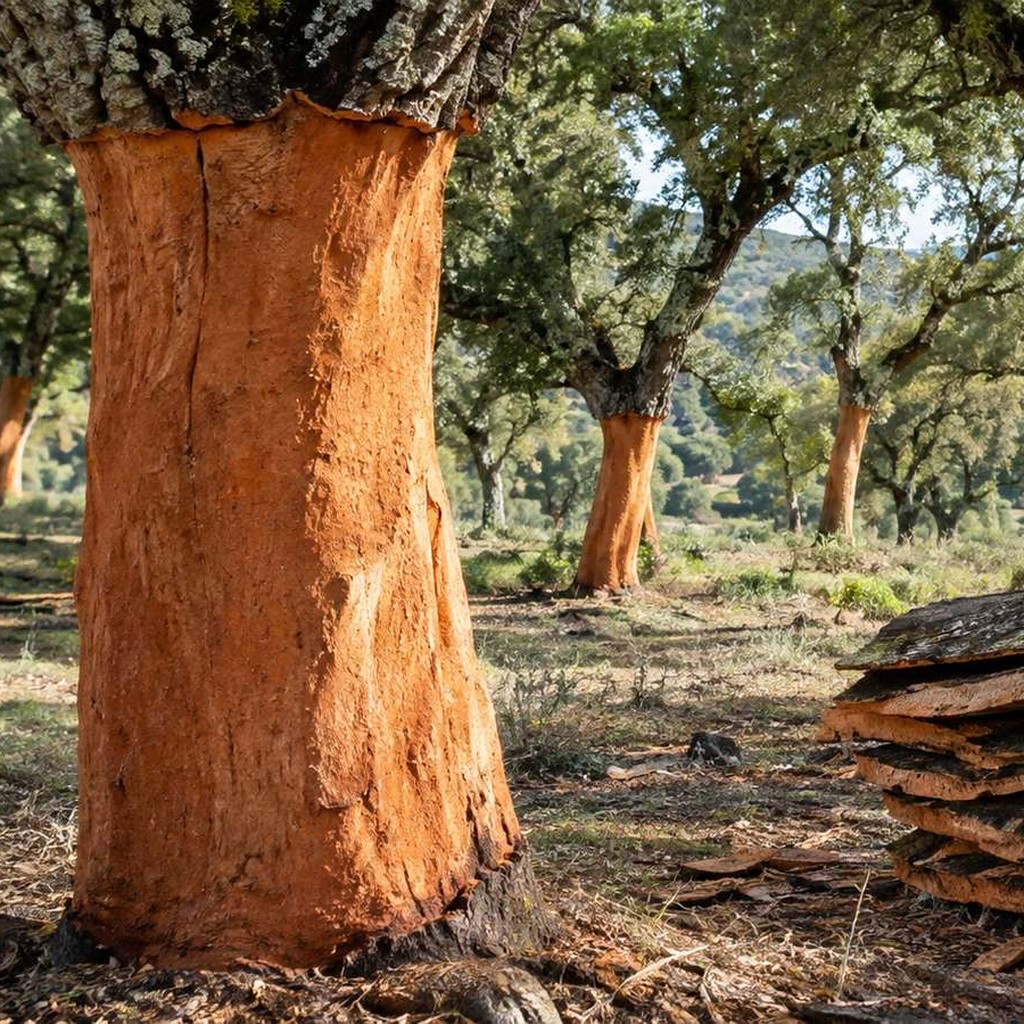
🍾 Cork
Cork is the thick bark of the cork oak, peeled off gently so the living tree keeps growing.
 Fruit
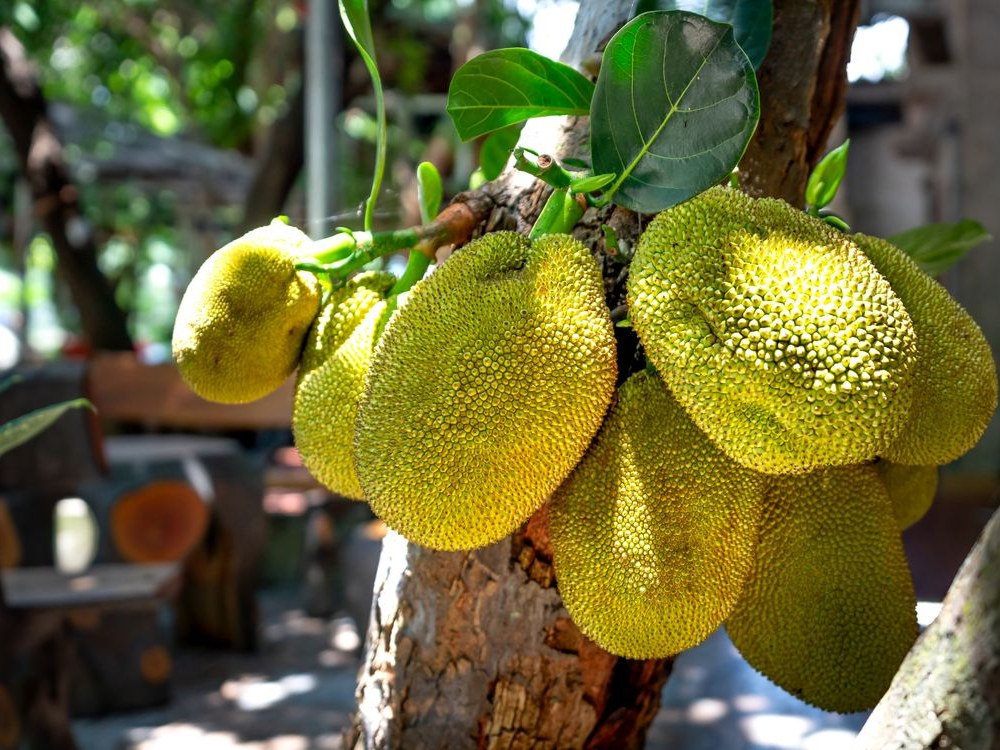
🥬 Jackfruit
Jackfruit is the biggest fruit that grows on a tree — a single one can weigh as much as a small child.
 Fruit
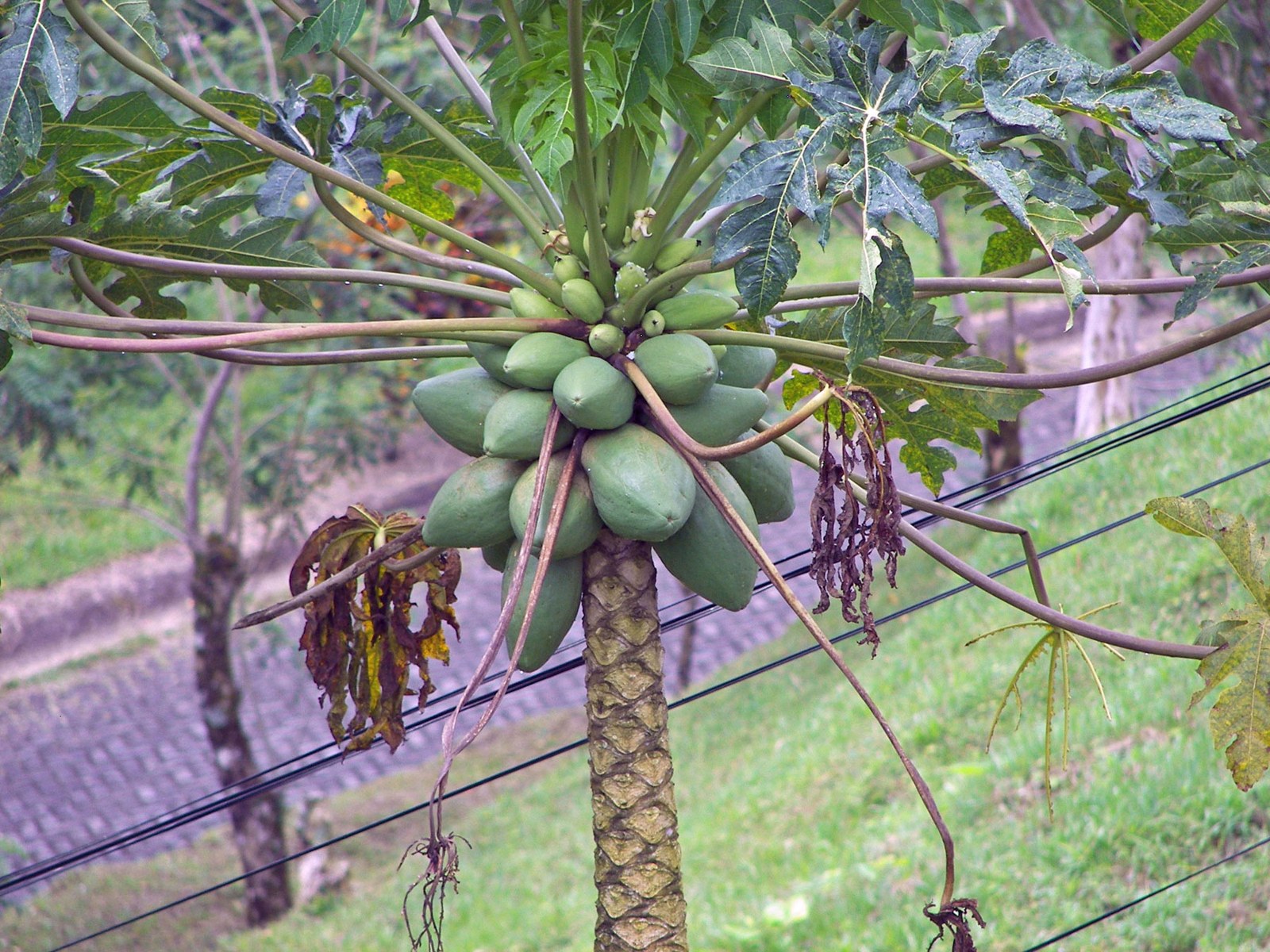
🫐 Papaya
Papayas hang in a ring just under the leaves, and the whole plant grows from seed to fruit in under a year.
 Vegetable
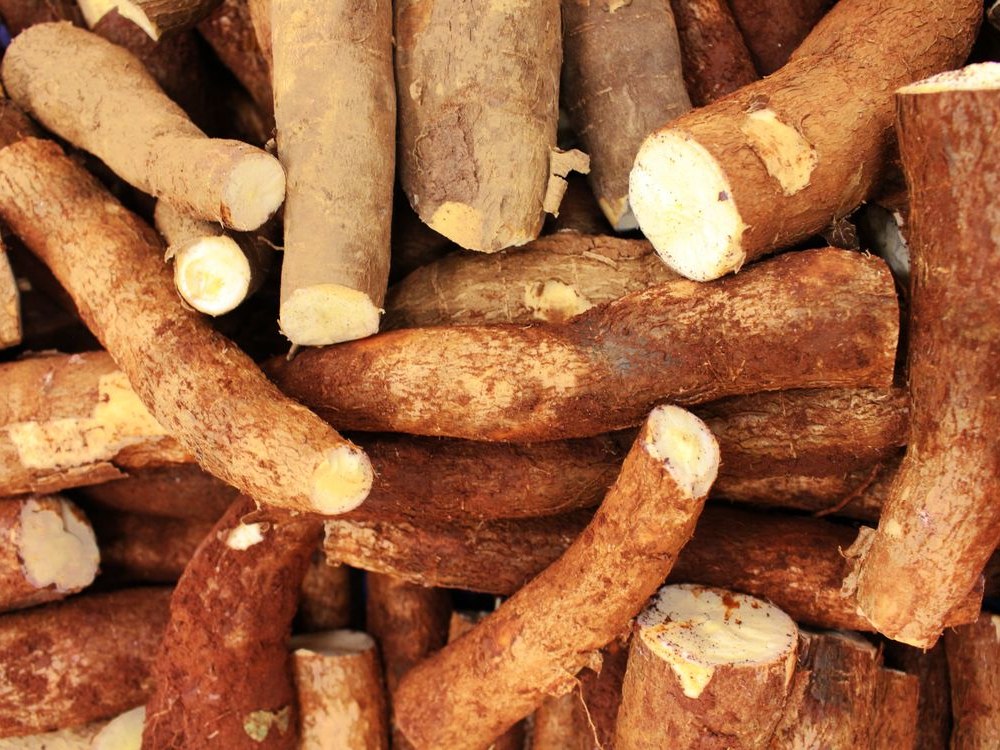
🥔 Cassava
Cassava roots feed over a billion people and are the plant that tapioca and garri are made from.
 Vegetable
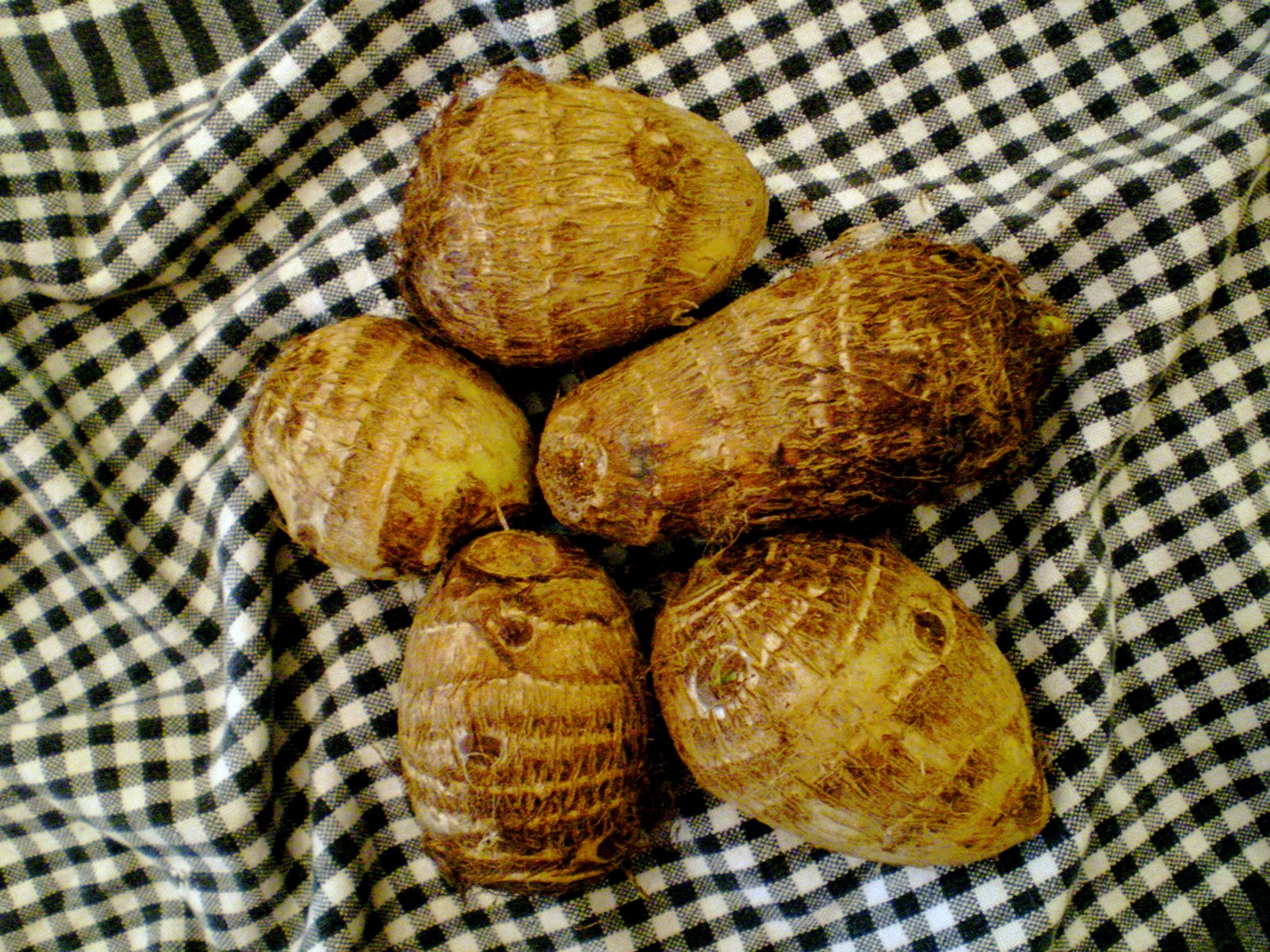
🥬 Taro
Taro has been grown in forest clearings for thousands of years and has huge heart-shaped leaves.
 Vegetable
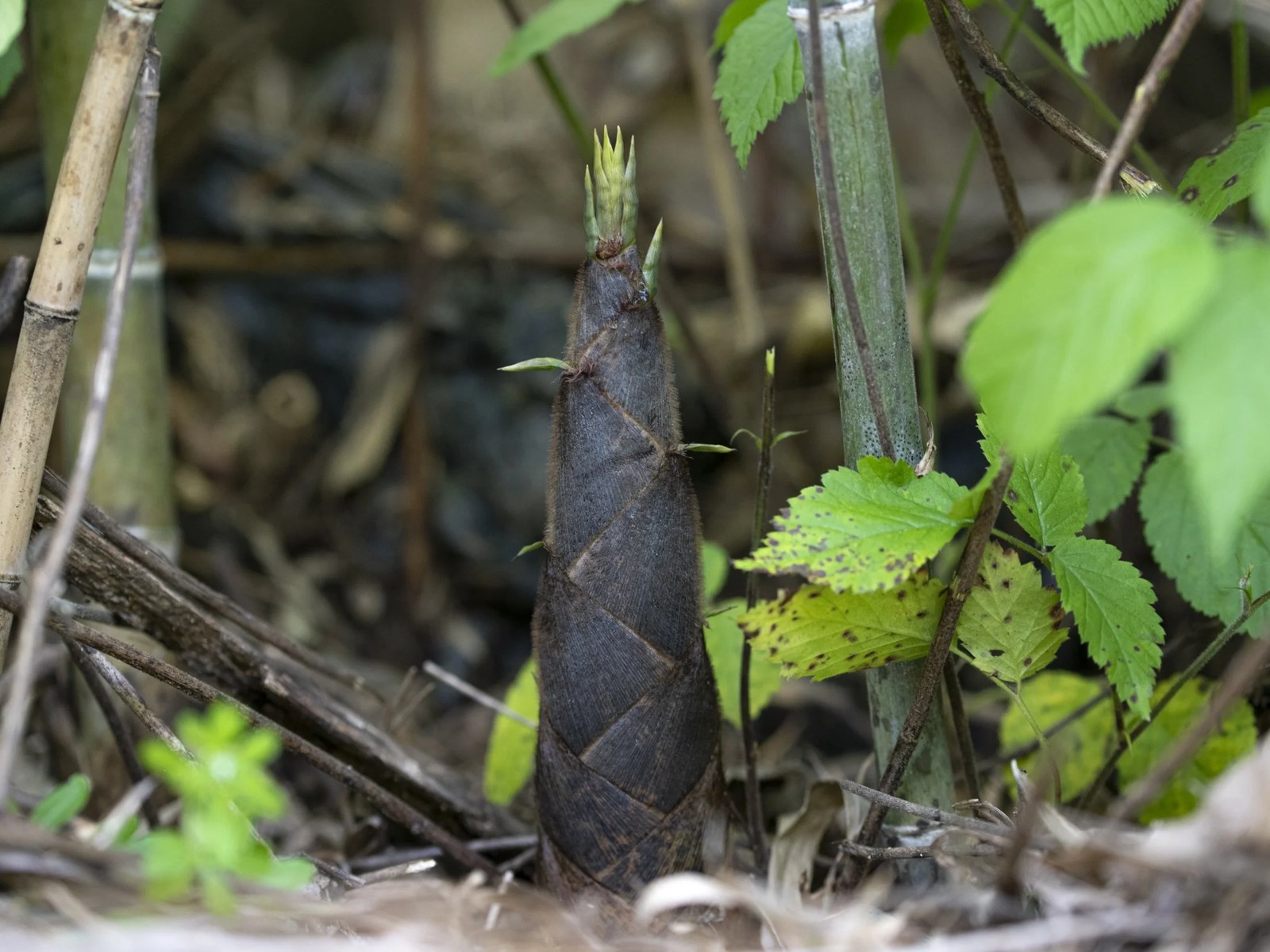
🎋 Bamboo Shoots
Bamboo shoots are the tender young sprouts of bamboo, which can grow almost a metre in a single day.
 Herb
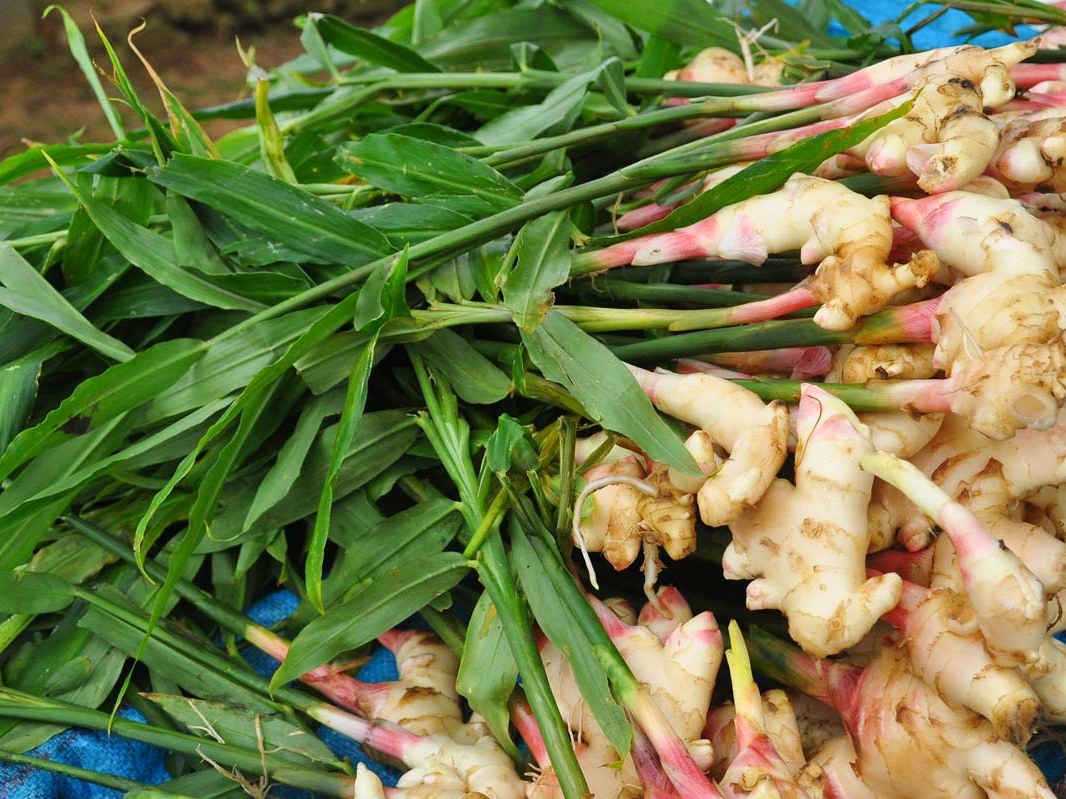
🫚 Ginger
The spicy part of ginger is the underground stem, grown in the warm shade beneath rainforest trees.
 Herb
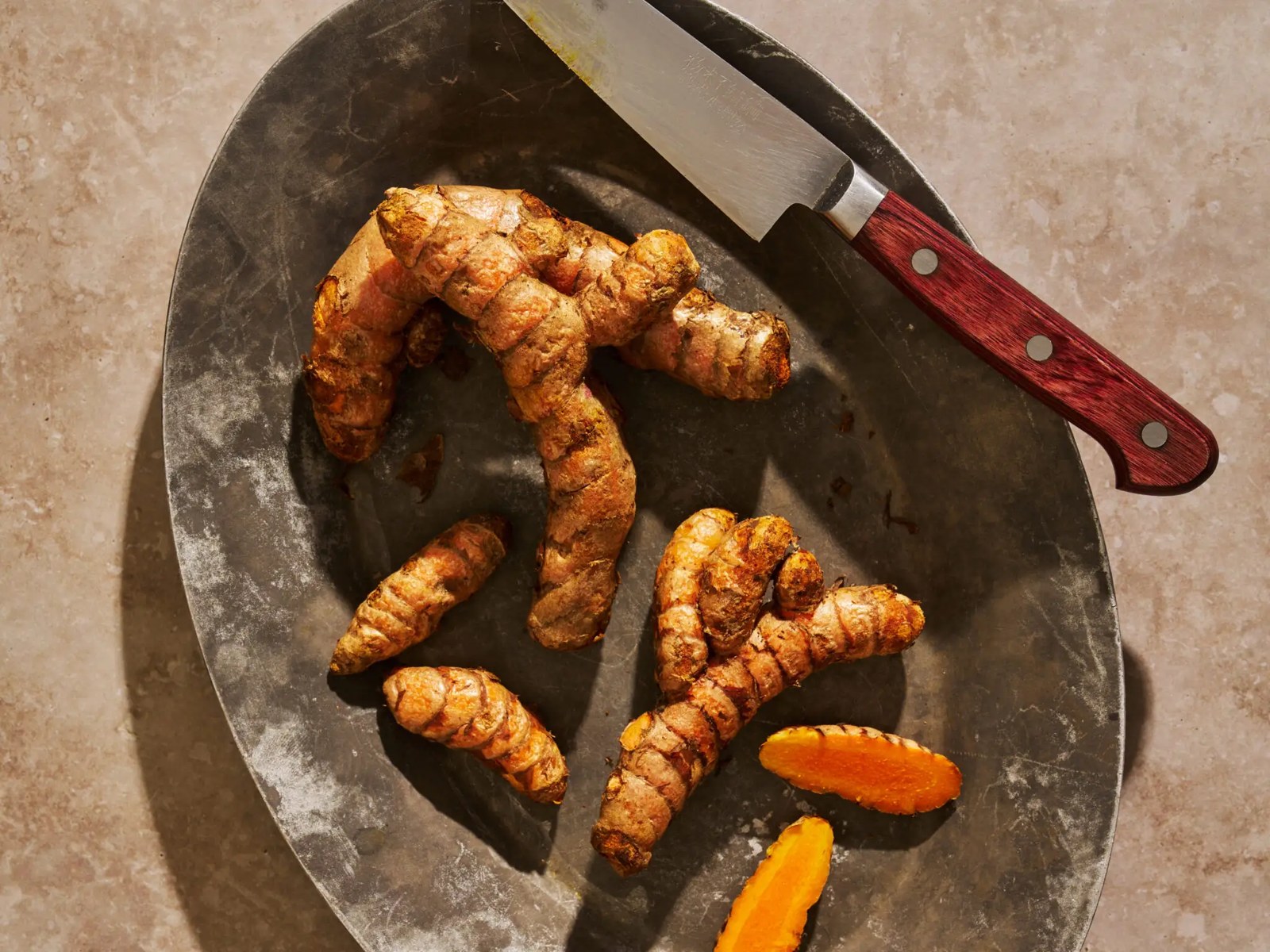
🫚 Turmeric
Turmeric roots are bright orange inside and give curry powder its golden colour.
 Spice
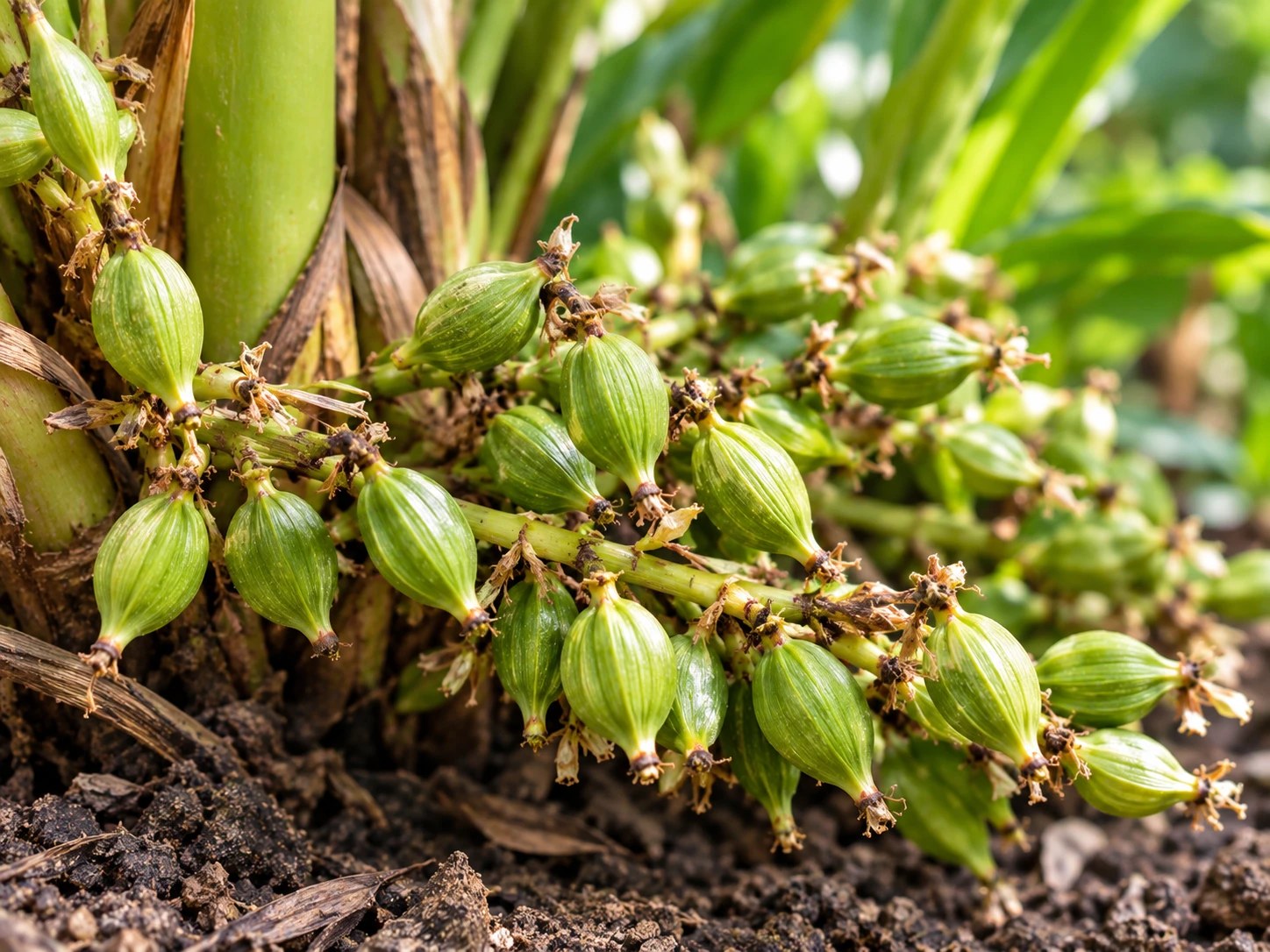
🌿 Cardamom
Cardamom pods grow at the foot of the plant and are one of the most expensive spices by weight.
 Spice
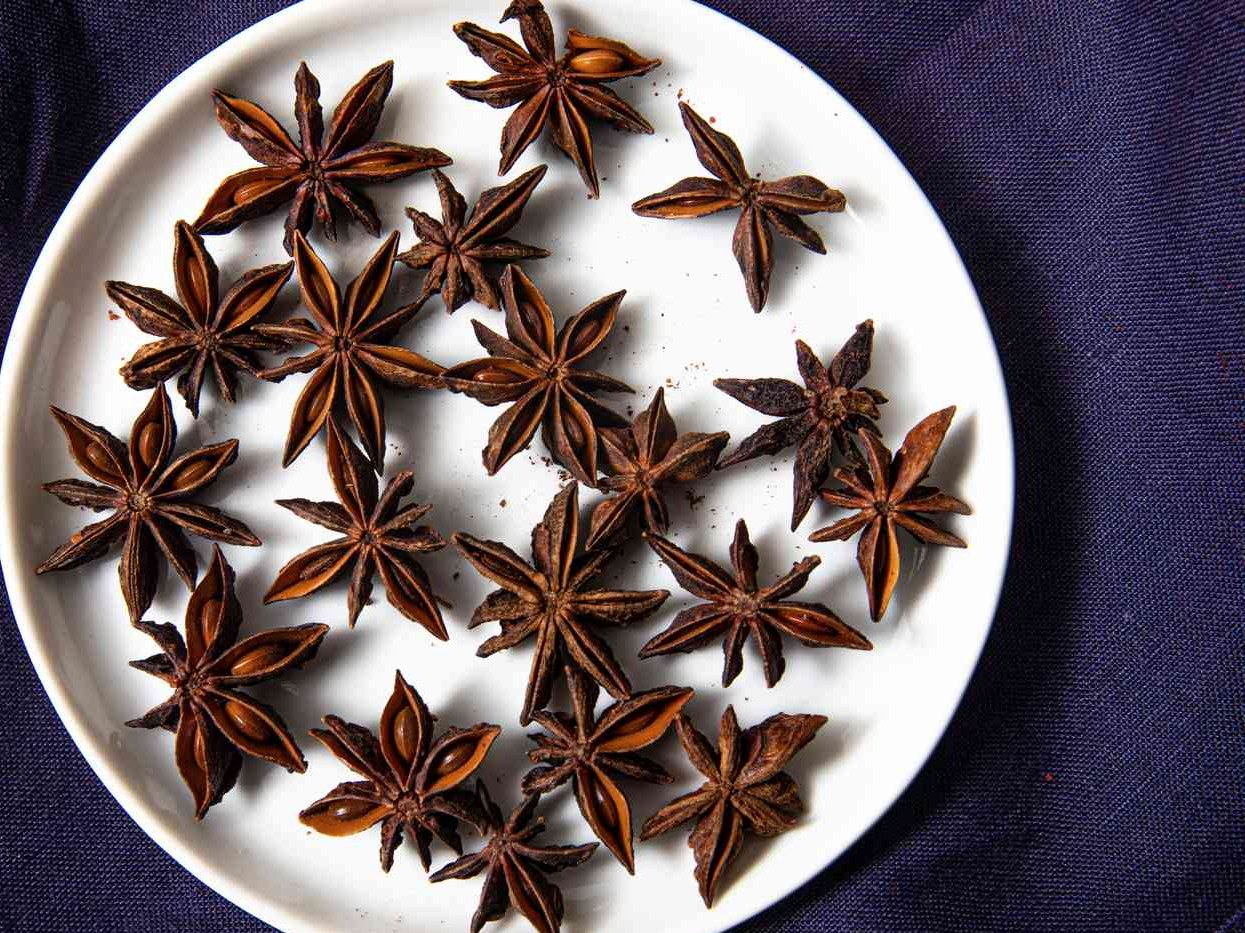
⭐ Star Anise
Star anise is a dried fruit shaped like a perfect star, each point holding one shiny seed.
 Spice
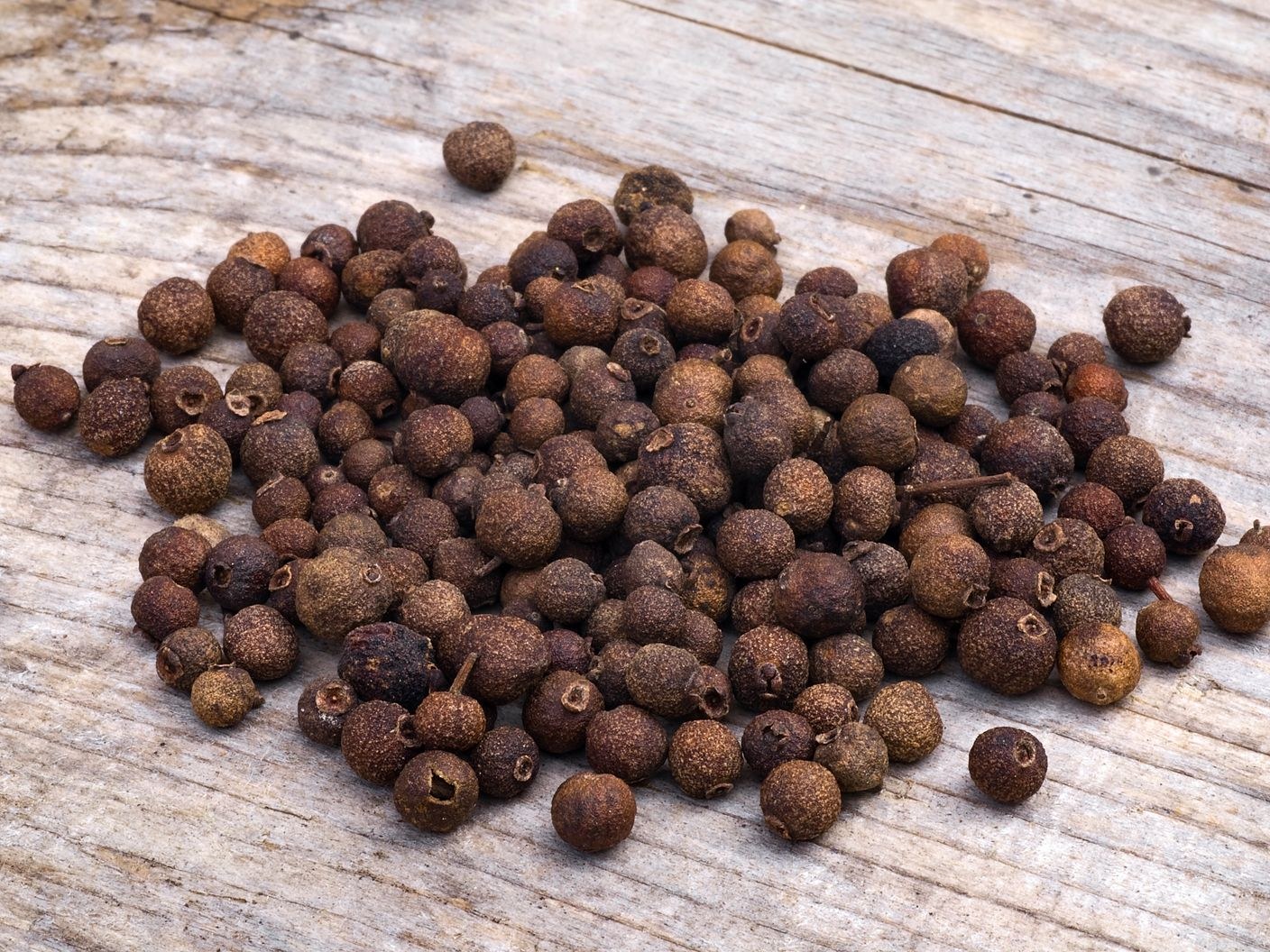
🌰 Allspice
Allspice tastes like cinnamon, cloves and nutmeg all at once — which is how it got its name.
 Herb
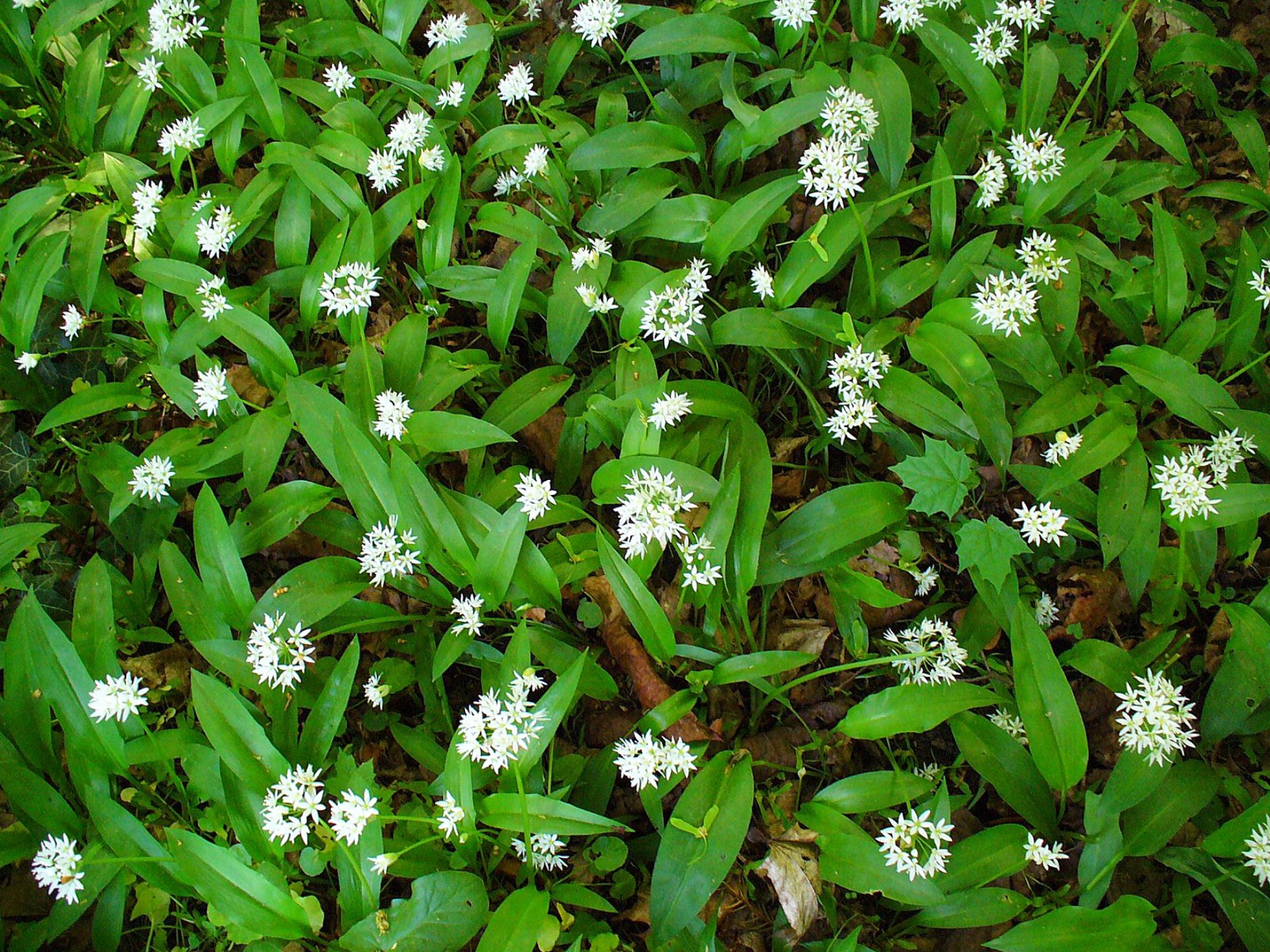
🧄 Wild Garlic
Wild garlic carpets spring woodlands with a garlicky scent and clouds of white star-shaped flowers.
 Herb
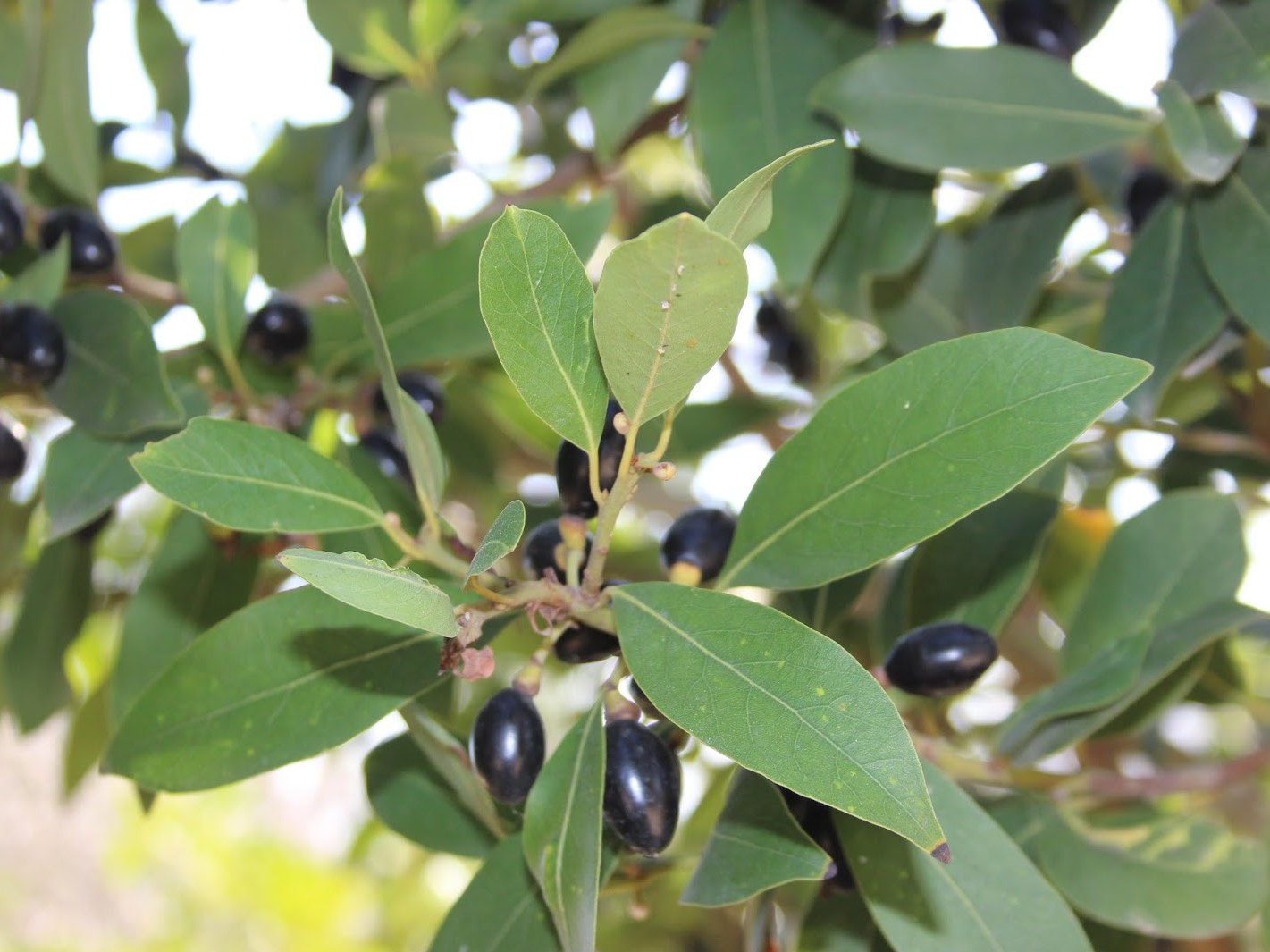
🌿 Bay Leaf
Bay leaves come from the laurel tree — the same leaves once woven into crowns for ancient champions.
 Nut
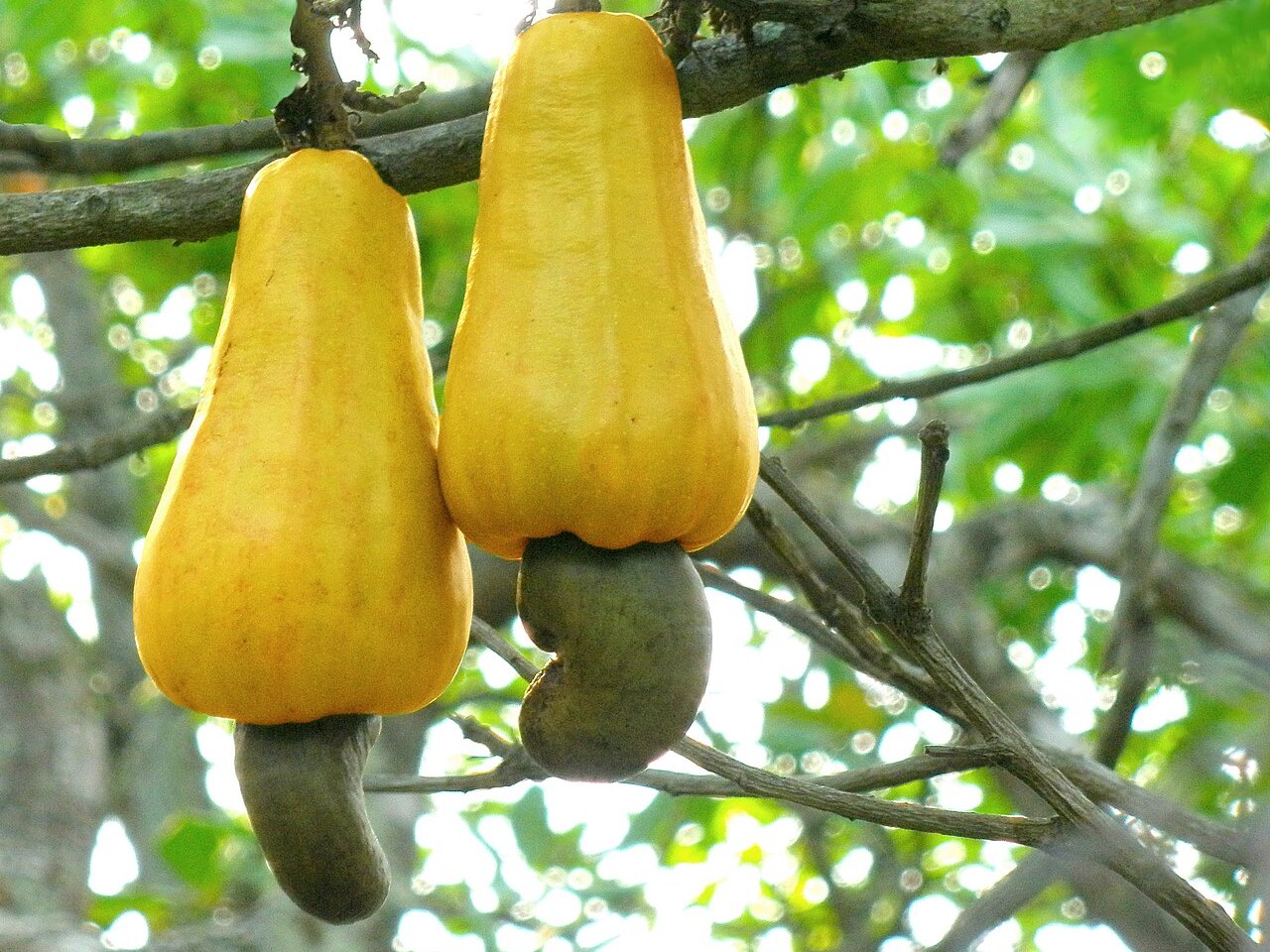
🥜 Cashew
Each cashew nut hangs below a juicy “cashew apple”, with the nut growing outside the fruit.
 Nut
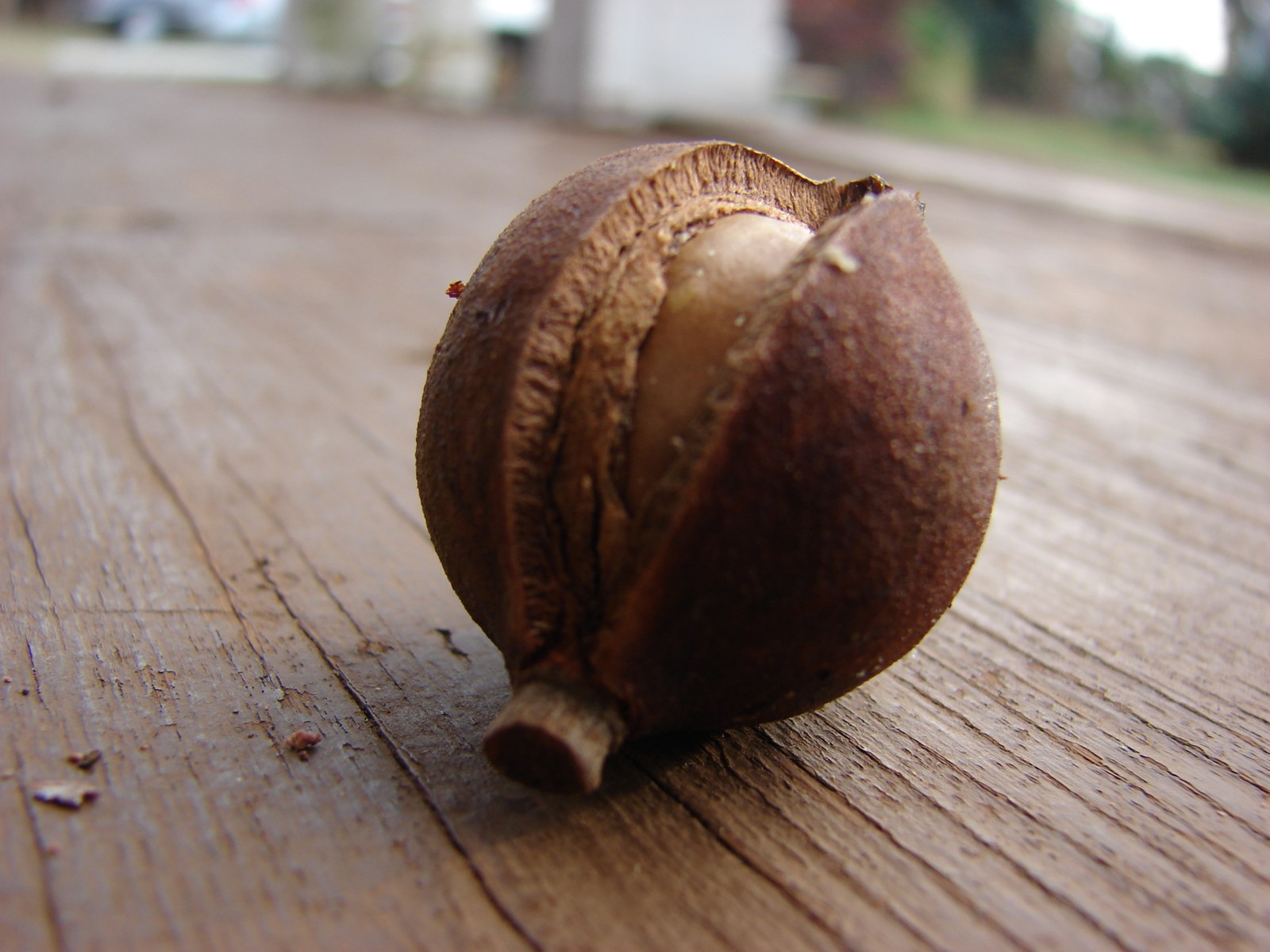
🌰 Macadamia
Macadamias come from Australian rainforests and have one of the hardest shells of any nut.
 Nut
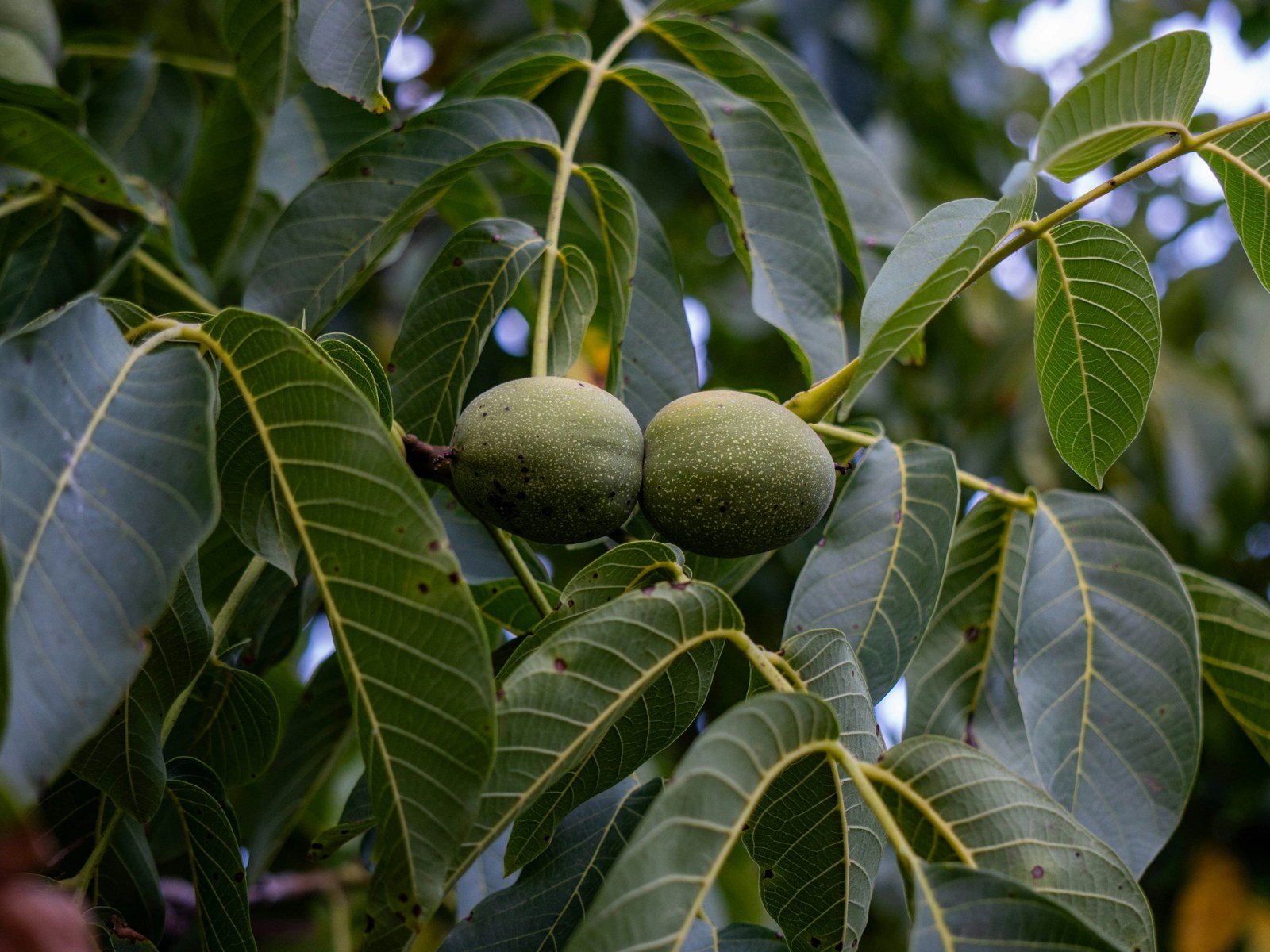
🌰 Walnut
Walnuts grow inside a green husk on the tree, hiding the wrinkly brain-shaped nut we eat.
 Fruit
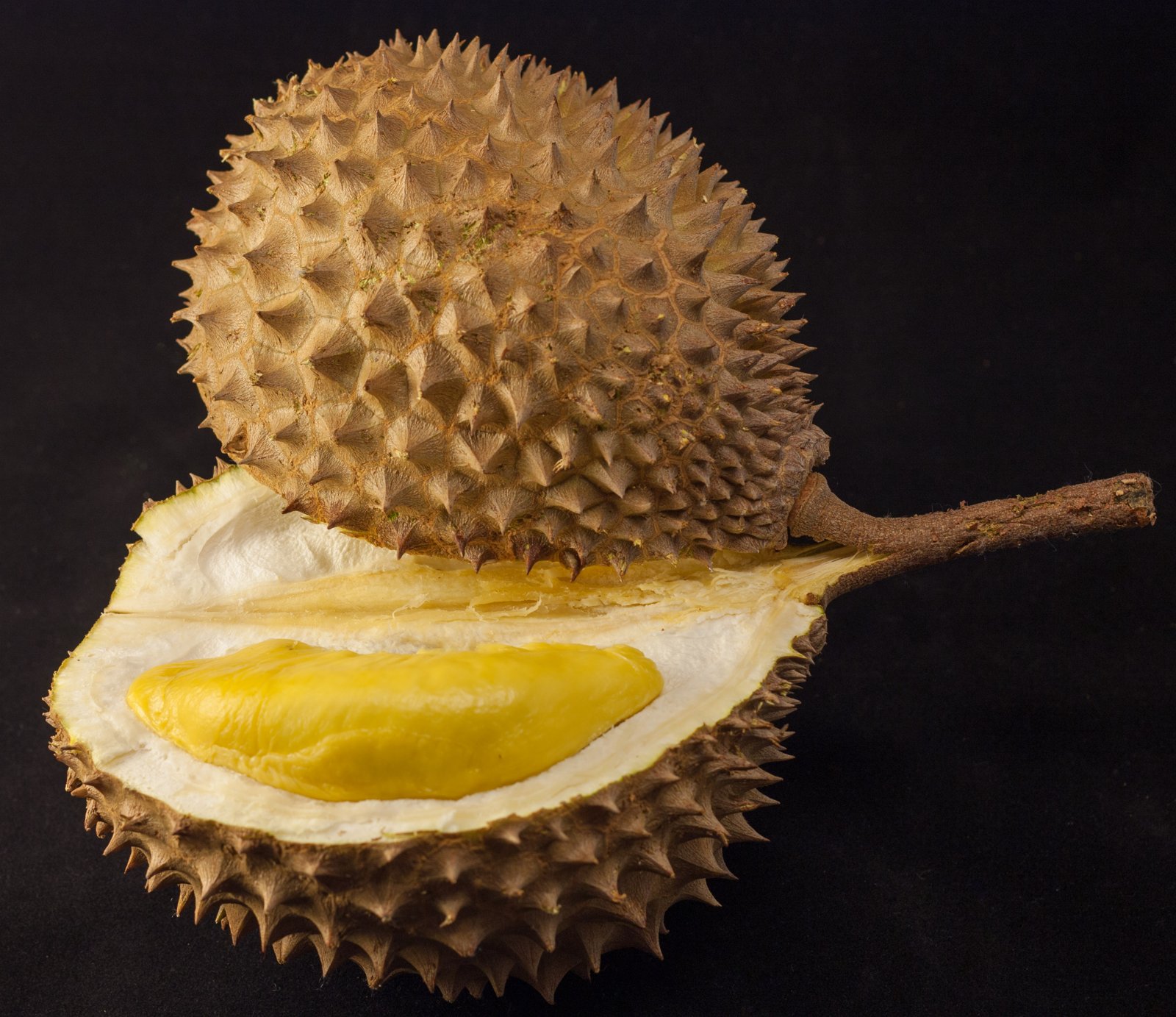
🥮 Durian
Known as the “king of fruits,” durian smells so strong it is banned on many buses and hotels across Southeast Asia.
 Fruit
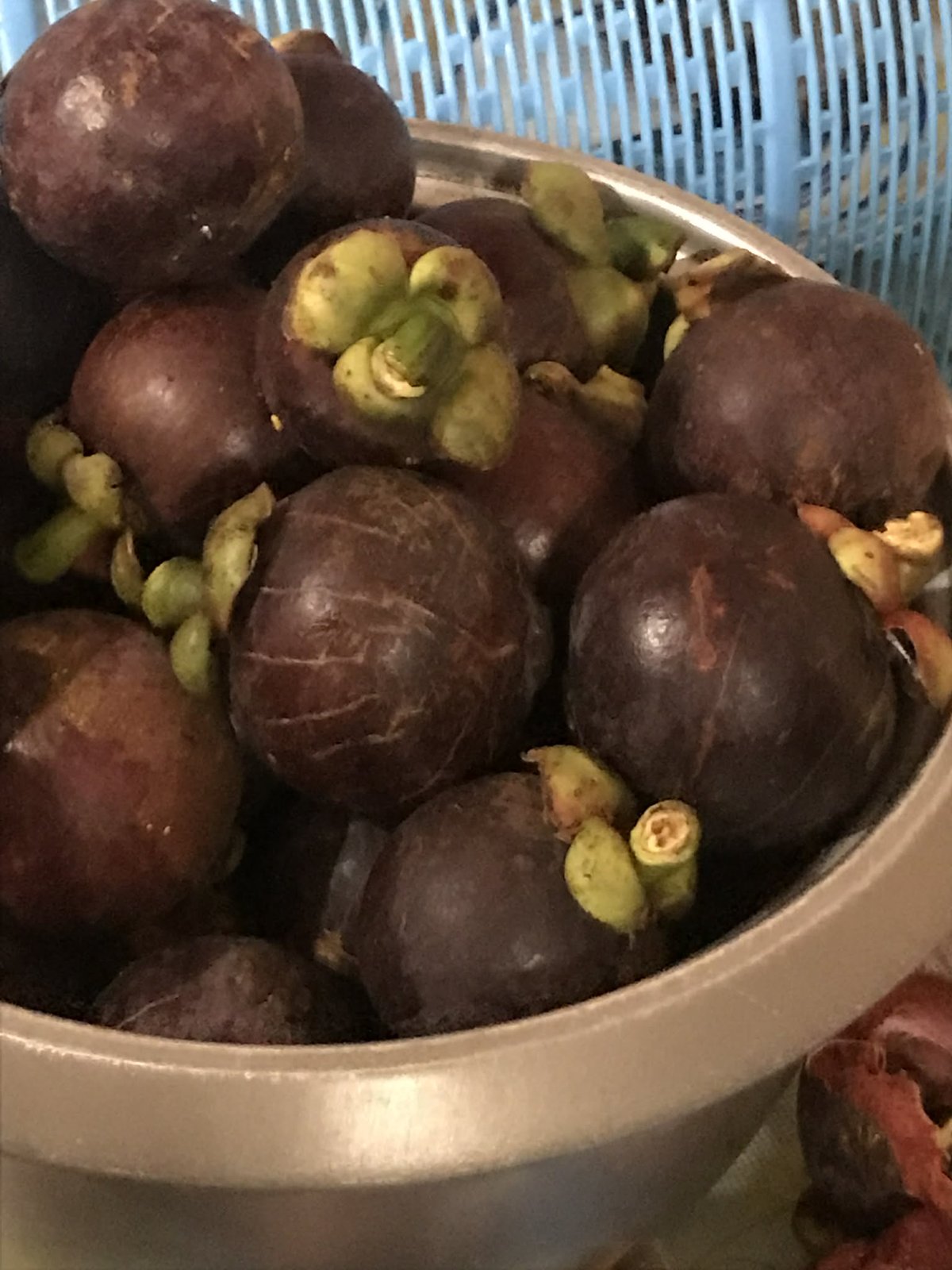
🟣 Mangosteen
Called the “queen of fruits,” its thick purple rind hides sweet, snow-white segments that taste like peach and citrus.
 Fruit
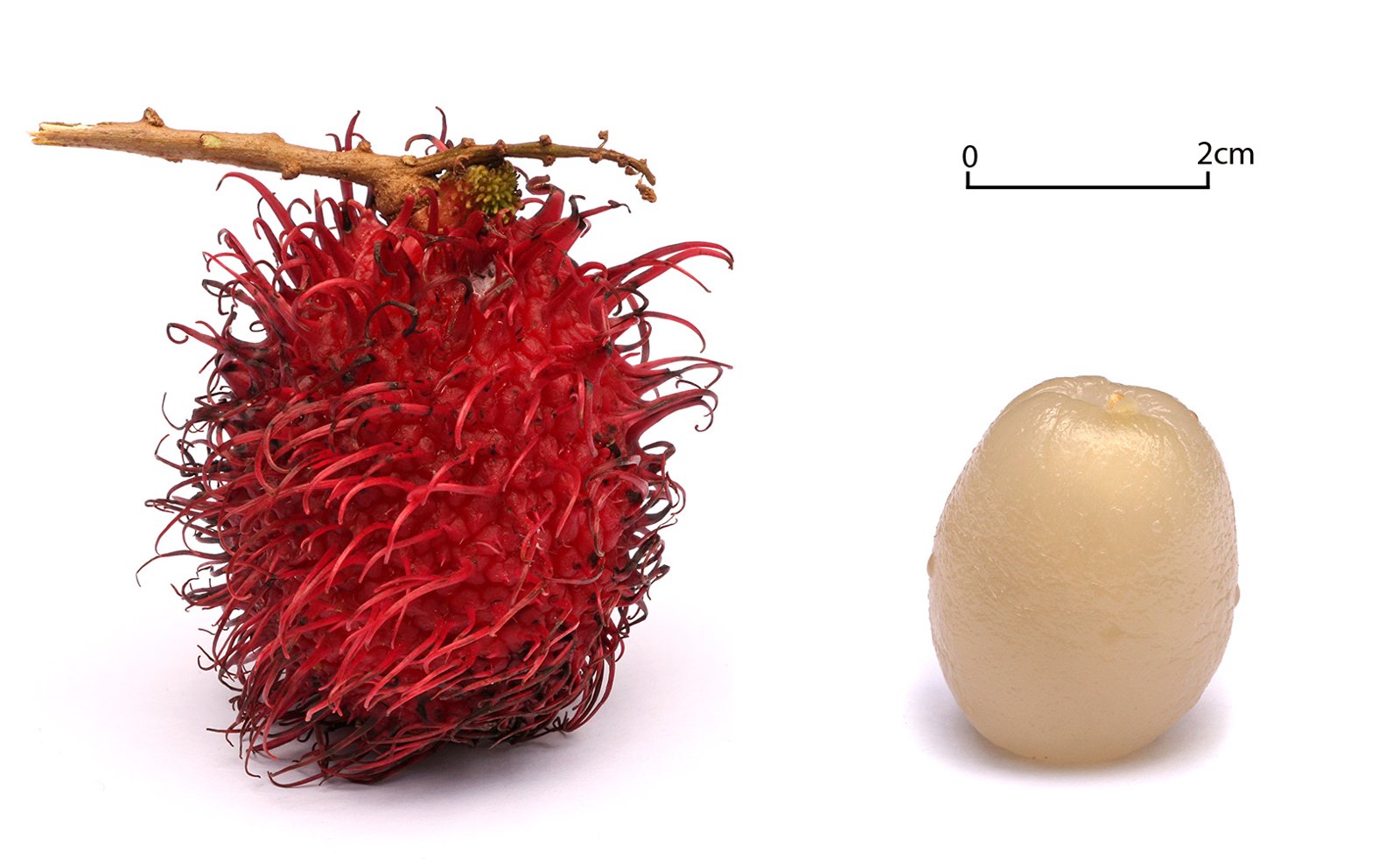
🔴 Rambutan
Its name comes from the Malay word for “hair” — the red fruit is covered in soft, bendy spines.
 Fruit
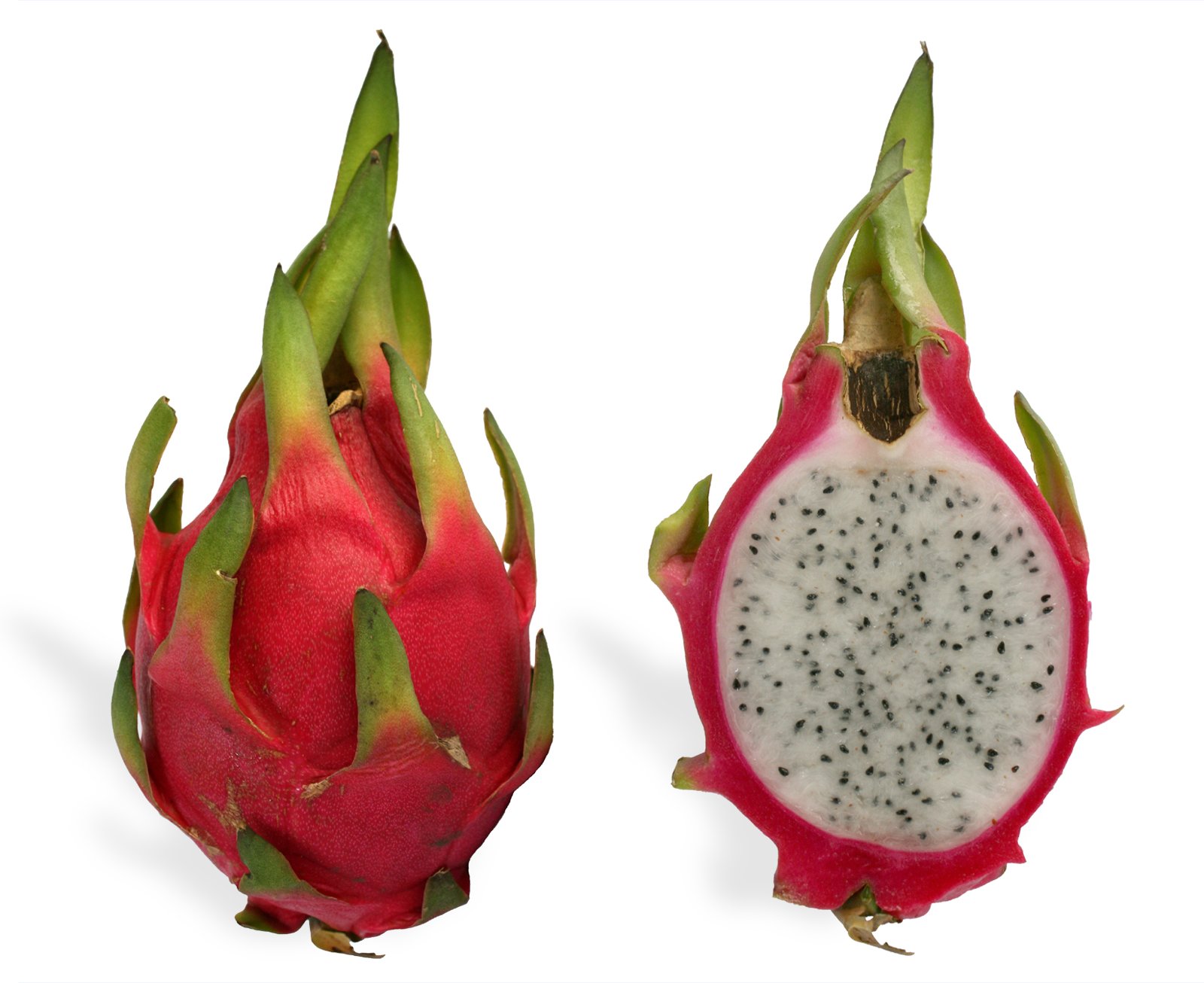
🐉 Dragon Fruit
Dragon fruit grows on a climbing cactus whose giant flowers bloom for just one night.
 Fruit
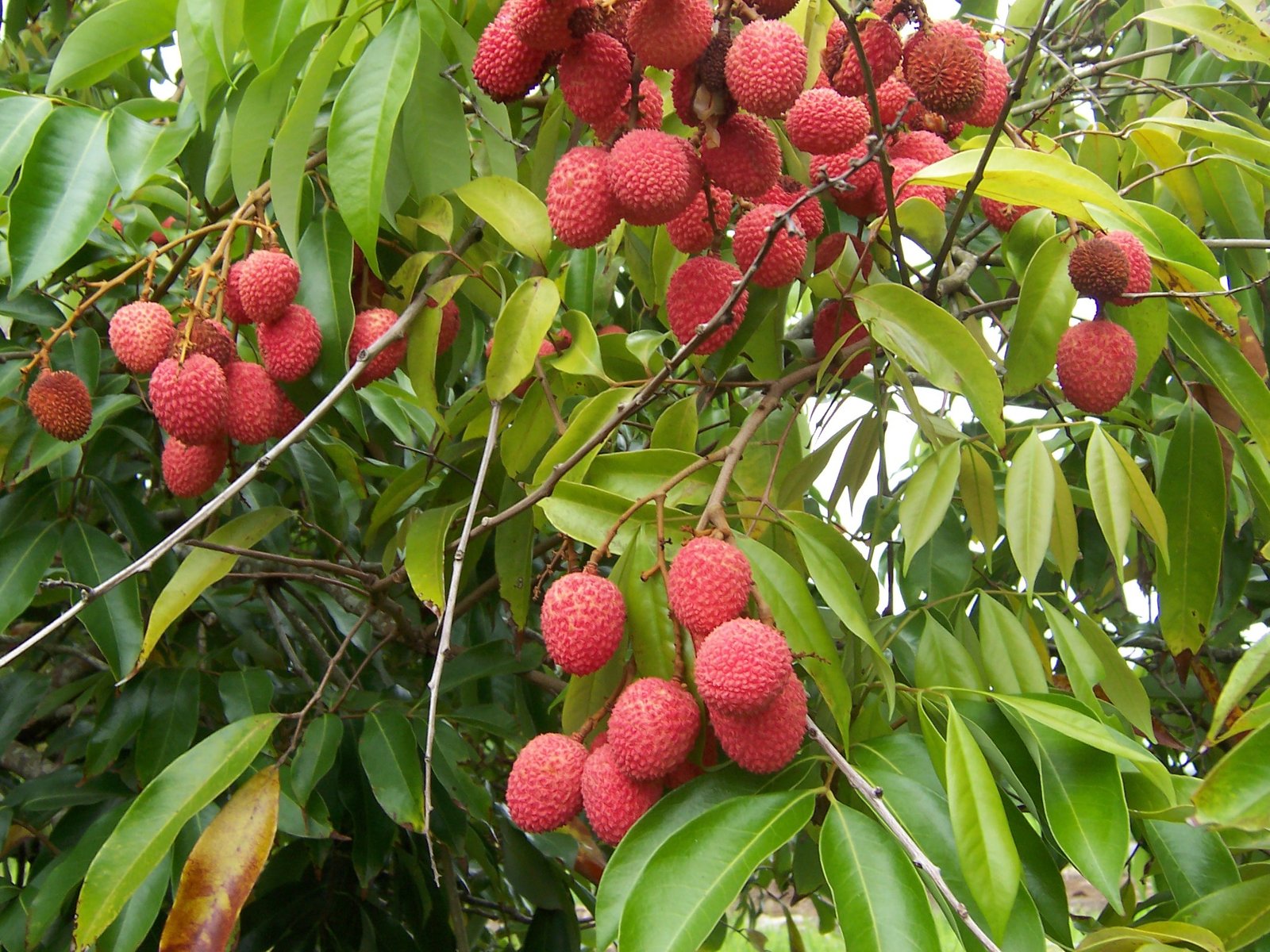
🩷 Lychee
Lychees have been prized in China for over 2,000 years and were once rushed to emperors by horseback.
 Fruit
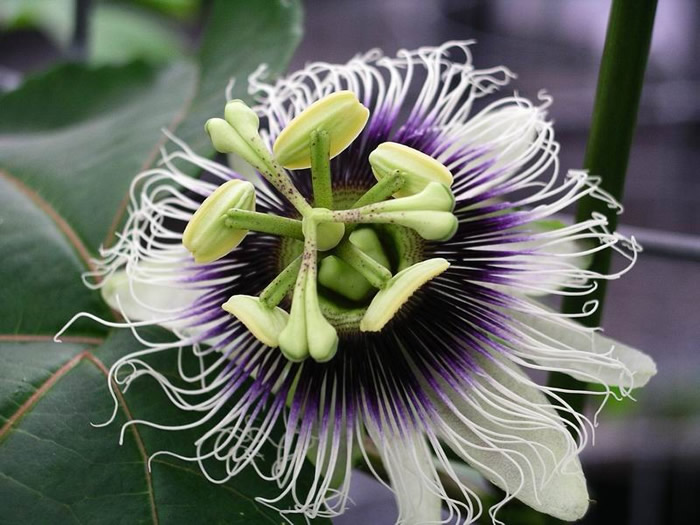
🟡 Passion Fruit
The fruit comes from a vine with one of the most elaborate flowers on Earth, pollinated by large carpenter bees.
 Fruit
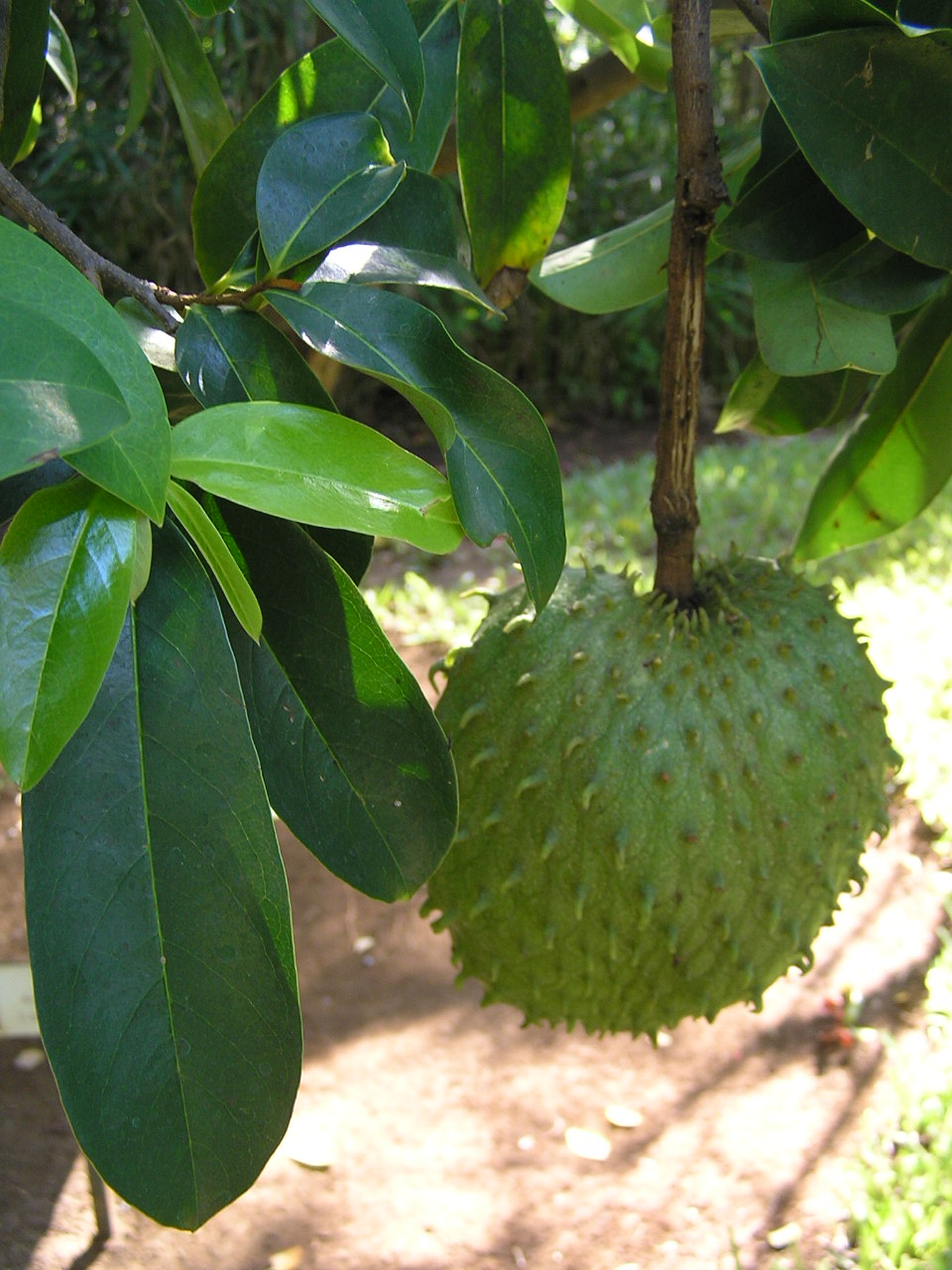
🟢 Soursop
Also called guanábana, this spiky fruit has creamy flesh that tastes like a blend of strawberry and pineapple.
 Fruit
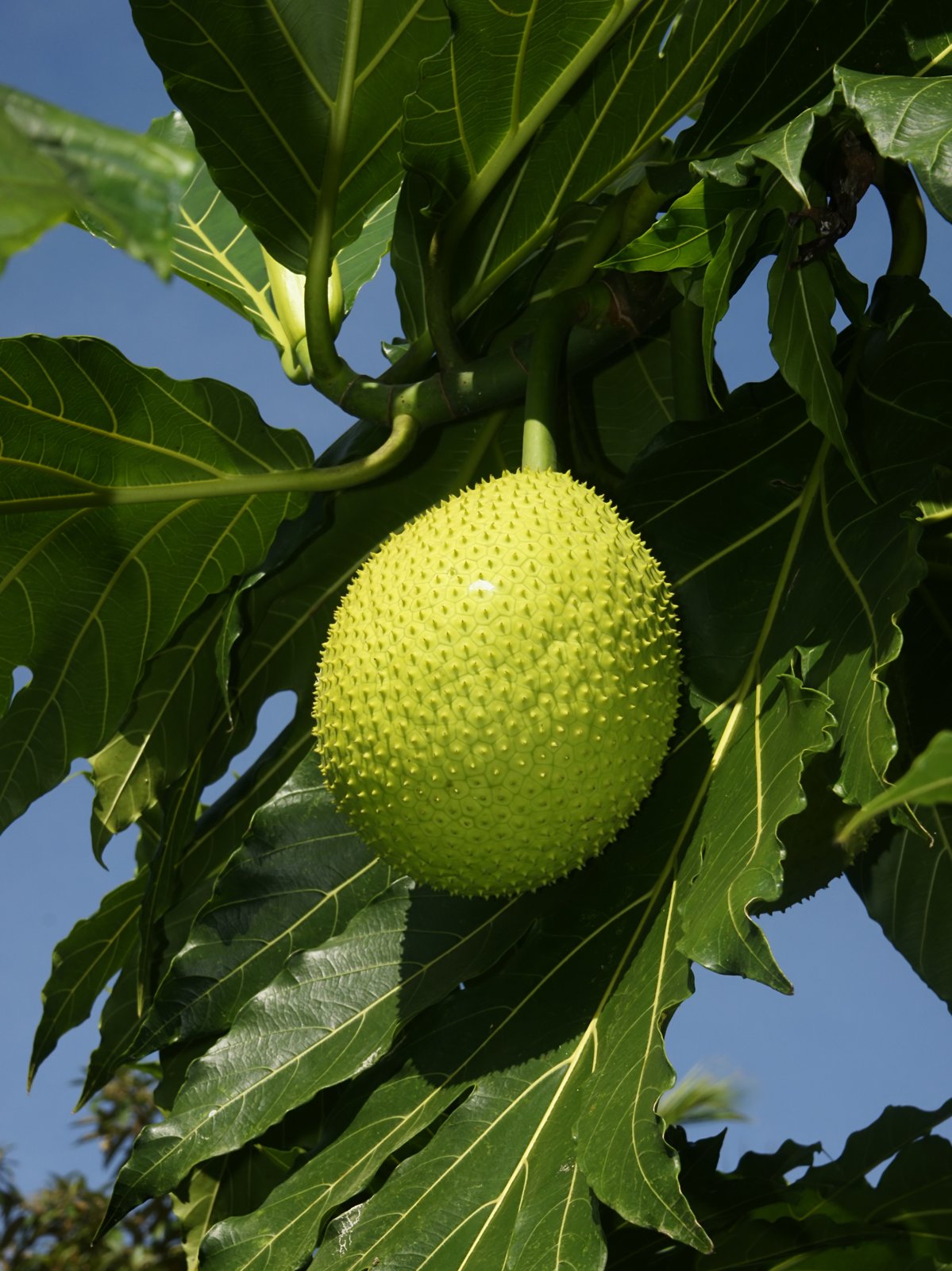
🍈 Breadfruit
When roasted, breadfruit tastes like fresh bread — a single tree can feed a family for decades.
 Vegetable
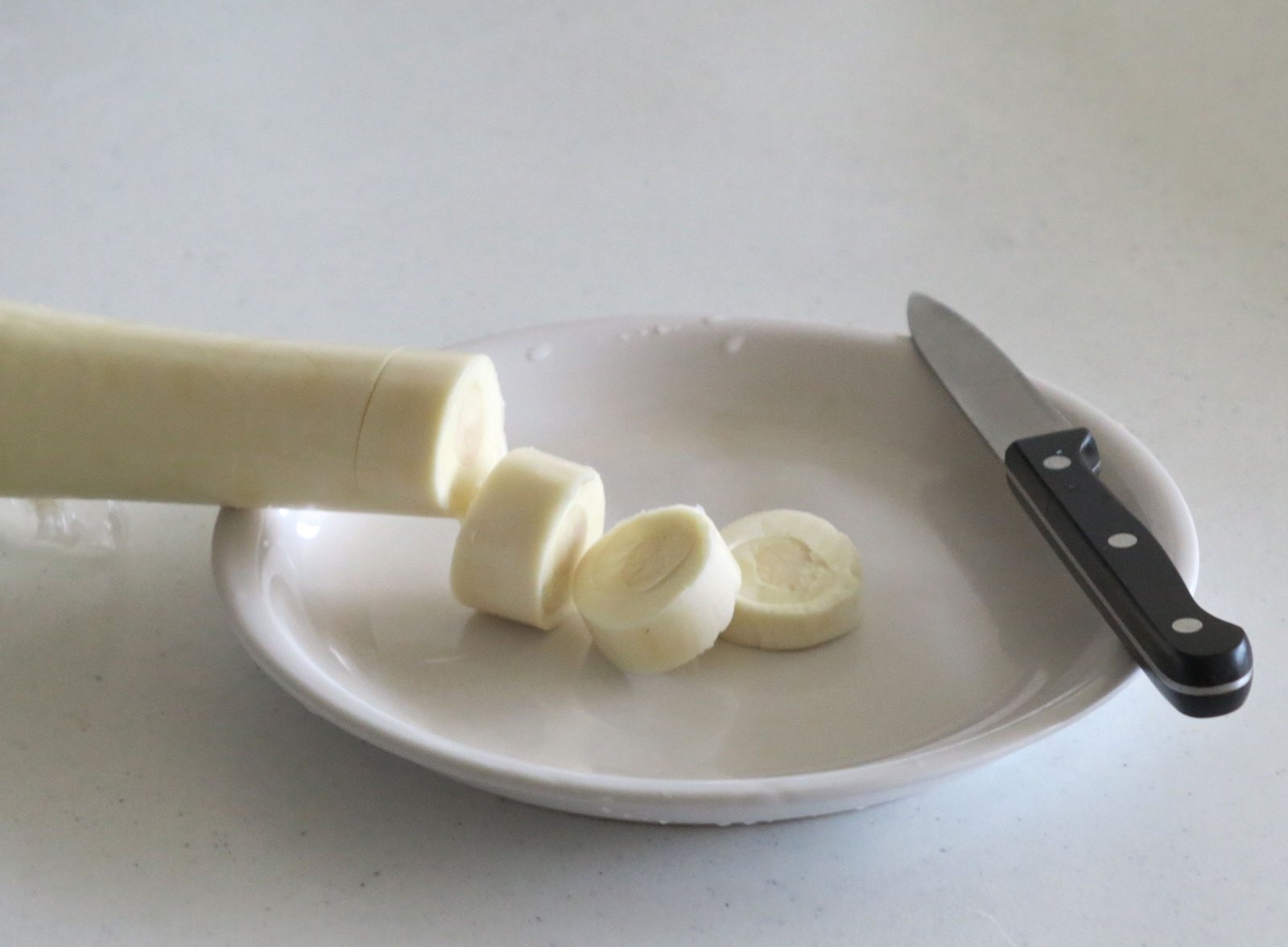
🌴 Heart of Palm
This tender vegetable is harvested from the soft inner core of certain palm trees.
 Vegetable
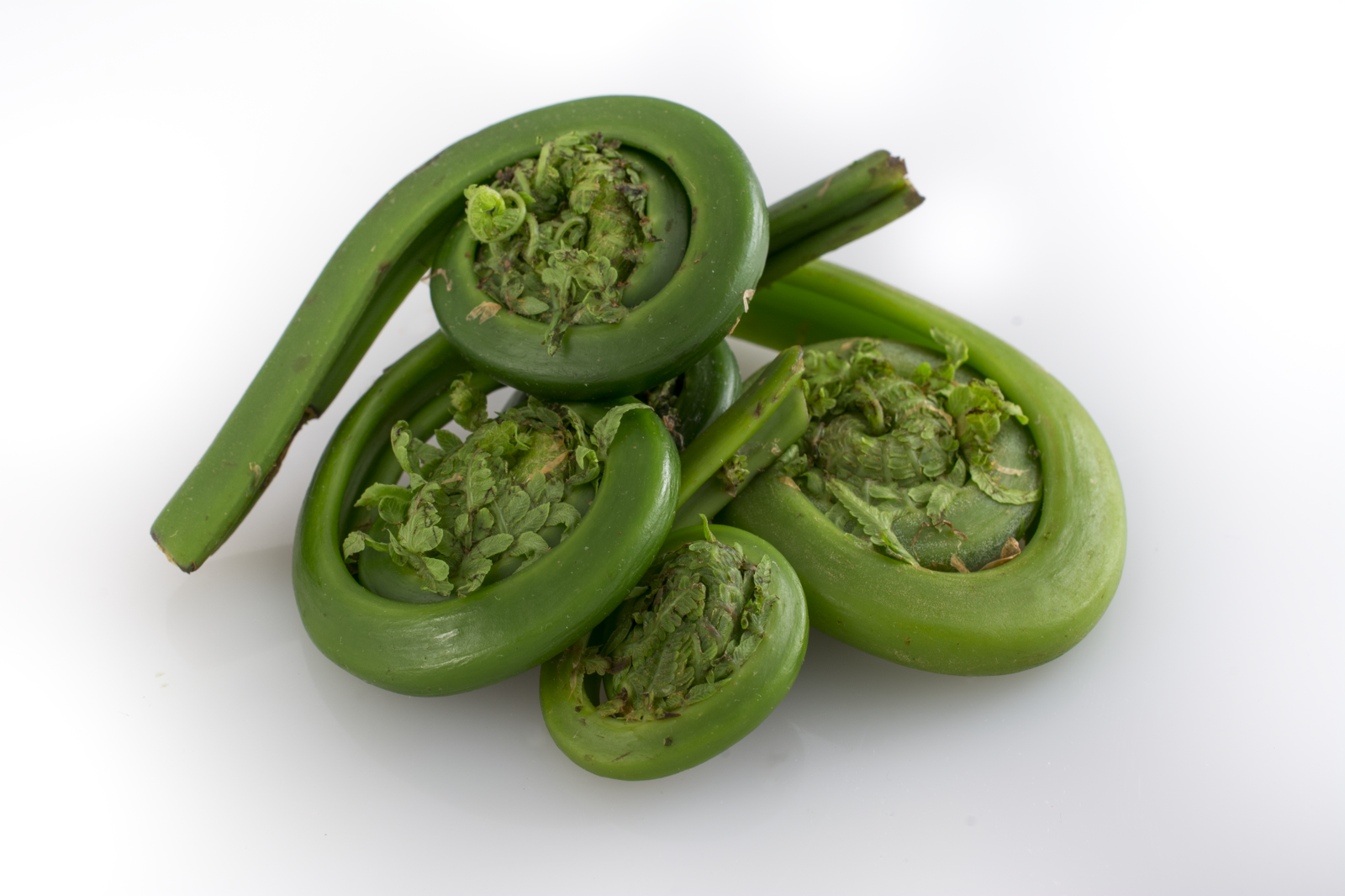
🌿 Fiddlehead Ferns
These curled young fern shoots are foraged in spring and must be cooked before eating.
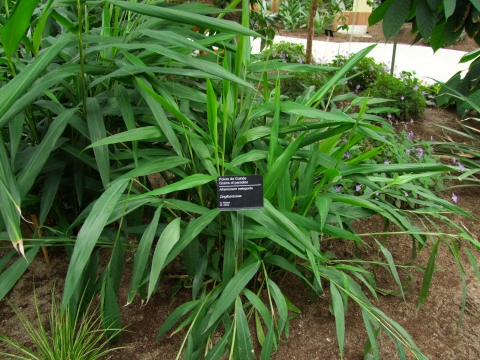 Spice
🌶️ Grains of Paradise
This peppery West African spice was so valuable in medieval Europe it was traded like gold.
Test yourself
The Forest Quiz
Put everything you've learned to the test.
Guess the Forest
8 quick questions on the forests of the world. How many can you get?
Did you know?
Amazing forest facts
Forests cover about 31% of all the land on Earth — roughly 4 billion hectares.
Around 1.6 billion people depend directly on forests for food, water, fuel and shelter.
Forests are home to about 80% of the world’s land animals, plants and insects.
A large tree can lift hundreds of litres of water from its roots to its leaves every day.
The Amazon alone produces roughly 20% of the oxygen made by land plants.
Tropical forests are being lost at a rate of several football fields every minute.
Mangroves and peat-swamp forests store some of the densest carbon on the planet.
The world’s oldest known tree is a bristlecone pine over 4,800 years old.
Keep exploring
Explore related sections
The forest connects to the whole living planet. Jump to another part of GeoQuest.