Treasures of the Earth
Treasures of the Earth
The gems, metals and minerals our planet forges deep underground — how they are born, where they are found most, who mines the most of them, and how we dig them out.
How Rocks Form
Every treasure begins in rock. Geologists sort every rock on Earth into just three great families by how it forms — igneous, sedimentary and metamorphic — but each family holds dozens of specific rock types. Here are 40 of them with photos, grouped by family. Hover any tile for a one-line description.
🌋 Igneous (Volcanic) Rocks
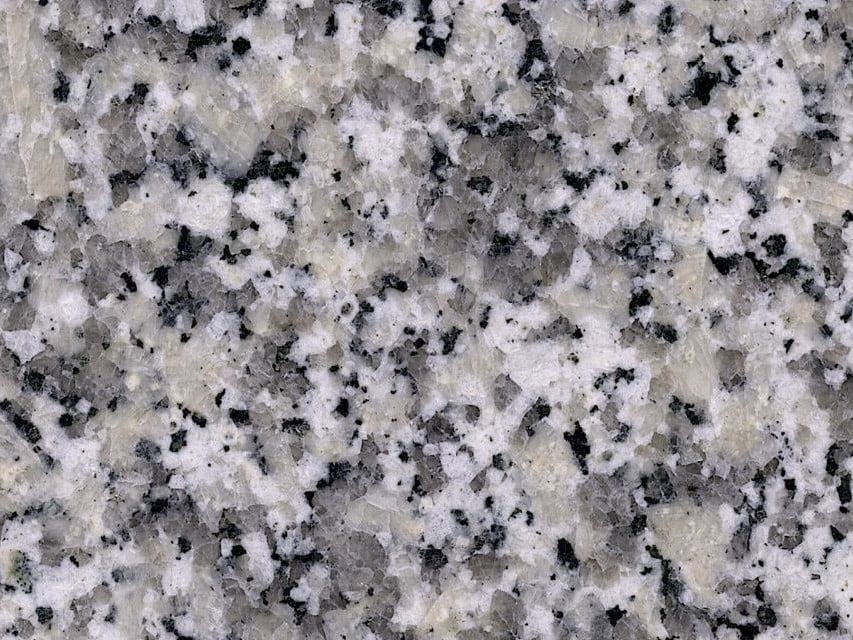
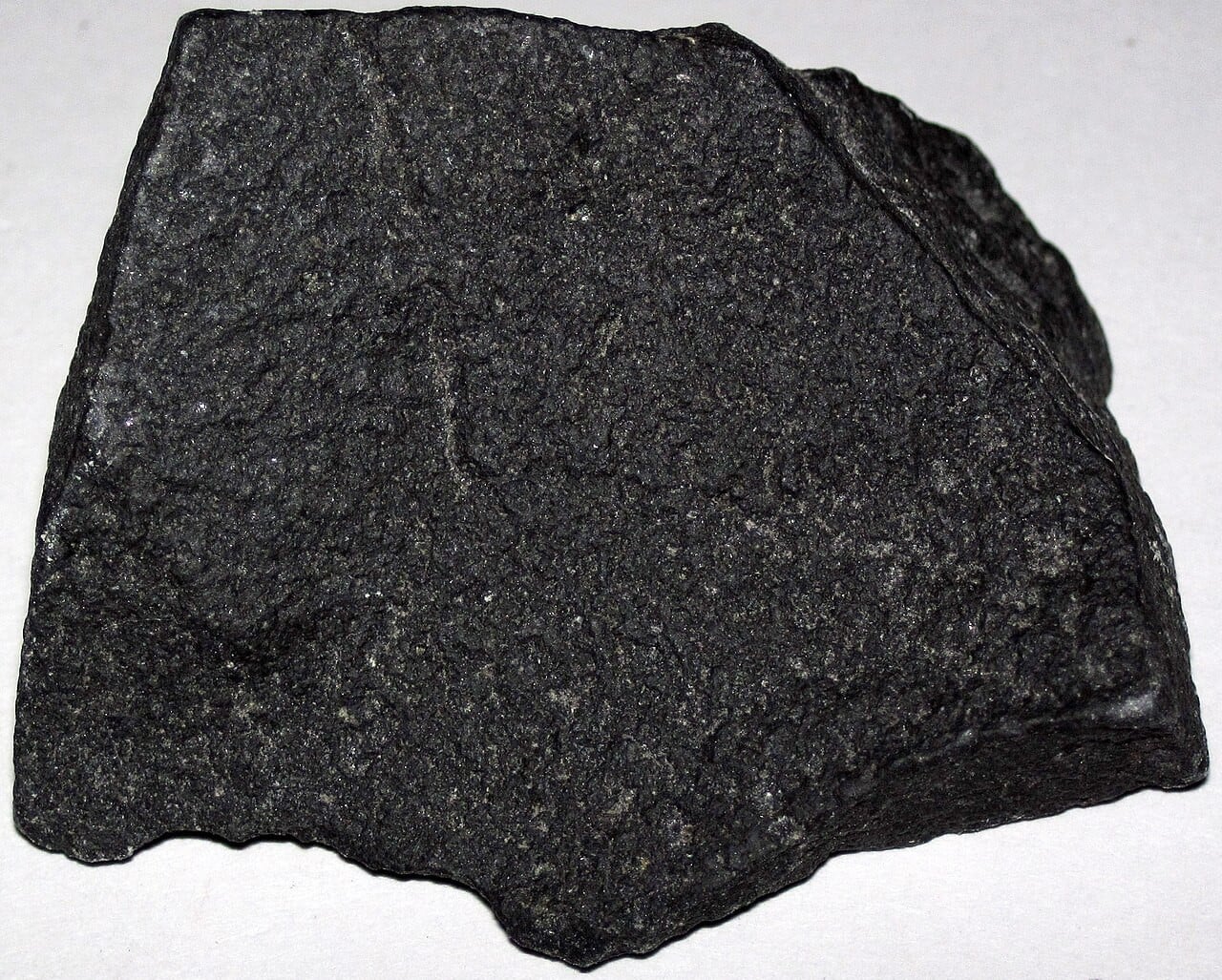
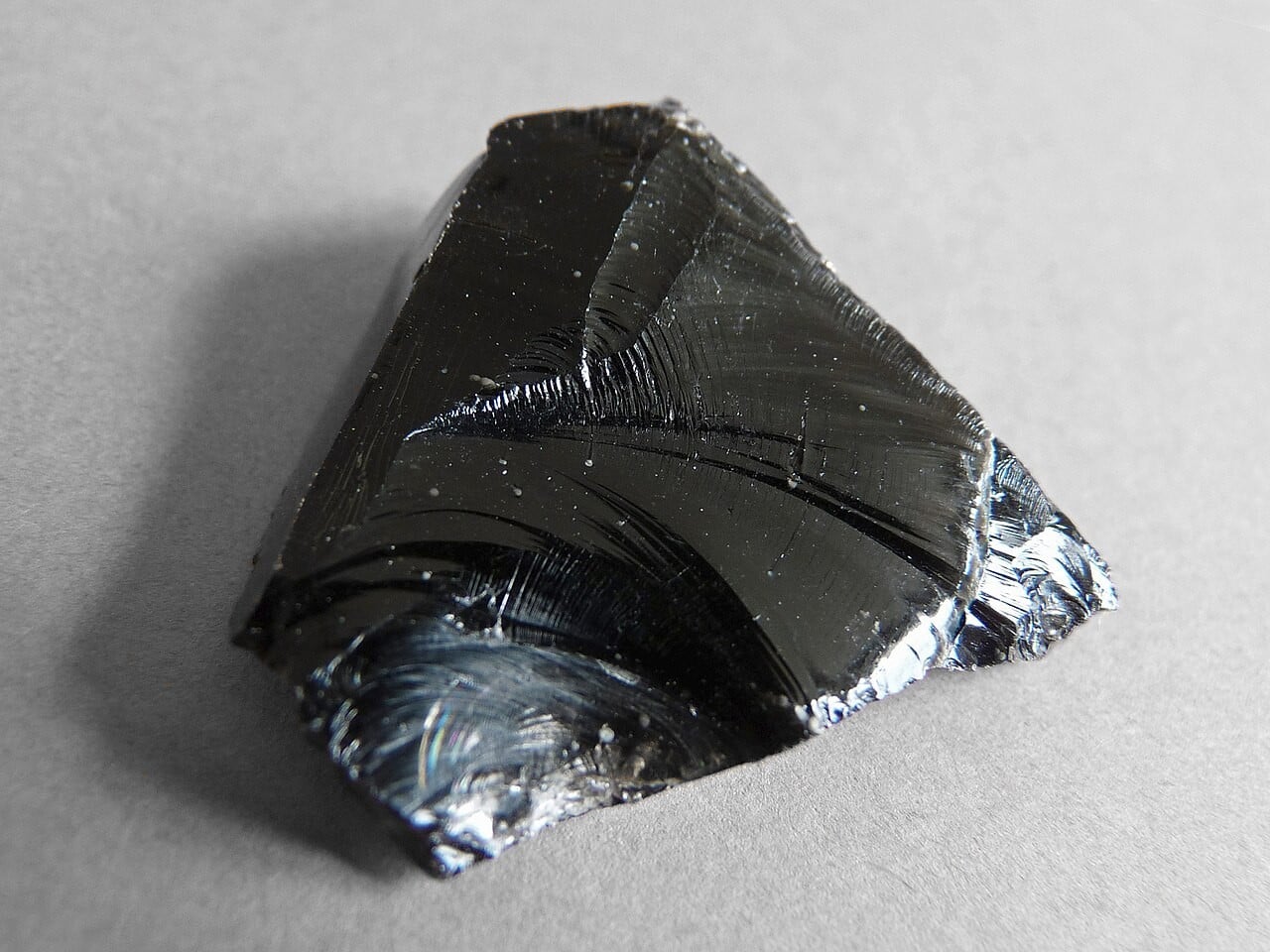
Born of fire. When molten rock — magma below ground or lava at the surface — cools and crystallises, it forms igneous rock. Slow cooling deep underground grows large interlocking crystals (granite); fast cooling at the surface makes fine-grained or glassy rock (basalt, obsidian).
14 rock types in this family
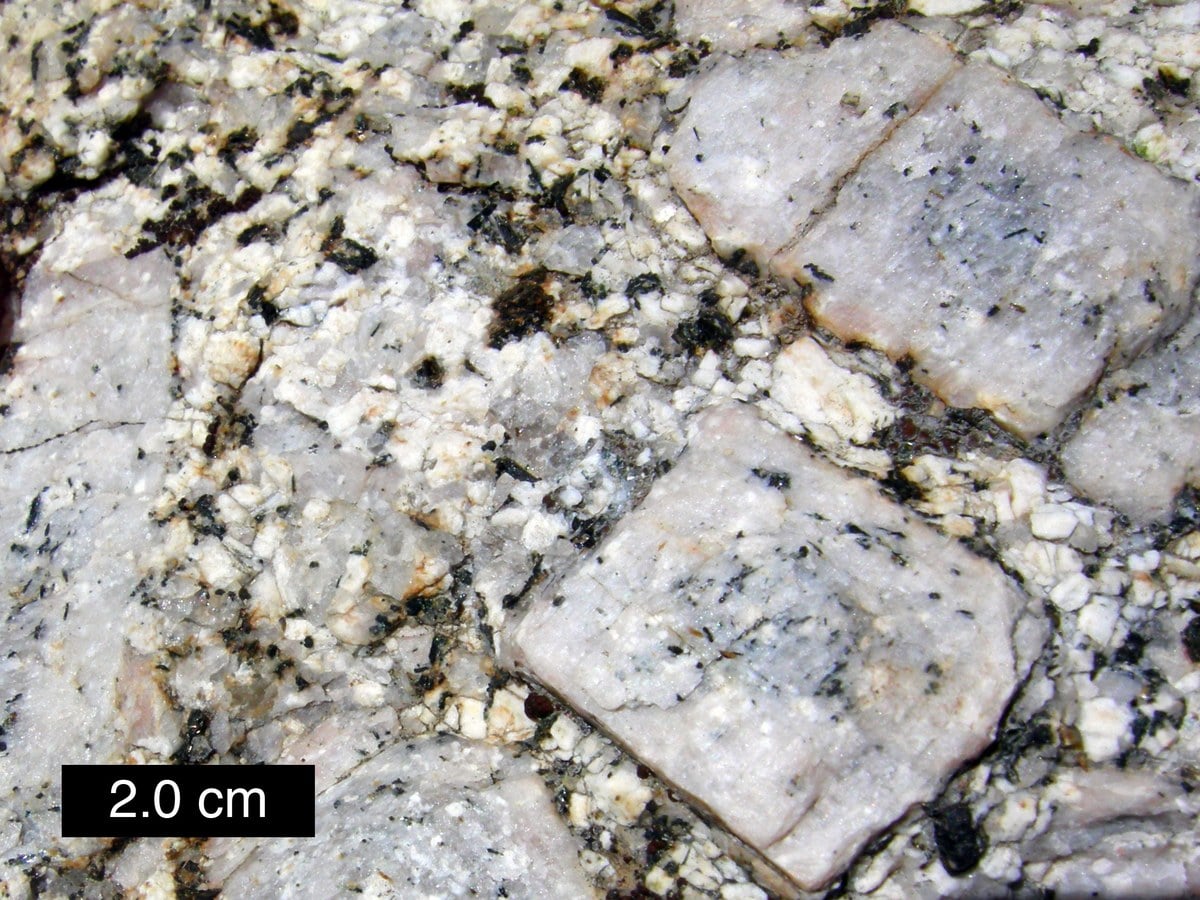
Granite
Basalt
Obsidian
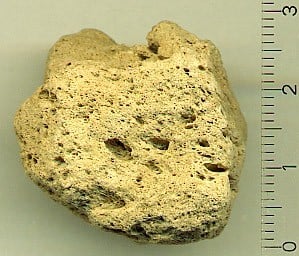
Pumice
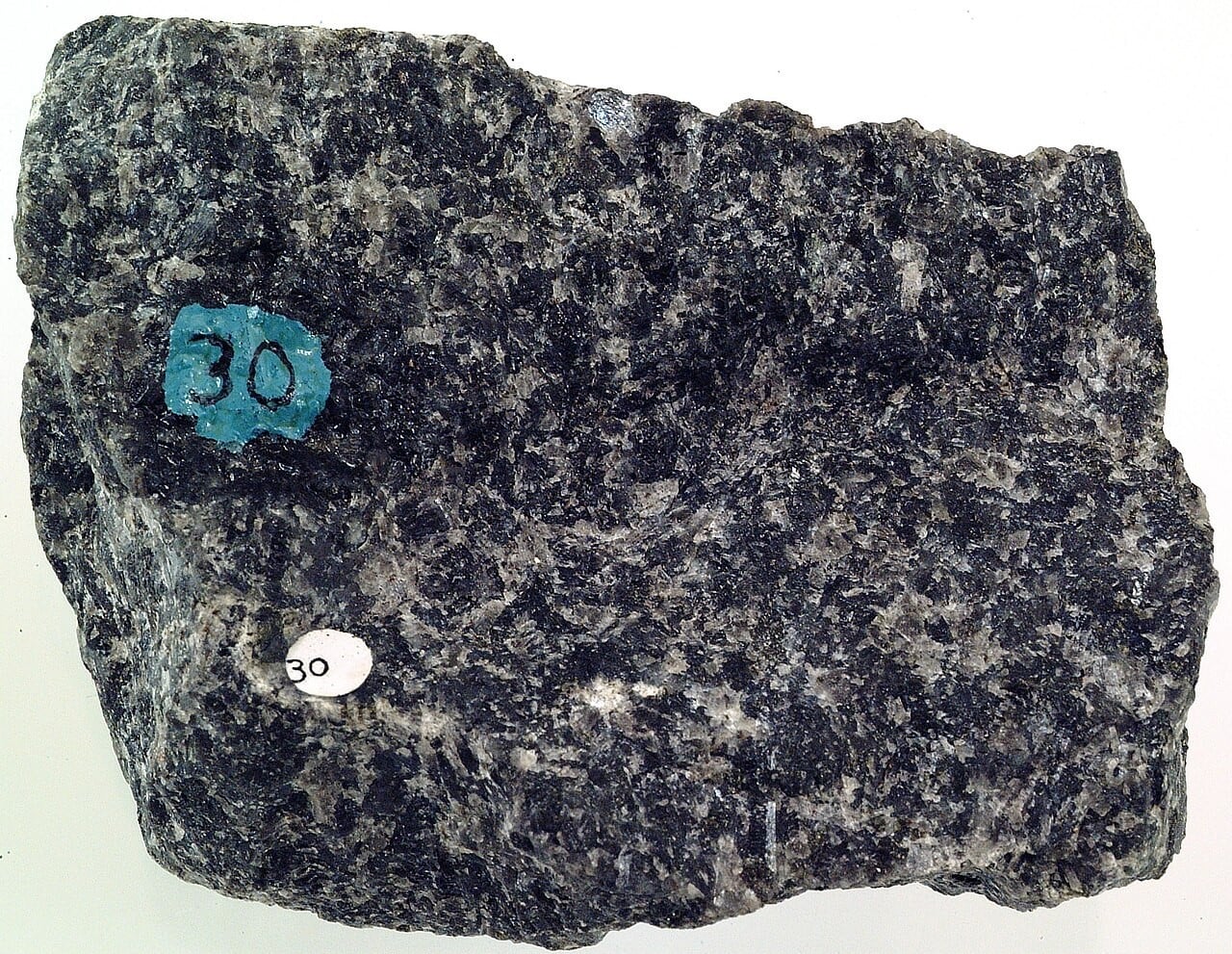
Gabbro
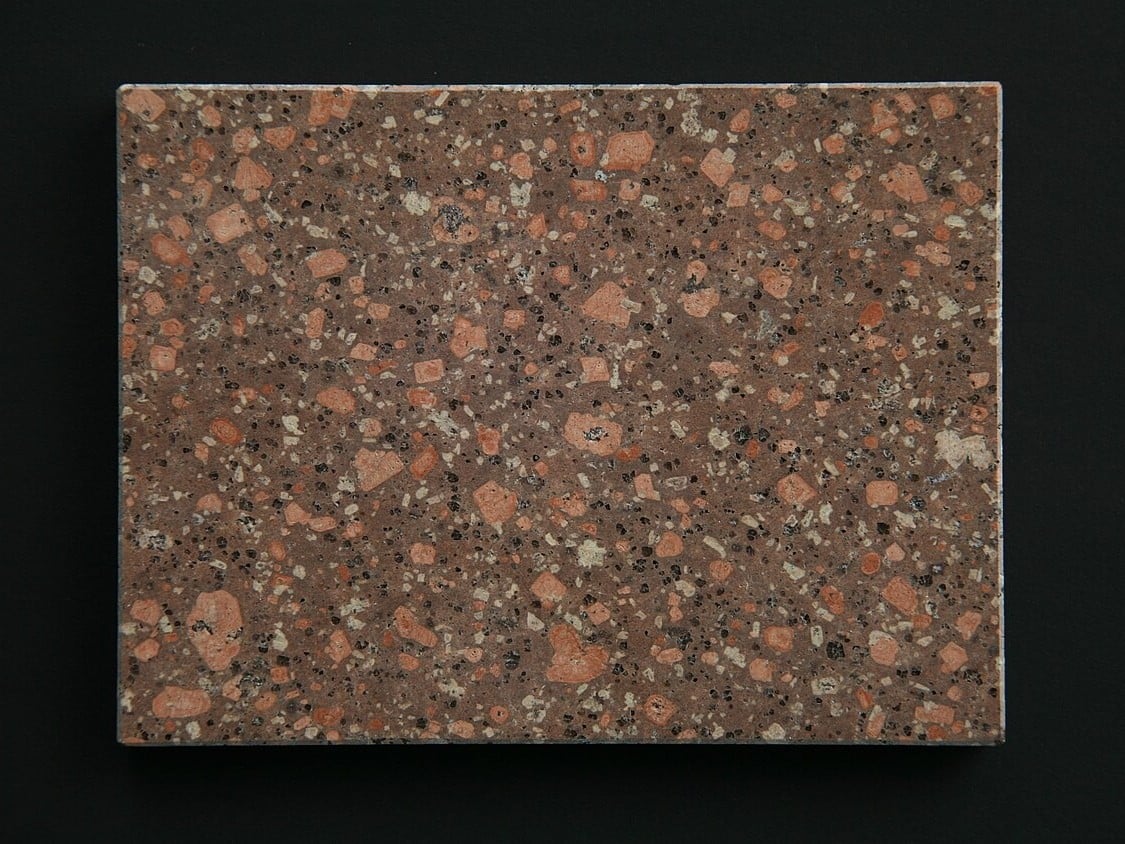
Rhyolite
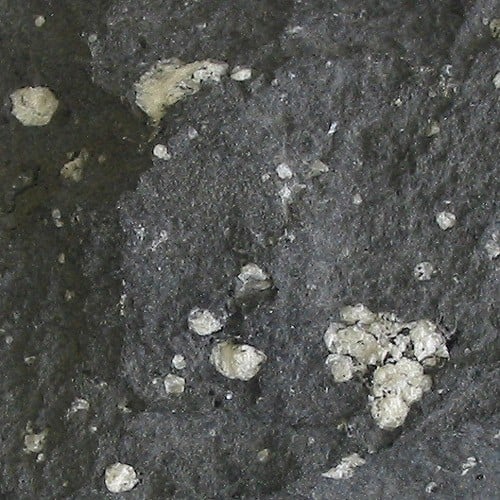
Andesite
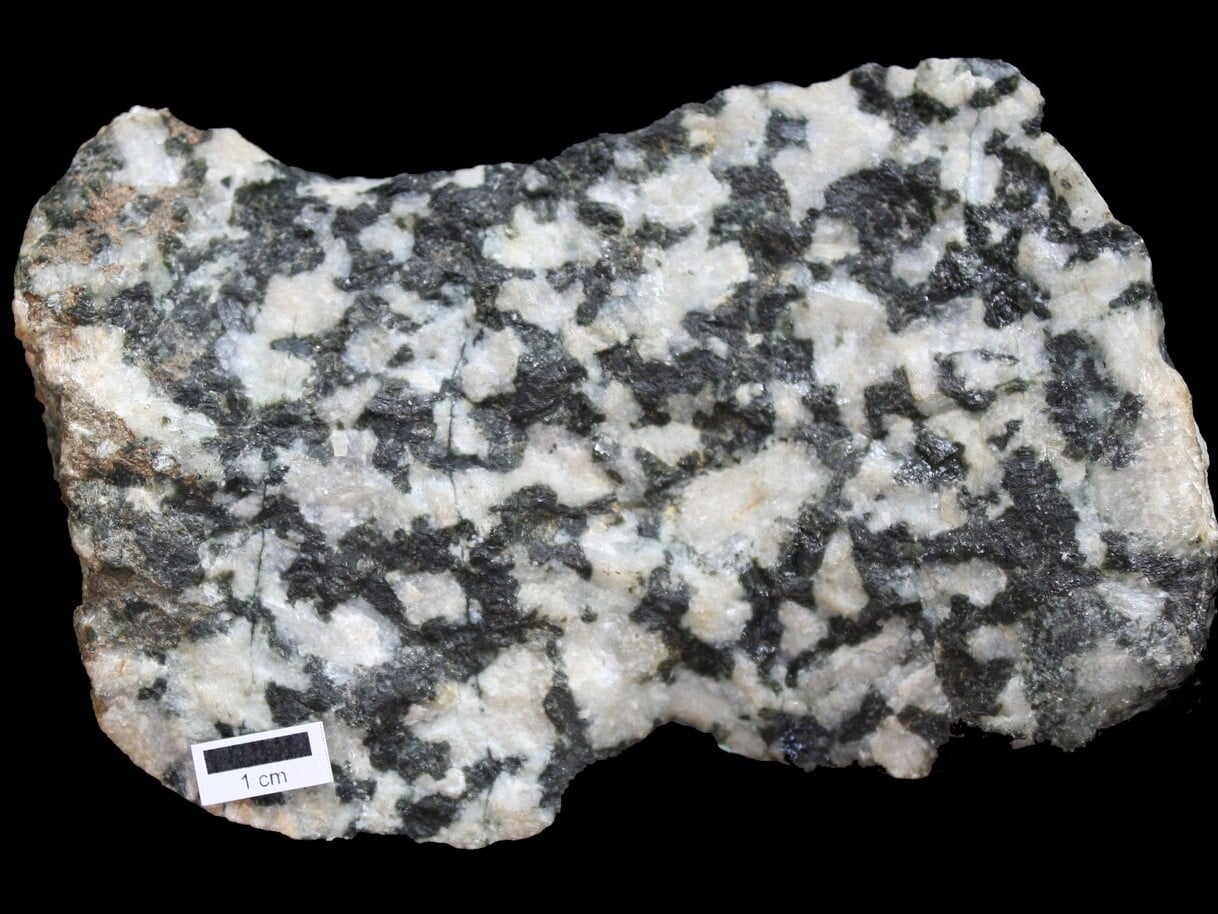
Diorite
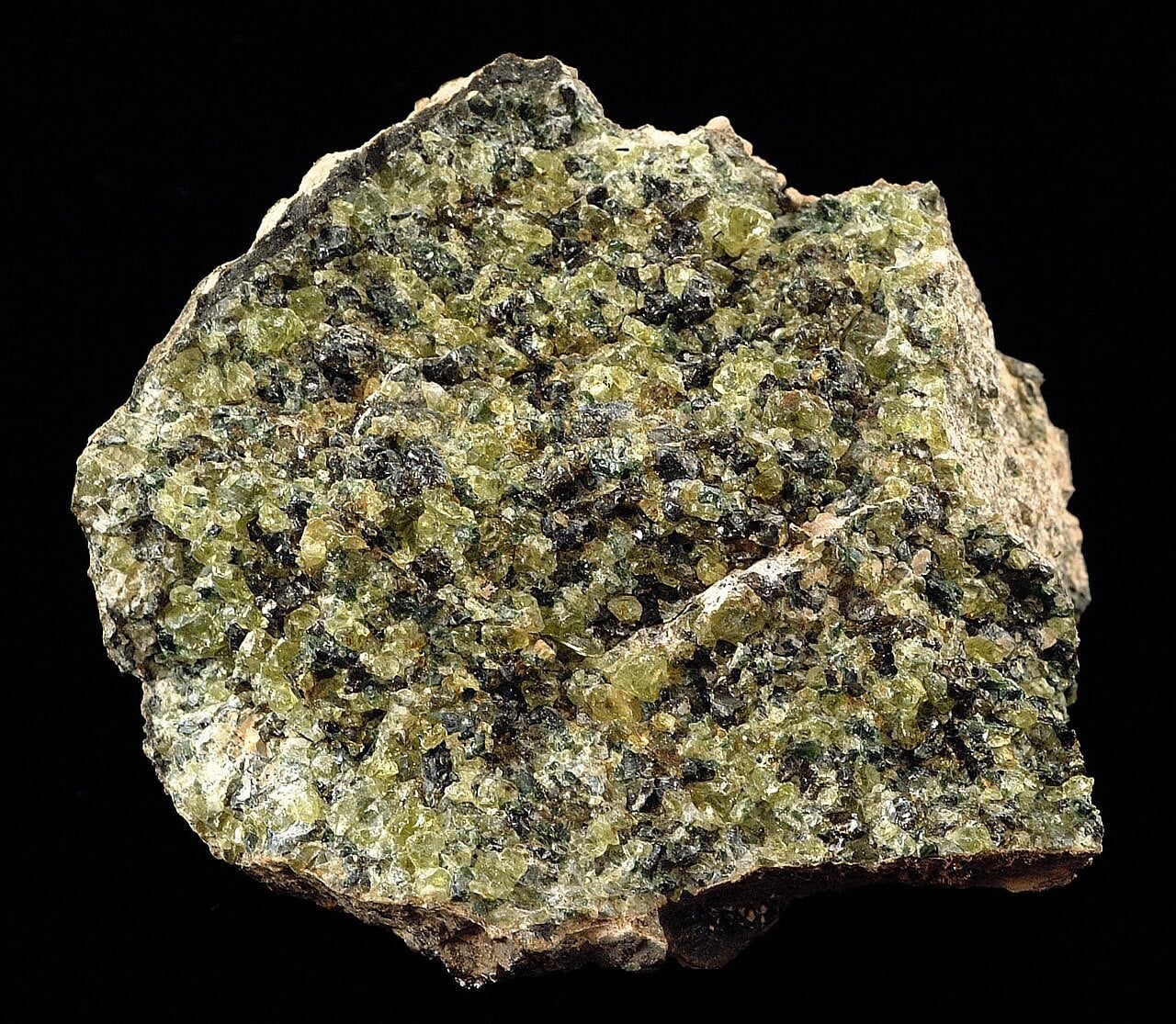
Peridotite
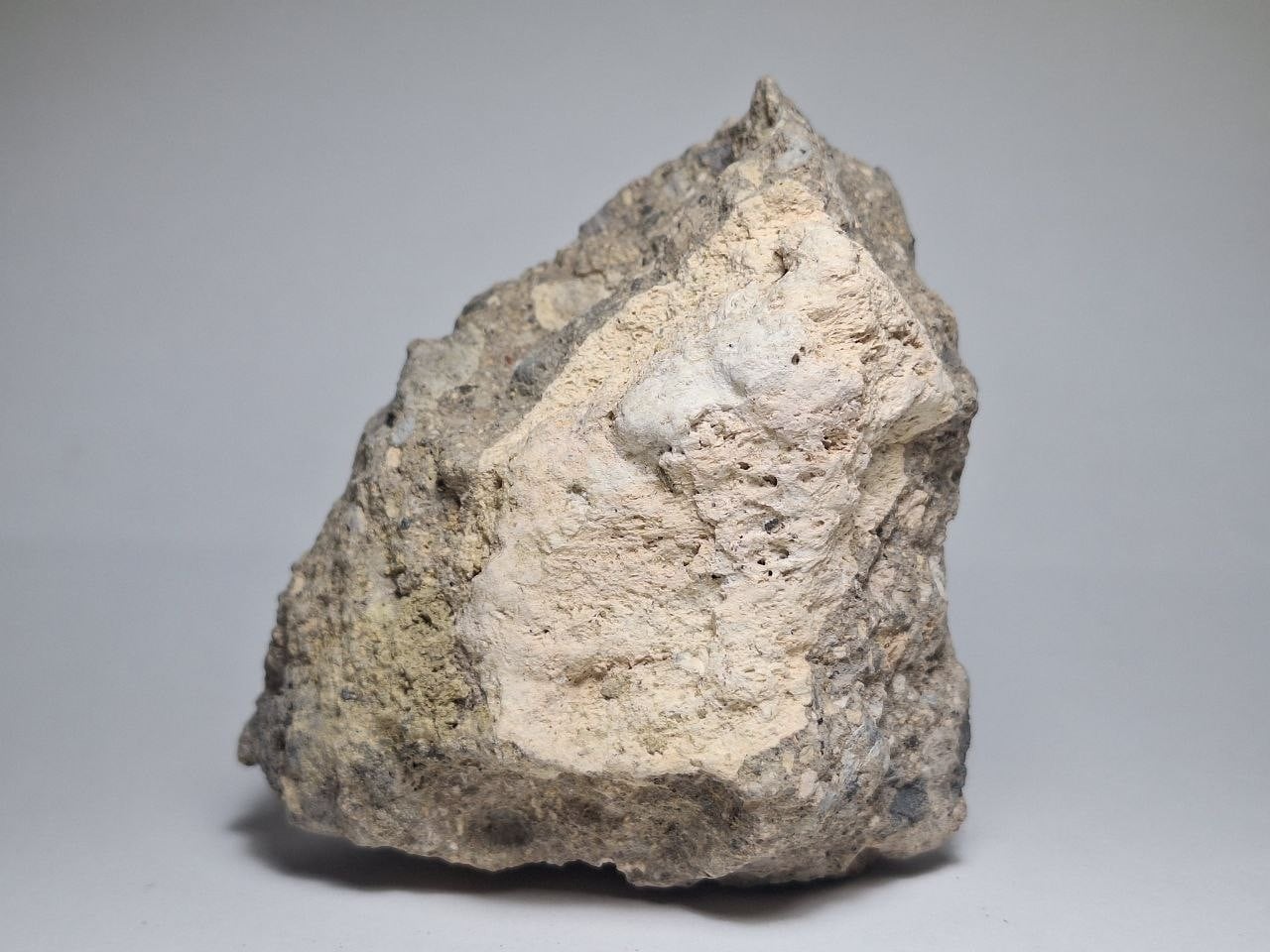
Tuff
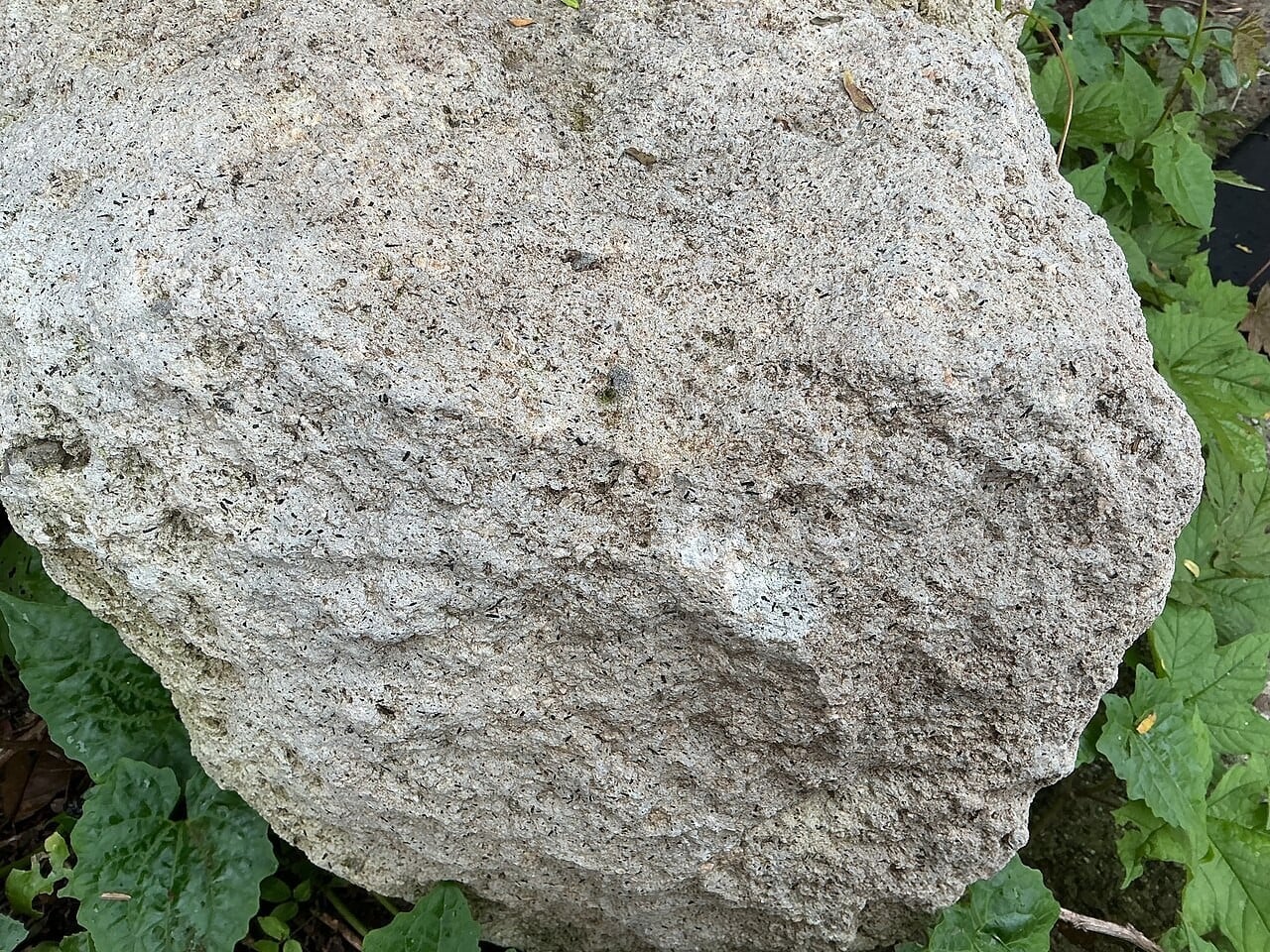
Dacite
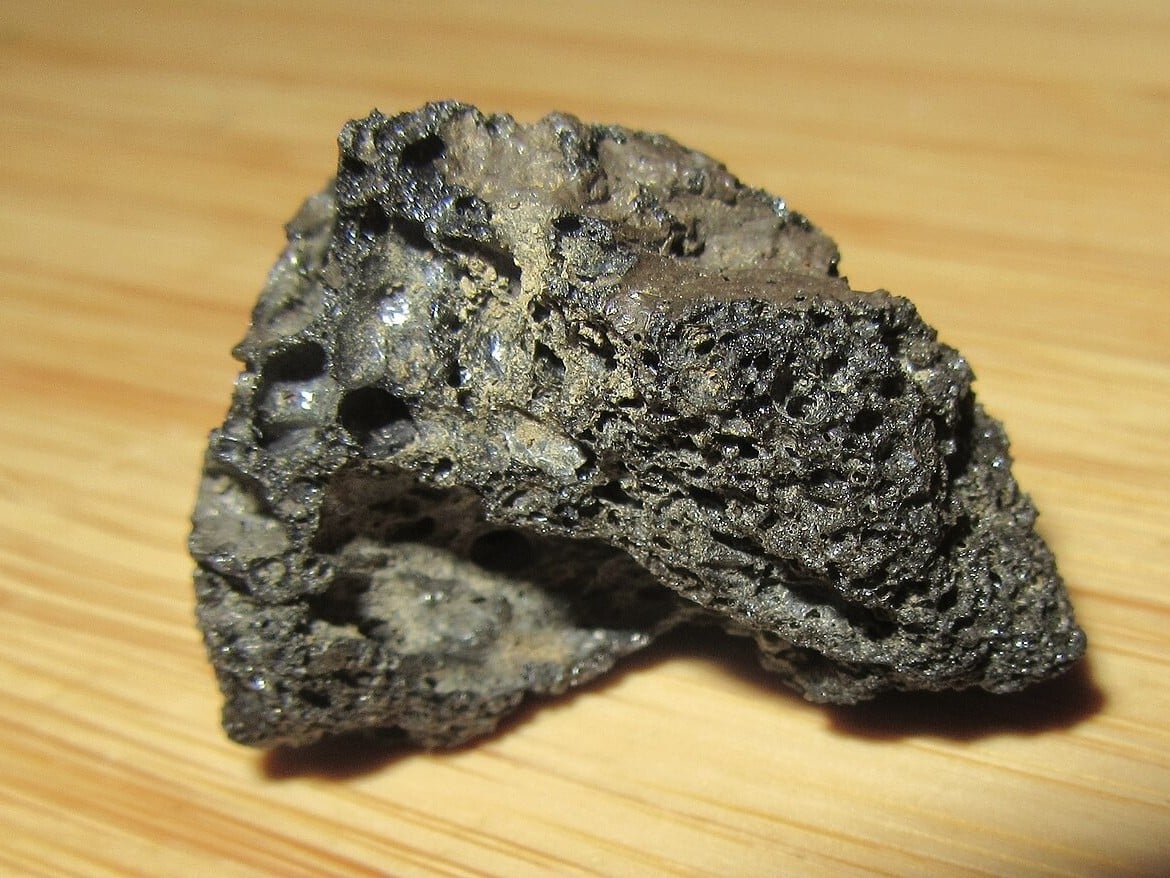
Scoria
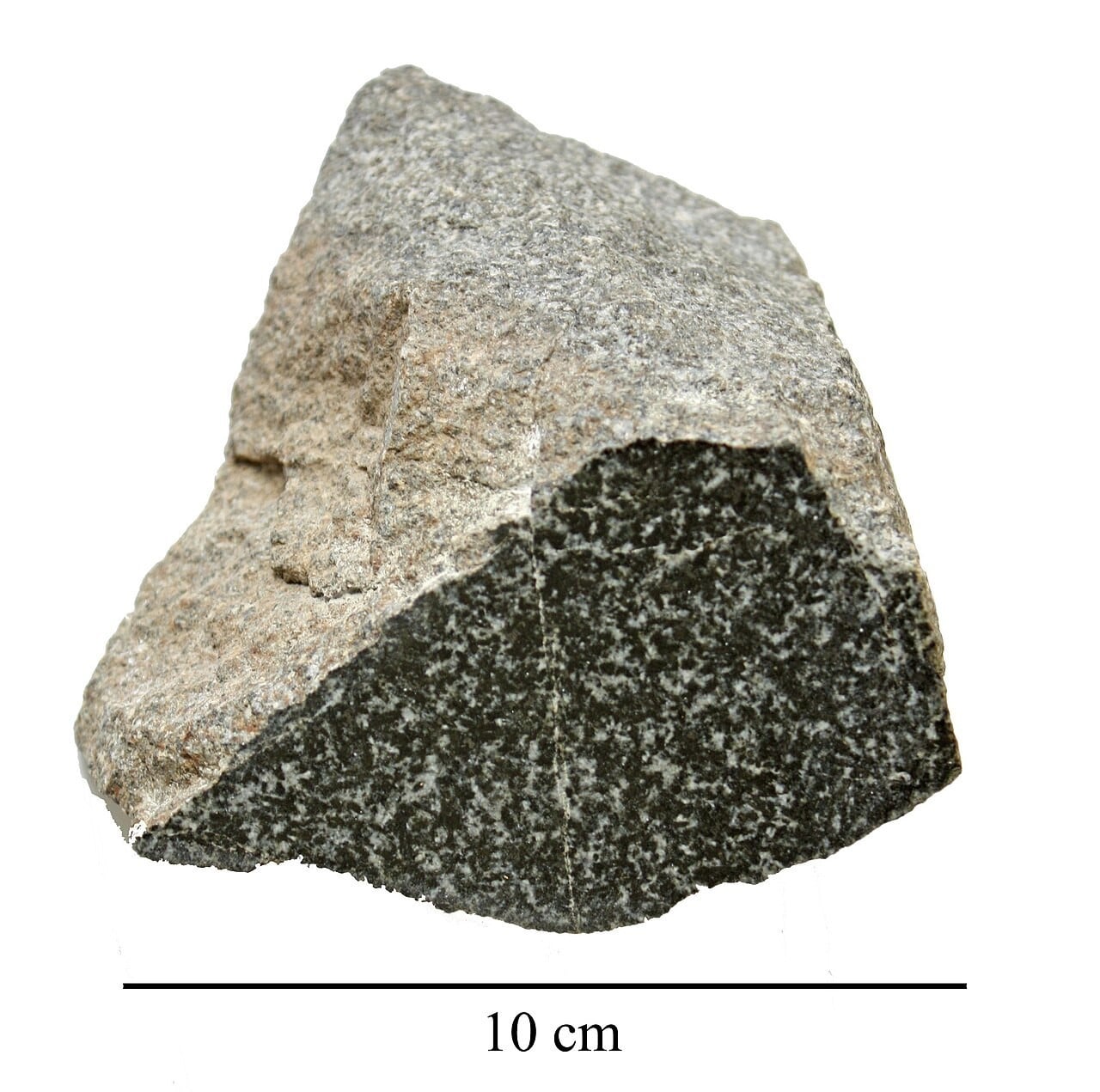
Dolerite (diabase)
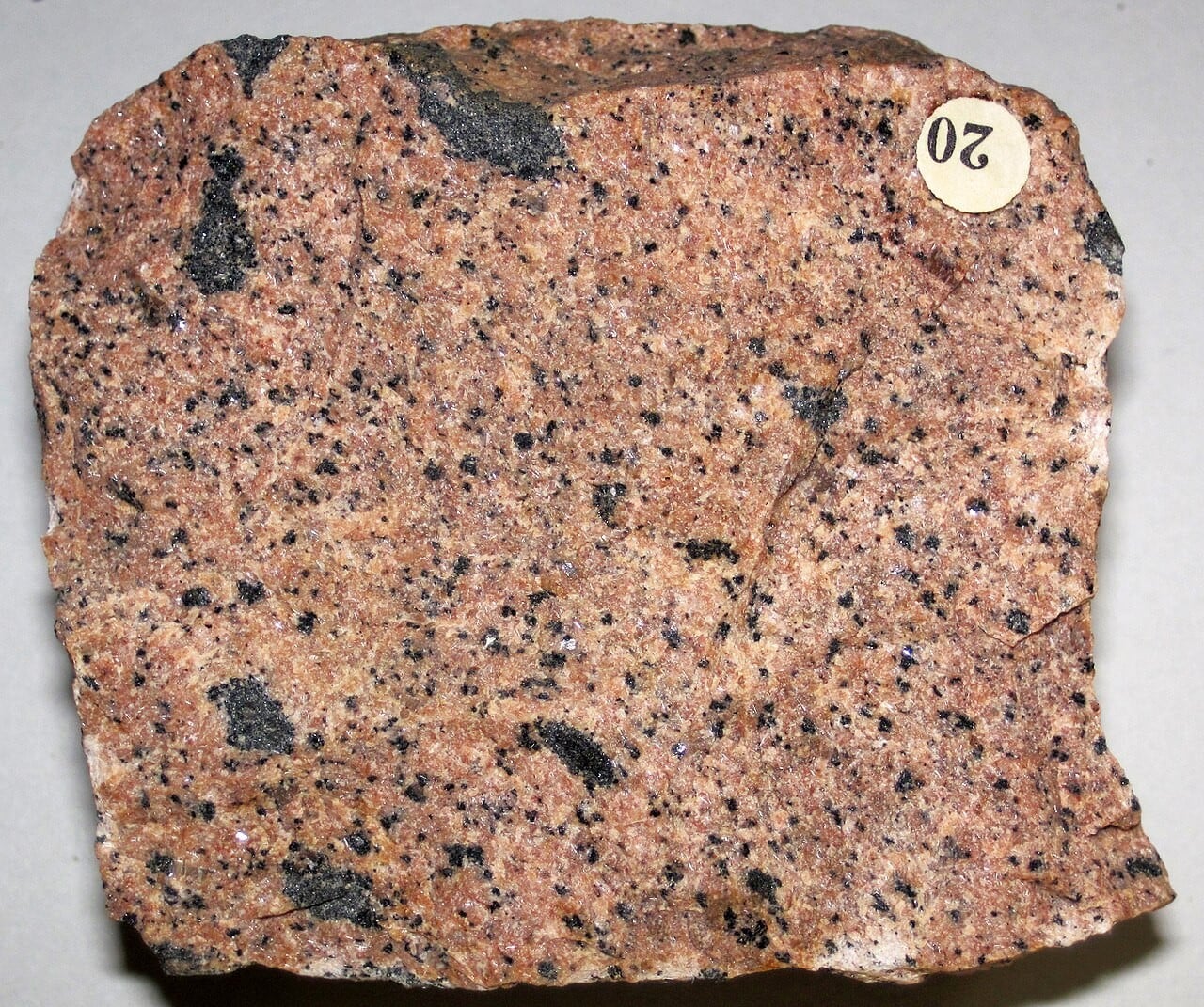
Syenite
Famous mountains made of this
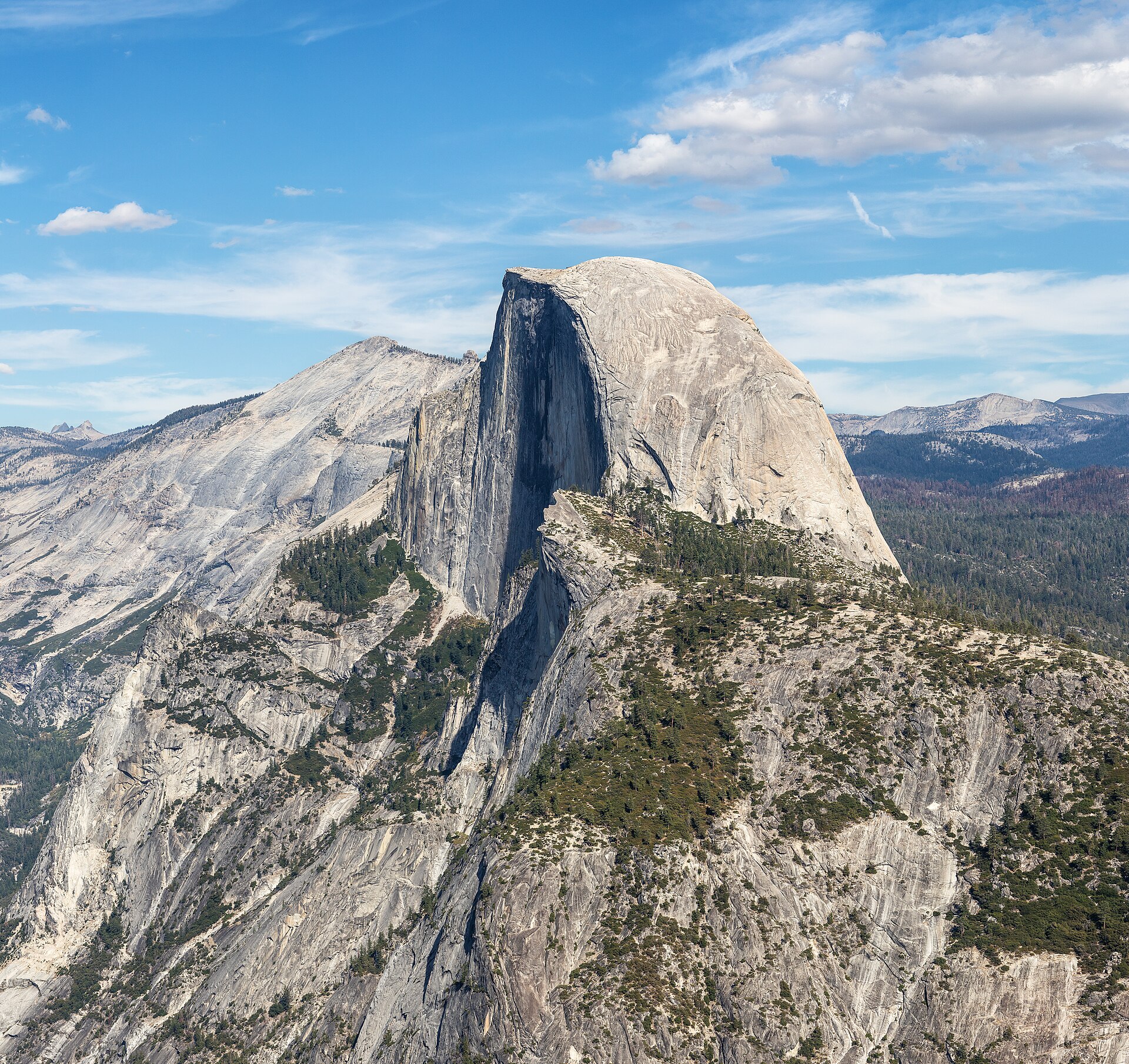
Half Dome
Granite
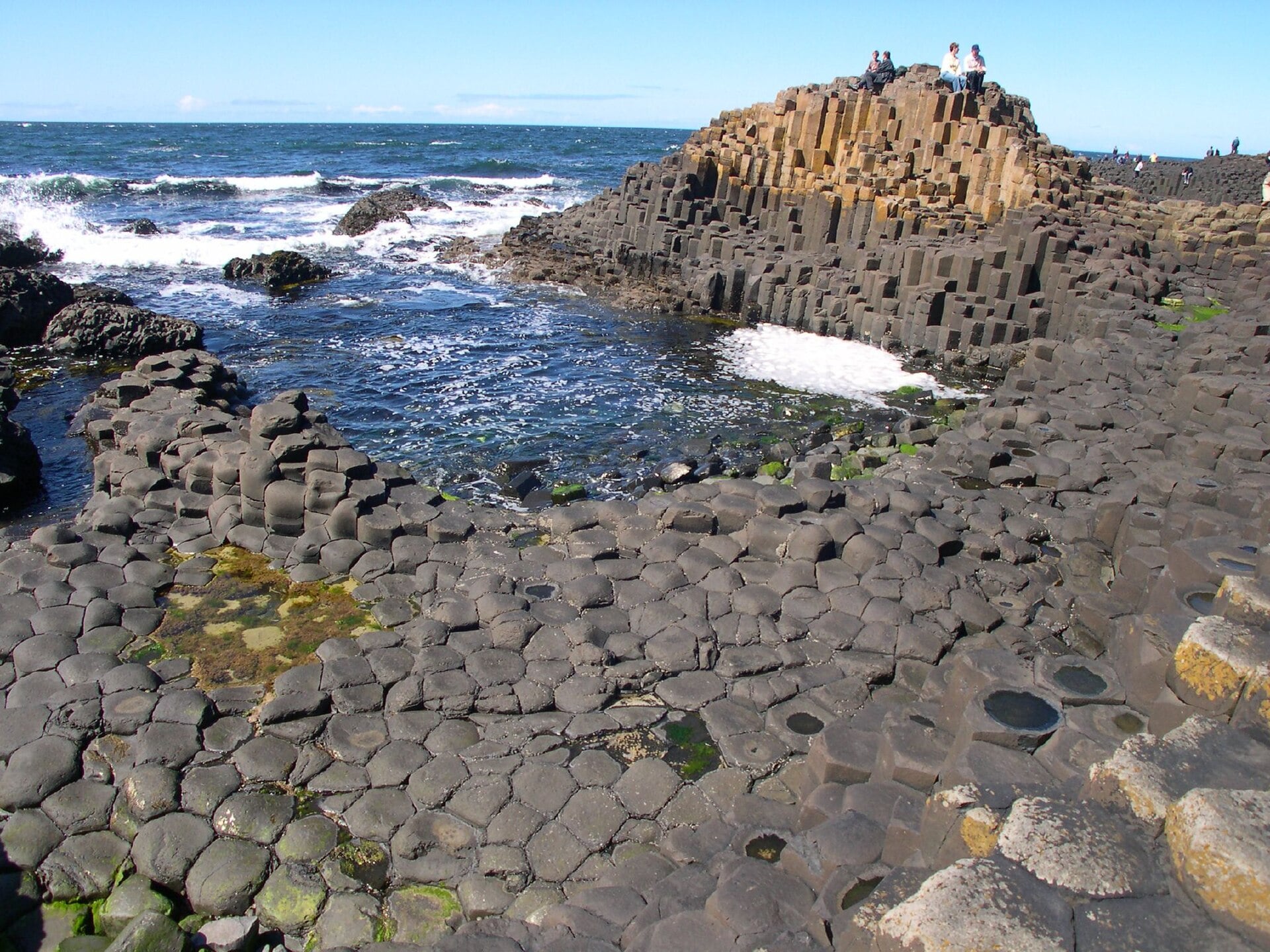
Giant's Causeway
Basalt columns
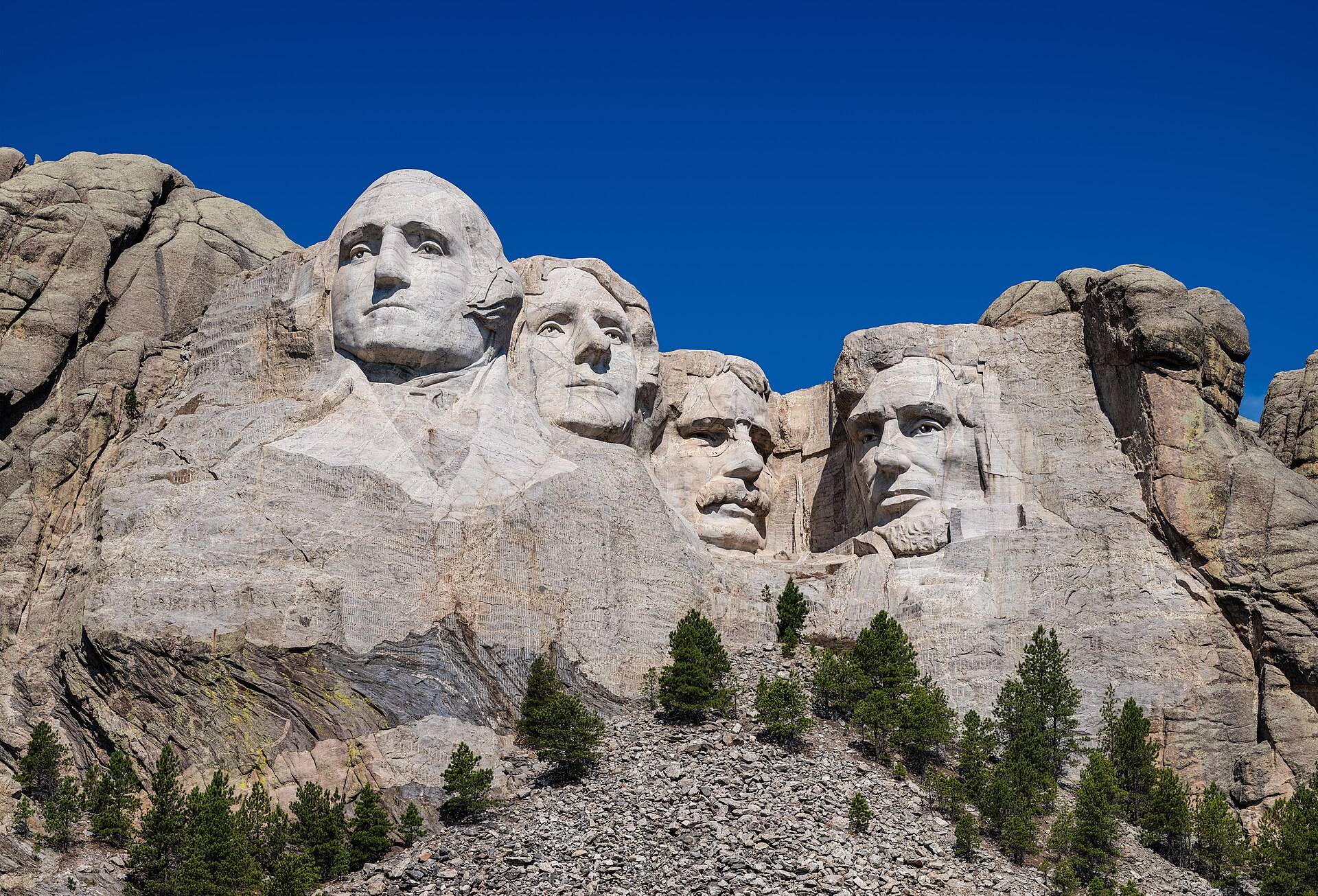
Mount Rushmore
Granite
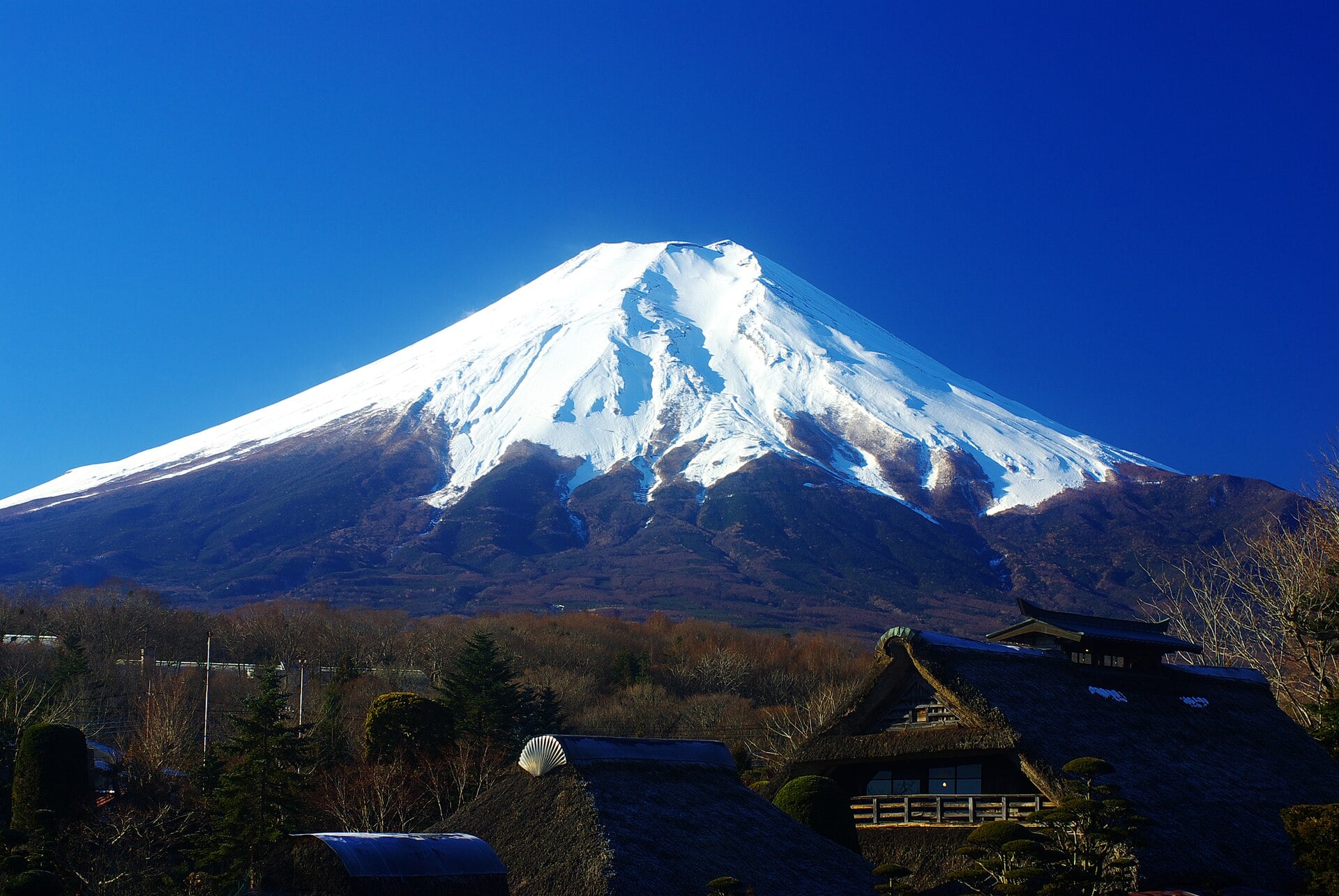
Mount Fuji
Basaltic & andesitic lava
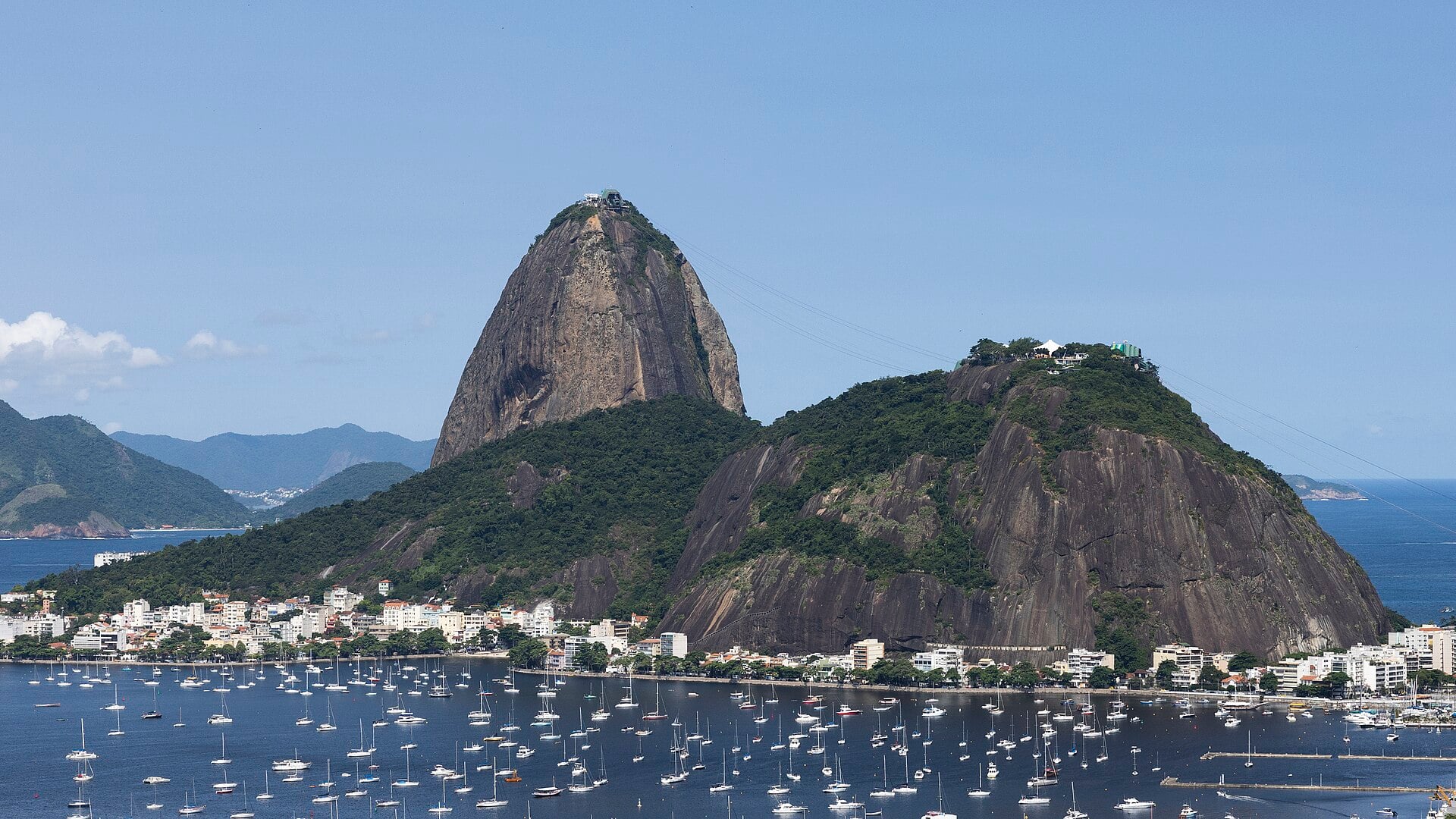
Sugarloaf Mountain
Granite & gneiss
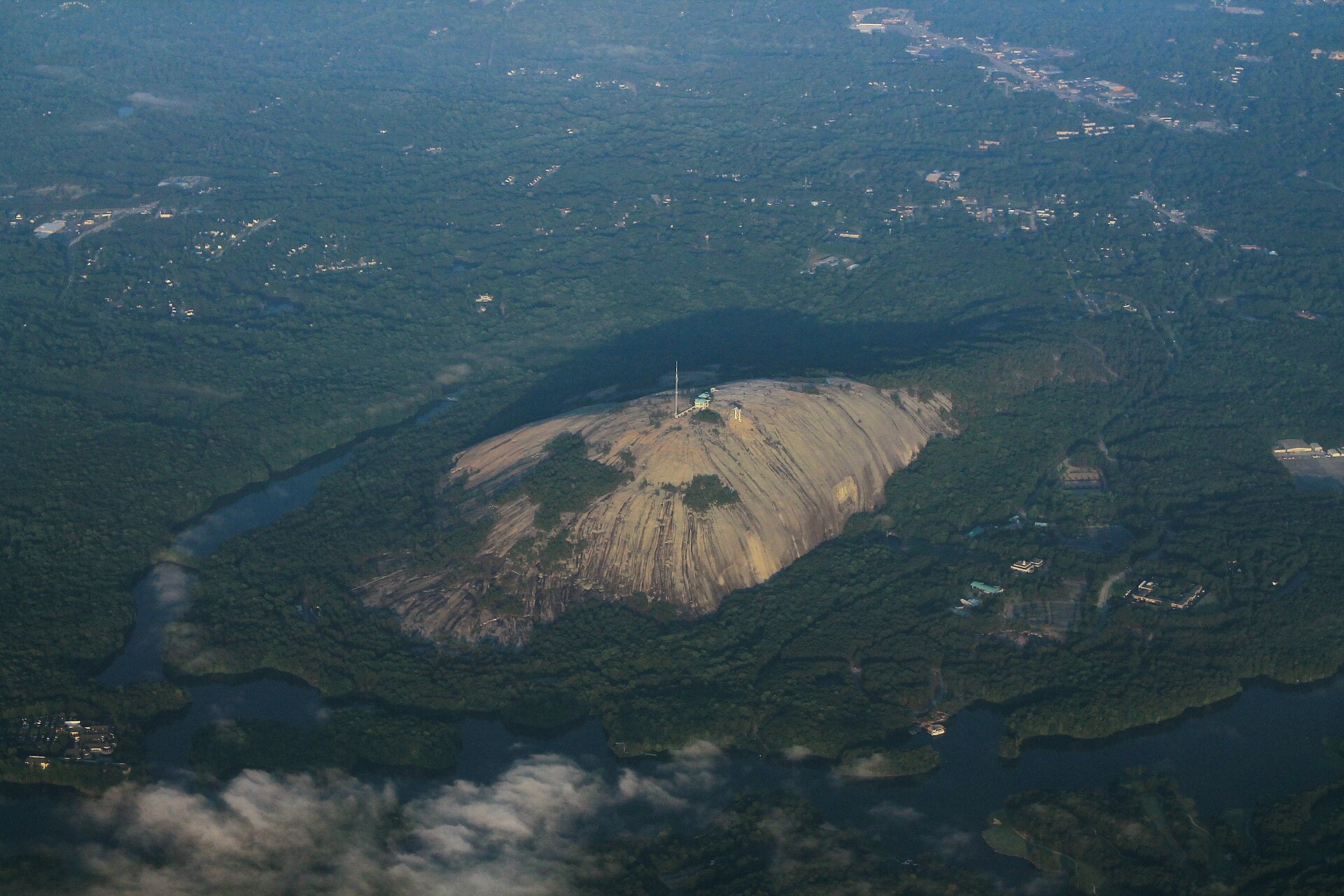
Stone Mountain
Granite (monzogranite)
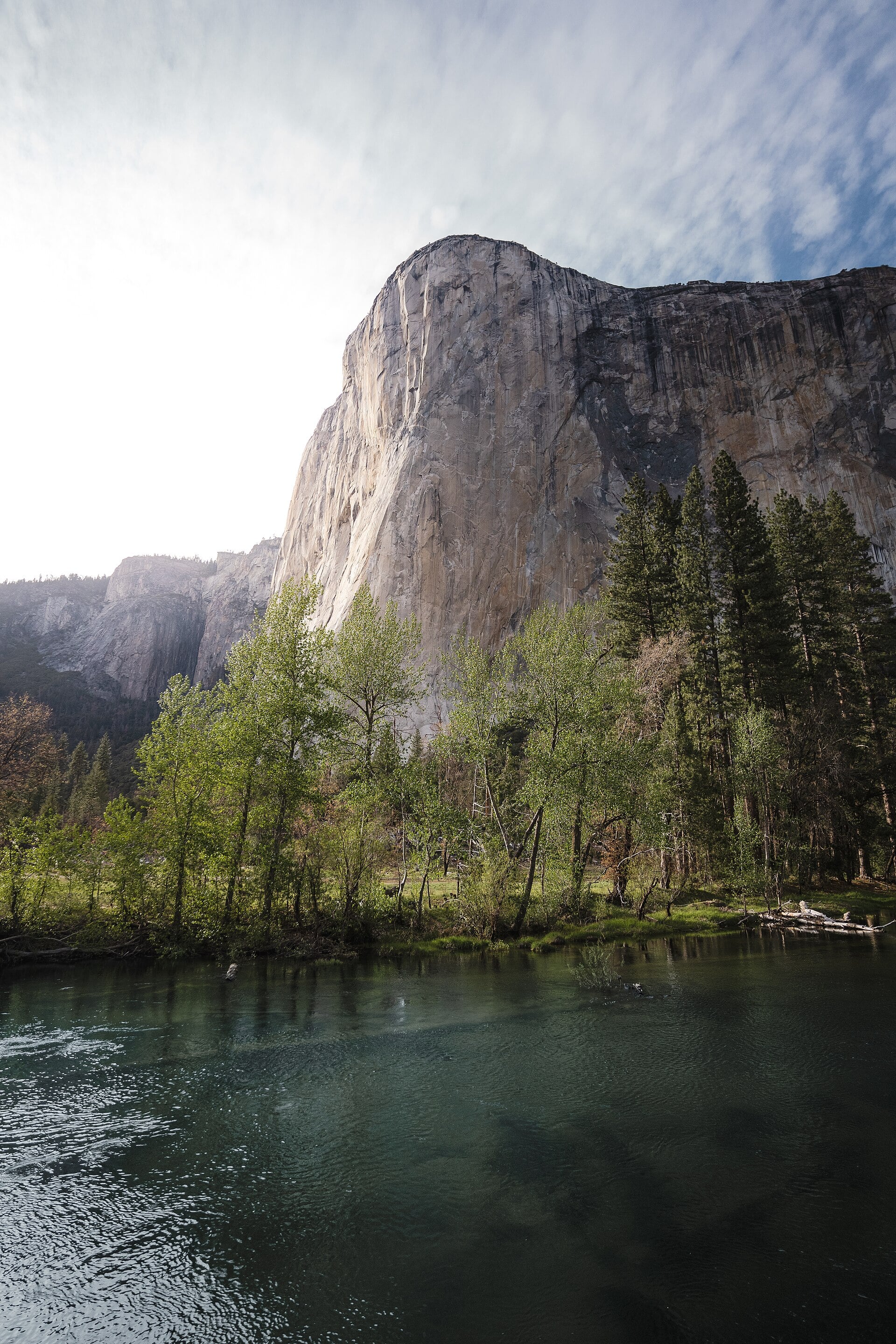
El Capitan
Granite
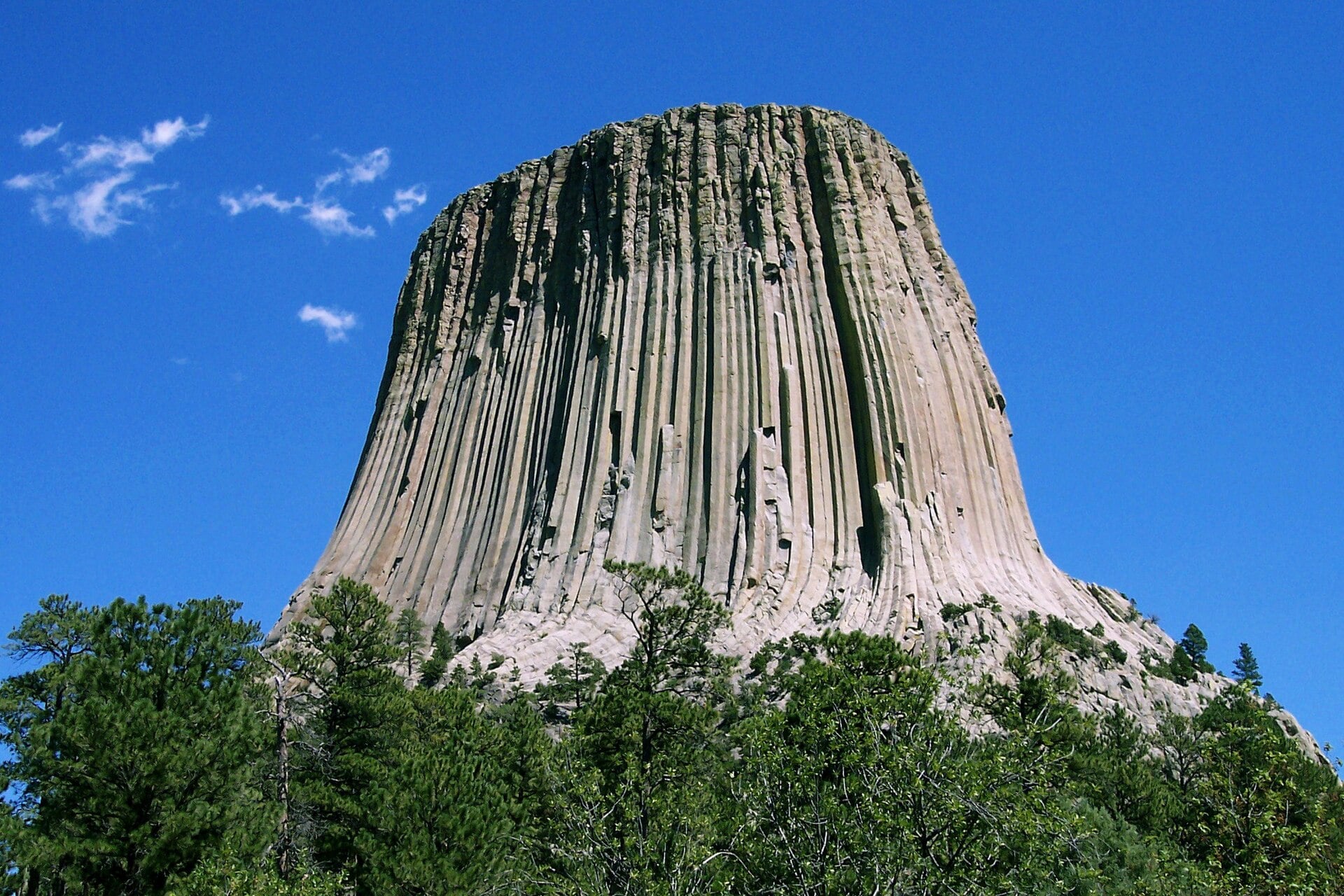
Devils Tower
Phonolite porphyry
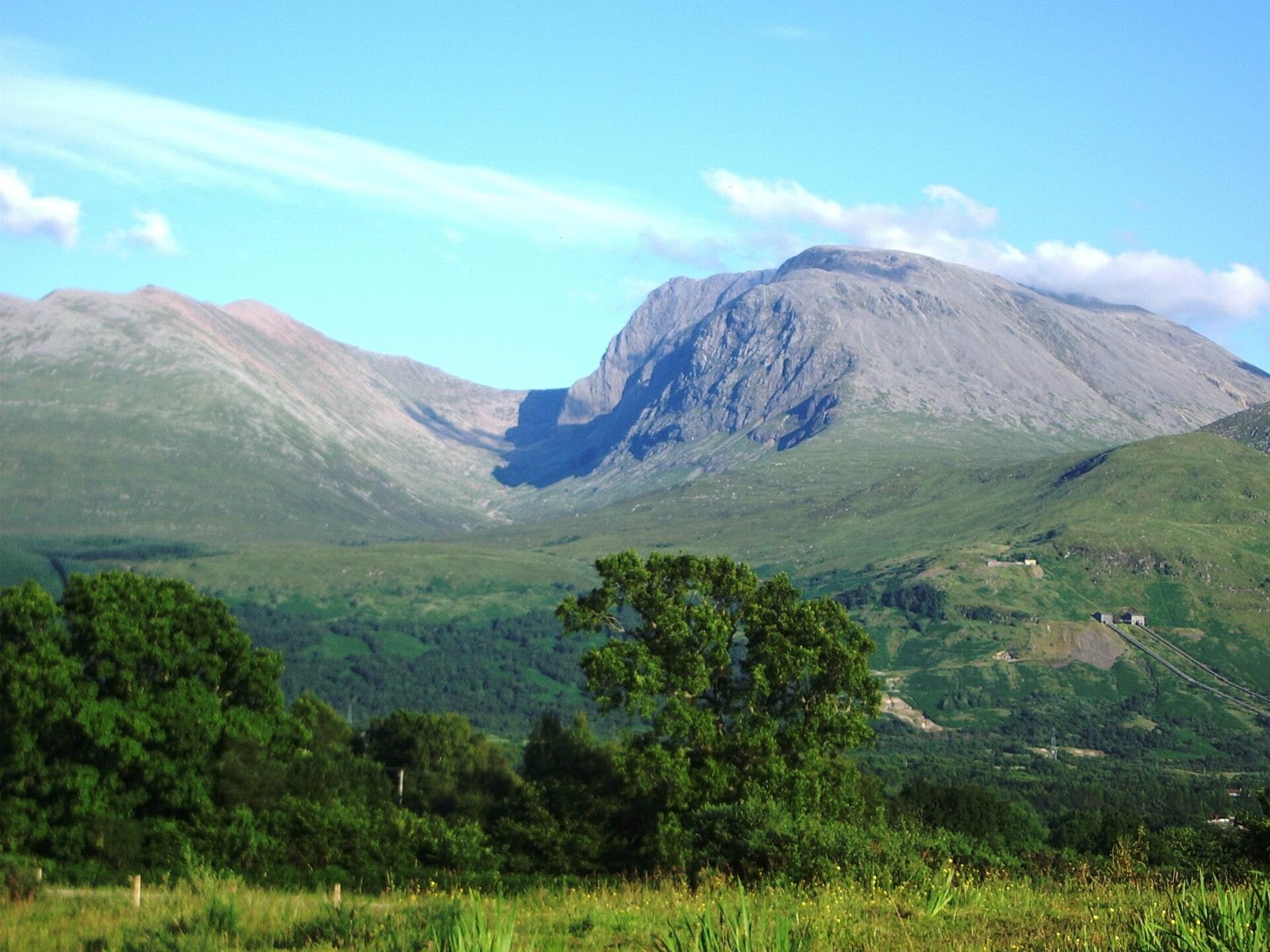
Ben Nevis
Granite & andesite lava
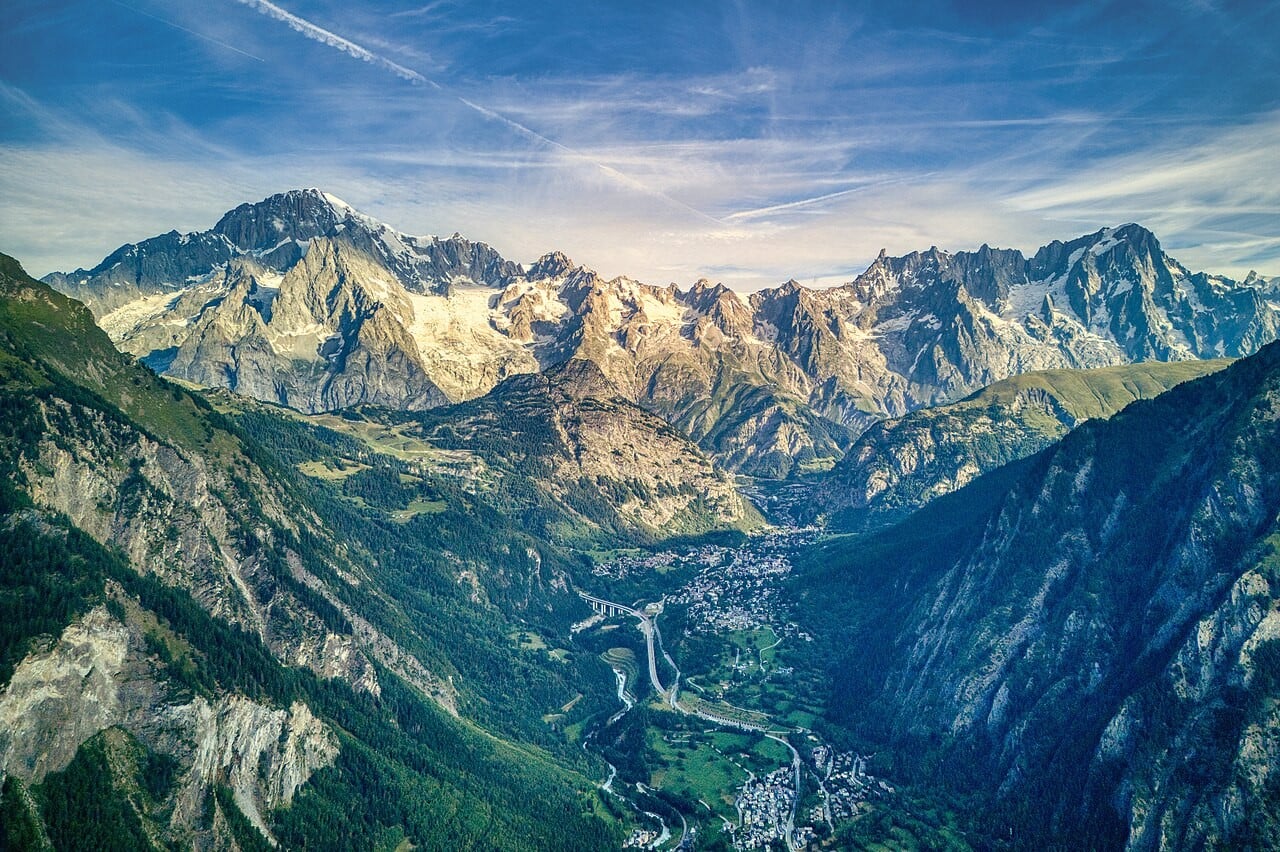
Mont Blanc
Granite
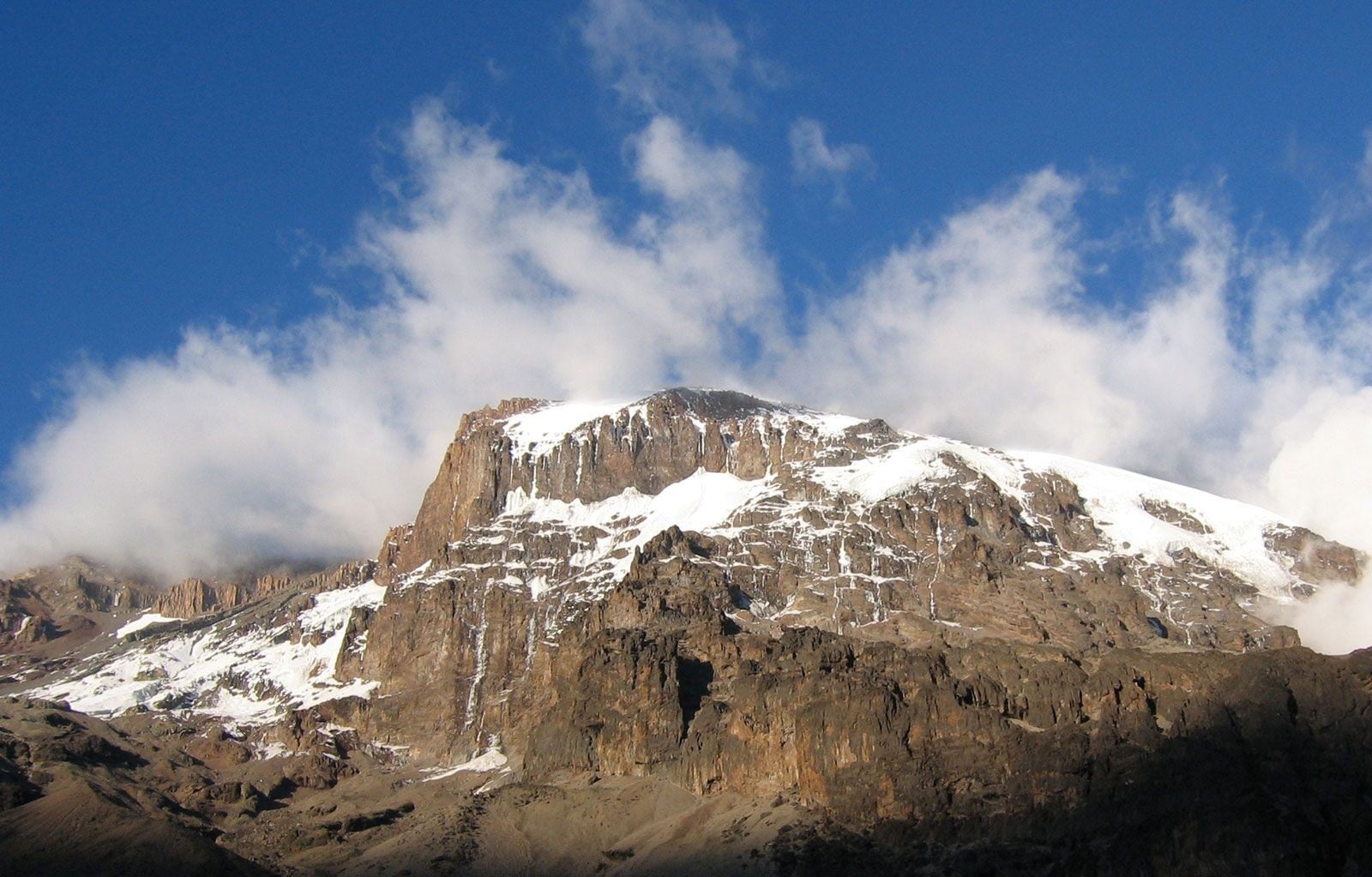
Mount Kilimanjaro
Volcanic rock (trachyte & basalt)
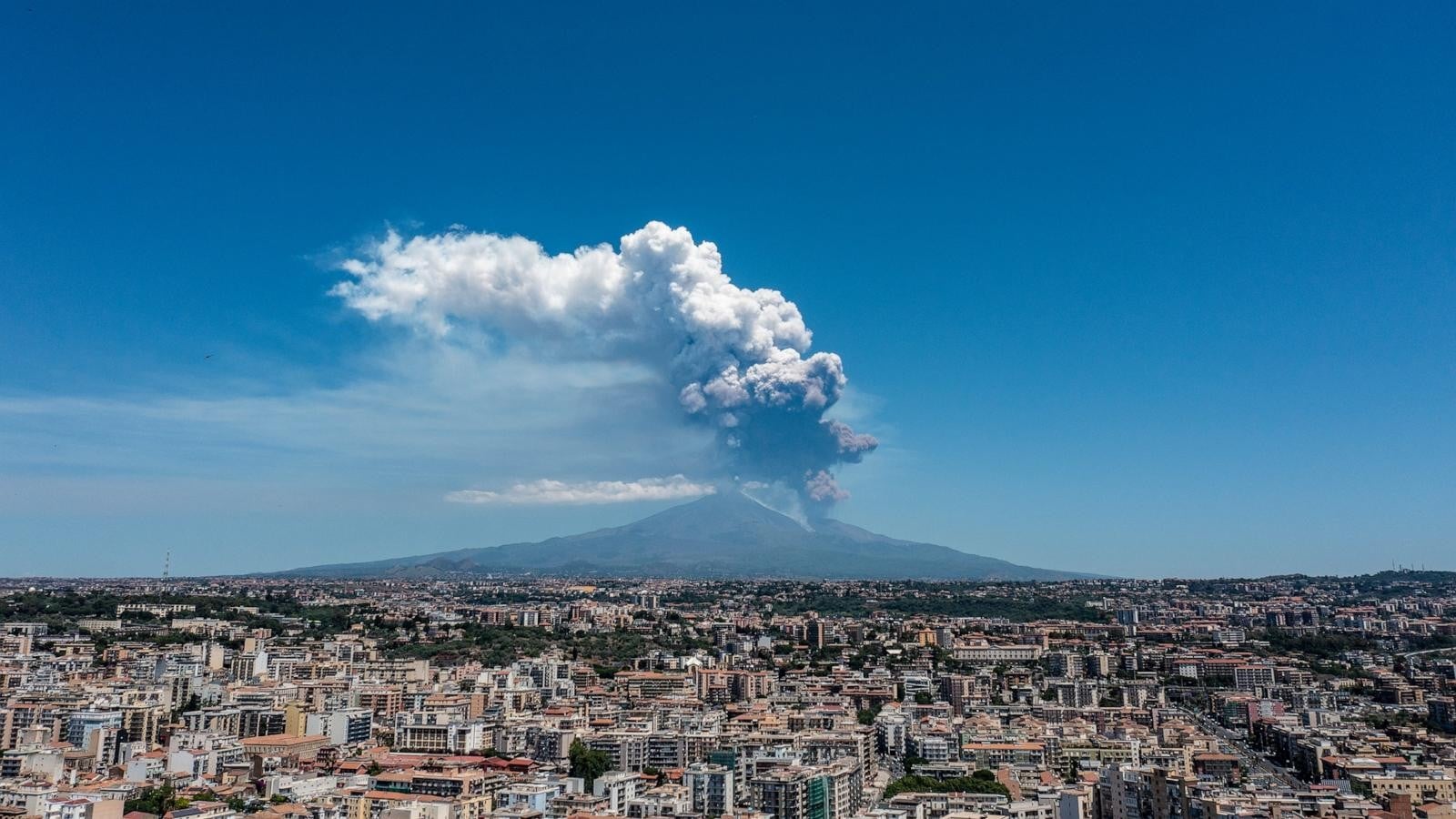
Mount Etna
Basaltic lava
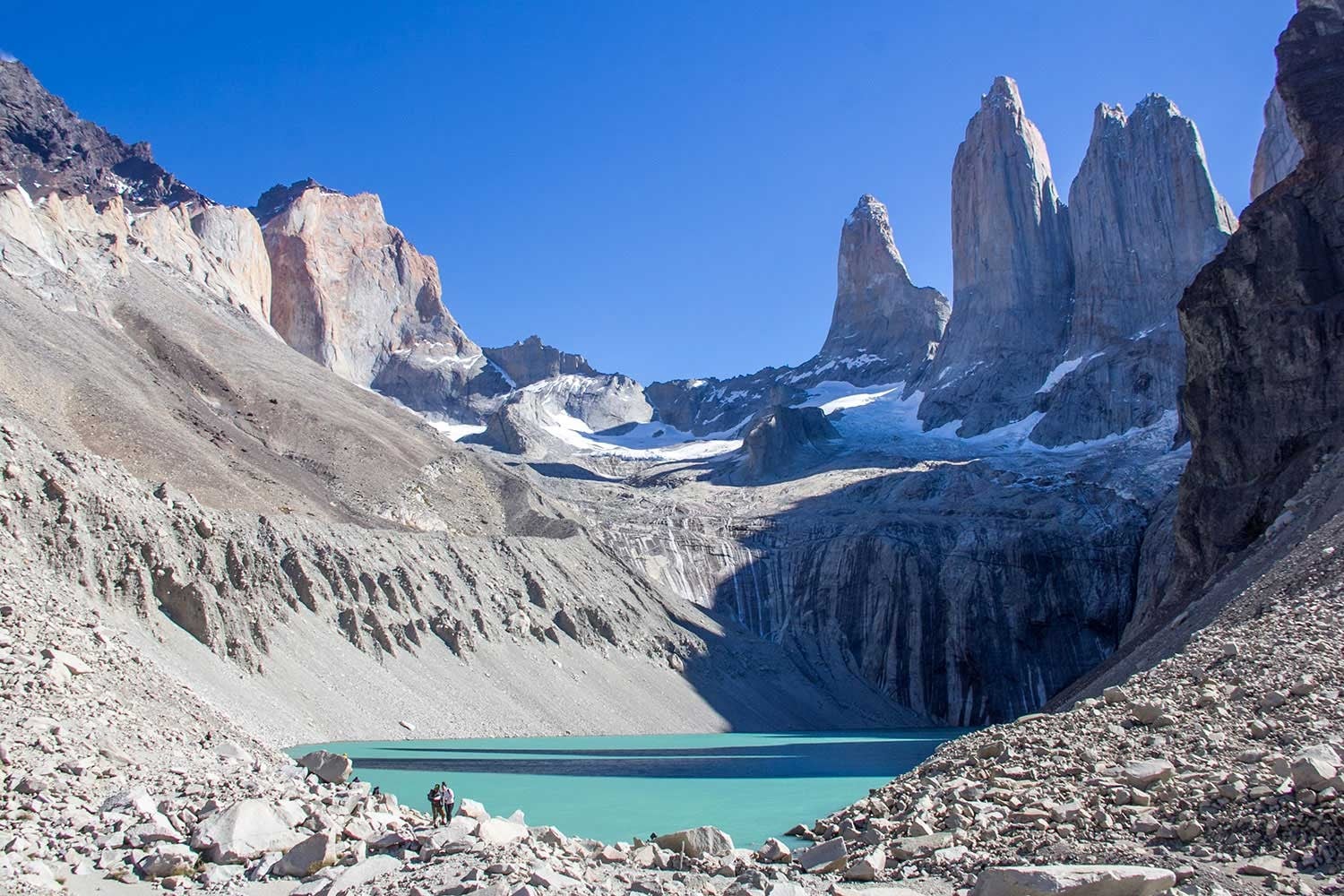
Torres del Paine
Granite
Did you know?
About 65% of the Earth’s crust is igneous rock. Obsidian cools so fast it never forms crystals — it is natural volcanic glass, and Stone Age people knapped it into blades sharper than surgical steel.
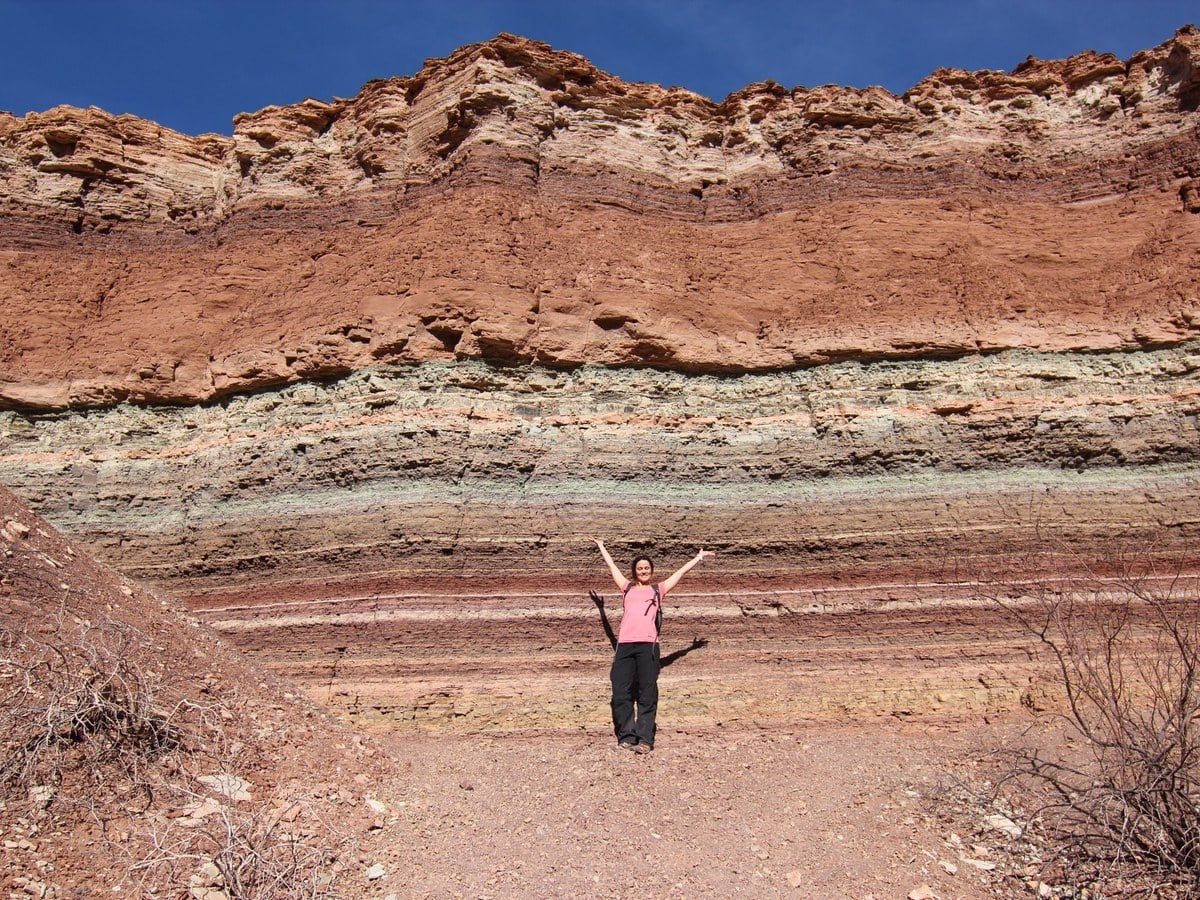
🏜️ Sedimentary Rocks
Pressed page by page. Weathered fragments of older rock, shells and chemical deposits settle in layers — in rivers, lakes, deserts and seas — and are slowly buried, compacted and cemented into solid rock over millions of years.
14 rock types in this family
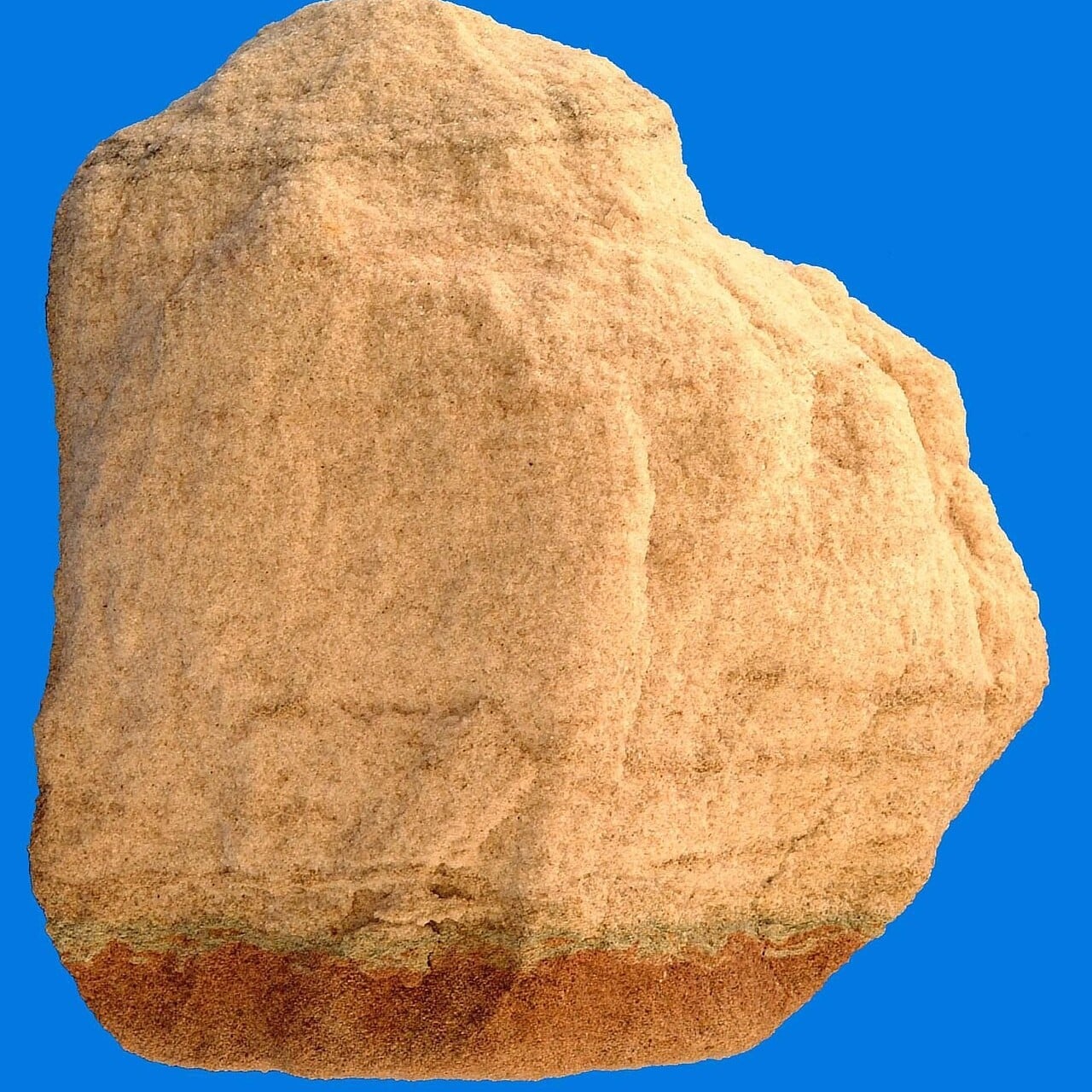
Sandstone
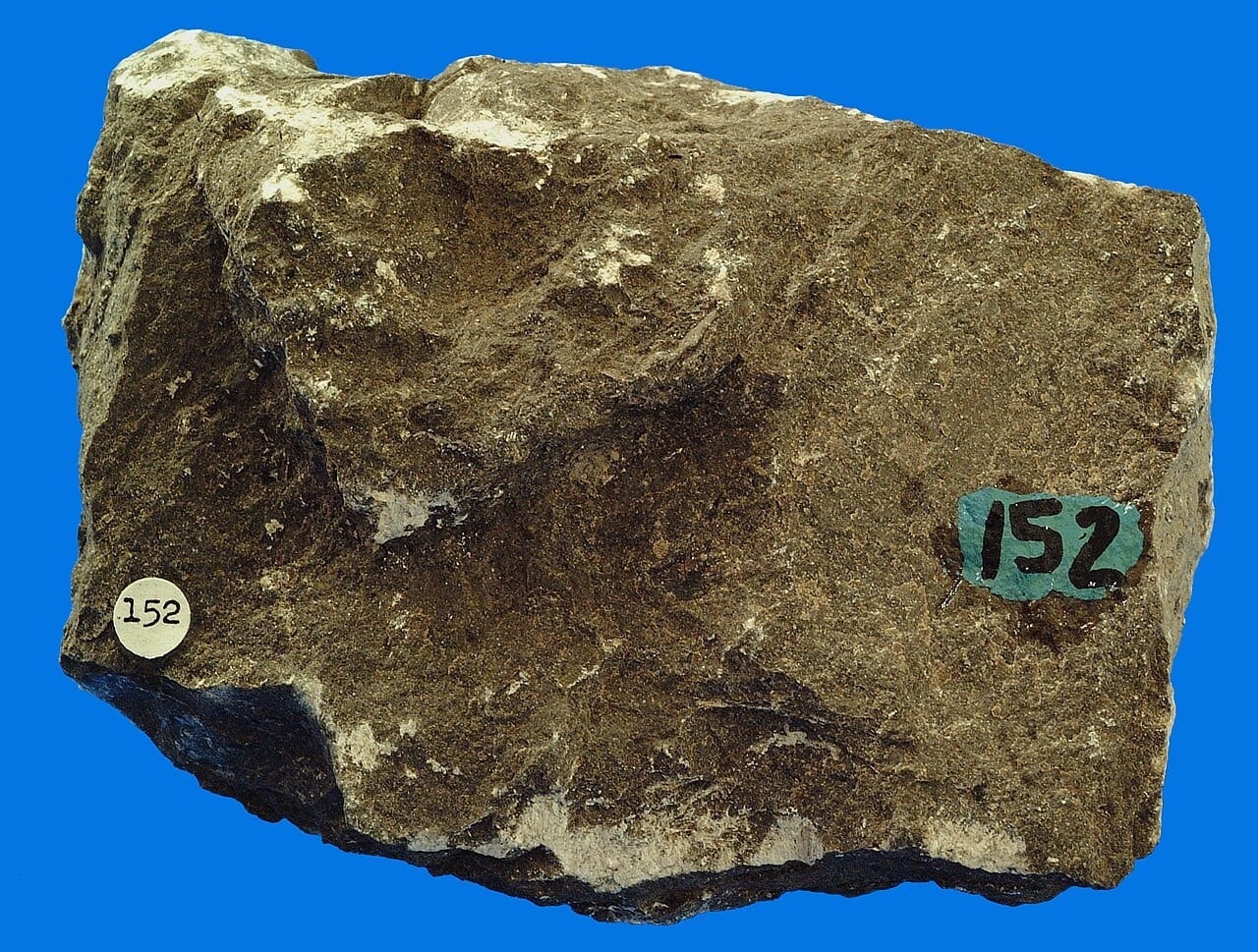
Limestone
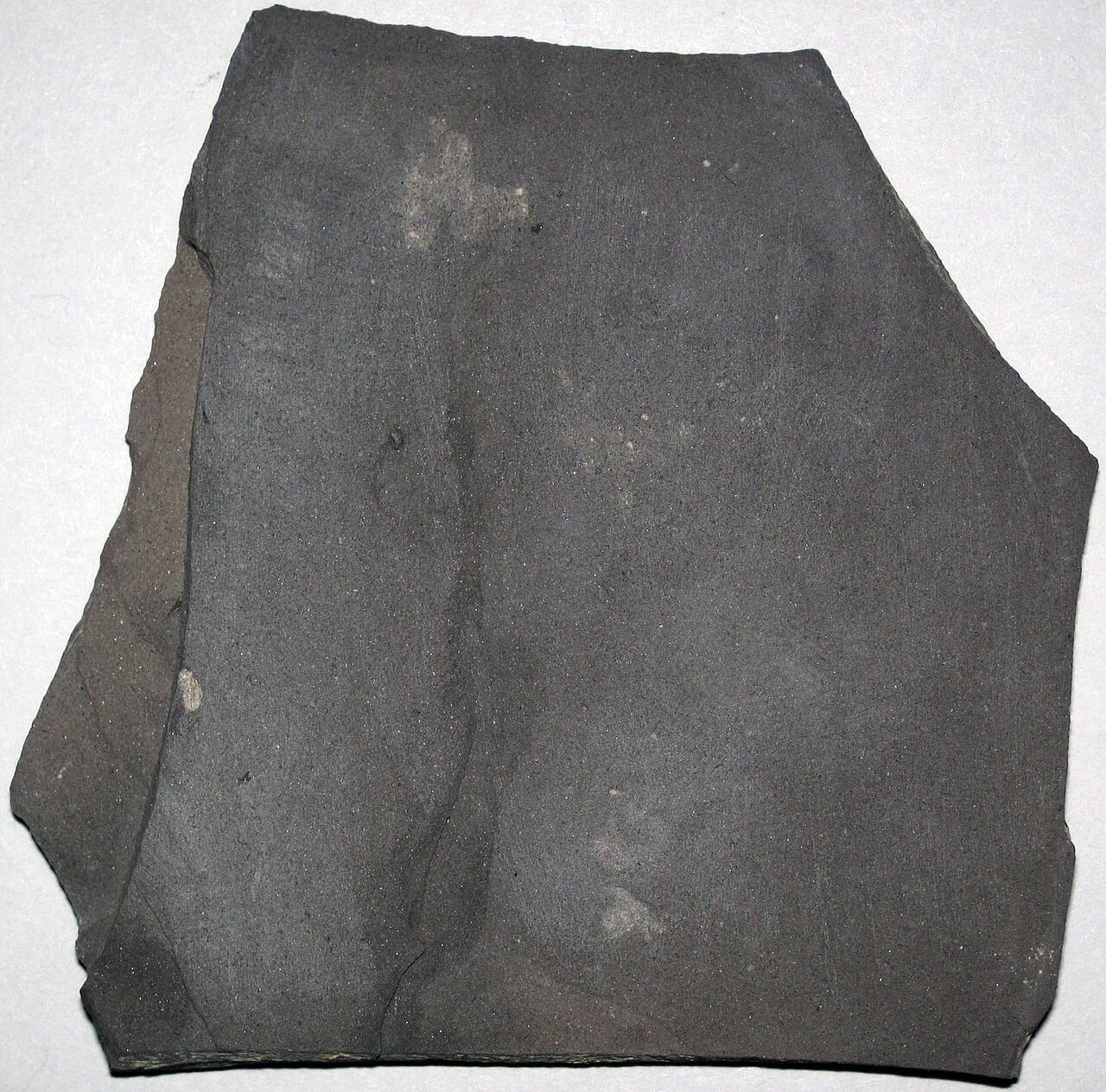
Shale
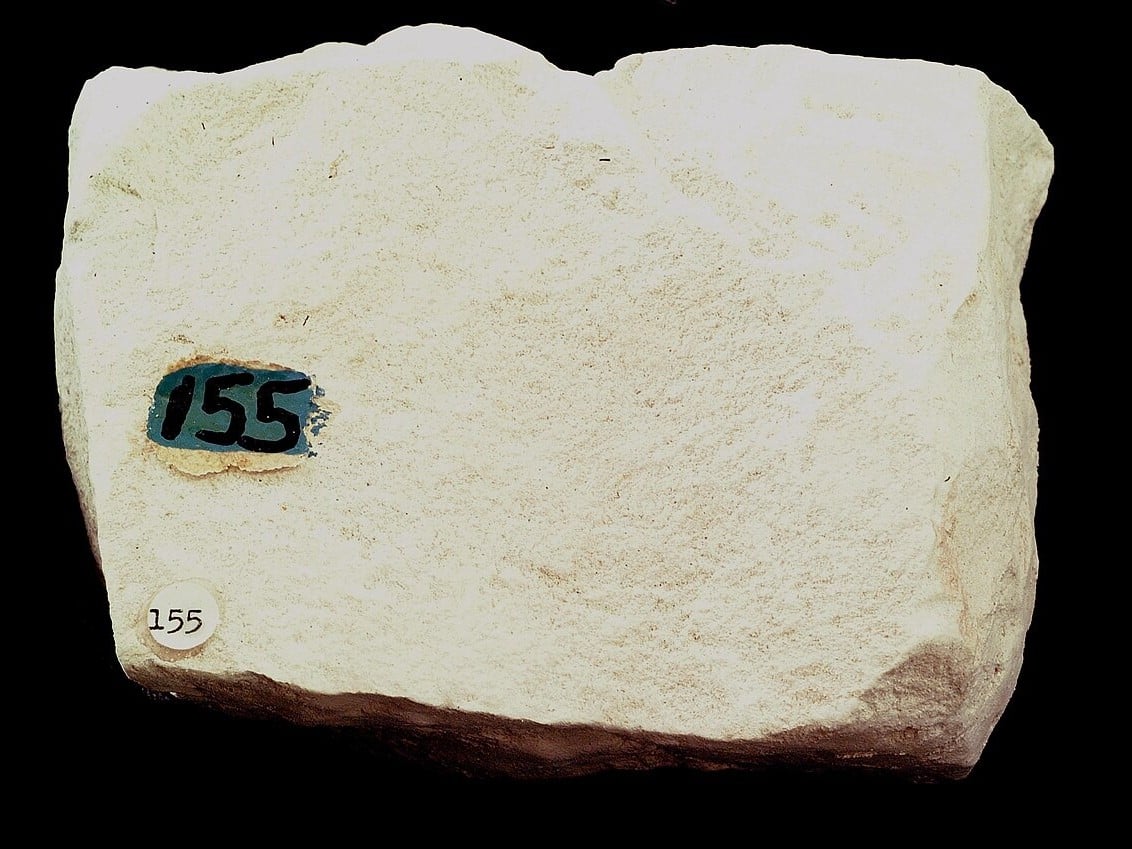
Chalk
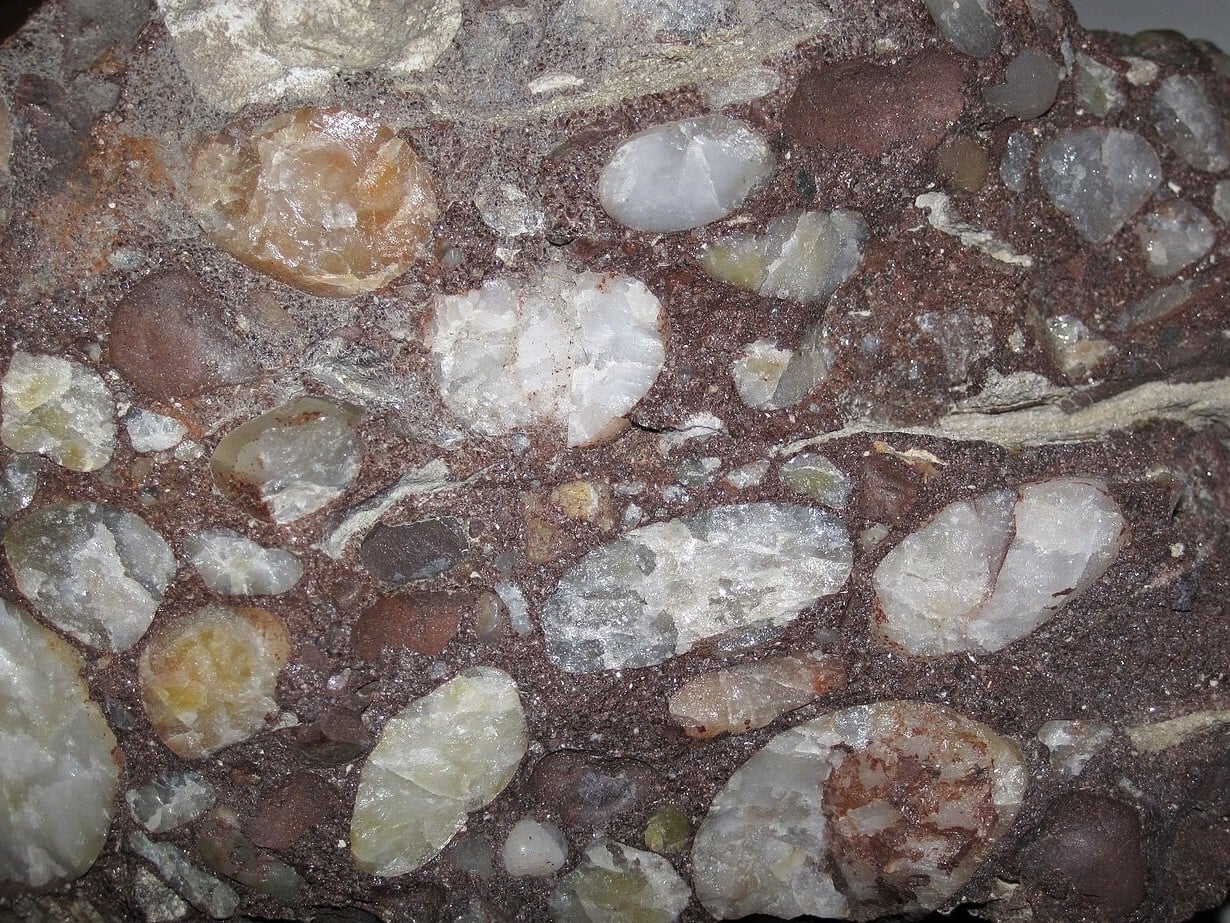
Conglomerate
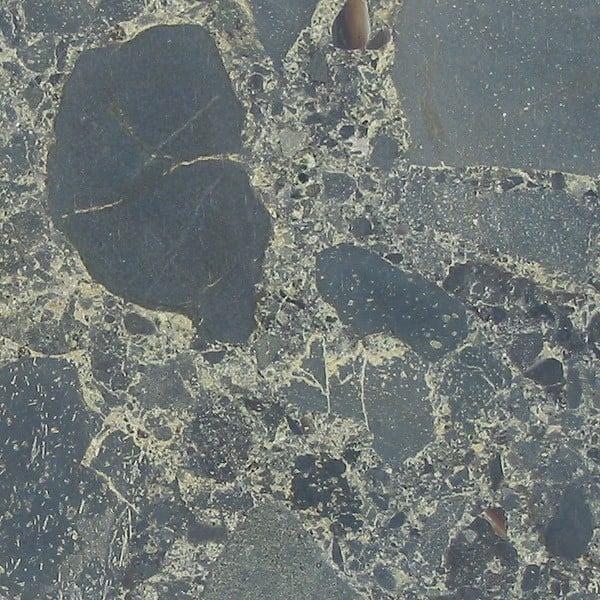
Breccia
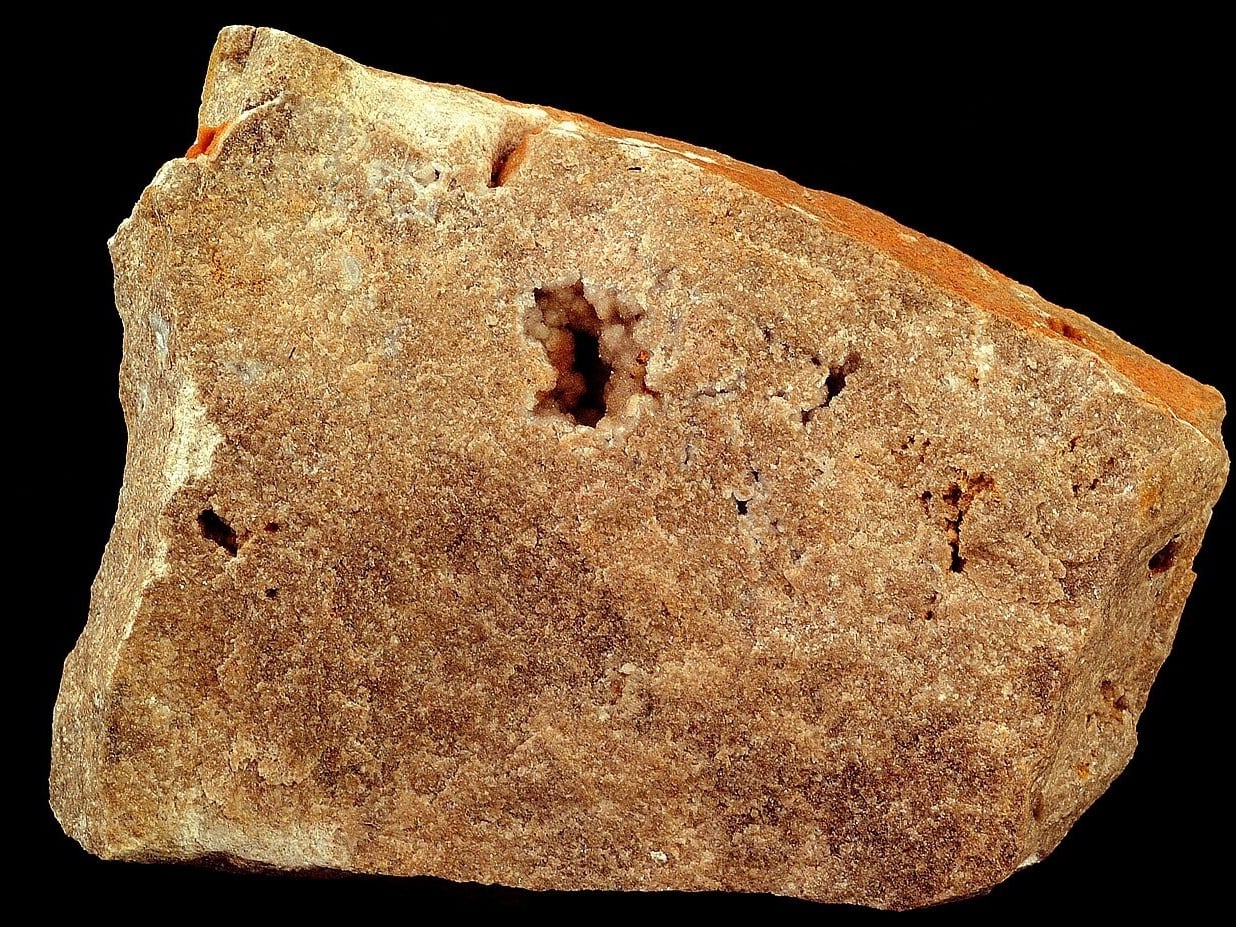
Dolostone (dolomite)
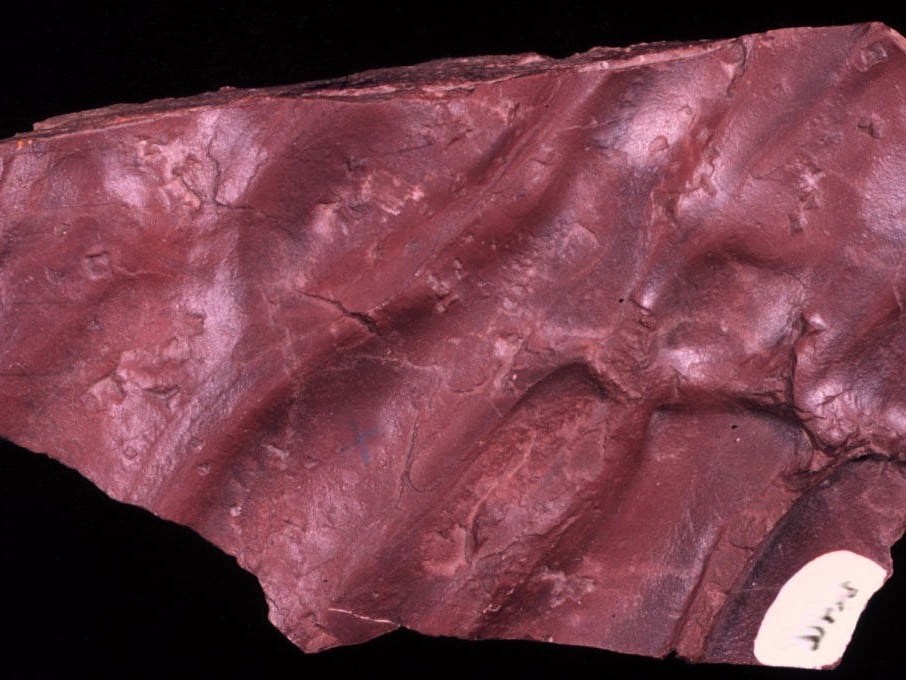
Mudstone & siltstone
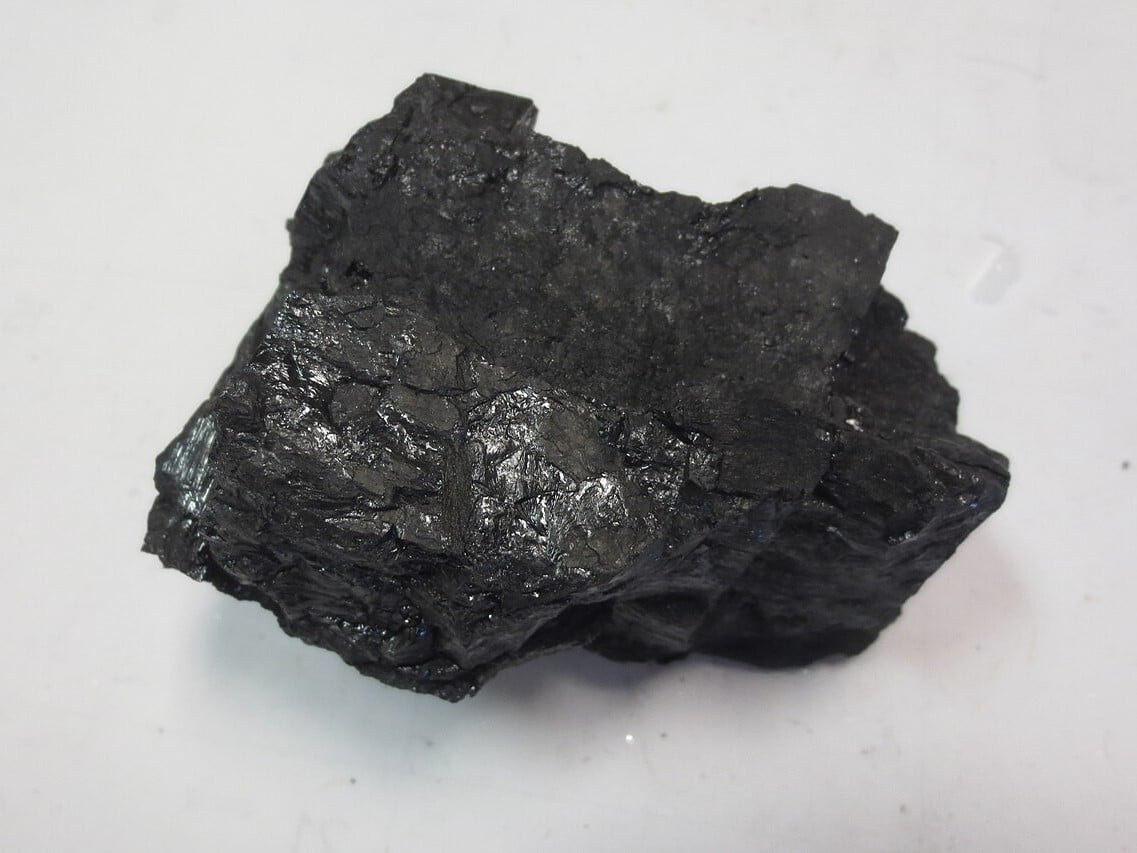
Coal
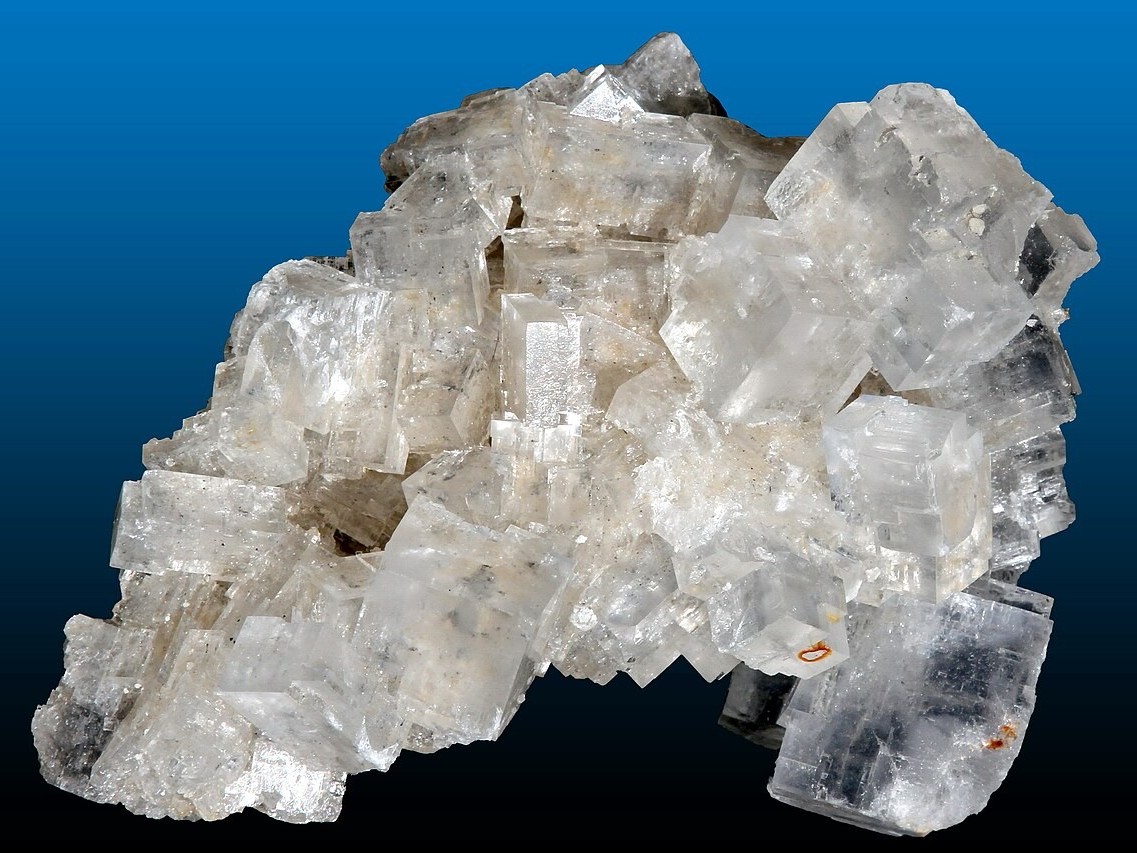
Rock salt (halite)
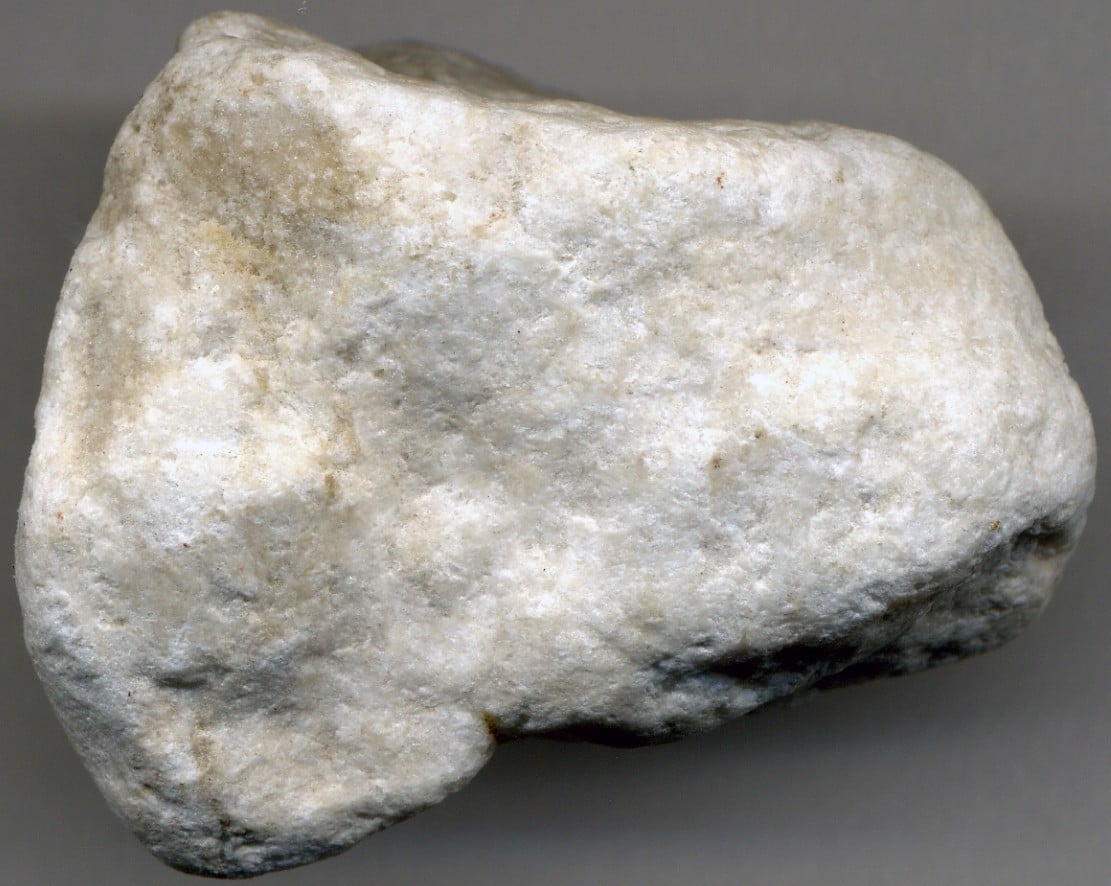
Gypsum rock
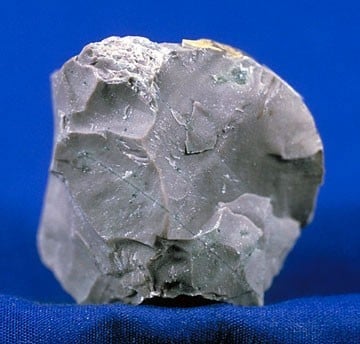
Chert & flint
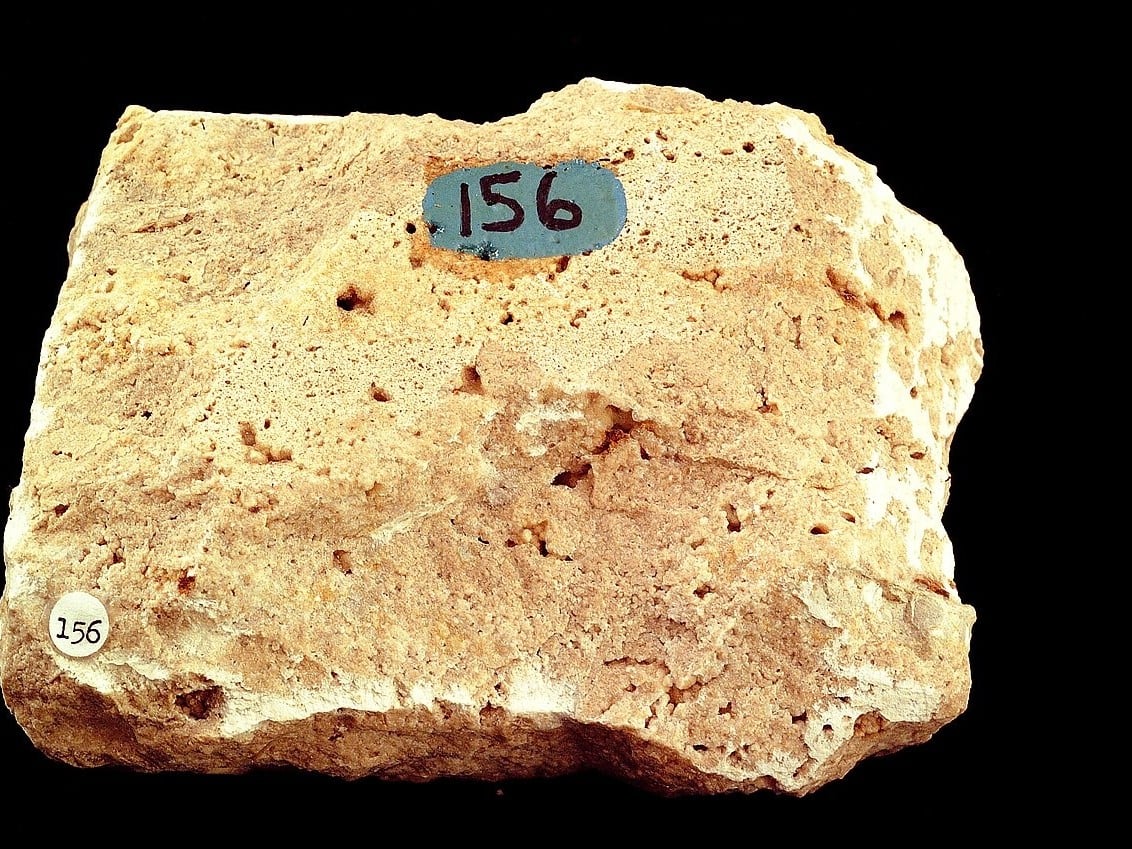
Travertine
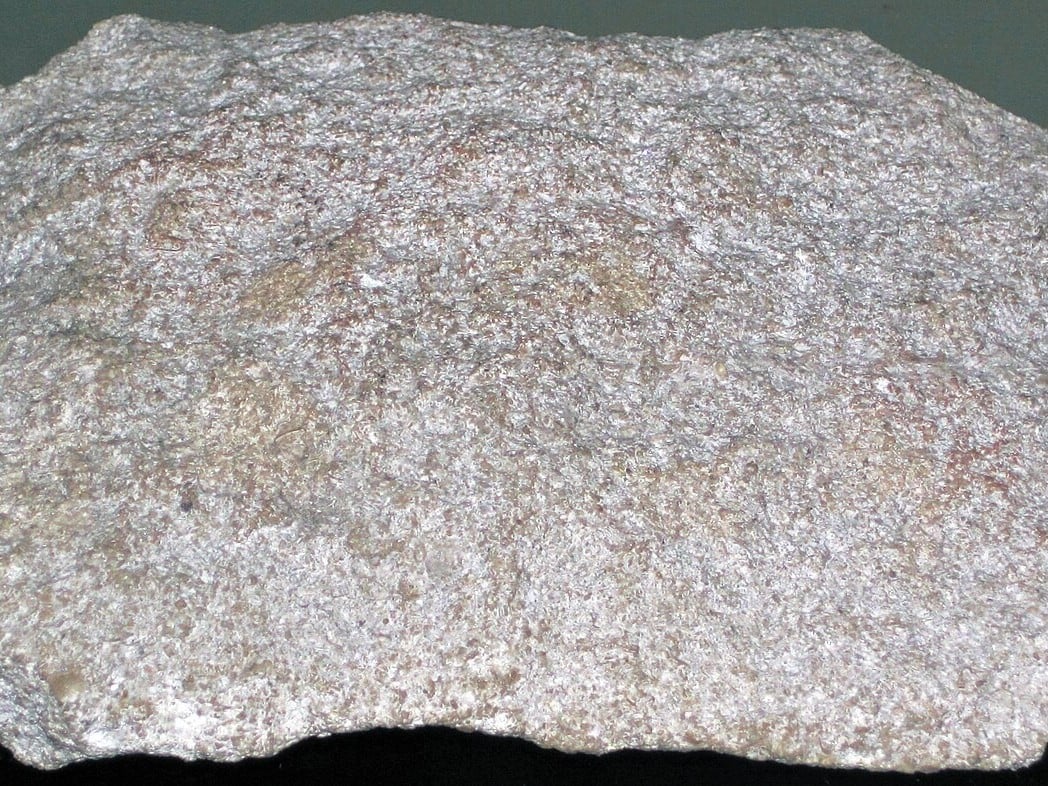
Oolitic limestone
Famous mountains made of this
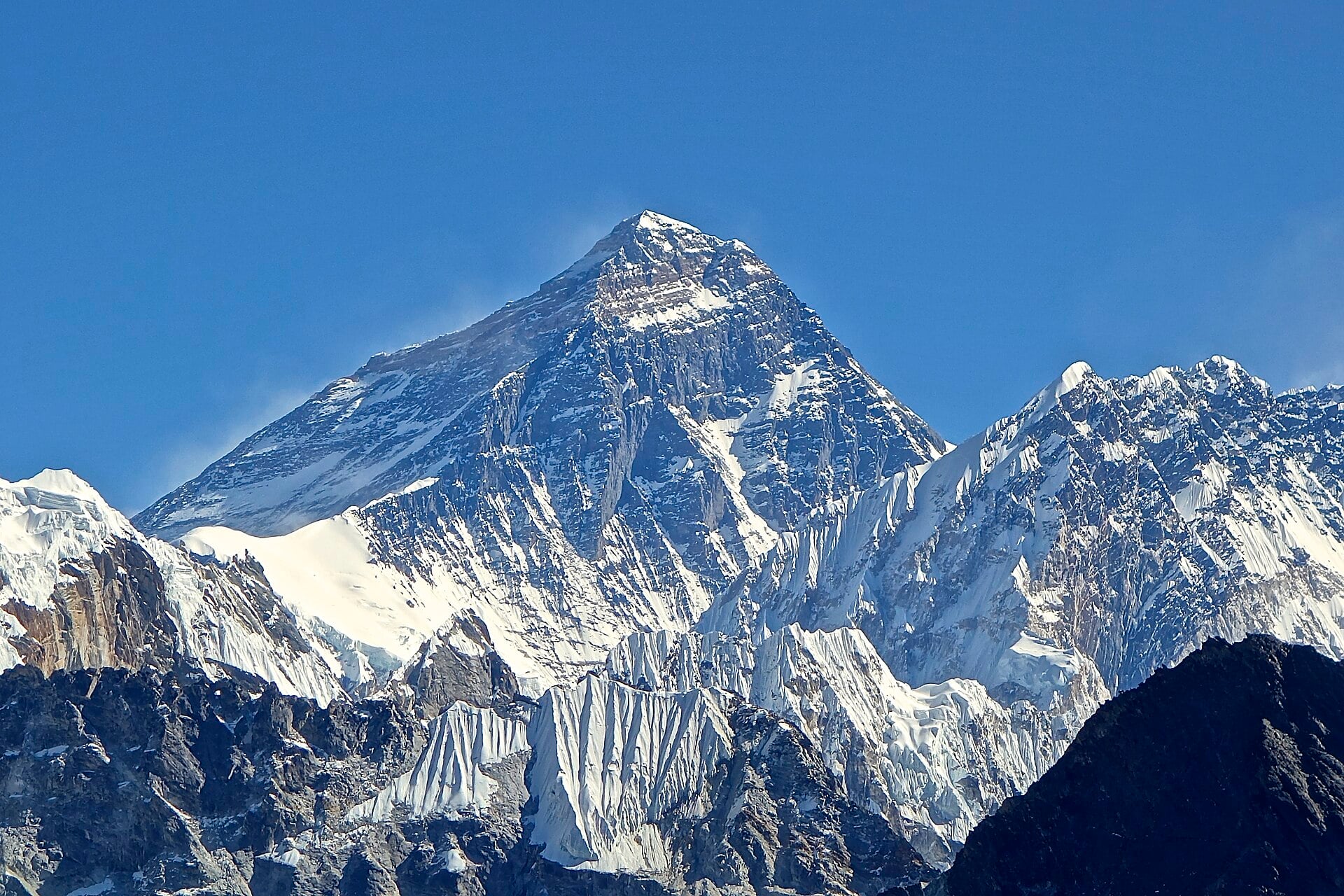
Mount Everest
Marine limestone & shale
Uluru (Ayers Rock)
Arkose sandstone
The Dolomites
Dolomite & limestone
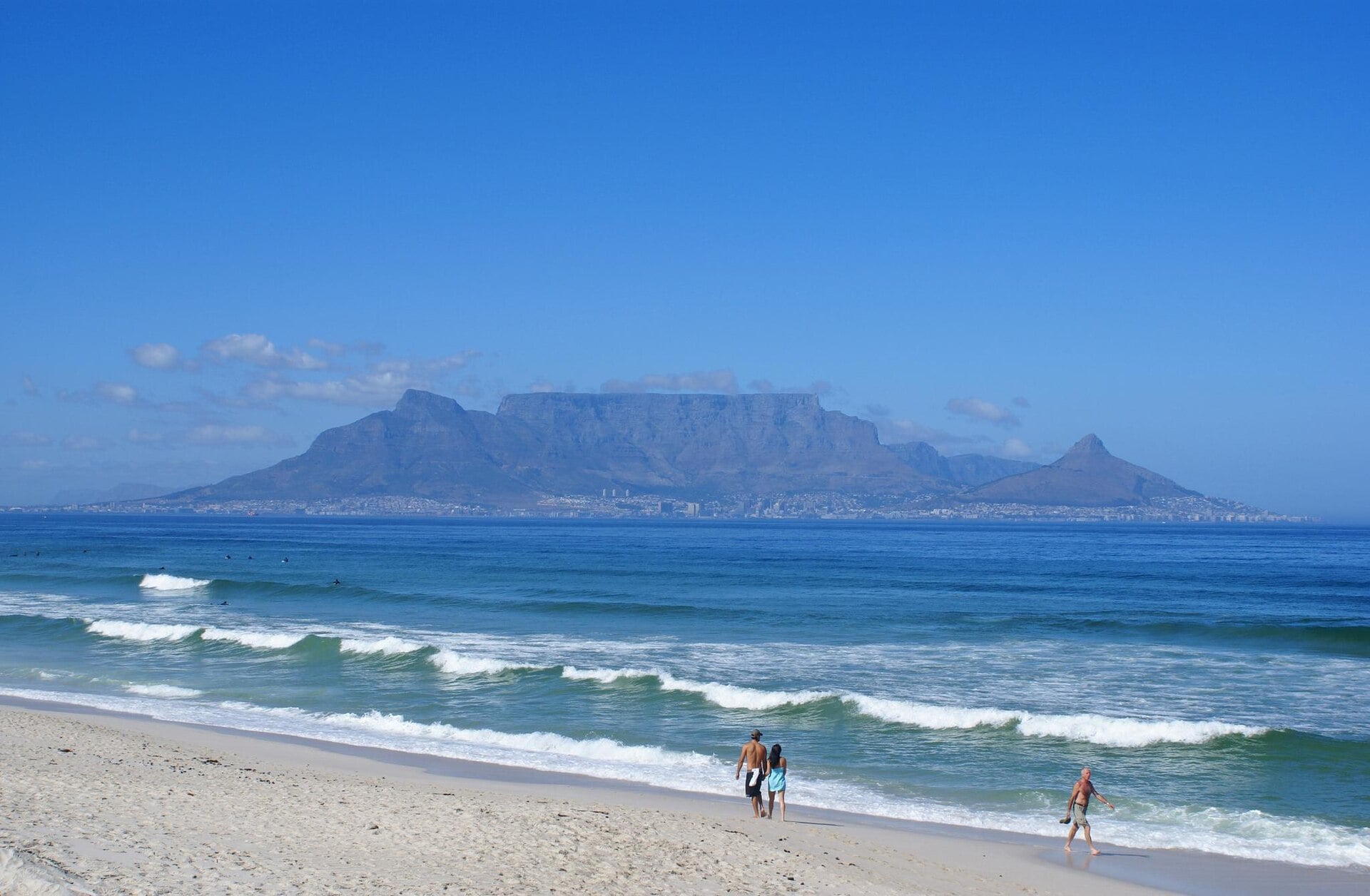
Table Mountain
Quartzitic sandstone
Zhangjiajie Pillars
Quartz sandstone
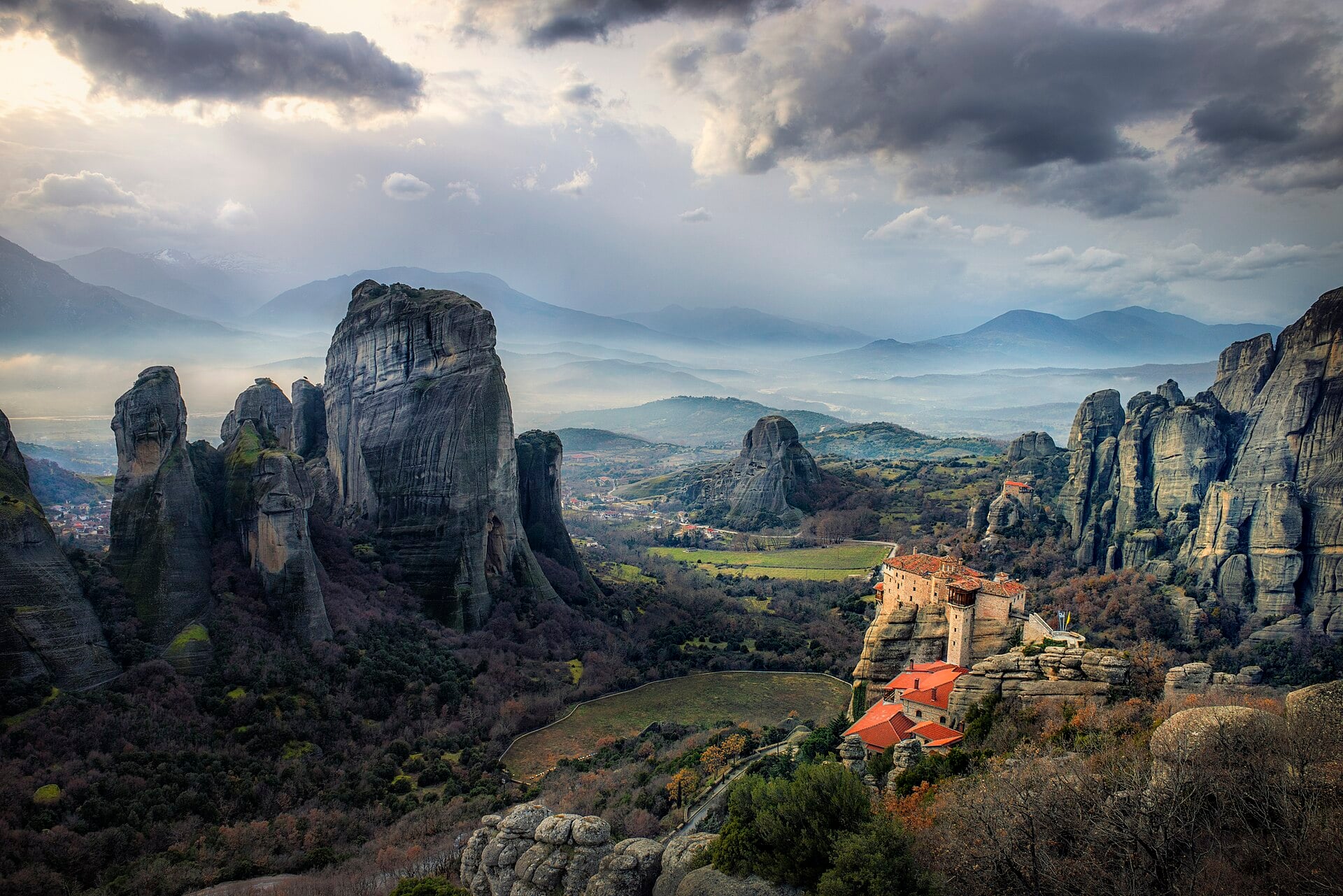
Meteora
Conglomerate
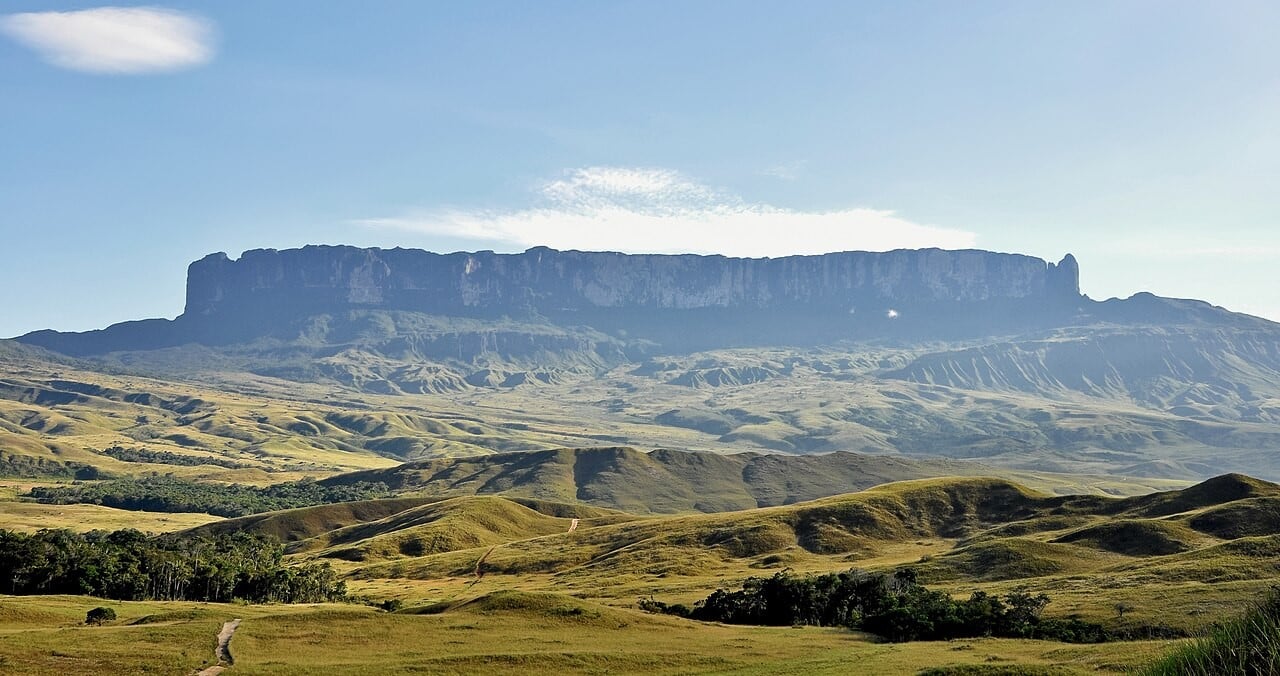
Mount Roraima
Quartz sandstone
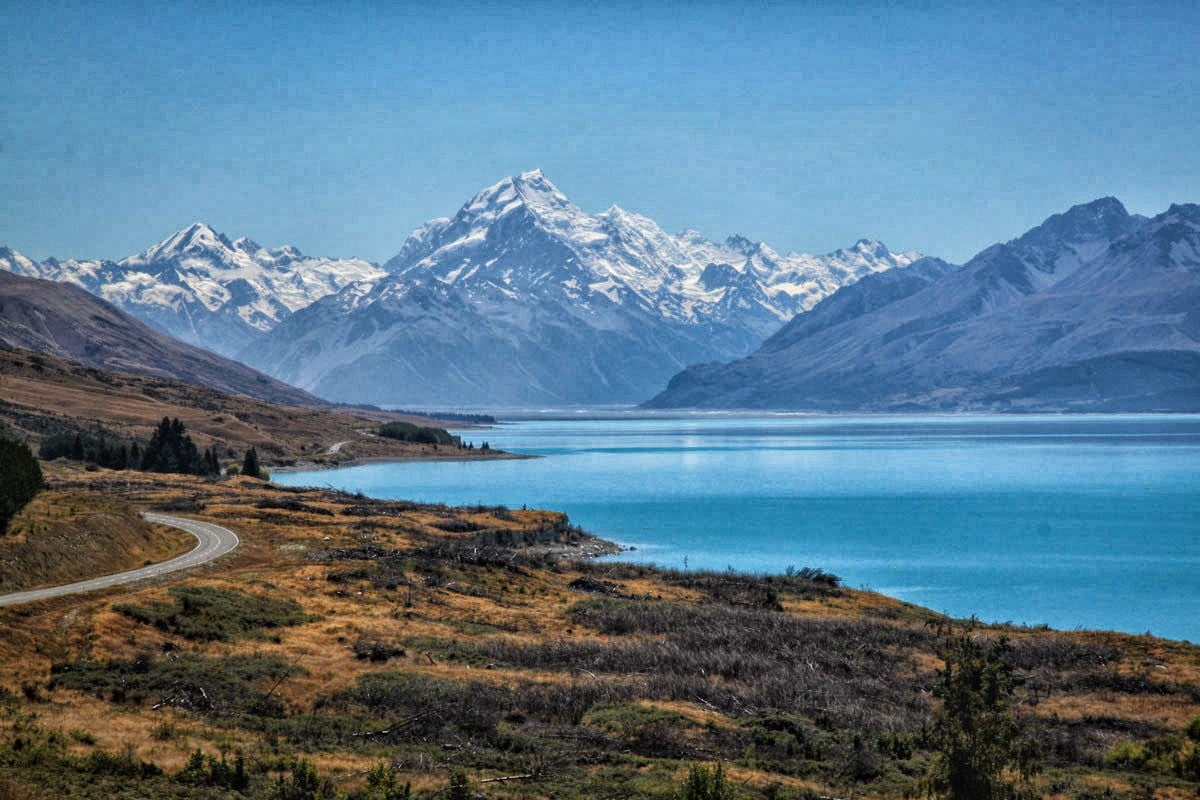
Aoraki / Mount Cook
Greywacke sandstone
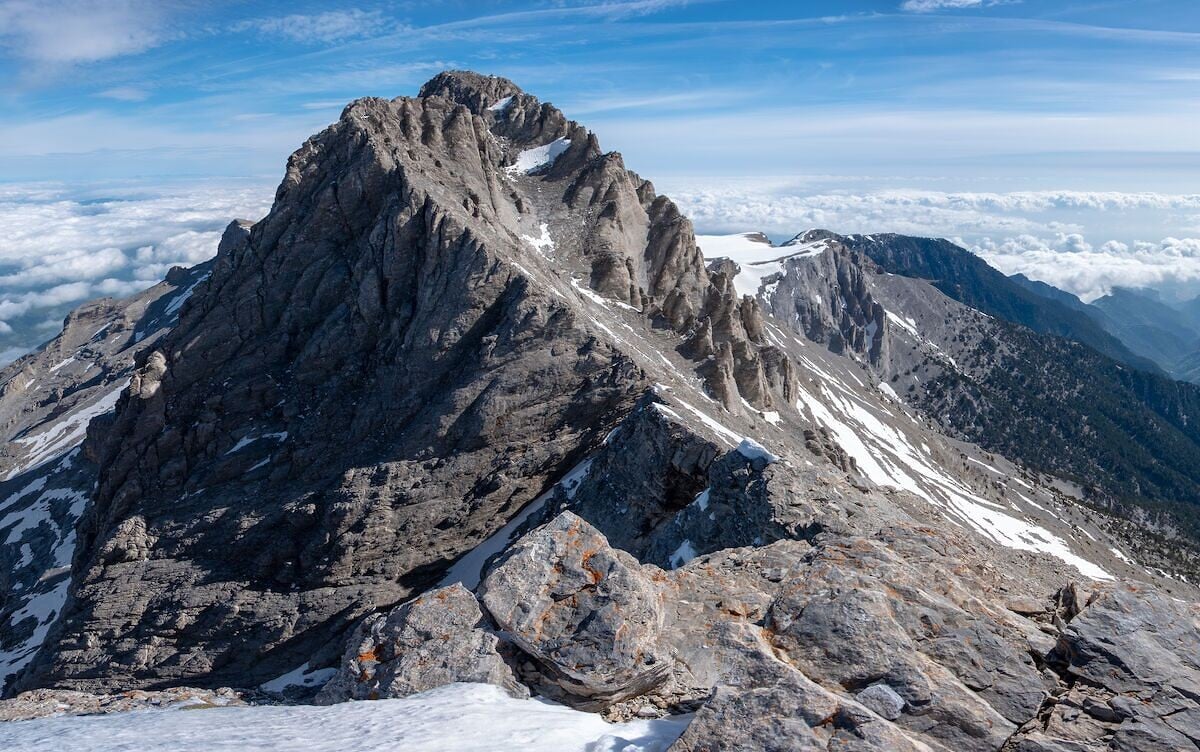
Mount Olympus
Limestone
Did you know?
Sedimentary rocks are the only rocks that preserve fossils — their neat strata are Earth’s history book. Most of the world’s coal, oil, gas and limestone (for cement) comes from them.
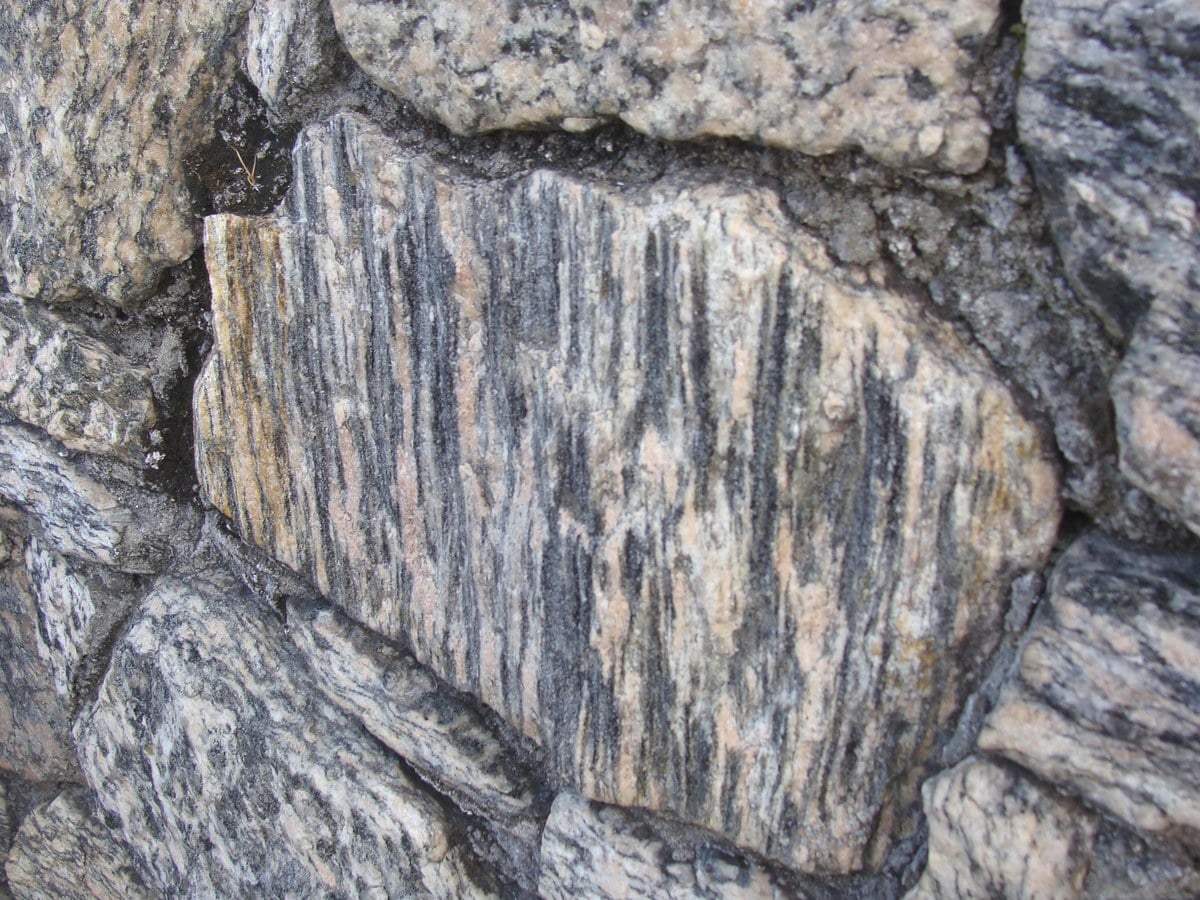
💠 Metamorphic Rocks
Transformed by heat and crushing pressure — but without melting. Deep burial or the squeeze of colliding tectonic plates re-grows a rock’s minerals into new, denser forms. Limestone becomes marble; shale becomes slate, then schist, then gneiss.
12 rock types in this family
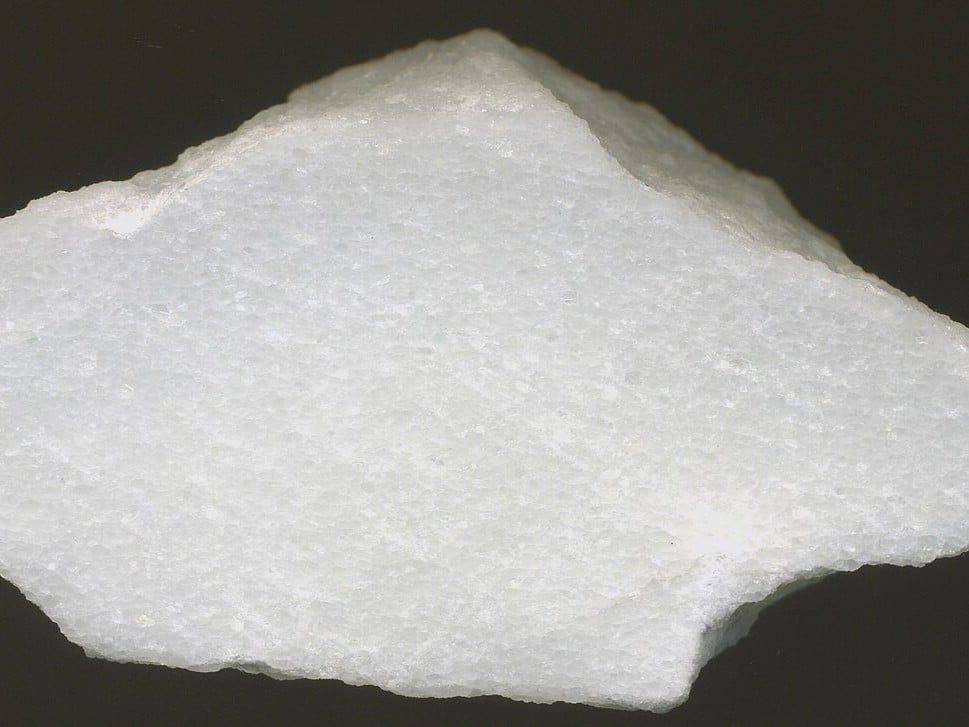
Marble
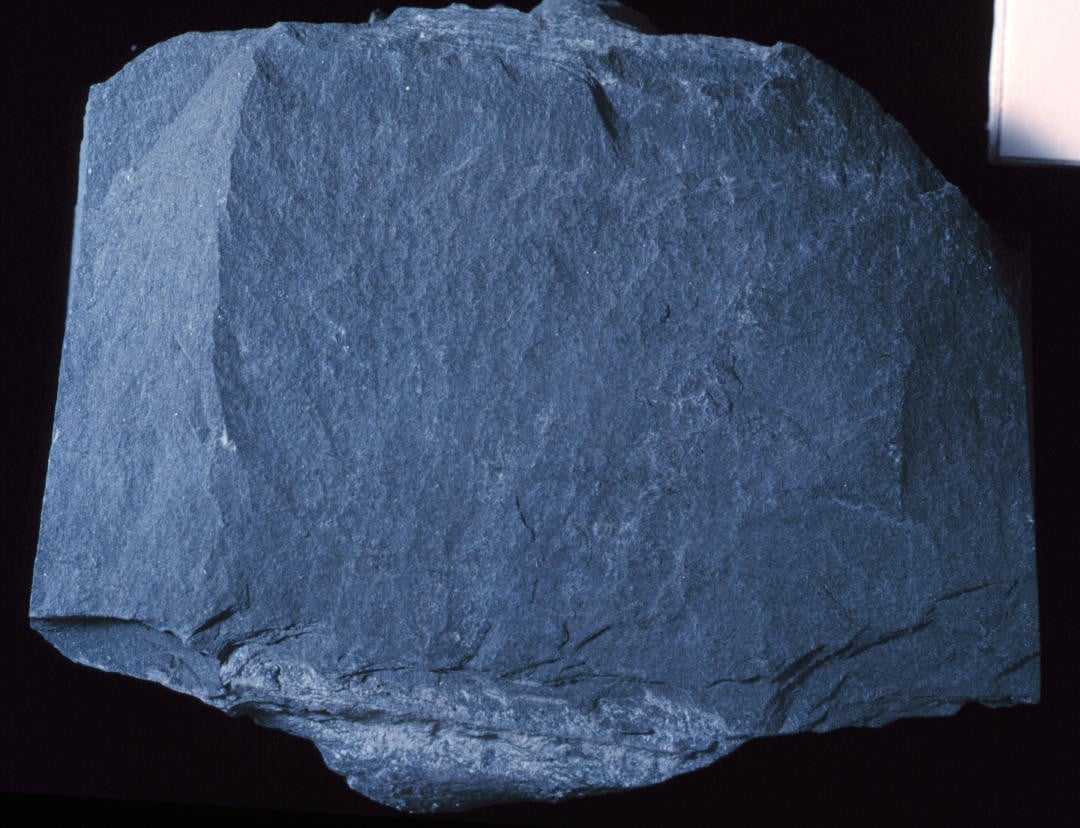
Slate
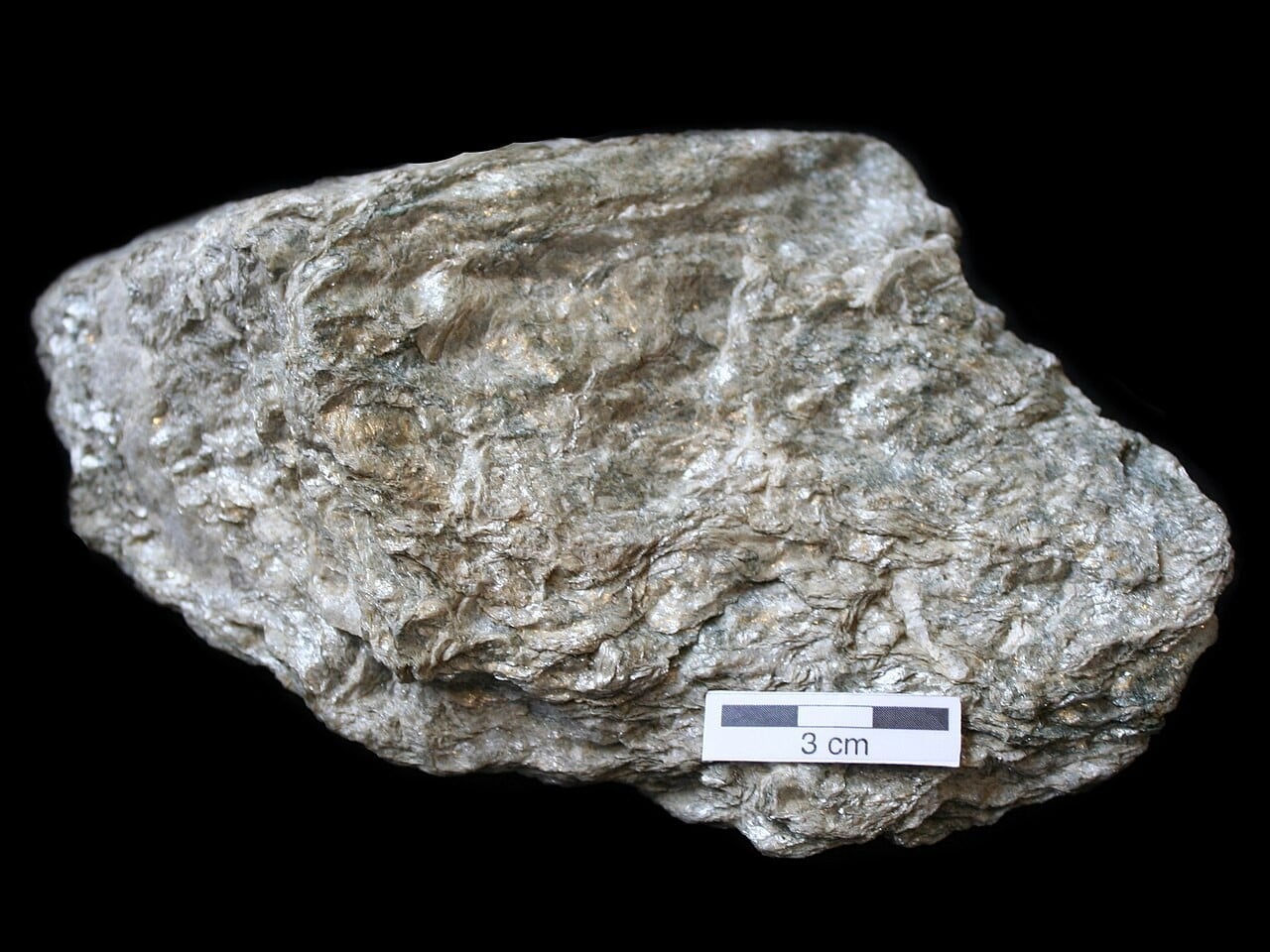
Schist
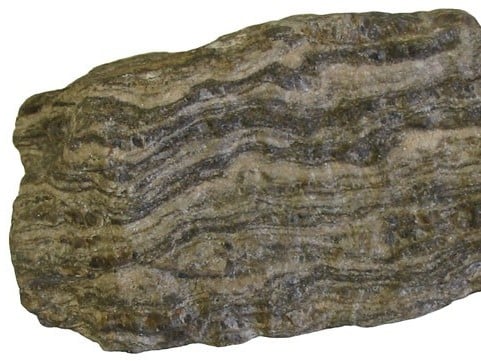
Gneiss
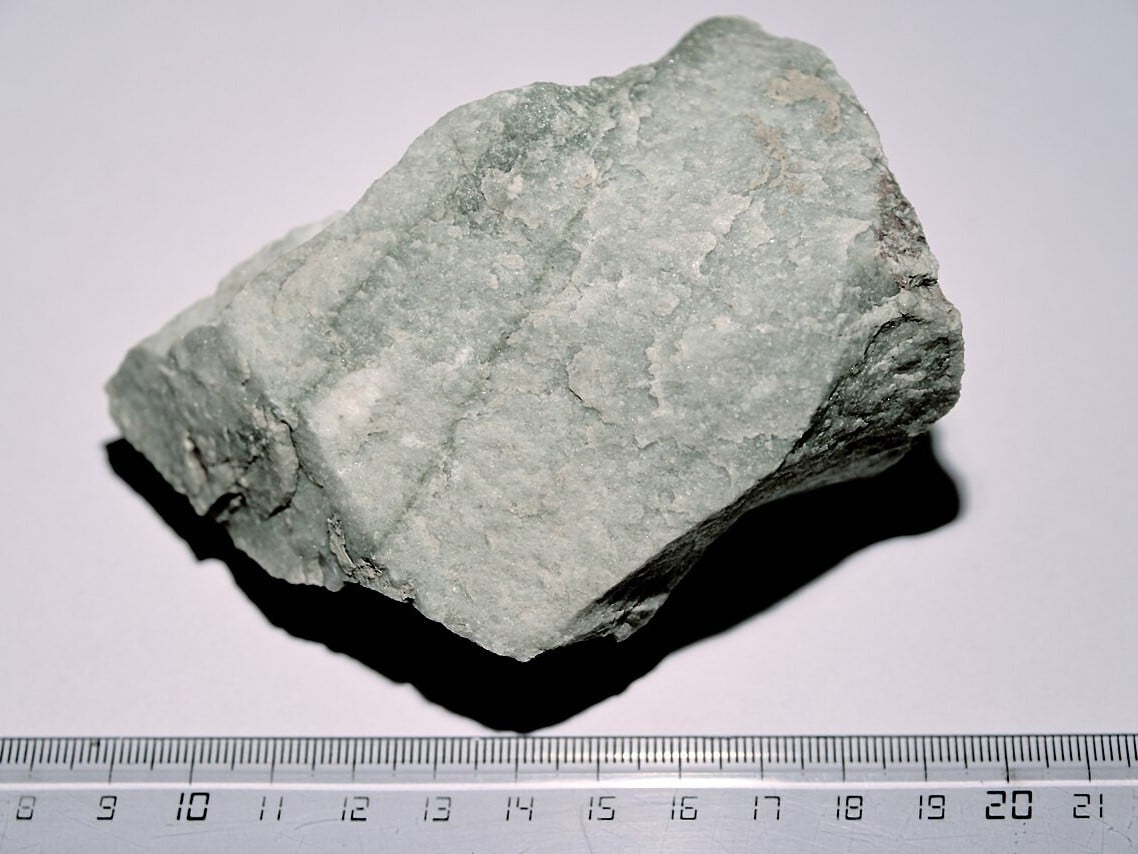
Quartzite
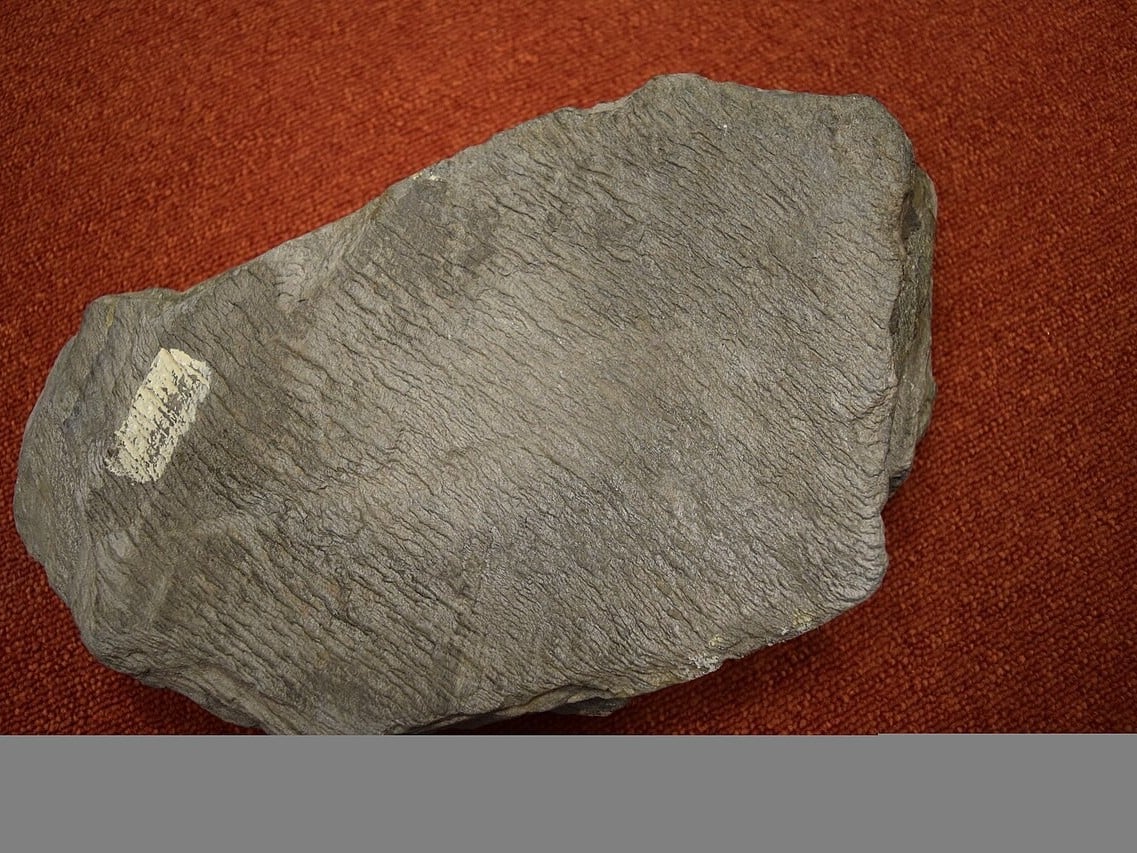
Phyllite
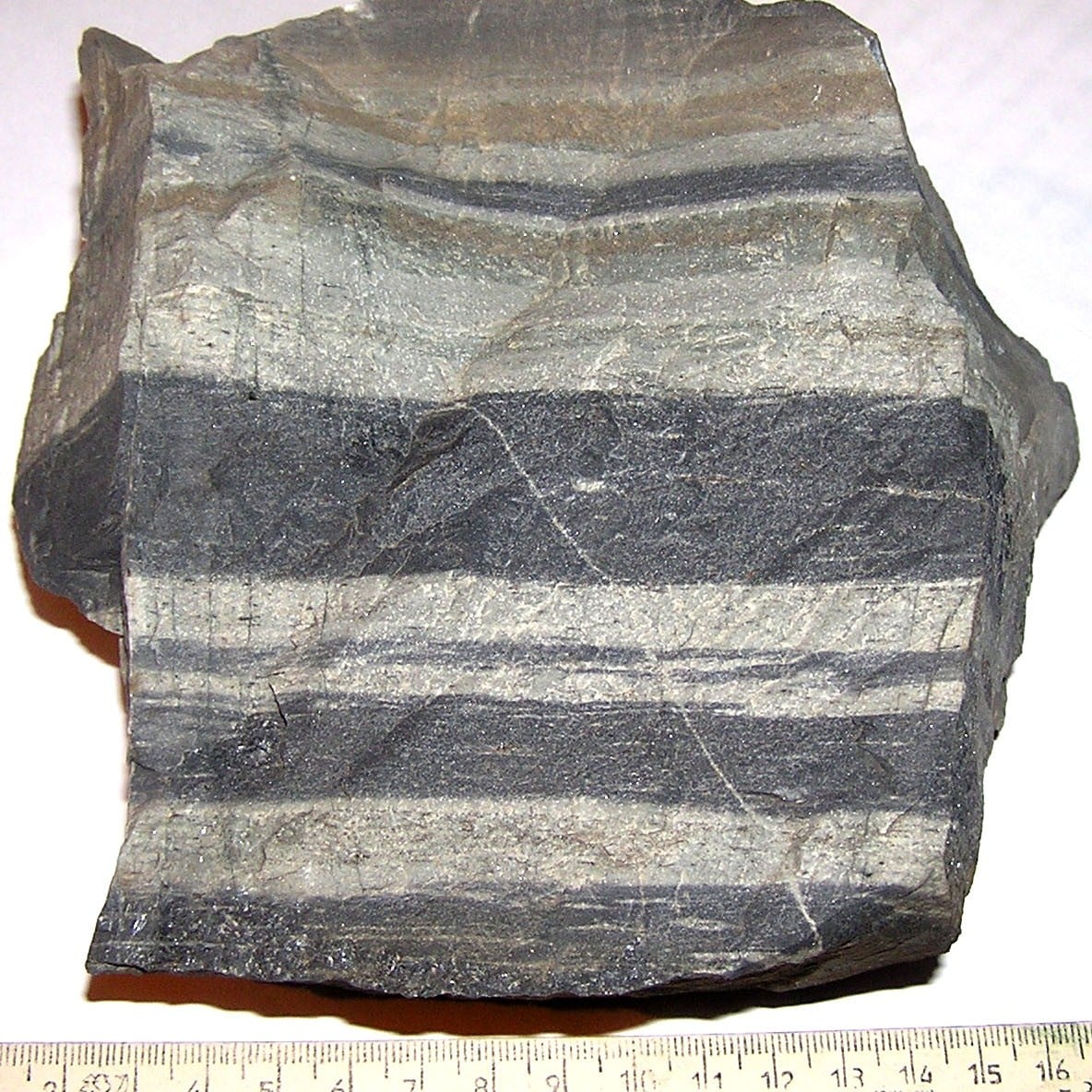
Hornfels
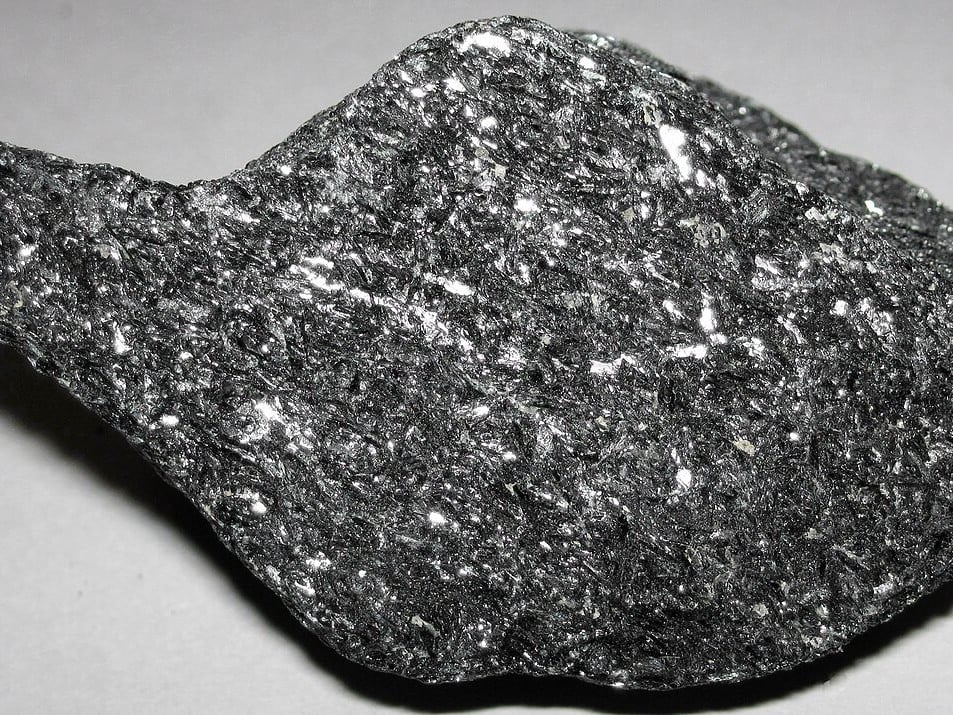
Amphibolite
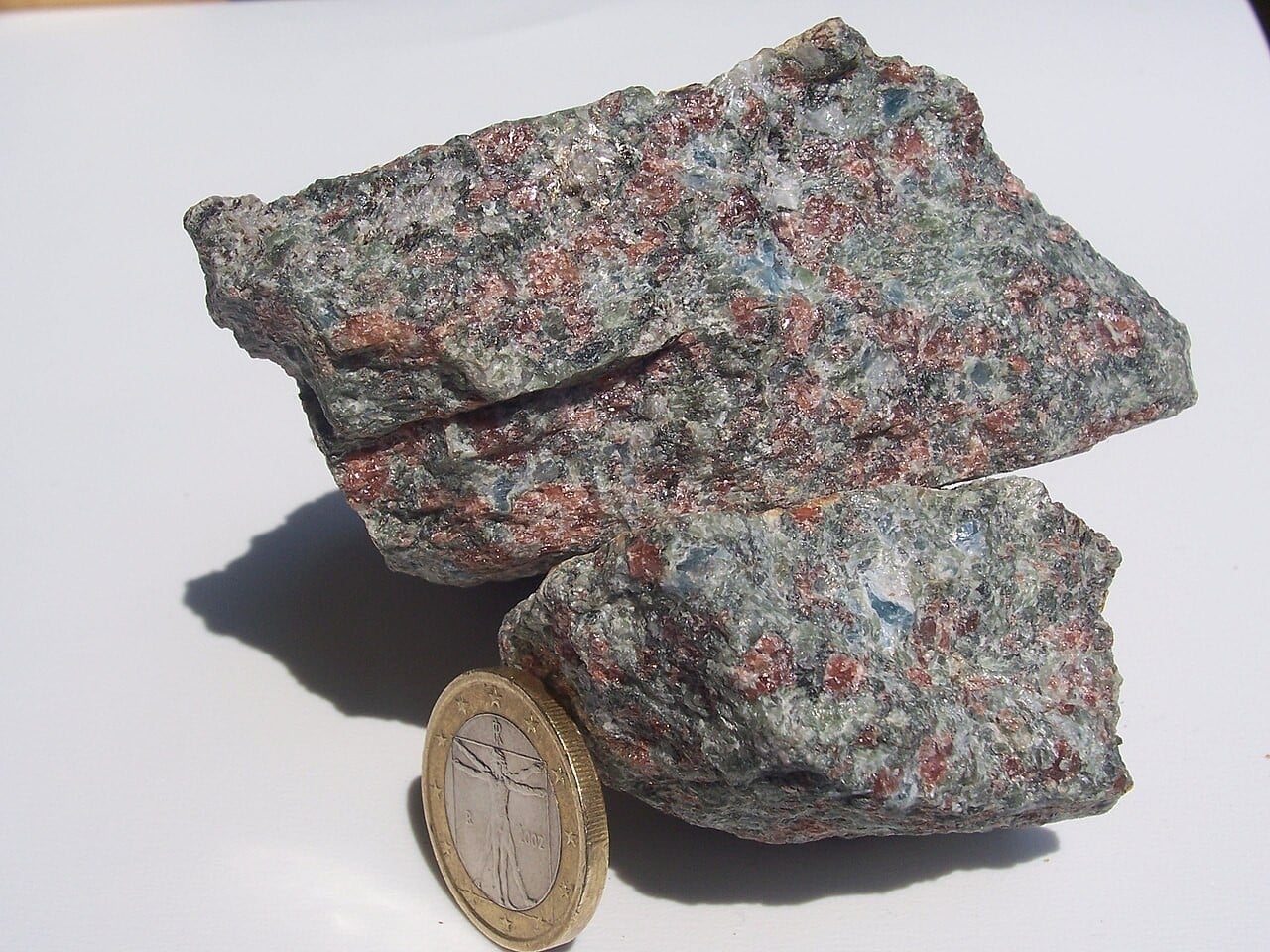
Eclogite
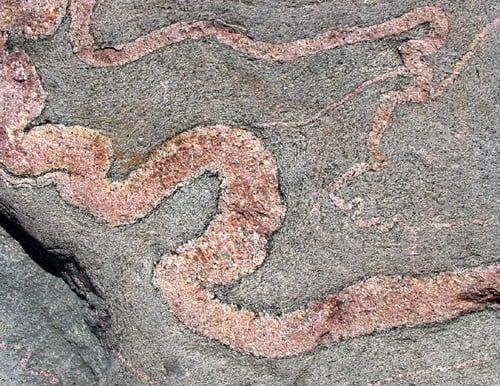
Migmatite
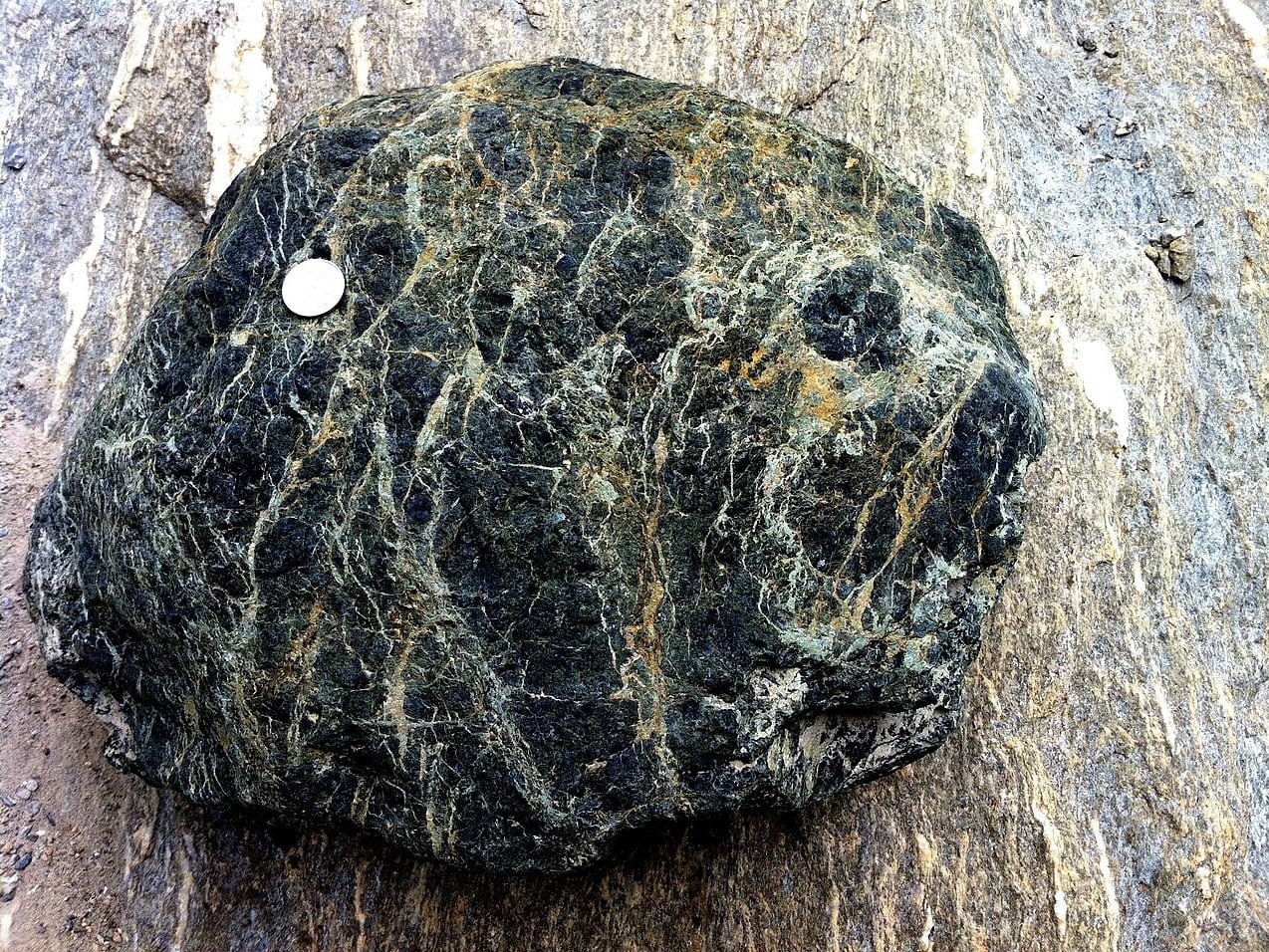
Serpentinite
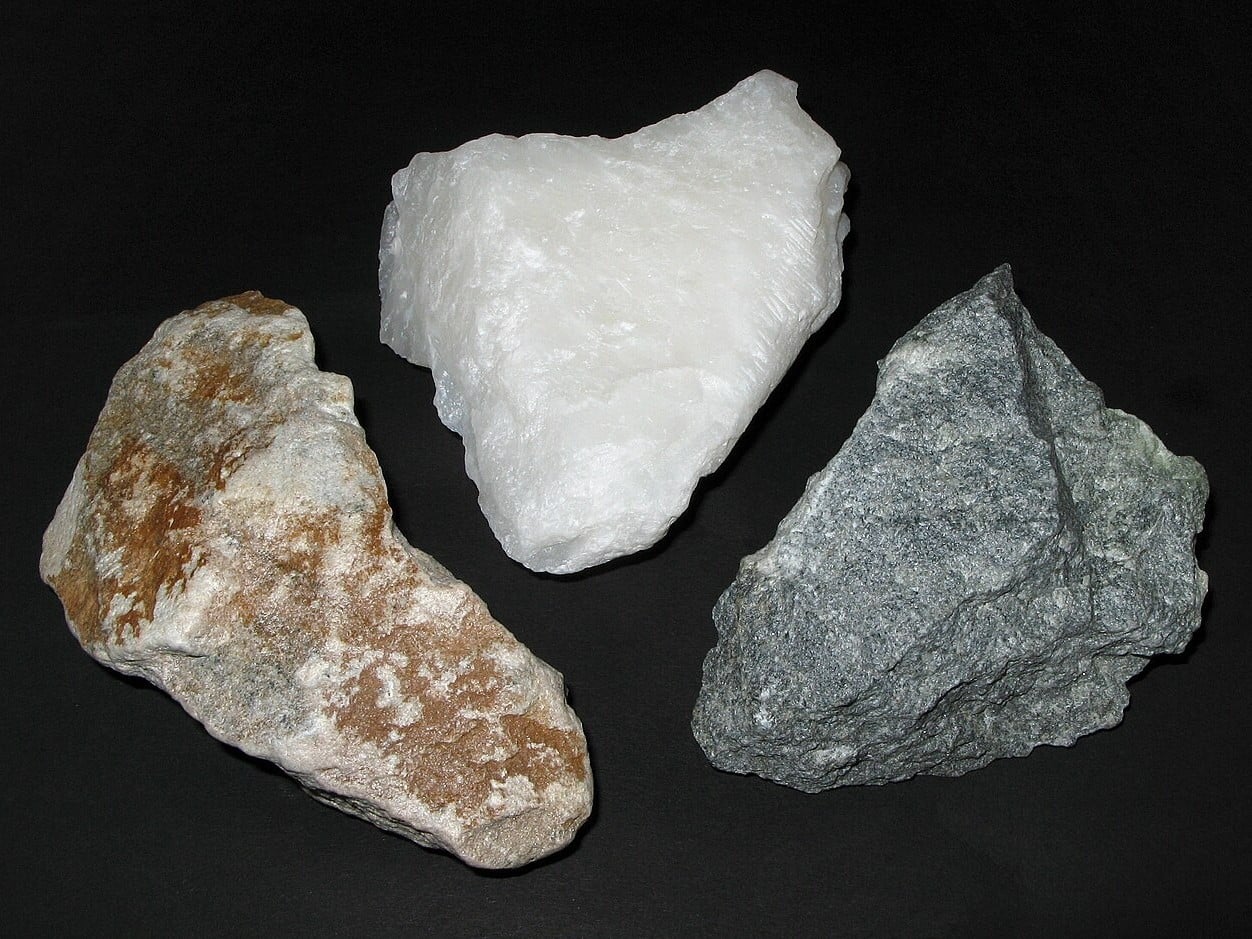
Soapstone (steatite)
Famous mountains made of this
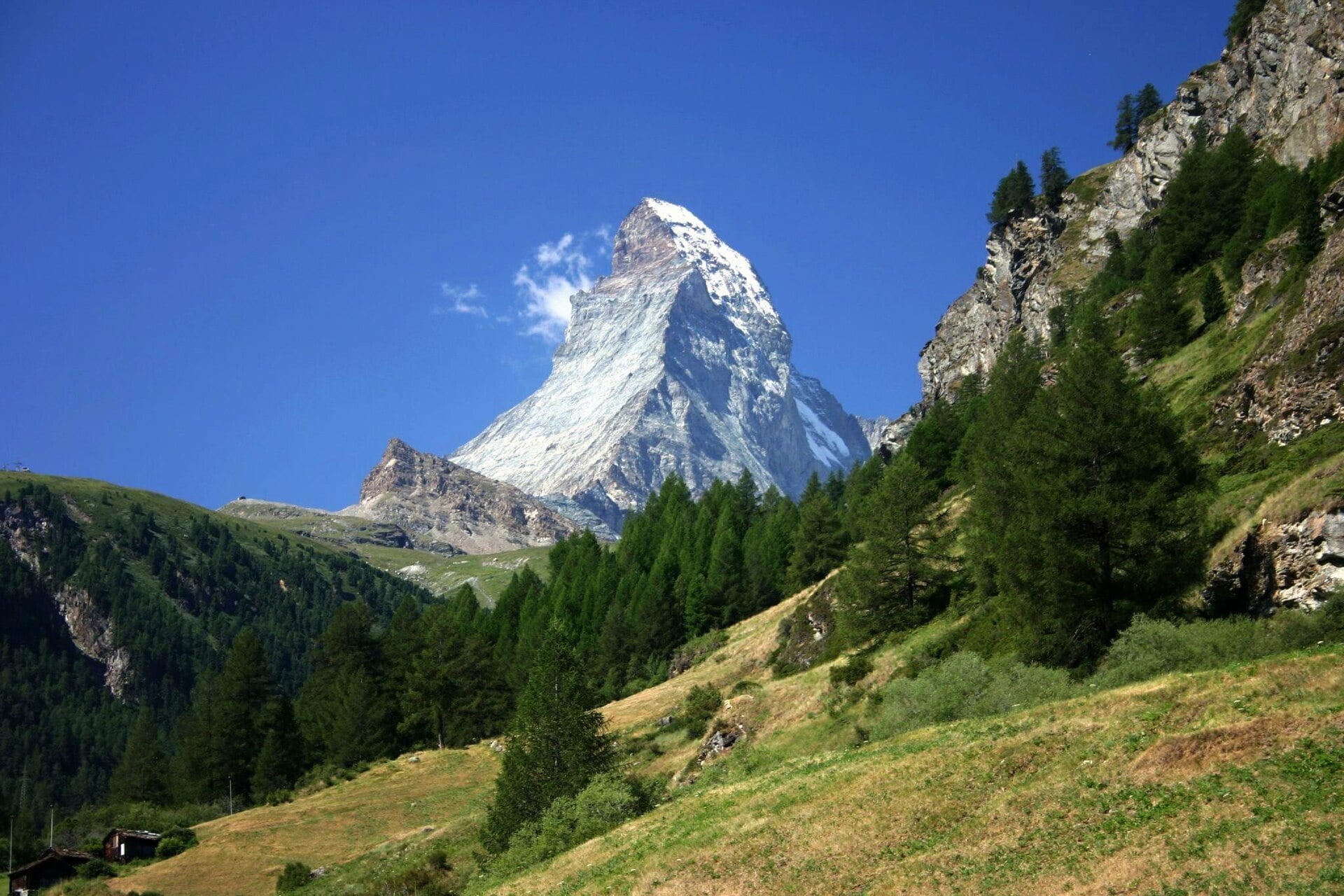
Matterhorn
Gneiss
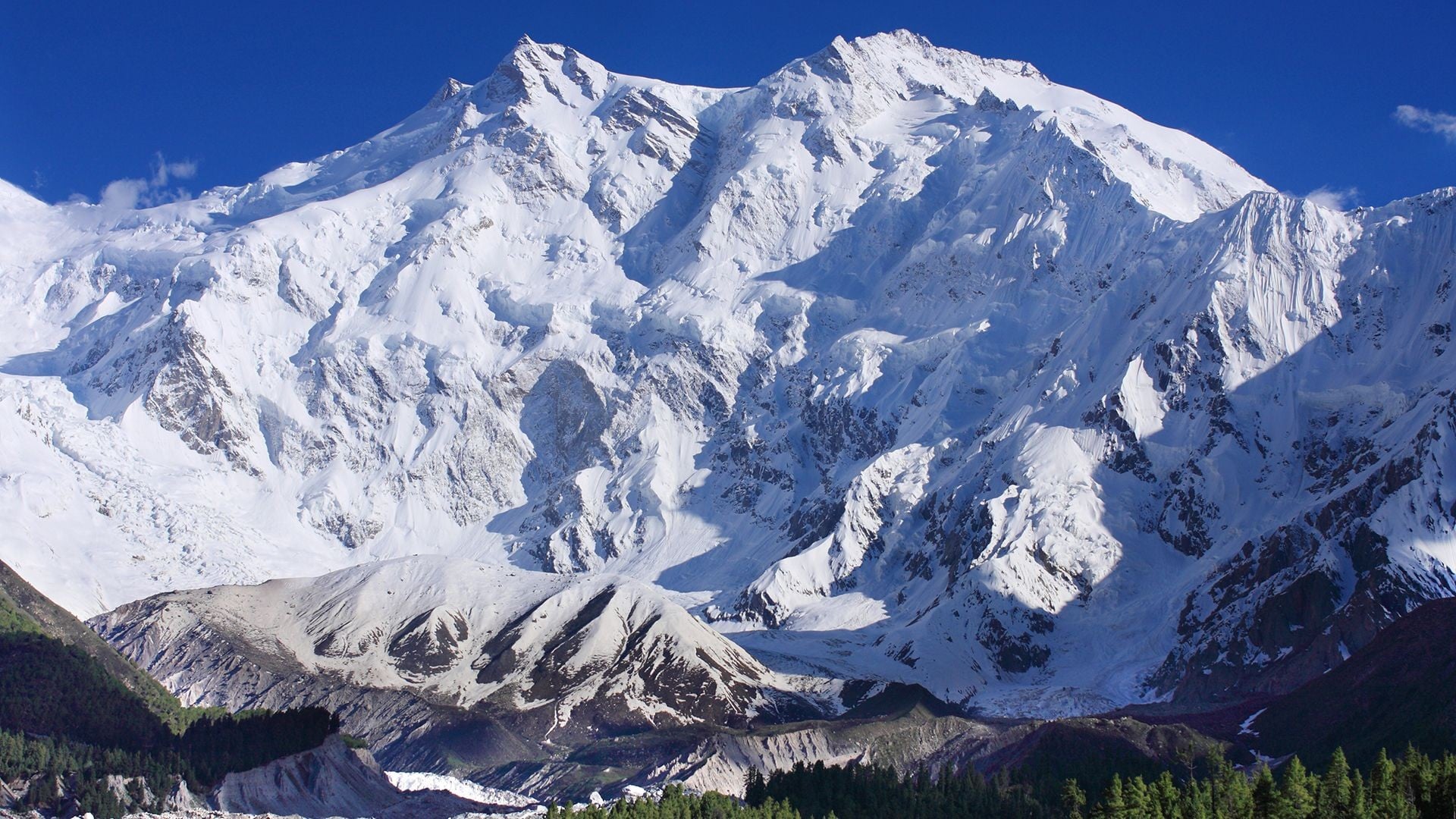
Nanga Parbat
Gneiss
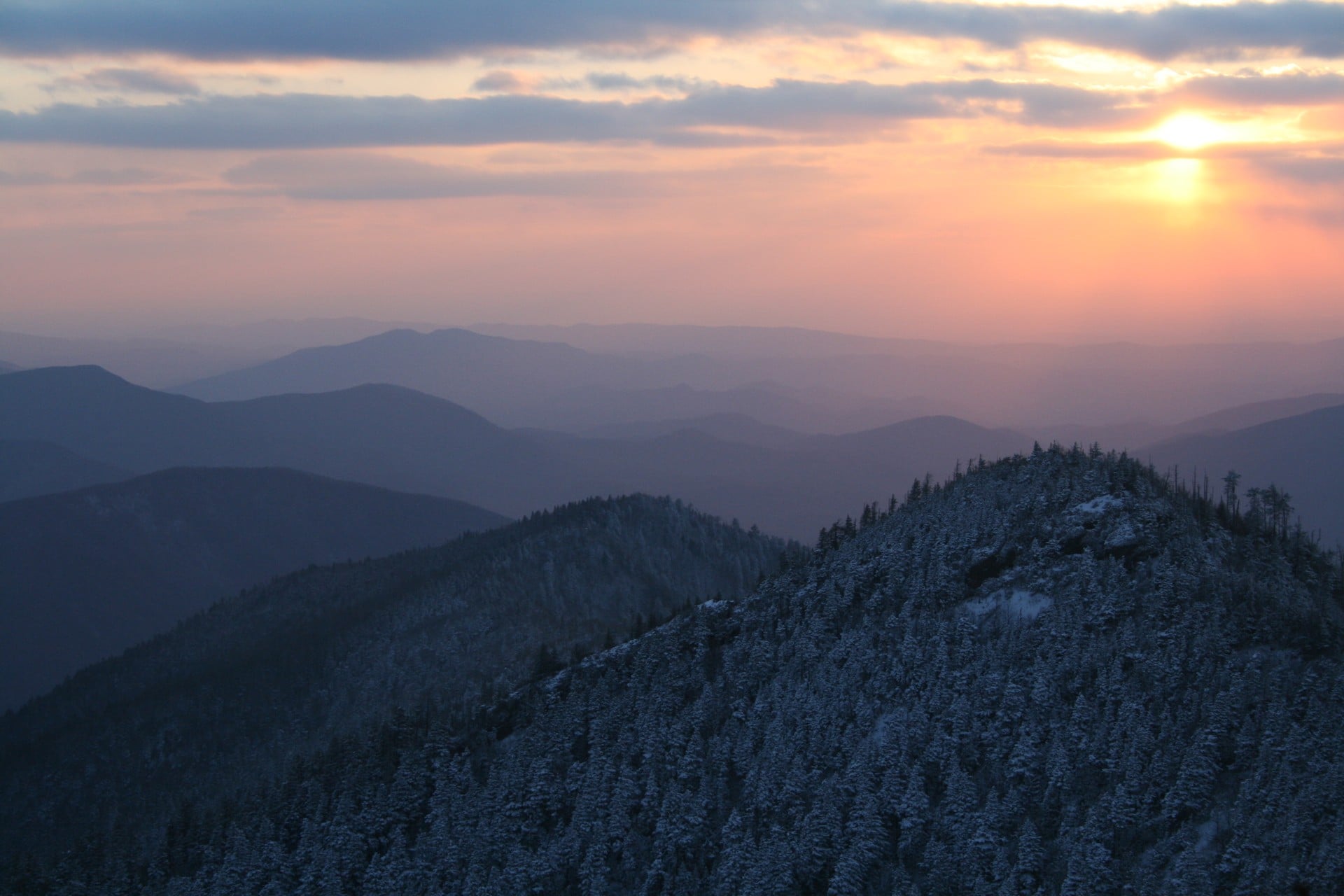
Great Smoky Mountains
Slate, schist & gneiss
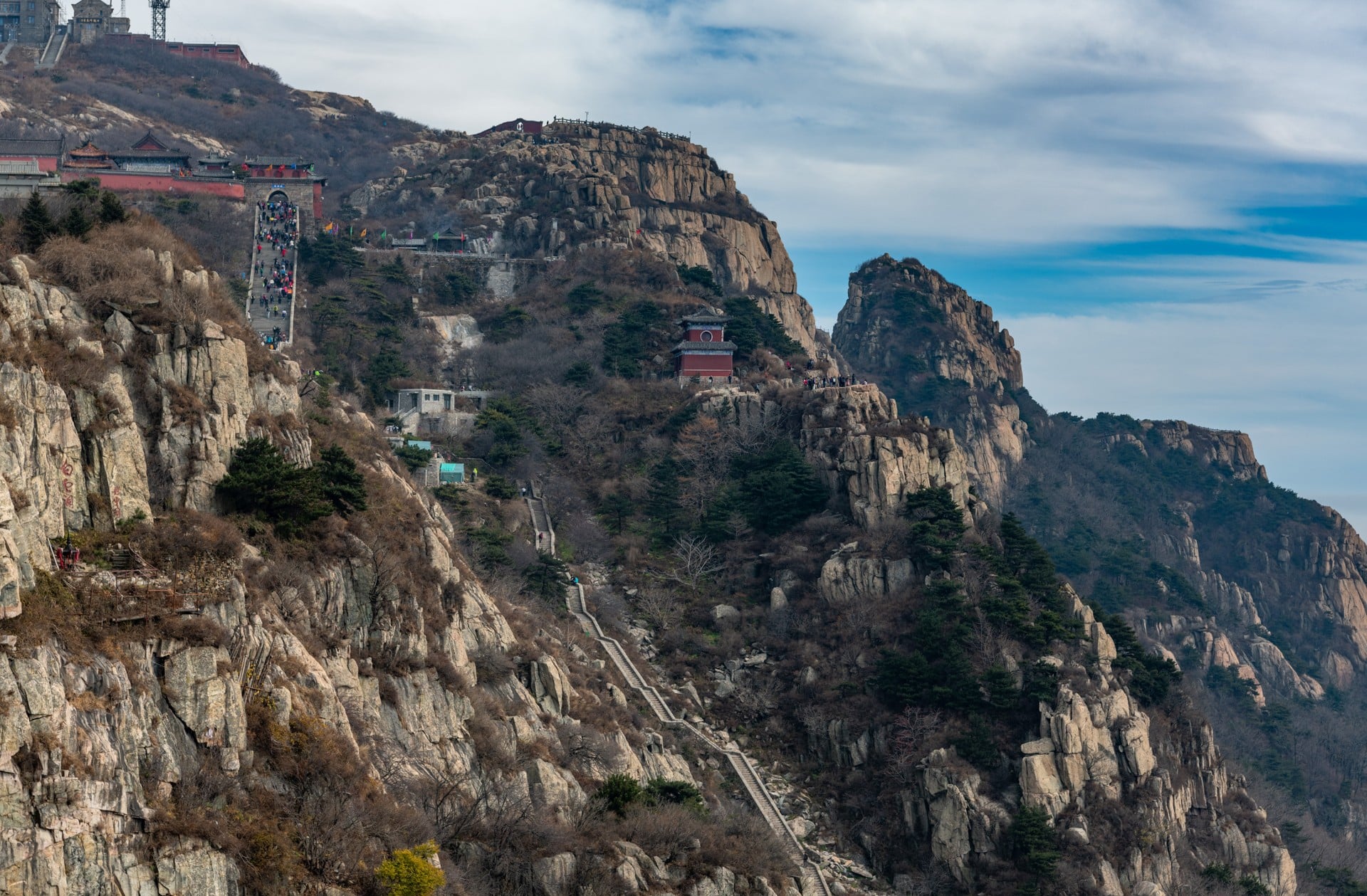
Mount Tai (Taishan)
Gneiss
Did you know?
The oldest known rock on Earth — the Acasta Gneiss in Canada — is a metamorphic rock around 4 billion years old. Marble is simply limestone that was cooked and squeezed until its crystals grew.
The Rock Cycle
No rock is forever. Over millions of years any rock can be melted, worn away or cooked into a different kind — an endless loop that keeps rebuilding the planet. Follow it stage by stage.
Magma
Deep heat melts rock into molten magma. When it cools — underground or after a volcanic eruption — it crystallises into igneous rock.
Tap each stage to follow the never-ending rock cycle.
All three families are endlessly recycled through the rock cycle: any rock can, given enough time, melt, weather, be buried or be crushed and become any other. Nothing on Earth is truly permanent — only slow.
Guess the Rock or Gem
Put your eye to the test. We will show you a photo of a rock or gemstone — can you pick its name from four choices? Keep going to build your streak.
Can you name the rock or gem from its photo? Four choices, one right answer.
Gems, Metals & Minerals
Tap any treasure to see how it forms, what it is used for, the top ten producing countries with approximate annual output and estimated US-dollar value, and a did-you-know fact.
52 treasures
The Mohs Hardness Scale
How tough is a mineral? The Mohs scale ranks them 1 to 10 — each one can scratch everything below it. Drag the slider to explore, from crumbly talc to unbreakable diamond.
Hardness 7 of 10
Quartz
Scratches glass easily — the hardest common mineral.
Treasures around this hardness
What Gives Gems Their Colour?
A pinch of the right element can paint a clear crystal any colour of the rainbow. The same chromium makes rubies red and emeralds green — here is the chemistry behind the colours.
Red
Chromium
Ruby, red spinel
Green
Chromium & vanadium
Emerald, tsavorite garnet
Blue
Iron & titanium
Sapphire, aquamarine
Violet
Iron + natural radiation
Amethyst
Yellow
Iron
Citrine, yellow sapphire
Pink
Manganese
Rose quartz, morganite
Orange
Manganese & iron
Spessartine garnet
Deep blue
Copper
Turquoise
Birthstones of the Year
Every month has its own lucky gem, a tradition thousands of years old. Find yours below.
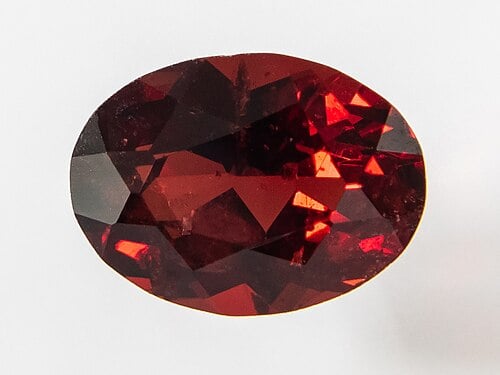 January
Garnet
Protection and loyal friendship
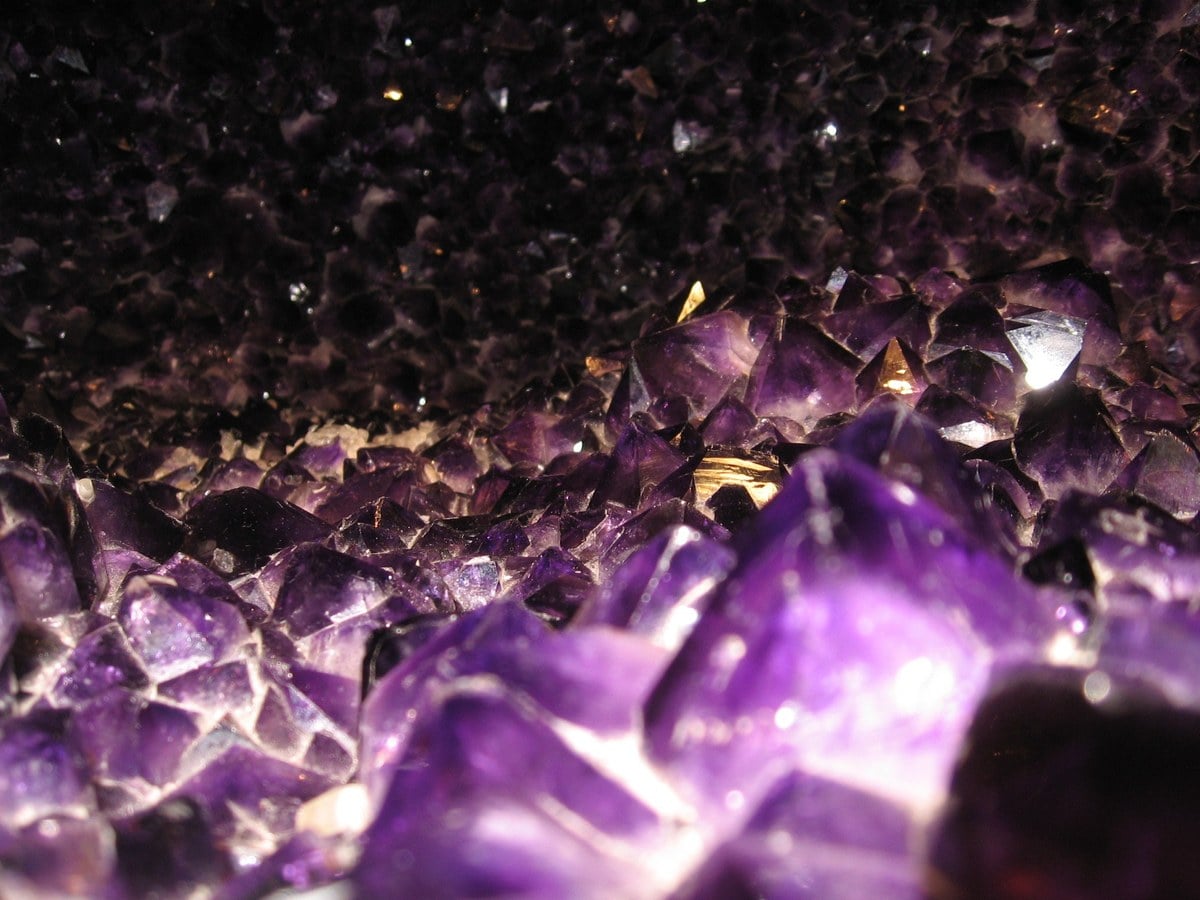 February
Amethyst
Calm, clarity and a clear head
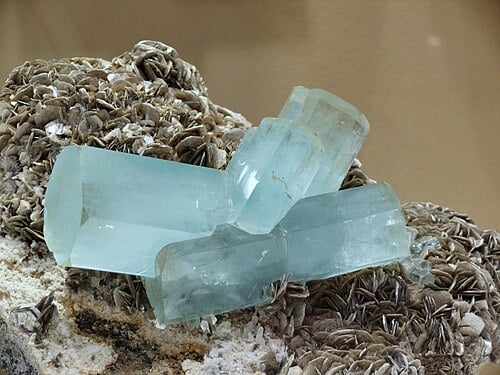 March
MarchAquamarine
Courage and safe travel over water
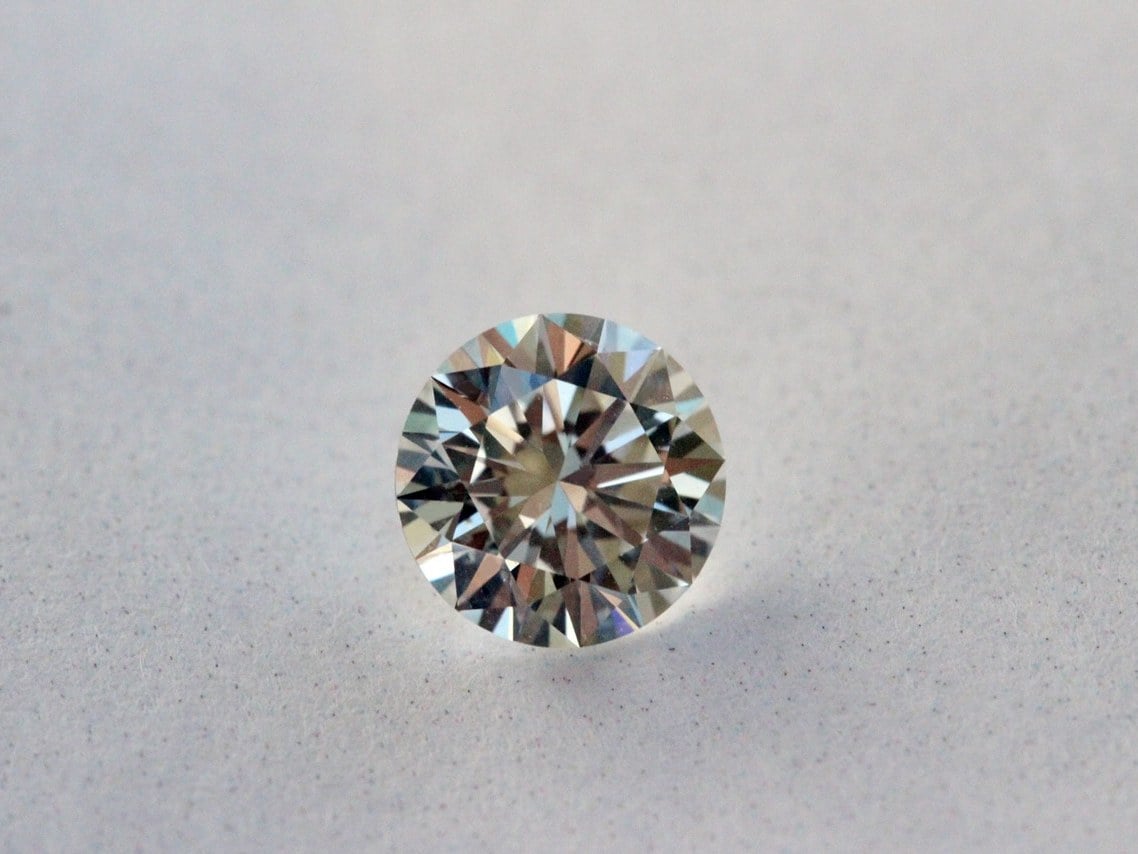 April
AprilDiamond
Everlasting love and strength
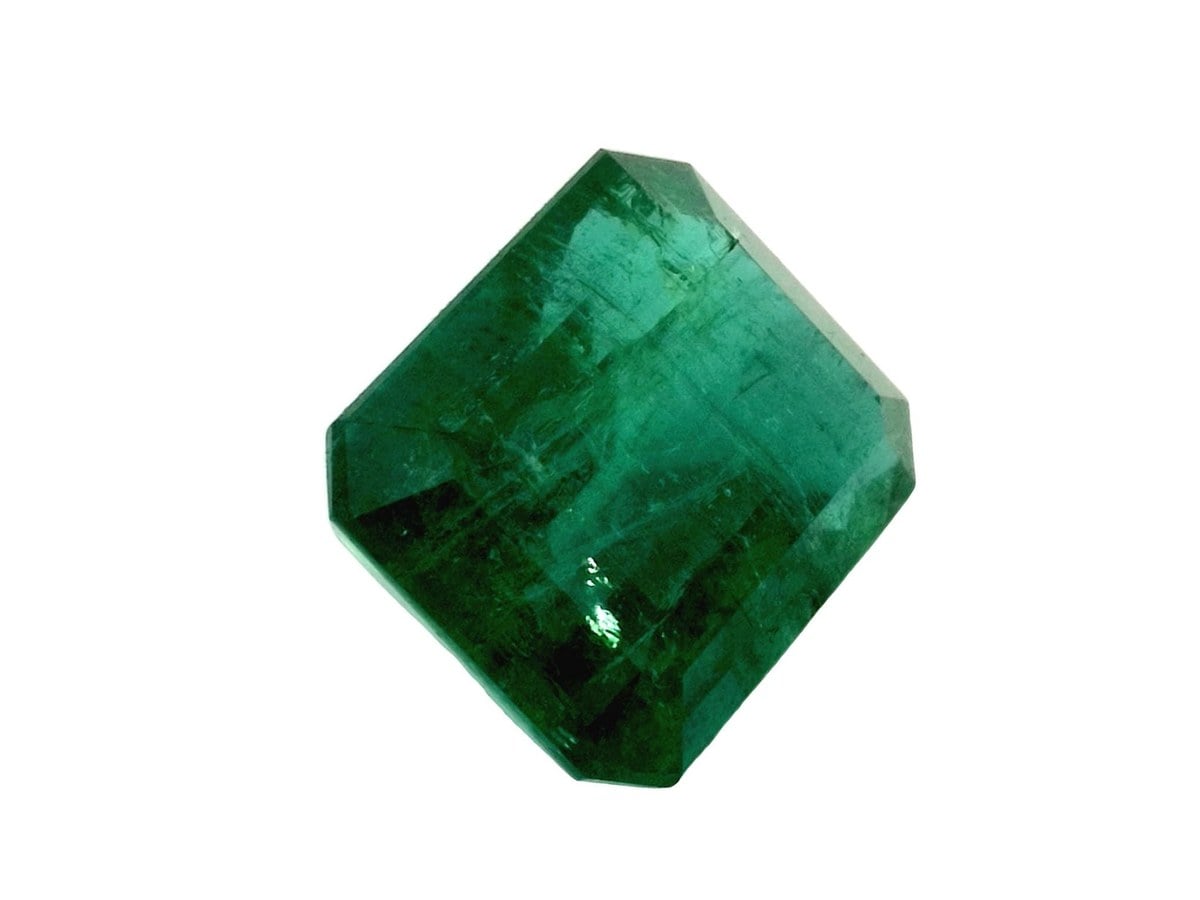 May
MayEmerald
Rebirth, growth and good fortune
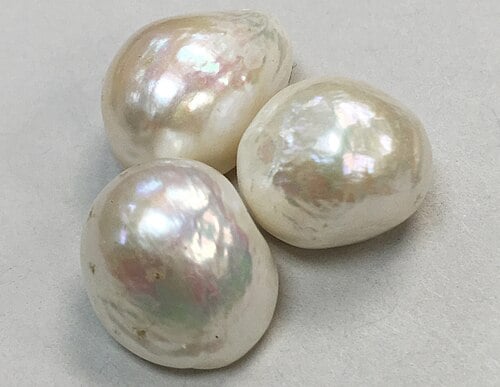 June
JunePearl
Purity and wisdom
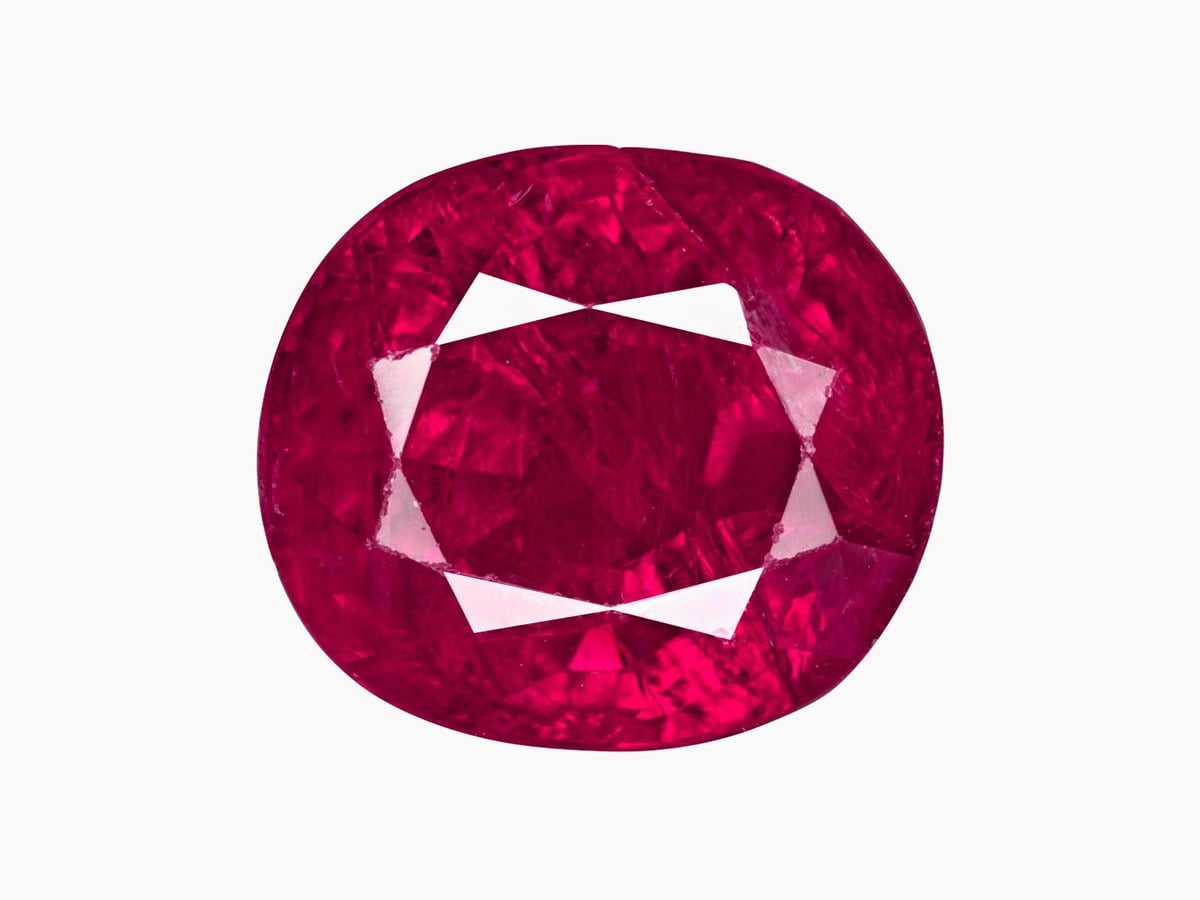 July
JulyRuby
Passion, energy and vitality
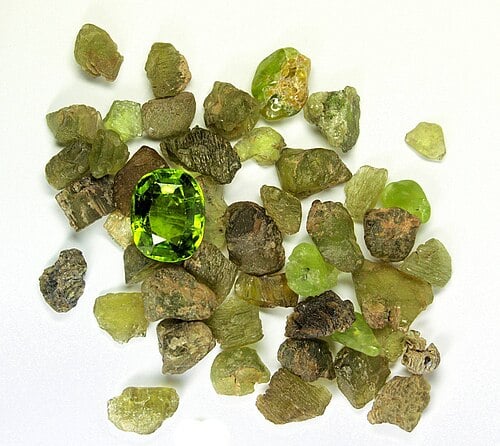 August
Peridot
Strength and good cheer
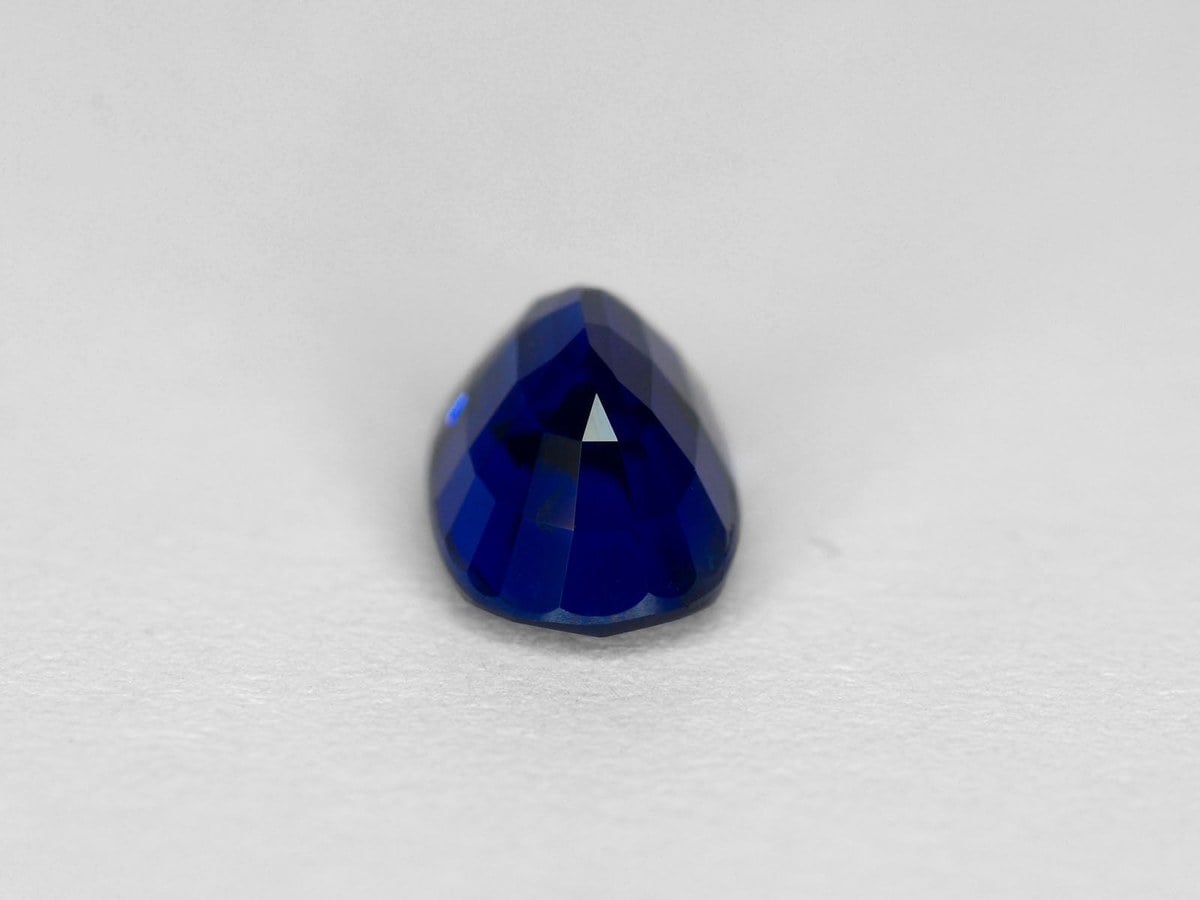 September
Sapphire
Wisdom, truth and faithfulness
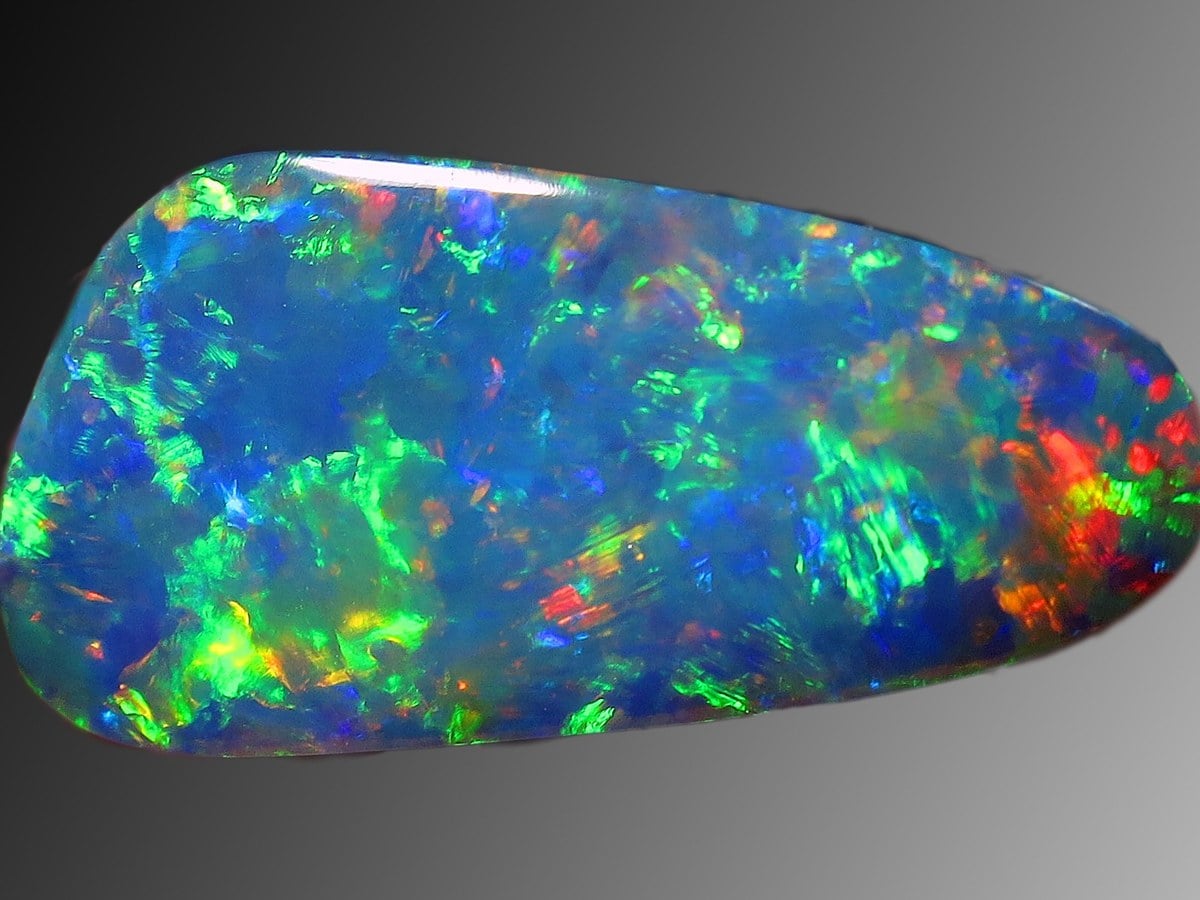 October
Opal
Hope, creativity and imagination
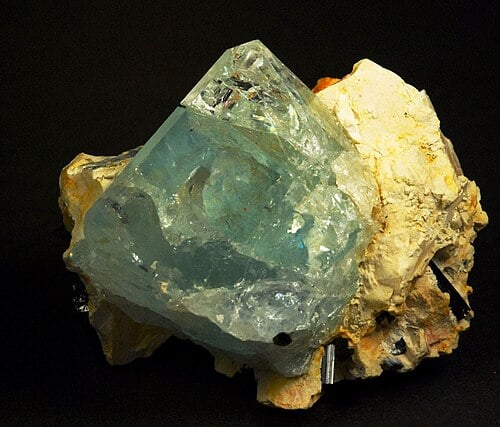 November
Topaz
Warmth, generosity and good health
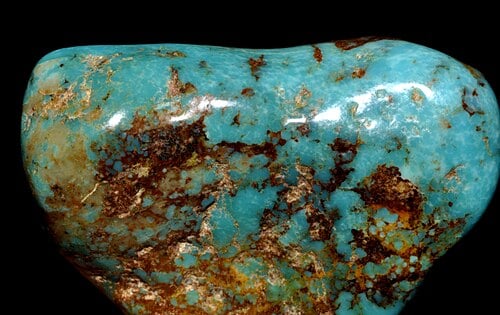 December
Turquoise
Good luck and protection
Legendary Stones
A handful of individual gems are so large, so rare or so storied that they have names of their own — and sit under guard in the world's great museums and crown jewels.
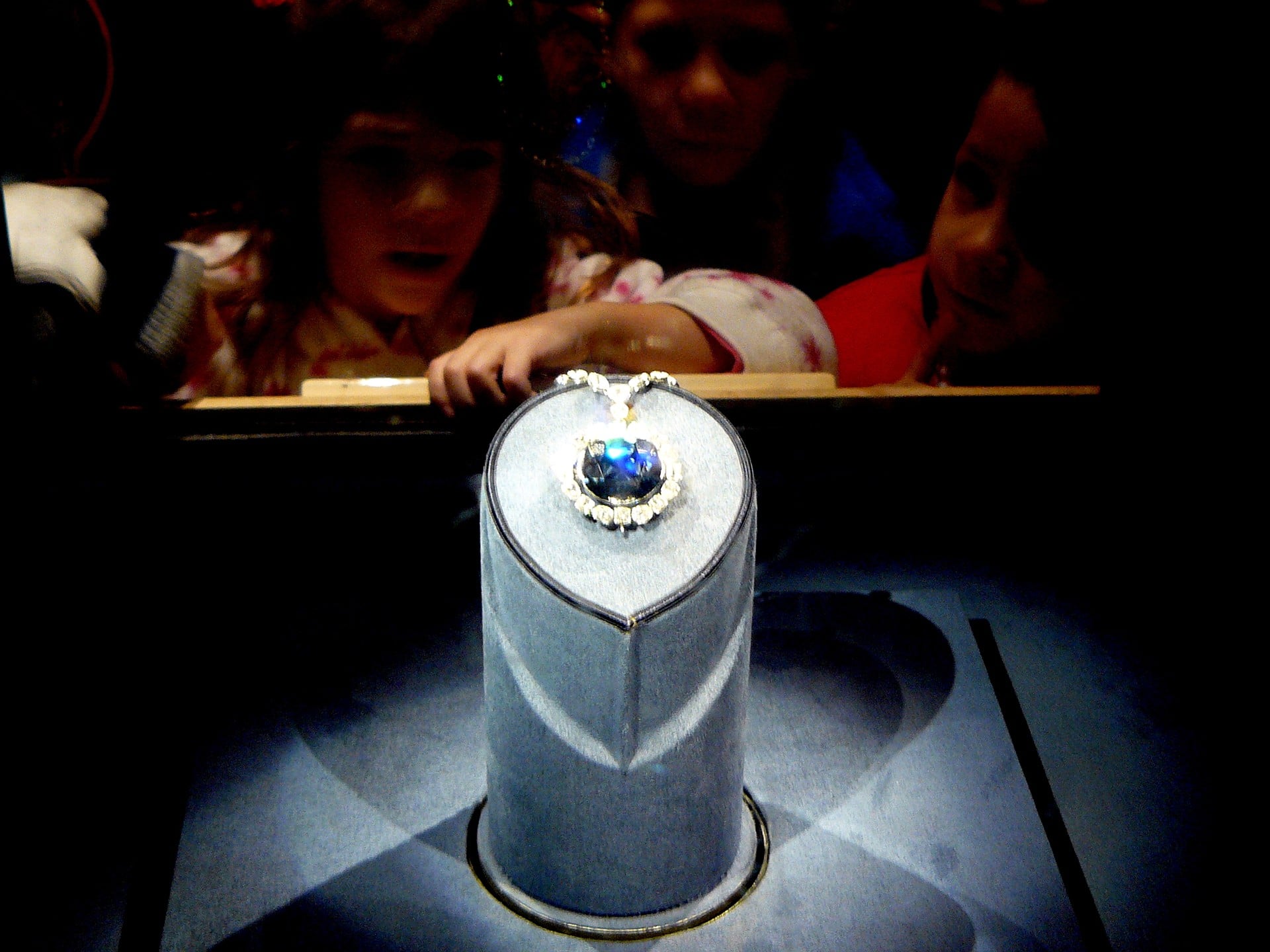 Blue diamond
The Hope Diamond
45.5 carats
Smithsonian, Washington D.C.
A deep-blue diamond that glows red under ultraviolet light and carries a legendary "curse." Boron atoms trapped in its carbon give it the rare blue colour.
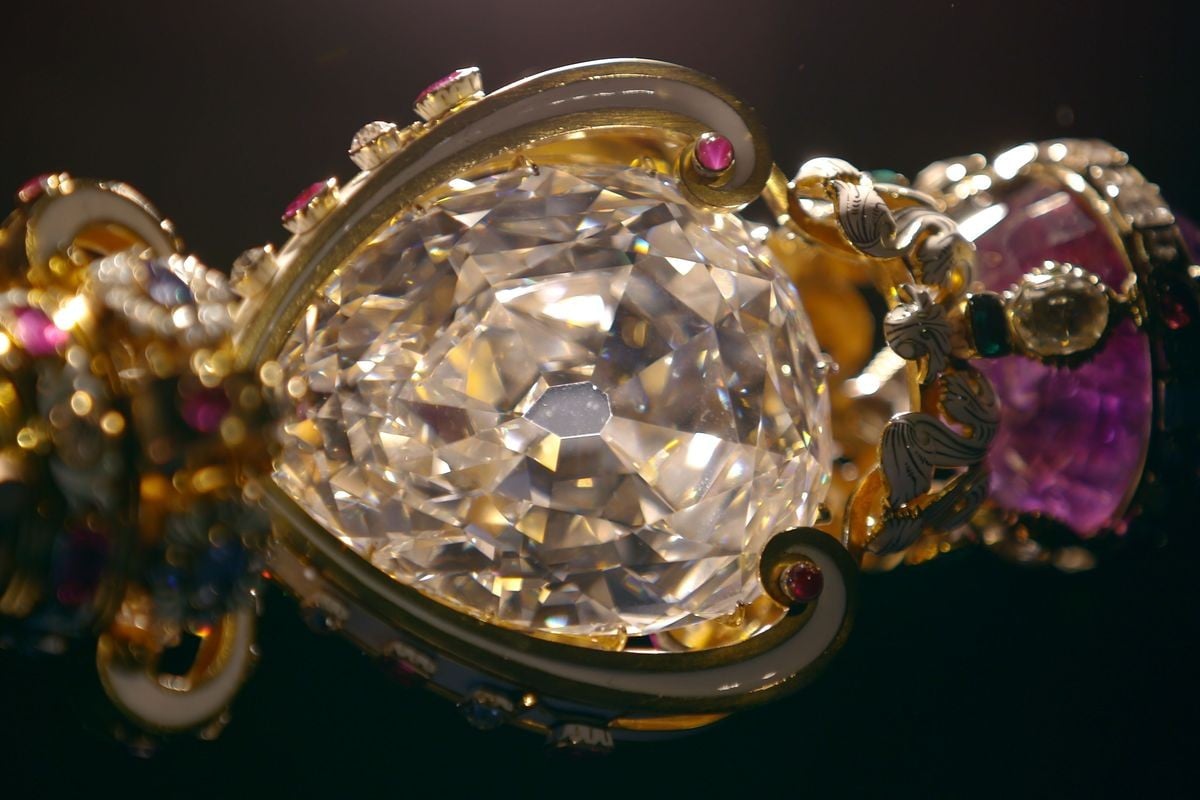 Diamond
The Cullinan
3,106 carats rough
British Crown Jewels, London
The largest gem-quality rough diamond ever found, unearthed in South Africa in 1905 and cut into nine major stones — the biggest, the Great Star of Africa, sits in the Sovereign's Sceptre.
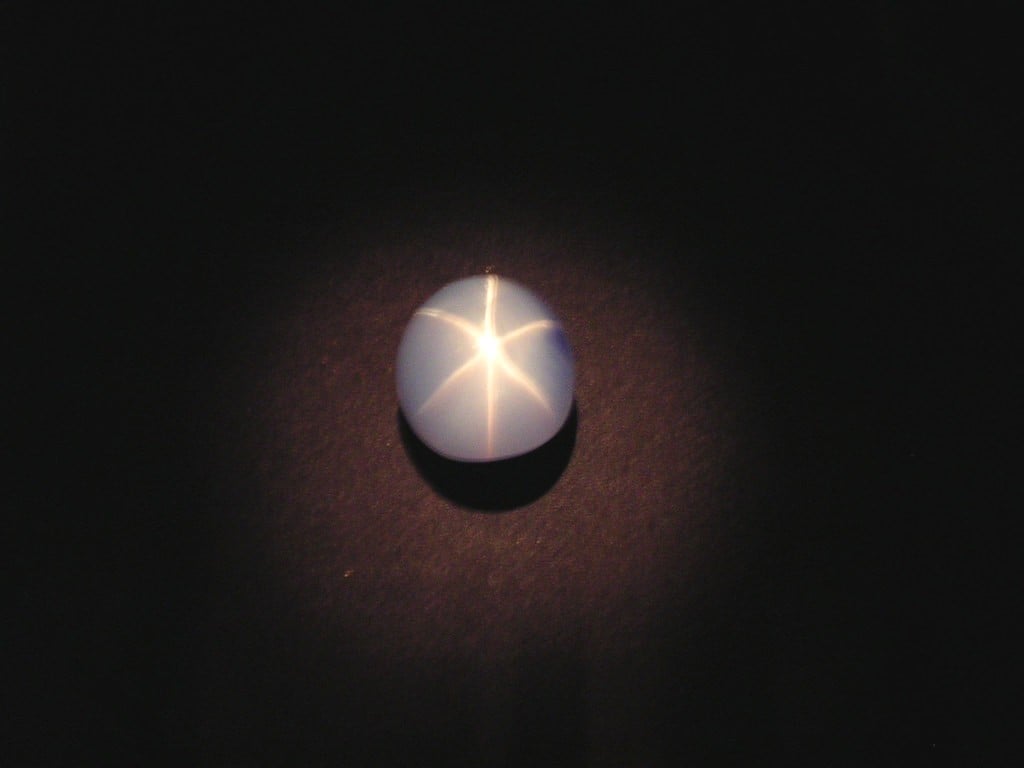 Star sapphire
Star of India
563 carats
American Museum of Natural History, New York
One of the largest star sapphires in the world, around two billion years old. Tiny needle-like crystals inside scatter light into a glowing six-rayed star.
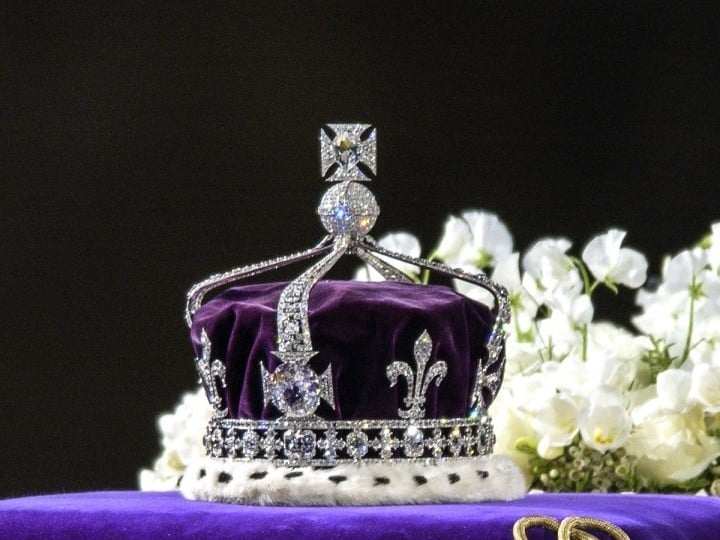 Diamond
Koh-i-Noor
105.6 carats
Crown Jewels, Tower of London
A diamond with a turbulent history across South Asia and Persia before reaching the British crown. Its name means "Mountain of Light" in Persian.
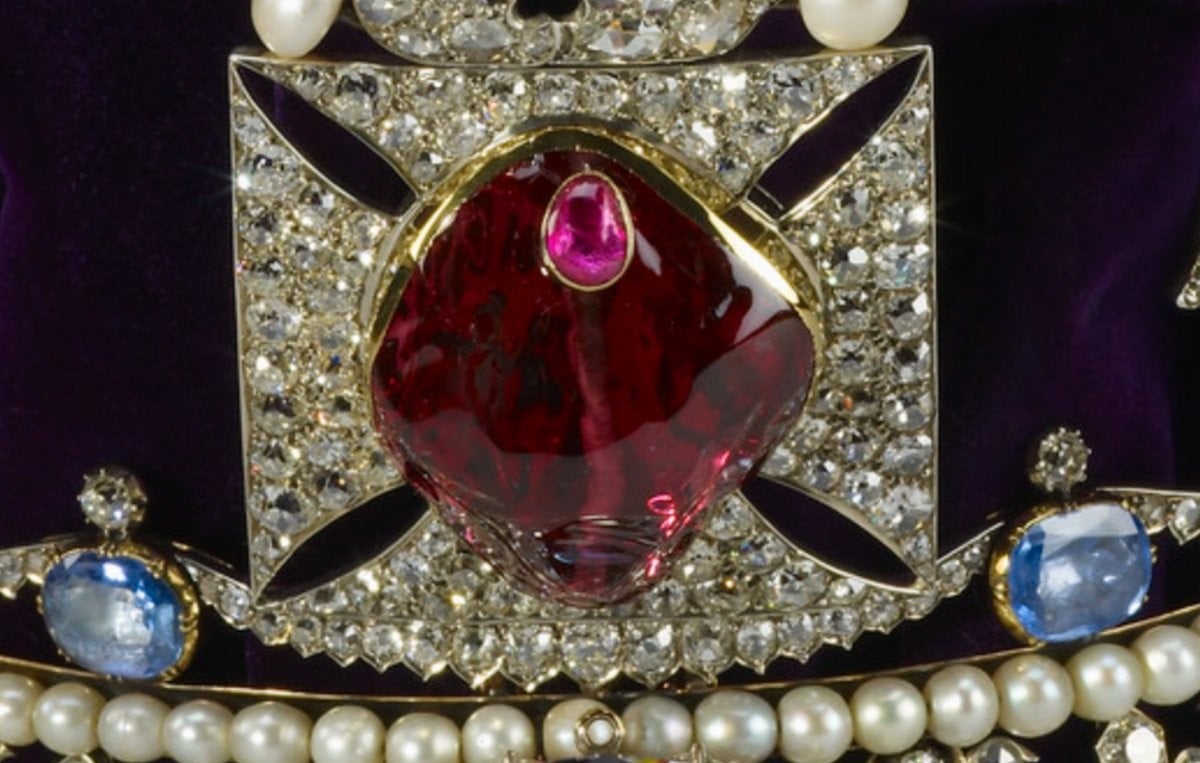 Red spinel
The Black Prince's Ruby
170 carats
Imperial State Crown, London
For centuries this great red gem in the British crown was thought to be a ruby — but it is actually a spinel, a different mineral that fooled jewellers for ages.
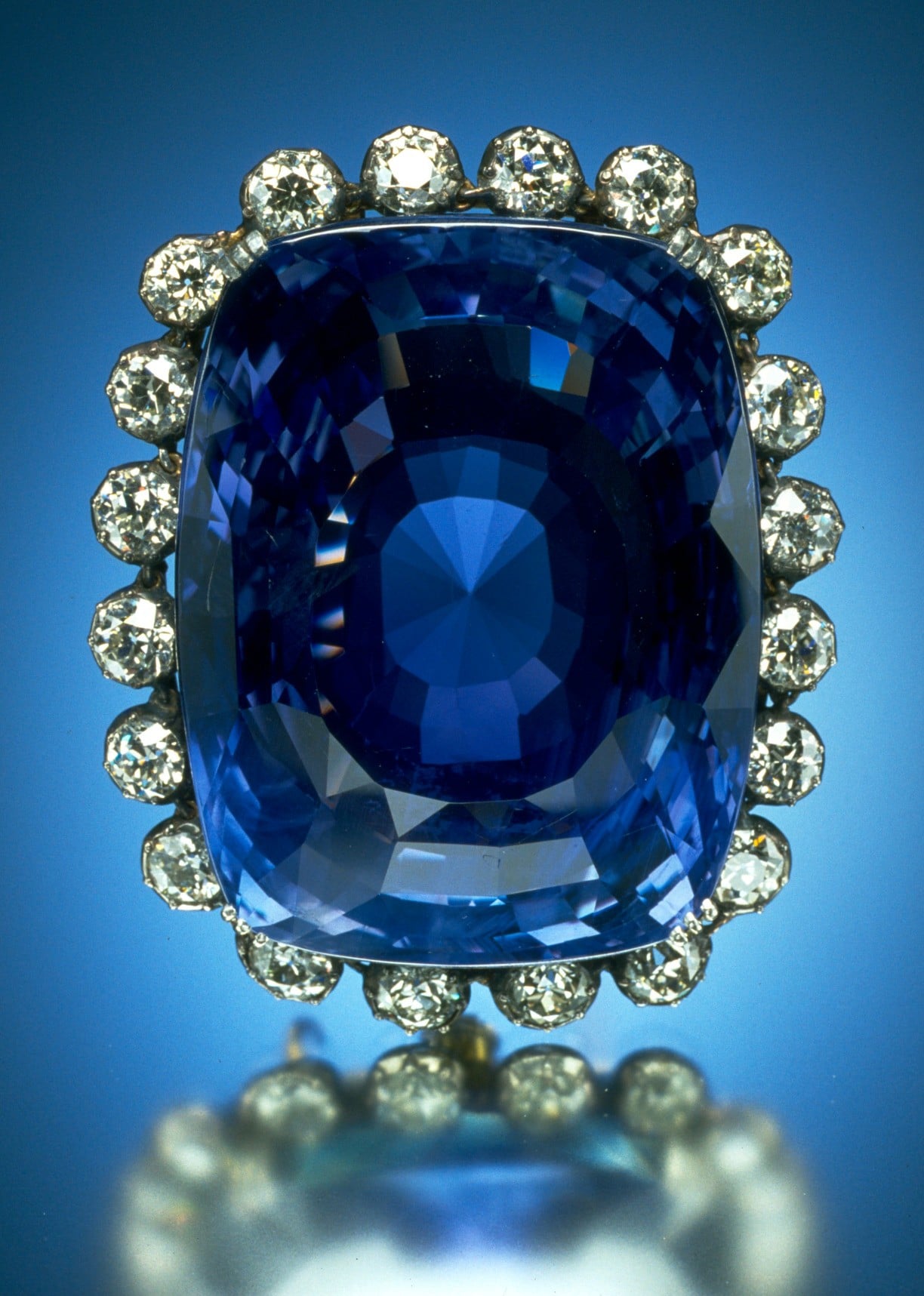 Blue sapphire
The Logan Sapphire
423 carats
Smithsonian, Washington D.C.
One of the largest faceted blue sapphires on display anywhere — roughly the size of a chicken egg — mined in Sri Lanka and framed by 20 diamonds.
Gems Made by Living Things
Not every gem is dug from rock. A few of the most beautiful are grown by living creatures or fossilised from ancient life — these are the organic gems.
🦪 Pearl
Made by oysters & mussels
The only gem grown inside a living animal. An oyster coats an irritant with layer after layer of smooth nacre until a lustrous pearl forms.
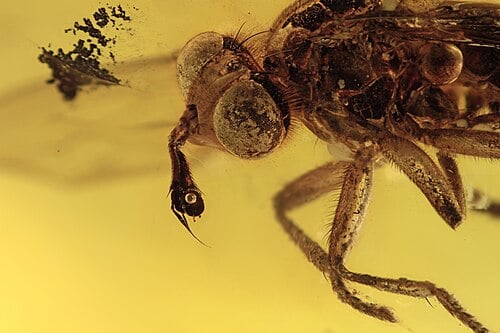
🟠 Amber
Fossilised tree resin
Sticky resin that oozed from ancient trees, hardened and fossilised over millions of years — sometimes trapping insects perfectly inside.
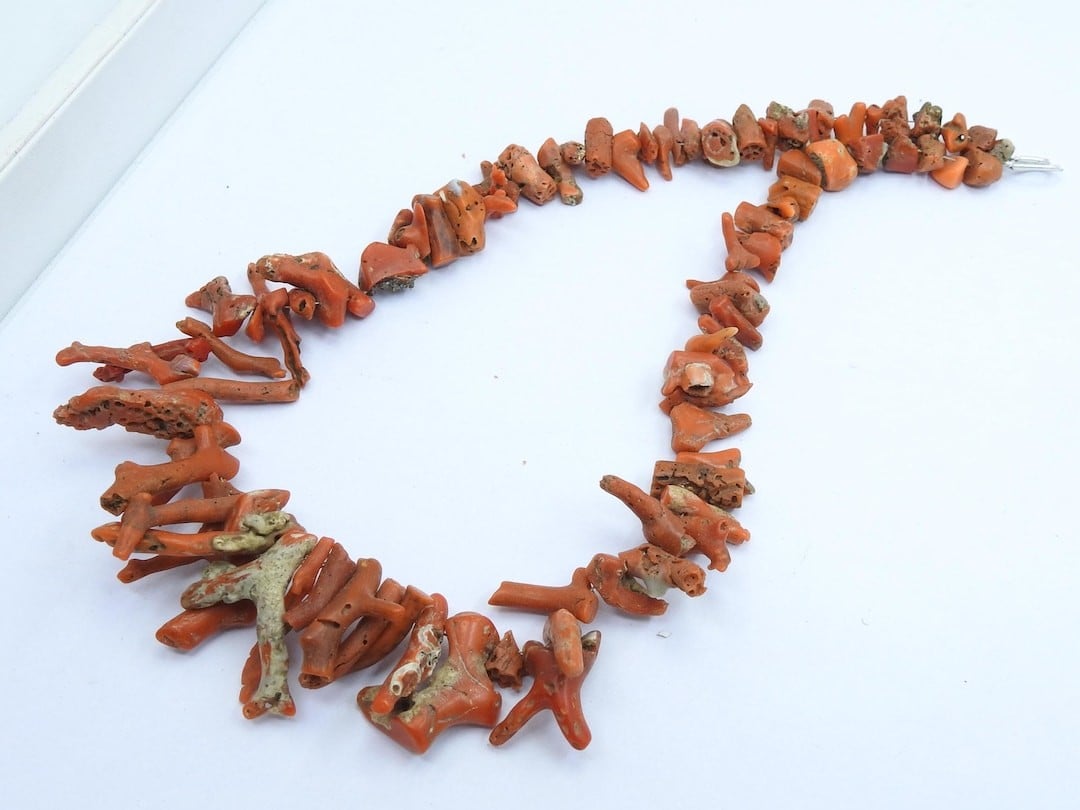
🪸 Coral
Built by sea-coral polyps
Precious coral is the hard skeleton built up by colonies of tiny marine animals over decades, then polished into warm red and pink jewellery.
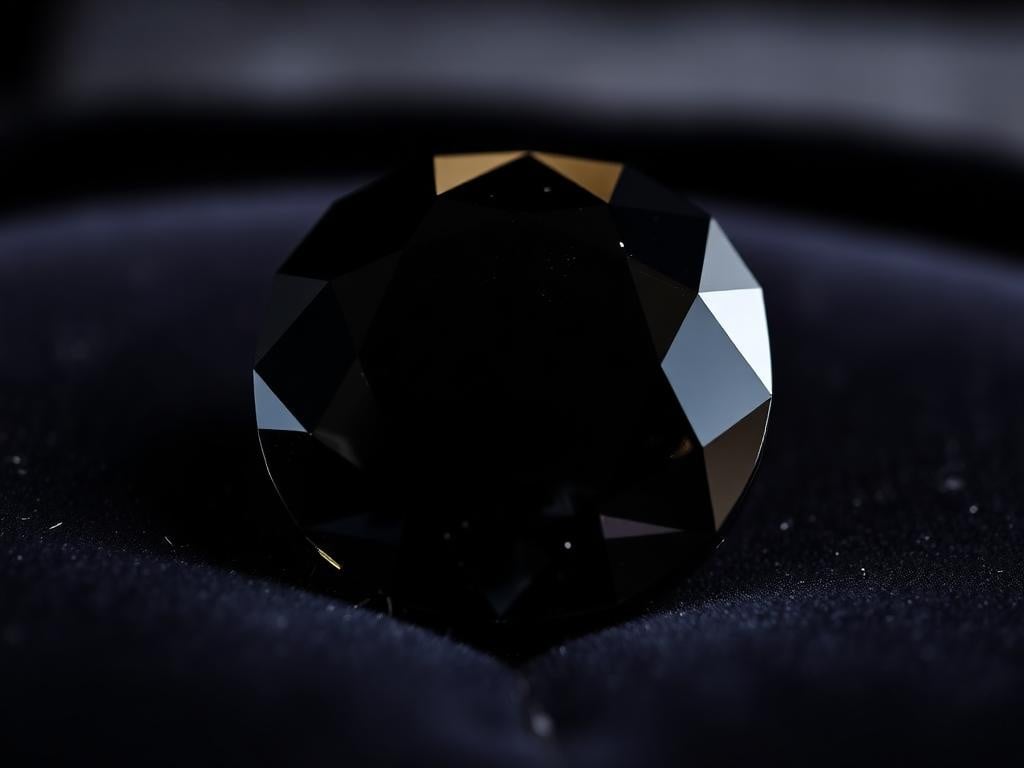
⬛ Jet
Fossilised ancient wood
A black gem that is really fossilised driftwood, compressed over millions of years — light, warm to the touch and popular in Victorian mourning jewellery.
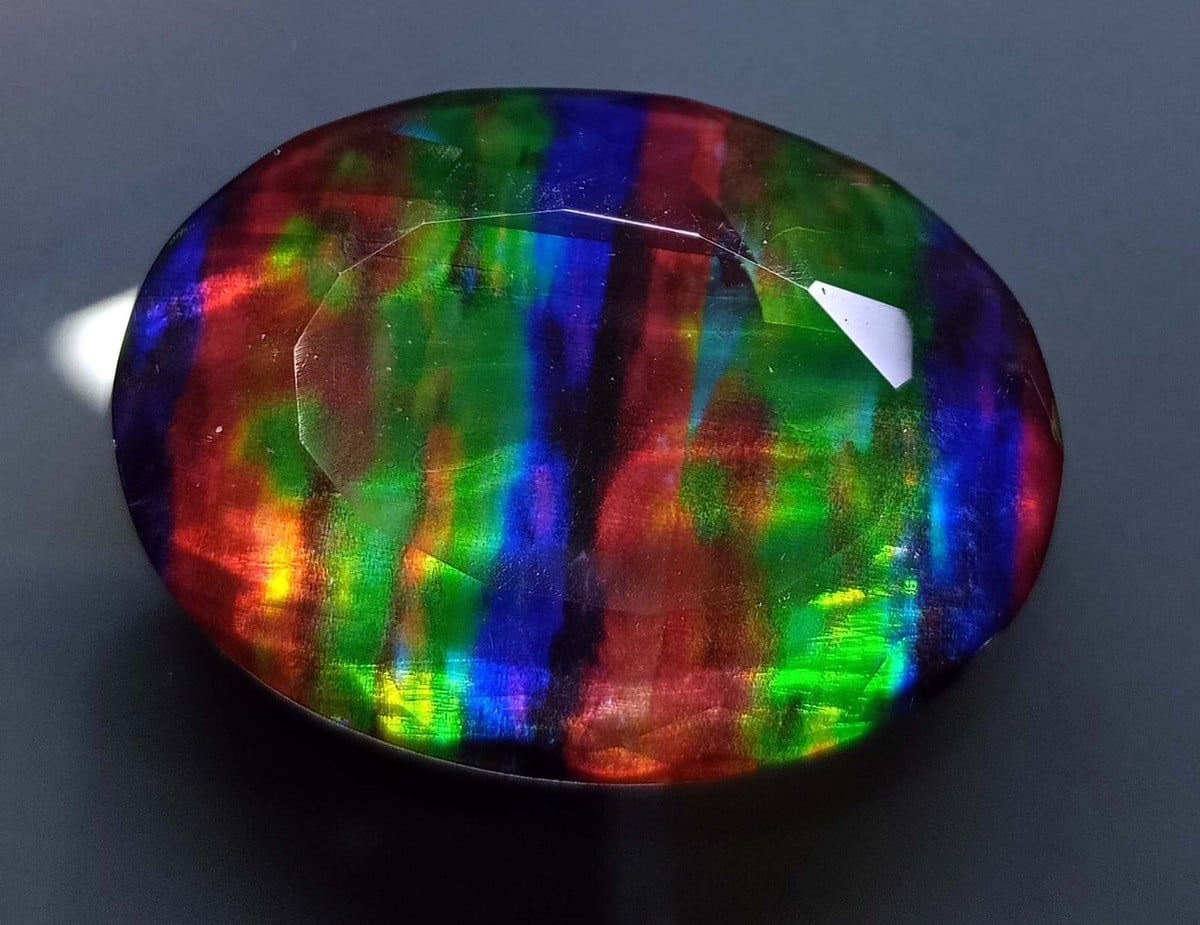
🐚 Ammolite
Fossilised ammonite shell
A rare, fiery gem cut from the fossilised shells of ammonites — sea creatures that died out with the dinosaurs — flashing rainbow colours.
Alloys — Metals Mixed by People
Pure metals are often too soft or too fragile to be useful. Mix two or more together and you get an alloy — stronger, shinier or tougher. Here are 14 that shaped civilisation, from Bronze-Age bells to spacecraft.
Bronze
Copper + Tin
The first alloy humans mastered — so important it named an entire age. Harder and tougher than pure copper.
Used for: Statues, bells, cymbals, bearings, ship propellers
Brass
Copper + Zinc
Bright, gold-coloured and easy to shape, with a warm musical ring.
Used for: Trumpets and horns, door fittings, locks, decorative hardware
Steel
Iron + Carbon
Just a pinch of carbon turns soft iron into the strongest everyday building material — the backbone of the modern world.
Used for: Buildings, bridges, railways, tools, vehicles
Stainless Steel
Iron + Chromium (+ Nickel)
Chromium forms an invisible film that stops rust — so it stays shiny even when wet.
Used for: Cutlery, kitchen sinks, surgical tools, appliances
Cast Iron
Iron + more Carbon
Iron with a high carbon content — hard and great at holding heat, but brittle.
Used for: Frying pans, engine blocks, pipes, radiators
Sterling Silver
Silver + Copper
92.5% silver with a little copper for strength — pure silver alone is too soft to use.
Used for: Jewellery, cutlery, fine tableware
White Gold
Gold + Nickel / Palladium
Gold mixed with pale metals to give it a silvery-white shine, often finished with rhodium plating.
Used for: Engagement rings and fine jewellery
Electrum
Gold + Silver
A natural pale-gold blend used to strike some of the very first coins, over 2,500 years ago.
Used for: Ancient coinage, antique jewellery
Pewter
Tin + Copper / Antimony
A soft, low-melting tin alloy that is easy to cast into detailed shapes.
Used for: Tankards, figurines, trophies, ornaments
Solder
Tin + Lead (or Tin + Silver)
Melts at a low temperature to glue metal parts together as it cools.
Used for: Joining electronics circuit boards and plumbing pipes
Cupronickel
Copper + Nickel
Silvery, hard-wearing and resists seawater corrosion — despite the name it contains no silver.
Used for: "Silver" coins, ship pipework, desalination plants
Duralumin
Aluminium + Copper
As strong as some steel but far lighter — the alloy that made all-metal aircraft possible.
Used for: Aircraft bodies, lightweight structures
Titanium Alloy
Titanium + Aluminium + Vanadium
Extremely strong, light and body-friendly, and happy at high temperatures.
Used for: Jet engines, spacecraft, hip and knee implants
Nichrome
Nickel + Chromium
Glows red-hot without melting or rusting, and resists the flow of electricity.
Used for: Heating elements in toasters, hairdryers and heaters
From Ore to Metal
Metals almost never come out of the ground ready to use — they are locked inside rocky ore. Follow the steps that turn dull rock into shining metal.
- 1Mine red bauxite ore near the surface
- 2Refine it into white alumina powder (Bayer process)
- 3Split alumina with a huge electric current (Hall–Héroult)
- 4Cast the molten metal into pure aluminium
Making aluminium is so power-hungry it is nicknamed "congealed electricity" — but recycling it uses just 5% of that energy.
- 1Mine iron ore (haematite)
- 2Smelt it with coke in a blast furnace to make pig iron
- 3Blow oxygen through to burn off excess carbon
- 4Add alloy metals to make finished steel
A single large blast furnace can pour out thousands of tonnes of iron every day.
- 1Crush the ore and concentrate it by froth flotation
- 2Smelt the concentrate into rough "blister" copper
- 3Electro-refine it into 99.99% pure copper sheets
Most copper ore is less than 1% copper — the rest is rock that must be removed.
- 1Crush the ore to a fine powder
- 2Dissolve the gold with a cyanide solution
- 3Recover and melt it into rough doré bars
- 4Refine to 24-carat pure gold
Tonnes of rock may be processed to win a single gram of gold.
- 1Mine spodumene rock or pump up salty brine
- 2Roast the ore, or evaporate brine in sunny ponds
- 3Process it into lithium carbonate
- 4Purify to battery-grade lithium
Evaporating brine into lithium can take well over a year of desert sunshine.
How We Mine Them
Different treasures lie in different places — so miners use very different methods to reach them.
Open-Pit (Surface) Mining
Giant terraced pits are dug down from the surface to reach ore that lies shallow and spread out. The most common method for copper, iron, gold and bauxite — it moves enormous volumes of rock but can only reach deposits near the surface.
Used for: Copper, iron ore, gold, bauxite, diamonds (kimberlite pipes)
Underground (Shaft) Mining
Tunnels and vertical shafts follow rich, deep veins far below the surface. More expensive and dangerous than surface mining, but the only way to reach deep ore — South Africa’s gold mines plunge nearly 4 km down.
Used for: Deep gold, silver, platinum, zinc, coal
Placer Mining
Heavy minerals that have weathered out of rock and collected in riverbeds and gravels are separated by washing with water — from simple gold panning to huge floating dredges. One of the oldest mining methods of all.
Used for: Gold, gemstones, tin, platinum
Brine Evaporation
Mineral-rich salty water is pumped from beneath desert salt flats into vast shallow ponds, where the sun evaporates it over months until the valuable salts are left behind. The main modern source of lithium.
Used for: Lithium, potash, common salt, boron
In-Situ Leaching
Instead of digging the rock out, a liquid is pumped underground to dissolve the target metal, then the metal-rich solution is pumped back up and processed. It disturbs the surface far less than digging.
Used for: Uranium, some copper
Marine / Offshore Dredging
Specialised ships vacuum or scrape mineral-bearing sediment from the seabed. Namibia recovers some of the world’s highest-quality diamonds this way from the Atlantic floor.
Used for: Offshore diamonds, tin, sand minerals
Dimension-Stone Quarrying
Large, intact blocks of rock are cut free from a quarry face with diamond wire saws, drills and splitting — not blasted — so the stone stays whole. The blocks are then sawn and polished into slabs. This is how granite, marble, limestone, slate and sandstone are won.
Used for: Granite, marble, limestone, slate, sandstone
Artisanal & Small-Scale Mining
Individuals and small groups mining by hand with simple tools. It supplies a large share of the world’s coloured gemstones and cobalt, and supports tens of millions of people — but often with little regulation or safety.
Used for: Gemstones, gold, cobalt
Mining Powerhouses
A few countries supply much of the world with the metals and gems everyone depends on. Here are some of the giants — and what they are famous for digging up.
DR Congo
The cobalt superpower
Supplies roughly 70% of the world's cobalt — the metal at the heart of most rechargeable batteries.
Australia
The mining continent
The world's biggest exporter of both iron ore and lithium, and a top gold producer.
South Africa
The platinum heart
Holds the lion's share of the world's platinum-group metals, plus the deepest gold mines on Earth.
China
The rare-earth giant
Mines and refines the vast majority of the world's rare earths and much of its battery-grade graphite.
Chile
Copper & lithium country
The world's number-one copper producer, with vast lithium reserves in the Atacama salt flats.
Russia
Diamonds & palladium
The largest producer of both rough diamonds (by volume) and palladium.
Botswana
The diamond nation
Gem-quality diamonds turned it into one of Africa's great economic success stories.
Indonesia
The nickel king
Now the world's dominant nickel producer, a key metal for stainless steel and batteries.
Which Mountain Is Made of Which Rock?
Every mountain is a monument built from one of the three rock families. Filter by family to see how the world’s most famous peaks were forged — from fossil-bearing limestone lifted 8.8 km into the sky, to granite domes and volcanic cones.
🏜️ Sedimentary🏔️ Mount Everest
Nepal / China
Made of: Marine limestone & shale
The summit is marine limestone full of sea-creature fossils — rock that formed on an ancient ocean floor and was lifted 8.8 km up as India crashed into Asia. Lower slopes are metamorphic rock and granite.
🌋 Igneous🧗 Half Dome
United States
Made of: Granite
A colossal dome of granite in Yosemite, formed from magma that cooled deep underground, then exposed and sheared on one side by grinding Ice Age glaciers.
💠 Metamorphic⛰️ Matterhorn
Switzerland / Italy
Made of: Gneiss
This iconic pyramid peak is built of gneiss. Remarkably, its very top is a slice of the African tectonic plate, thrust over European rock when the two collided to raise the Alps.
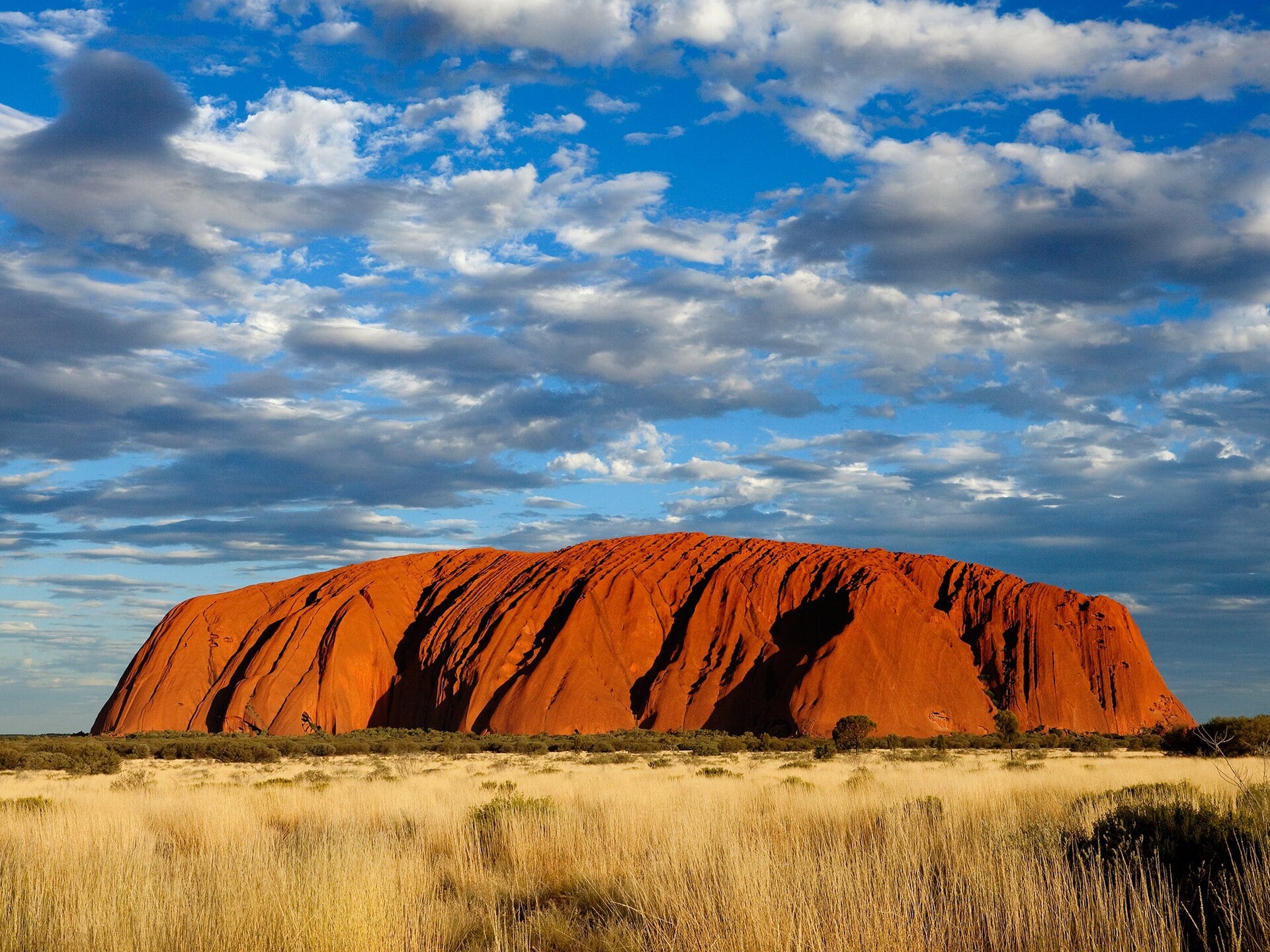
🏜️ Sedimentary🪨 Uluru (Ayers Rock)
Australia
Made of: Arkose sandstone
A single immense block of arkose sandstone standing above the desert. Its glowing red surface is iron minerals that have rusted; inside, the rock is grey.
🌋 Igneous🧱 Giant's Causeway
United Kingdom
Made of: Basalt columns
Around 40,000 interlocking hexagonal columns of basalt, formed about 60 million years ago when a thick lava flow cooled and cracked into neat geometric pillars.
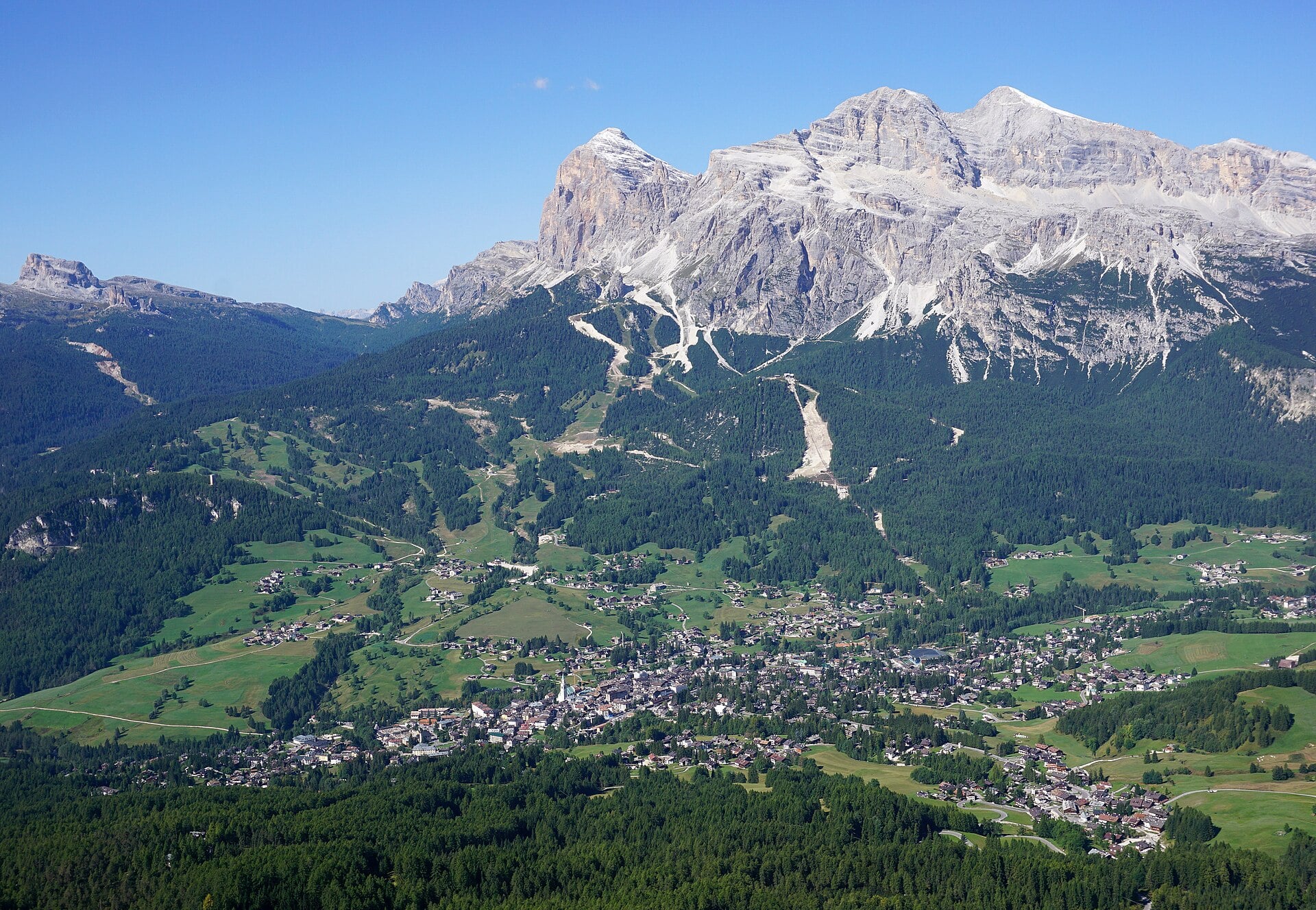
🏜️ Sedimentary🏔️ The Dolomites
Italy
Made of: Dolomite & limestone
Pale peaks built from an ancient fossil coral reef, now the mineral dolomite. At sunset they blaze pink and orange — a glow the locals call enrosadira.
🌋 Igneous🗿 Mount Rushmore
United States
Made of: Granite
The four presidents are carved into fine Harney Peak granite, chosen because it is hard, uniform and erodes only about 2.5 cm every 10,000 years.
🏜️ Sedimentary⛰️ Table Mountain
South Africa
Made of: Quartzitic sandstone
Its famous flat top is hard quartzitic sandstone over 450 million years old — far older than the dinosaurs — resting on a base of granite and slate.
🌋 Igneous🗻 Mount Fuji
Japan
Made of: Basaltic & andesitic lava
A classic stratovolcano built up in layers of basaltic and andesitic lava and ash from repeated eruptions over tens of thousands of years.
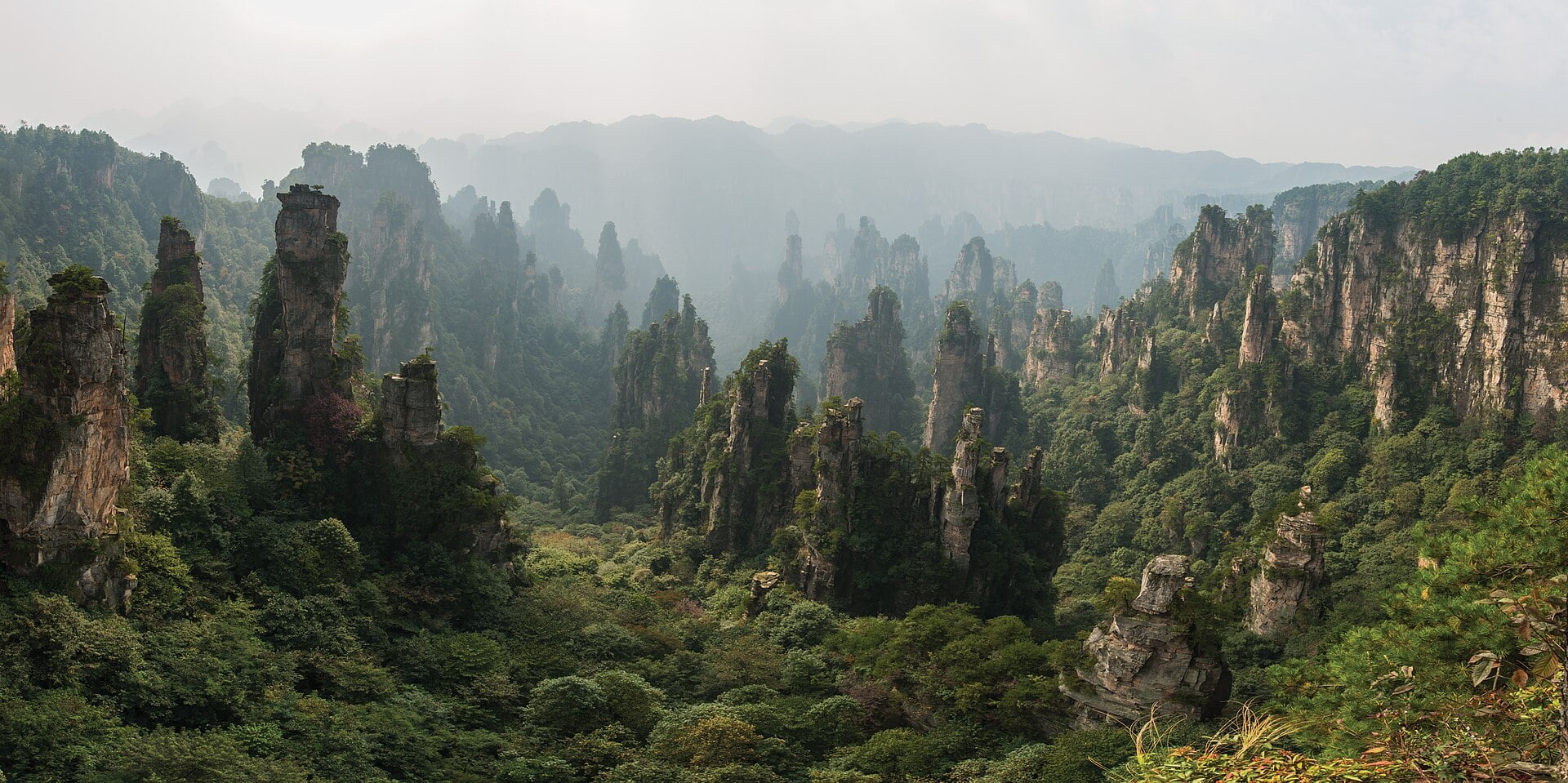
🏜️ Sedimentary🏞️ Zhangjiajie Pillars
China
Made of: Quartz sandstone
Thousands of towering quartz-sandstone pillars, carved by erosion along natural cracks — the inspiration for the floating mountains in the film Avatar.
🌋 Igneous🚠 Sugarloaf Mountain
Brazil
Made of: Granite & gneiss
A rounded dome of granite and gneiss rising straight from the sea at Rio de Janeiro, smoothed over millions of years into its loaf-like shape.
🌋 Igneous🪨 Stone Mountain
United States
Made of: Granite (monzogranite)
One of the largest exposed masses of granite on Earth, a huge rounded dome in Georgia formed from magma that solidified deep underground and was later exposed.
🌋 Igneous🧗 El Capitan
United States
Made of: Granite
A sheer wall of granite rising about 900 metres from the Yosemite Valley floor — one of the most famous rock-climbing challenges in the world.
🌋 Igneous🗼 Devils Tower
United States
Made of: Phonolite porphyry
A dramatic flat-topped tower of igneous phonolite porphyry, cracked into giant vertical columns as the molten rock cooled underground, then exposed by erosion.
🌋 Igneous🥾 Ben Nevis
United Kingdom
Made of: Granite & andesite lava
Britain's highest peak is the eroded root of an ancient collapsed volcano, with a summit of dark andesite lava sitting inside a ring of granite.
🏜️ Sedimentary🏯 Meteora
Greece
Made of: Conglomerate
Enormous rounded pillars of conglomerate — a natural concrete of pebbles and sand — topped by centuries-old monasteries perched impossibly on the summits.
🌋 Igneous🏔️ Mont Blanc
France / Italy
Made of: Granite
The highest peak in the Alps is built around a huge dome of pale granite that cooled deep underground, then was shoved skyward and carved by glaciers into sharp spires and needles (aiguilles).
🌋 Igneous🌋 Mount Kilimanjaro
Tanzania
Made of: Volcanic rock (trachyte & basalt)
Africa's tallest mountain is a giant dormant volcano made of layer upon layer of lava and ash. Its iconic snow-cap sits almost on the equator, atop solidified trachyte and basalt lava flows.
🌋 Igneous🌋 Mount Etna
Italy
Made of: Basaltic lava
Europe's most active volcano, endlessly rebuilding itself from fresh basaltic lava. Each eruption adds new black rock to its slopes, making Etna one of the youngest-surfaced mountains on Earth.
🌋 Igneous🗻 Torres del Paine
Chile
Made of: Granite
The famous pale towers are granite that cooled underground about 12 million years ago, then was exposed by erosion — still capped with dark crumbly sedimentary rock, giving each tower a two-tone look.
🏜️ Sedimentary🪨 Mount Roraima
Venezuela
Made of: Quartz sandstone
A vast flat-topped tepui of ancient quartz sandstone, nearly two billion years old. Its sheer cliffs rise straight out of the rainforest, leaving a lost-world plateau on top.
🏜️ Sedimentary🏔️ Aoraki / Mount Cook
New Zealand
Made of: Greywacke sandstone
New Zealand's highest peak is made of greywacke — a tough, grey sandstone laid down on an ancient sea floor, then crumpled upward along the plate boundary that still lifts the Southern Alps today.
🏜️ Sedimentary⛰️ Mount Olympus
Greece
Made of: Limestone
The mythical home of the Greek gods is built of thick layers of limestone — hardened ancient sea-floor sediment — uplifted and weathered into deep gorges and steep summits.
💠 Metamorphic🏔️ Nanga Parbat
Pakistan
Made of: Gneiss
One of the world's highest mountains, built of gneiss that is being squeezed upward astonishingly fast as India drives into Asia — the rock here rises several millimetres every year.
💠 Metamorphic🌫️ Great Smoky Mountains
United States
Made of: Slate, schist & gneiss
Ancient, worn-down Appalachian peaks of metamorphic slate, schist and gneiss — rock heated and squeezed when continents collided hundreds of millions of years ago, now softened into forested ridges.
💠 Metamorphic⛰️ Mount Tai (Taishan)
China
Made of: Gneiss
A sacred Chinese mountain resting on some of the oldest rock in eastern Asia — Taishan gneiss around 2.5 billion years old, from the very foundations of the continent.
Did You Know?
A single rich kimberlite pipe might yield just 1 carat of diamond for every tonne of rock hauled to the surface.
Over 1.5 billion years, the Earth’s plates recycle almost the entire ocean floor back into the mantle — minerals and all.
There is enough gold dissolved in the world’s oceans to give every person on Earth several kilograms — but it is far too dilute to extract.
The deepest mine in the world, Mponeng in South Africa, reaches about 4 km underground, where rock temperatures hit 60°C.
Meteorites delivered much of the accessible gold and platinum near Earth’s surface, long after the planet’s core had already swallowed the original supply.
A tonne of old mobile phones contains far more gold than a tonne of gold ore — which is why recycling electronics is called “urban mining.”
Quartz is so common it makes up roughly 12% of the Earth’s crust by volume.
The largest gold nugget ever found, the “Welcome Stranger” (Australia, 1869), weighed over 70 kg.
A fingertip-sized pellet of uranium holds roughly the energy of a tonne of coal.
The anode of almost every lithium-ion battery is made of graphite — so an electric car needs more graphite by weight than lithium.
Italy’s Carrara marble quarries have been worked continuously for over 2,000 years, since the days of ancient Rome.