Geuest

Nature · Earth Science

The Water Cycle

The endless journey of every drop

Back to Nature

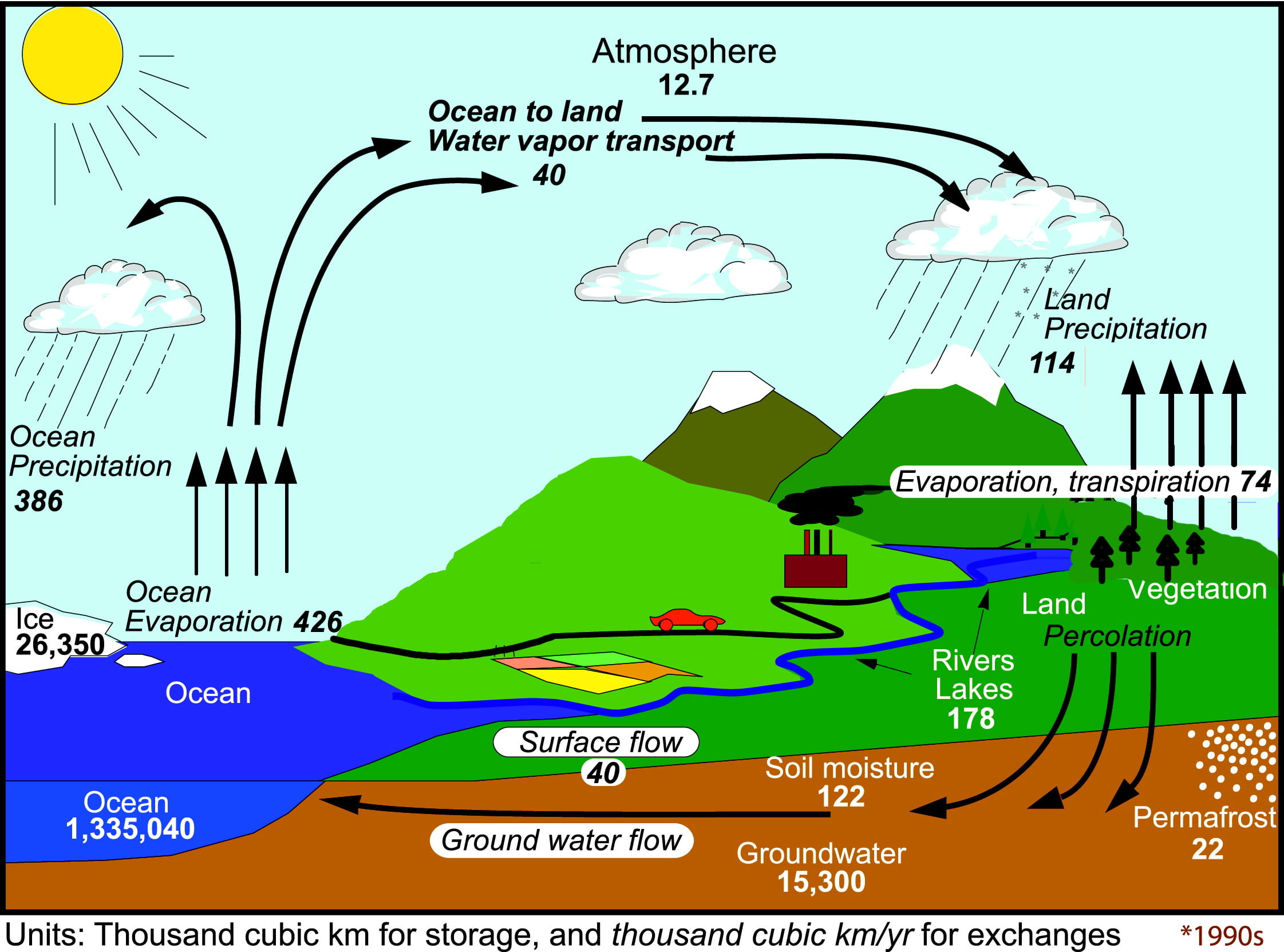
The water cycle is the ceaseless movement of water between ocean, sky and land. Powered by the Sun and gravity, the same water has circulated for billions of years — evaporating from the seas, drifting as cloud, falling as rain and snow, and flowing back again — linking every river, glacier and living thing on Earth.

Powered by
The Sun & gravity
In the atmosphere
~0.001% of all water
Ocean share
~97% of Earth’s water
Cycle age
Billions of years

How They Form

The Sun heats the oceans, turning liquid water into invisible vapour that rises and cools into clouds. That water returns as precipitation, then runs off into rivers, soaks into the ground or freezes into ice — before evaporating once more. Nothing is lost; the same water is used over and over.

The Journey of a Water Drop

Condensation → cloudsPrecipitationEvaporationRunoff & riversInfiltration to groundwater

Evaporation, condensation, precipitation and runoff link ocean, sky and land in one endless loop.

Types & Details

Mist and vapour rising from a warm water surface at sunrise
1

Evaporation & Transpiration

Water rising into the sky

A continuous, Sun-driven process
  • Sun turns liquid water to vapour
  • Oceans supply most of it
  • Plants release vapour (transpiration)
  • Together called evapotranspiration

Solar heat lifts water off oceans, lakes and soil as vapour, while plants add moisture through their leaves. This invisible rise of water into the air begins every trip around the cycle.

Example:Ocean surface evaporation
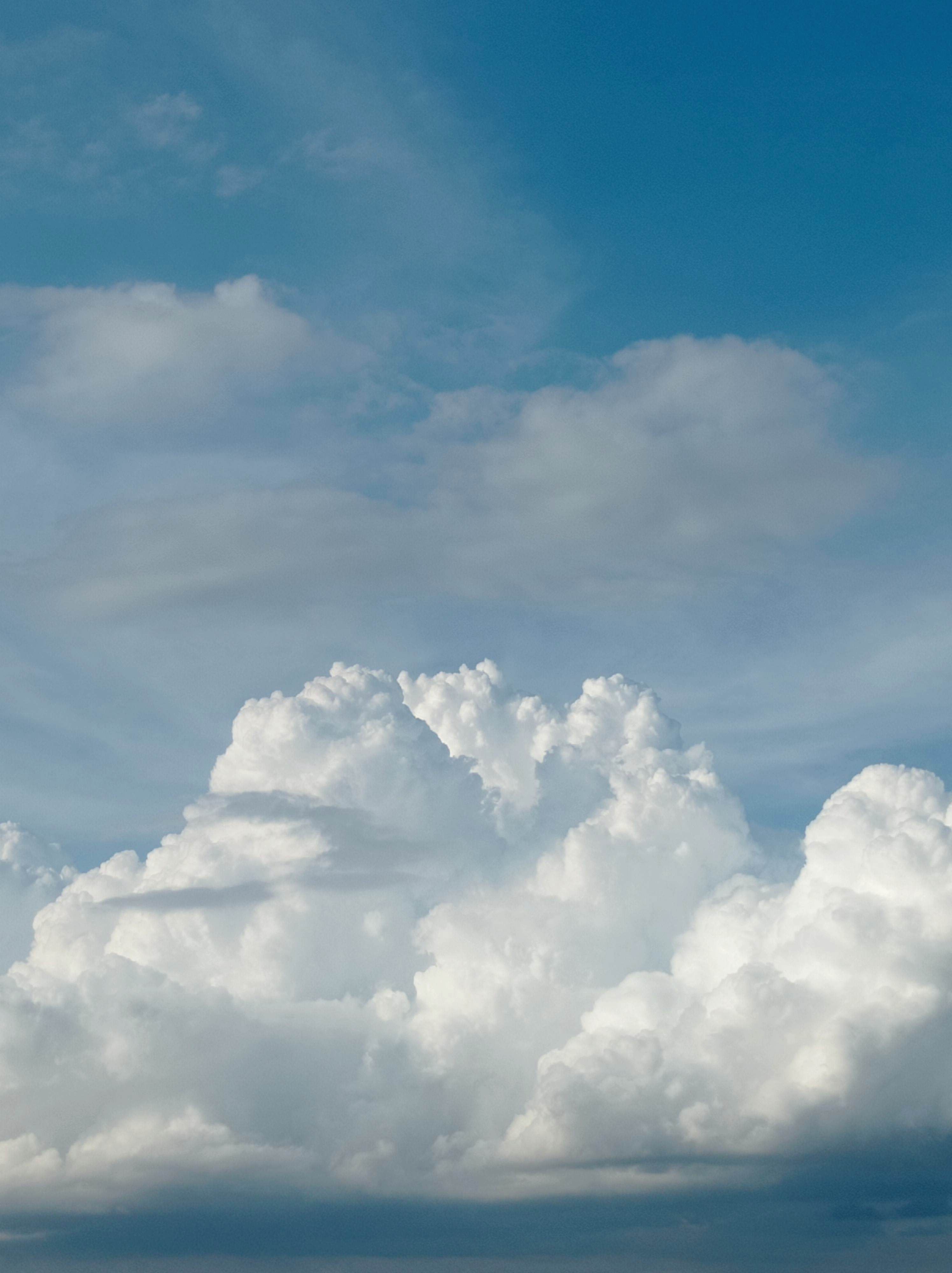
Billowing white cumulus clouds in a blue sky
2

Condensation & Clouds

Vapour gathering into cloud

Clouds form and vanish in hours
  • Rising vapour cools and condenses
  • Tiny droplets form clouds and fog
  • Needs dust or salt to condense on
  • Shapes weather worldwide

As moist air rises and cools, vapour condenses onto tiny particles into the water droplets and ice crystals that make clouds. Clouds are the visible reservoir between sky and rain.

Example:Towering cumulus clouds
Heavy rain falling from dark clouds over land
3

Precipitation

Water falling back to Earth

The delivery step of the cycle
  • Rain, snow, sleet and hail
  • Droplets grow too heavy to float
  • Feeds rivers, soil and ice
  • Very uneven across the globe

When cloud droplets merge until they are too heavy to stay aloft, they fall as rain, snow, sleet or hail. Precipitation is how the sky returns its water to land and sea.

Example:Monsoon rainfall
A river flowing through a valley back toward the sea
4

Runoff, Infiltration & Storage

Water’s return route

From hours to millennia in storage
  • Runoff flows to rivers and seas
  • Infiltration recharges groundwater
  • Ice and snow store water for ages
  • Completes the loop

Fallen water either runs off into streams, soaks into the ground to recharge aquifers, or freezes into glaciers and ice caps — some stored for days, some for thousands of years — before evaporating again.

Example:Rivers returning to the sea