Geuest

Nature · Earth Science

Volcanoes

Windows into the molten heart of the Earth

Back to Nature

A volcano is an opening in Earth’s crust through which molten rock, ash and gases escape from below. Concentrated along plate boundaries and hotspots, volcanoes build islands and mountains, enrich soils, and remind us that our planet’s interior is still fiercely alive.

Tallest
Ojos del Salado (6,893 m)
Largest (shield)
Mauna Loa, Hawaii
Most active
Kīlauea, Hawaii
Danger belt
Pacific “Ring of Fire”

How They Form

Volcanoes form where magma — buoyant molten rock — rises through the crust and erupts at the surface. The magma’s chemistry decides everything: runny basaltic lava builds gentle shields, while thick, gas-rich magma erupts explosively to raise steep composite cones.

Anatomy of a Stratovolcano

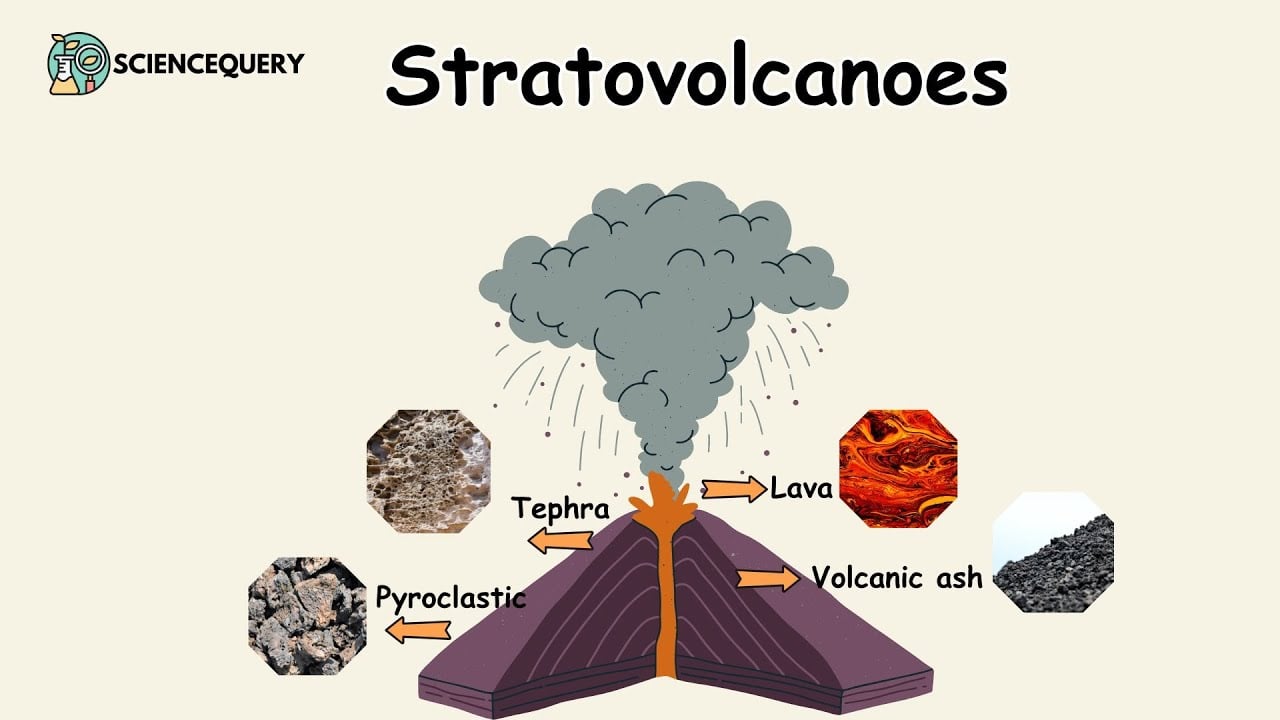
Ash cloudSummit crater & ventLayers of lava & ashConduit (pipe)Magma chamberSecondary vent & dykeSillLava flow

Magma rises from a deep chamber through the central conduit, erupting from the summit crater and side vents to build alternating layers of lava and ash.

Types & Details

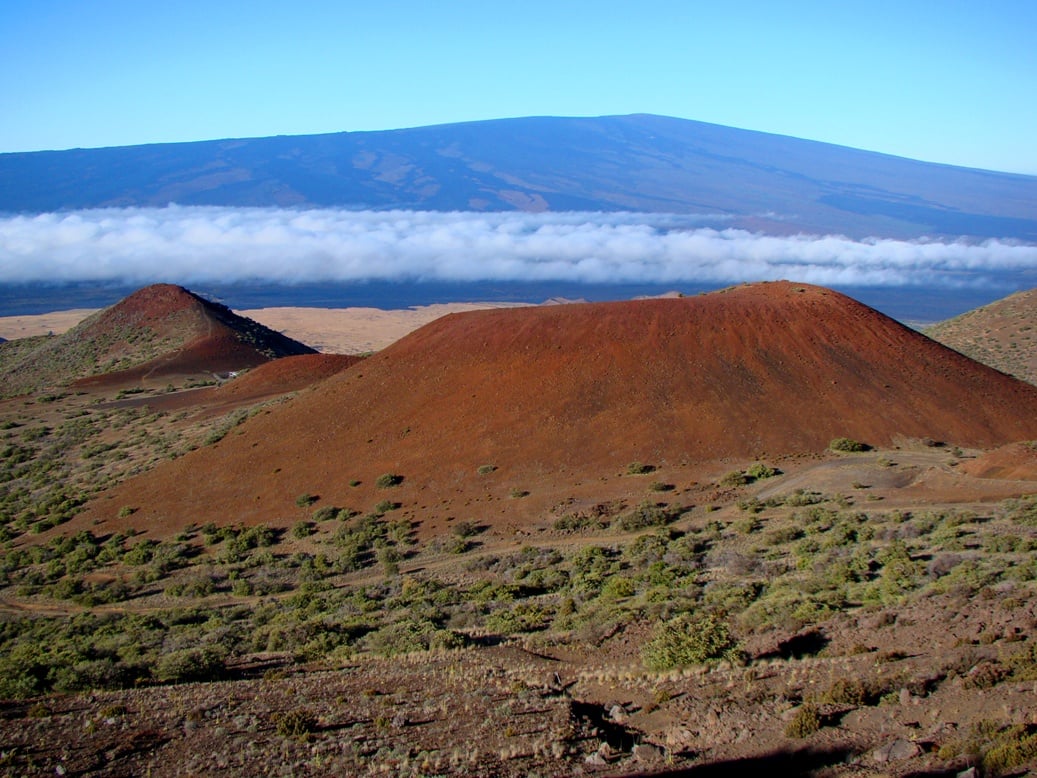
A broad gently sloping shield volcano with fluid lava flows
1

Shield Volcanoes

Broad, gentle giants of runny lava

Can erupt for hundreds of thousands of years
  • Wide, gently sloping profile
  • Built from fluid basaltic lava
  • Mostly effusive, rarely explosive
  • The largest volcanoes by volume

Thin, runny lava spreads far before it cools, stacking into a broad low dome shaped like a warrior’s shield. Hawaii’s Mauna Loa is the classic example — vast but rarely violent.

Example:Mauna Loa, Hawaii
A steep symmetrical composite volcano cone with a summit crater
2

Stratovolcanoes (Composite)

Steep, layered and often explosive

Built over tens of thousands of years
  • Tall, steep, symmetrical cones
  • Alternating layers of lava and ash
  • Thick, sticky, gas-rich magma
  • Capable of violent eruptions

The archetypal “volcano” shape. Viscous magma traps gas and erupts explosively, layering lava and ash into a towering cone. These are the most dangerous volcanoes near populated regions.

Example:Mount Vesuvius, Italy
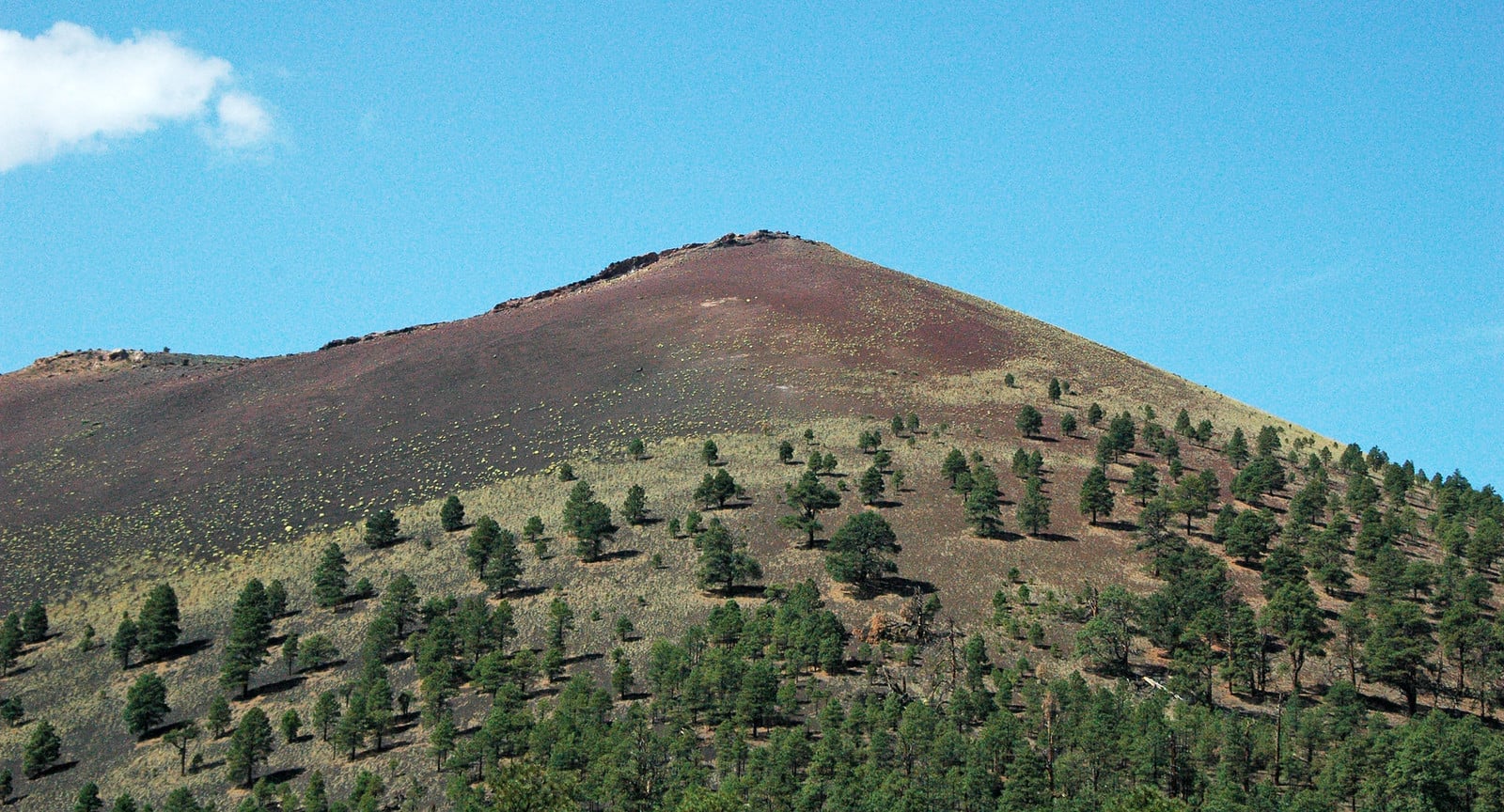
A small steep-sided cinder cone volcano with a crater
3

Cinder Cone Volcanoes

Small, steep cones of blasted fragments

Often short-lived — built in months to years
  • Small and steep-sided
  • Built from loose ash and cinders
  • Bowl-shaped summit crater
  • Usually a single brief eruption

Gassy lava is blown into fragments that fall around the vent, piling into a neat steep cone. Parícutin in Mexico famously grew from a cornfield to 424 m in just nine years.

Example:Parícutin, Mexico
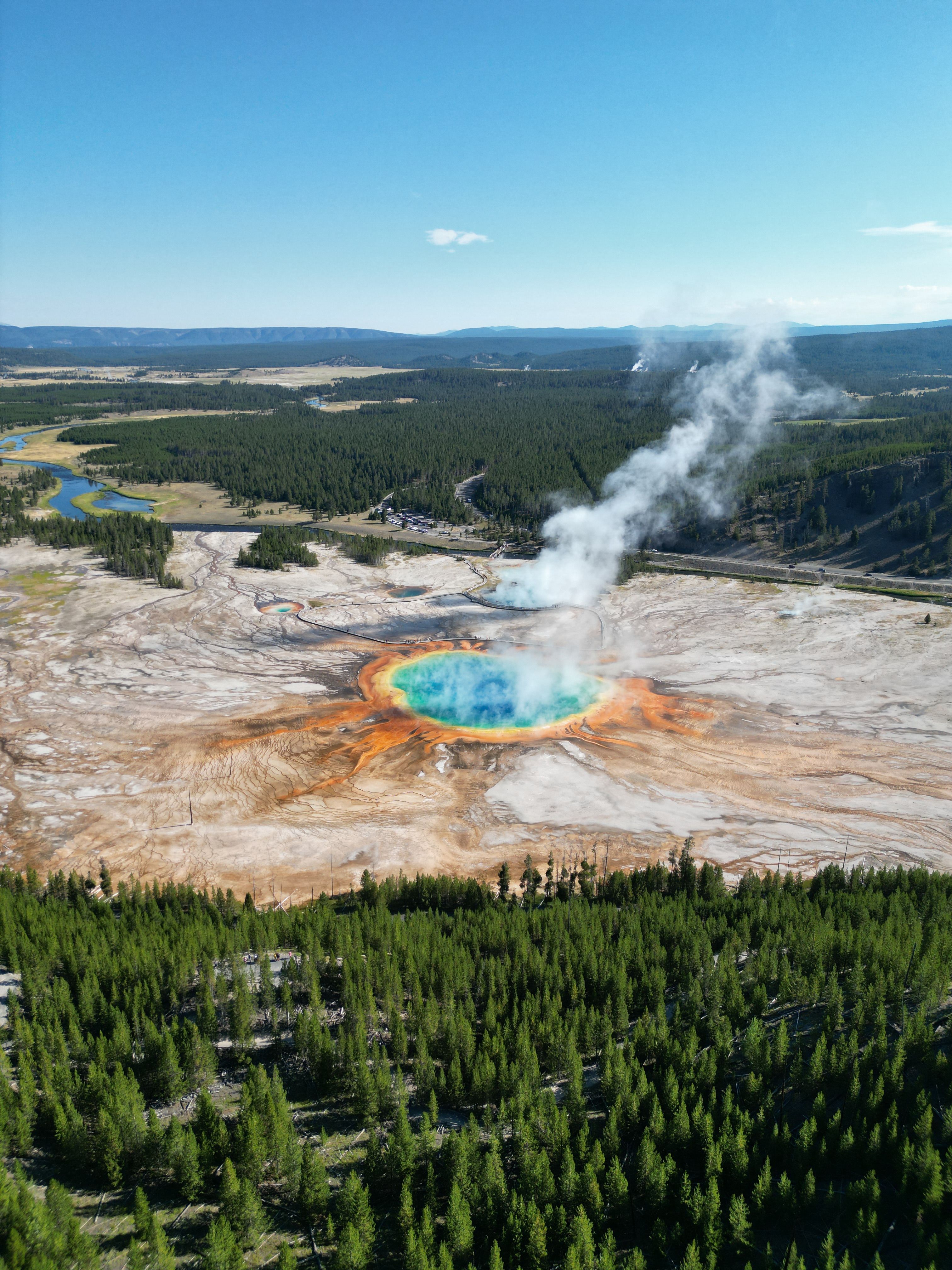
A vast volcanic caldera basin with geothermal features
4

Calderas

Vast craters where a volcano collapsed

Mark colossal eruptions, often ancient
  • Huge basin-shaped depressions
  • Form when a magma chamber empties
  • Can be tens of kilometres wide
  • Source of super-eruptions

When a massive eruption drains the magma chamber, the ground above collapses into a giant caldera. These structures, like Yellowstone, are capable of Earth’s largest eruptions.

Example:Yellowstone Caldera, USA
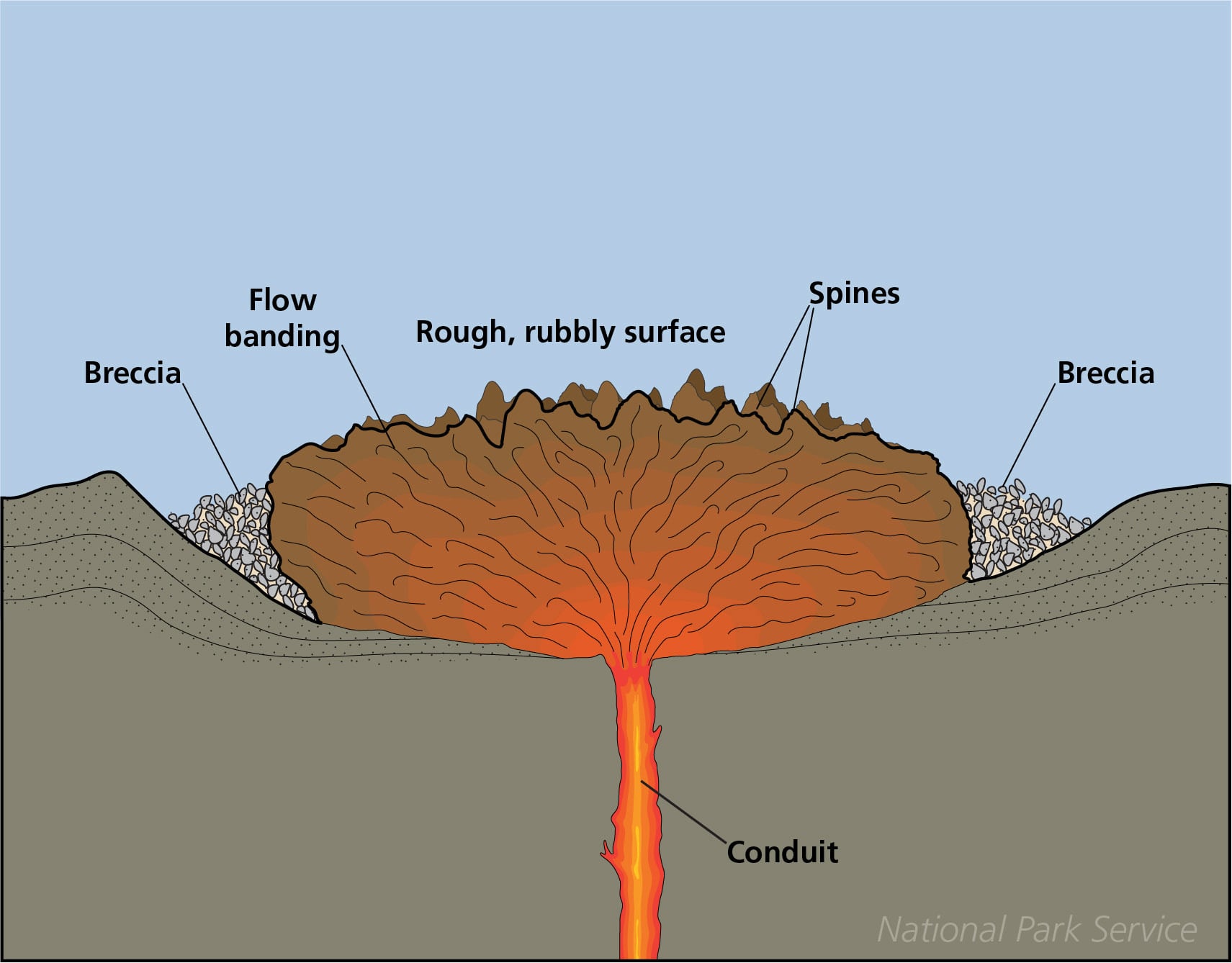
A steep rounded lava dome inside a volcanic crater
5

Lava Domes

Bulges of lava too thick to flow

Grow over months to years after eruptions
  • Steep, rounded mounds of viscous lava
  • Form in or near larger craters
  • Grow by slow extrusion or expansion
  • Prone to sudden dangerous collapse

Some magma is so thick it barely moves, piling up over the vent as a rounded dome. These domes can collapse without warning, unleashing deadly fast-moving pyroclastic flows.

Example:Mount St. Helens dome, USA