Geuest

Nature · Earth Science

Tundra & Polar Regions

Earth’s frozen frontiers, treeless and vast

Back to Nature

The tundra is a cold, treeless biome where the ground stays frozen for most — or all — of the year. Spanning the northern edges of continents and the highest mountains, and merging into the true polar deserts of the Arctic and Antarctic, these are the coldest, harshest and most fragile landscapes on Earth.

Coldest recorded
−89.2 °C, Antarctica
Permafrost depth
Up to ~1,500 m
Growing season
As short as 6 weeks
Trees
Essentially none

How They Form

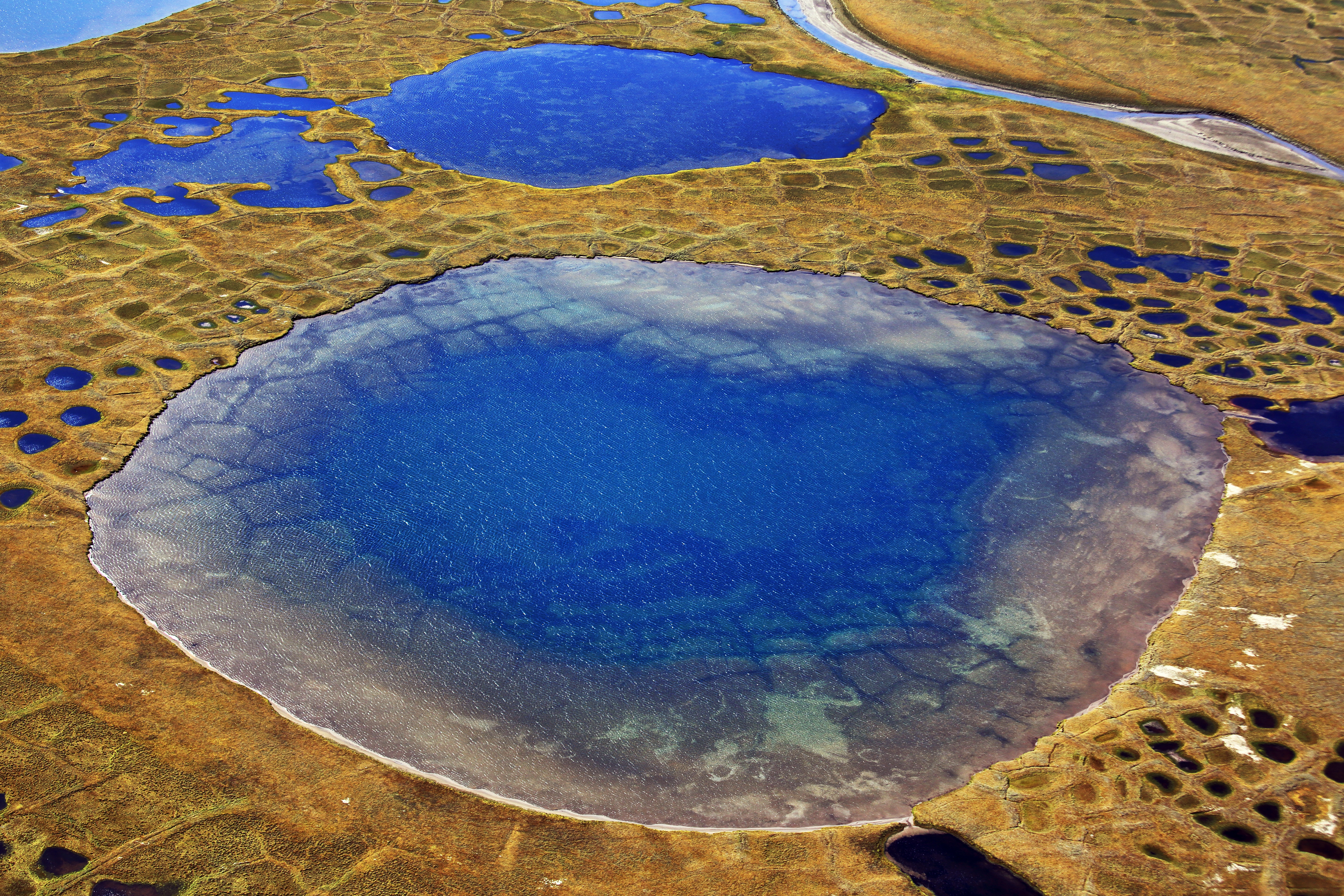
Long, dark winters and brief, cool summers keep temperatures too low for trees to grow. Beneath a thin surface layer that thaws each summer lies permafrost — permanently frozen ground — which traps water at the surface, creating boggy pools, patterned ground and a delicate ecosystem adapted to extreme cold.

The Frozen Layers of Tundra

Low mosses, lichens & shrubsActive layer (thaws in summer)Ice wedgePermafrost (permanently frozen)

A thin summer "active layer" thaws above permanently frozen permafrost, shaping pools, patterned ground and hardy low plants.

Types & Details

Flat Arctic tundra with low plants and distant frozen ground
1

Arctic Tundra

The frozen rim of the north

Shaped since the last ice age
  • Underlain by continuous permafrost
  • Mosses, lichens, sedges and dwarf shrubs
  • Summer bloom of wildflowers
  • Home to caribou, foxes and migratory birds

Ringing the Arctic Ocean, this tundra bursts briefly into life each summer as the active layer thaws, drawing vast herds and millions of nesting birds before the long freeze returns.

Example:Northern Siberia & Canada
High mountain alpine tundra with low cushion plants and rock
2

Alpine Tundra

Tundra above the treeline

Exists wherever mountains rise high enough
  • Found above the mountain treeline
  • No permafrost required — just cold
  • Cushion plants and hardy grasses
  • Intense sun, wind and frost

On high mountains everywhere, even near the equator, cold and wind keep trees out. Alpine tundra plants hug the ground in cushions to survive fierce wind and nightly frost.

Example:High Andes & Rockies
A vast featureless expanse of polar ice and snow
3

Polar Ice Deserts

Where almost nothing grows

Ice sheets millions of years old
  • Permanent ice and snow cover
  • Extremely low precipitation
  • Almost no vegetation
  • Vast ice sheets and glaciers

The interiors of Greenland and Antarctica are true cold deserts — bone-dry, buried under kilometres of ancient ice, and among the most lifeless places on the planet.

Example:Antarctic Ice Sheet
Frozen ground cracked into geometric polygon patterns
4

Permafrost & Patterned Ground

Ground sculpted by freeze and thaw

Frozen for thousands of years
  • Permanently frozen subsurface soil
  • Ice wedges crack the ground into polygons
  • Summer meltwater pools on the surface
  • Stores immense amounts of carbon

Repeated freezing and thawing sorts stones and cracks the surface into eerie geometric polygons and mounds. The frozen soil locks away vast carbon, making it a key player in the climate system.

Example:Polygon fields, Siberia