Geuest

Nature · Earth Science

Rocks

The stone archive of Earth’s history

Back to Nature

A rock is a naturally occurring solid made of one or more minerals. Every rock on Earth belongs to one of three great families — igneous, sedimentary or metamorphic — and all are endlessly recycled through the rock cycle, a slow dance of melting, weathering, burial and heat spanning billions of years.

Rock families
3 (igneous, sedimentary, metamorphic)
Oldest rock
Acasta Gneiss (~4.0 B yrs)
Most common (crust)
Igneous (~65%)
Recycling engine
The rock cycle

How They Form

Rocks form in three fundamental ways: by cooling from molten magma (igneous), by the compaction of layered sediments (sedimentary), or by the transformation of existing rock under intense heat and pressure (metamorphic). The rock cycle links all three — any rock can, in time, become any other.

The Rock Cycle in Cross-Section

Sedimentary strataExtrusive (volcano)Magma chamberIgneous intrusionMetamorphic zoneDyke

Sedimentary layers, an igneous intrusion cooling from a magma chamber, and metamorphic rock forged where heat meets the surrounding strata.

Types & Details

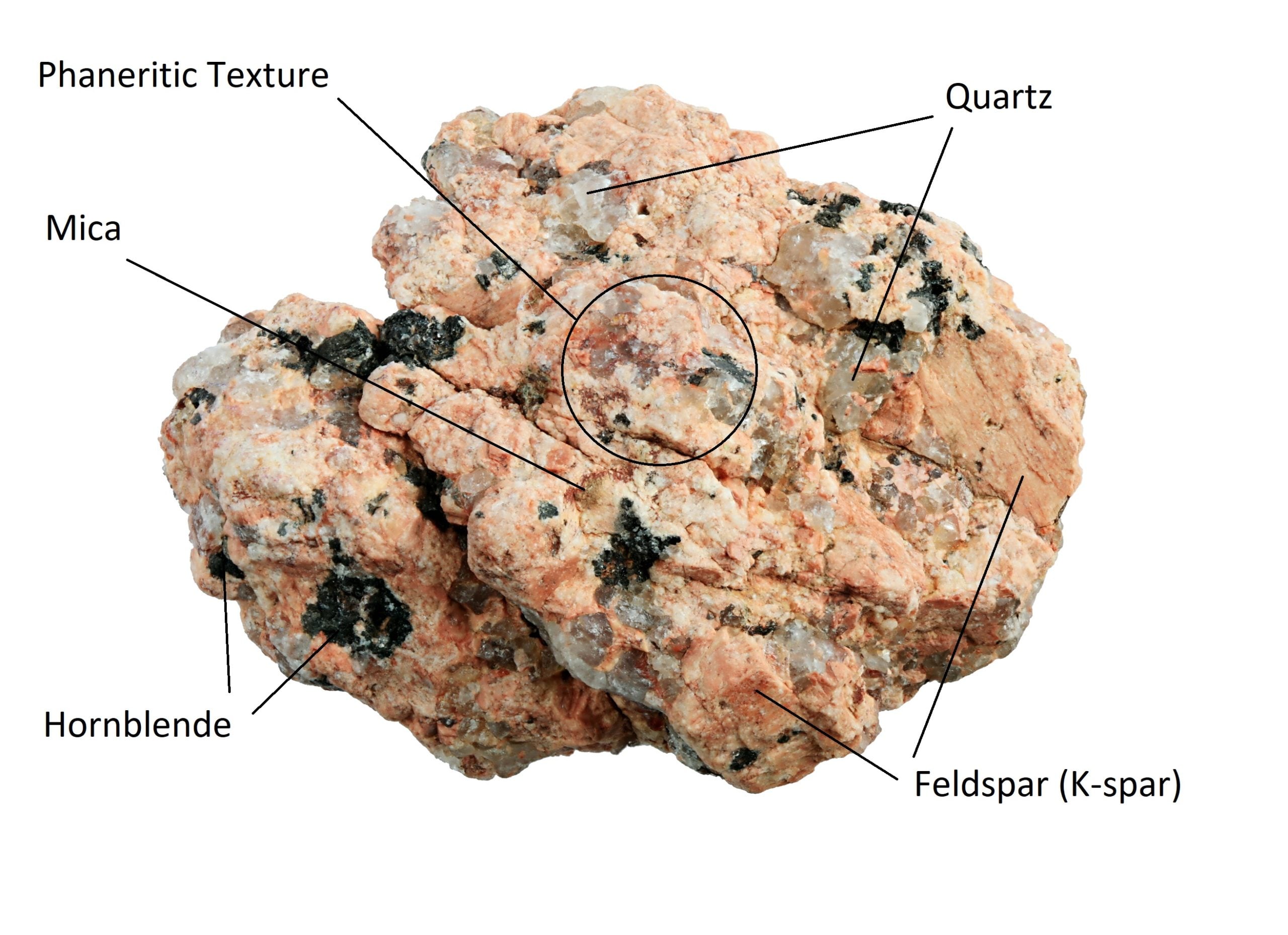
A close-up of coarse-grained granite rock with visible crystals
1

Igneous Rocks

Born of fire and cooling magma

From days old (lava) to billions of years
  • Formed by cooling of magma or lava
  • Interlocking crystal texture
  • Intrusive (coarse) or extrusive (fine)
  • Generally hard and non-layered

When molten rock cools it crystallises into igneous rock. Slow cooling deep underground grows large crystals (granite); rapid cooling at the surface makes fine or glassy rock (basalt, obsidian).

Example:Granite, basalt, obsidian
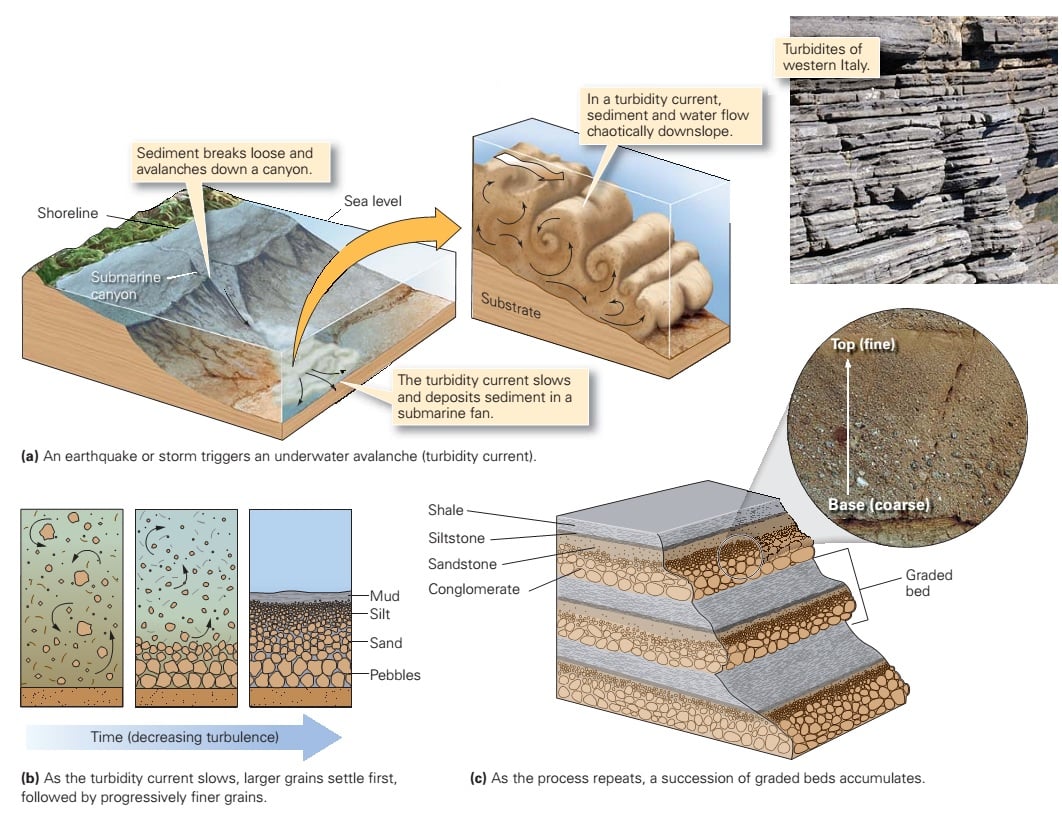
Layered sedimentary rock strata in a canyon wall
2

Sedimentary Rocks

Pressed page by page from ancient debris

Record hundreds of millions of years
  • Formed from compacted sediment layers
  • Visible strata (bedding planes)
  • Often contain fossils
  • Relatively soft and porous

Weathered fragments, shells and chemical deposits settle in layers and are cemented together over time. Their neat strata are Earth’s history book — and the only rocks that preserve fossils.

Example:Sandstone, limestone, shale
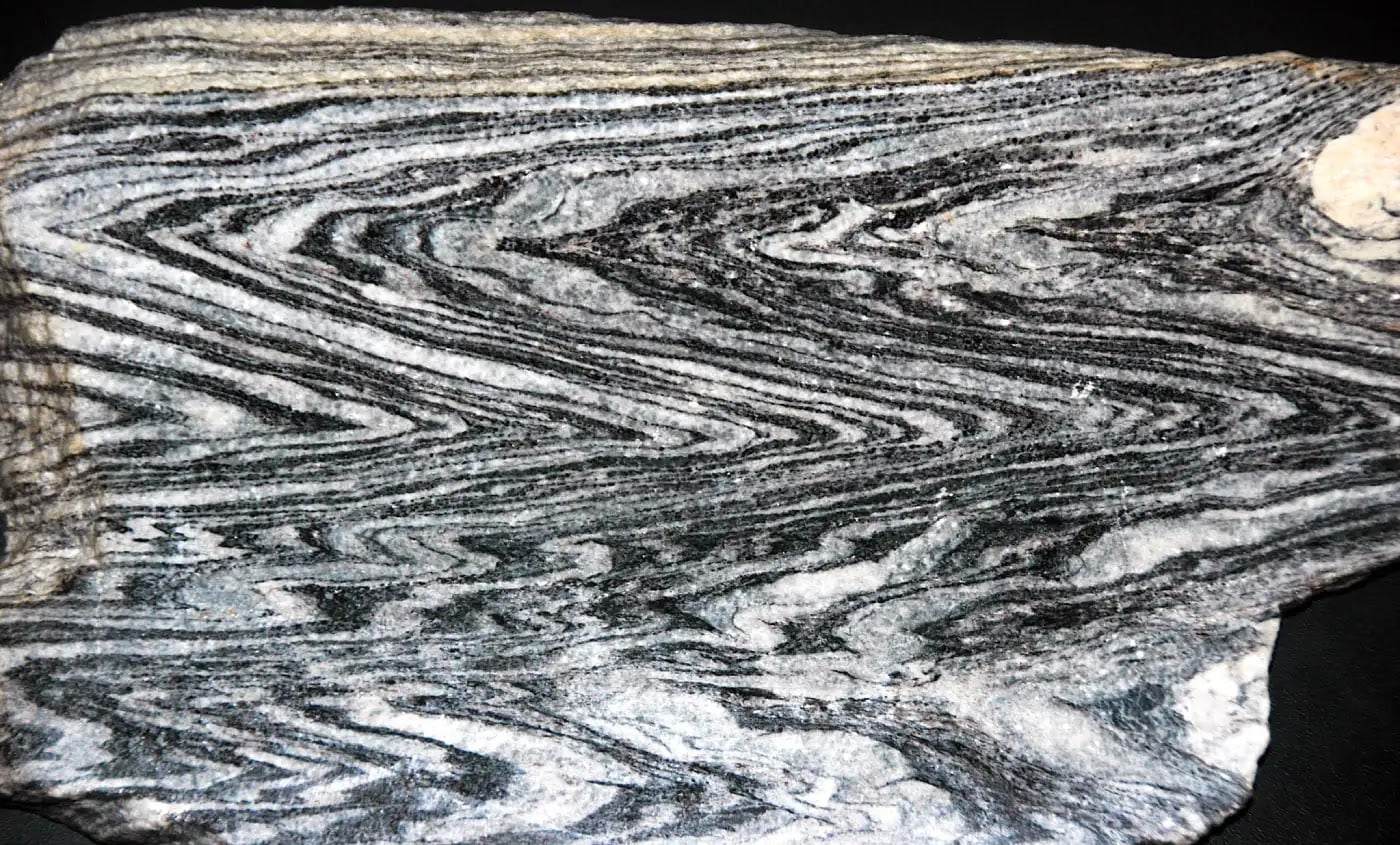
A polished banded metamorphic gneiss or marble rock
3

Metamorphic Rocks

Transformed by heat and crushing pressure

Reworked from far older parent rock
  • Formed by heat and pressure, not melting
  • Often banded (foliated) or recrystallised
  • Very hard and dense
  • Derived from igneous or sedimentary rock

Deep burial or tectonic squeezing changes rock without melting it, re-growing its minerals into new forms. Limestone becomes marble; shale becomes slate then schist and gneiss.

Example:Marble, slate, gneiss