Geuest

Nature · Earth Science

The Rock Cycle

How the three rock families endlessly renew

Back to Nature

Rocks are not permanent. Over immense spans of time, every rock is broken down, transported, buried, melted and reborn as another kind of rock. This grand recycling — the rock cycle — links the three great rock families, igneous, sedimentary and metamorphic, in a loop driven by Earth’s internal heat and the weather at its surface.

Rock families
Igneous, sedimentary, metamorphic
Driven by
Internal heat & weather
Timescale
Millions of years
Oldest rocks
~4 billion years

How They Form

Molten rock cools into igneous rock; weathering breaks it into sediment that hardens into sedimentary rock; heat and pressure transform buried rock into metamorphic rock; and deeper burial melts it back into magma. Any rock can follow many paths through this cycle, over millions of years.

The Rock Cycle Loop

MAGMAmeltingIgneousSedimentaryMetamorphiccoolingweathering & depositionheat & pressure

Melting, cooling, weathering, burial and metamorphism convert each rock family into the others, again and again.

Types & Details

A close view of speckled granite igneous rock
1

Igneous Rocks

Born from fire

Form whenever magma cools
  • Crystallise from molten rock
  • Intrusive types cool slowly, deep
  • Extrusive types cool fast, at surface
  • Include granite and basalt

Igneous rock forms as magma or lava cools and crystallises. Cooling slowly underground grows big crystals (granite); cooling fast at the surface makes fine-grained rock (basalt).

Example:Granite & basalt
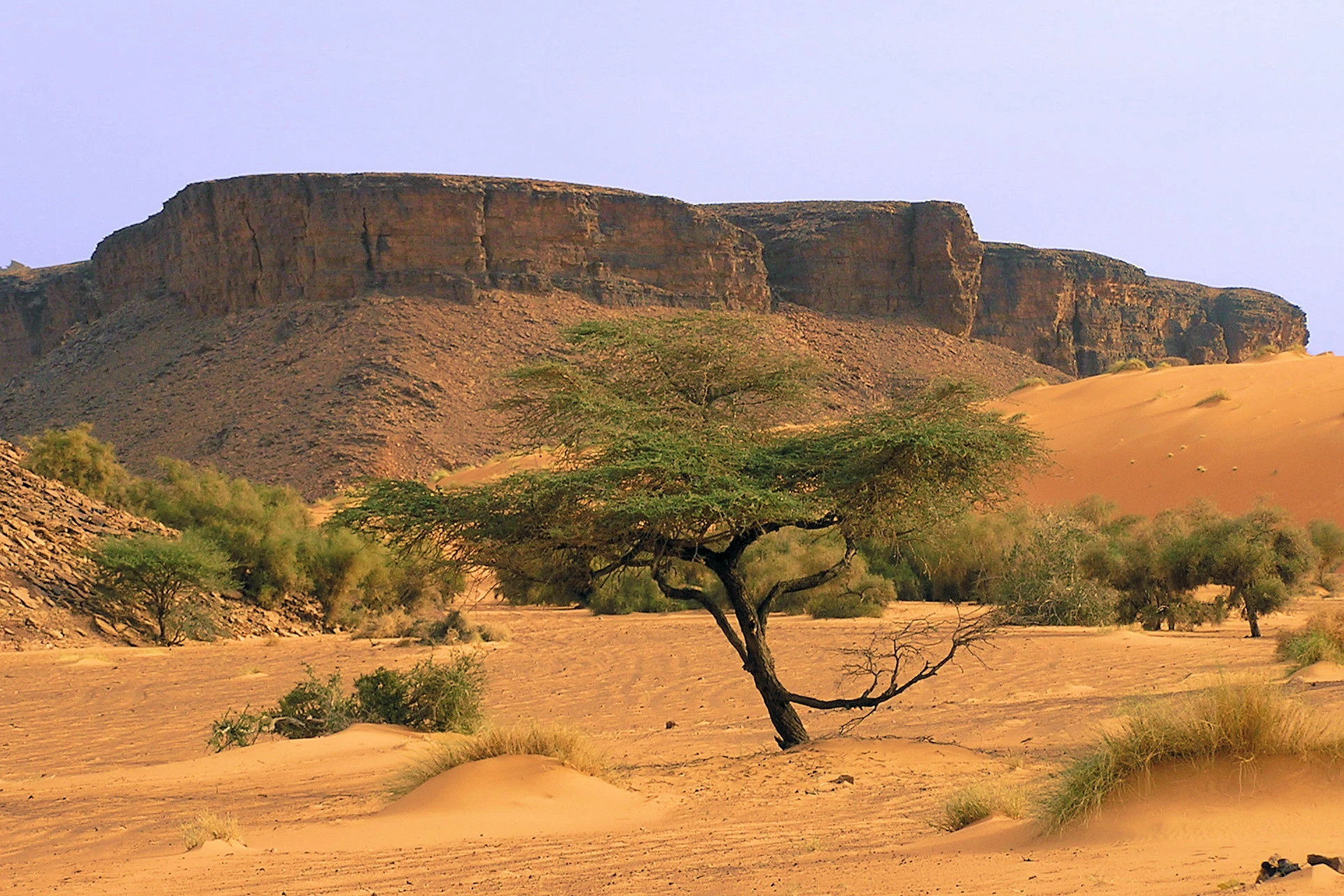
Layered sedimentary rock strata in a cliff
2

Sedimentary Rocks

Built layer by layer

Accumulate over long spans
  • Made of compacted sediment
  • Often show visible layers (strata)
  • May contain fossils
  • Include sandstone and limestone

Weathered fragments and shells settle, pile up and cement together into sedimentary rock. Their layers record time and often preserve fossils — the pages of Earth’s history book.

Example:Sandstone & limestone
Banded metamorphic rock such as gneiss or marble
3

Metamorphic Rocks

Transformed by heat and pressure

Reworked deep in the crust
  • Existing rock changed by heat/pressure
  • New minerals and textures form
  • Often banded or foliated
  • Include marble and slate

When rock is buried and squeezed or baked — but not melted — its minerals recrystallise into tougher, often banded metamorphic rock. Limestone becomes marble; shale becomes slate.

Example:Marble & slate
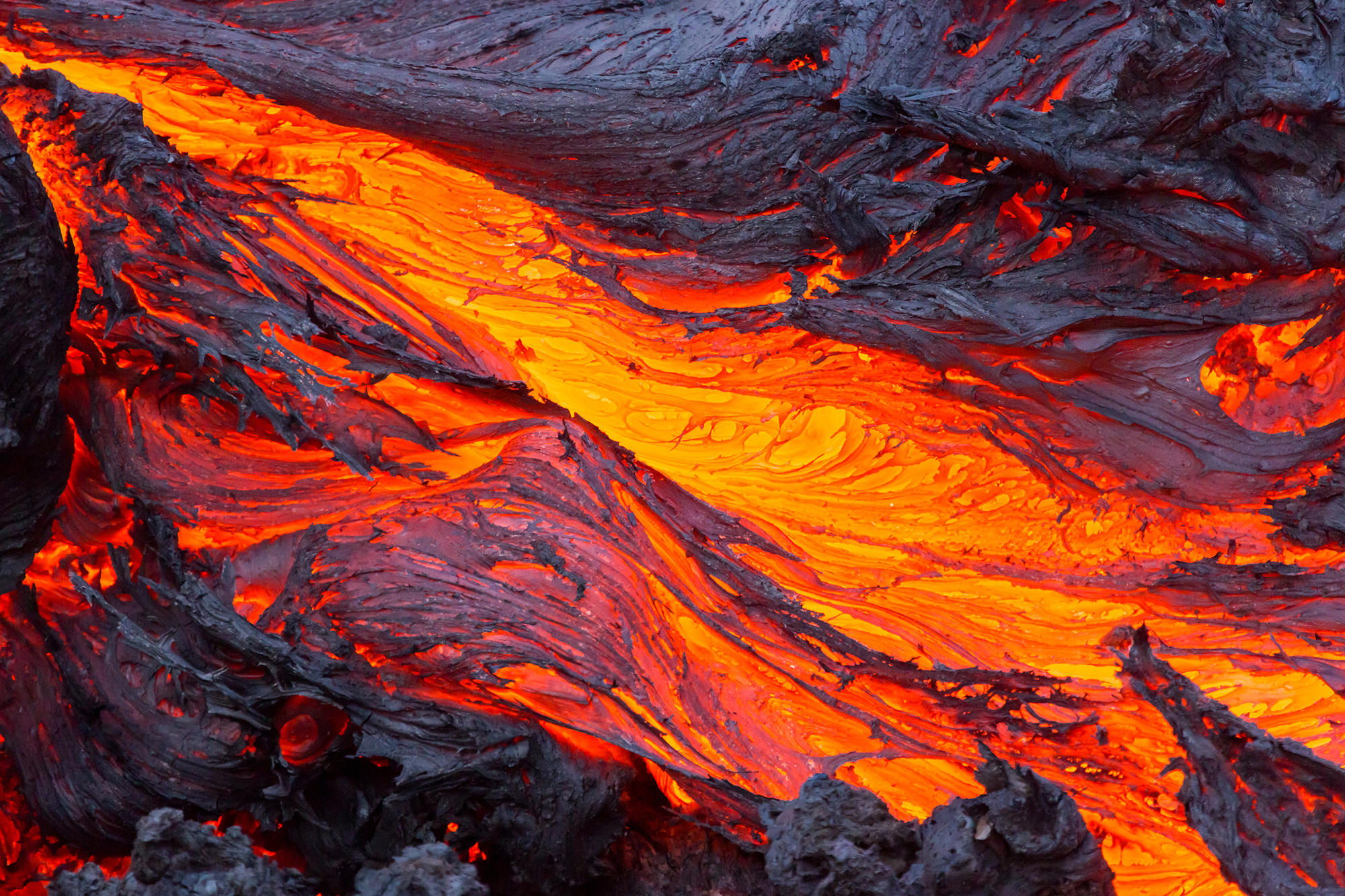
Glowing molten magma and lava
4

Magma & Melting

Back to the beginning

The recycling heart of the cycle
  • Deep burial melts rock to magma
  • Resets the cycle
  • Feeds volcanoes and intrusions
  • Driven by Earth’s heat

Dragged deep enough by tectonics, any rock melts back into magma — the molten reset button of the rock cycle. Rising magma then cools into fresh igneous rock and the loop begins anew.

Example:Subducting crust melting