Geuest

Nature · Earth Science

Plate Tectonics & Continents

The drifting jigsaw that shapes the world

Back to Nature

Earth’s rigid outer shell is broken into a dozen or so vast plates that drift slowly over the hot, flowing mantle beneath. Their grinding, colliding and pulling apart builds mountains, opens oceans, triggers earthquakes and fuels volcanoes — the master process behind the map of the world.

Major plates
About 7–8
Speed
~2–10 cm per year
Last supercontinent
Pangaea (~335 M yrs ago)
Driven by
Mantle convection

How They Form

Heat from deep within drives slow convection in the mantle, dragging the plates above it at the speed fingernails grow. Over hundreds of millions of years this motion tears continents apart, rafts them across the globe and slams them back together — reshaping oceans and mountain ranges alike.

The Three Plate Boundaries

Divergent boundary (new crust)Plate moves apartConvergent: subduction & volcanoMantle convection currents

Plates pull apart, collide and slide past one another — building ridges, trenches, mountains and faults.

Types & Details

A volcanic rift valley where plates pull apart
1

Divergent Boundaries

Where plates pull apart

Continuously creating new crust
  • Plates move away from each other
  • Magma rises to fill the gap
  • Build mid-ocean ridges and rifts
  • Birthplace of new ocean floor

Where plates separate, magma wells up to create fresh crust, building undersea mountain chains and tearing continents open into rift valleys and new seas.

Example:Mid-Atlantic Ridge
Towering mountains raised where plates collide
2

Convergent Boundaries

Where plates collide

Build the greatest mountains
  • Plates crash together
  • One may subduct beneath another
  • Raise mountains and deep trenches
  • Cause the biggest earthquakes

When plates converge, one may plunge beneath the other into the mantle, or they may buckle upward into towering ranges. These zones host Earth’s deepest trenches and mightiest quakes.

Example:Himalayas & Andes
A visible fault line where plates slide past each other
3

Transform Boundaries

Where plates grind past

Locked and slipping for ages
  • Plates slide horizontally past each other
  • Crust is neither made nor destroyed
  • Build major fault lines
  • Source of sudden earthquakes

At transform boundaries, plates scrape past one another. Stress builds as they lock, then releases in sudden jolts — the earthquakes of great faults like the San Andreas.

Example:San Andreas Fault, USA
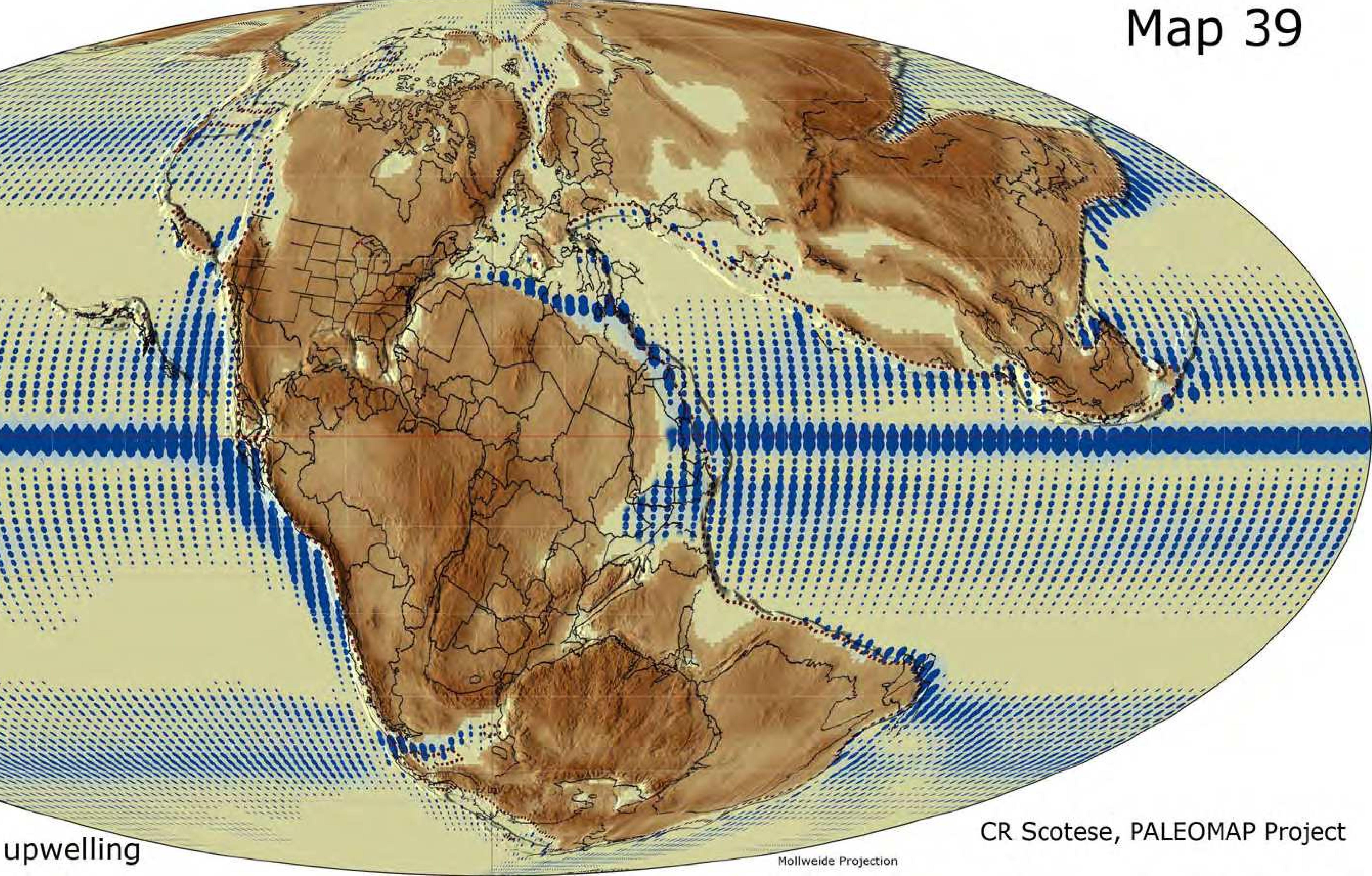
A map showing continents drifting from a supercontinent
4

Continental Drift

Continents on the move

Reshaping Earth for billions of years
  • Continents raft across the globe
  • Assemble into supercontinents
  • Then rift apart again
  • Explains matching coastlines & fossils

Plate motion carries the continents on a slow dance across the planet, gathering them into supercontinents like Pangaea and then splitting them apart — explaining why coastlines and fossils match across oceans.

Example:Break-up of Pangaea