Geuest

Nature · Earth Science

Lakes

Still waters held in the hollows of the land

Back to Nature

A lake is a body of water surrounded by land and largely separated from the sea. Filling basins scooped by ice, torn open by tectonics, blasted by volcanoes or dammed by rivers and people, lakes store most of the planet’s accessible liquid freshwater and teem with life.

Largest (area)
Caspian Sea (~371,000 km²)
Deepest
Lake Baikal (1,642 m)
Oldest
Lake Baikal (~25 M yrs)
Most freshwater
Lake Baikal (~23%)

How They Form

A lake needs two things: a hollow (basin) and a supply of water that exceeds losses to outflow and evaporation. How that basin forms — by glaciers, faulting, volcanism, river action or human engineering — defines the type of lake and its shape, depth and lifespan.

Thermal Layers of a Lake

Epilimnion · warm, sunlitThermocline · rapid changeHypolimnion · cold, darkInflowOutflowLake bed

In warm months deep lakes stratify into a sunlit surface layer, a rapid transition zone and a cold, dark bottom layer.

Types & Details

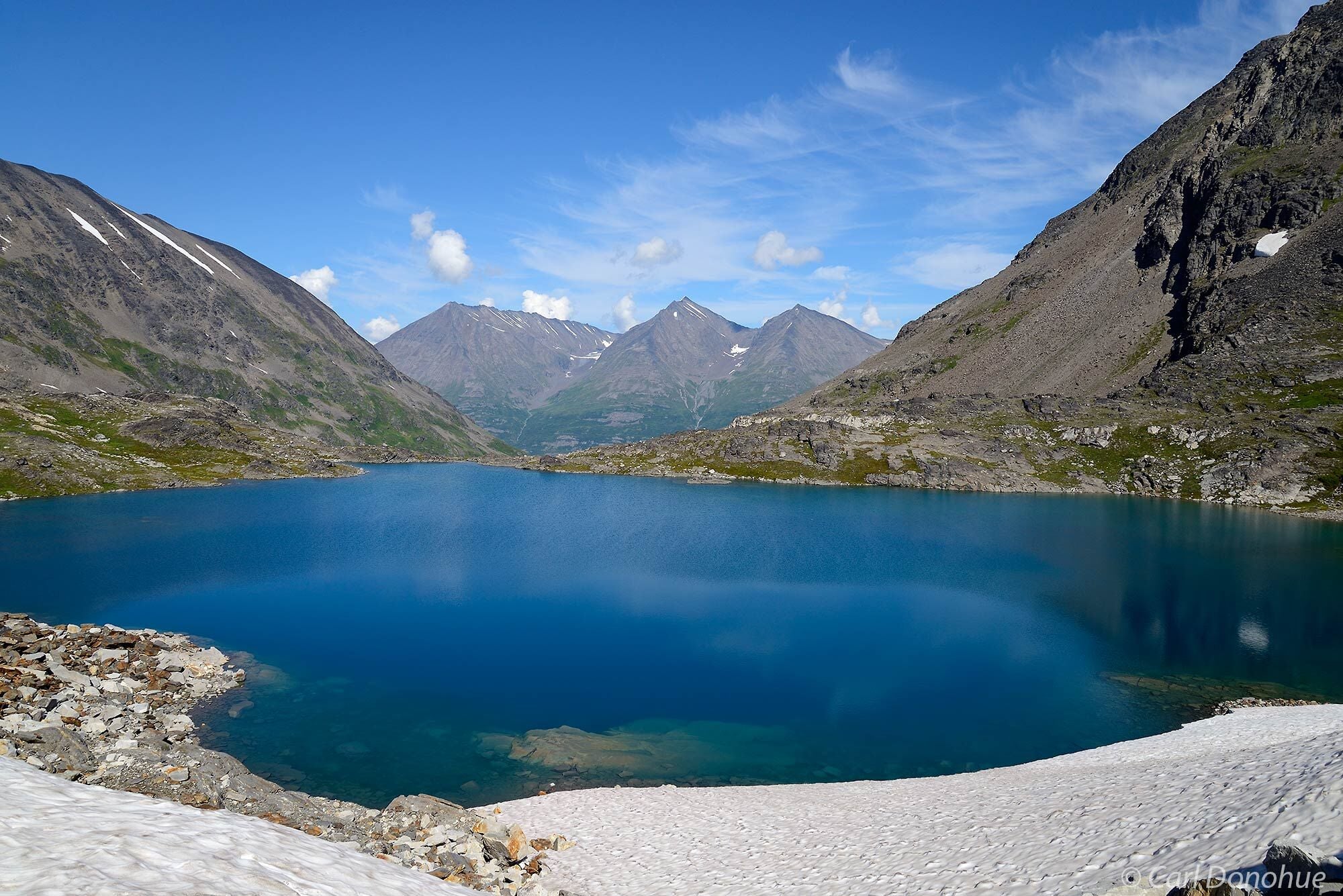
A deep clear glacial lake ringed by mountains
1

Glacial Lakes

Basins scoured and dammed by ice

Mostly young — formed since the last Ice Age
  • Carved by moving glaciers or ice sheets
  • Often deep, cold and clear
  • Include ribbon lakes and cirque tarns
  • Very common in northern latitudes

As glaciers grind across the land they gouge deep hollows and leave ridges of debris (moraine) that trap meltwater. Most of the world’s lakes, including the Great Lakes, are glacial in origin.

Example:The Great Lakes, North America
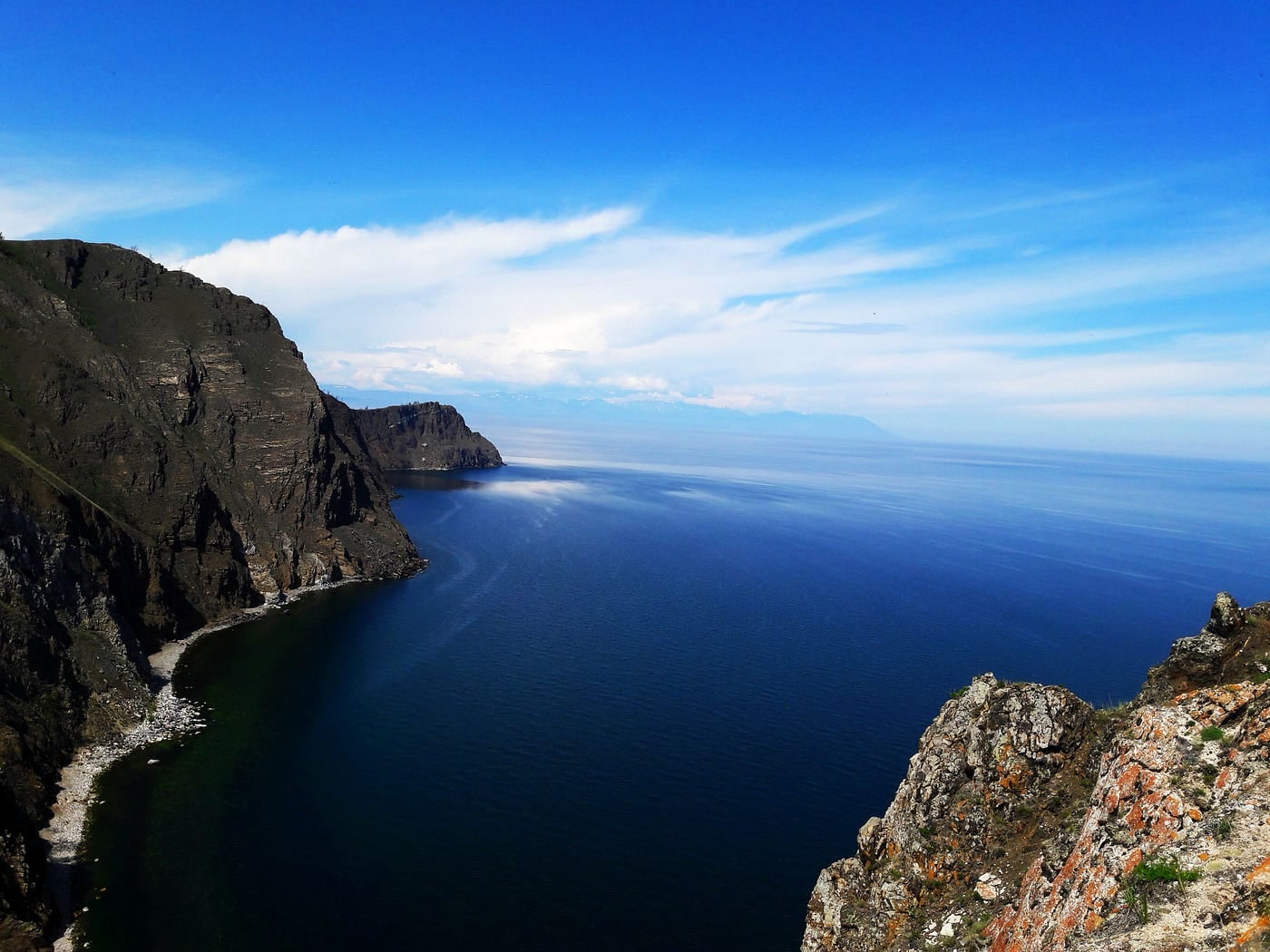
A long deep rift-valley lake between steep shores
2

Tectonic Lakes

Water in the rifts of a splitting Earth

Can be extremely old — millions of years
  • Fill basins formed by faulting/rifting
  • Often exceptionally deep and long
  • Home to unique, ancient species
  • Found along continental rift valleys

Where the crust is pulled apart, long deep troughs form and fill with water. Because these basins persist for millions of years, tectonic lakes like Baikal and Tanganyika host species found nowhere else.

Example:Lake Baikal, Russia
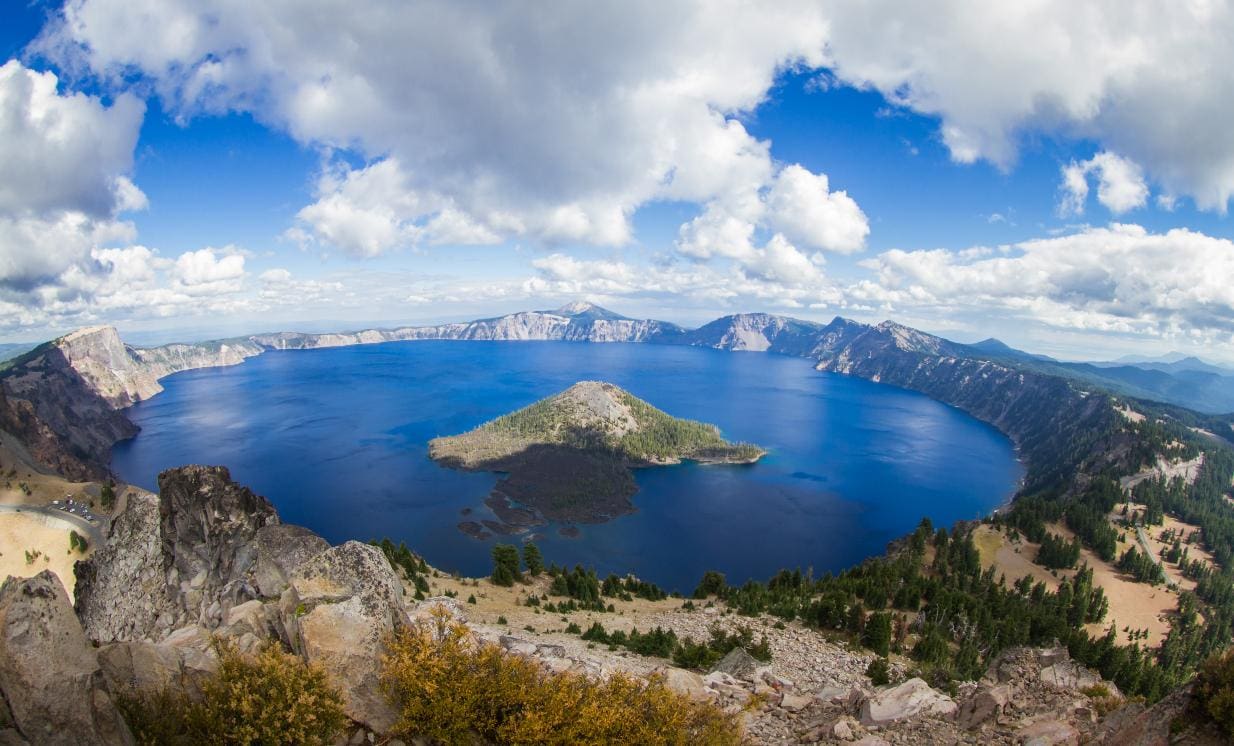
A deep blue circular crater lake inside a volcano caldera
3

Volcanic (Crater) Lakes

Rainwater cupped in a volcano’s throat

Young — thousands of years
  • Fill calderas or volcanic craters
  • Often near-circular and very deep
  • Strikingly blue, sometimes acidic
  • May sit atop dormant volcanoes

When a volcano’s summit collapses after a great eruption, the resulting caldera can fill with rain and snowmelt. Crater Lake in Oregon, formed ~7,700 years ago, is a flawless example.

Example:Crater Lake, USA
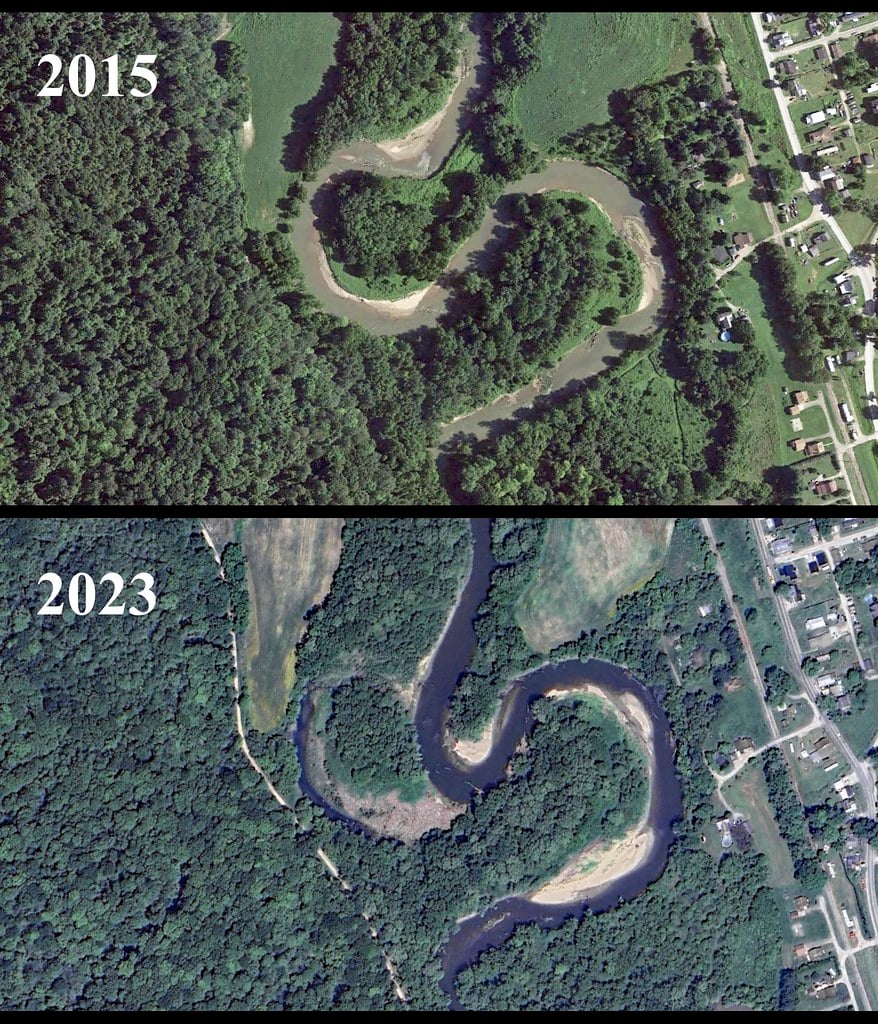
A crescent-shaped oxbow lake beside a winding river
4

Oxbow Lakes

A meander left behind by its river

Short-lived — decades to a few centuries
  • Crescent (bow) shaped
  • Cut off from a meandering river
  • Still water, no through-flow
  • Gradually silt up and vanish

On a floodplain, a river’s looping meander can be pinched off when the channel takes a shortcut. The abandoned curve becomes a calm, crescent-shaped oxbow lake that slowly fills with sediment.

Example:Oxbows of the Amazon floodplain
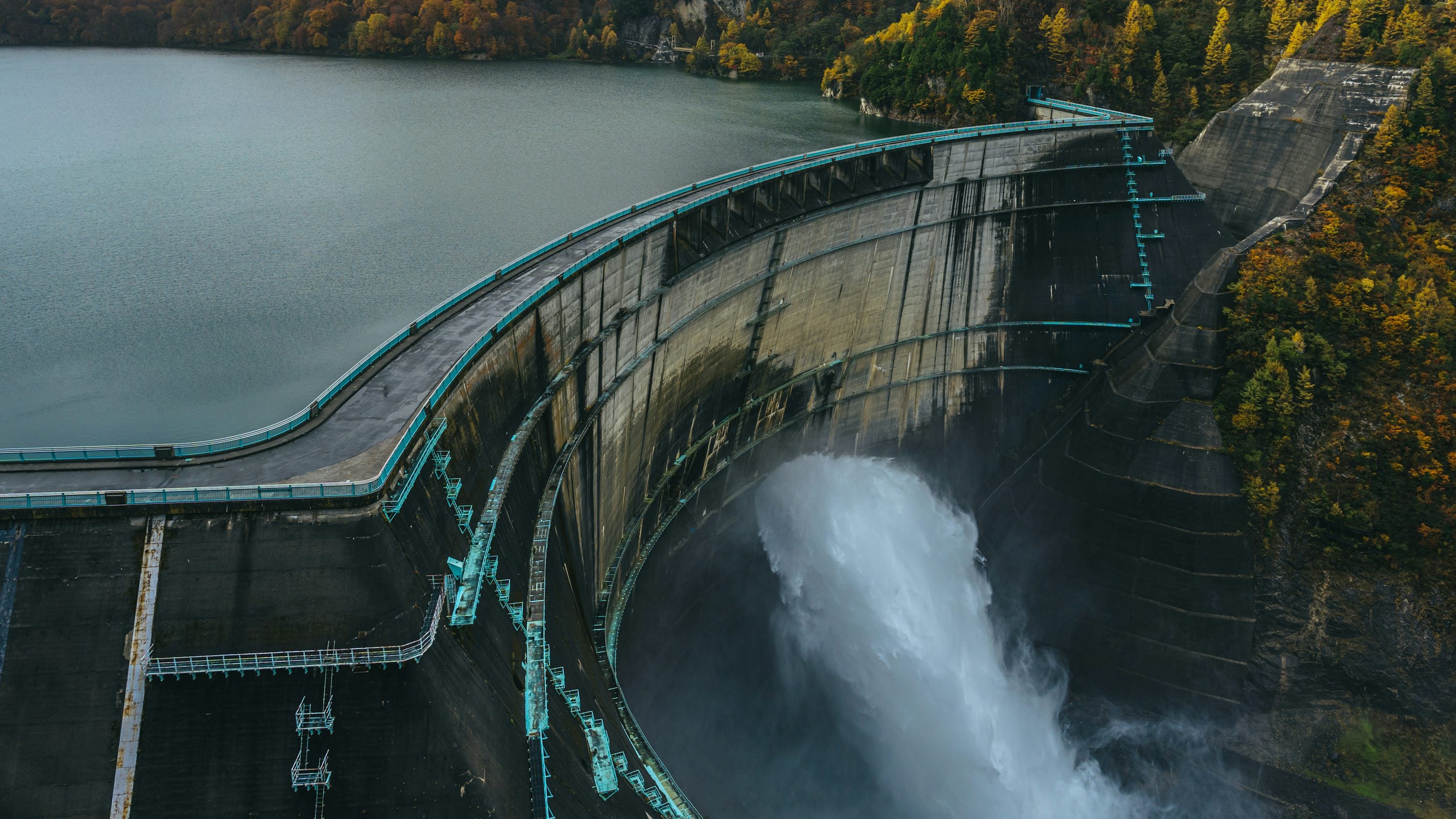
A large reservoir behind a concrete hydroelectric dam
5

Artificial Lakes (Reservoirs)

Rivers dammed to serve human needs

Modern — built within the last century or two
  • Created by damming a river valley
  • Supply water, power and irrigation
  • Control floods and enable navigation
  • Can be among the largest lakes on Earth

Humans build reservoirs by damming rivers to store water, generate hydroelectricity and manage floods. Lake Kariba on the Zambezi is the world’s largest reservoir by volume.

Example:Lake Kariba, Zambia/Zimbabwe