Geuest

Nature · Earth Science

Islands

Worlds of their own, ringed by sea

Back to Nature

An island is a body of land completely surrounded by water and smaller than a continent. Isolated by the sea, islands often evolve unique plants and animals found nowhere else, making them living laboratories of evolution and biodiversity hotspots.

Largest
Greenland (~2.16M km²)
Most (country)
Sweden (~267,000)
Famous lab
Galápagos Islands
Born from
Fire, coral or continent

How They Form

Islands are born in several ways: volcanoes building up from the seafloor, corals growing atop sunken volcanoes, fragments left when continents rift apart, or sandbars and sediment banks raised by rivers and waves. Rising and falling sea levels also cut hilltops off from the mainland.

How Islands Form

Island (above sea level)Fringing reefSeamount (volcanic base)Sea levelOcean floor

A seamount grows from the ocean floor until it breaks the surface as a volcanic island; corals may later fringe its shores.

Types & Details

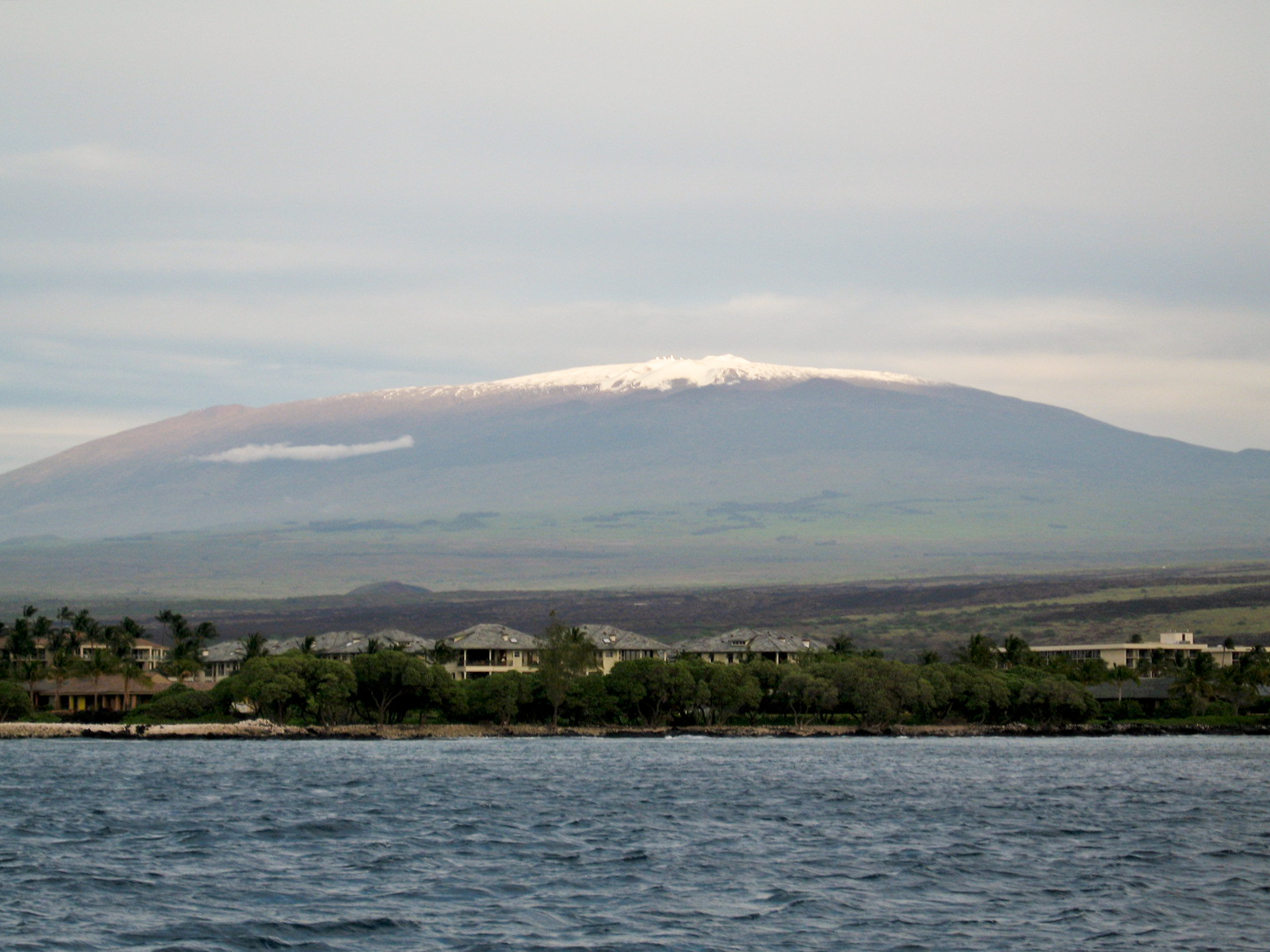
Volcanic island with green peaks rising from the sea
1

Volcanic Islands

Built by fire from the seabed

Grow over thousands of years
  • Rise from underwater volcanoes
  • Often form arcs or chains
  • Steep, rugged and fertile
  • Can appear suddenly

Where magma erupts on the seafloor, lava piles up until it breaks the surface. Hotspots and plate boundaries string these islands into arcs and chains.

Example:Hawaii, USA
Large continental island coastline
2

Continental Islands

Fragments of the mainland

As old as the continents
  • Sit on the continental shelf
  • Once joined to a mainland
  • Separated by rising seas or rifting
  • Share mainland wildlife

These islands are pieces of continent cut off when sea levels rose or land rifted away. Because of their origin, they often share plants and animals with the nearby mainland.

Example:Great Britain
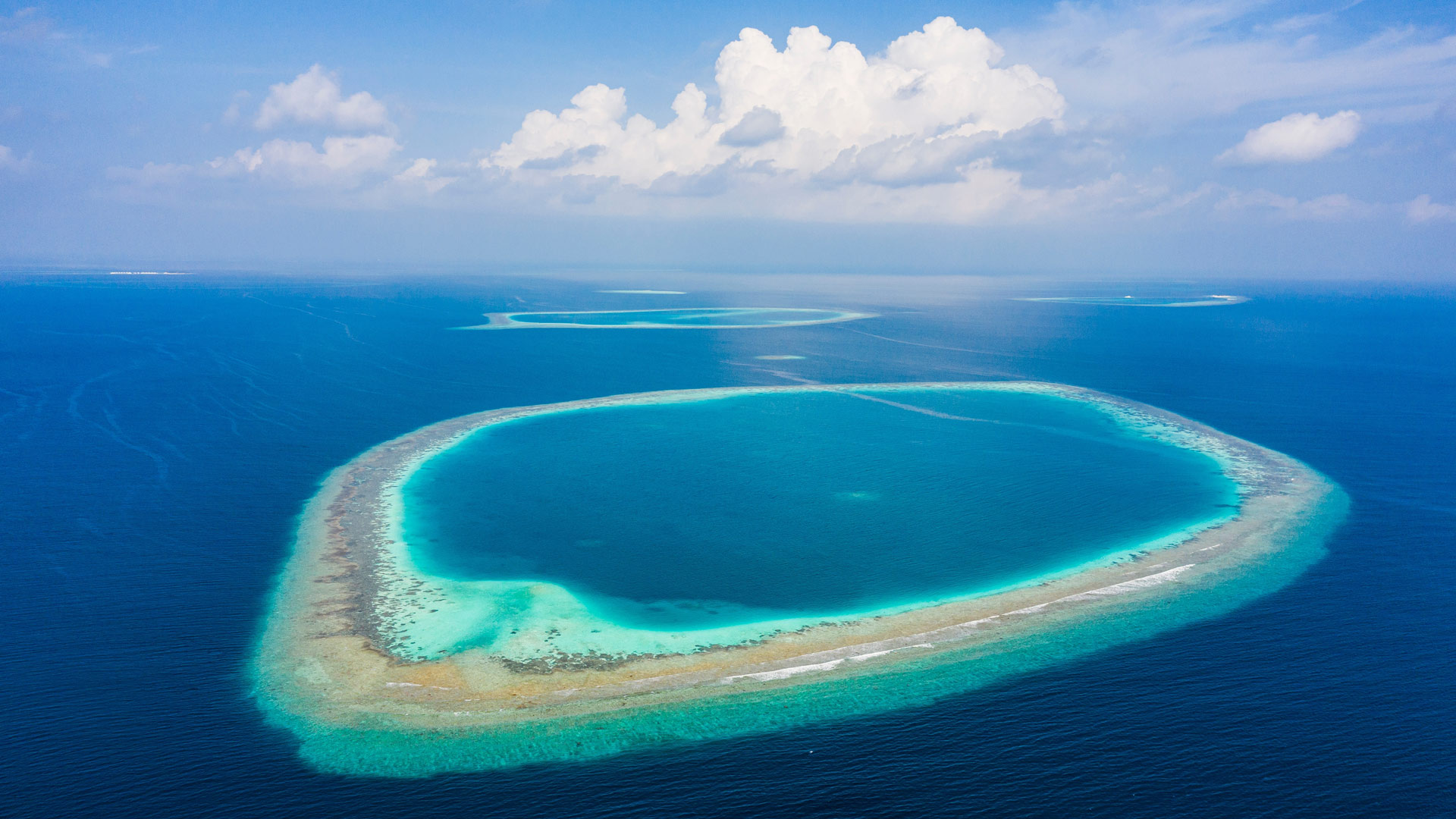
Ring-shaped coral atoll around a turquoise lagoon
3

Coral Islands & Atolls

Rings of reef around a lagoon

Built over thousands of years
  • Made of coral limestone
  • Very low-lying
  • Ring-shaped atolls enclose lagoons
  • Grow atop sunken volcanoes

Corals build reefs around a volcanic island; when the volcano sinks, the reef keeps growing upward, leaving a ring of low coral islands around a central lagoon.

Example:Maldives
Long low sandy barrier island beside the coast
4

Barrier & Sand Islands

Low banks of shifting sand

Reshaped continually by the sea
  • Made of sand and sediment
  • Lie just off the coast
  • Shield the shore from storms
  • Constantly on the move

Waves and currents heap sand into long, low islands that parallel the coast, sheltering lagoons and wetlands behind them while migrating with every storm.

Example:Outer Banks, USA