Geuest

Nature · Earth Science

Grasslands & Wetlands

Open plains and watery worlds

Back to Nature

Grasslands are wide open landscapes ruled by grasses rather than trees, while wetlands are areas where water saturates the land for much of the year. Both are immensely productive — grasslands feed the world's herds and crops, and wetlands rank among the richest habitats on Earth.

Land covered
~25% grassland
Wetlands
~6% of land surface
Grassland names
Savanna, steppe, prairie, pampas
Kept open by
Grazing & fire

How They Form

Grasslands arise where there is too little rain for forest but too much for desert, often kept treeless by grazing and fire. Wetlands form wherever water collects and lingers — in river floodplains, coastal margins and shallow basins — saturating the soil and supporting water-loving life.

Cross-Section Of A Wetland

Dry landMarsh (reeds & sedges)Open waterWater table

From dry land through reedy marsh into open water — shifting water depth creates zones of specialised plants and wildlife.

Types & Details

African savanna grassland with scattered acacia trees
1

Tropical Savanna

Grasslands dotted with trees

Maintained by seasonal fires
  • Warm with wet and dry seasons
  • Grasses with scattered trees
  • Home to great herds
  • Shaped by fire

Savannas are warm grasslands sprinkled with hardy trees, where a long dry season and periodic fires keep the landscape open — and support the world's greatest grazing herds.

Example:Serengeti, Tanzania
Vast open temperate grassland prairie
2

Temperate Grasslands

The great treeless plains

Built deep soils over millennia
  • Hot summers, cold winters
  • Few or no trees
  • Deep, very fertile soils
  • The world's breadbaskets

Prairies, steppes and pampas are seas of grass with soils so rich they have become the planet's great grain-growing and cattle-raising regions.

Example:North American Prairie
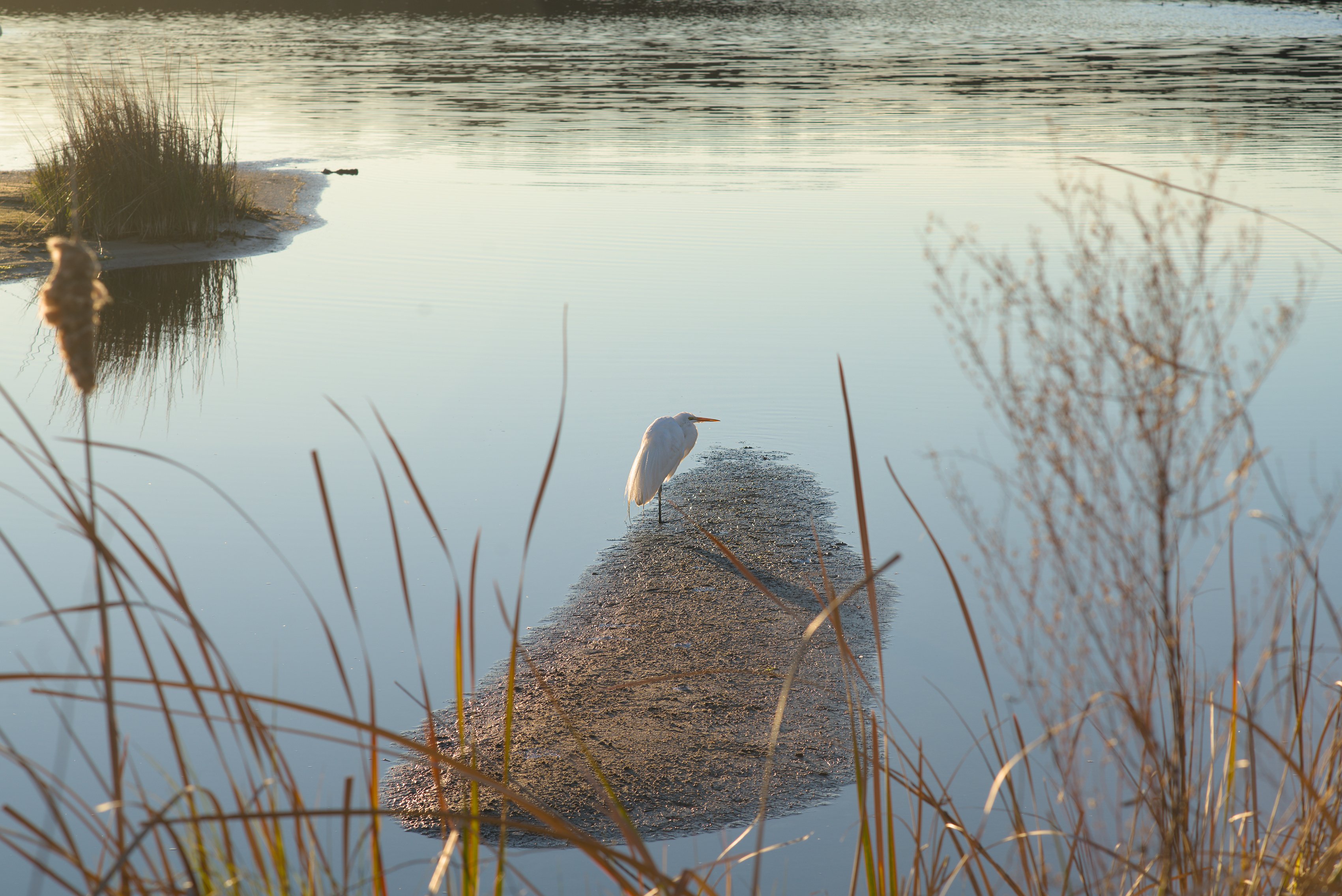
Freshwater marsh with reeds and open water
3

Freshwater Marshes

Reedy shallows alive with birds

Persist while water supply lasts
  • Waterlogged, grassy ground
  • Dominated by reeds and sedges
  • Teeming with birds and insects
  • Filter and clean water

Marshes are treeless wetlands thick with reeds and grasses, acting as natural water filters and nurseries brimming with birds, frogs and fish.

Example:Everglades, USA
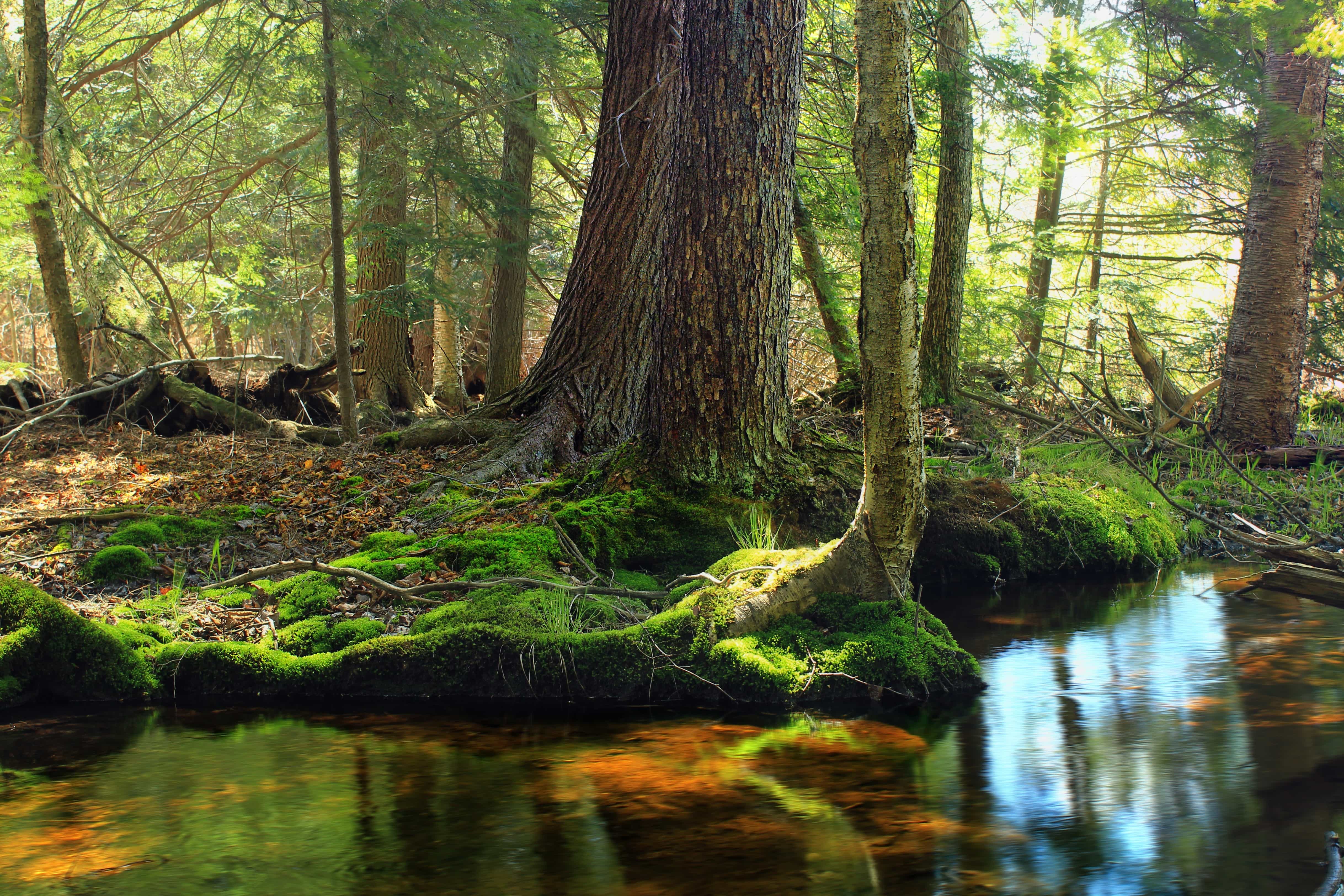
Wooded swamp with trees standing in water
4

Swamps & Bogs

Wooded and mossy wetlands

Bogs build peat over thousands of years
  • Swamps are wooded wetlands
  • Bogs are acidic and mossy
  • Store huge amounts of carbon
  • Preserve organic matter

Swamps are wetlands dominated by trees, while bogs are waterlogged, acidic peatlands built of moss. Both lock away vast stores of carbon in their soggy ground.

Example:Okavango & northern peat bogs