Geuest

Nature · Earth Science

Forests

The green lungs of the Earth

Back to Nature

A forest is a large area dominated by trees and the web of life they support. Covering about a third of the planet's land, forests store carbon, release oxygen, shelter most of the world's land species and regulate the water cycle — truly the lungs of the Earth.

Land covered
~31% of all land
Largest
Amazon Rainforest
Largest belt
Boreal (Taiga) forest
Species sheltered
~80% of land species

How They Form

Forests develop through succession: bare ground is first colonised by grasses and shrubs, which enrich the soil until trees can take hold and grow into a mature, layered canopy. The type of forest that results depends on climate — temperature, rainfall and latitude.

Layers Of The Forest

Emergent layerCanopyUnderstoreyForest floor

From the sunlit emergent trees and canopy down through the understorey to the shaded forest floor — each layer its own habitat.

Types & Details

Dense green tropical rainforest canopy
1

Tropical Rainforests

Hot, wet and teeming with life

Some over 50 million years old
  • Warm and wet all year
  • Astonishing biodiversity
  • Dense multi-layered canopy
  • Grow near the equator

With constant warmth and heavy rain, tropical rainforests pack in more species than anywhere else on land, layering life from the forest floor to the towering canopy.

Example:Amazon Rainforest, South America
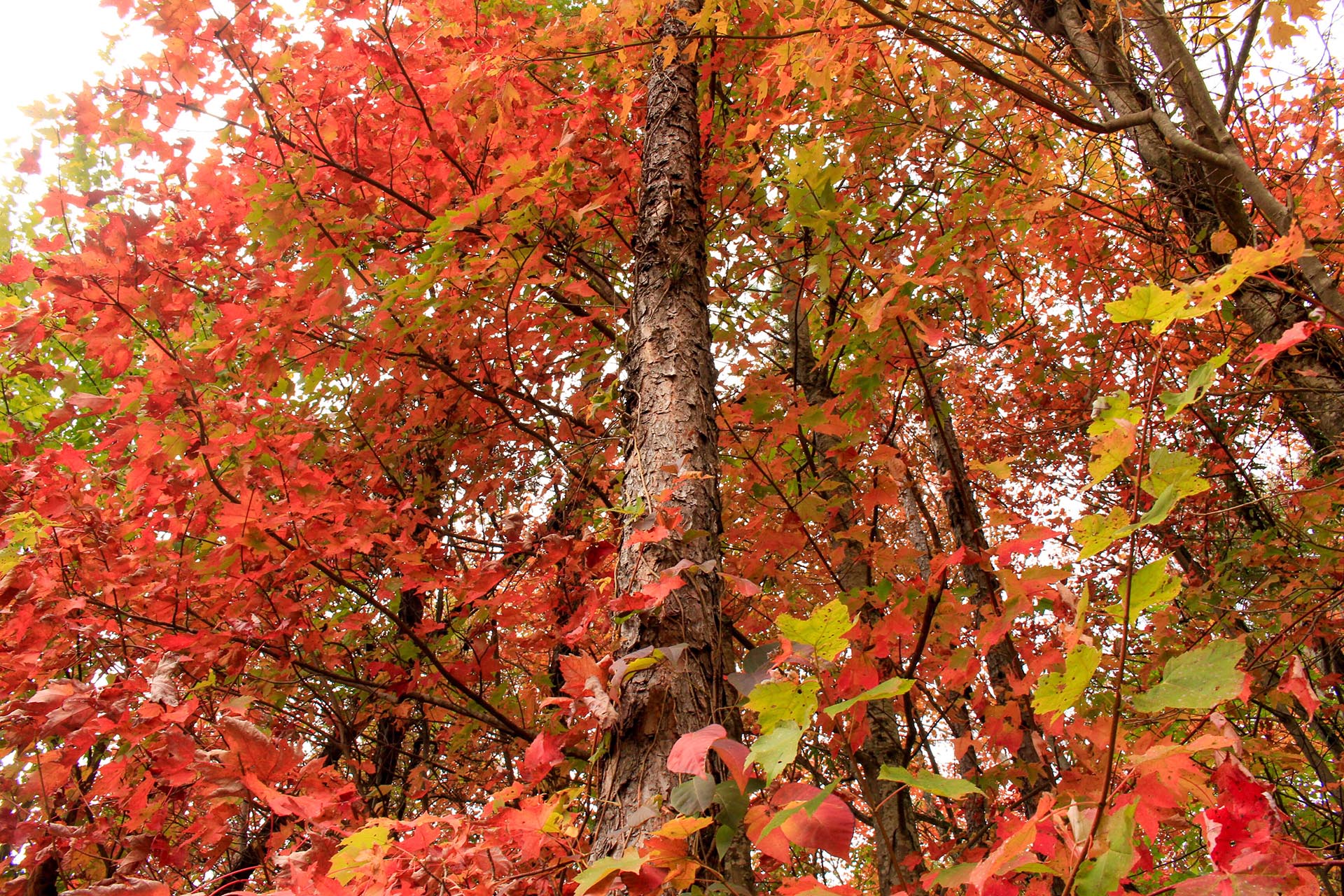
Temperate broadleaf forest in autumn colours
2

Temperate Forests

Forests of the four seasons

Mature over centuries
  • Distinct seasons
  • Broadleaf trees that shed leaves
  • Rich leaf-litter soils
  • Vivid autumn colour

In mild mid-latitude climates, broadleaf trees like oak and maple leaf out in spring and blaze in autumn before dropping their leaves to survive the winter.

Example:New England forests, USA
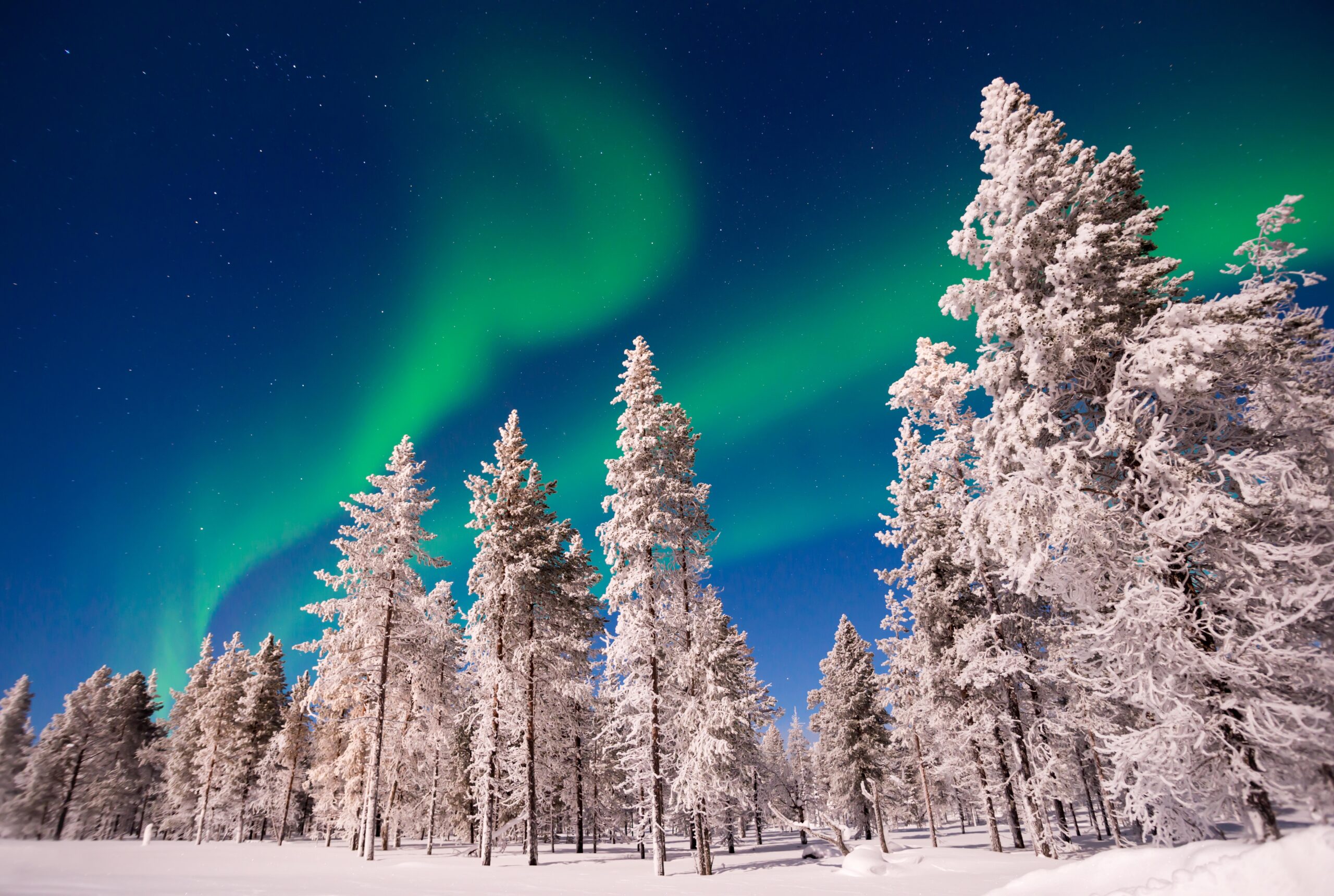
Snowy boreal conifer forest stretching to the horizon
3

Boreal Forests (Taiga)

The vast northern conifer belt

Shaped since the last ice age
  • Cold, snowy climate
  • Dominated by conifers
  • The largest land biome
  • Ring the far north

Circling the globe below the Arctic, the taiga is a seemingly endless belt of hardy spruce, pine and fir that endures long, freezing winters — the largest forest on Earth.

Example:Siberian Taiga, Russia
Coastal mangrove forest with stilt roots in water
4

Mangrove Forests

Trees that root in the tide

Adapt over generations to salt water
  • Grow in coastal salt water
  • Tangled stilt-like roots
  • Shield coasts from storms
  • Vital fish nurseries

Mangroves are salt-tolerant trees that thrive between land and sea, their arching roots trapping sediment, buffering coasts from storms and sheltering countless young fish.

Example:Sundarbans, Bangladesh / India