Geuest

Nature · Earth Science

Fjords & Glacial Valleys

Valleys carved by ice, drowned by the sea

Back to Nature

Fjords are long, deep, steep-walled inlets of the sea, carved by glaciers and then flooded as the ice melted and sea levels rose. Together with U-shaped valleys, hanging valleys and cirques, they are the signature landscapes left behind wherever great rivers of ice once ground their way to the coast.

Longest
Scoresby Sund, Greenland (~350 km)
Deepest
Skelton Inlet, Antarctica (~1,900 m)
Most famous
Geirangerfjord, Norway
Carved by
Valley glaciers

How They Form

During ice ages, thick valley glaciers gouged existing river valleys into deep U-shaped troughs, scouring below sea level near the coast. When the glaciers retreated, the sea flooded these over-deepened troughs, leaving sheer rock walls plunging straight into deep, sheltered water.

A Glacier-Carved Fjord

Hanging valley & waterfallDeep flooded glacial troughShallow sill (moraine at mouth)U-shaped rock walls

A U-shaped trough gouged below sea level, flooded by the ocean, with hanging valleys and waterfalls spilling from the walls.

Types & Details

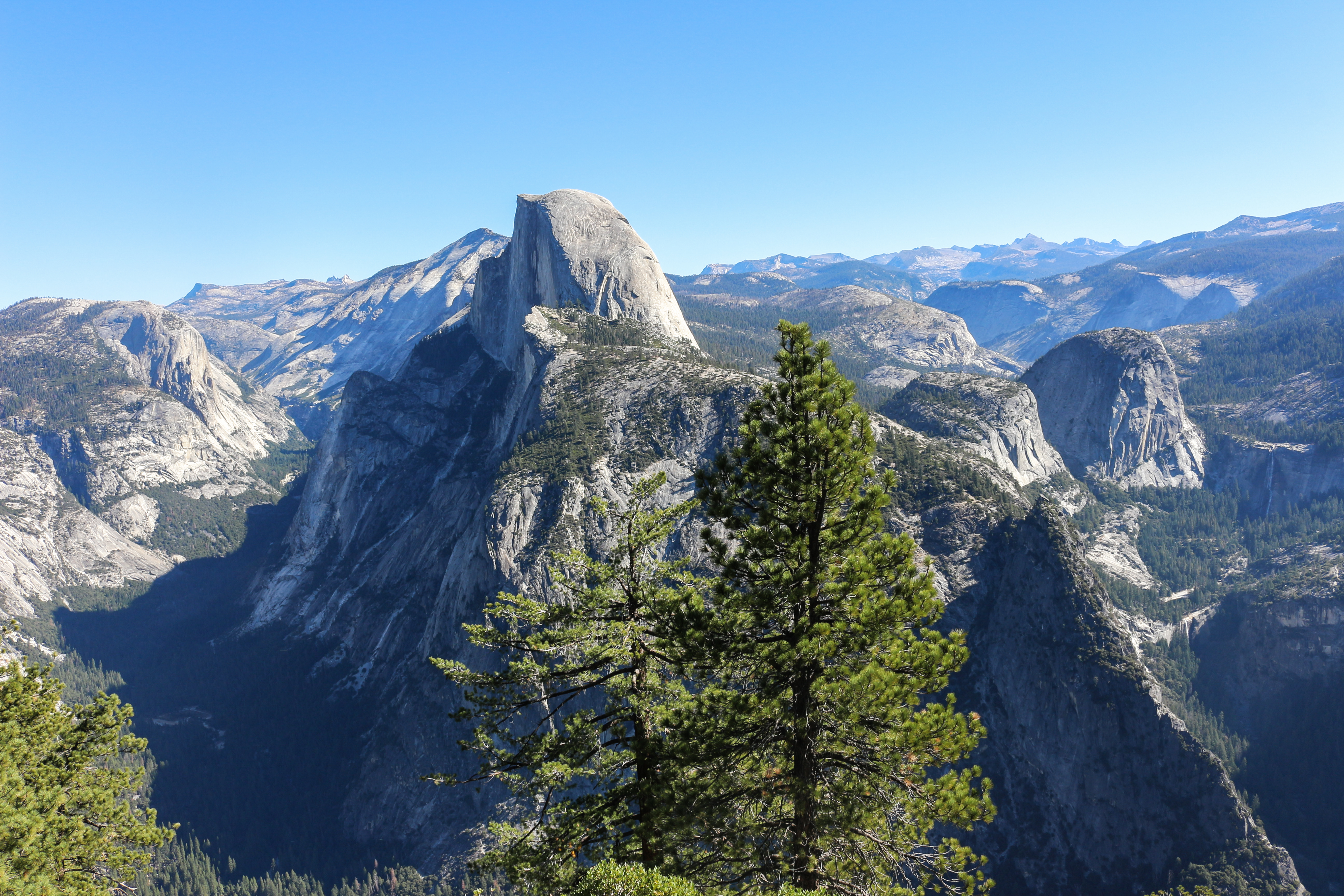
A broad U-shaped glacial valley with steep walls and flat floor
1

U-Shaped Glacial Valleys

Broad troughs planed flat by ice

Sculpted during the last ice ages
  • Steep sides and a wide, flat floor
  • Carved by moving valley glaciers
  • Truncated spurs along the walls
  • Often hold ribbon lakes today

A glacier grinds a former V-shaped river valley into a broad U, bulldozing spurs into blunt cliffs. When the ice is gone, these classic troughs remain — the parent form of every fjord.

Example:Yosemite Valley, USA
A deep fjord with sheer cliffs and waterfalls meeting the sea
2

Fjords

Sea-drowned glacial troughs

Flooded after the last glaciation
  • Deep water enclosed by sheer walls
  • A shallow "threshold" sill at the mouth
  • Waterfalls plunging from clifftops
  • Calm, sheltered deep harbours

A fjord is a glacial trough invaded by the sea. A rocky sill often guards the mouth where the glacier lost power, while the inner basin can be astonishingly deep and mirror-calm.

Example:Geirangerfjord, Norway
A waterfall spilling from a hanging valley high on a cliff
3

Hanging Valleys

Side valleys left high above

Contemporary with the main glaciation
  • Smaller tributary glacial valleys
  • Left perched above the main trough
  • Source of spectacular waterfalls
  • Abrupt drop to the valley floor

Tributary glaciers cut less deeply than the main glacier, so when the ice melts their valleys are left "hanging" high on the trough wall — and their streams leap off as towering waterfalls.

Example:Bridalveil Fall, Yosemite
A bowl-shaped mountain cirque holding a small blue tarn lake
4

Cirques & Tarns

Armchair hollows where glaciers were born

Excavated at glacier source zones
  • Bowl-shaped hollows high in mountains
  • Steep back wall and rock lip
  • Often hold a small lake (tarn)
  • The birthplace of valley glaciers

High on the mountainside, snow packs into a hollow and grinds out a steep-walled amphitheatre called a cirque. After the ice melts, meltwater often pools behind the rock lip as a jewel-like tarn.

Example:Llyn Idwal, Wales