Geuest

Nature · Earth Science

Coasts & Beaches

Where land and ocean meet and battle

Back to Nature

The coast is the dynamic frontier where land meets sea, constantly reshaped by waves, tides and currents. It hosts some of Earth's most varied scenery — from towering cliffs and sea stacks to sweeping sandy beaches and sheltered lagoons.

Global coastline
~356,000 km
Longest
Canada
Two forces
Erosion vs deposition
Sculptor
Waves, tides & currents

How They Form

Coasts are shaped by two opposing processes. Erosion attacks headlands, prying open caves, arches and stacks and cutting cliffs back. Deposition builds the land up where waves lose energy, dropping sand and shingle to form beaches, spits and bars. The balance between them decides a coast's character.

A Coastline In Cross-Section

CliffWave-cut platformErosion vs depositionBeach & dunes

Waves erode the cliff into a wave-cut platform on one side while depositing sand to build a beach and dunes on the other.

Types & Details

Wide sandy beach with gentle waves and dunes
1

Sandy Beaches

Gentle shores built by the waves

Reshaped constantly by tides
  • Built by deposition of sand
  • Gently sloping shorelines
  • Backed by dunes
  • Shift with the seasons

Where waves arrive gently, they drop their load of sand to build a beach. Wind then piles some of it into dunes that protect the land behind.

Example:Ninety Mile Beach, Australia
Tall sea cliffs pounded by ocean waves
2

Rocky Cliff Coasts

Where the sea attacks the land

Retreat over centuries of erosion
  • High cliffs facing the sea
  • Carved by wave erosion
  • Form caves, arches and stacks
  • Leave wave-cut platforms

On exposed coasts, waves undercut the rock until cliffs collapse and retreat, sculpting caves that become arches and, eventually, isolated sea stacks.

Example:Cliffs of Moher, Ireland
Curving sand spit reaching into the sea
3

Spits & Bars

Ridges of sand reaching into the sea

Grow and shift over decades
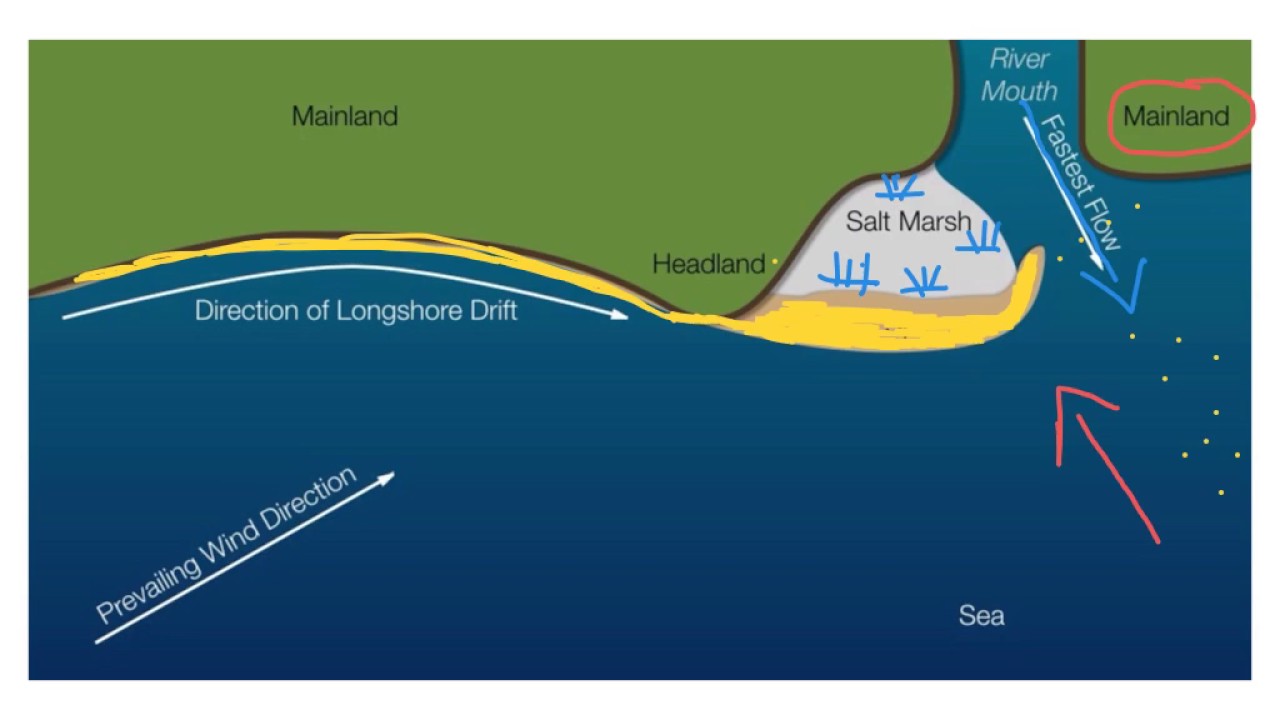
  • Long ridges of deposited sand
  • Built by longshore drift
  • Can enclose lagoons
  • Curve where currents change

Currents carry sand along the shore and drop it where the coast turns, extending a finger of land — a spit — that can grow to seal off a lagoon behind it.

Example:Spurn Head, England
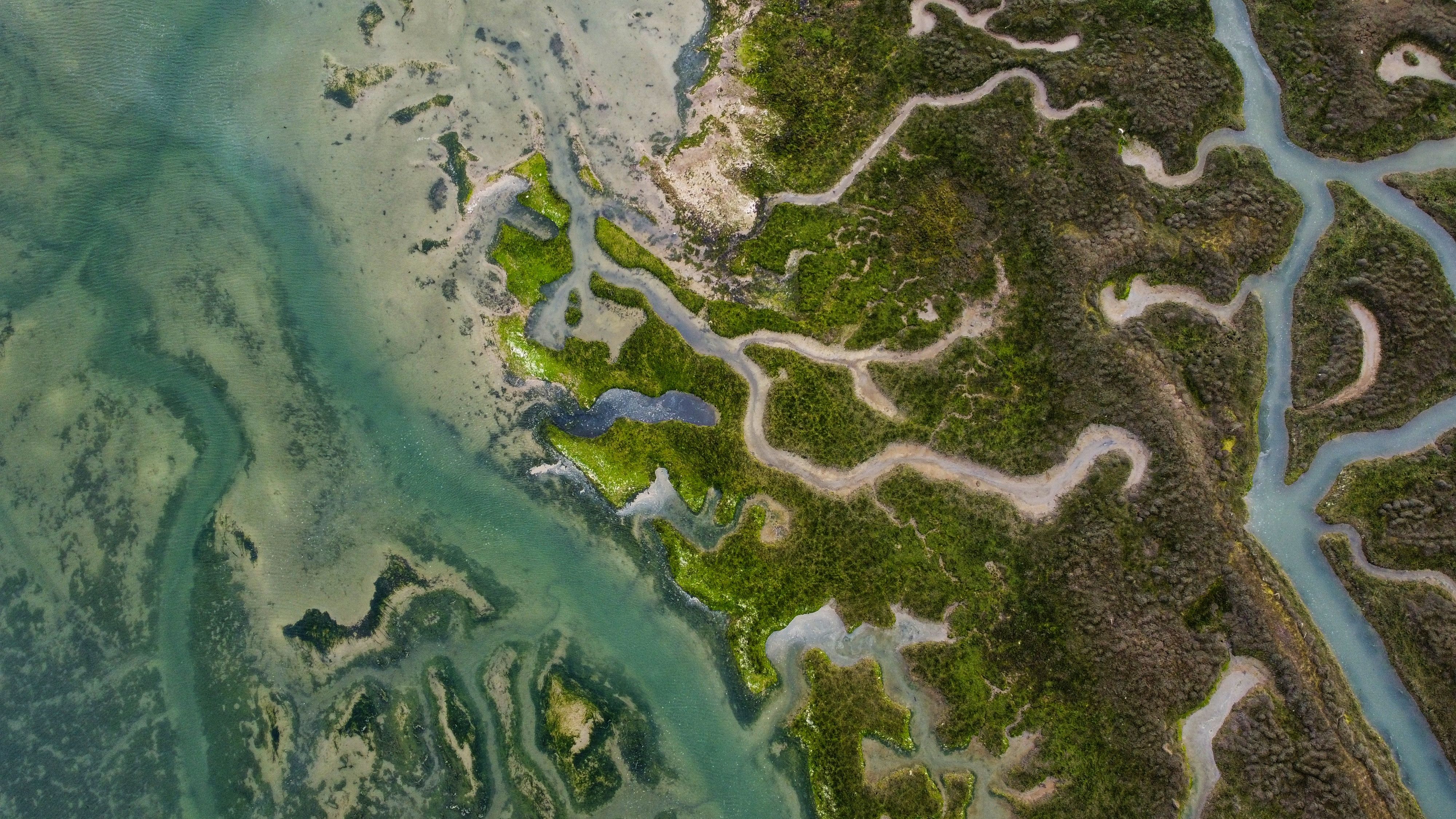
River estuary meeting the sea with mudflats
4

Estuaries & Deltas

Where rivers surrender to the sea

Built up over thousands of years
  • Rivers meet tidal seawater
  • Rich, sheltered mudflats
  • Vital nurseries for wildlife
  • Deposit fertile sediment

At the river's mouth, fresh and salt water mix over broad mudflats and marshes teeming with life — among the most productive habitats on Earth.

Example:Ganges Delta, Bangladesh / India