Geuest

Nature · Earth Science

Canyons & Valleys

Deep gorges carved by water and time

Back to Nature

A canyon is a deep, steep-sided valley cut by a river through rock, while valleys are the broader low troughs between hills and mountains. Together they reveal the raw power of erosion — and their exposed walls read like a book of Earth's history, layer by ancient layer.

Deepest (land)
Yarlung Tsangpo (~5.3 km)
Iconic
Grand Canyon (~1.8 km deep)
Carving tool
River + uplift
Reveals
Millions of years of strata

How They Form

When a river runs across slowly rising land, it cuts downward faster than the walls can crumble, incising a narrow canyon. In arid climates the dry walls stay steep. Valleys widen over time as rivers meander or glaciers grind through, and weathering wears the slopes back.

How A Canyon Is Carved

River (still cutting down)Canyon rimRock strataExposed layers = deep time

A river cuts down through rising rock layers, exposing bands of geological time in the steep canyon walls.

Types & Details

Deep river canyon with layered rock walls
1

River Canyons

Gorges cut by relentless rivers

Millions of years of downcutting
  • Carved by a river over uplifting land
  • Steep walls of exposed rock layers
  • Deep and often narrow
  • Reveal Earth's geological history

The classic canyon, cut as a river saws downward through rock that is slowly rising. The walls expose bands of strata recording millions of years of the past.

Example:Grand Canyon, USA
Narrow slot canyon with smooth wavy sandstone walls
2

Slot Canyons

Narrow, sculpted and flood-carved

Shaped by repeated flash floods
  • Extremely narrow and deep
  • Smooth, wavy sculpted walls
  • Carved by flash floods
  • Found in soft sandstone

Sudden desert flash floods funnel through cracks in sandstone, scouring narrow, sinuous corridors barely wide enough to walk through, with sunlight filtering from far above.

Example:Antelope Canyon, USA
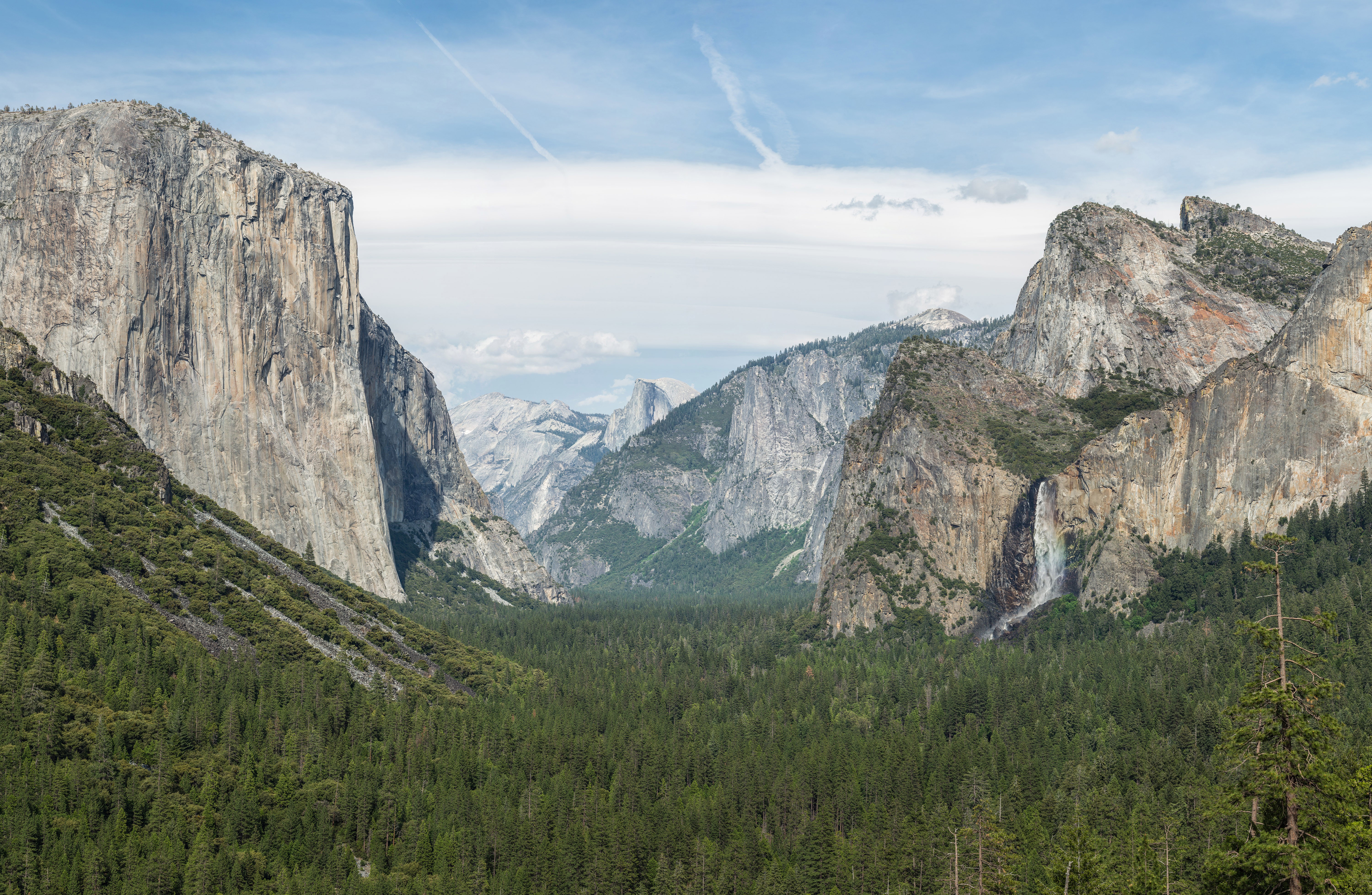
Broad U-shaped glacial valley with steep cliffs
3

Glacial Valleys

Broad U-shaped troughs of ice

Carved during past ice ages
  • Distinctive U-shaped profile
  • Carved by flowing glaciers
  • Wide, flat floors and steep sides
  • Often hold ribbon lakes

Glaciers bulldoze through valleys, grinding the classic V of a river valley into a broad U with steep walls and a flat floor, sometimes leaving waterfalls from hanging valleys.

Example:Yosemite Valley, USA
Illustration of an underwater submarine canyon
4

Submarine Canyons

Vast gorges hidden under the sea

Shaped over long geological spans
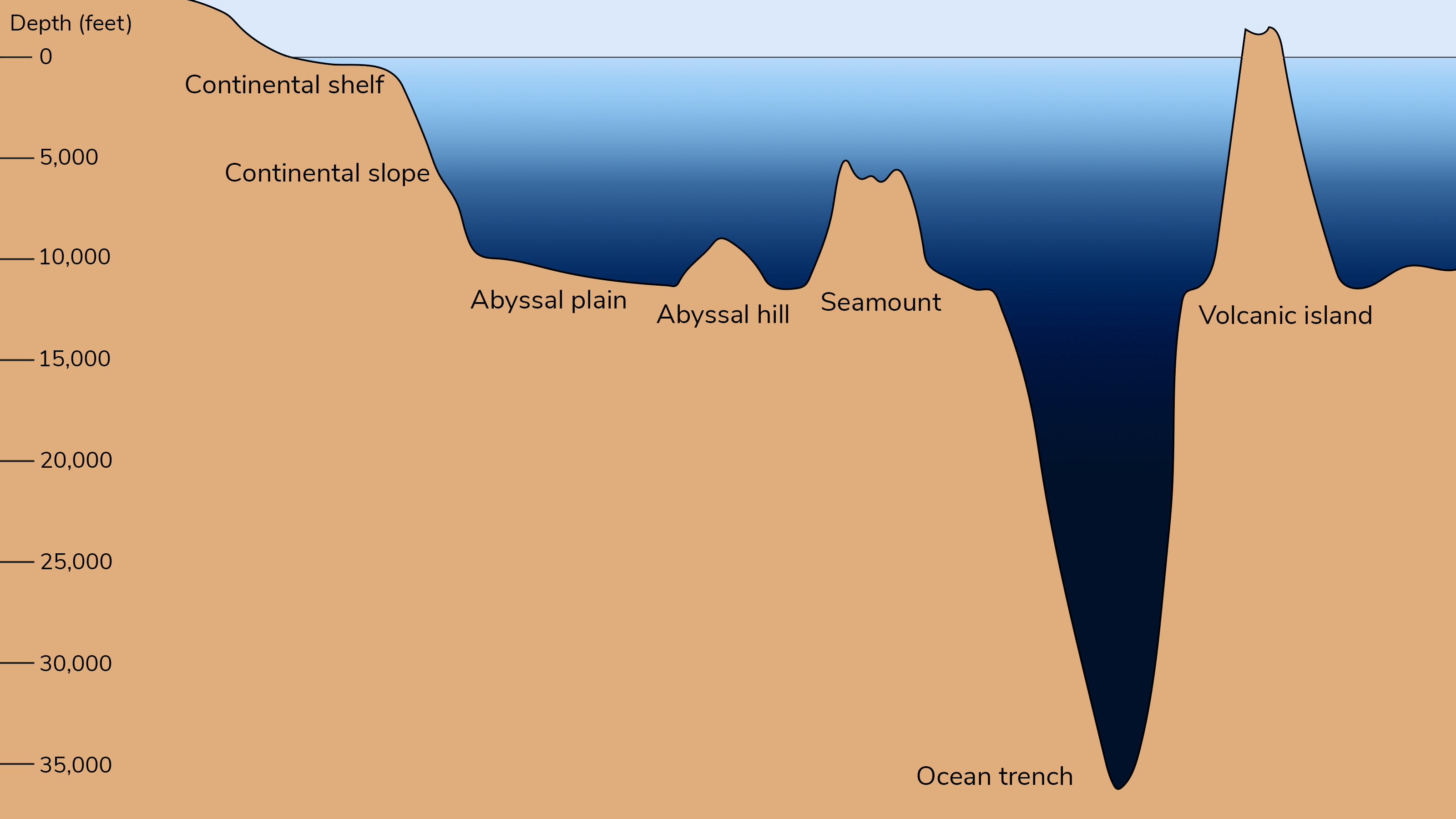
  • Cut into the continental shelf
  • Carved by underwater sediment flows
  • Can rival canyons on land
  • Channel nutrients to the deep

On the seafloor, dense sediment-laden currents carve enormous canyons into the continental slope, funnelling nutrients downward and supporting rich marine life.

Example:Monterey Canyon, USA