Northern Africa
Sudan
The top 5 natural landmarks of Sudan — real photos, locations and fascinating facts for every wonder.
 Africa
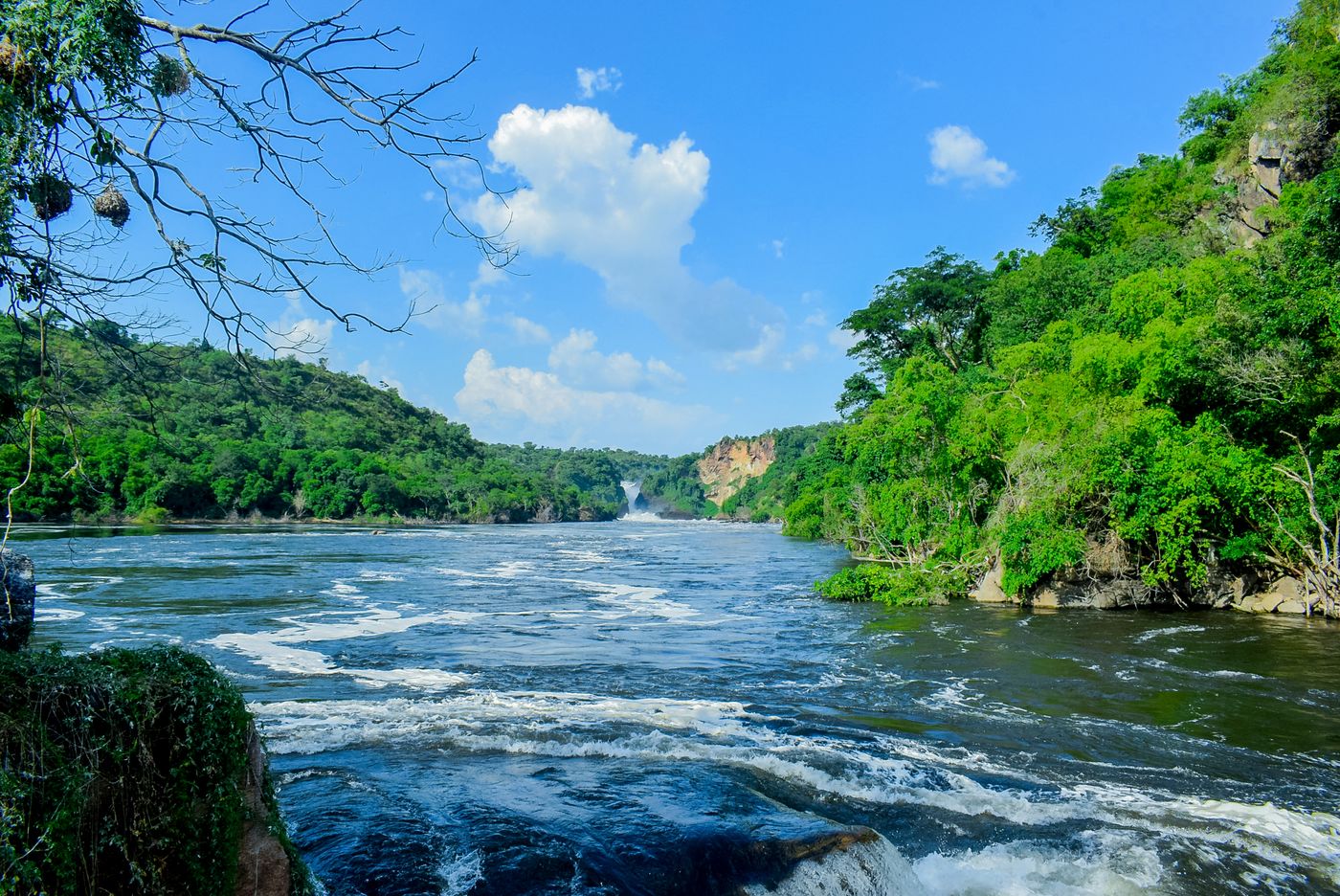 Rivers
Nile Confluence
Khartoum
The Nile is a major north-flowing river in northeast Africa which empties into the Mediterranean Sea. At 7,088 kilometers (4,404 mi) long, it is the longest river in the world, although the volume of water it carries is much smaller than other major rivers such as the Amazon or the Congo.
Did you know?
Where the Blue and White Nile meet to form the great river north.
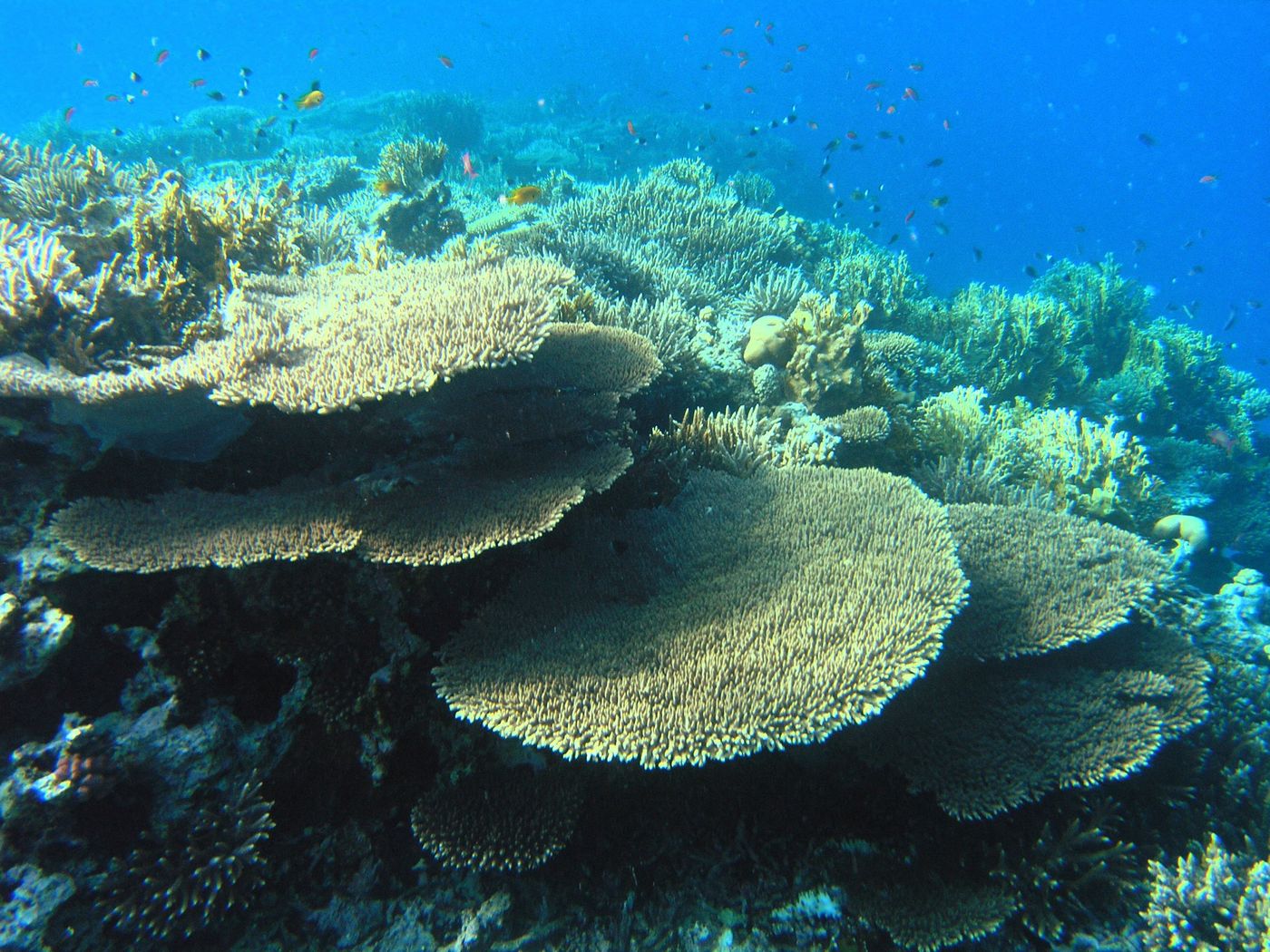 Coral Reefs
Sanganeb
Red Sea
An atoll-like coral reef rising from the deep Red Sea.
Did you know?
An atoll-like coral reef rising from the deep Red Sea.
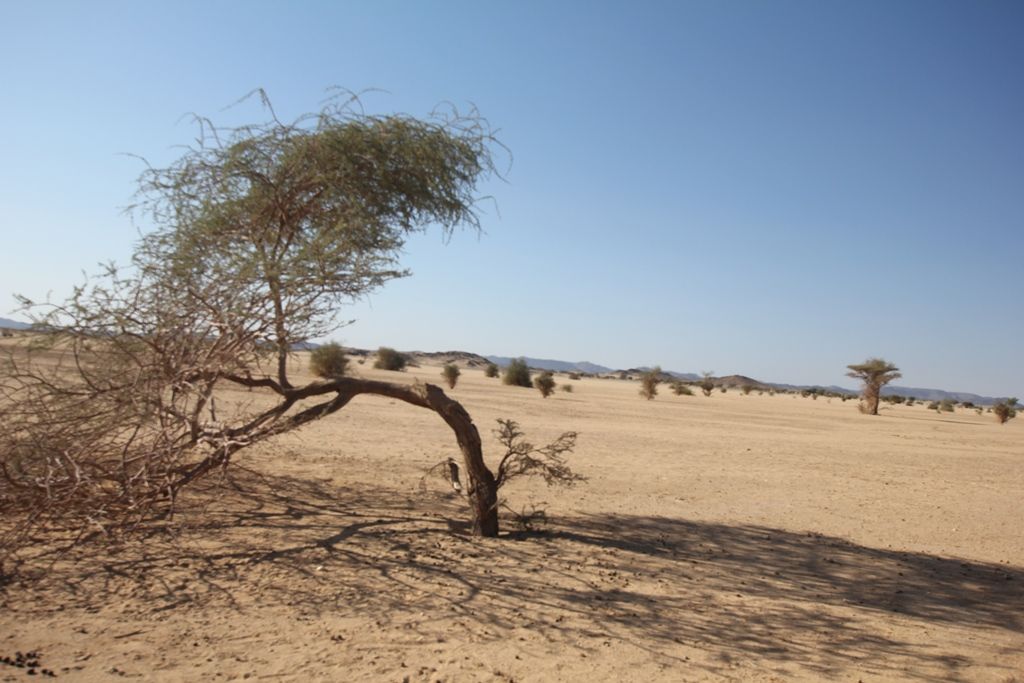 Deserts
Bayuda Desert
Northern Sudan
The Bayuda Desert, located at 18°N 33°E, is in the eastern region of the Sahara Desert, spanning approximately 100,000 km2 of northeast Sudan north of Omdurman and south of Korti, embraced by the great bend of the Nile in the north, east, and south and limited by the Wadi Muqaddam in the west. The north-to-south-aligned Wadi Abu Dom divides the Bayuda Desert into the eastern Bayuda Volcanic Field and the western ochre-colored sand-sheets scattered with rocky outcrop.
Did you know?
A volcanic desert inside the great bend of the Nile.
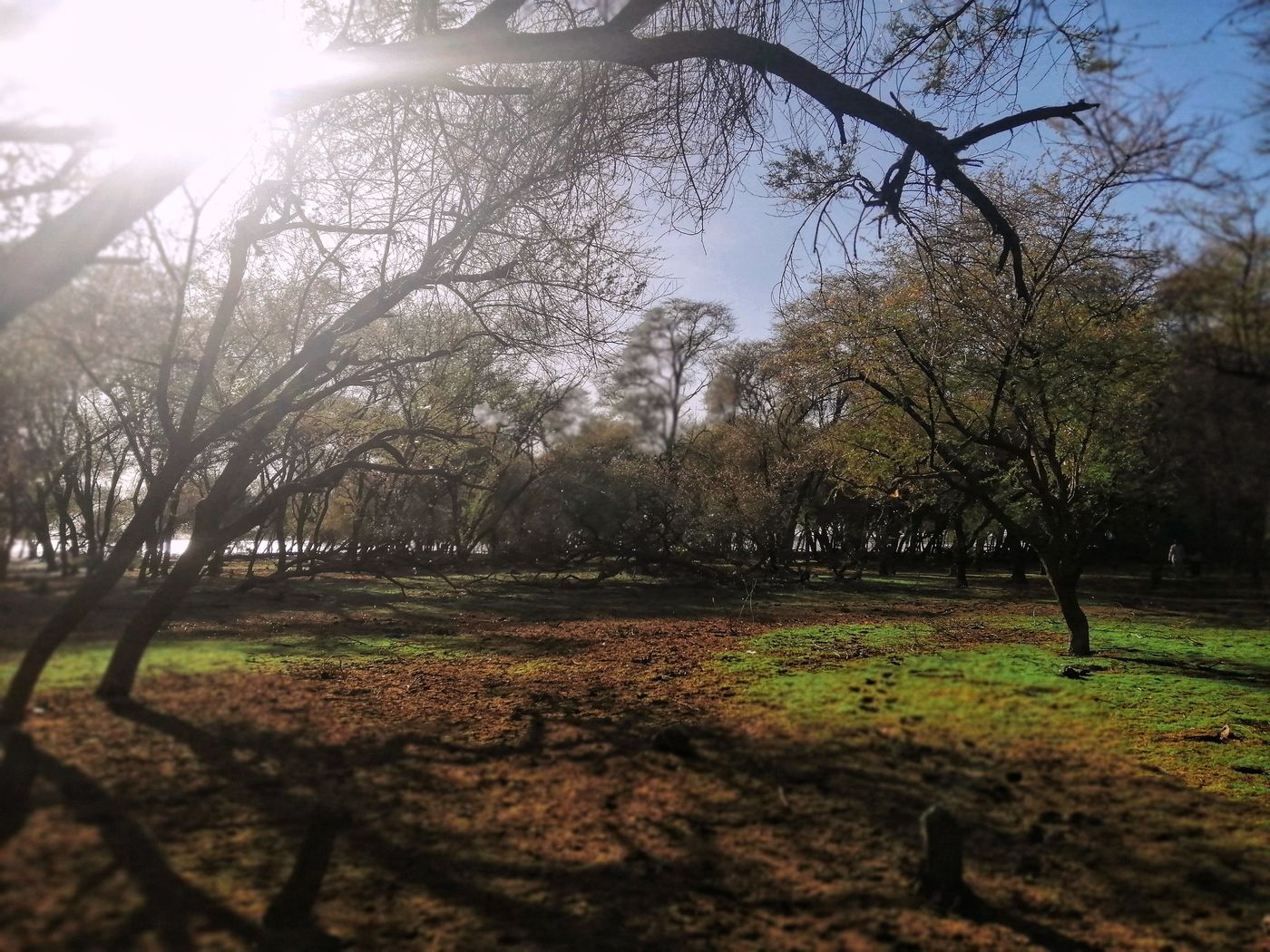 Grasslands
Dinder
Sennar
Dinder National Park is a national park and biosphere reserve in eastern Sudan, and is connected to Ethiopia's Alitash National Park.
Did you know?
A savanna biosphere reserve of seasonal wetlands and wildlife.
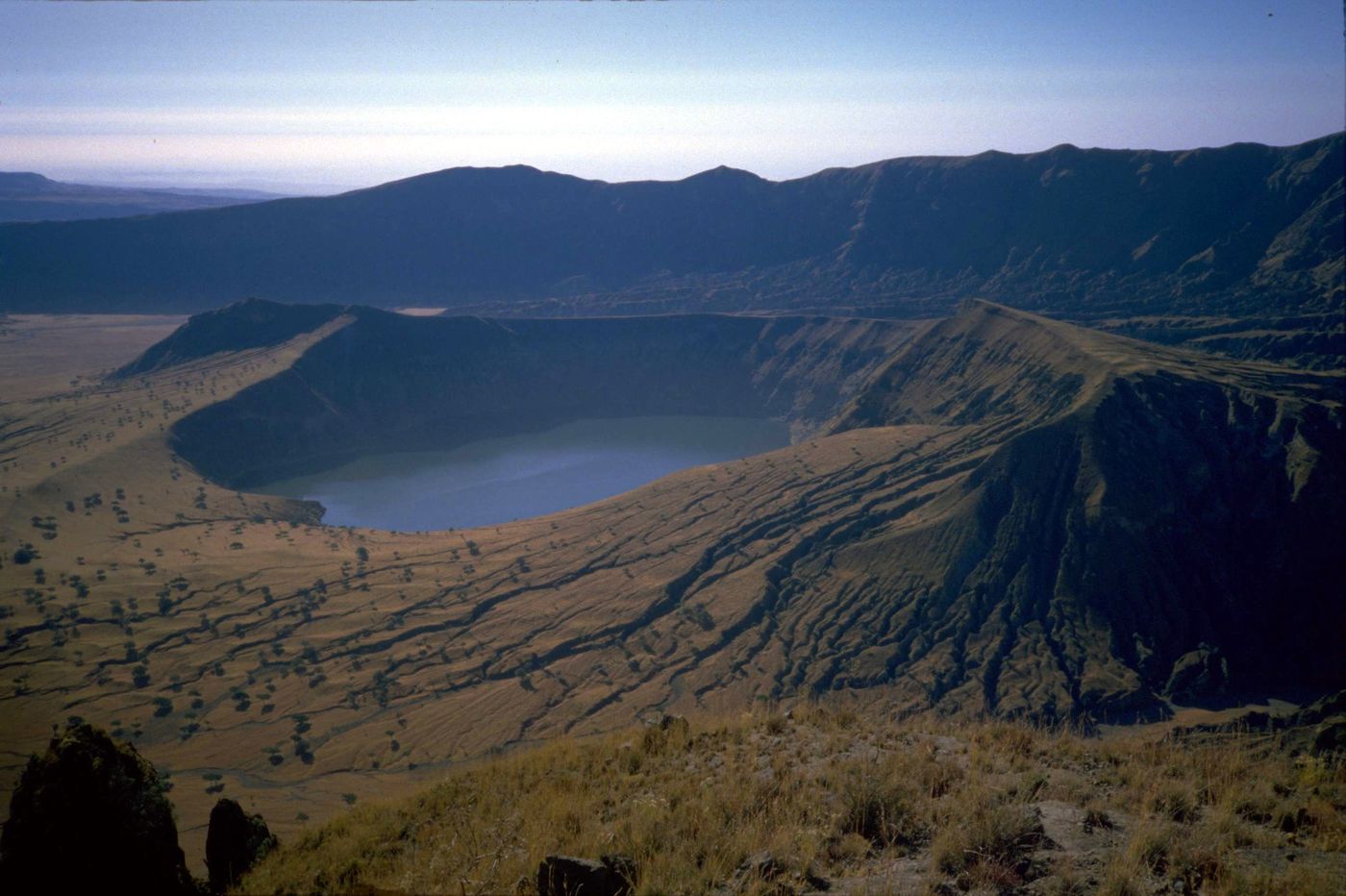 Volcanoes
Jebel Marra
Darfur
The Marrah Mountains or Marra Mountains are a range of volcanic peaks in a massif that rises up to 3,042 metres (9,980 ft). They are the highest mountains in Sudan.
Did you know?
A volcanic massif with a crater lake, the highest point in Sudan.