Southeast Europe
Romania
The top 5 natural landmarks of Romania — real photos, locations and fascinating facts for every wonder.
 Europe
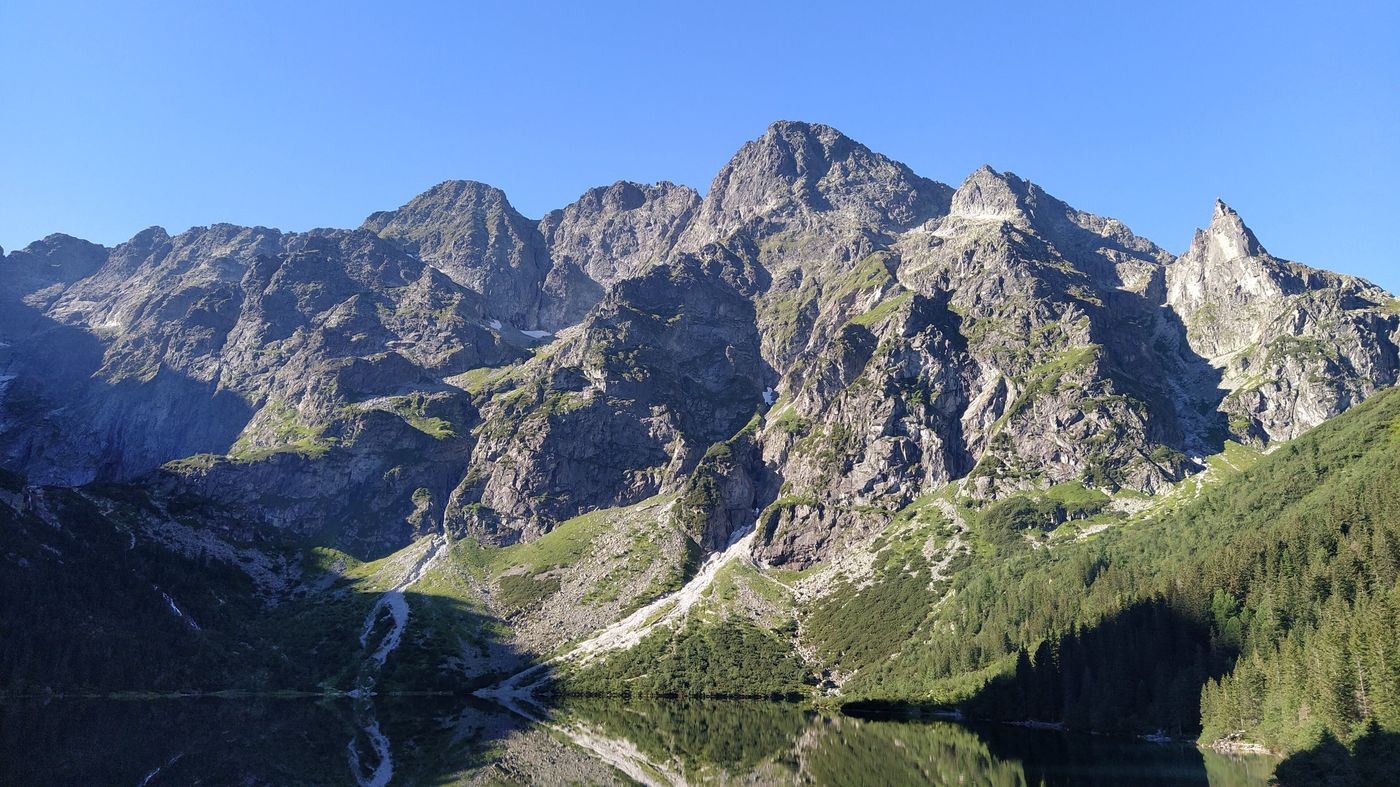 Mountains
Carpathian Mountains
Central Romania
The Carpathian Mountains or Carpathians are a range of mountains forming an arc across Central and Southeast Europe. Roughly 1,500 km (930 mi) long, it is the third-longest European mountain range after the Urals at 2,500 km (1,600 mi) and the Scandinavian Mountains at 1,700 km (1,100 mi).
Did you know?
A horseshoe of mountains holding Europe's largest bear population.
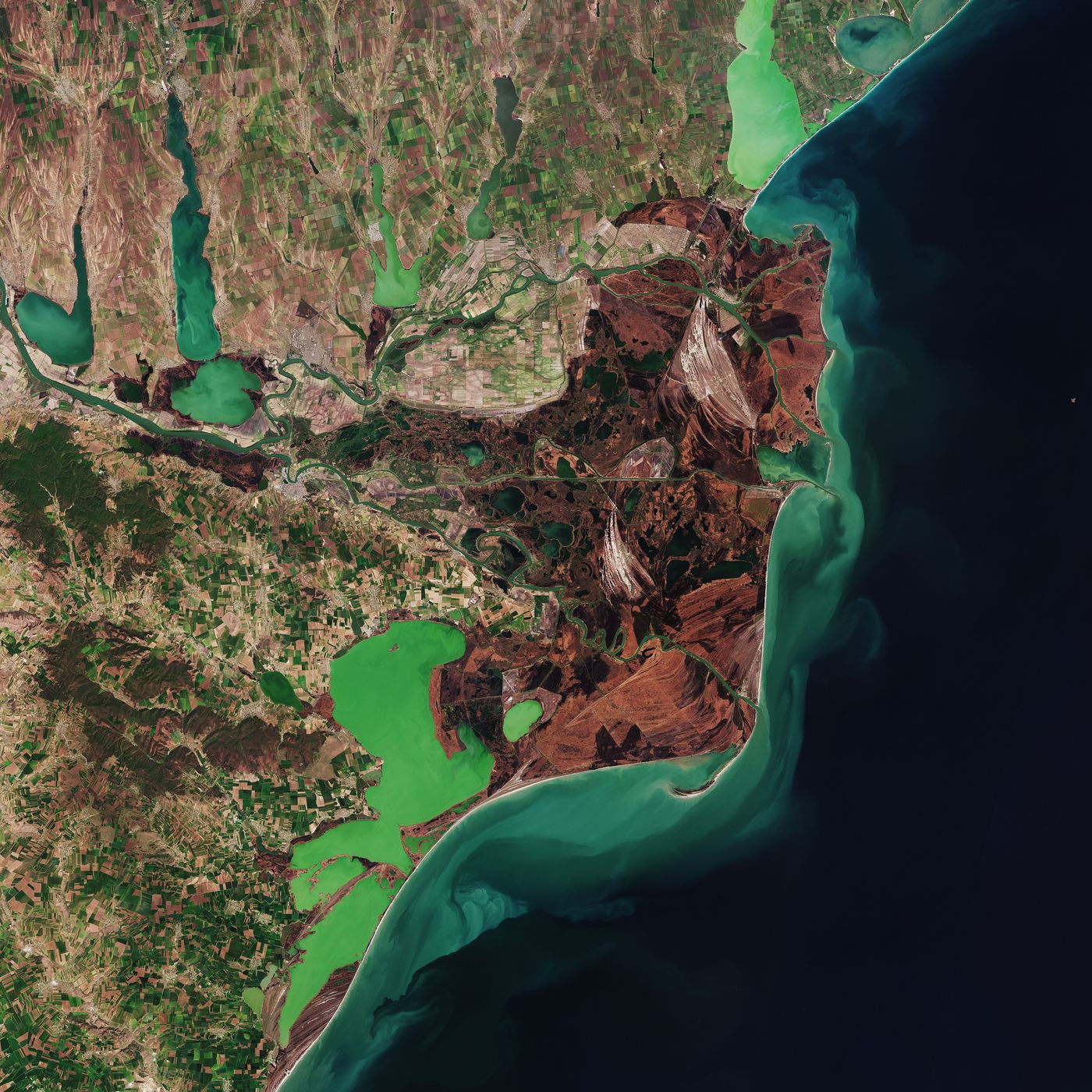 Wetlands
Danube Delta
Tulcea
The Danube Delta is the second largest river delta in Europe, after the Volga Delta, and is the best preserved on the continent. Occurring where the Danube River empties into the Black Sea, most of the Danube Delta lies in Romania, with a small part located in Ukraine.
Did you know?
Europe's largest and best-preserved delta, a paradise for birds.
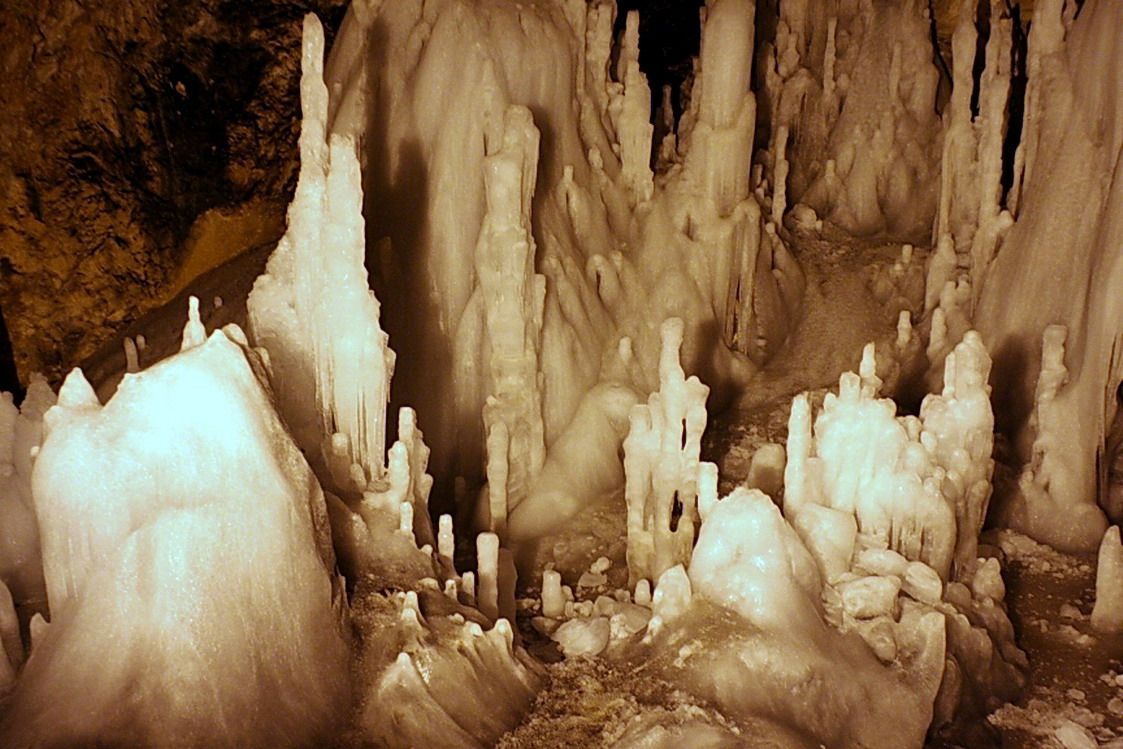 Caves
Scărișoara Cave
Apuseni Mountains
Scărișoara Cave, is one of the biggest ice caves in the Apuseni Mountains of Romania, in the western part of the Romanian Carpathians. It is considered a show cave and one of the natural wonders of Romania.
Did you know?
Home to one of the world's largest underground glaciers.
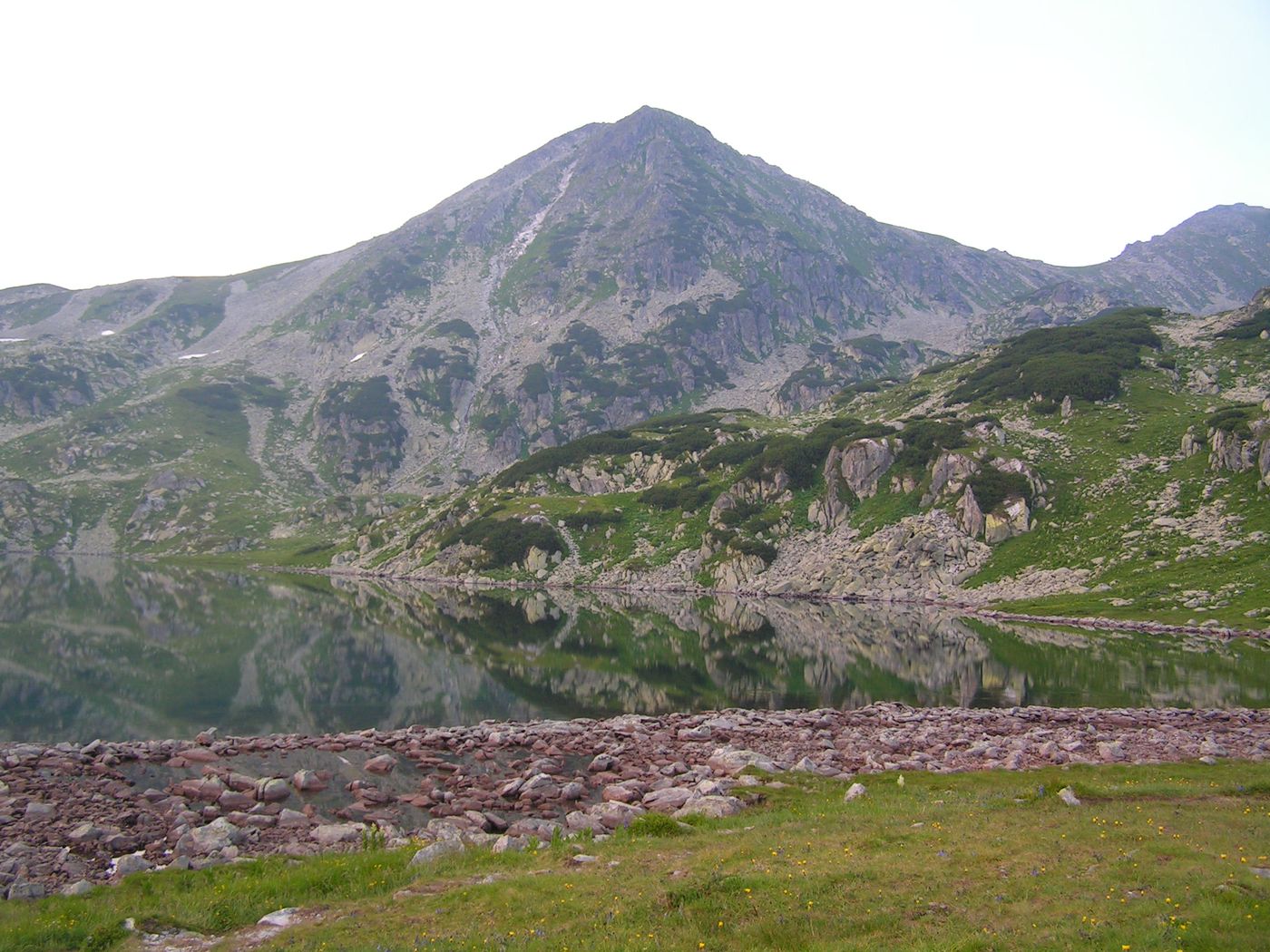 Mountains
Retezat
Hunedoara
The Retezat National Park is a protected area located in the Retezat Mountains in Hunedoara County, Romania. Founded in 1935, it is the oldest national park in the country and categorized as a category II IUCN national park.
Did you know?
Romania's oldest national park, dotted with glacial lakes.
 Lakes
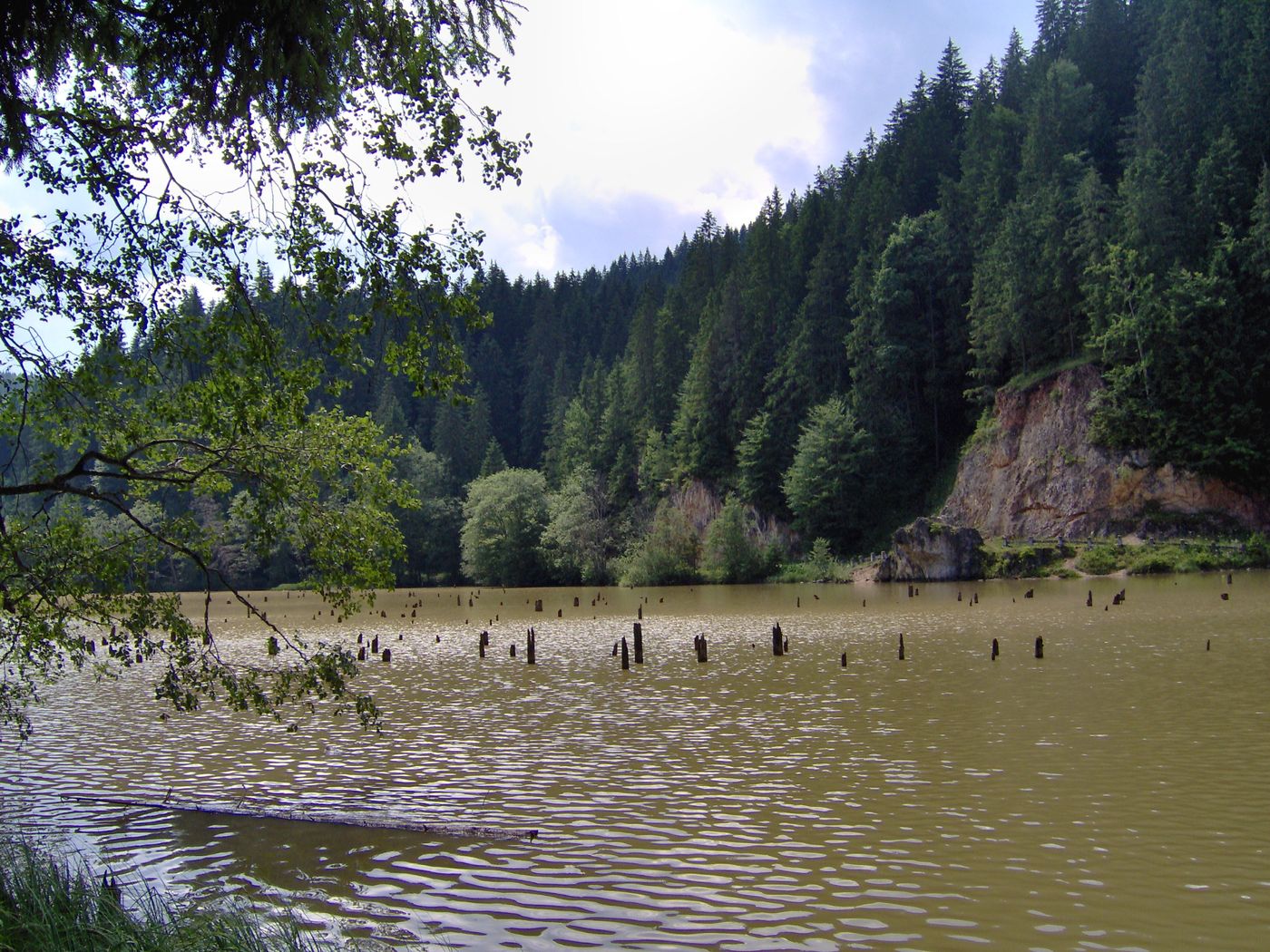
Red Lake
Harghita
Red Lake is a natural dam lake in Harghita County, Romania. It is located in the Hășmaș Mountains, on the upper course of the Bicaz River, and lies at the foot of the Hășmașul Mare Peak, near the Bicaz Gorge, at a distance of 26 km (16 mi) from Gheorgheni and 30 km (19 mi) from Bicaz.
Did you know?
A natural dam lake with spectral tree trunks rising from the water.