Southern Asia
Nepal
The top 10 natural landmarks of Nepal — real photos, locations and fascinating facts for every wonder.
 Asia
 Mountains
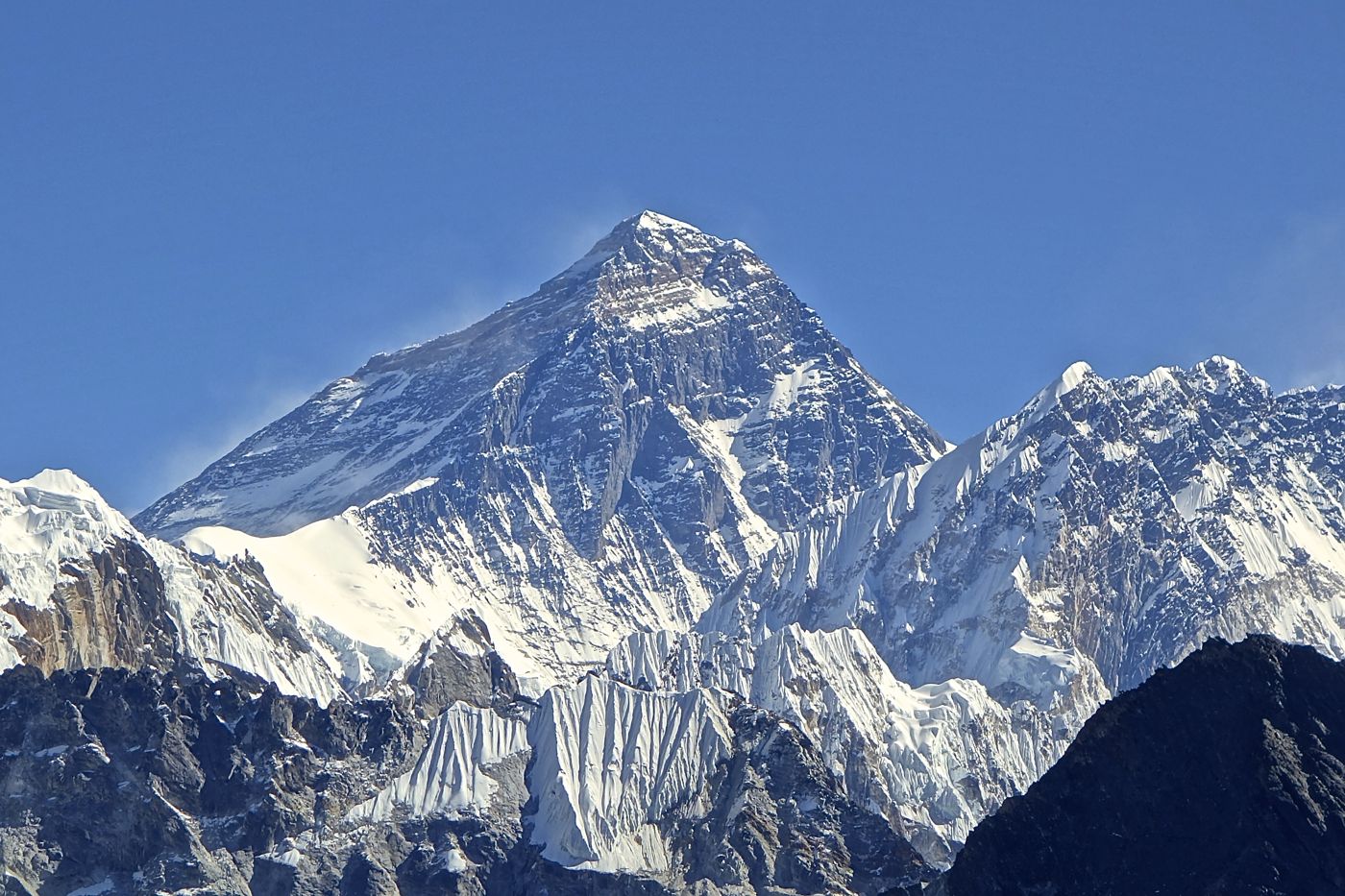
Mount Everest
Khumbu
Mount Everest (known in Nepali as Sagarmāthā, in Sherpa as Chamolangma, and in Tibetan as Jomolangma/Čhomolangma is the highest mountain on Earth above sea level. It lies in the Mahalangur Himal sub-range of the Himalayas and marks part of the China–Nepal border at its summit.
Did you know?
The highest mountain on Earth at 8,849 m above sea level.
 Mountains
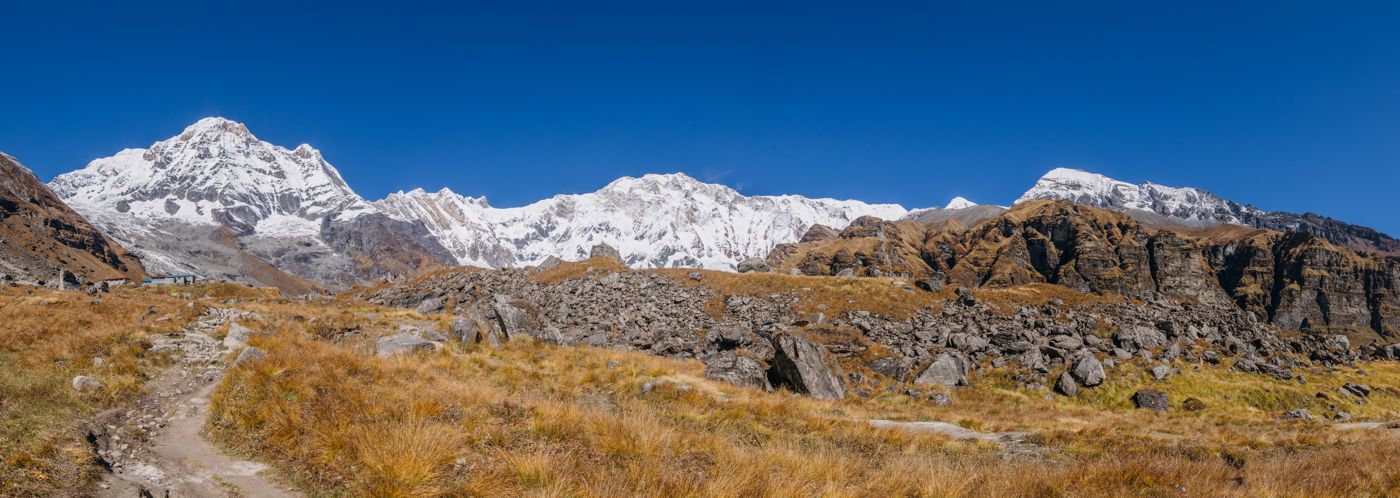
Annapurna Massif
north-central Nepal
Annapurna is a massif in the Himalayas in north-central Nepal that includes one peak over 8,000 metres (26,247 ft), thirteen peaks over 7,000 metres (22,966 ft), and sixteen more over 6,000 metres (19,685 ft). The massif is 55 kilometres (34 mi) long, and is bounded by the Kali Gandaki Gorge on the west, the Marshyangdi River on the north and east, and by the Pokhara Valley on the south.
Did you know?
A soaring Himalayan massif ringed by one of the world's great treks.
 Lakes
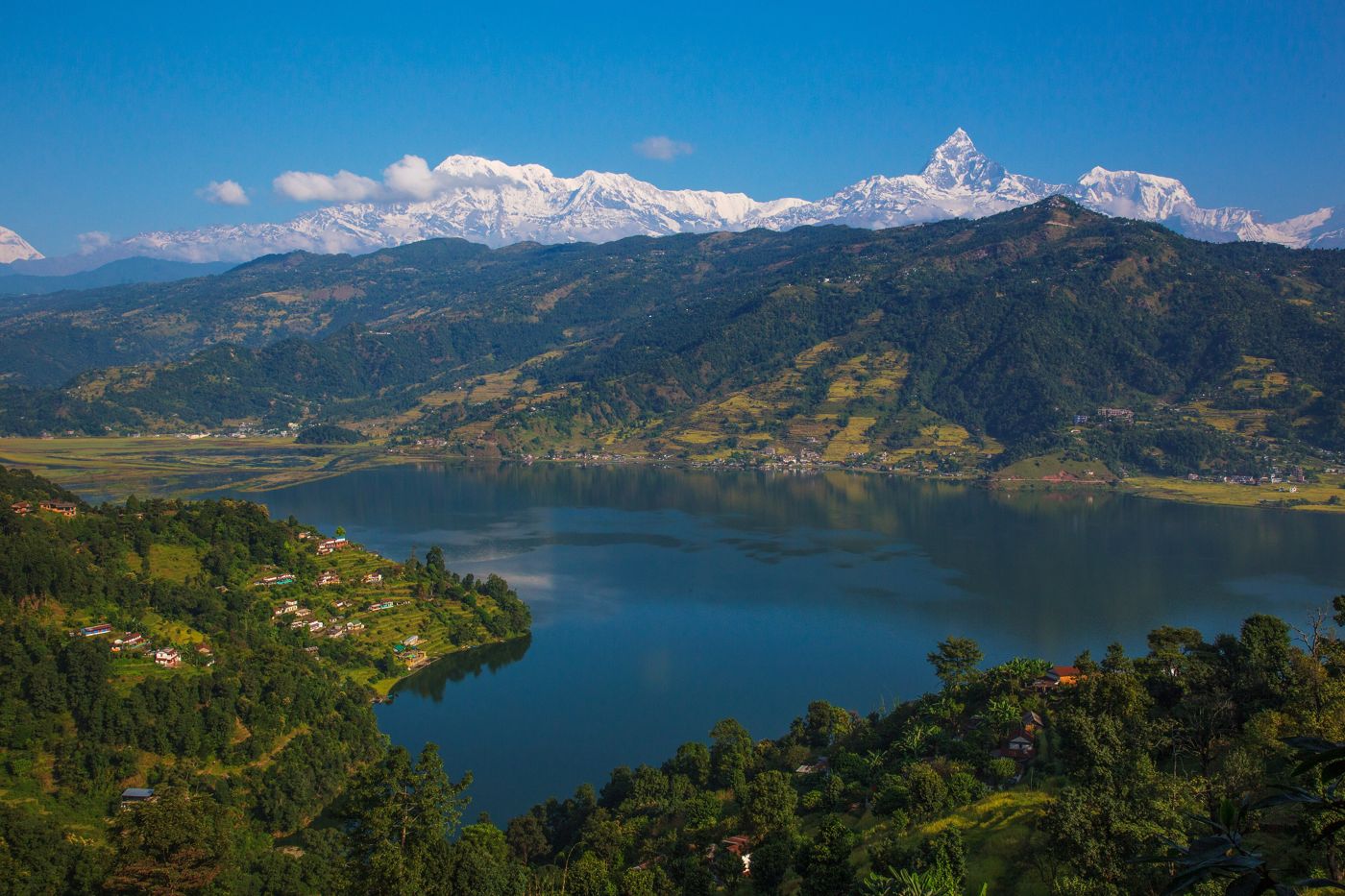
Phewa Lake
Pokhara
Phewa Lake or Phewa Tal is a freshwater lake in Nepal formerly called Baidam Tal located in the south of the Pokhara Valley that includes Pokhara city and parts of Sarangkot and Kaskikot. It is the third largest lake in Nepal and the largest in Gandaki Province after the Phoksundo lake in comparison to Nepal's water bodies.
Did you know?
A tranquil lake mirroring the snow peaks of the Annapurna range.
 Grasslands
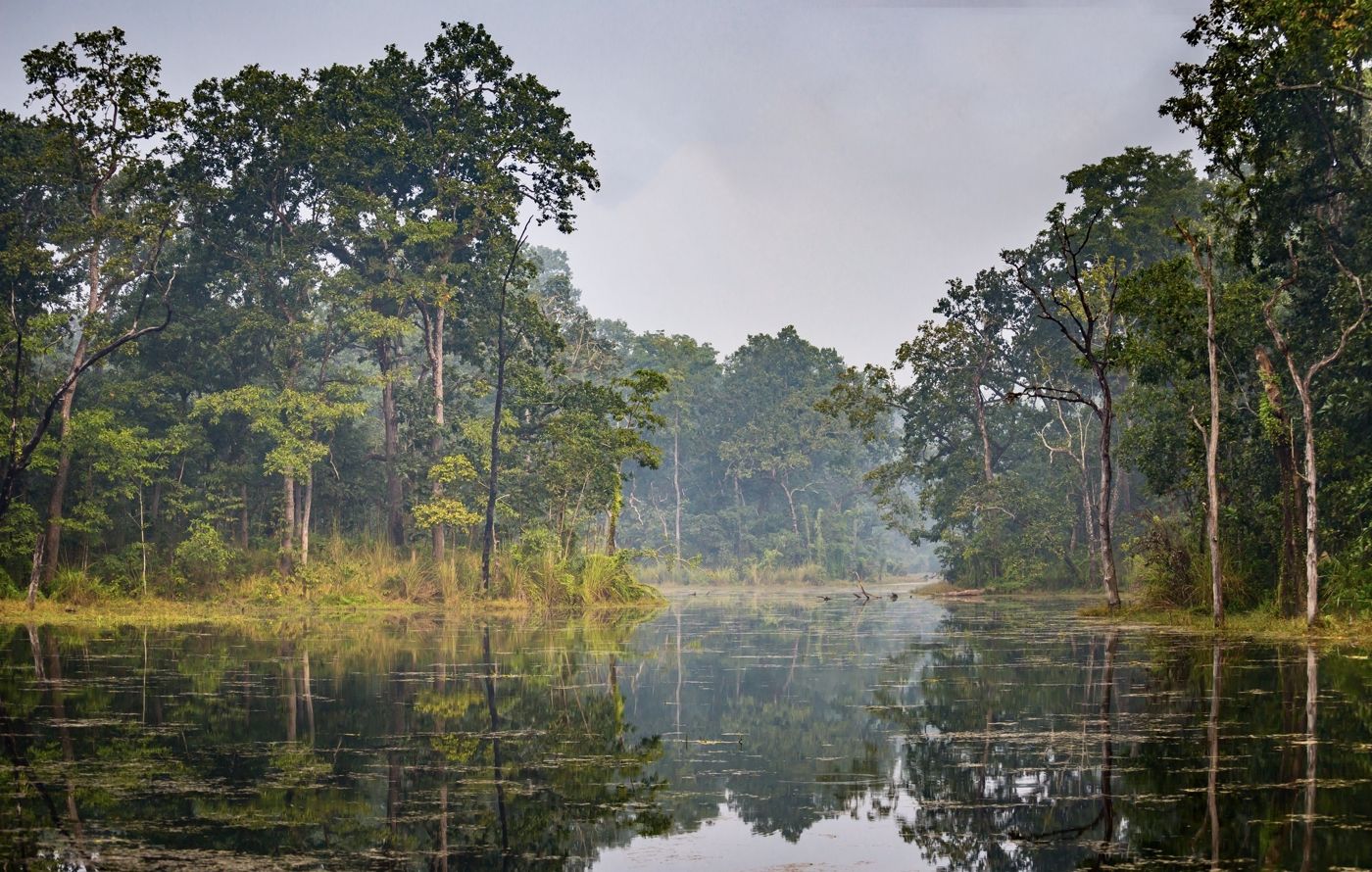
Chitwan
southern Nepal
Chitwan National Park is the first national park of Nepal and was established in 1973 as Royal Chitwan National Park. It was granted the status of a World Heritage Site in 1984.
Did you know?
Lowland jungle and grassland home to rhinos and Bengal tigers.
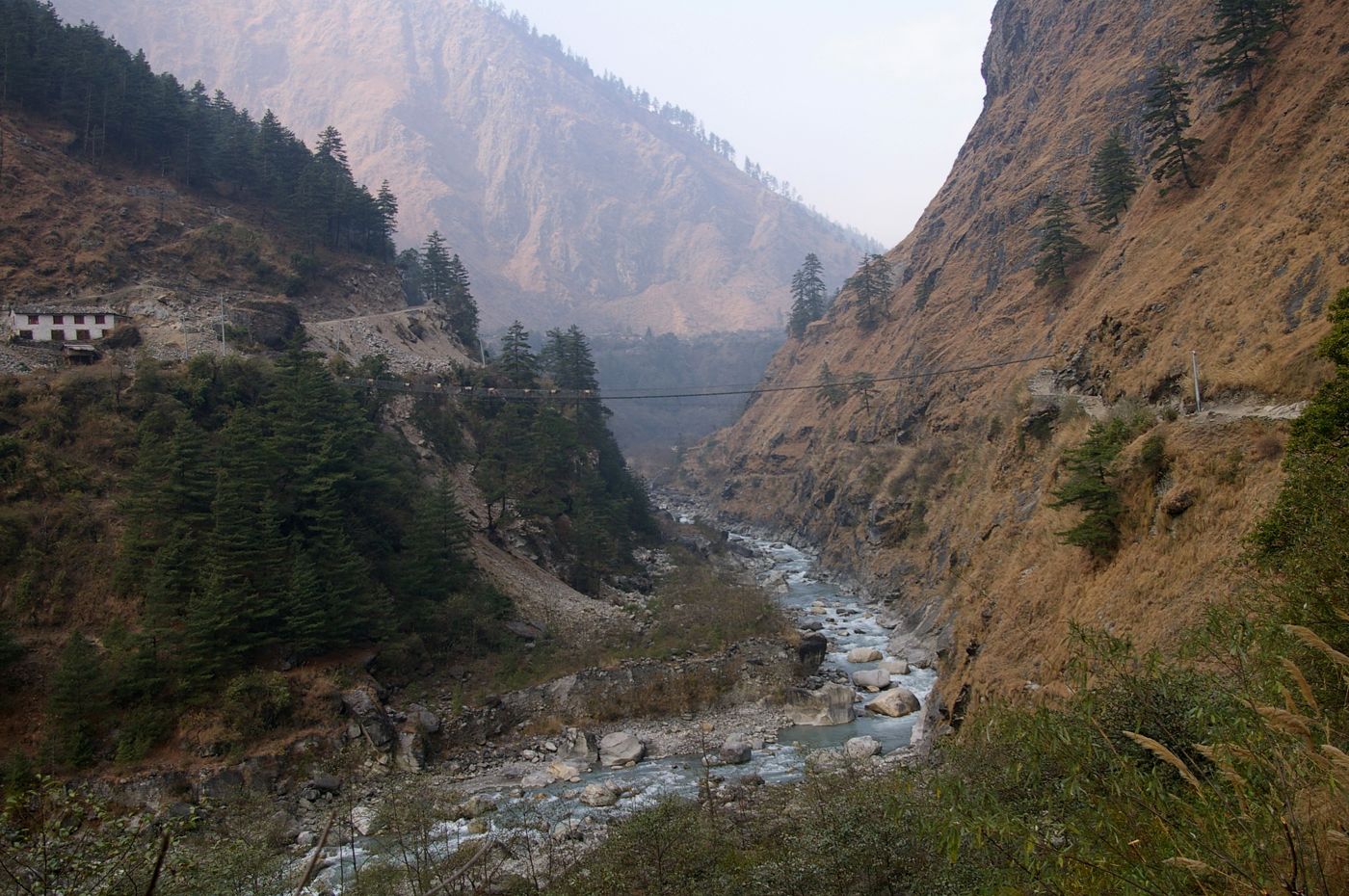 Canyons
Kali Gandaki Gorge
central Nepal
The Kali Gandaki Gorge or Andha Galchi is the gorge of the Kali Gandaki in the Himalayas in Nepal. By some sources, it may be one of the deepest gorges in the world.
Did you know?
Often cited as one of the deepest gorges on Earth.
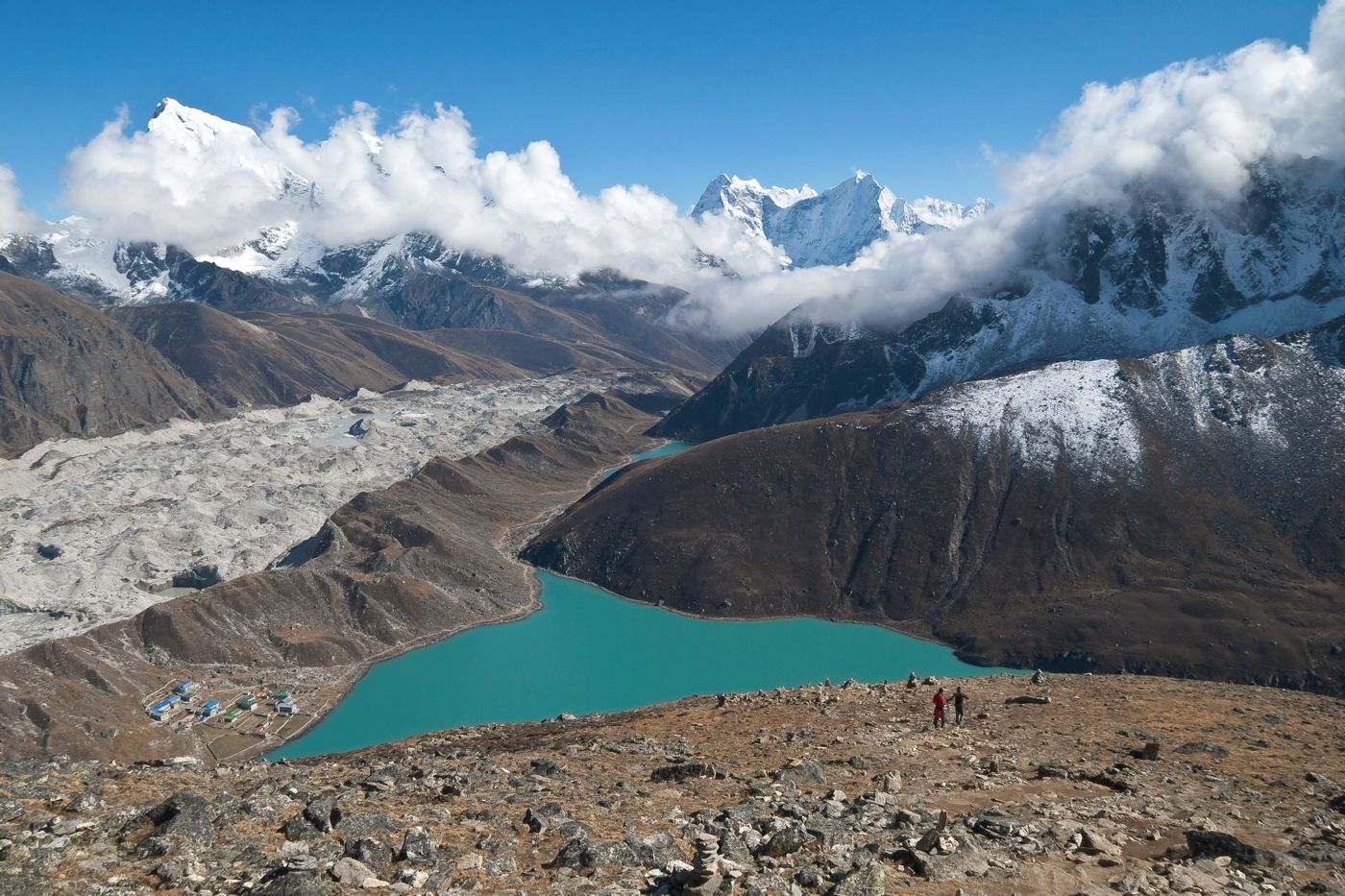 Lakes
Gokyo Lakes
Khumbu
Gokyo Lakes are oligotrophic lakes in Nepal's Sagarmatha National Park, located at an elevation of 4,700–5,000 m (15,400–16,400 ft). They were named after Gokyo Ri peak.
Did you know?
The world's highest freshwater lake system, a string of turquoise pools.
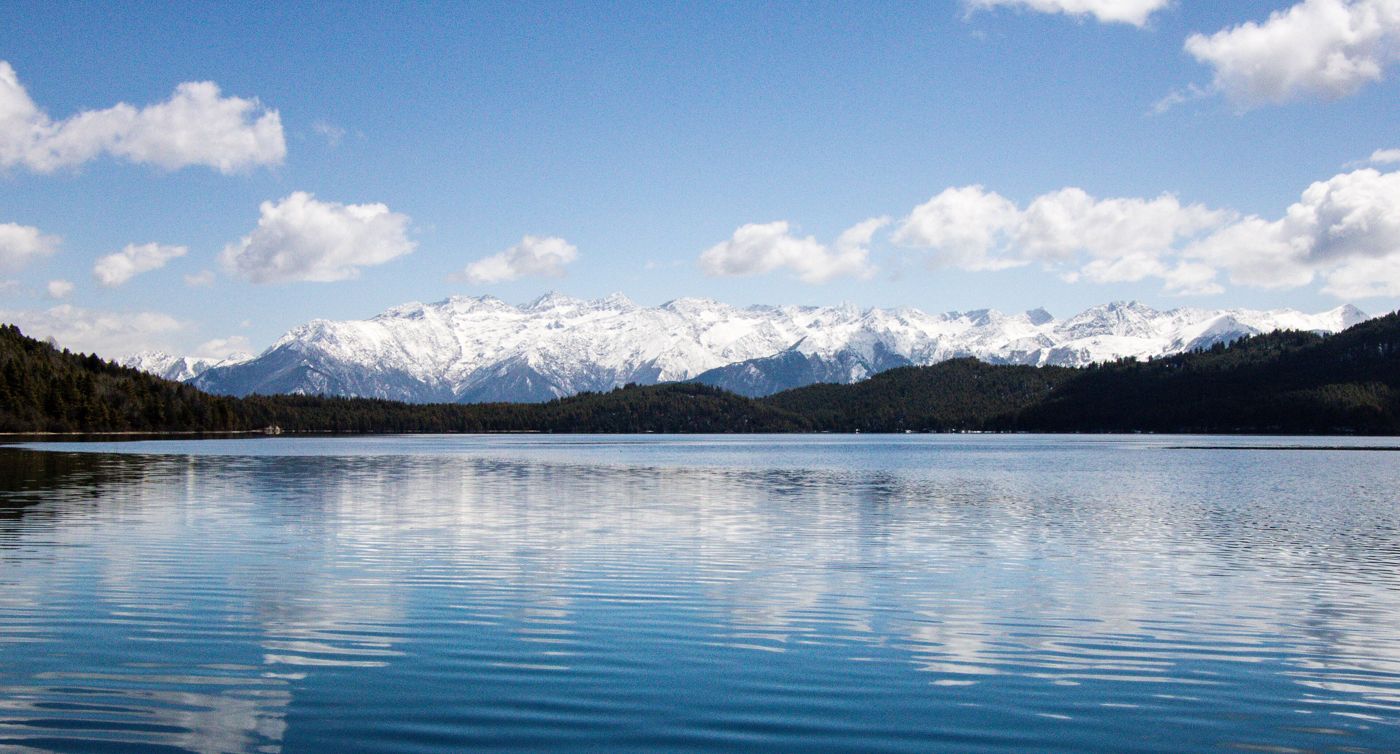 Lakes
Rara Lake
northwest Nepal
Rara Lake is the largest fresh water lake in the Nepalese Himalayas. It is the main feature of Rara National Park, located in Jumla and Mugu Districts of Karnali Province.
Did you know?
Nepal's largest lake, a deep-blue jewel in remote highlands.
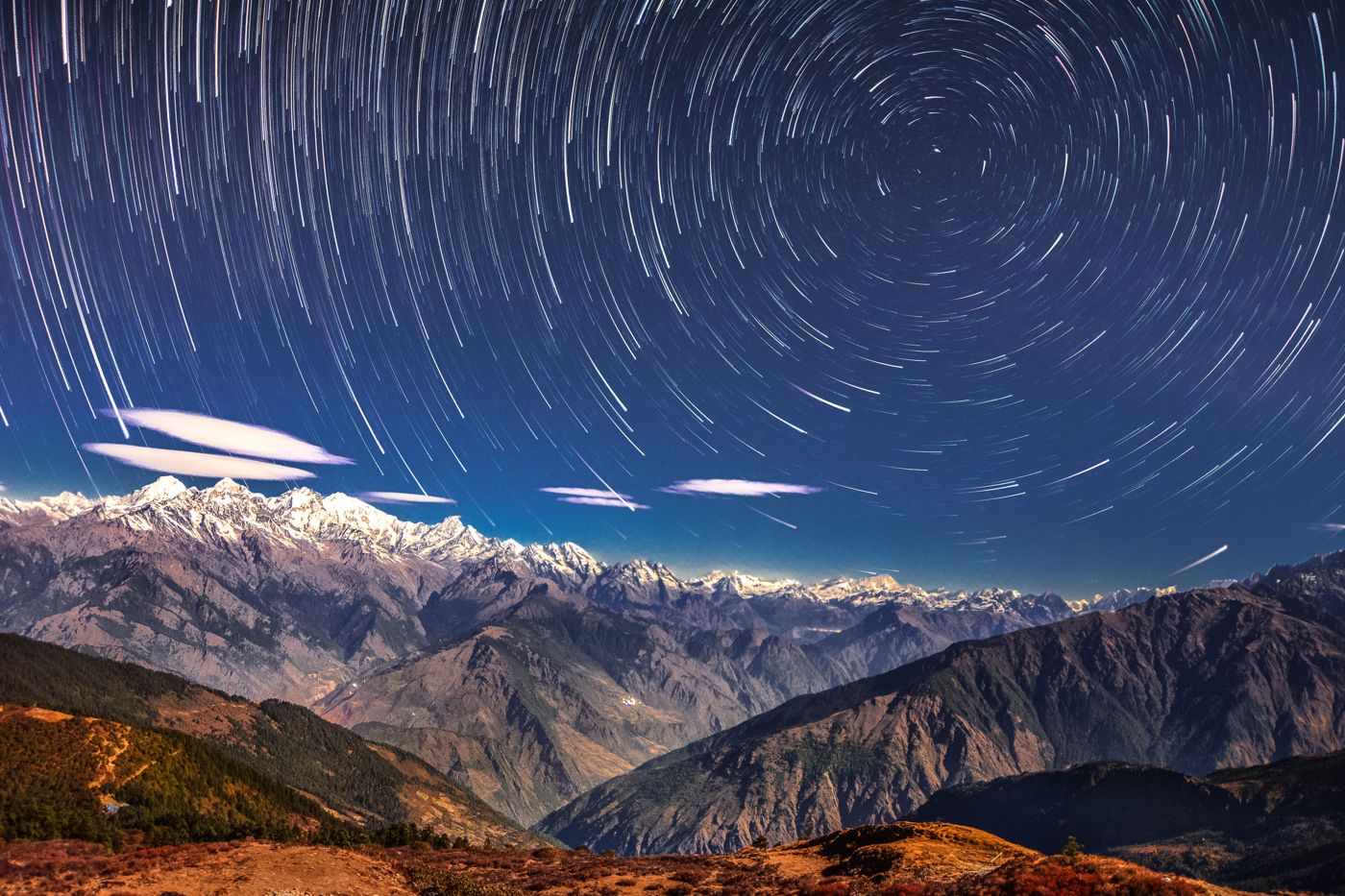 Mountains
Langtang
north of Kathmandu
Langtang National Park is a national park in north-central Nepal. It was established in 1976 as Nepal's first Himalayan national park and the country's fourth protected area.
Did you know?
A glaciated park of rhododendron forest and Himalayan peaks.
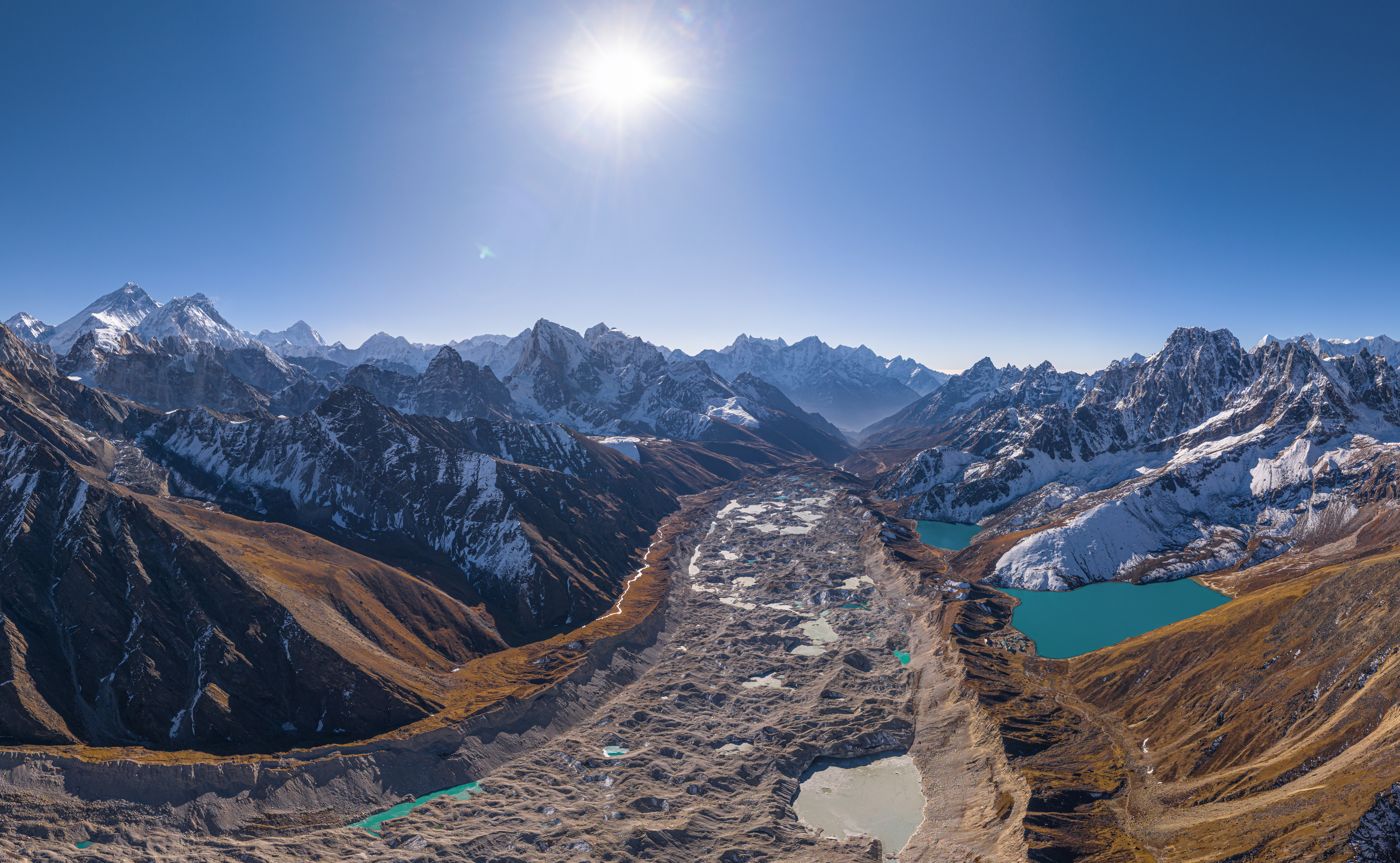 Glaciers
Sagarmatha National Park
Khumbu
Sagarmāthā National Park is a national park in the Himalayas of eastern Nepal that was established in 1976 and encompasses an area of 1,148 km2 (443 sq mi) in the Solukhumbu District. It ranges in elevation from 2,845 to 8,848 m and includes Mount Everest.
Did you know?
The protected high-altitude home of Everest and its glaciers.
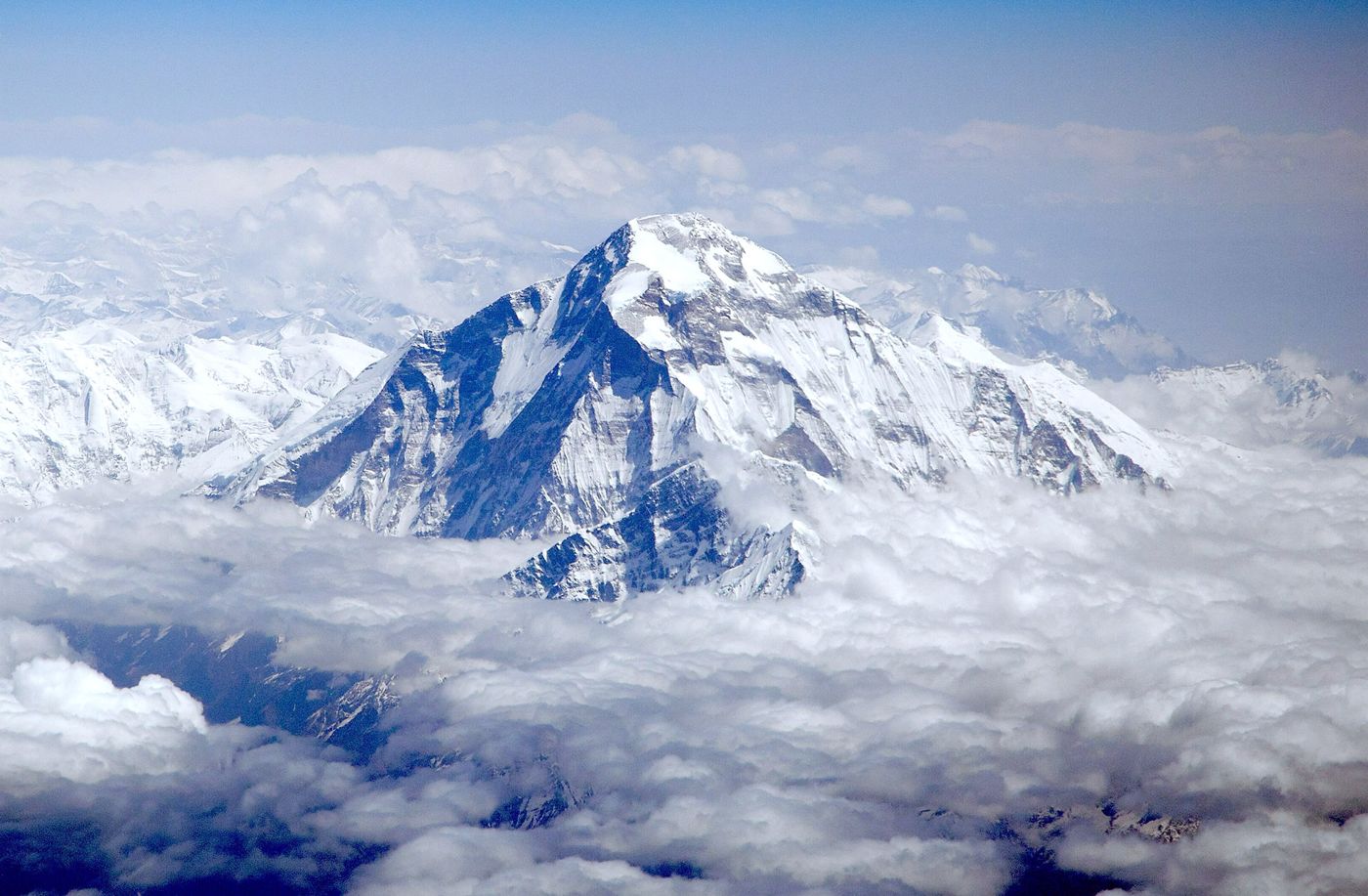 Mountains
Dhaulagiri
north-central Nepal
Dhaulagiri, located in Nepal, is the seventh highest mountain in the world at 8,167 metres (26,795 ft) above sea level, and the highest mountain within the borders of a single country. Dhaulagiri I is also the highest point of the Gandaki river basin.
Did you know?
The seventh-highest mountain in the world at 8,167 m.