North America
Mexico
The top 10 natural landmarks of Mexico — real photos, locations and fascinating facts for every wonder.
 Americas
 Canyons
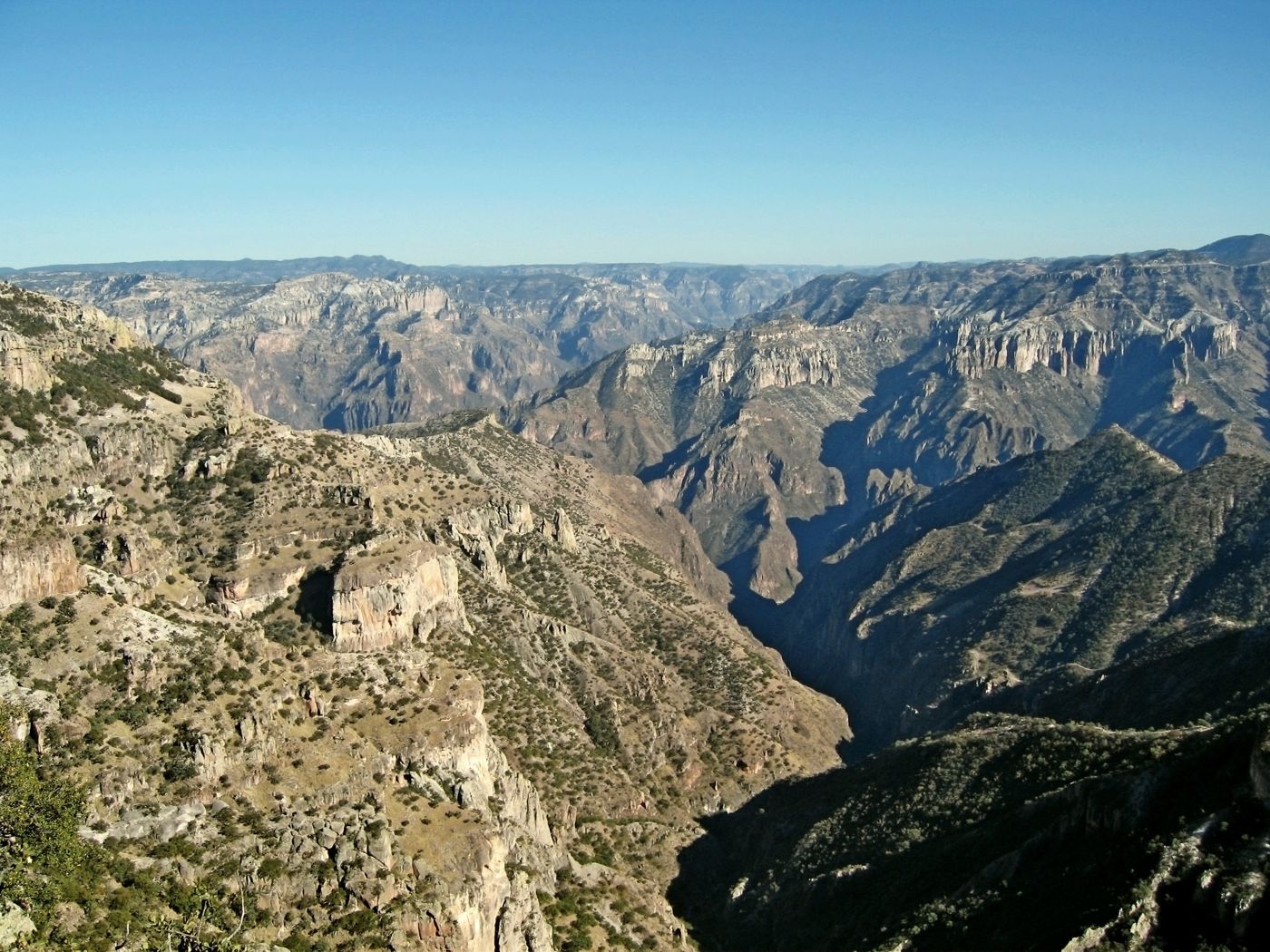
Copper Canyon
Chihuahua
Copper Canyon is a system of six distinct canyons in the Sierra Madre Occidental in the southwestern part of the state of Chihuahua in northwestern Mexico that is 65,000 square kilometres (25,000 sq mi) in size. The canyons were formed by six rivers that drain the western side of the Sierra Tarahumara.
Did you know?
A network of gorges larger and in places deeper than the Grand Canyon.
 Caves
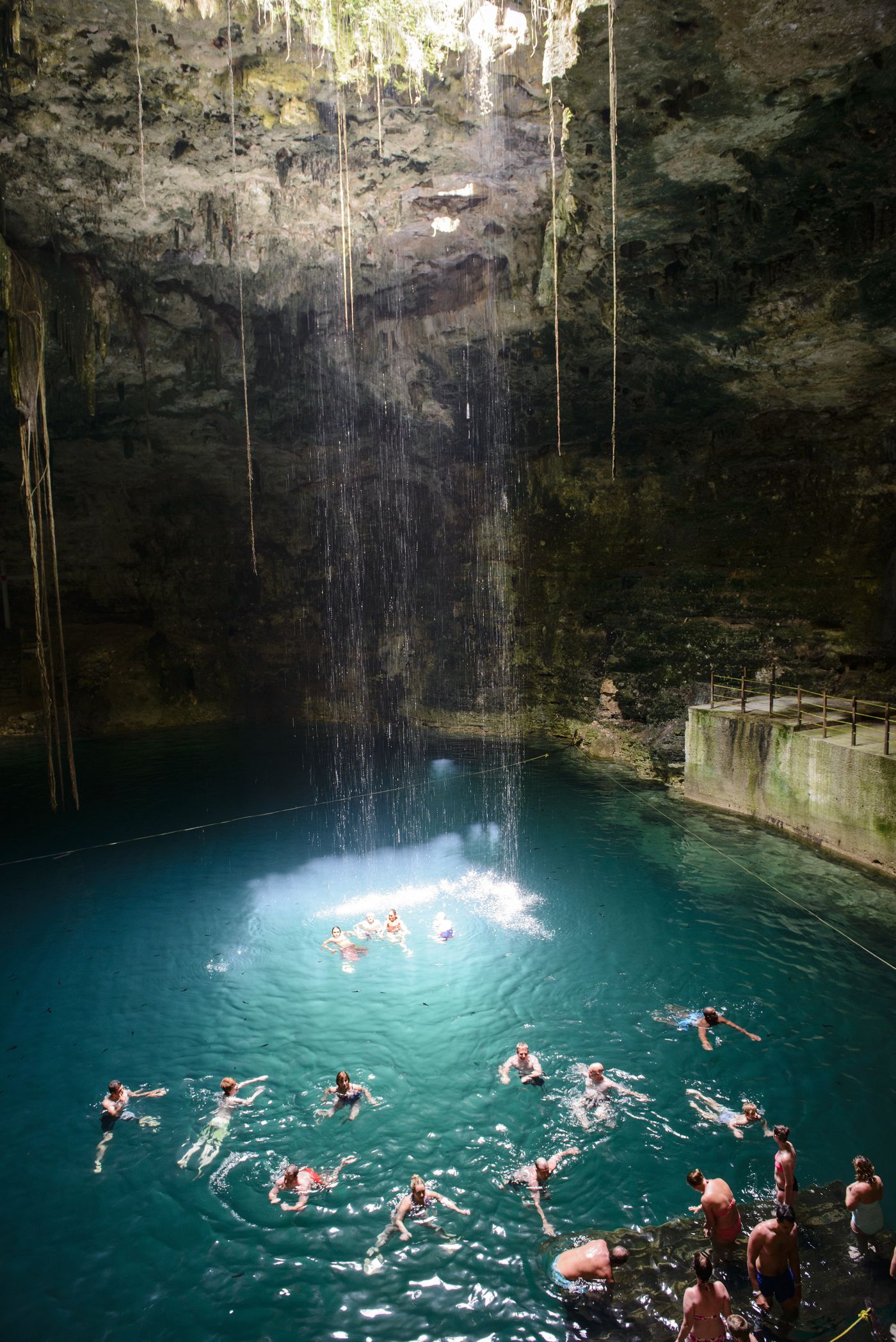
Cenotes
Yucatán Peninsula
A cenote is a natural pit, or sinkhole, resulting when a collapse of limestone bedrock exposes groundwater. The term originated on the Yucatán Peninsula of Mexico, where the ancient Maya commonly used cenotes for water supplies, and occasionally for sacrificial offerings.
Did you know?
Flooded limestone sinkholes revered by the Maya as sacred wells.
 Canyons
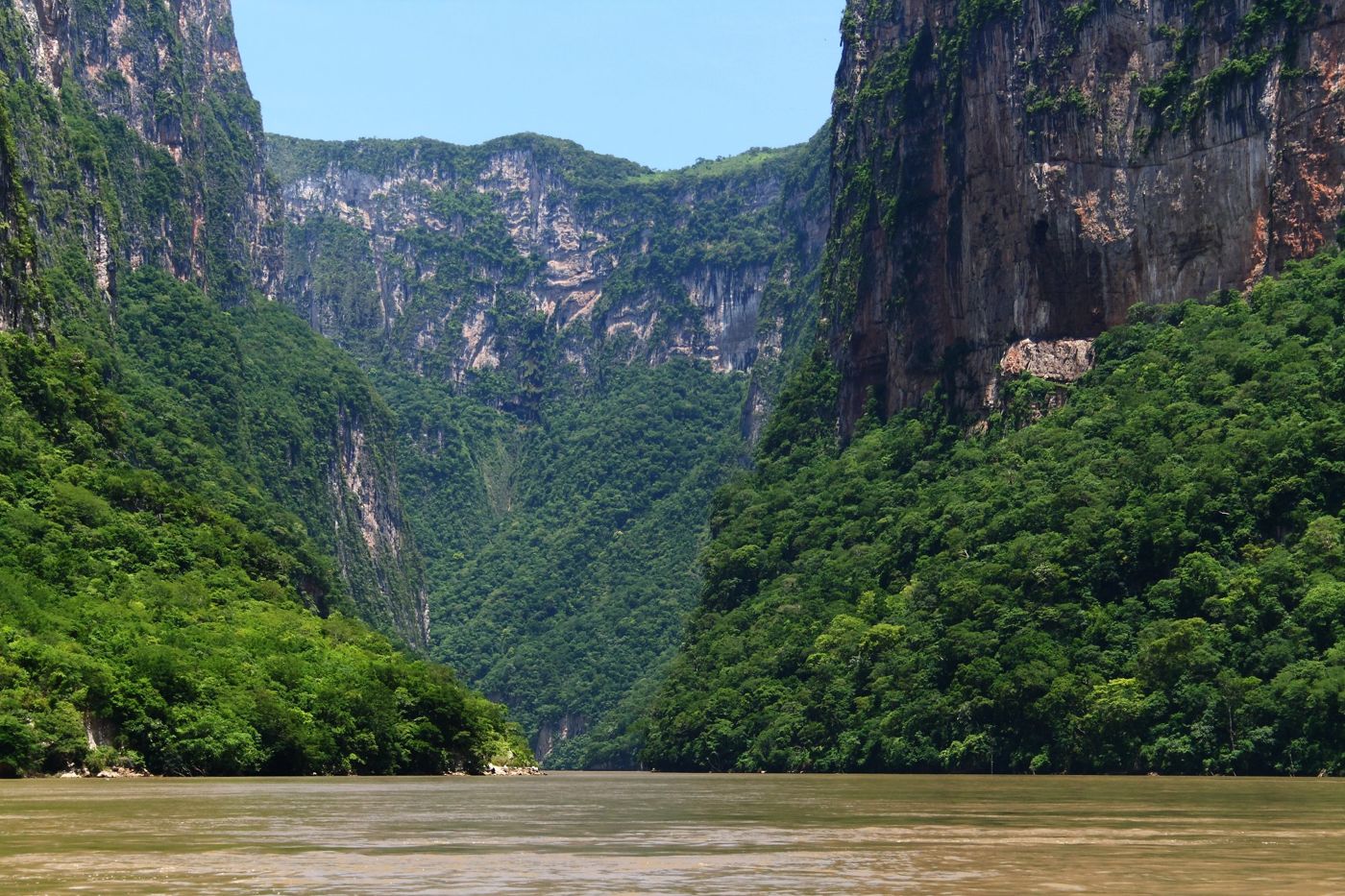
Sumidero Canyon
Chiapas
Sumidero Canyon is a deep natural canyon located just north of the city of Chiapa de Corzo in the state of Chiapas, in southern Mexico. The canyon's creation began around the same time as the Grand Canyon in the U.S.
Did you know?
Sheer walls rising 1,000 m above the Grijalva River.
 Volcanoes
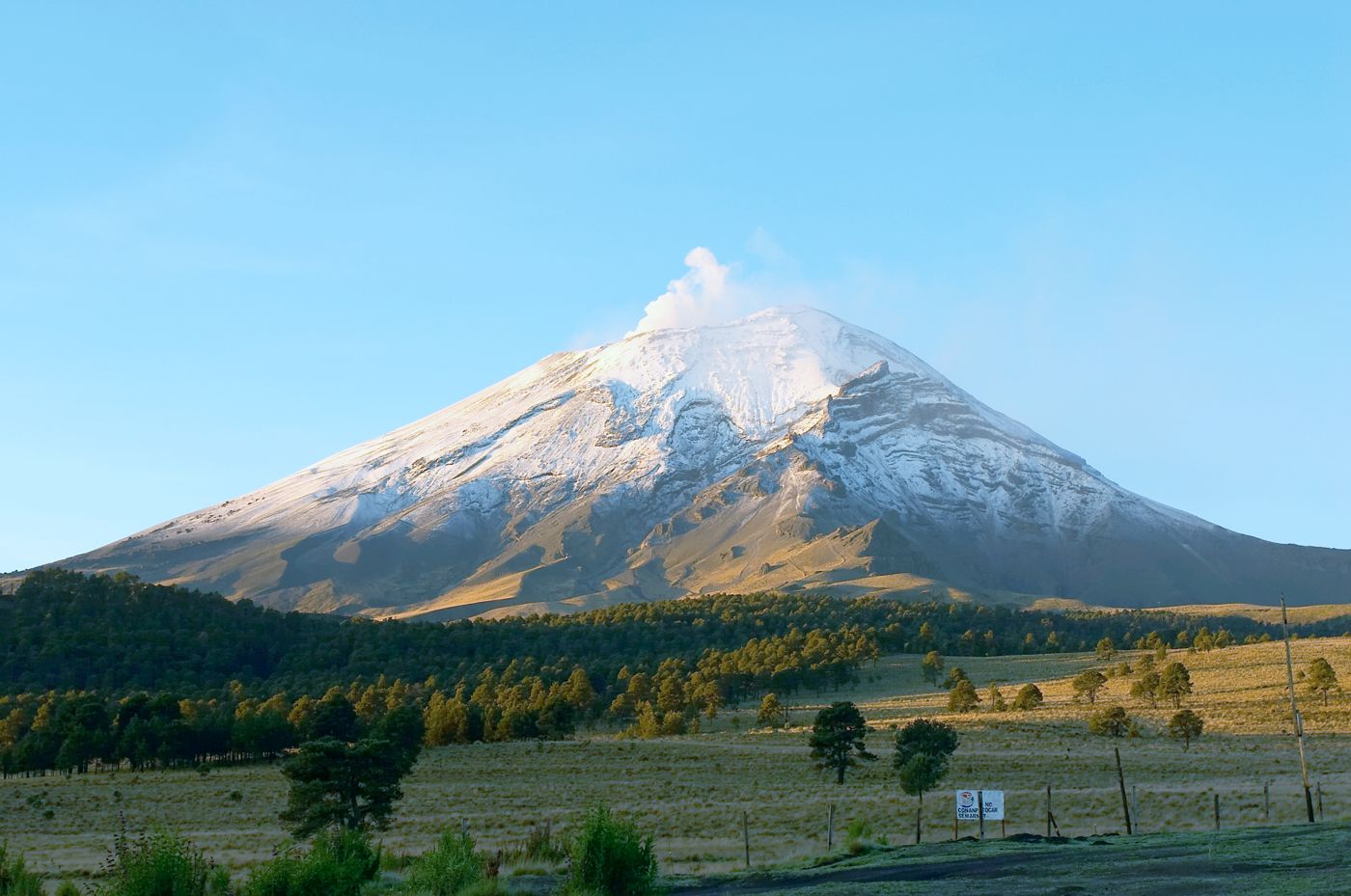
Popocatépetl
central Mexico
Popocatépetl is an active stratovolcano located in the states of Puebla, Morelos, and Mexico in central Mexico. It lies in the eastern half of the Trans-Mexican Volcanic Belt.
Did you know?
A smoking, snow-capped volcano whose name means 'smoking mountain'.
 Geothermal
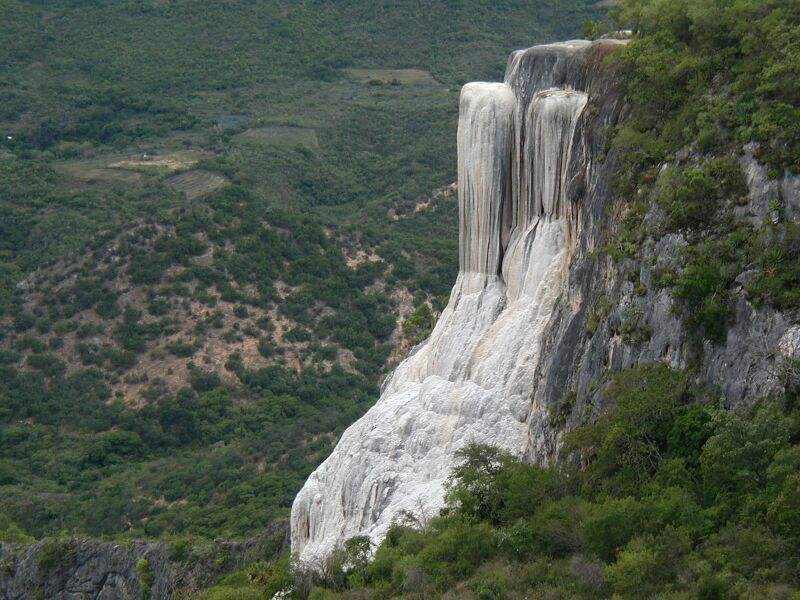
Hierve el Agua
Oaxaca
Hierve el Agua is a set of natural travertine rock formations in San Lorenzo Albarradas, Oaxaca, Mexico that resemble cascades of water. The site is located about 70 km east of Oaxaca City, and consists of two rock shelves or cliffs which rise between fifty and ninety metres from the valley below, from which extend nearly white rock formations which look like waterfalls.
Did you know?
Petrified 'waterfalls' of mineral rock beside natural spring pools.
 Forests
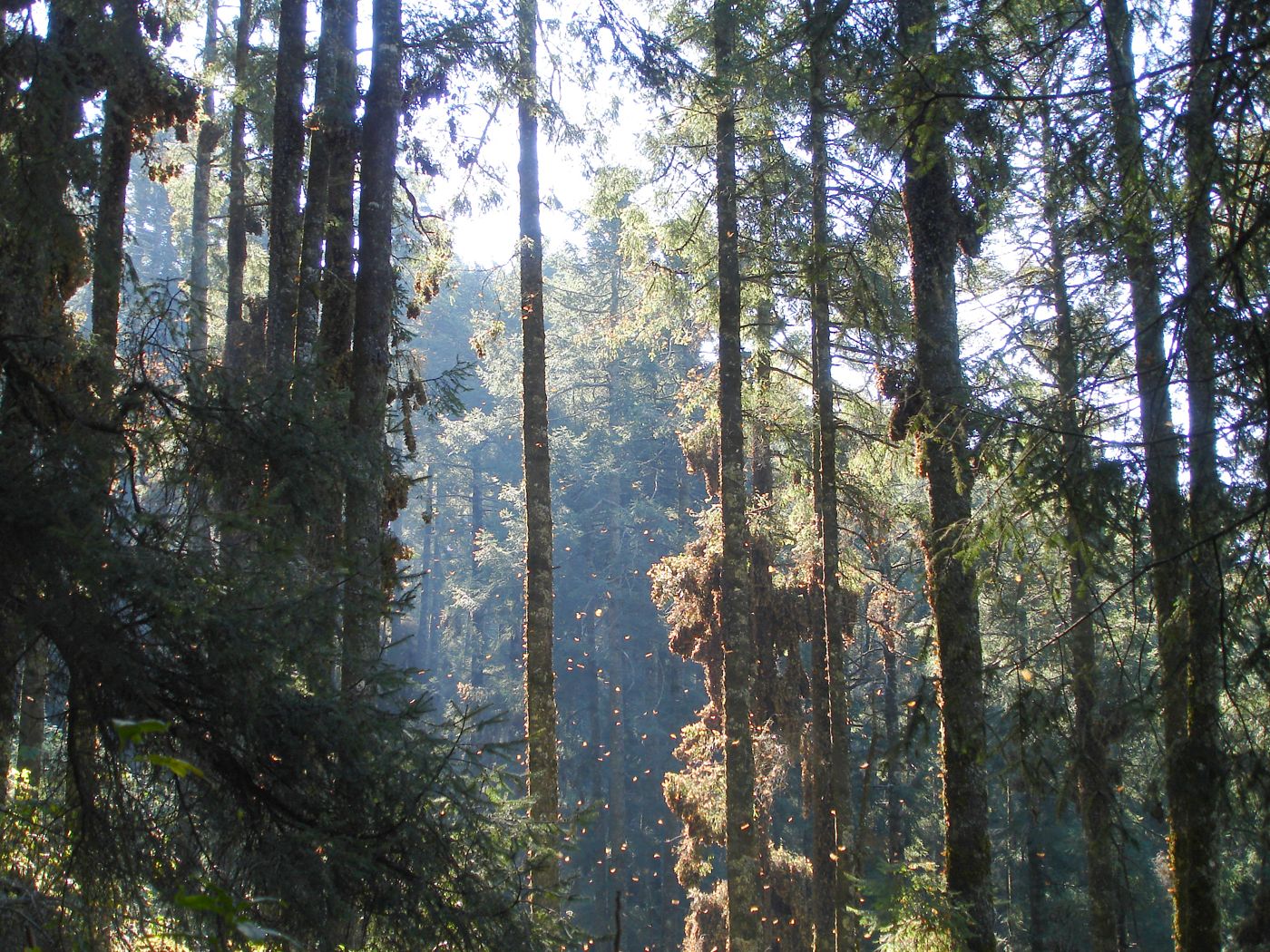
Monarch Butterfly Reserve
Michoacán
The Monarch Butterfly Biosphere Reserve is a World Heritage Site containing most of the overwintering sites of the eastern population of the monarch butterfly. The reserve is located in the Trans-Mexican Volcanic Belt pine-oak forests ecoregion on the border of Michoacán and State of Mexico, 100 km, northwest of Mexico City.
Did you know?
Fir forests where millions of monarch butterflies overwinter.
 Coasts
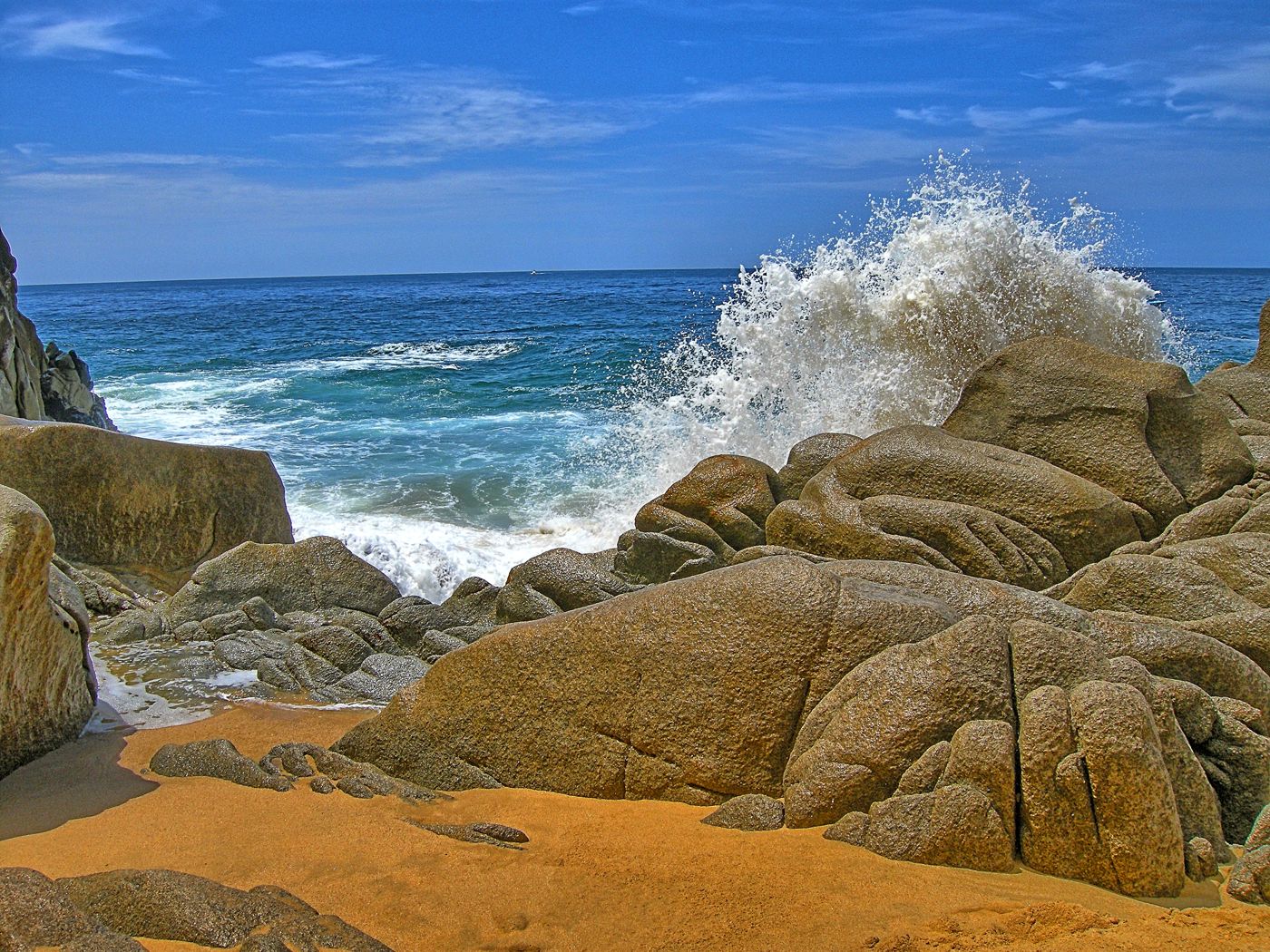
Gulf of California
Baja California
The Gulf of California, also known as the Sea of Cortés or Sea of Cortez, or less commonly as the Vermilion Sea, is a marginal sea of the Pacific Ocean that separates the Baja California peninsula from the Mexican mainland. It is bordered by the states of Baja California, Baja California Sur, Sonora, and Sinaloa with a coastline of approximately 4,000 km (2,500 mi).
Did you know?
A sea so rich in life Jacques Cousteau called it 'the aquarium of the world'.
 Volcanoes
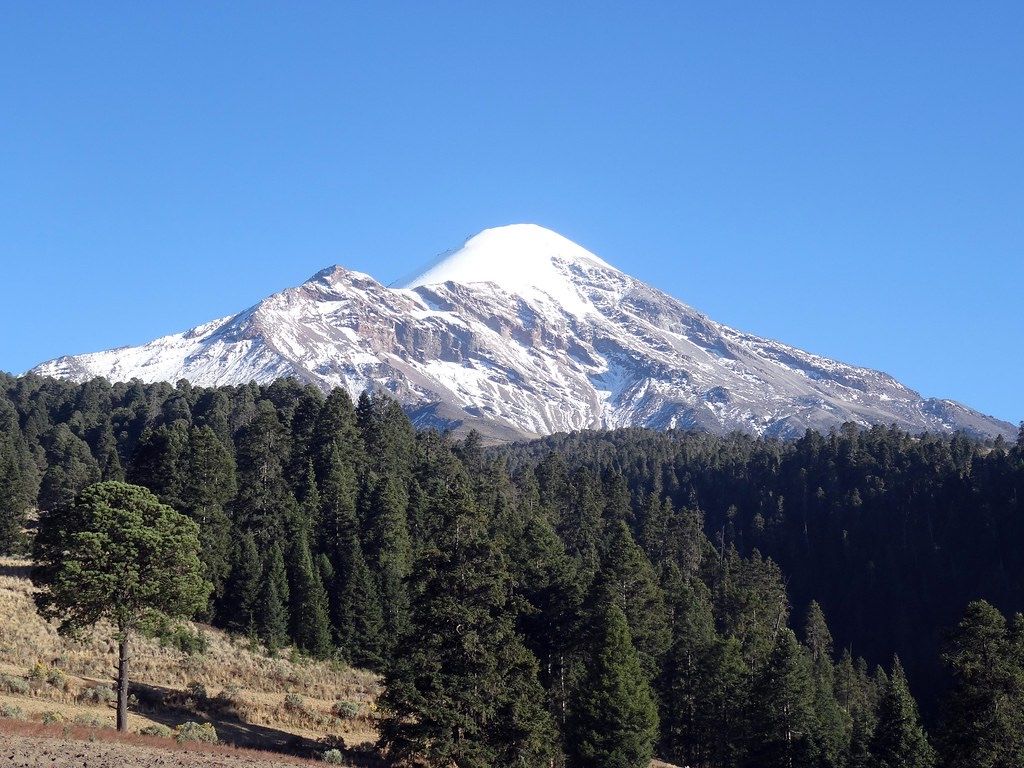
Pico de Orizaba
Veracruz/Puebla
Citlaltépetl, otherwise known as Pico de Orizaba, is an active volcano and the highest volcano in North America, as well as the highest mountain in Mexico and third highest peak in North America, after Denali of the United States and Mount Logan of Canada. It rises 5,636 metres (18,491 ft) above sea level in the eastern end of the Trans-Mexican Volcanic Belt, on the border between the states of Veracruz and Puebla.
Did you know?
Mexico's highest peak, a glacier-topped dormant volcano at 5,636 m.
 Wetlands
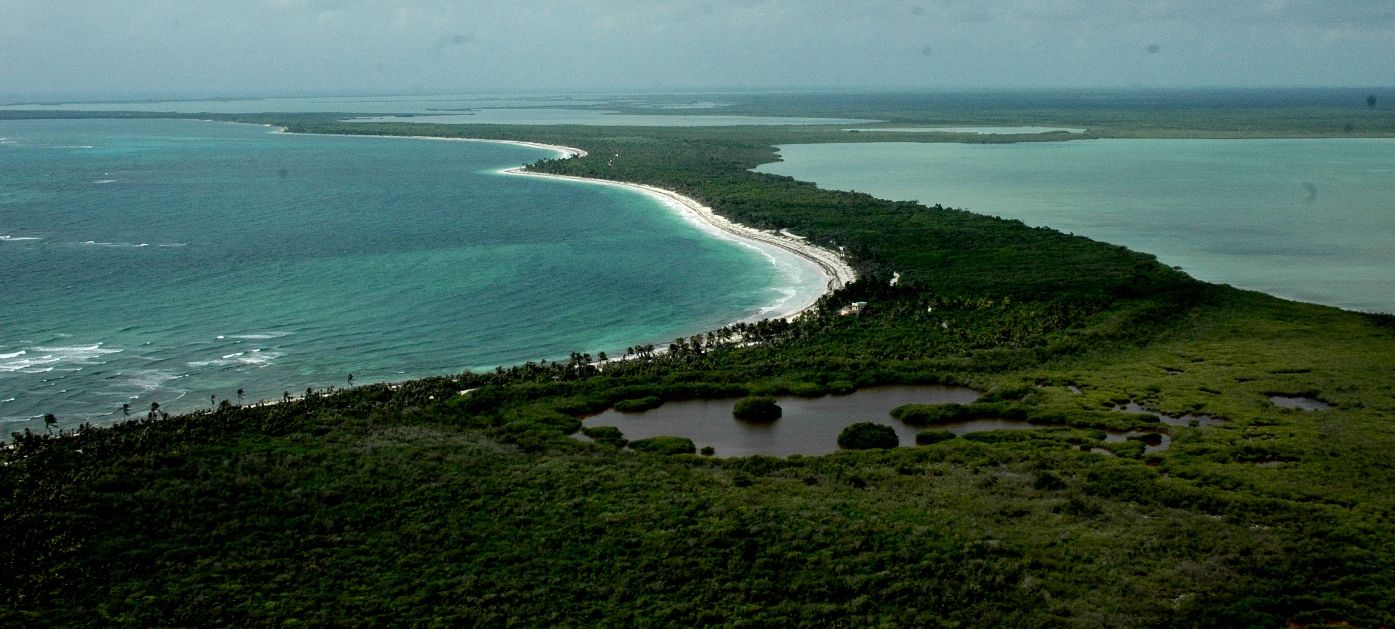
Sian Ka'an
Quintana Roo
Sian Kaʼan Biosphere Reserve is a biosphere reserve in Tulum Municipality in the Mexican state of Quintana Roo. It was established in 1986 and became a UNESCO World Heritage Site in 1987.
Did you know?
A vast biosphere of lagoons, reefs and mangroves on the Caribbean.
 Waterfalls
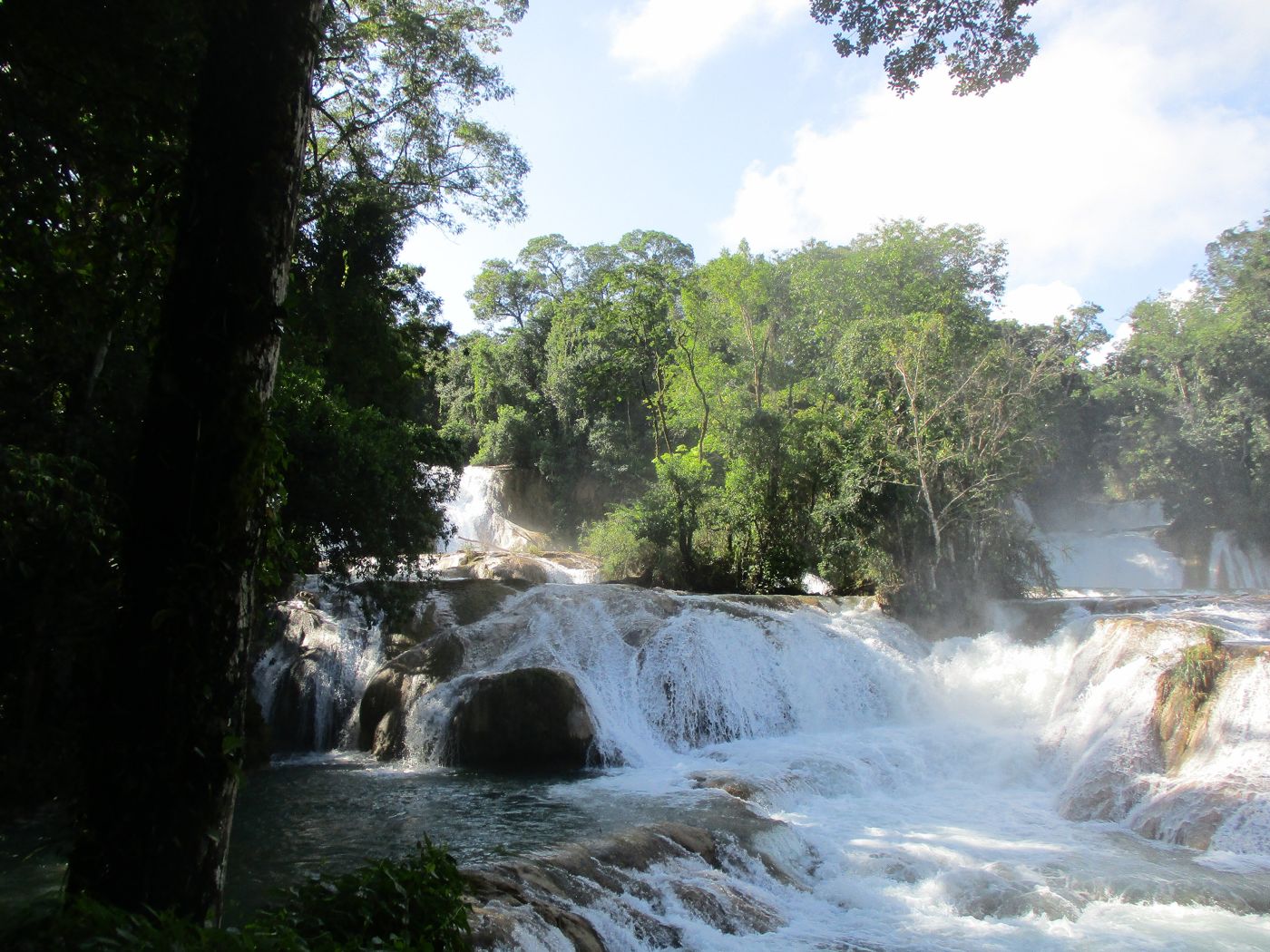
Agua Azul
Chiapas
The Cascadas de Agua Azul are a series of waterfalls found on the Xanil River in the southern Mexican state of Chiapas. They are located in the Municipality of Tumbalá, 69 kilometres (43 mi) from Palenque, near Mexican Federal Highway 199.
Did you know?
Cascades of turquoise water tumbling over mineral-rich terraces.