Western Asia
Lebanon
The top 5 natural landmarks of Lebanon — real photos, locations and fascinating facts for every wonder.
 Asia
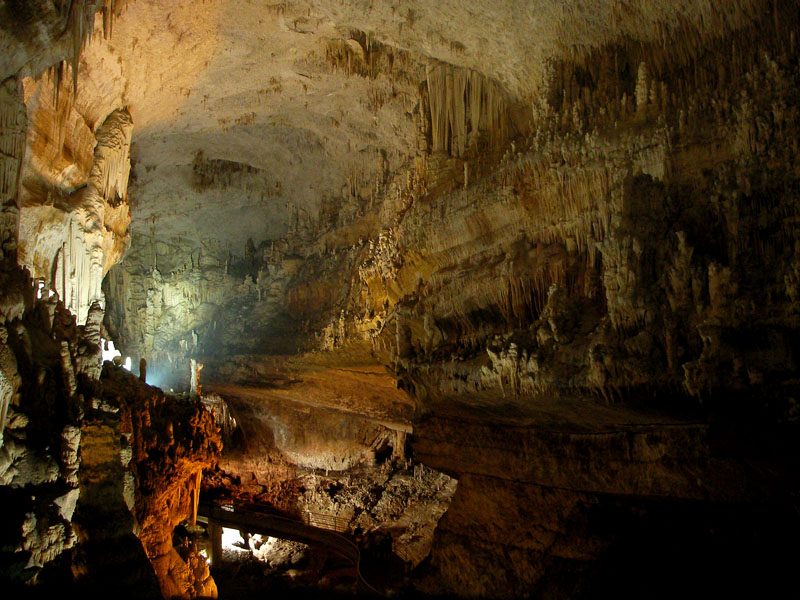 Caves
Jeita Grotto
Keserwan
The Jeita Grotto (Arabic: مغارة جعيتا) is a system of two separate, but interconnected, karstic limestone caves spanning an overall length of nearly 9 kilometres (5.6 mi). The caves are situated in the Nahr al-Kalb river valley within the locality of Jeita, 18 kilometres (11 mi) north of the Lebanese capital Beirut.
Did you know?
Two vast limestone caverns with the world's largest stalactite.
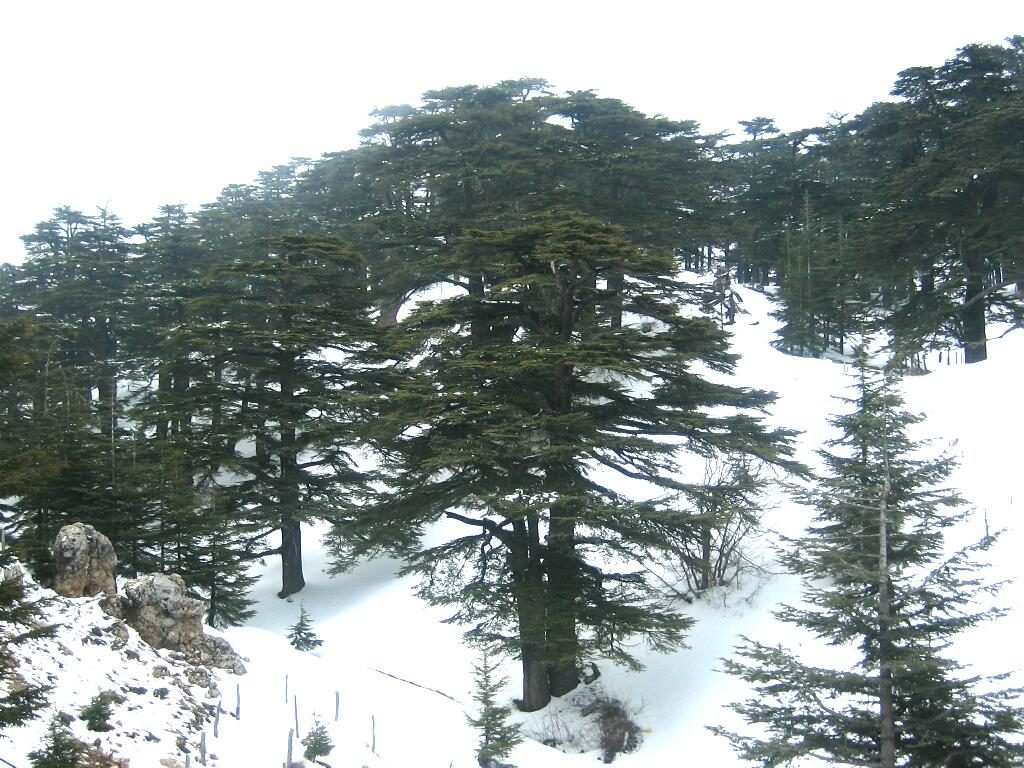 Forests
Cedars of God
Bsharri
The Cedars of God (Arabic: أرز الربّ, romanized: Arz el-Rab, lit. 'Cedars of the Lord') is a forest in the Kadisha Valley of Bsharre, Lebanon. It is a vestige of the extensive forests of the Lebanon cedar that thrived across Mount Lebanon in antiquity.
Did you know?
An ancient grove of the famous Lebanese cedar trees.
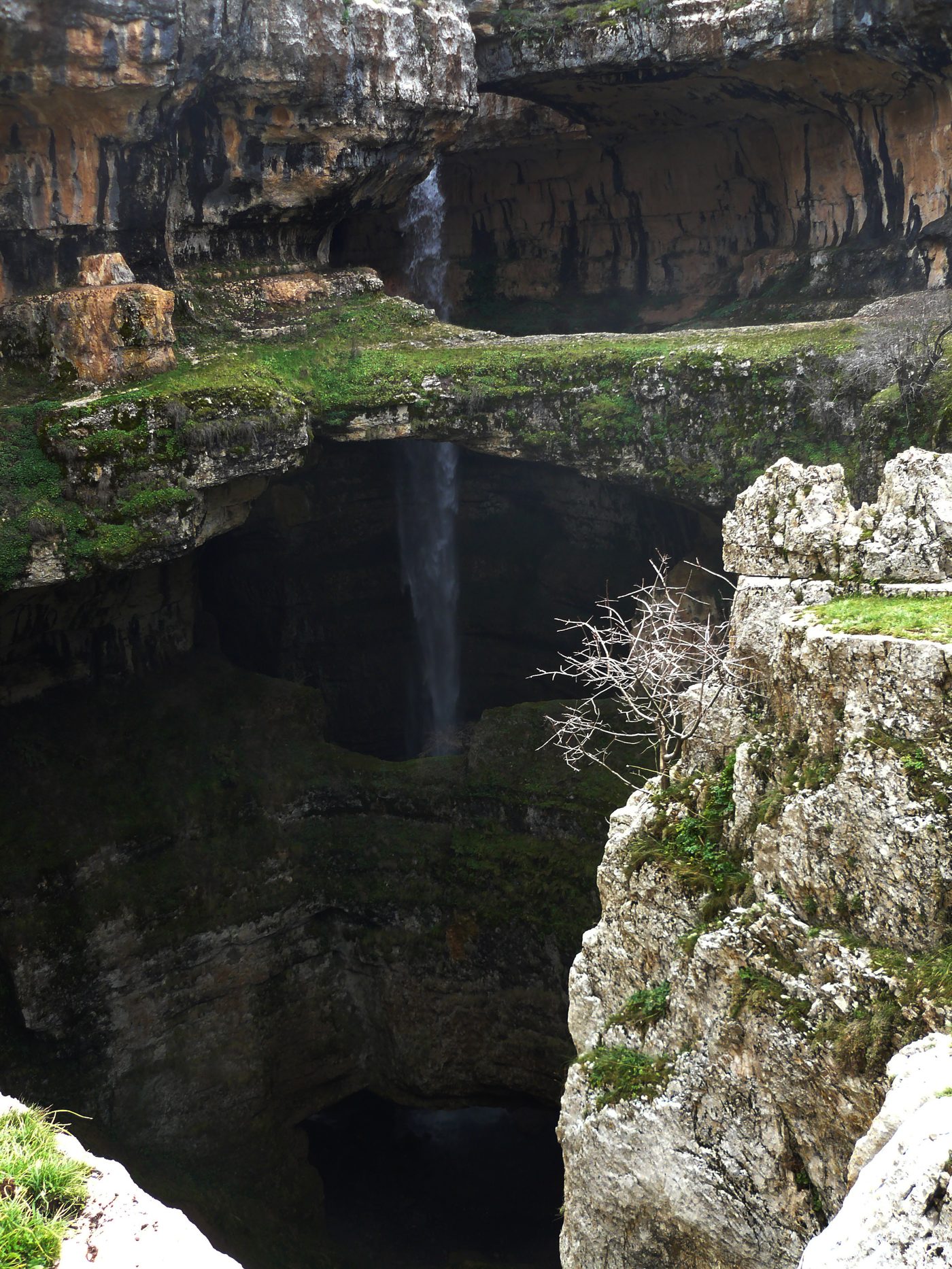 Waterfalls
Baatara Gorge
Tannourine
The Baatara gorge sinkhole (Baatara gorge waterfall) is a waterfall in the Batroun district of Lebanon near the village of Chatine in the town of Tannourine. The waterfall drops 255 metres (837 ft) into the Balaa Pothole, a cave of Jurassic limestone located on the Lebanon Mountain Trail.
Did you know?
A waterfall plunging through three natural stone bridges.
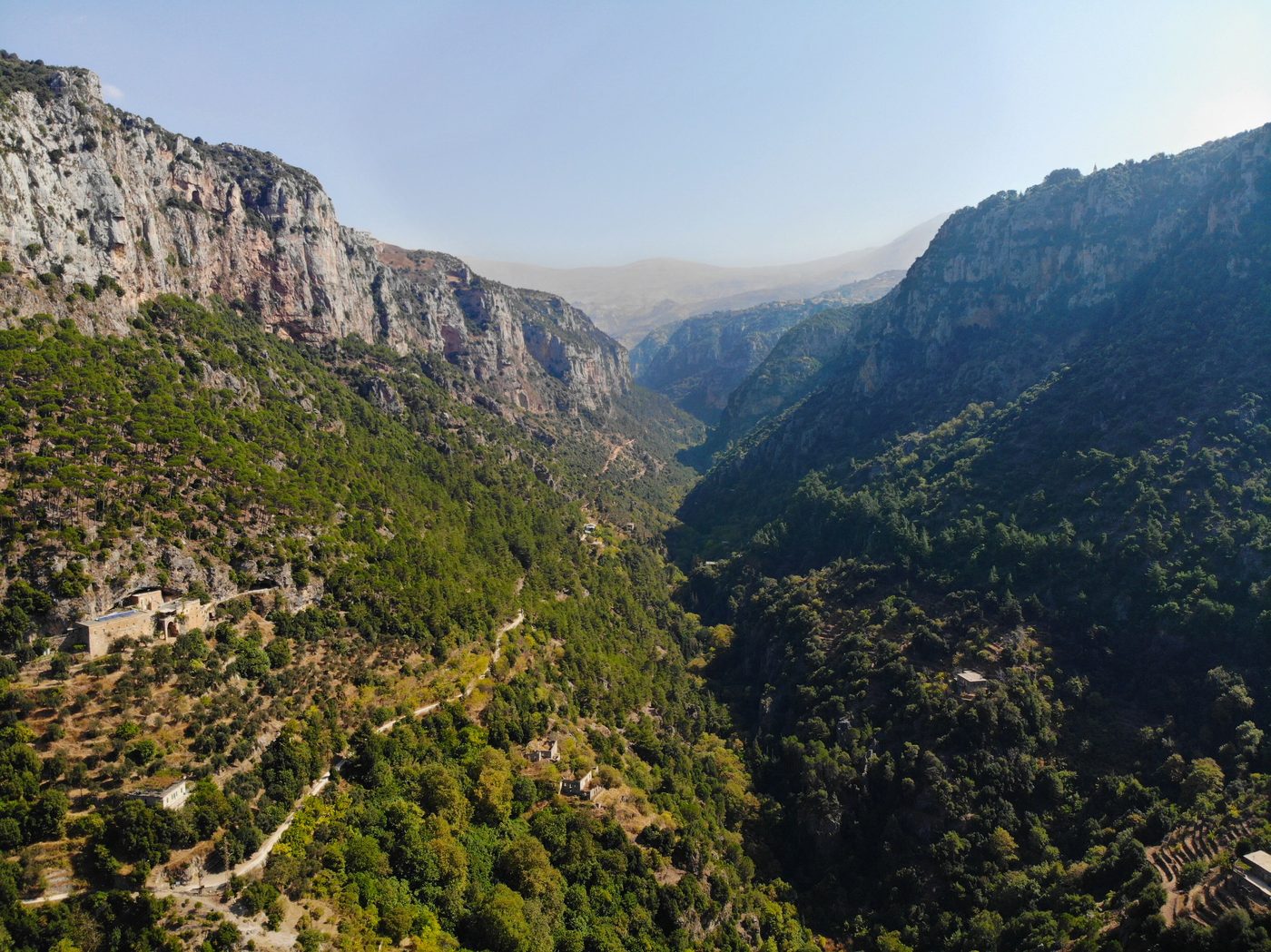 Canyons
Qadisha Valley
North Lebanon
Kadisha Valley (Arabic: وادي قاديشا / وادي قديشا, romanized: Wādi Qadīšā / Wādi Qādīšā), also romanized as the Qadisha Valley and also known as the Kadisha Gorge or Wadi Kadisha (French: Ouadi Qadisha), is a gorge that lies within the Bsharri and Zgharta Districts of the North Governorate of Lebanon.
Did you know?
A deep holy gorge of cliffs, caves and hermitages.
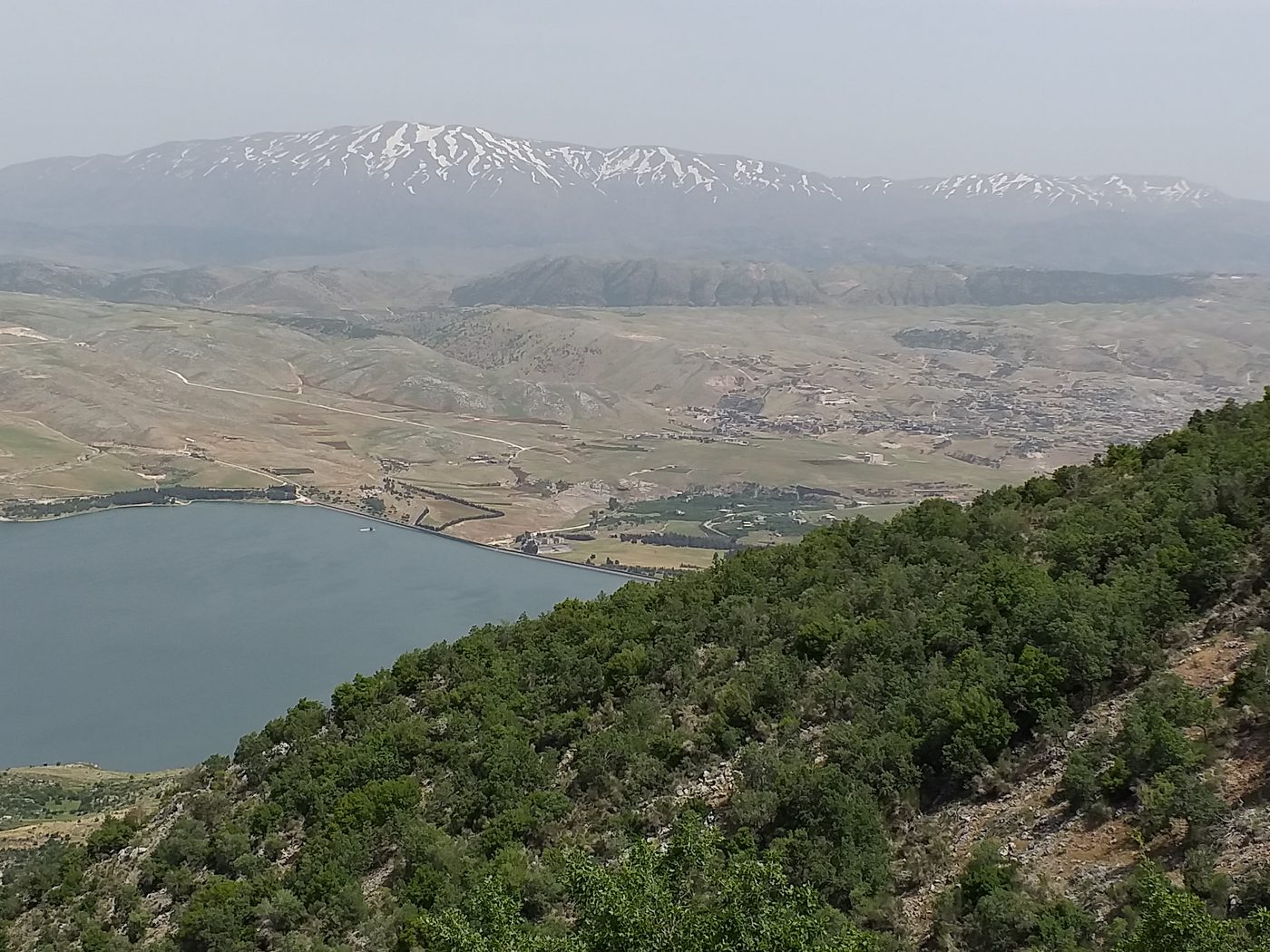 Lakes
Qaraoun Lake
Beqaa
The country's largest lake, set in the fertile Beqaa Valley.
Did you know?
The country's largest lake, set in the fertile Beqaa Valley.