Eastern Asia
South Korea
The top 5 natural landmarks of South Korea — real photos, locations and fascinating facts for every wonder.
 Asia
 Mountains
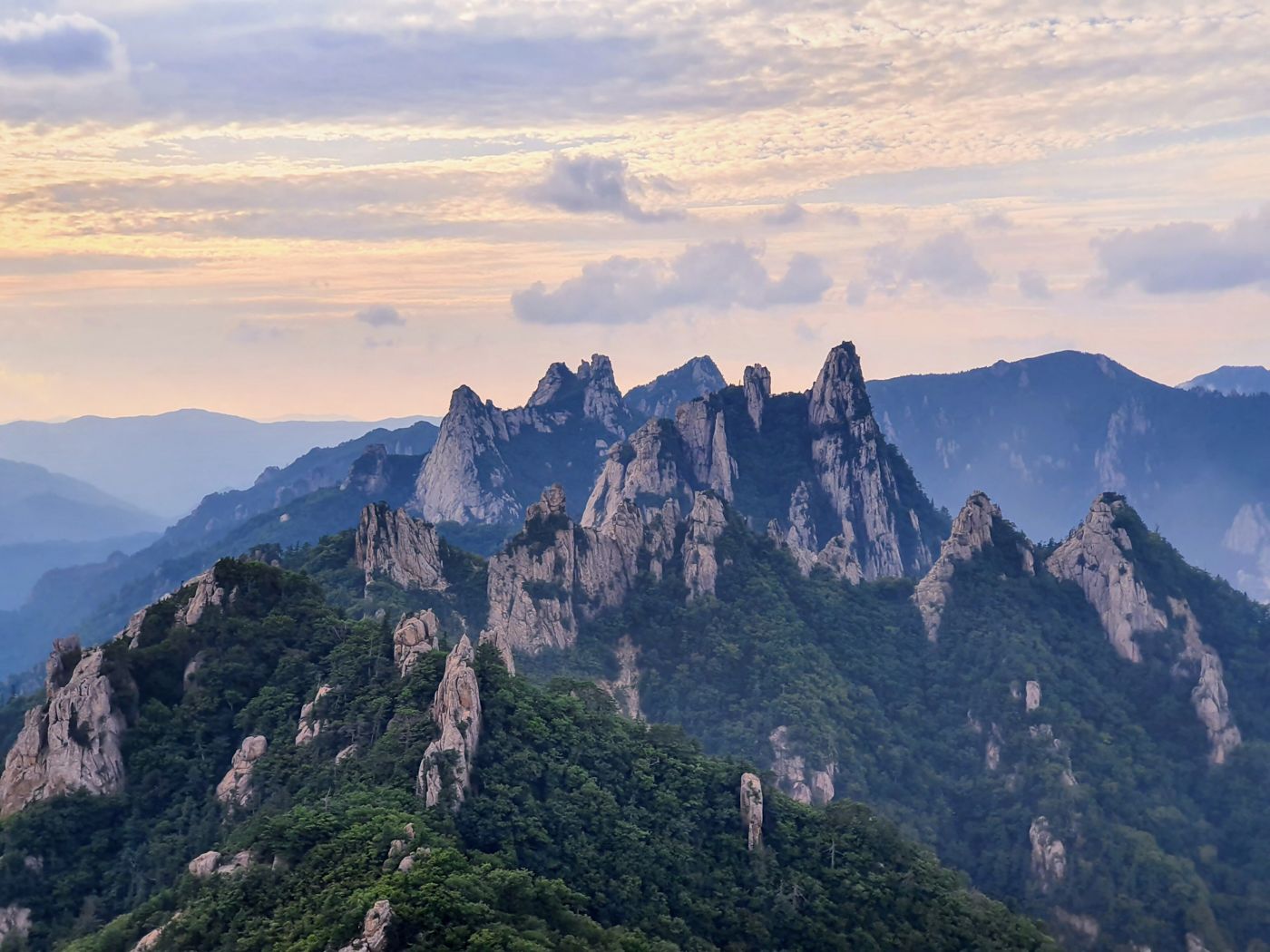
Seoraksan
northeast South Korea
Seoraksan (Korean: 설악산), or Mount Sorak, is the highest mountain in the Taebaek mountain range in the Gangwon Province in eastern South Korea. It is located in the Seoraksan National Park, near Sokcho.
Did you know?
A jagged granite range ablaze with colour each autumn.
 Islands
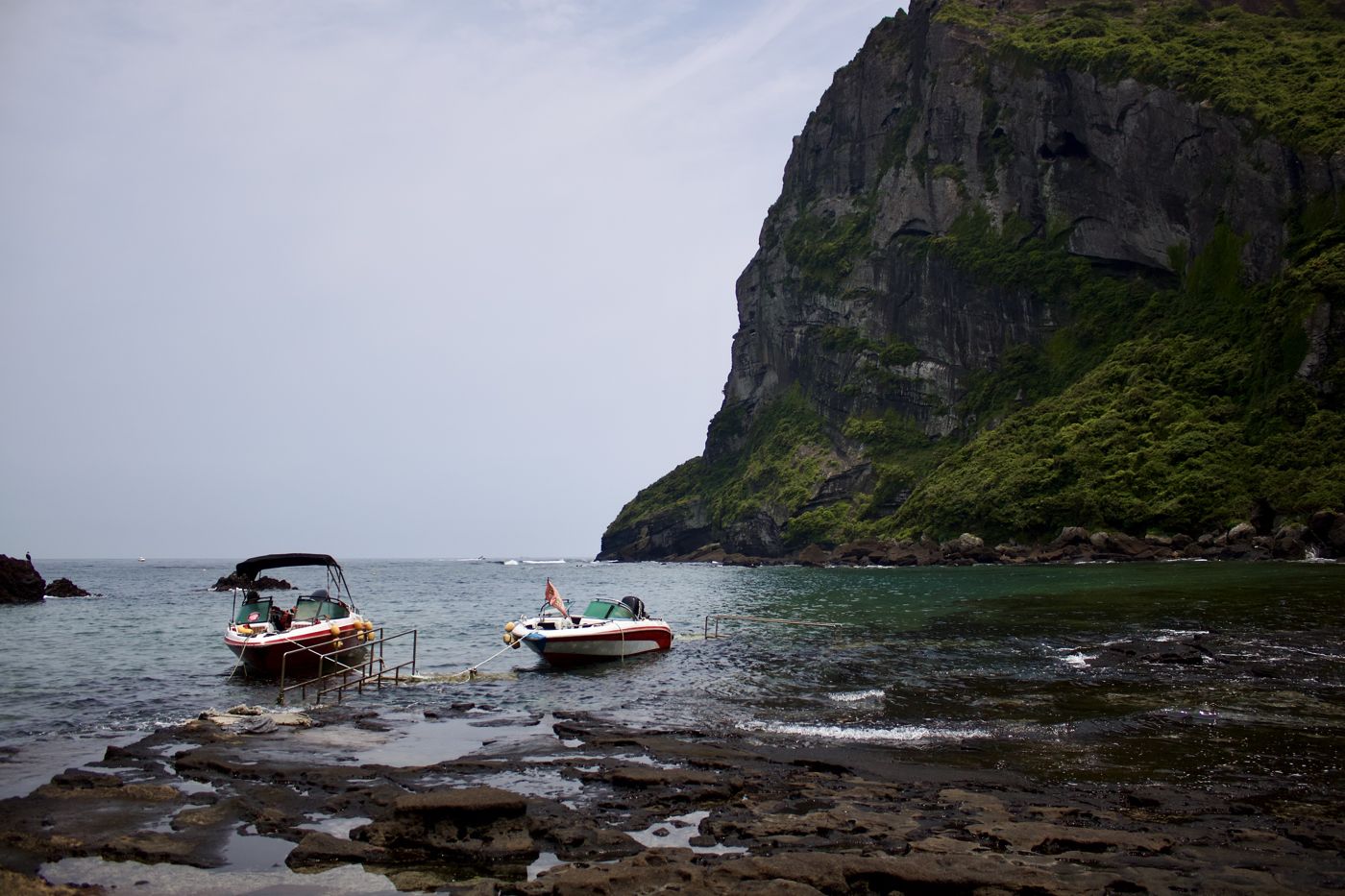
Jeju Island
south of the peninsula
Jeju Island is South Korea's largest island, covering an area of 1,833.2 km2 (707.8 sq mi), which is 1.83% of the total area of the country. Alongside outlying islands, it is part of Jeju Province and makes up the majority of the province.
Did you know?
A volcanic island of lava tubes, craters and waterfalls.
 Volcanoes
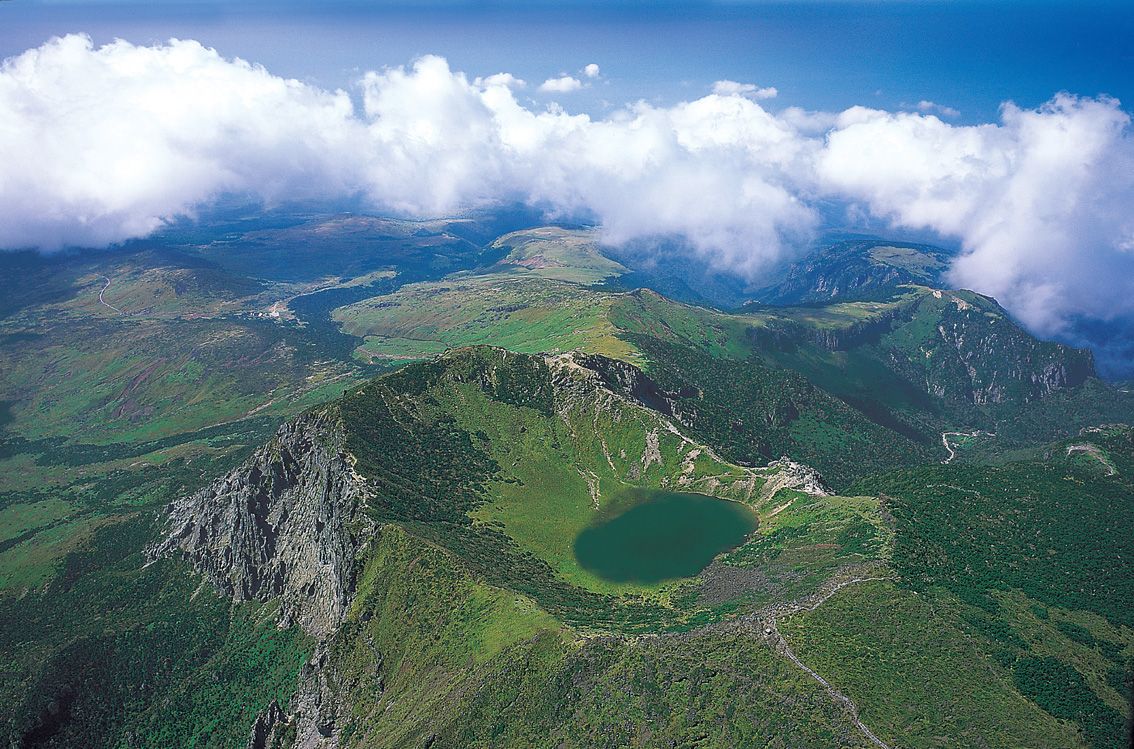
Hallasan
Jeju Island
Hallasan (Korean: 한라산) is a shield volcano comprising much of Jeju Island in South Korea. Its summit, at 1,947 m (6,388 ft), is the highest point in the country.
Did you know?
South Korea's highest peak, a shield volcano with a crater lake.
 Waterfalls
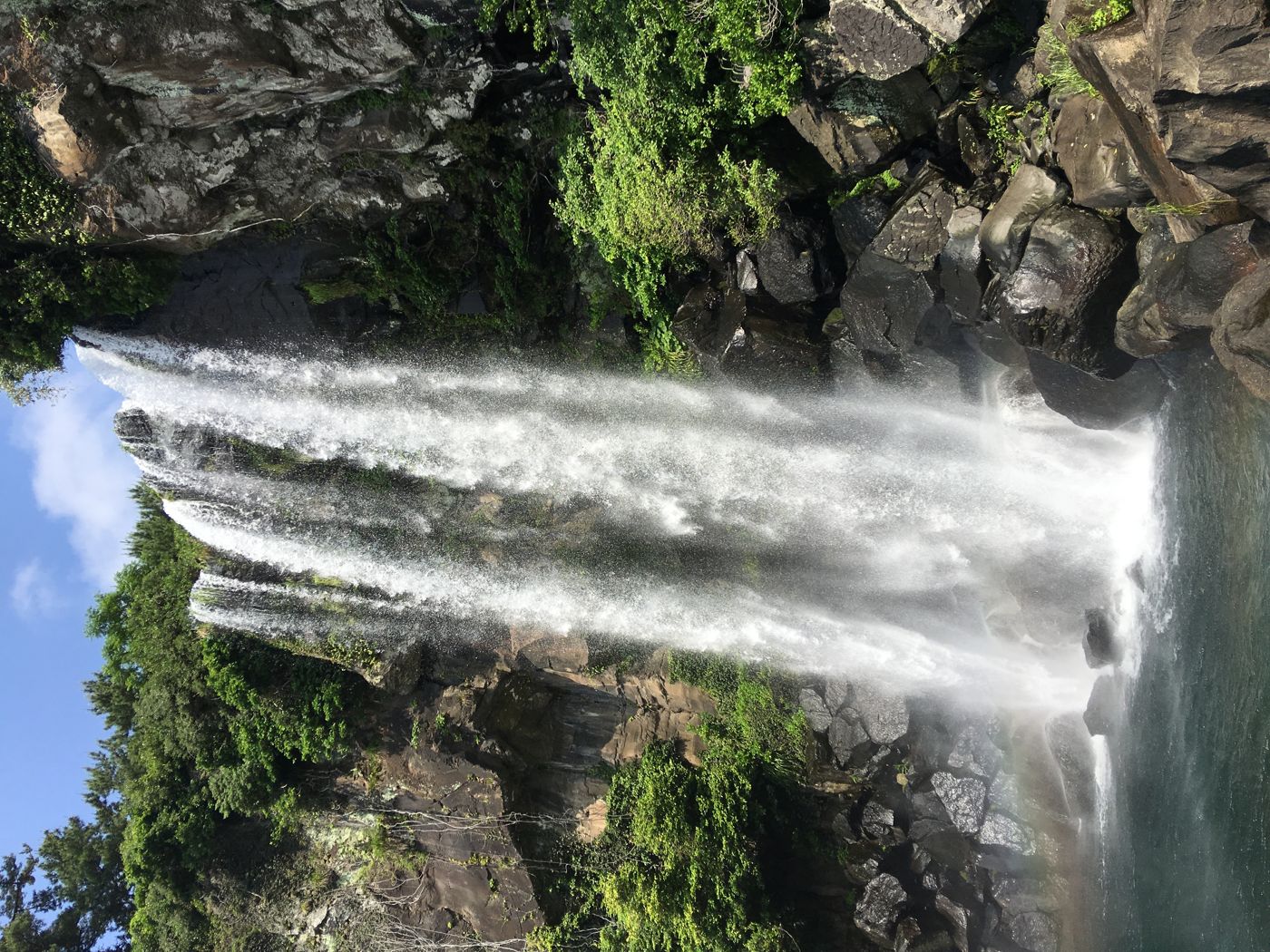
Jeongbang Falls
Jeju Island
A rare waterfall that plunges straight into the sea.
Did you know?
A rare waterfall that plunges straight into the sea.
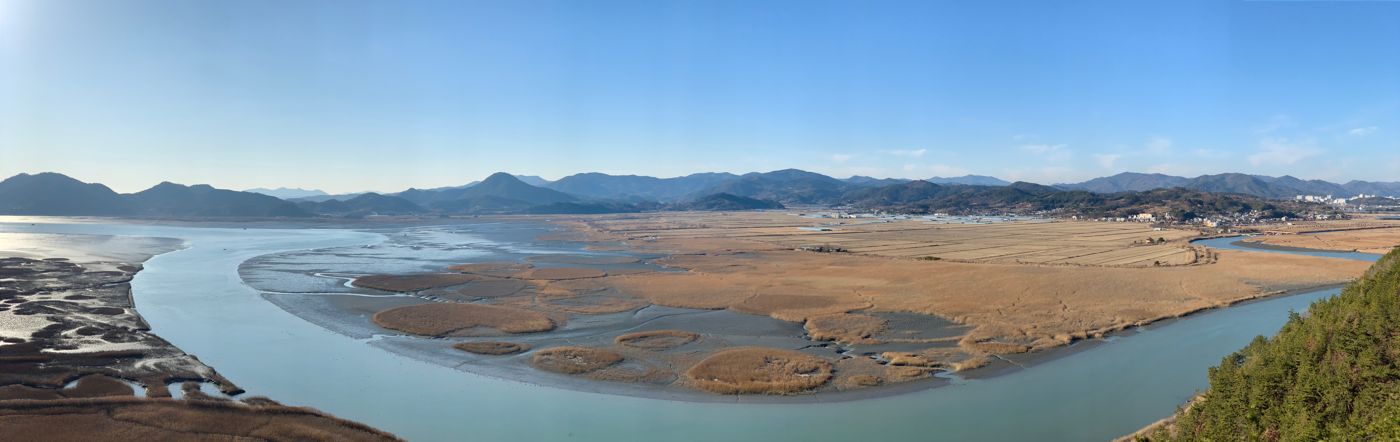 Wetlands
Suncheon Bay
south coast
Suncheon Bay is a coastal wetland in Suncheon, South Jeolla Province, South Korea. It is composed of a 3.5 km (2.2 mi) long stream, a 2,221 ha wide tideland and a 230 ha wide field of reeds.
Did you know?
A vast tidal wetland of reed beds and mudflats rich in birdlife.