Southern Europe
Italy
The top 10 natural landmarks of Italy — real photos, locations and fascinating facts for every wonder.
 Europe
 Mountains
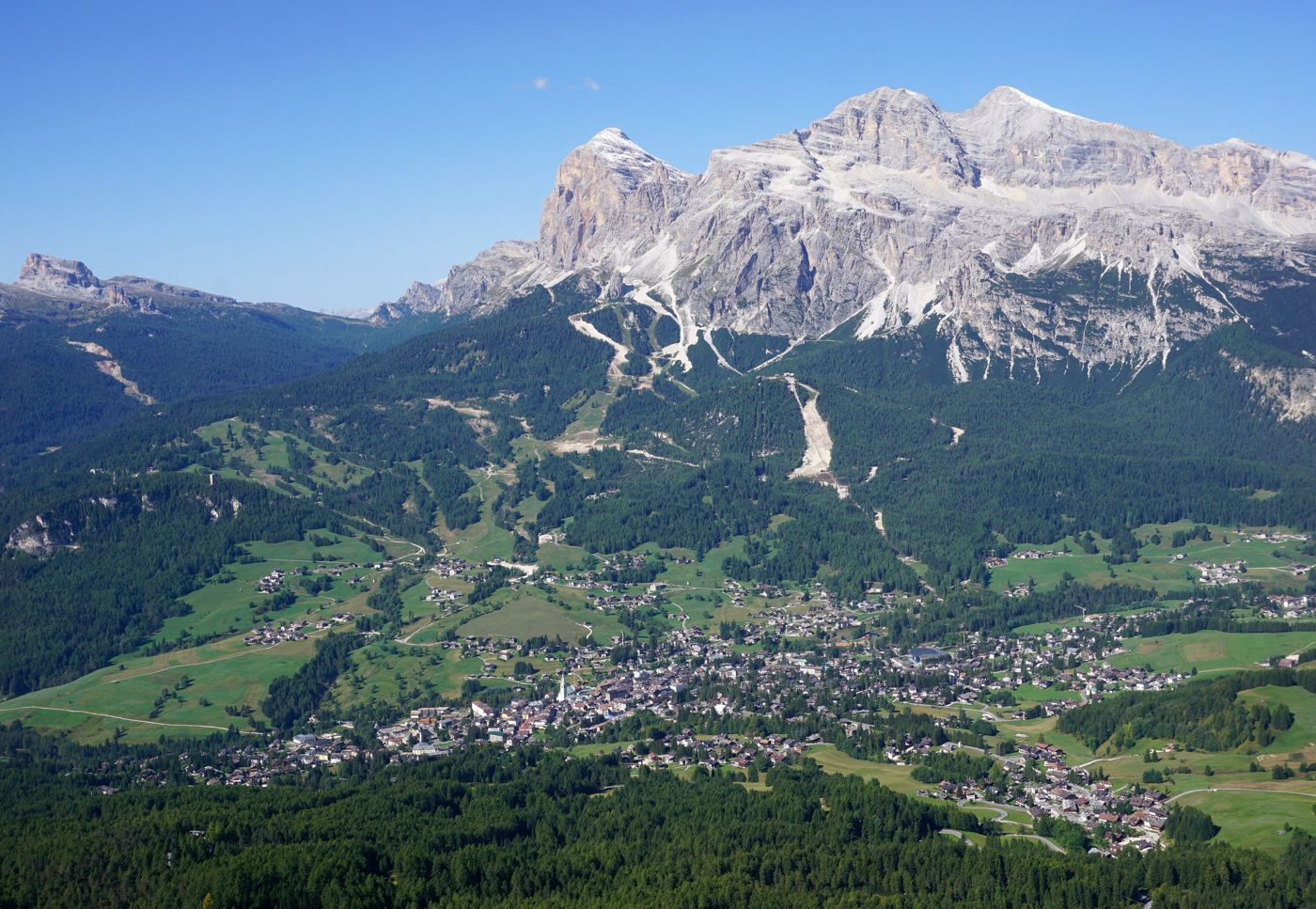
Dolomites
Northern Italy
The Dolomites or Pale Mountains are a mountain range in northeastern Italy. They form part of the Southern Limestone Alps and extend from the river Adige in the west to the Piave Valley in the east.
Did you know?
Pale limestone peaks that glow pink at sunset, a UNESCO World Heritage range.
 Volcanoes
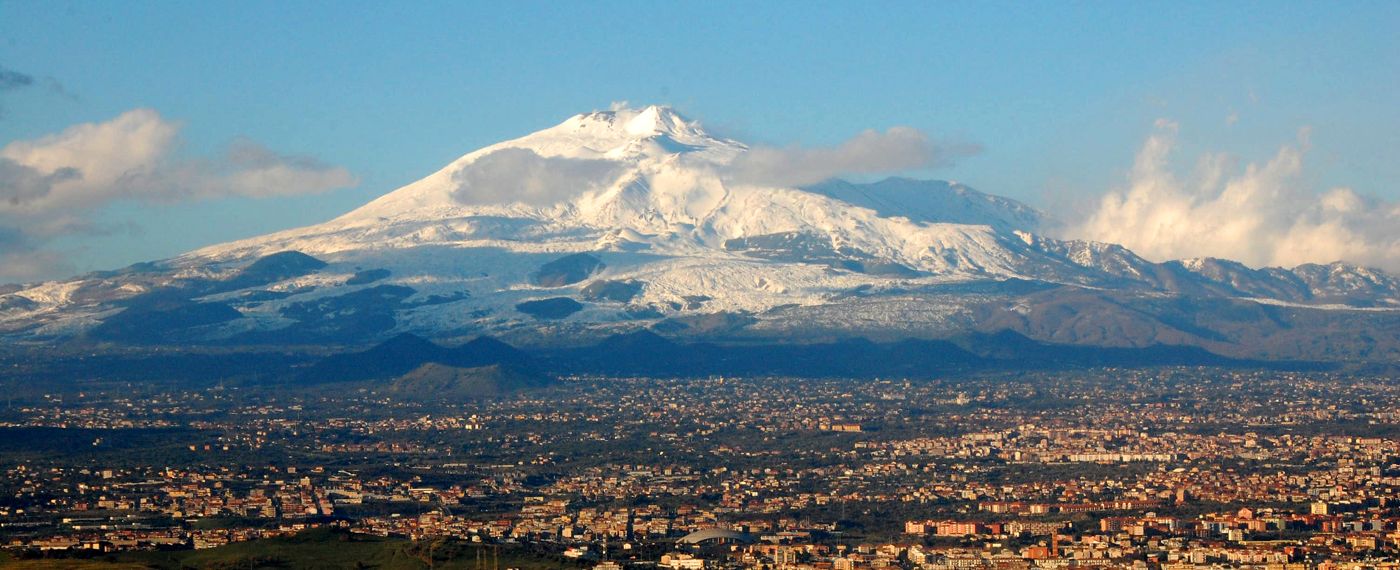
Mount Etna
Sicily
Mount Etna, or simply Etna, is an active stratovolcano on the east coast of Sicily, Italy, in the Metropolitan City of Catania, between the cities of Messina and Catania. It is located above the convergent plate margin between the African Plate and the Eurasian Plate.
Did you know?
Europe's most active volcano and one of the tallest in the world.
 Coasts
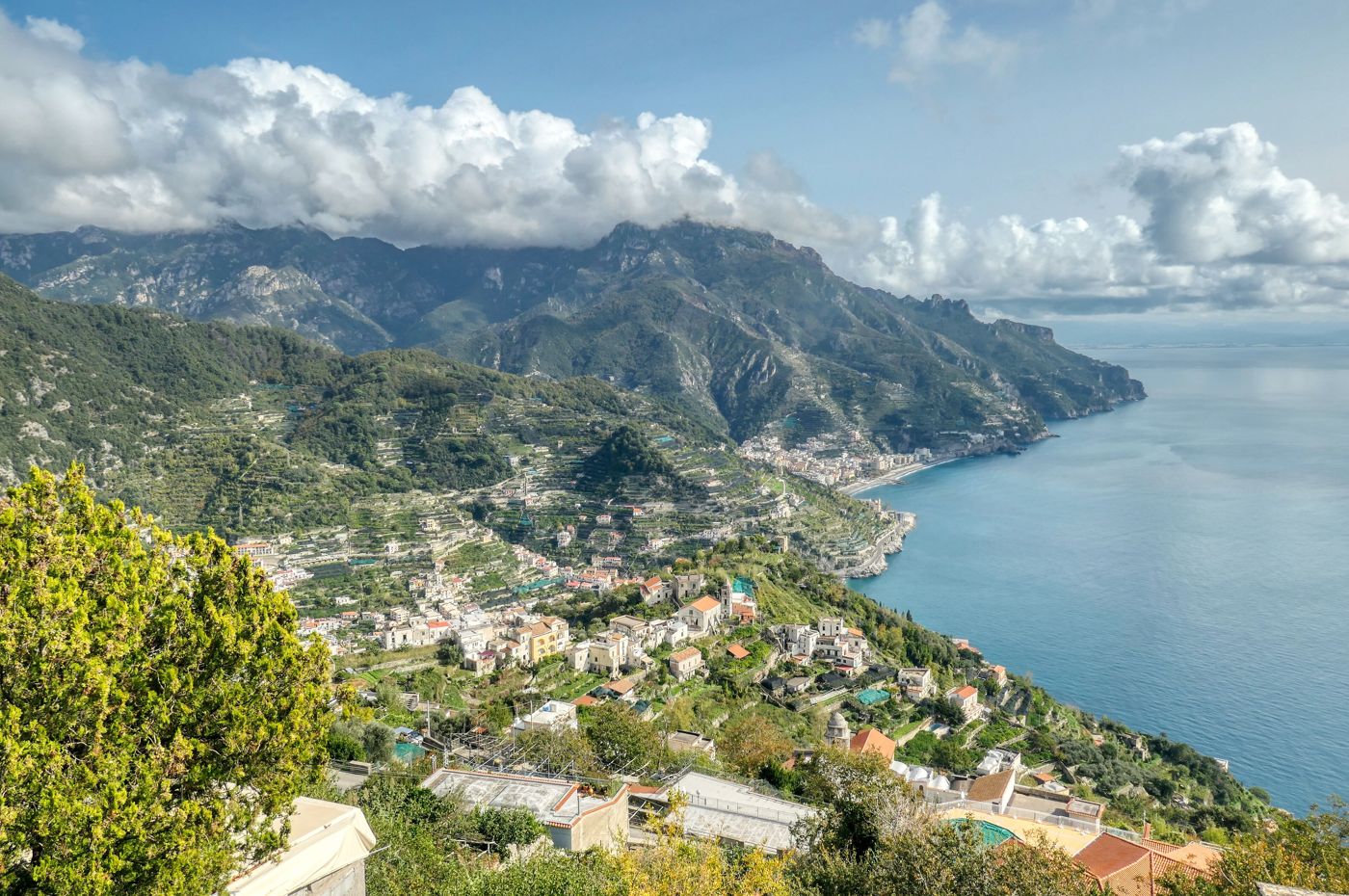
Amalfi Coast
Campania
The Amalfi Coast is a stretch of coastline overlooking the Tyrrhenian Sea and the Gulf of Salerno. It is located in the Province of Salerno, in the Campania region of southern Italy, south of the Sorrentine Peninsula and north of the Cilentan Coast.
Did you know?
A ribbon of cliffs and pastel villages above the Tyrrhenian Sea.
 Lakes
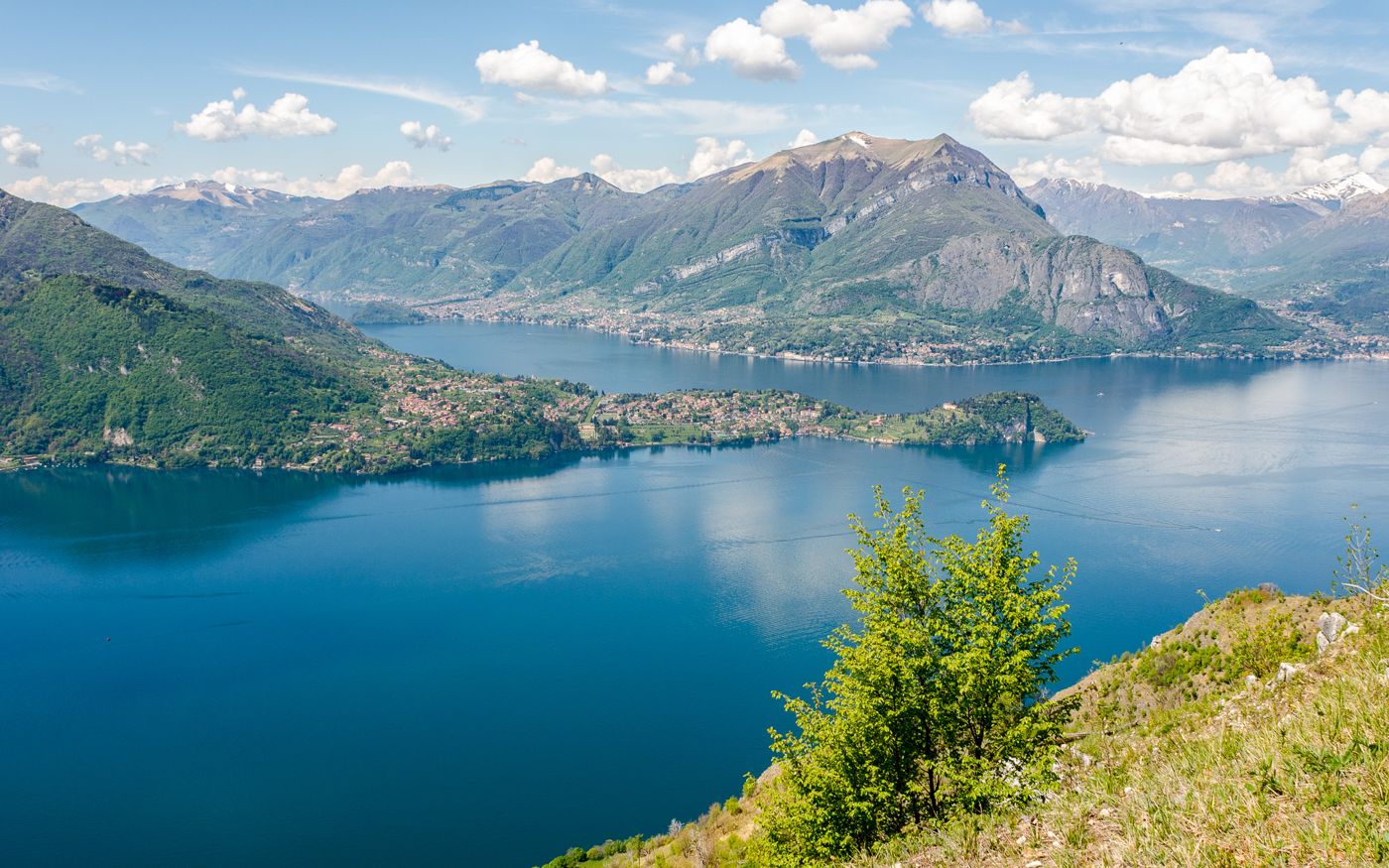
Lake Como
Lombardy
Lake Como, also known as Lario, is a lake of glacial origin in Lombardy, Italy. It has an area of 146 km2 (56 sq mi), making it the third-largest lake in Italy, after Lake Garda and Lake Maggiore.
Did you know?
A glacial lake of deep-blue arms ringed by mountains and villas.
 Volcanoes
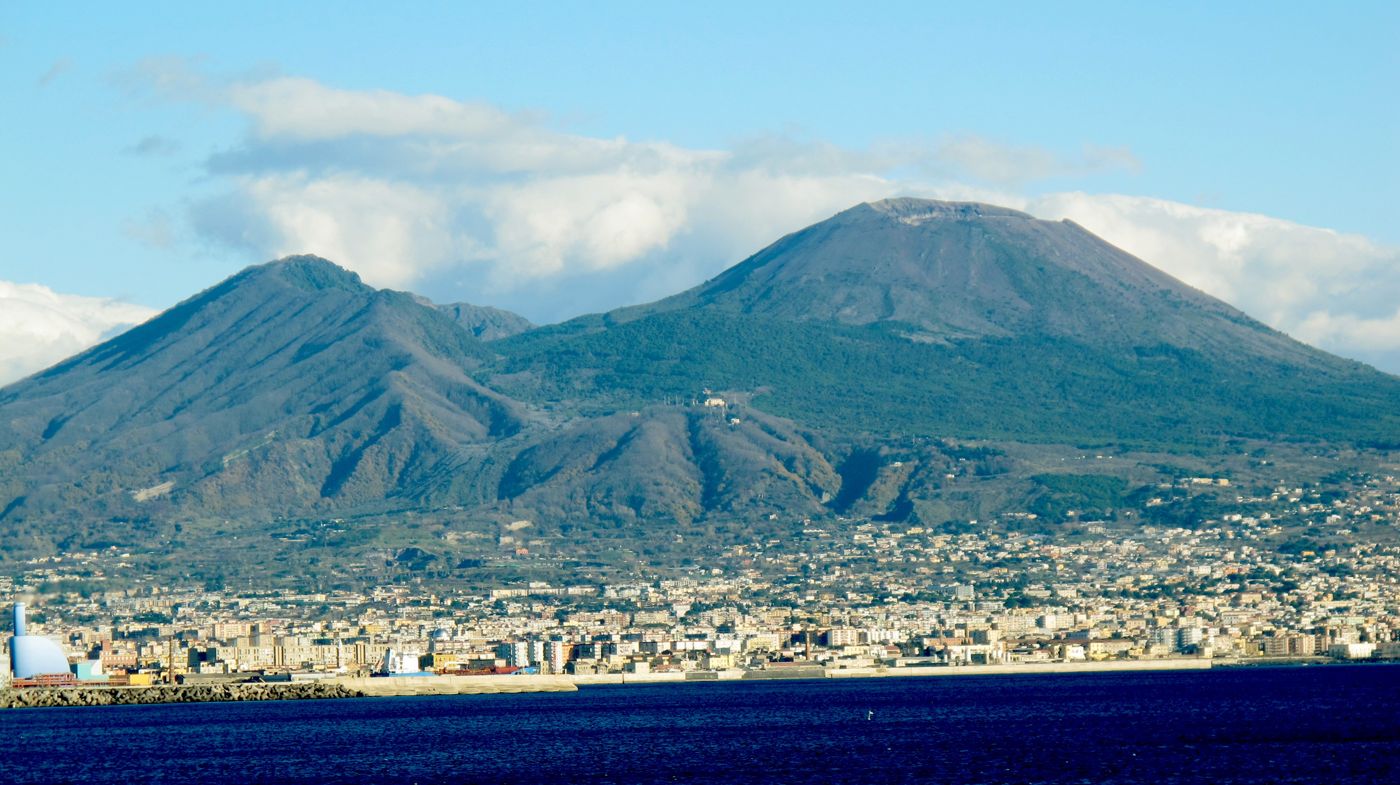
Mount Vesuvius
near Naples
Mount Vesuvius is a somma–stratovolcano located on the Gulf of Naples in Campania, Italy, about 9 km (5.6 mi) east of Naples and a short distance from the shore. It is one of several volcanoes forming the Campanian volcanic arc.
Did you know?
The volcano whose AD 79 eruption buried Pompeii and Herculaneum.
 Caves
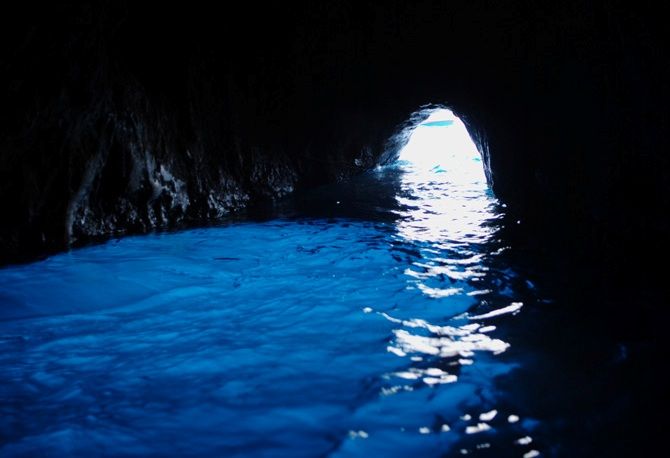
Blue Grotto
Capri
The Blue Grotto is a sea cave on the coast of the island of Capri, southern Italy. Sunlight shining through an underwater cavity is reflected back upward through the seawater below the cavern, giving the water a blue glow that illuminates the cavern.
Did you know?
A sea cave where sunlight turns the water an electric blue.
 Coasts
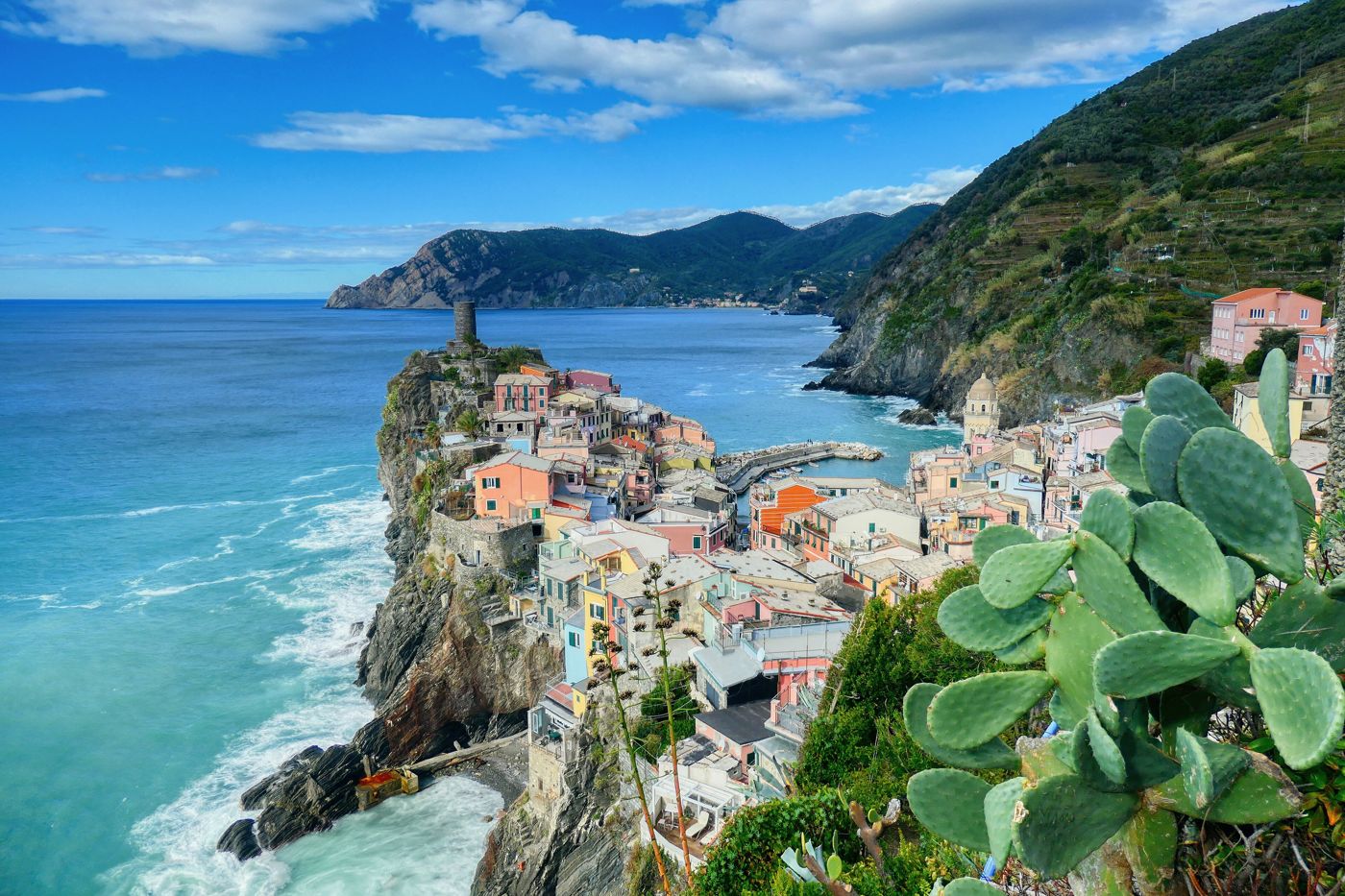
Cinque Terre
Liguria
The Cinque Terre is a coastal area within Liguria, in the northwest of Italy. It lies in the west of La Spezia Province, and comprises five villages: Monterosso al Mare, Vernazza, Corniglia, Manarola and Riomaggiore.
Did you know?
Five cliffside villages linked by terraced slopes above the sea.
 Mountains
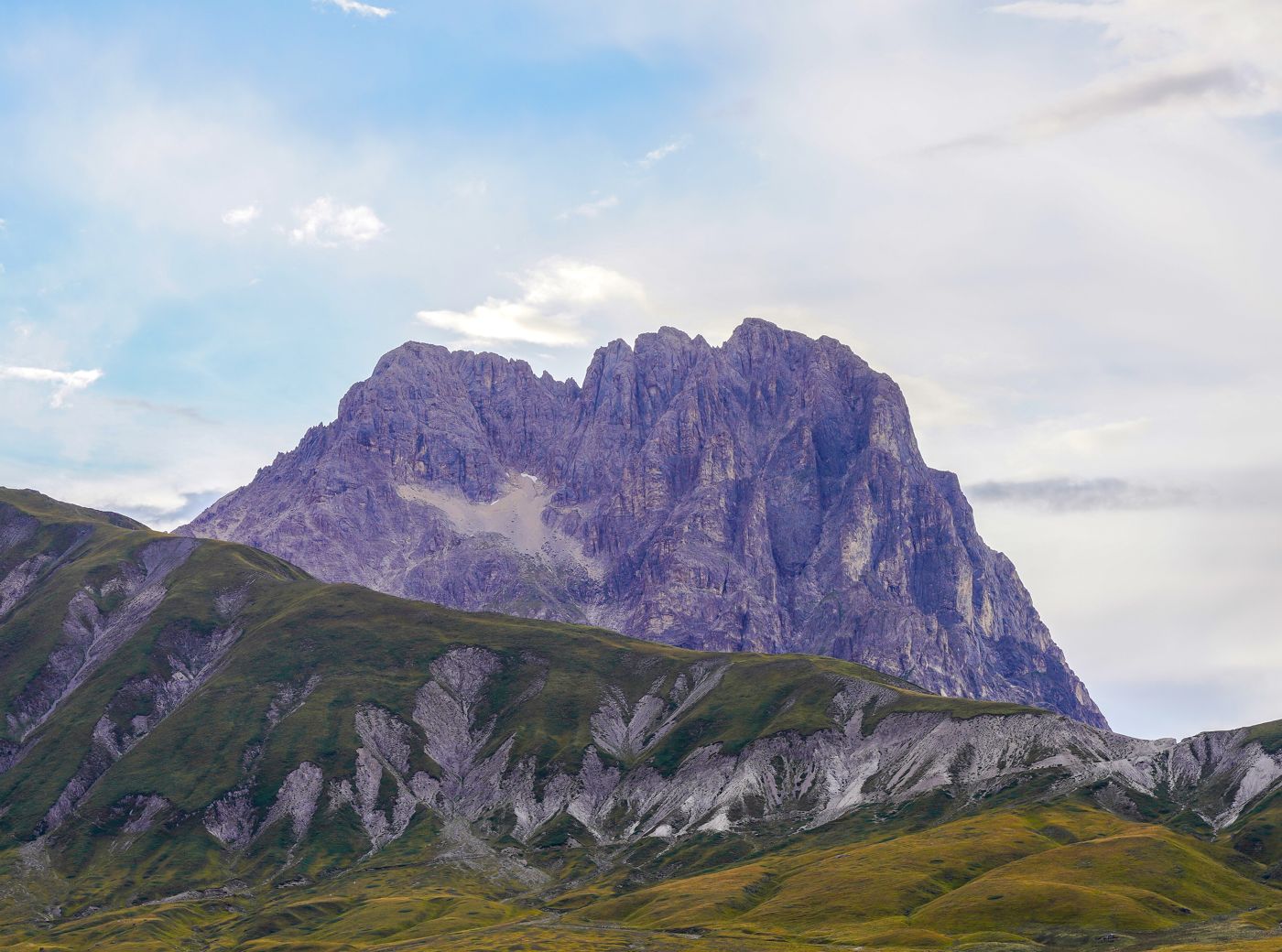
Gran Sasso
Abruzzo
Gran Sasso d'Italia is a massif in the Apennine Mountains of Italy. Its highest peak, Corno Grande 2,912 metres (9,554 ft), is the highest mountain in the Apennines, and the second-highest mountain in Italy outside the Alps.
Did you know?
The highest massif of the Apennines, home to Europe's southernmost glacier.
 Lakes
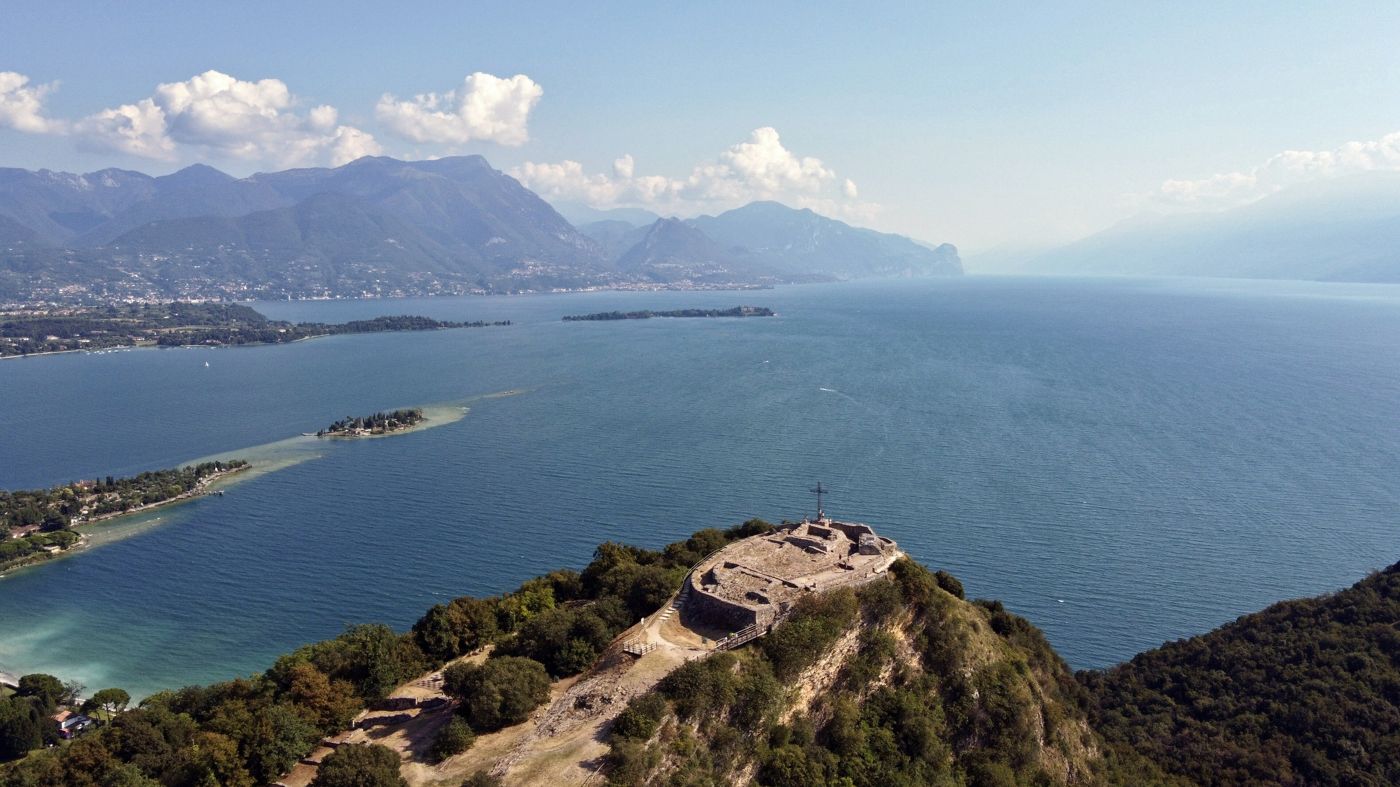
Lake Garda
Northern Italy
Lake Garda is the largest lake in Italy. It is a popular holiday location in northern Italy, between Brescia and Milan to the west, and Verona and Venice to the east.
Did you know?
Italy's largest lake, carved by Ice Age glaciers.
 Mountains
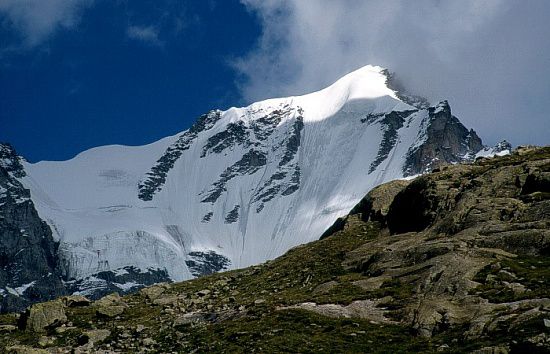
Gran Paradiso
Graian Alps
The Gran Paradiso or Grand Paradis is a mountain in the Graian Alps in Italy, located between the Aosta Valley and Piedmont regions. It is located in Gran Paradiso National Park.
Did you know?
The highest peak entirely within Italy, heart of its oldest national park.