Western Asia
Israel
The top 5 natural landmarks of Israel — real photos, locations and fascinating facts for every wonder.
 Asia
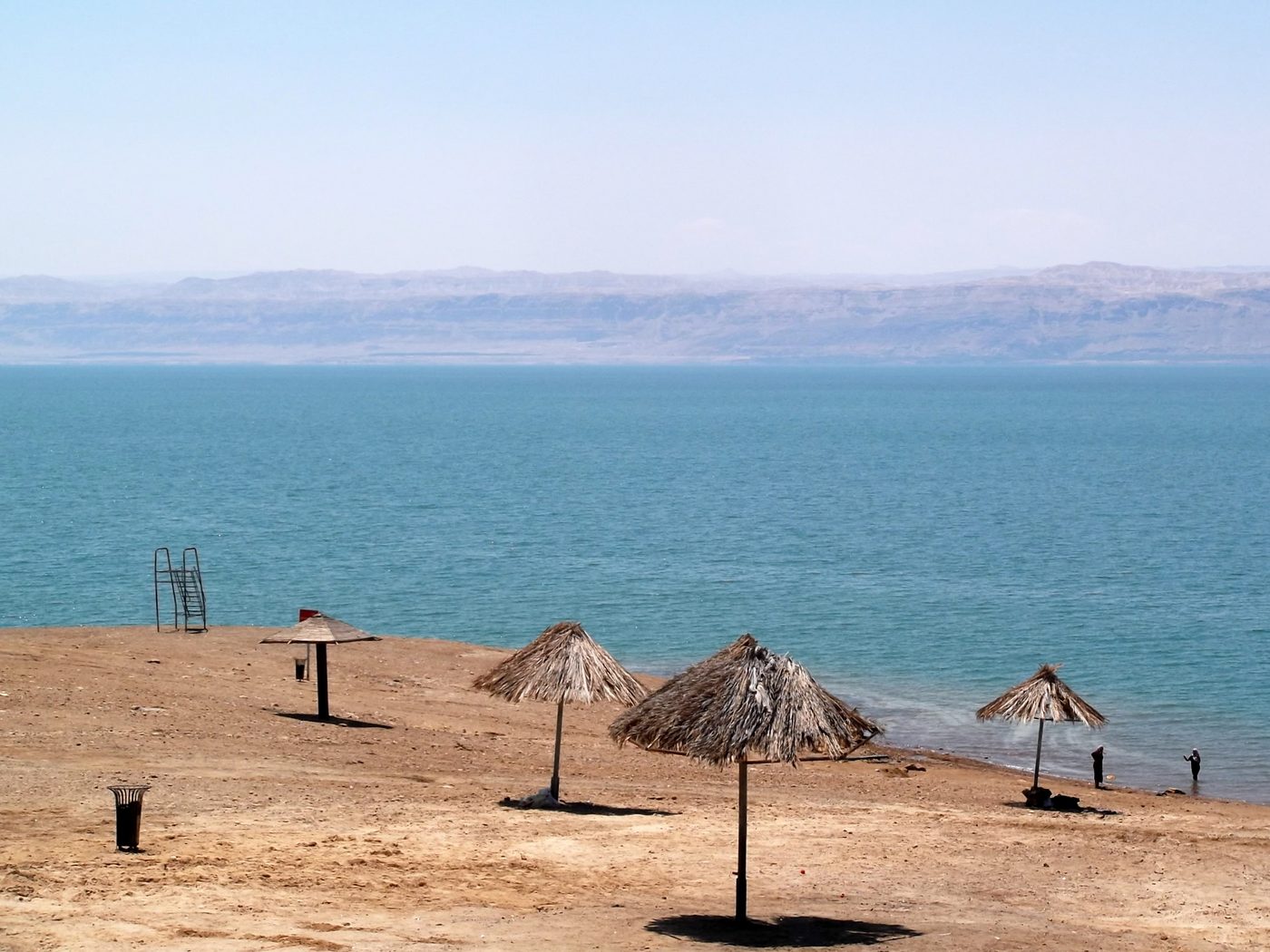 Lakes
Dead Sea
Judean Desert
The Dead Sea (Arabic: اَلْبَحْر الْمَيِّت, romanized: al-Baḥr al-Mayyit; or اَلْبَحْر الْمَيْت, al-Baḥr al-Mayt; Hebrew: יַם הַמֶּלַח, romanized: Yam hamMelaḥ), also known by other names, is a landlocked salt lake bordered by Jordan to the east, the West Bank to the west and Israel to the southwest.
Did you know?
The lowest point on land, so salty that bathers float effortlessly.
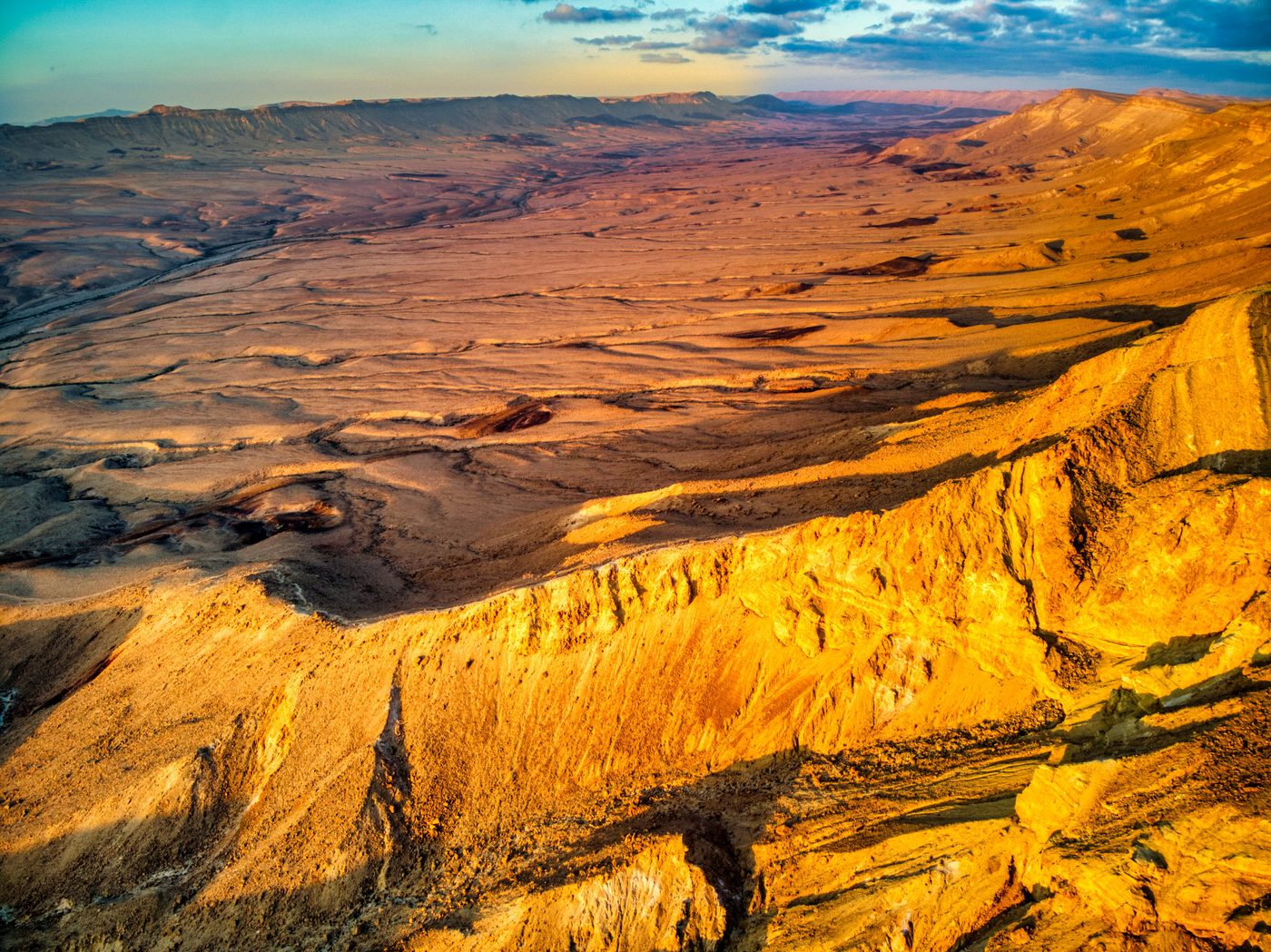 Canyons
Makhtesh Ramon
Negev
Makhtesh Ramon (Hebrew: מכתש רמון; lit. Ramon Crater/Makhtesh; Arabic: وادي الرمان; lit. The Ruman Wadi) is a geological feature of Israel's Negev desert.
Did you know?
A vast erosion crater 40 km long, unique to the Negev desert.
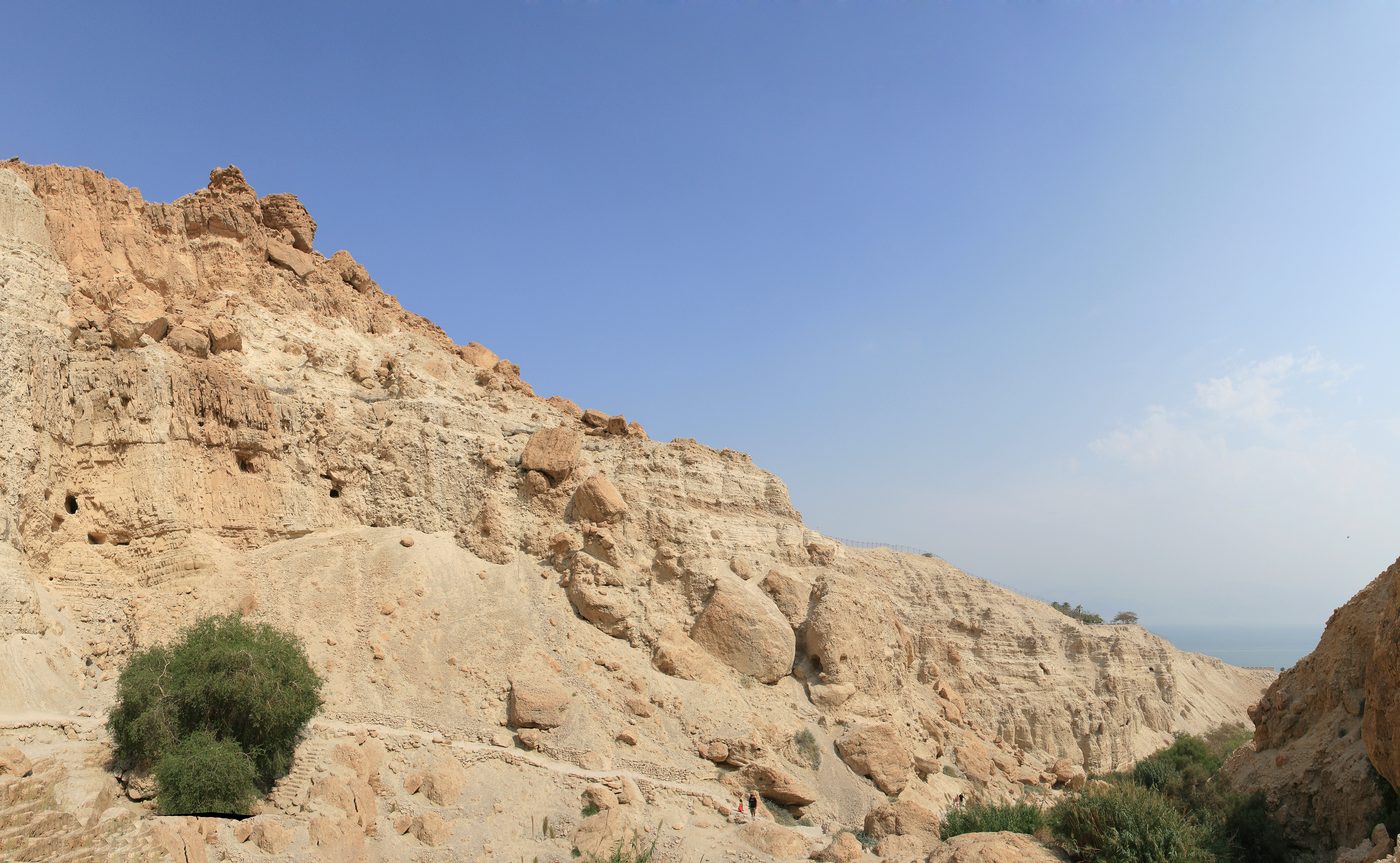 Waterfalls
Ein Gedi
Judean Desert
Ein Gedi (Hebrew: עין גדי) may refer to the following:
Did you know?
A desert oasis of springs and waterfalls above the Dead Sea.
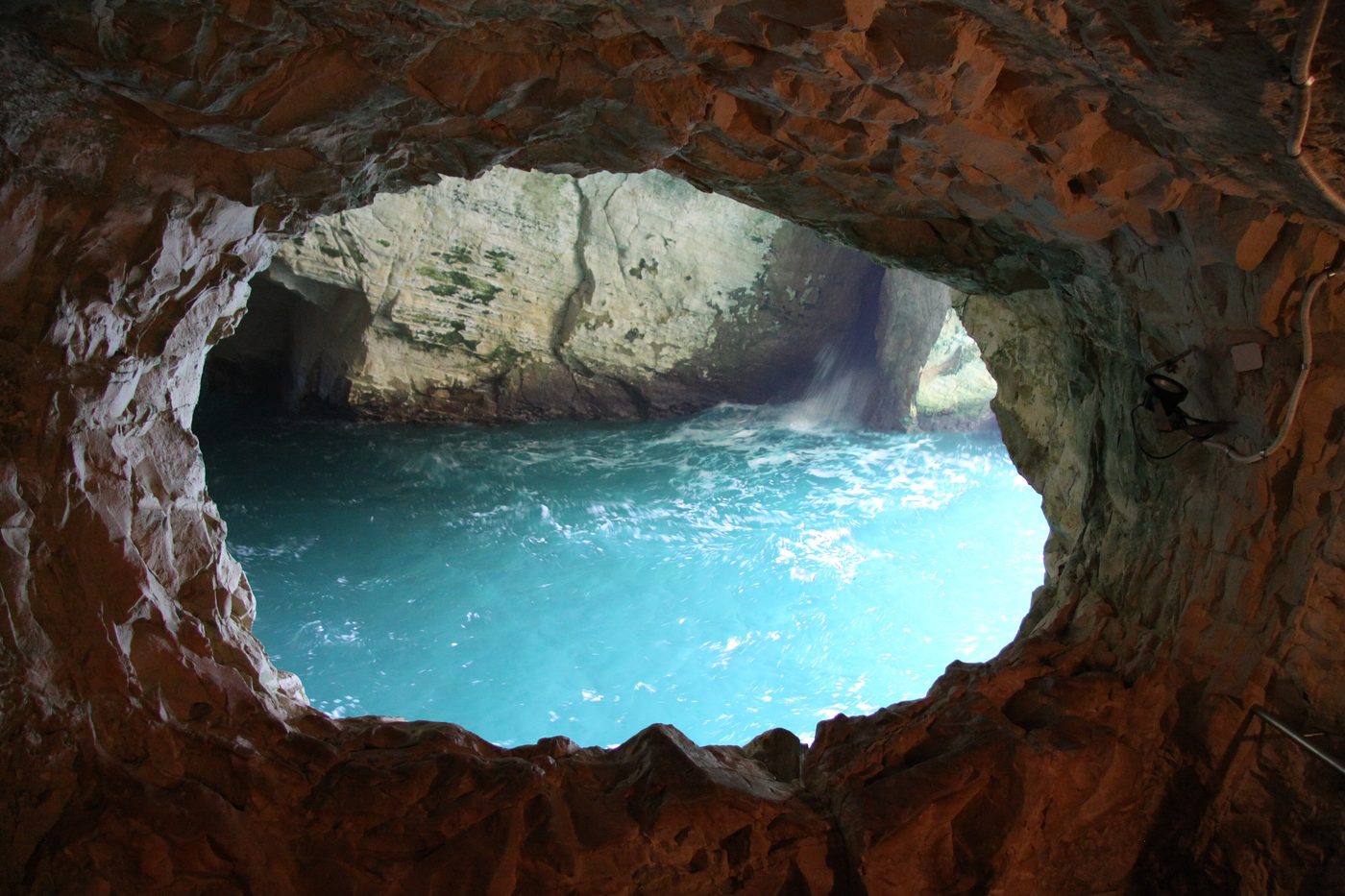 Caves
Rosh Hanikra
Western Galilee
Rosh HaNikra or Hanikra (Hebrew: ראש הנקרה, lit. 'head of the cavern'; Arabic: رأس الناقورة, romanized: Rās an-Naqūrah) is a geologic formation in northwest Israel on the border with Lebanon, located on the coast of the Mediterranean Sea, in the Western Galilee.
Did you know?
Sea-carved chalk grottoes glowing blue on the Mediterranean coast.
 Mountains
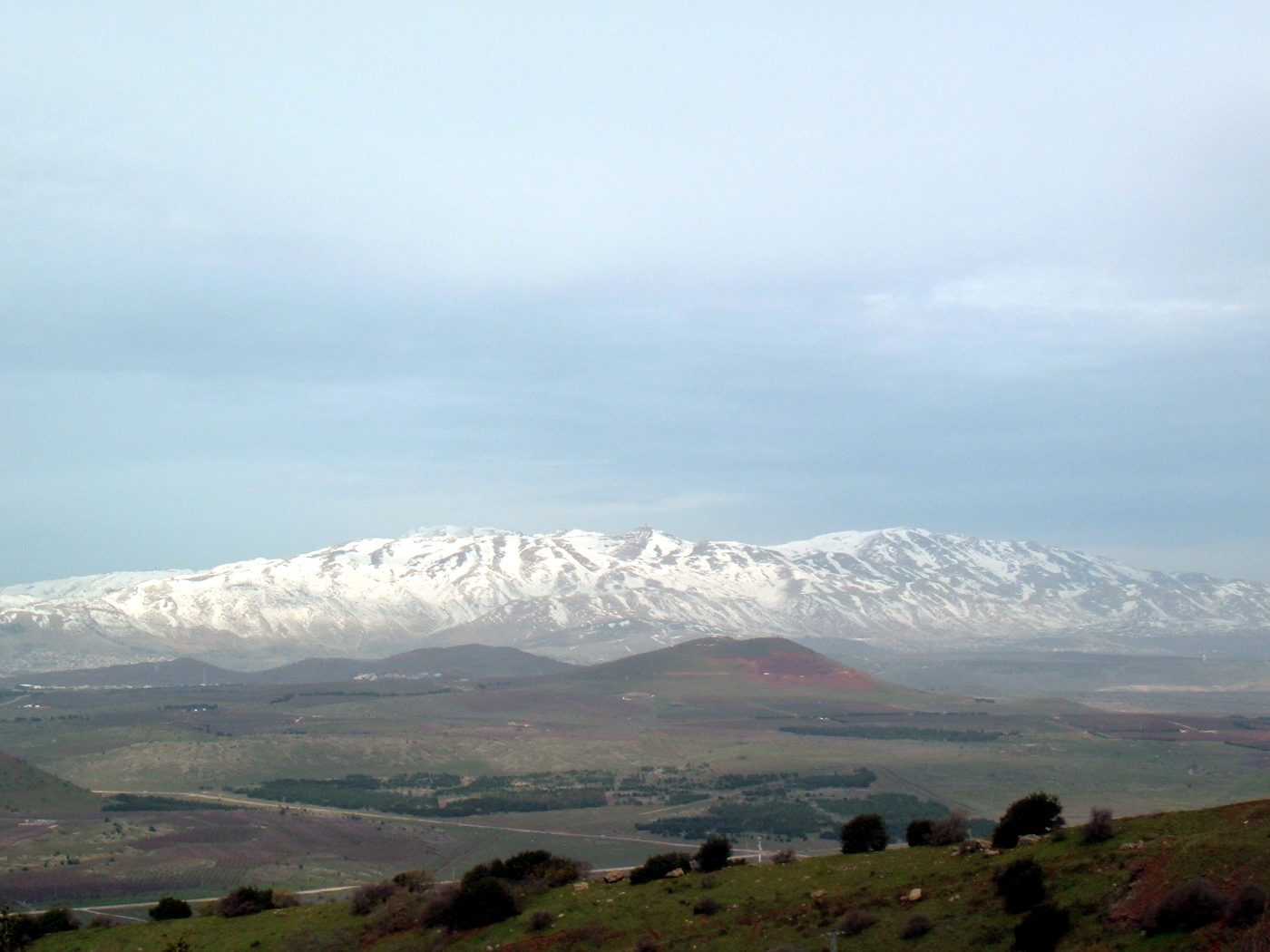
Mount Hermon
Golan Heights
Mount Hermon () is a mountain cluster constituting the southern end of the Anti-Lebanon Mountains. Its summit straddles the border between Syria and Lebanon and at the elevation of 2,814 m (9,232 ft), is the highest point in Syria and the Israeli-occupied Golan Heights.
Did you know?
Israel's highest peak, snow-capped for much of the winter.