Northern Europe
Iceland
The top 5 natural landmarks of Iceland — real photos, locations and fascinating facts for every wonder.
 Europe
 Waterfalls
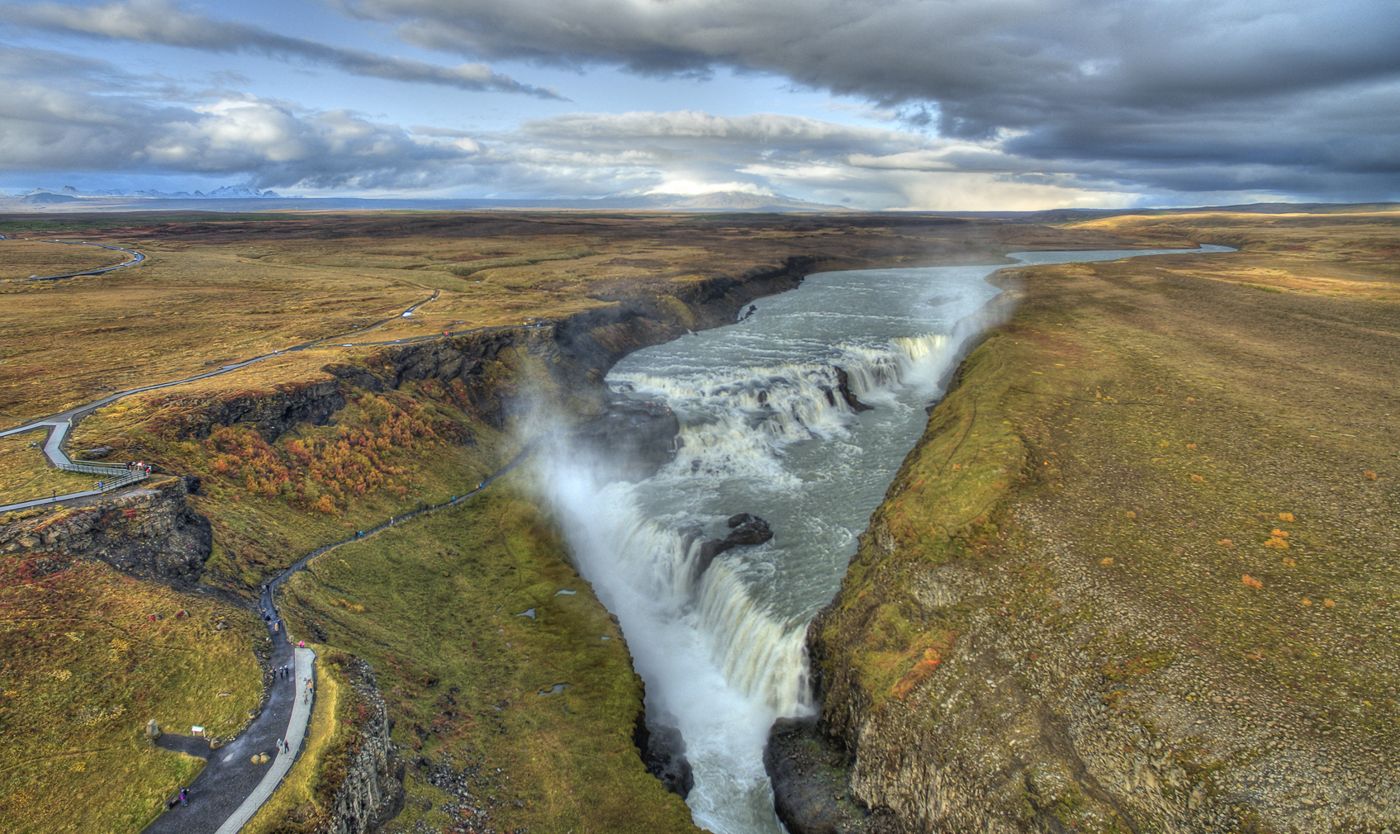
Gullfoss
Southwest Iceland
Gullfoss is a waterfall located in the canyon of the Hvítá river in southwest Iceland, between the municipalities of Bláskógabyggð and Hrunamannahreppur. It is one of the most popular tourist attractions in the country, and is included in "Golden Circle" tours of the countryside near Reykjavík.
Did you know?
A two-tiered 'golden falls' plunging into a rugged canyon.
 Geothermal
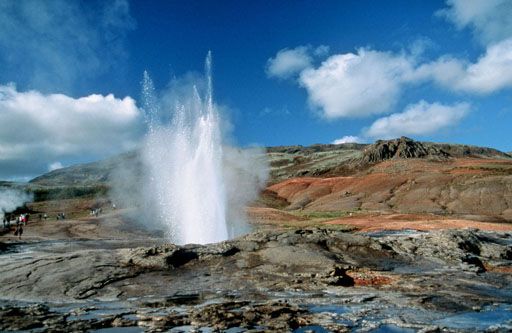
Geysir & Strokkur
Haukadalur
Geysir, sometimes known as The Great Geysir, is a geyser in south-western Iceland, that geological studies suggest started forming about 1150 CE. The English word geyser derives from Geysir.
Did you know?
The geothermal field that gave the world the word 'geyser'.
 Glaciers
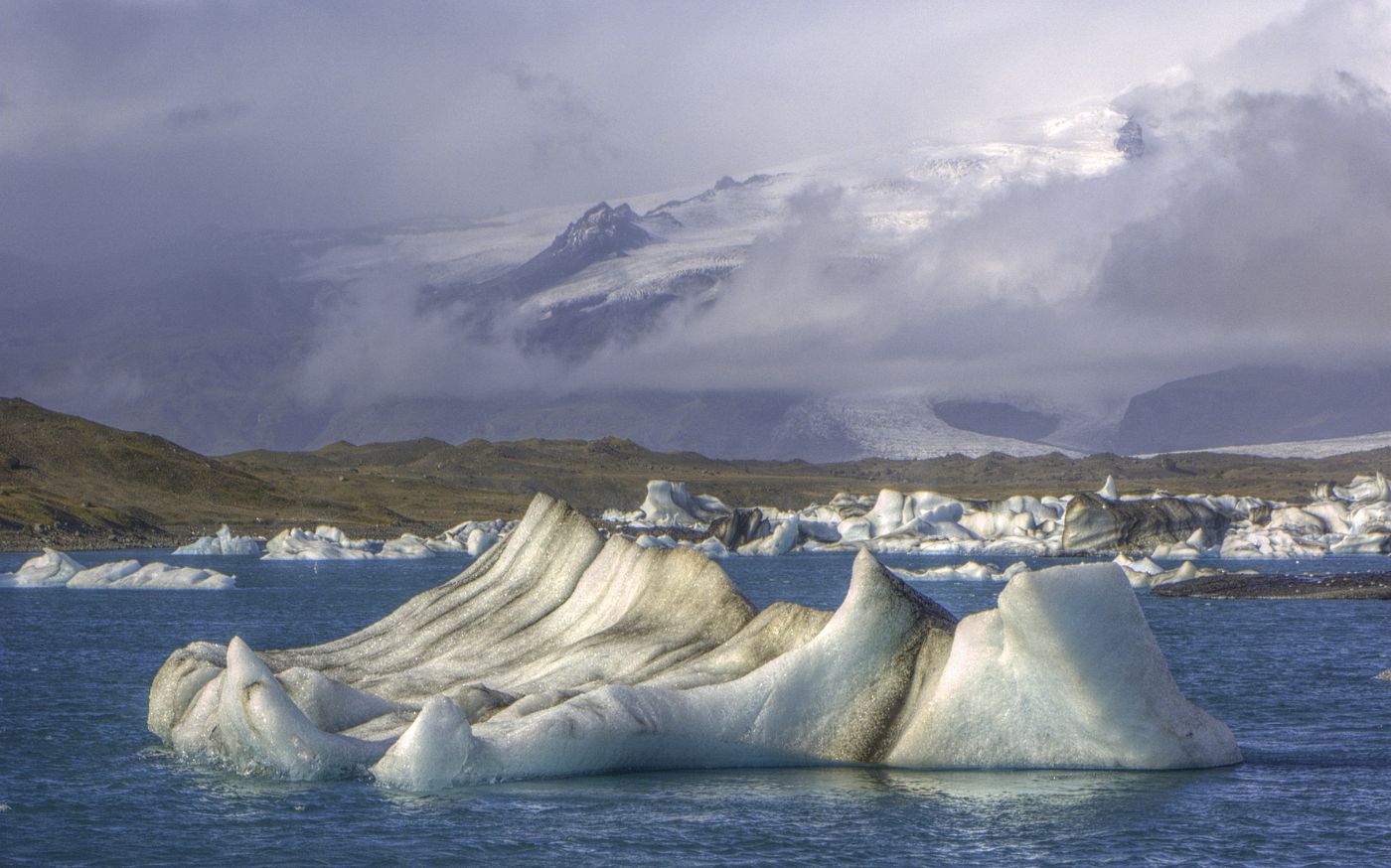
Jökulsárlón
Southeast Iceland
Jökulsárlón is a large glacial lake in southern part of Vatnajökull National Park, Iceland. Situated at the head of the Breiðamerkurjökull glacier, it developed into a lake after the glacier started receding in the late 19th century.
Did you know?
A lagoon where icebergs calve from a glacier and drift to the sea.
 Glaciers
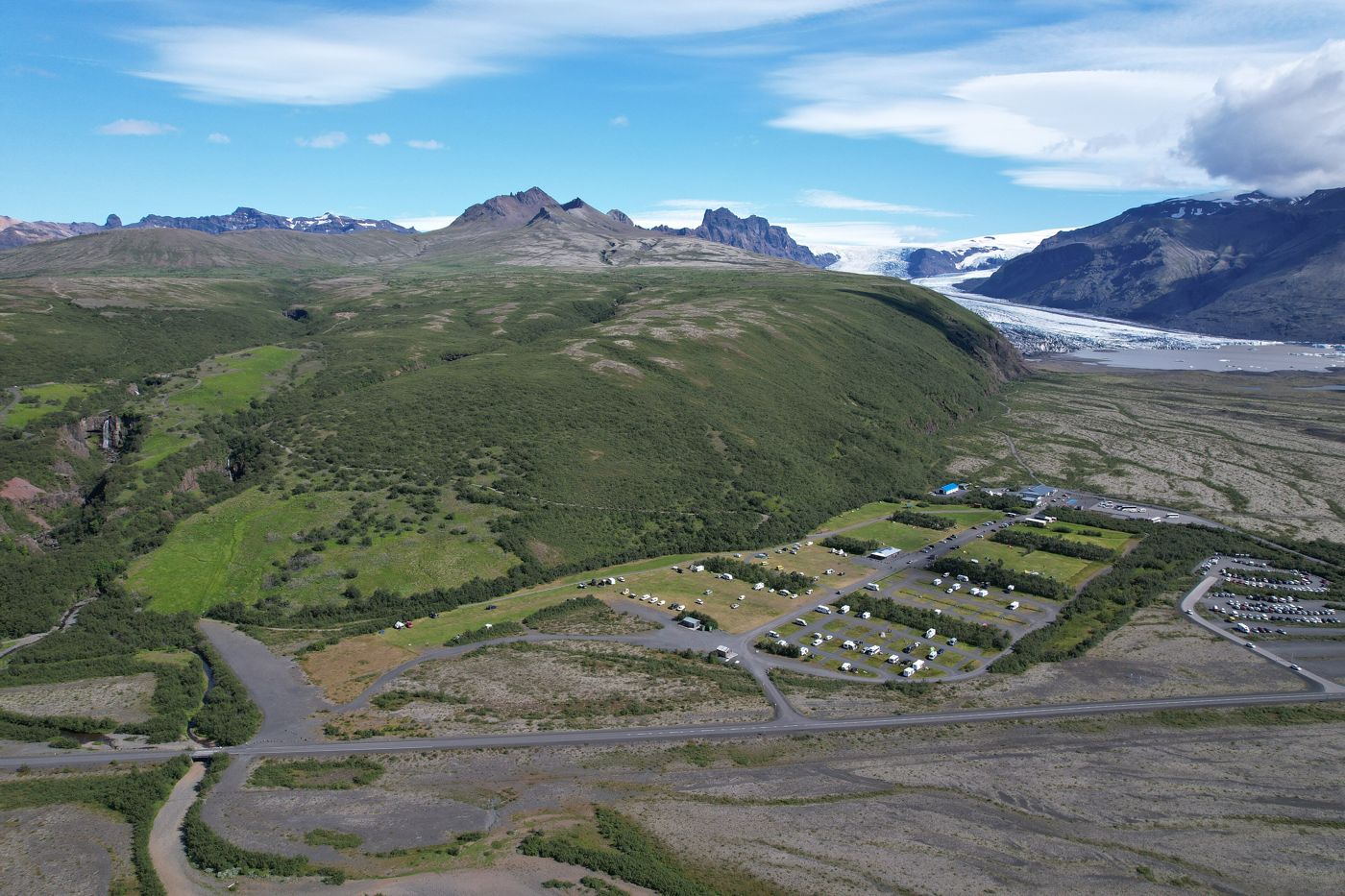
Vatnajökull
Southeast Iceland
Vatnajökull is the largest and most voluminous ice cap in Iceland, and the second largest in area in Europe after the Severny Island ice cap of Novaya Zemlya. It is in the south-east of the island, covering approximately 8% of the country.
Did you know?
Europe's largest ice cap, hiding volcanoes beneath the ice.
 Rocks
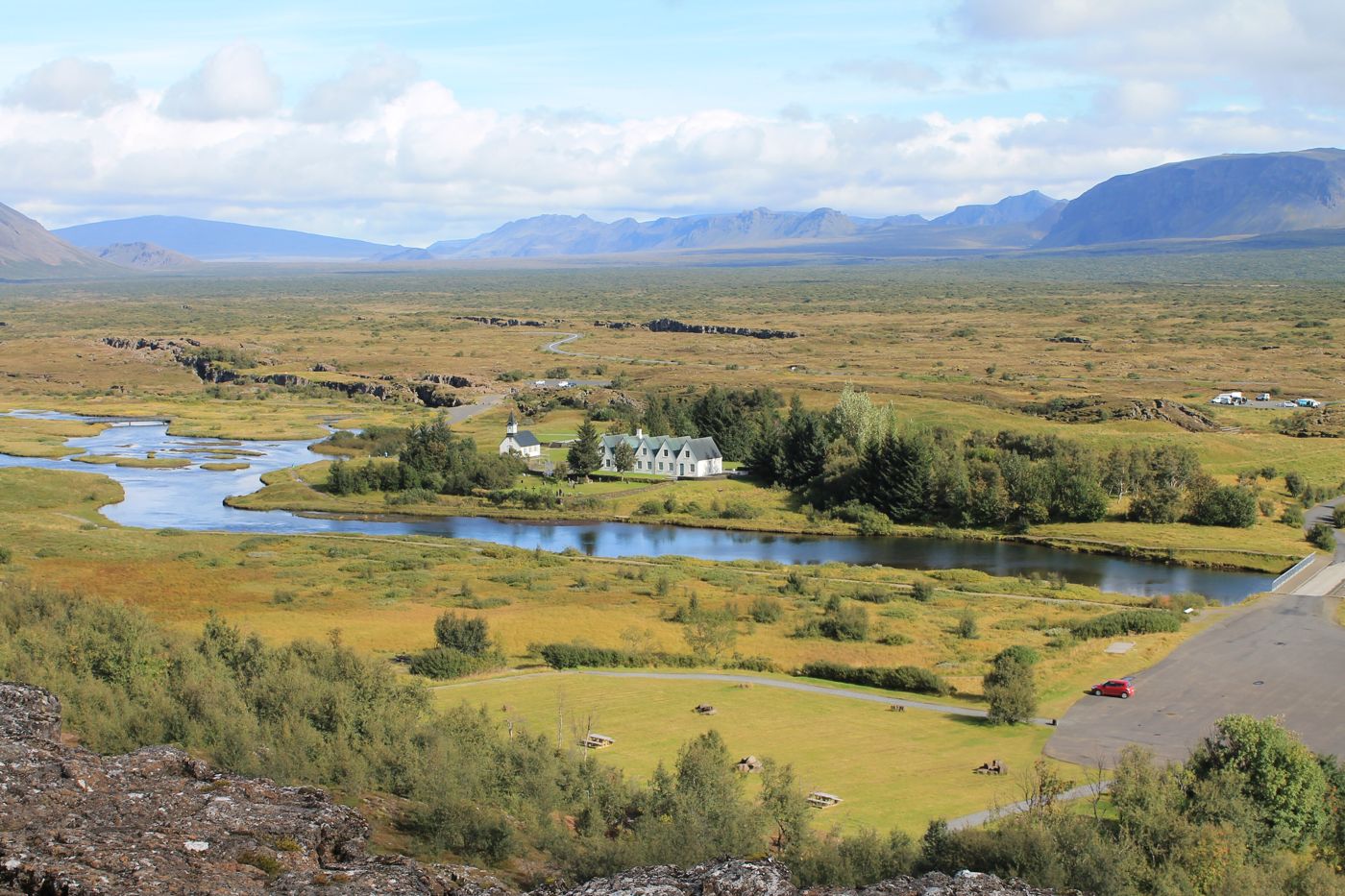
RocksThingvellir
Southwest Iceland
Þingvellir was the site of the Alþing, the annual parliament of Iceland from the year 930 until the last session held at Þingvellir in 1798. Since 1881, the parliament has been located within Alþingishúsið in Iceland's capital, Reykjavík.
Did you know?
A rift valley where the American and Eurasian plates pull apart.