Southern Asia
India
The top 10 natural landmarks of India — real photos, locations and fascinating facts for every wonder.
 Asia
Asia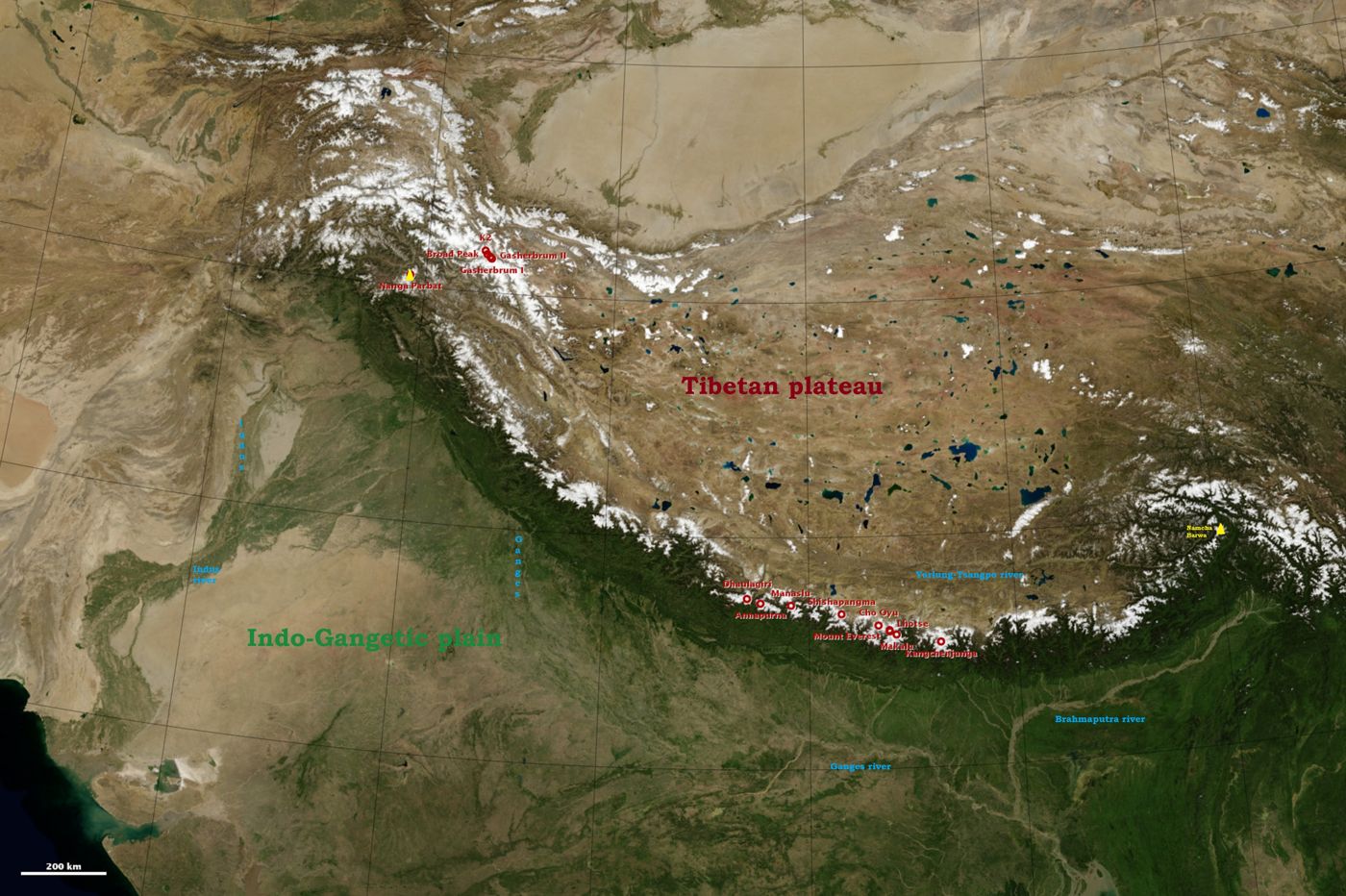 Mountains
Himalayas
Northern India
The Himalayas, or Himalaya, is a mountain range in Asia separating the plains of the Indian subcontinent from the Tibetan Plateau. The range has some of the highest peaks on Earth, including the highest, Mount Everest.
Did you know?
The highest mountain range on Earth, cradling countless sacred peaks.
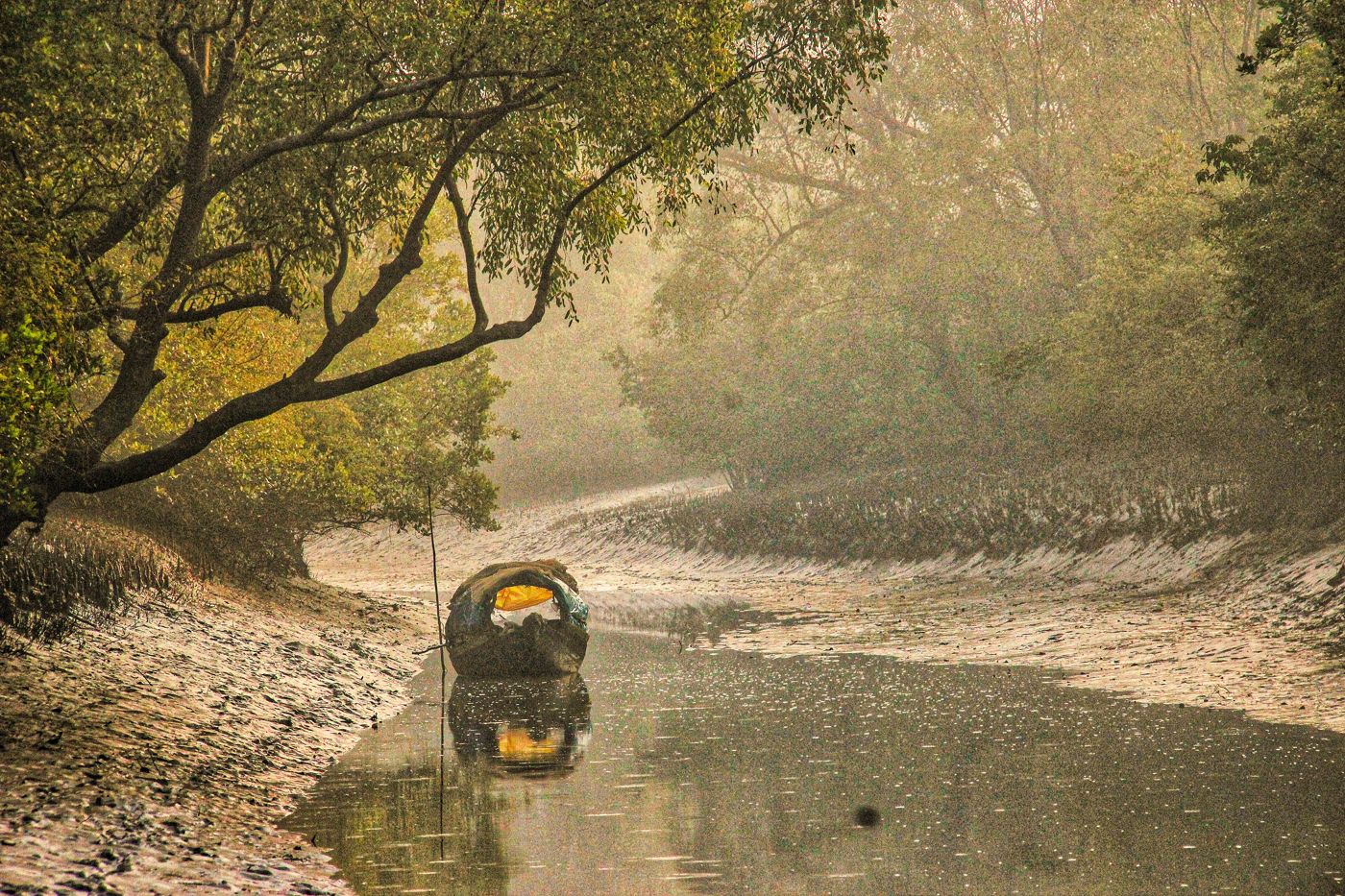 Wetlands
Sundarbans
West Bengal
Sundarbans is a mangrove forest area in the Ganges Delta formed by the confluence of the Ganges, Brahmaputra and Meghna Rivers in the Bay of Bengal. It spans the area from the Hooghly River in India's state of West Bengal to the Baleswar River in Bangladesh's Khulna Division.
Did you know?
The world's largest mangrove forest and home of the Bengal tiger.
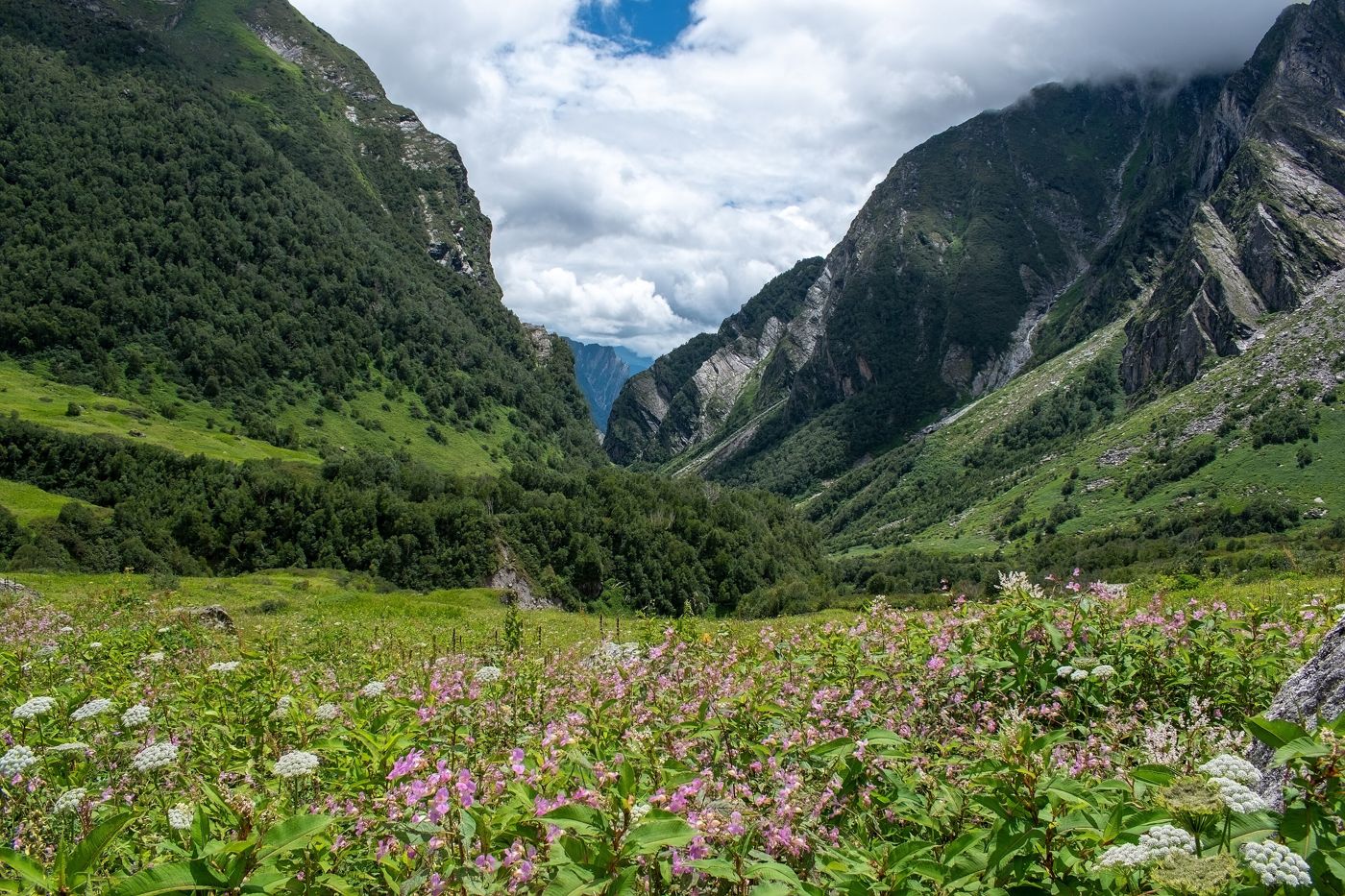 Forests
Valley of Flowers
Uttarakhand
Valley of Flowers National Park is an Indian national park which was established in 1982. It is located in Chamoli in the state of Uttarakhand and is known for its meadows of endemic alpine flowers and the variety of flora.
Did you know?
An alpine meadow that erupts into carpets of wildflowers each monsoon.
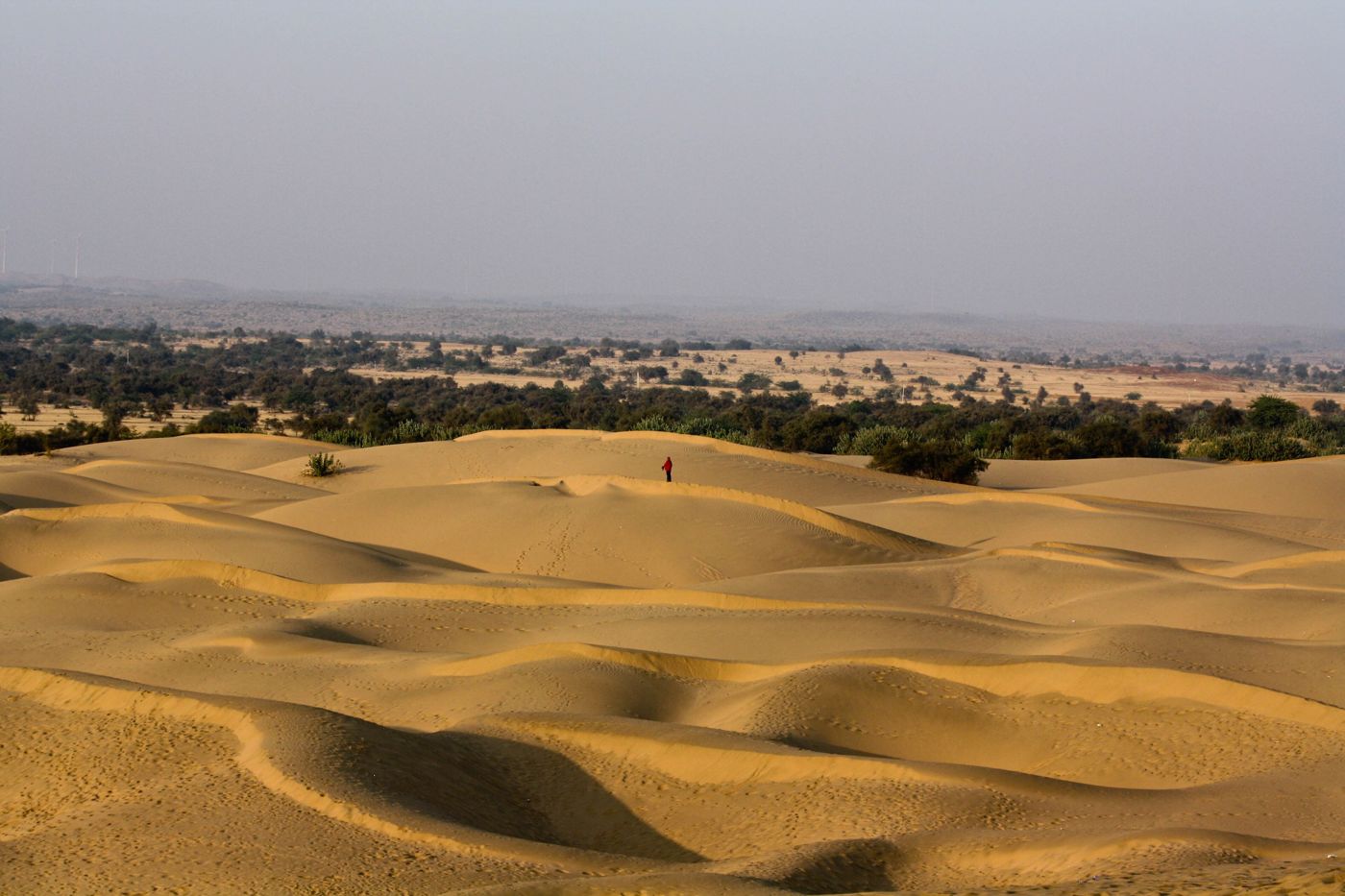 Deserts
Thar Desert
Rajasthan
The Thar Desert, also known as the Great Indian Desert, is an arid region in the north-western part of the Indian subcontinent stretching across India and Pakistan. Covering an area of 264,091 km2 (101,966 sq mi), it is one of the largest subtropical deserts in Asia by area.
Did you know?
A golden desert of dunes, camel caravans and fortress cities.
 Waterfalls
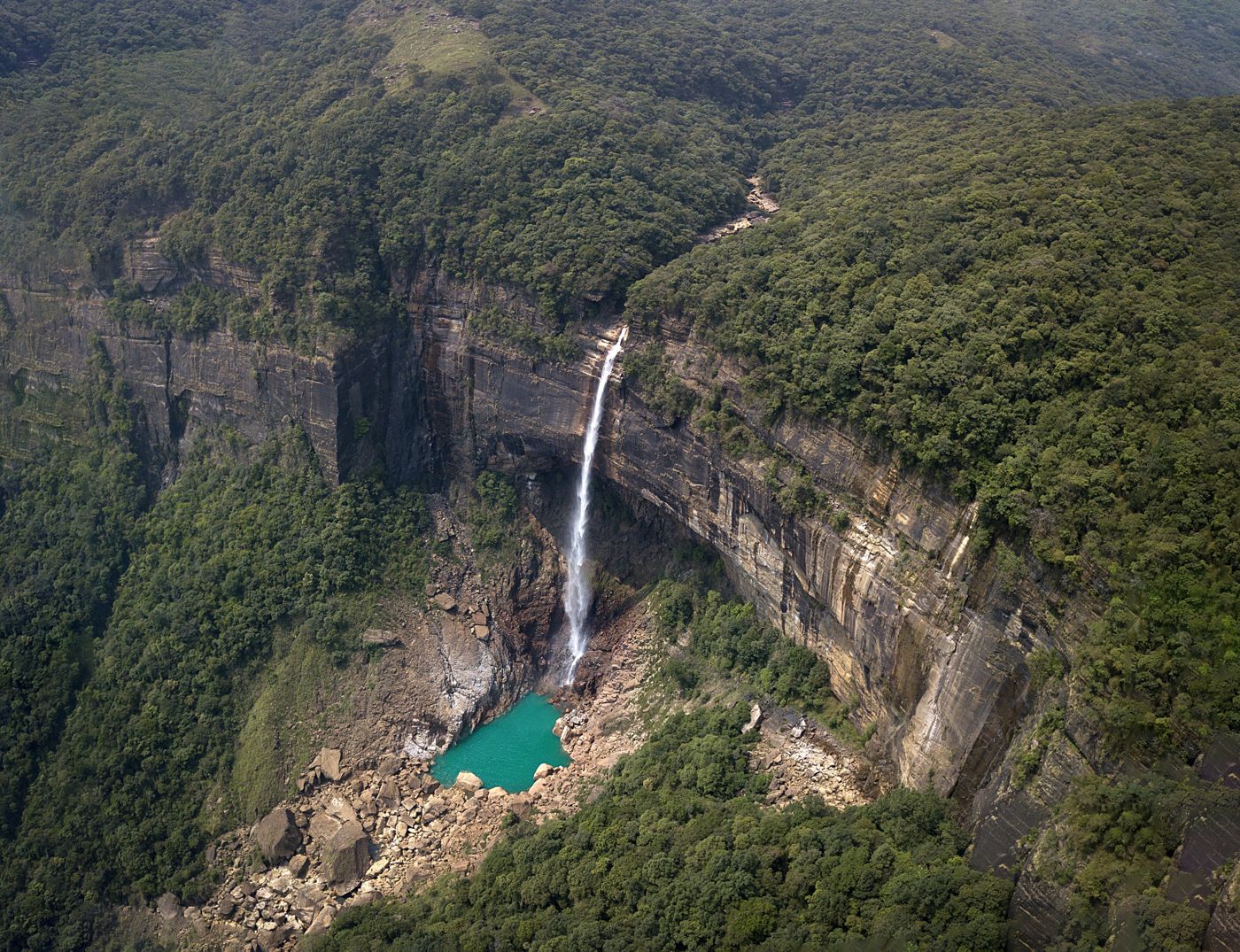
Nohkalikai Falls
Meghalaya
Nohkalikai Falls, sometimes Ka Likai, is the tallest plunge waterfall in India. The 340 metres (1,115 ft) waterfall is located in the Indian state of Meghalaya, near Cherapunji, one of the wettest places on Earth.
Did you know?
India's tallest plunge waterfall, in one of the wettest places on Earth.
 Lakes
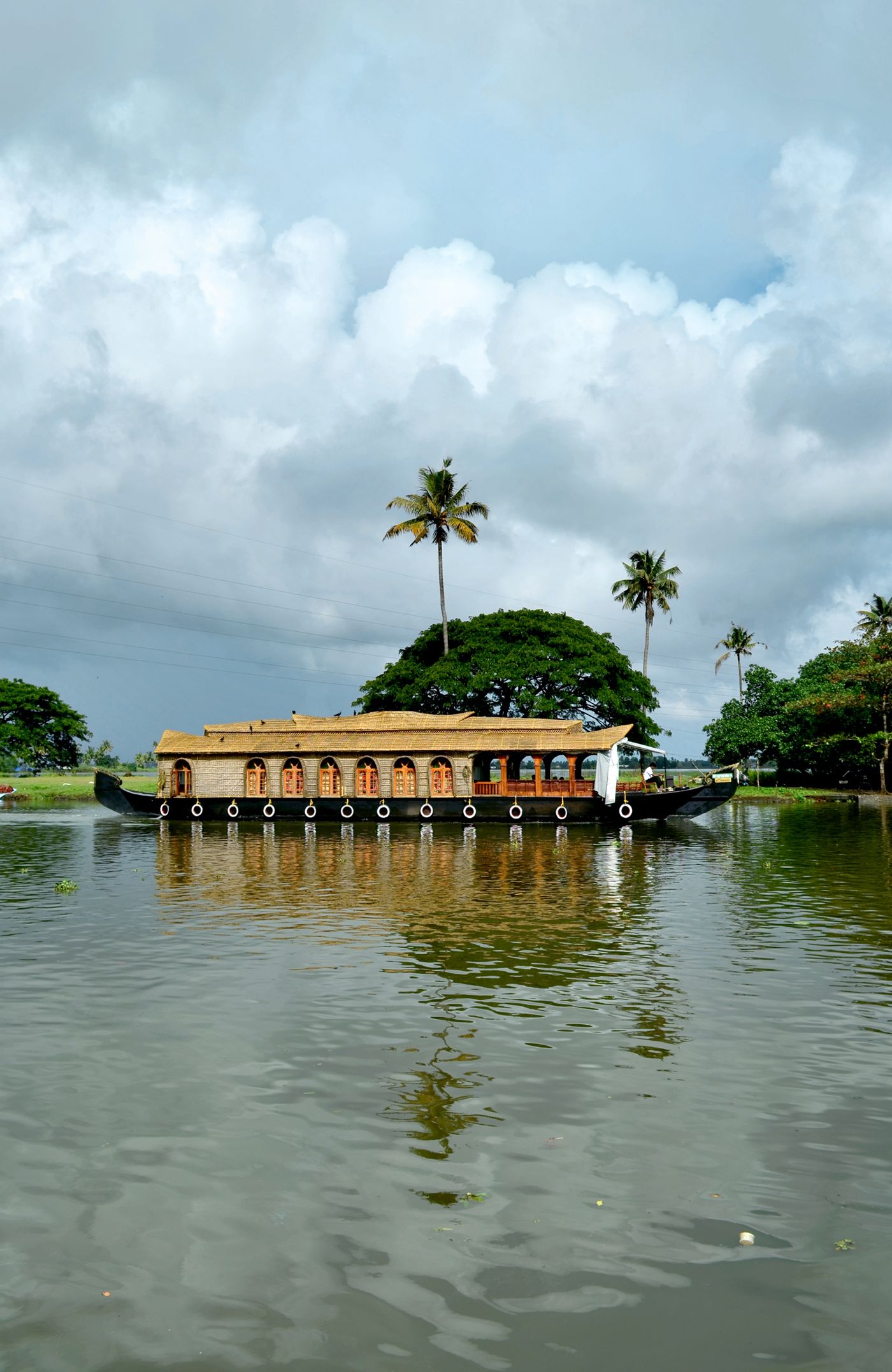
LakesBackwaters of Kerala
Kerala
The Kerala backwaters are a network of brackish lagoons and canals running parallel to the Arabian Sea along the Malabar Coast of Kerala, India. It also includes interconnected lakes, rivers, and inlets, a labyrinthine system formed by more than 900 km (560 mi) of waterways, and is sometimes compared to bayous.
Did you know?
A tranquil web of lagoons, lakes and palm-lined canals.
 Lakes
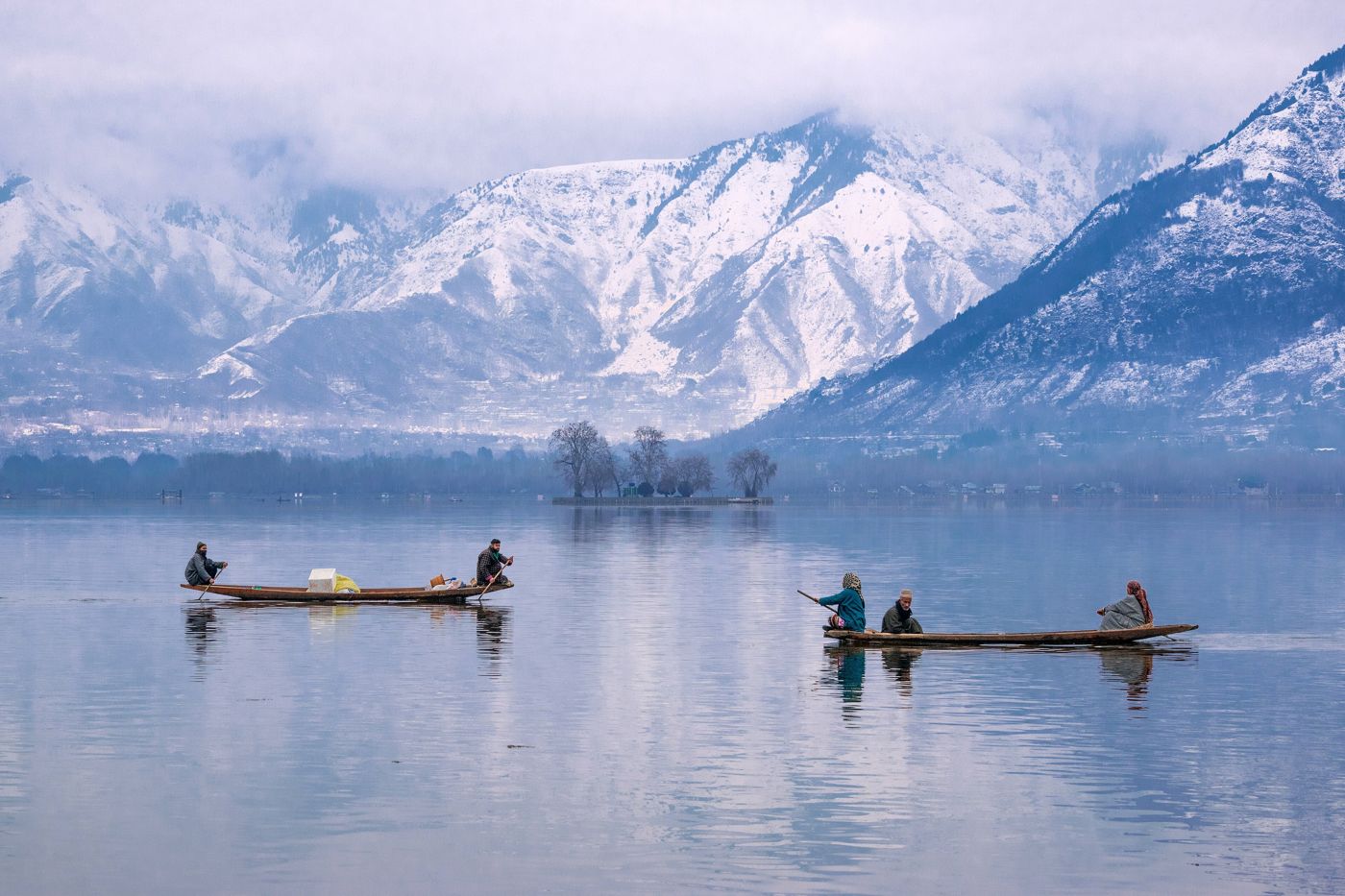
LakesDal Lake
Kashmir
Dal is a freshwater lake in Srinagar, the summer capital of Jammu and Kashmir in Indian-administered Kashmir. It is an urban lake, the second largest lake in Jammu and Kashmir, and the most visited place in Srinagar by tourists and locals.
Did you know?
A Himalayan lake famous for houseboats and floating gardens.
 Mountains
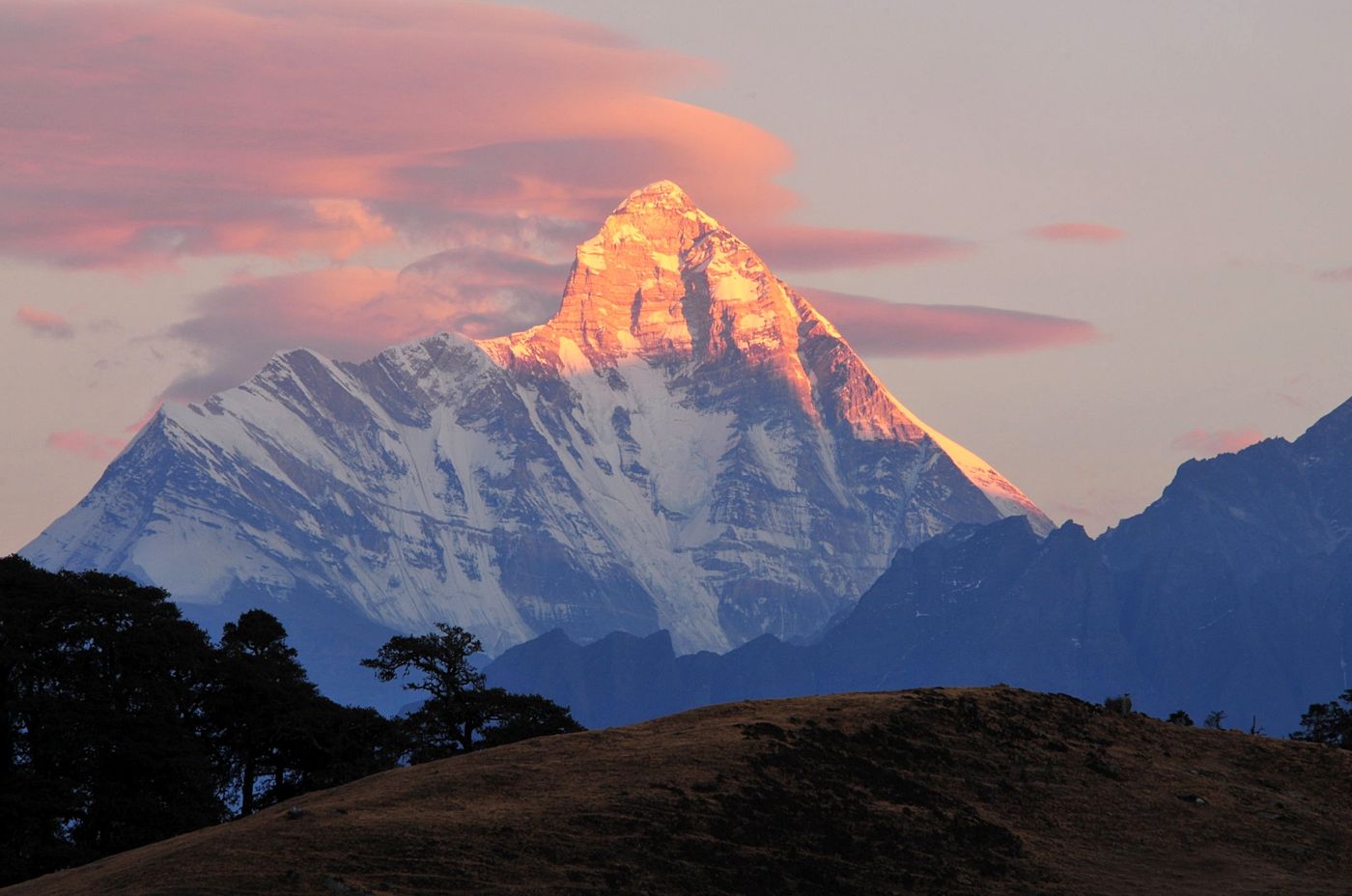
Nanda Devi
Uttarakhand
Nanda Devi is the second-highest mountain in India, after Kangchenjunga, and the highest located entirely within the country as Kangchenjunga is on the border of India and Nepal. Nanda Devi is the 23rd-highest peak in the world and ranked 74th by prominence in Chamoli Garhwal district of Uttarakhand, in northern India.
Did you know?
India's second-highest peak, ringed by a near-impenetrable sanctuary.
 Islands
Andaman Islands
Bay of Bengal
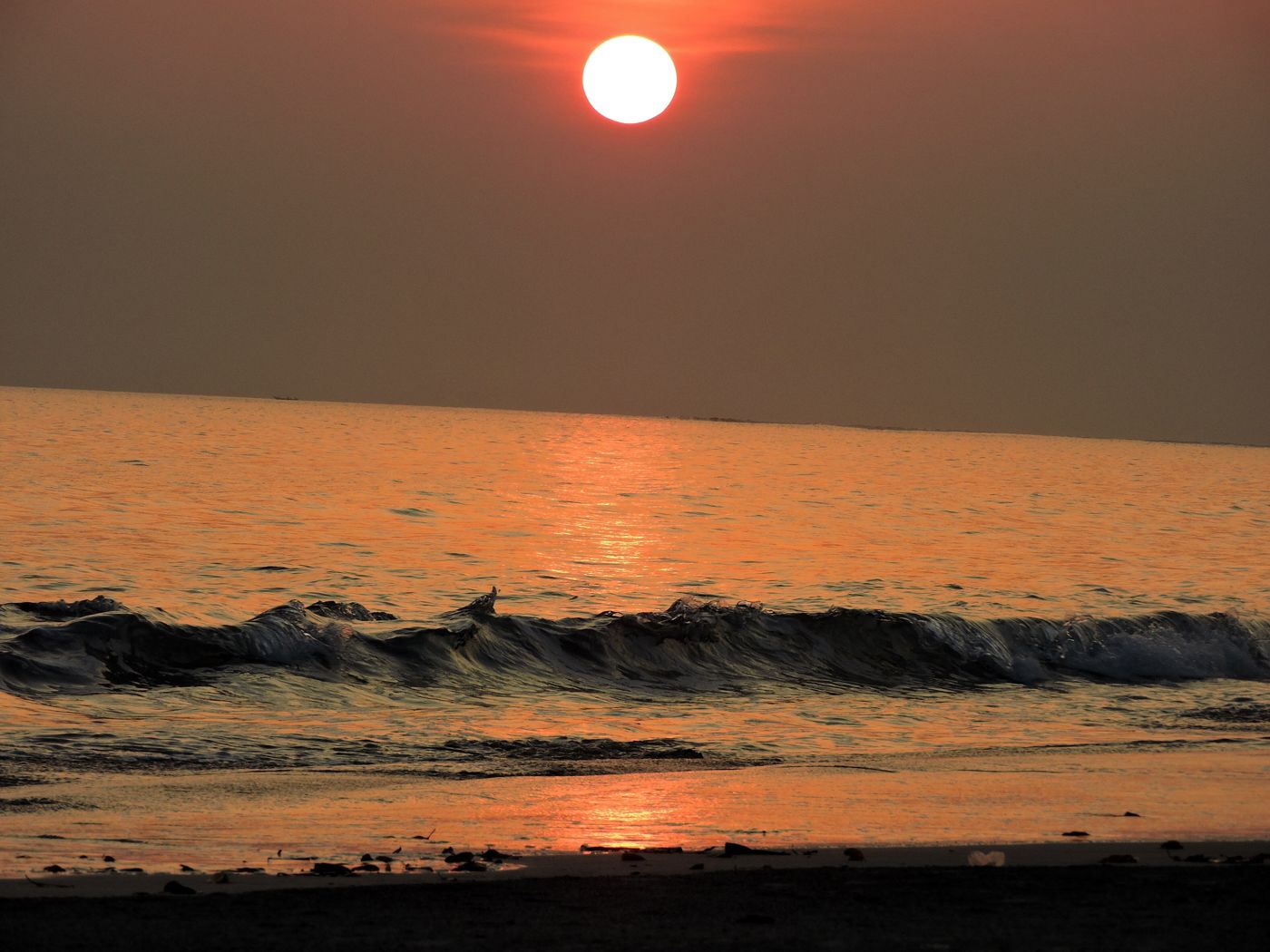
The Andaman Islands are an archipelago, made up of 200 islands, in the northeastern Indian Ocean about 130 km (81 mi) southwest off the coasts of Myanmar's Ayeyarwady Region. Together with the Nicobar Islands to their south, the Andamans serve as a maritime boundary between the Bay of Bengal to the west and the Andaman Sea to the east.
Did you know?
Tropical islands fringed by coral reefs and rainforest.
 Mountains
Western Ghats
Western India
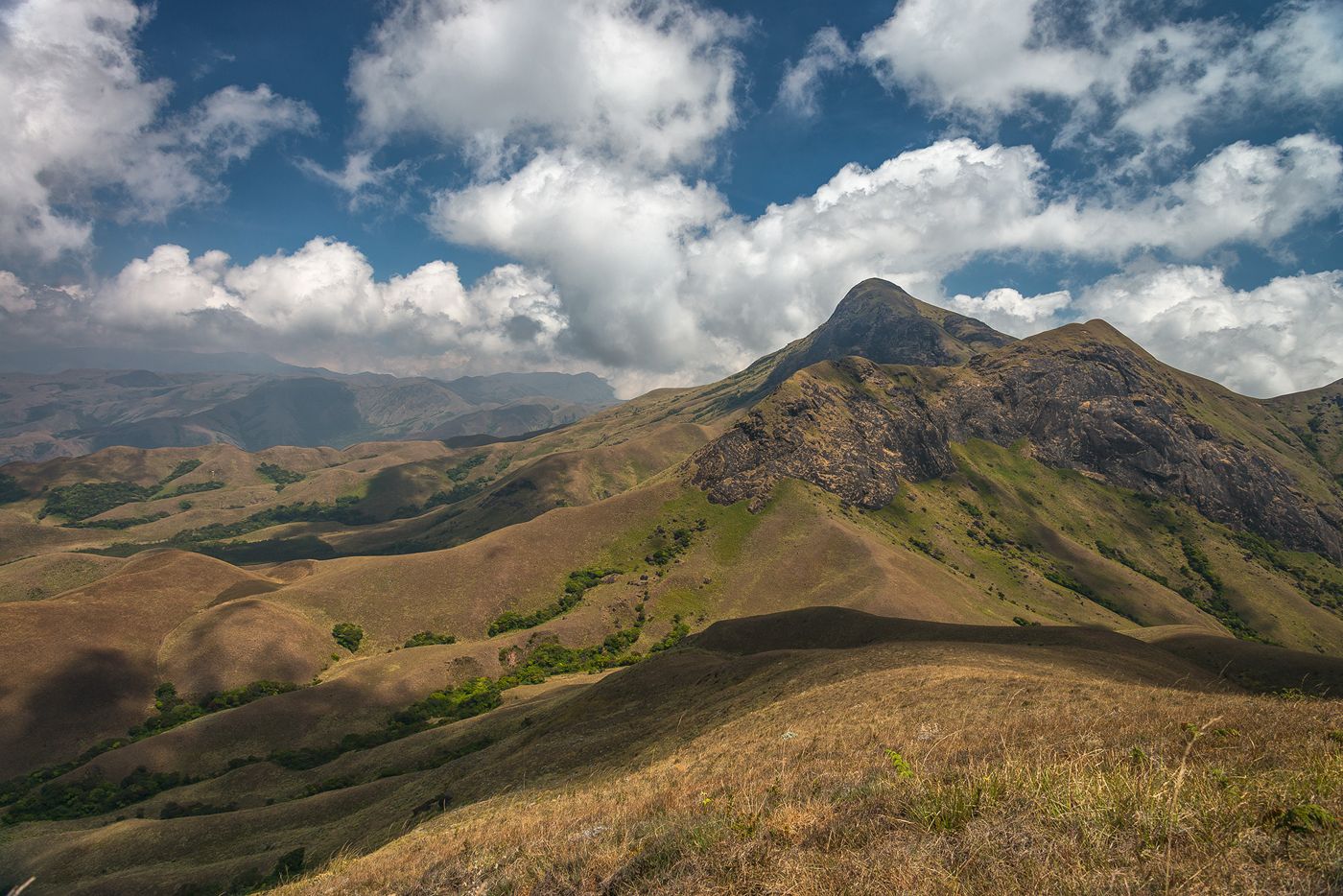
The Western Ghats, also known as the Sahyadri, is a mountain range that stretches 1,600 km (1,000 mi) along the west coast of India. Covering an area of 160,000 km2 (62,000 mi2), it traverses the Indian states of Gujarat, Maharashtra, Goa, Karnataka, Kerala, and Tamil Nadu.
Did you know?
An ancient, biodiverse mountain chain older than the Himalayas.