Central Europe
Hungary
The top 5 natural landmarks of Hungary — real photos, locations and fascinating facts for every wonder.
 Europe
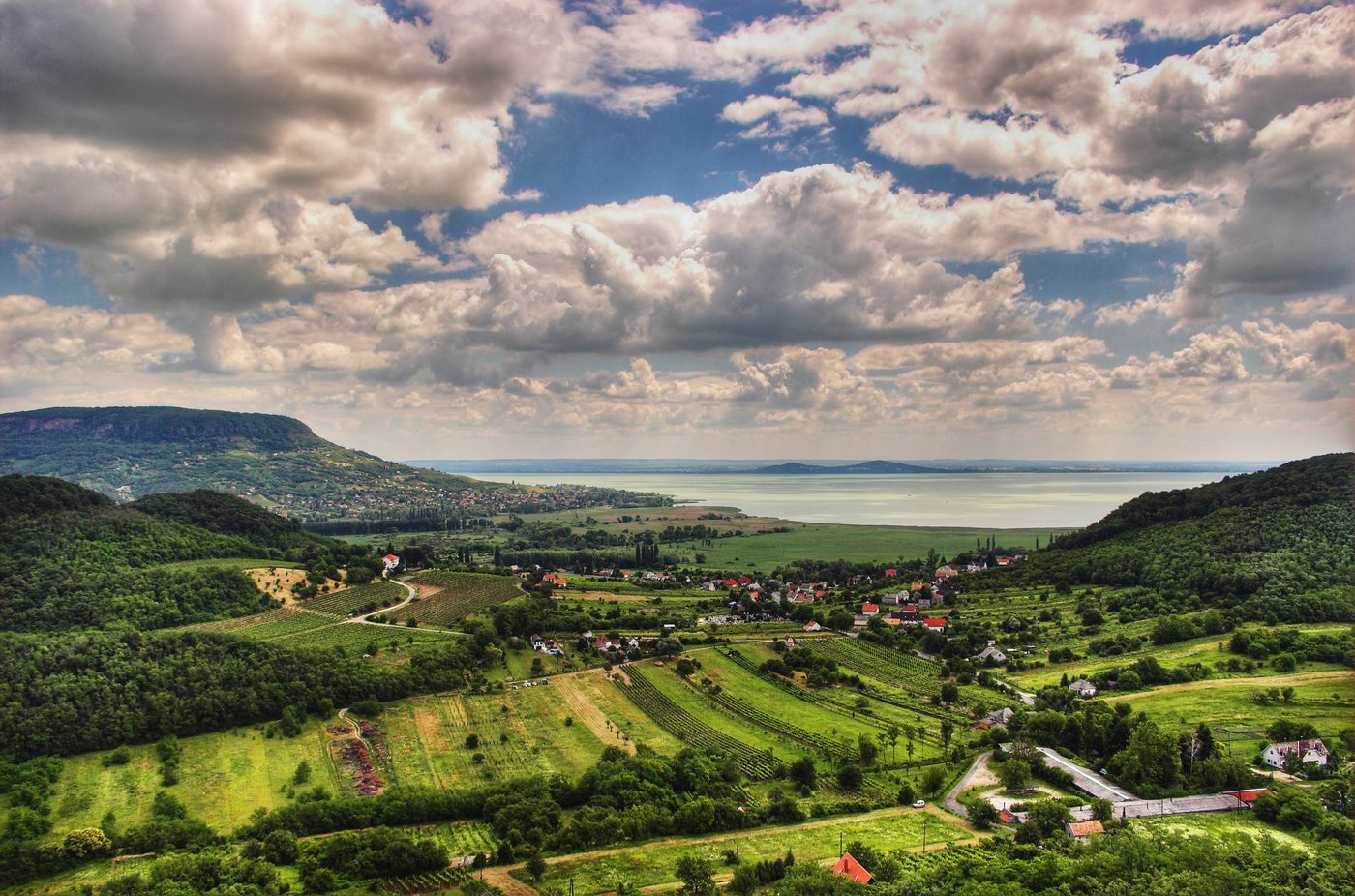 Lakes
Lake Balaton
Transdanubia
Lake Balaton (Hungarian: [ˈbɒlɒton] ) is a freshwater rift lake in the Transdanubian region of Hungary. It is the largest lake in Central Europe, and one of the region's foremost tourist destinations. The Zala River provides the largest inflow of water to the lake, and the canalized Sió is the only outflow.
Did you know?
Central Europe's largest lake, nicknamed the Hungarian Sea.
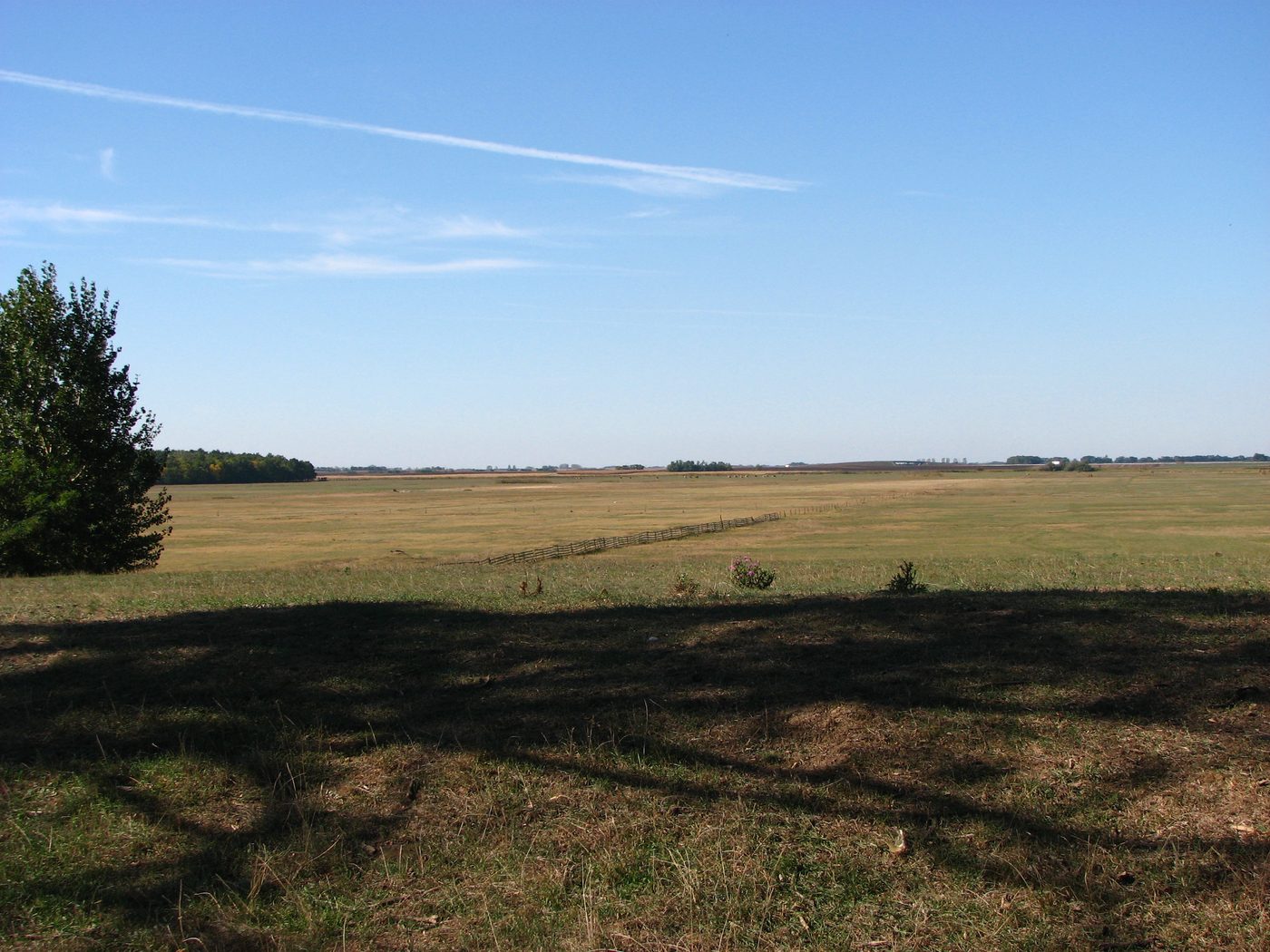 Grasslands
Hortobágy
Eastern Hungary
Hortobágy is a village in Hajdú-Bihar County in eastern Hungary. It lies on the banks of the Hortobágy river, which is crossed at Hortobágy by the Nine-arched Bridge, one of the principal man-made monuments of the Hortobágy National Park. The park consists mainly of the remaining areas of Hungarian puszta.
Did you know?
A vast ancient grassland steppe, the puszta, roamed by grey cattle.
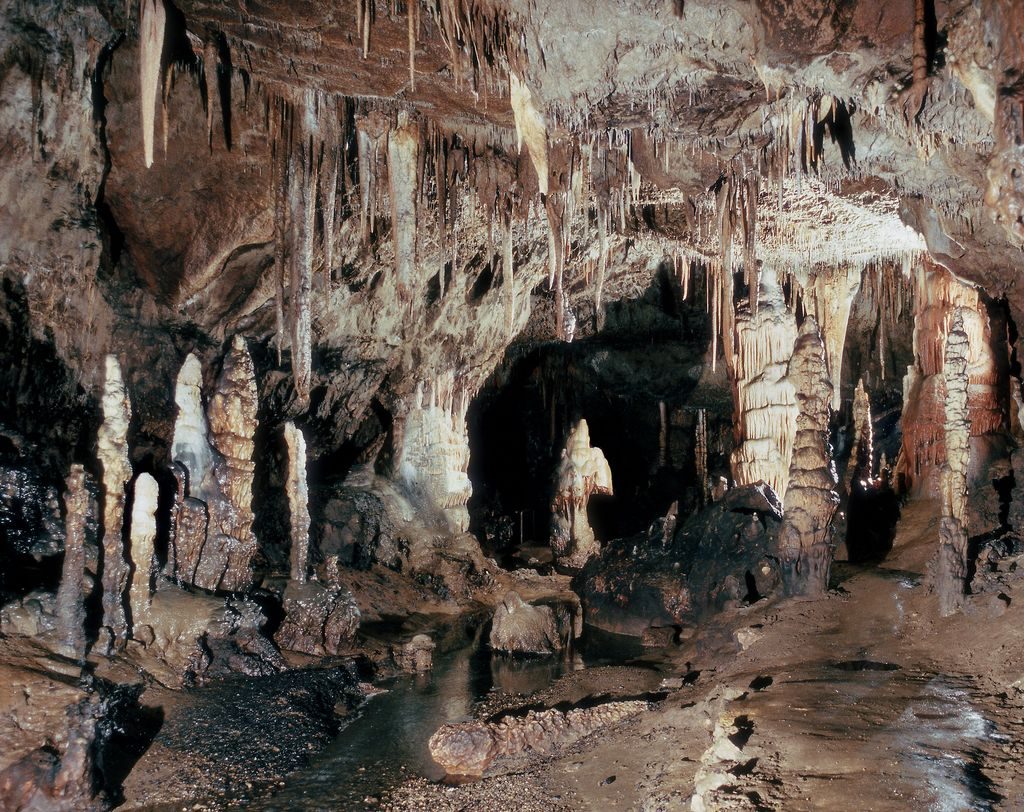 Caves
Aggtelek Caves
Northern Hungary
Aggtelek Karst is a karst area in northern Hungary. The area is especially well known for its abundance of caves, which were recorded together with those in neighboring Slovakia in 1995 to the list of World Heritage Site under the name of the Caves of Aggtelek Karst and Slovak Karst.
Did you know?
A karst landscape hiding one of Europe's longest stalactite caves.
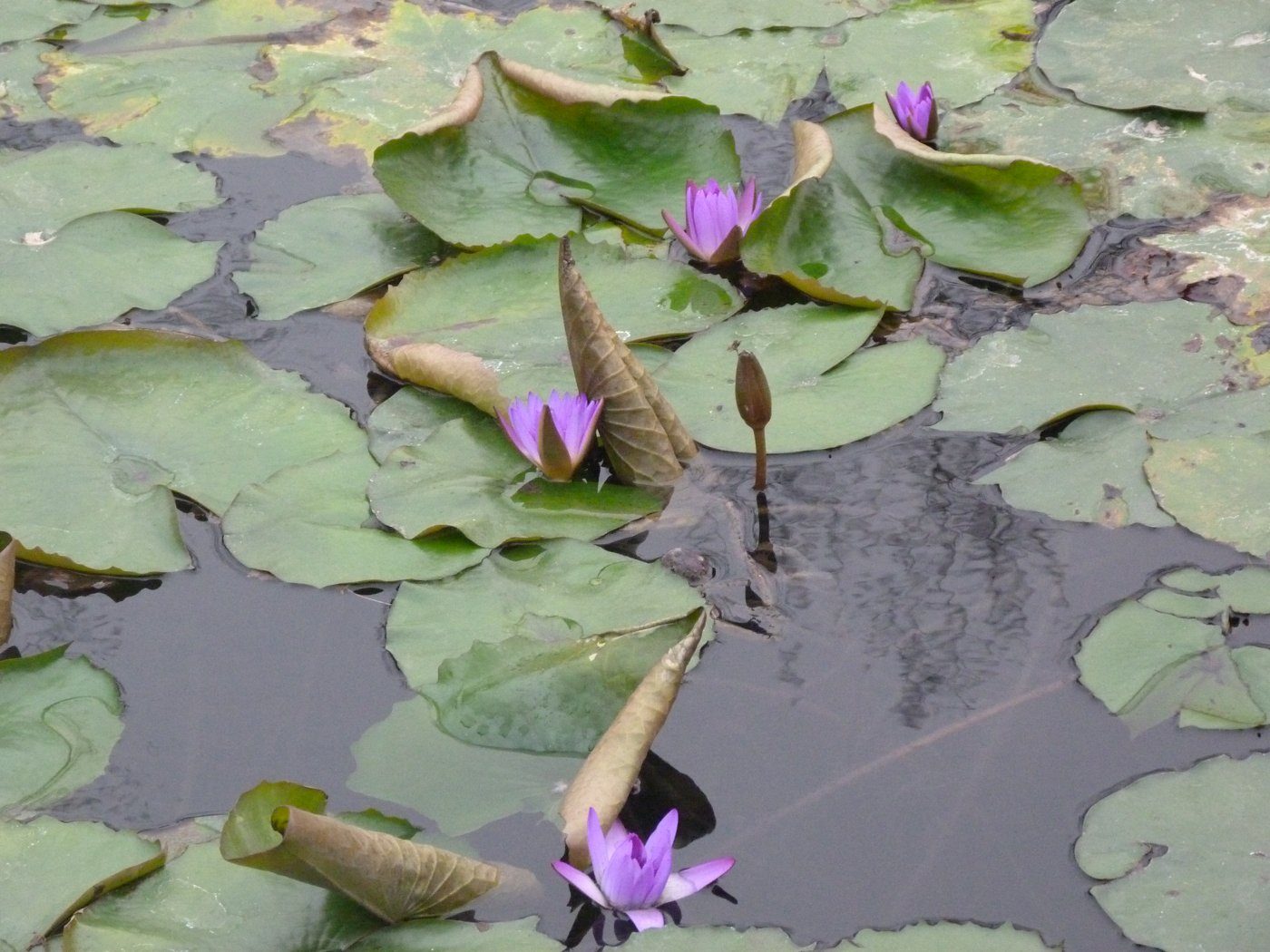 Geothermal
Lake Hévíz
Zala
Lake Hévíz is located in Hévíz, Hungary, near the western end of Lake Balaton, 8 kilometres (5 mi) from Keszthely. Hévíz means 'hot water'. It is the largest swimmable European thermal lake, with its waters originating from two springs in a 38 m (125 ft) deep cave.
Did you know?
The world's largest thermal lake warm enough to bathe in year-round.
 Rivers
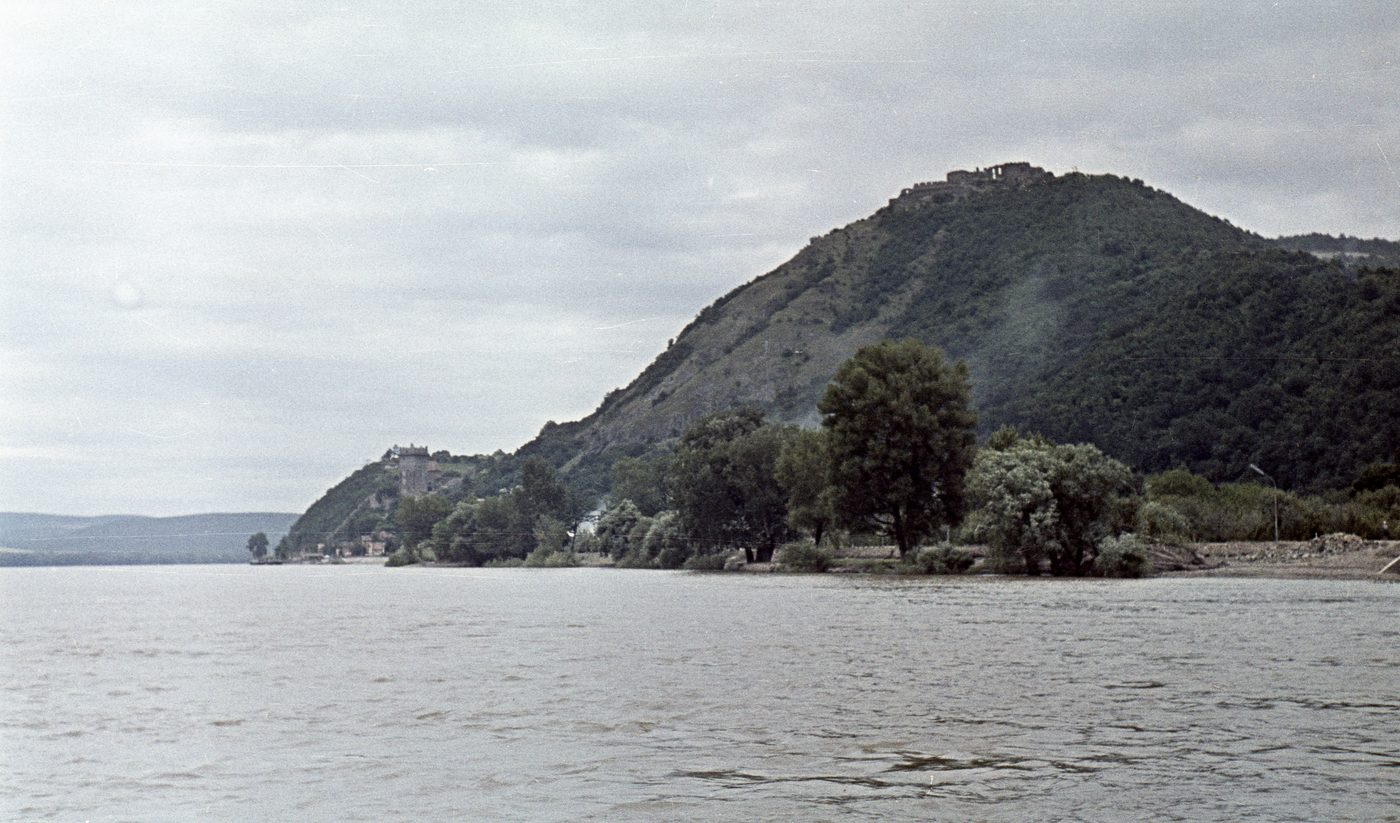
Danube Bend
Pest
The Danube Bend (Hungarian: Dunakanyar) is a curve of the Danube in Hungary, close to the town of Visegrád.
Did you know?
A dramatic curve where the Danube turns south through forested hills.