Southern Europe
Greece
The top 5 natural landmarks of Greece — real photos, locations and fascinating facts for every wonder.
 Europe
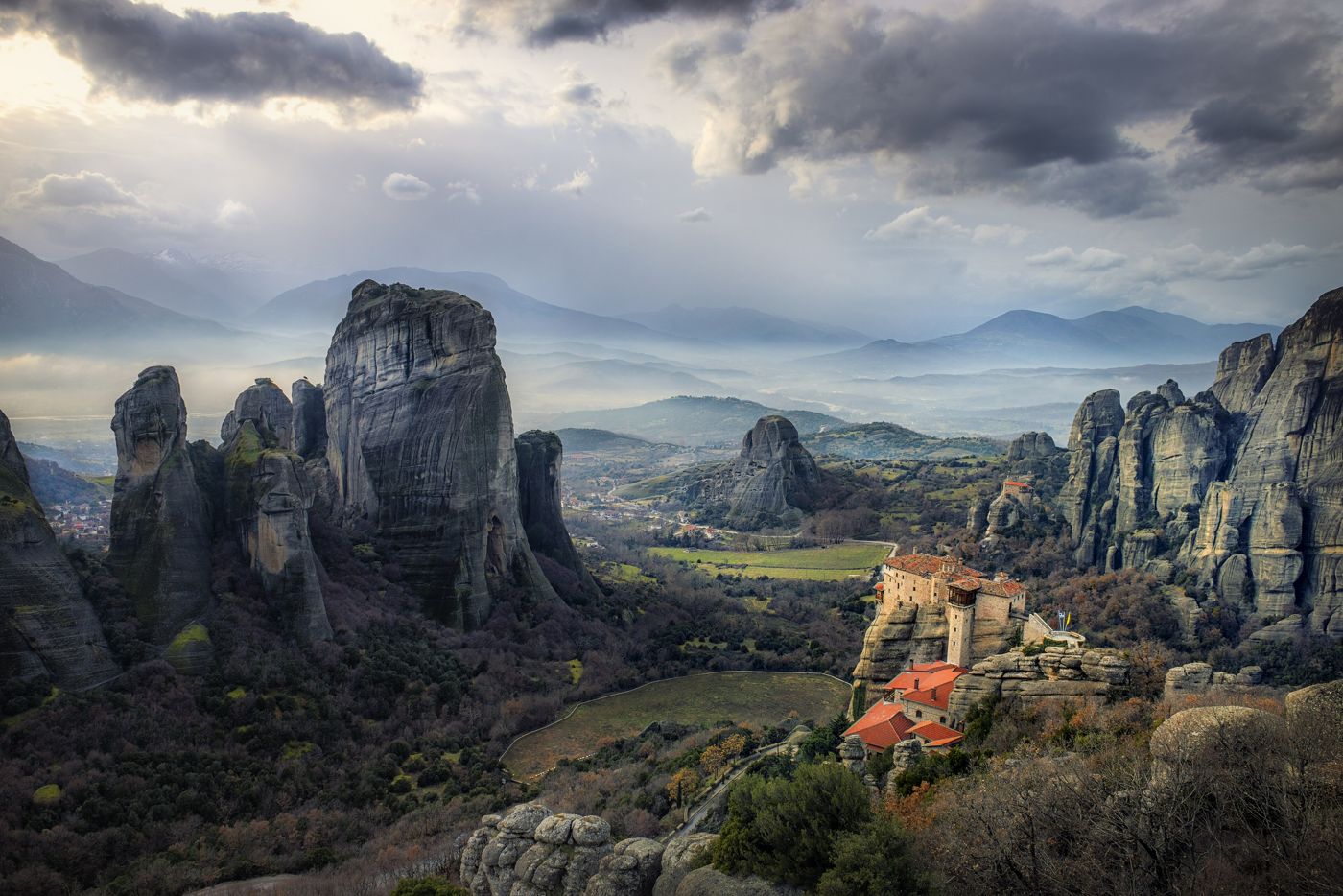 Rocks
Meteora
Thessaly
Meteora is a rock formation in the regional unit of Trikala, in Thessaly, in northwestern Greece, hosting one of the most prominent complexes of Eastern Orthodox monasteries, viewed locally as second in importance only to Mount Athos. Their height is more than 20 metres (66 ft).
Did you know?
Giant sandstone pinnacles rising abruptly from the plain.
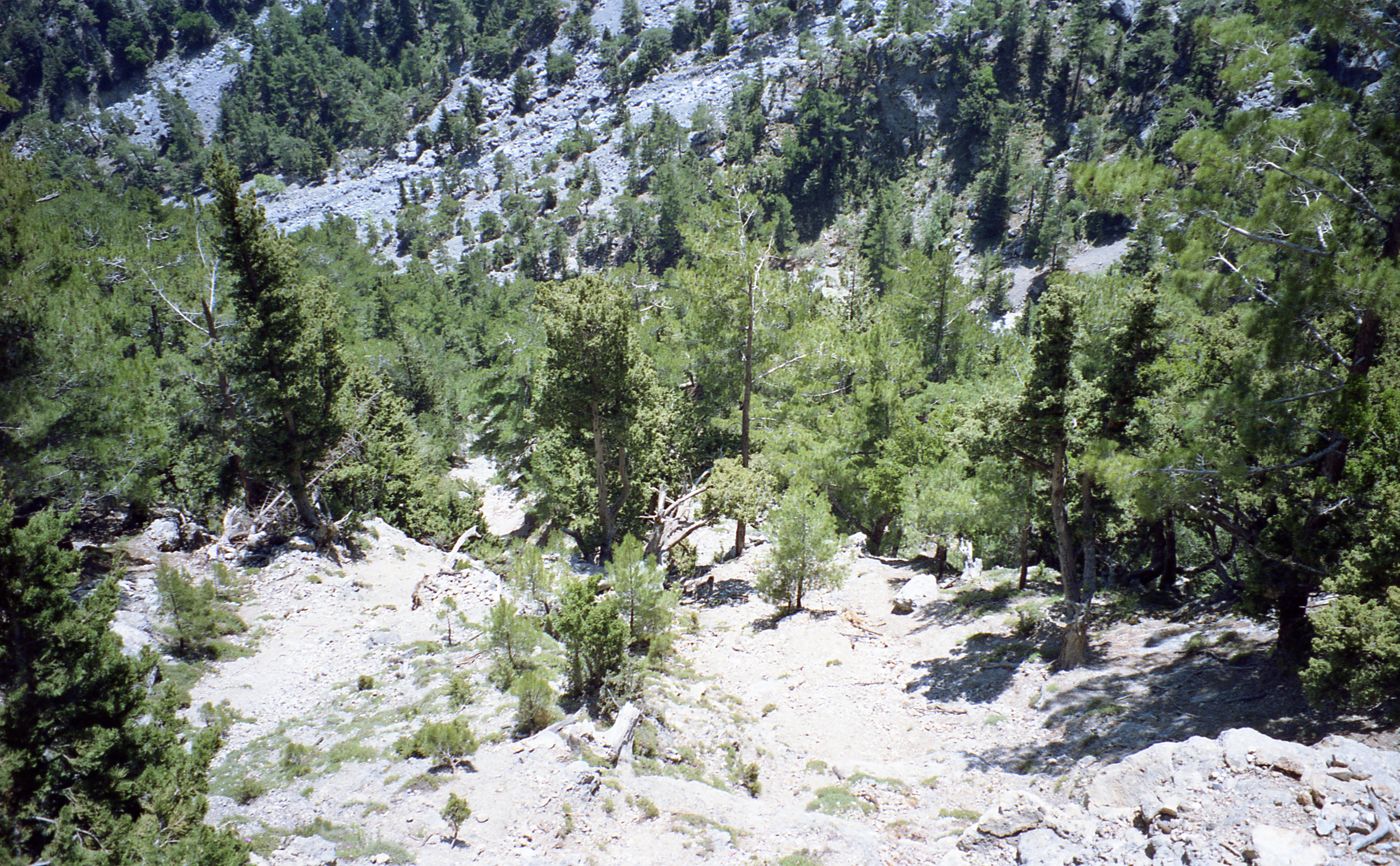 Canyons
Samaria Gorge
Crete
The Samariá Gorge is a National Park of Greece since 1962 on the island of Crete – a major tourist attraction of the island – and a World's Biosphere Reserve.
Did you know?
A 16 km gorge narrowing to just a few metres at its 'Iron Gates'.
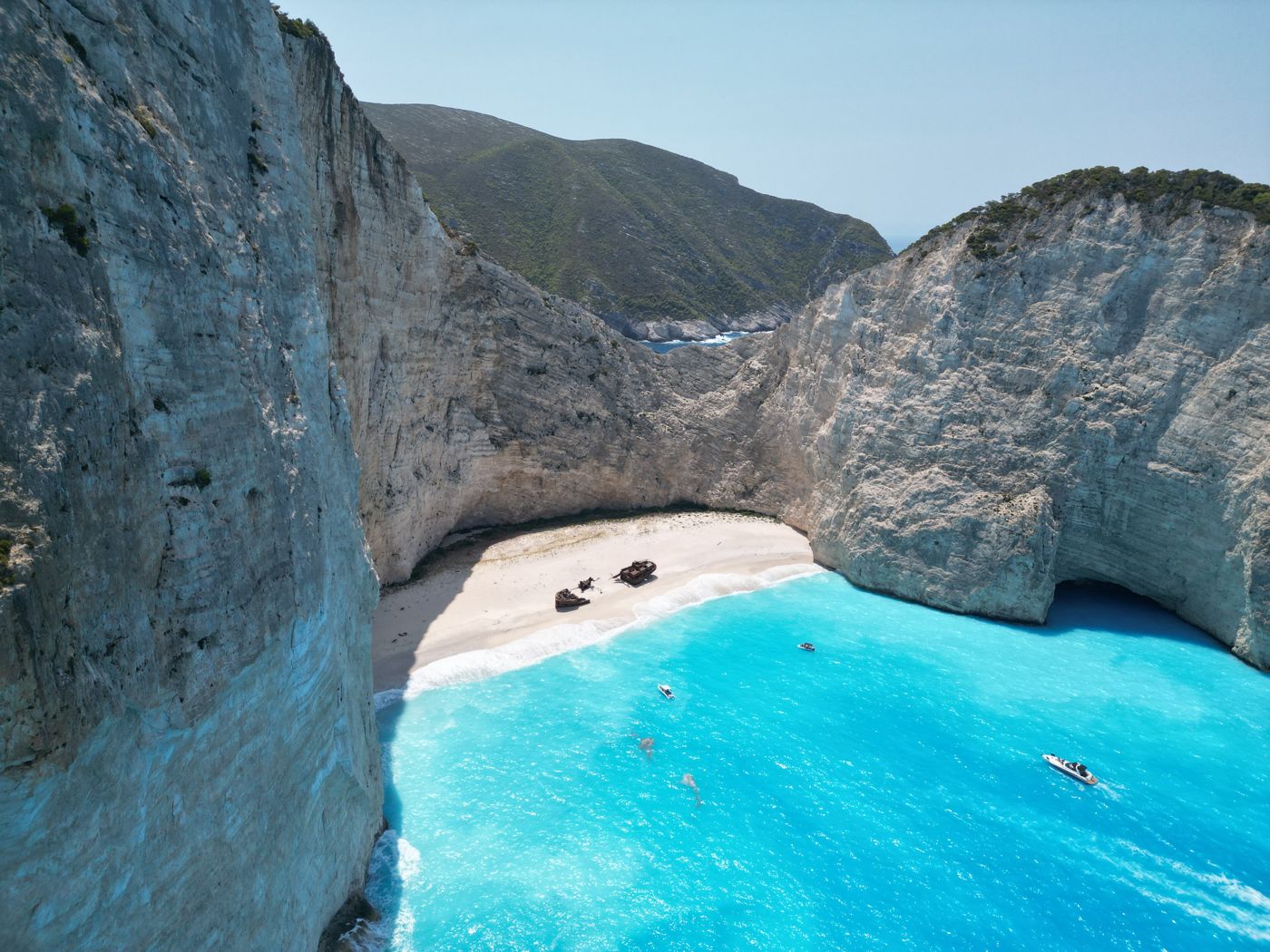 Coasts
Navagio
Zakynthos
Navagio Beach, or Shipwreck Beach, is an exposed cove, sometimes referred to as "Smugglers Cove", on the coast of Zakynthos, in the Ionian Islands of Greece. It is one of the most famous and photographed beaches in the world.
Did you know?
A hidden cove of white cliffs and a shipwreck, reachable only by boat.
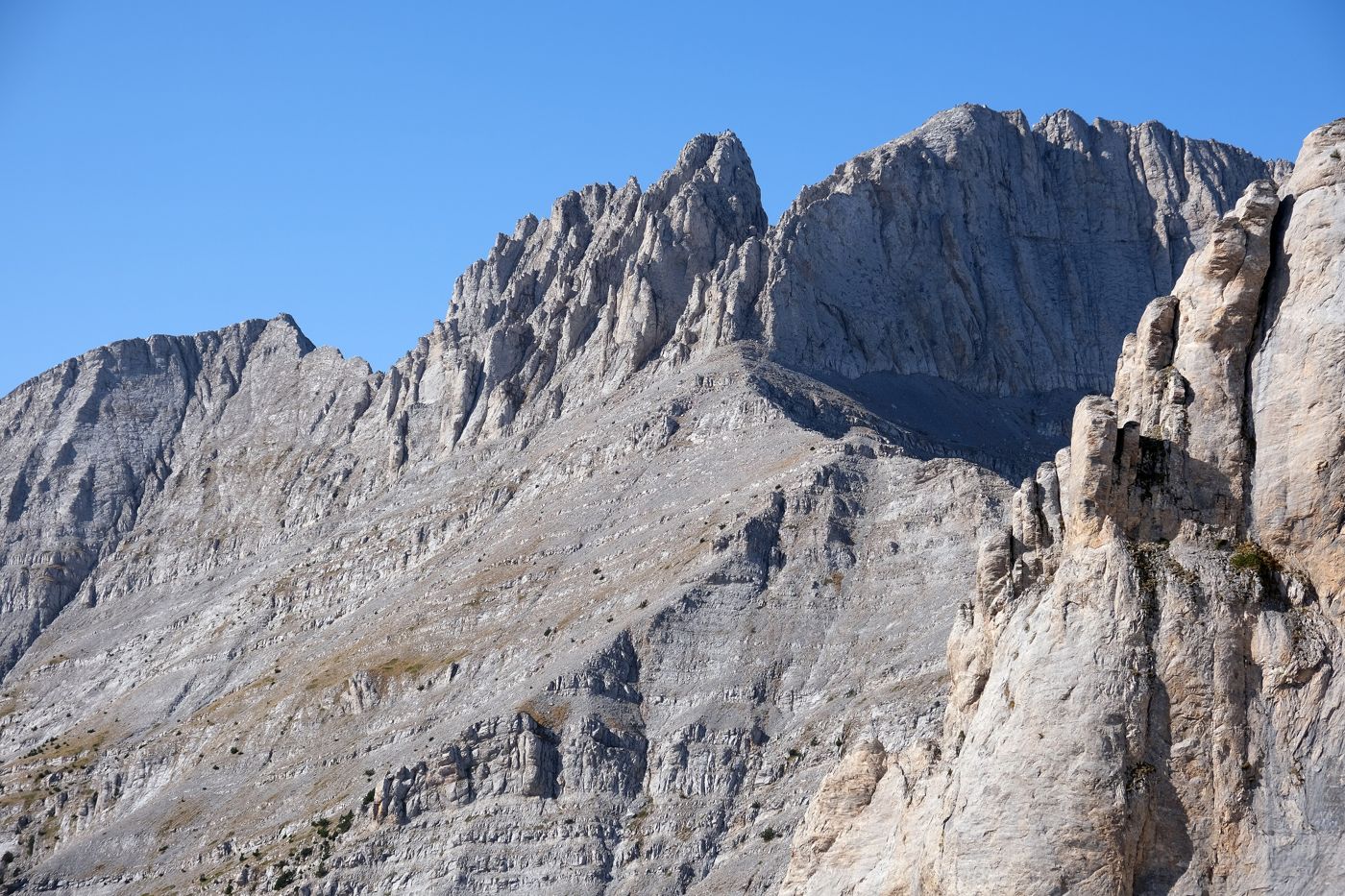 Mountains
Mount Olympus
northern Greece
Mount Olympus is an extensive massif near the Thermaic Gulf of the Aegean Sea, in Greece, located on the border between Thessaly and Macedonia, between the regional units of Larissa and Pieria, about 80 km (50 mi) southwest from Thessaloniki. Mount Olympus has 52 peaks and deep gorges. The highest peak, Mytikas, meaning "nose", rises to 2,917.727 metres (9,572.60 ft) and is the highest peak in Greece, and one of the highest peaks in Europe in terms of topographic prominence.
Did you know?
Greece's highest peak and the mythic home of the gods.
 Caves
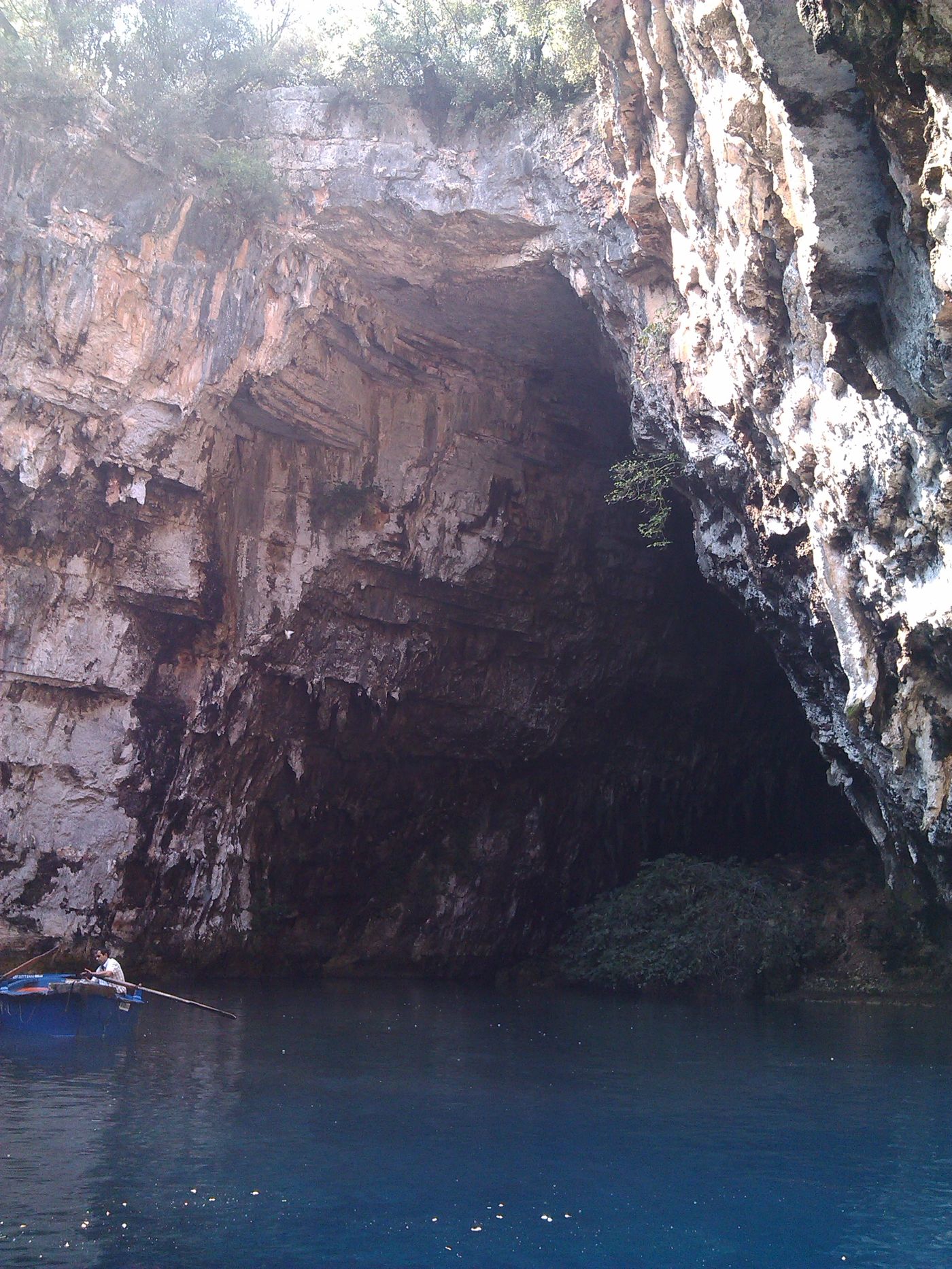
Melissani Cave
Kefalonia
Melissani Cave or Melissani Lake, also Melisani is a cave and cenote located on the island of Kefalonia, northwest of Sami, about 5 km (3.1 mi) Southeast of Agia Effimia, Northeast of Argostoli and Northwest of Poros. This sinkhole was created when a collapse of limestone bedrock exposed groundwater in 1953, creating the cenote.
Did you know?
A cave lake lit sapphire where sunlight falls through a collapsed roof.