Southern Europe
Spain
The top 10 natural landmarks of Spain — real photos, locations and fascinating facts for every wonder.
 Europe
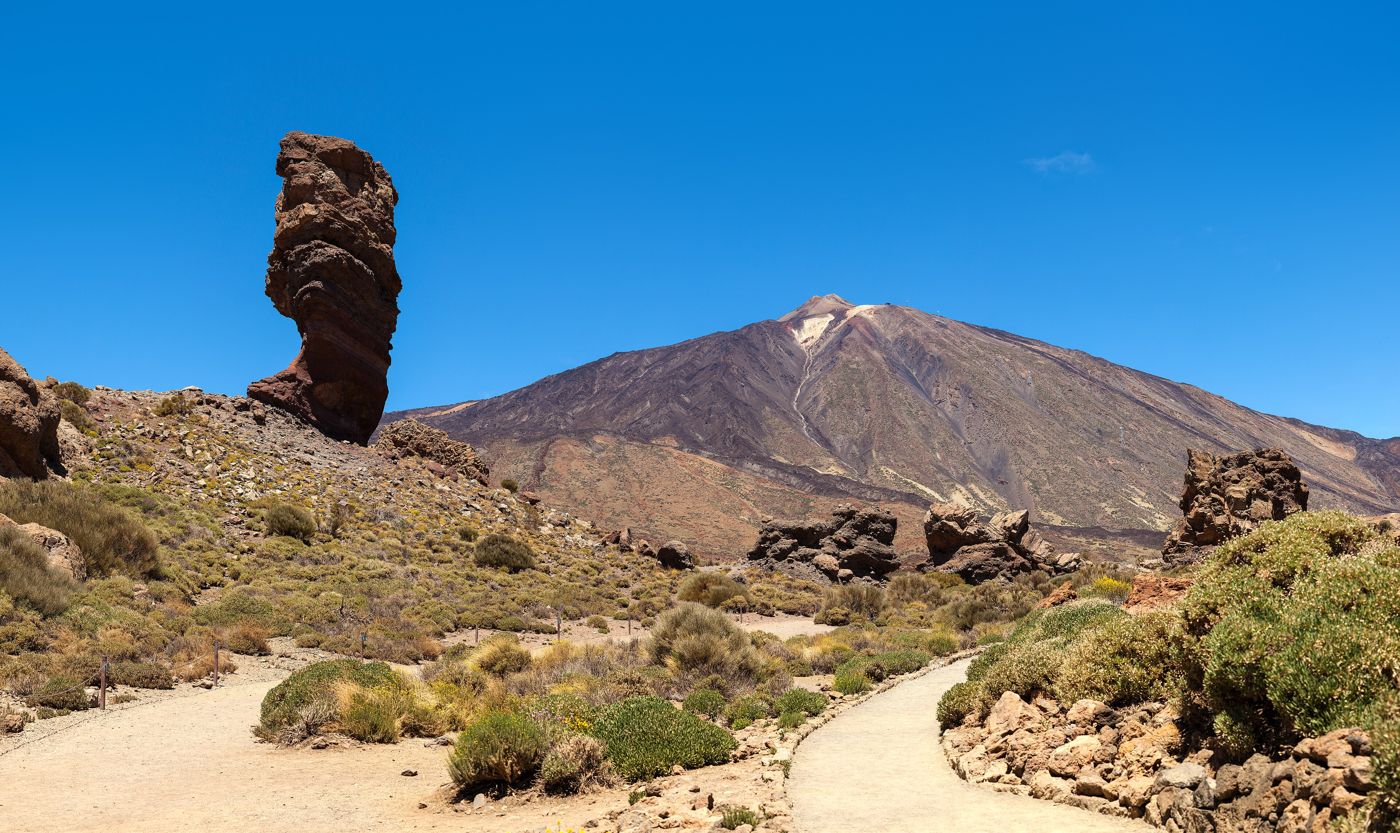 Volcanoes
Mount Teide
Tenerife
Teide or Mount Teide is an active stratovolcano on the Spanish island of Tenerife, part of the Canary Islands. Its summit is the highest point in Spain and the highest of any island in the Atlantic Ocean.
Did you know?
Spain's highest point, a volcano towering over a Martian-like caldera.
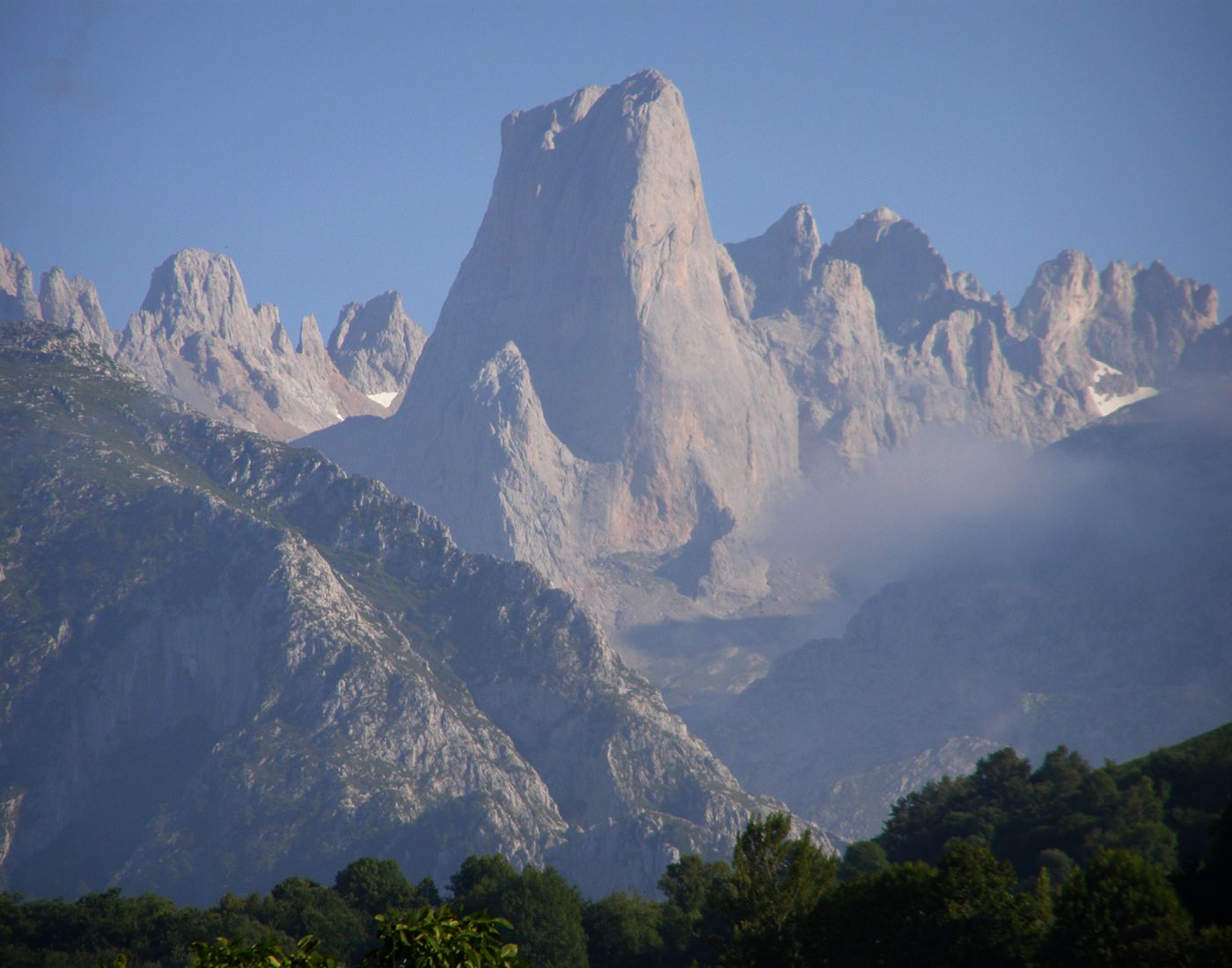 Mountains
Picos de Europa
Northern Spain
The Picos de Europa are a mountain range extending for about 20 km (12 mi), forming part of the Cantabrian Mountains in northern Spain. The range is situated in the Autonomous Communities of Asturias, Cantabria and Castile and León. The highest peak is Torre de Cerredo, at an elevation of 2650 m (8,690 ft).
Did you know?
A dramatic limestone range rising steeply just inland from the Atlantic.
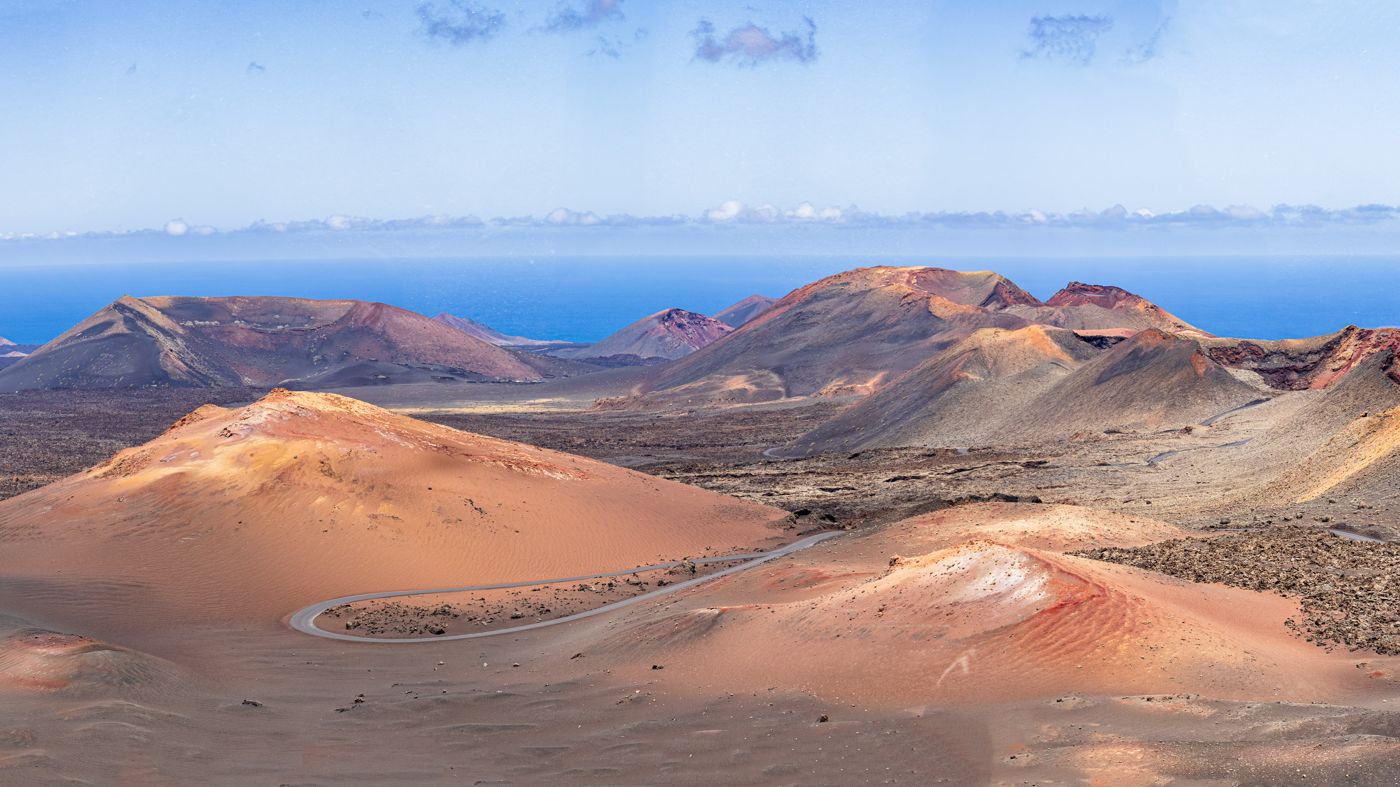 Volcanoes
Timanfaya
Lanzarote
Timanfaya National Park is a Spanish national park in the southwestern part of the island of Lanzarote, in the Canary Islands. It covers parts of the municipalities Tinajo and Yaiza.
Did you know?
A surreal field of cinder cones and lava from 18th-century eruptions.
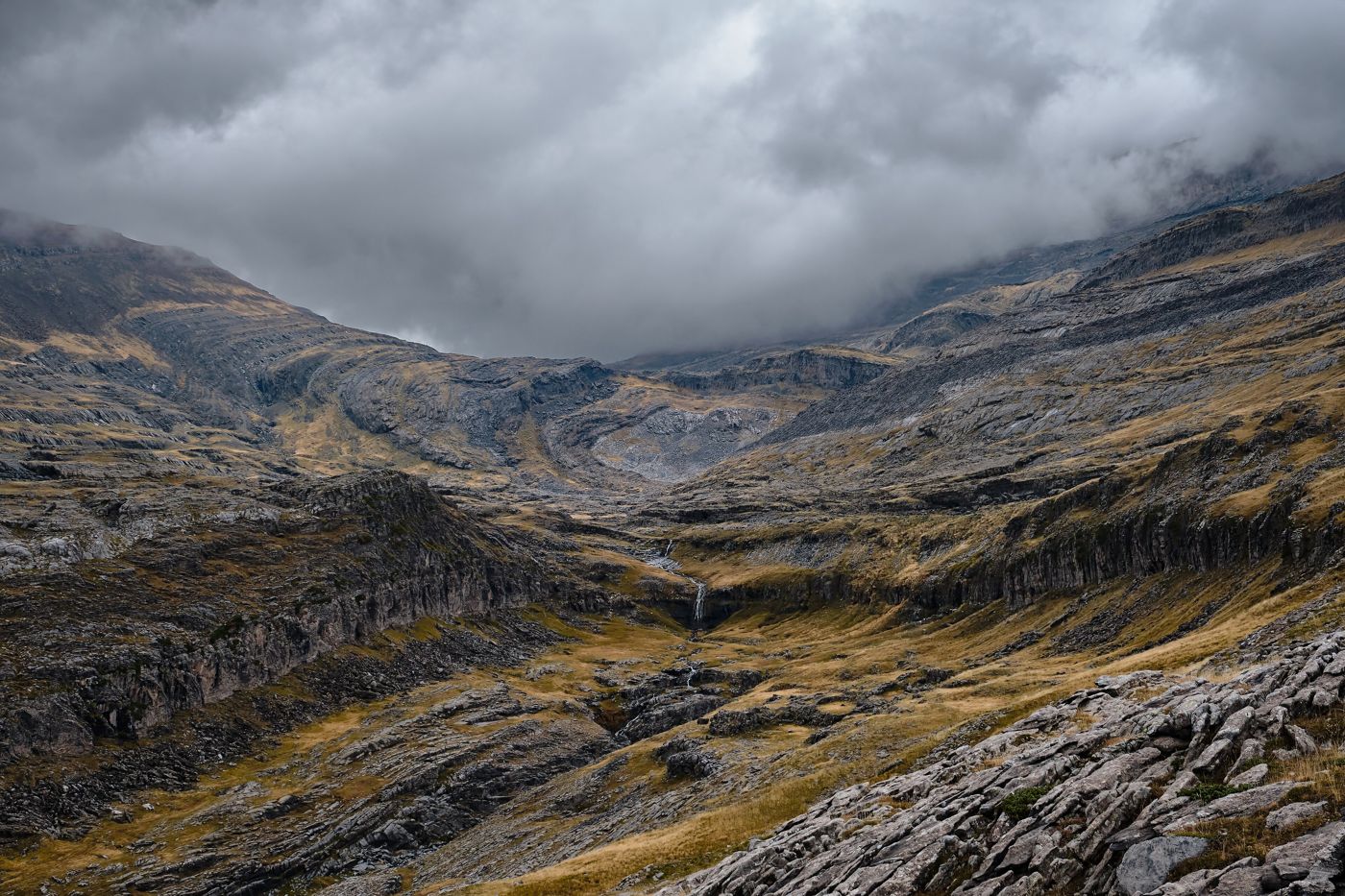 Mountains
Ordesa y Monte Perdido
Pyrenees
Ordesa y Monte Perdido National Park is an IUCN Category II National Park situated in the Pyrenees. There has been a National Park in the Ordesa Valley since 1918.
Did you know?
Glacial valleys and waterfalls beneath one of the Pyrenees' highest massifs.
 Deserts
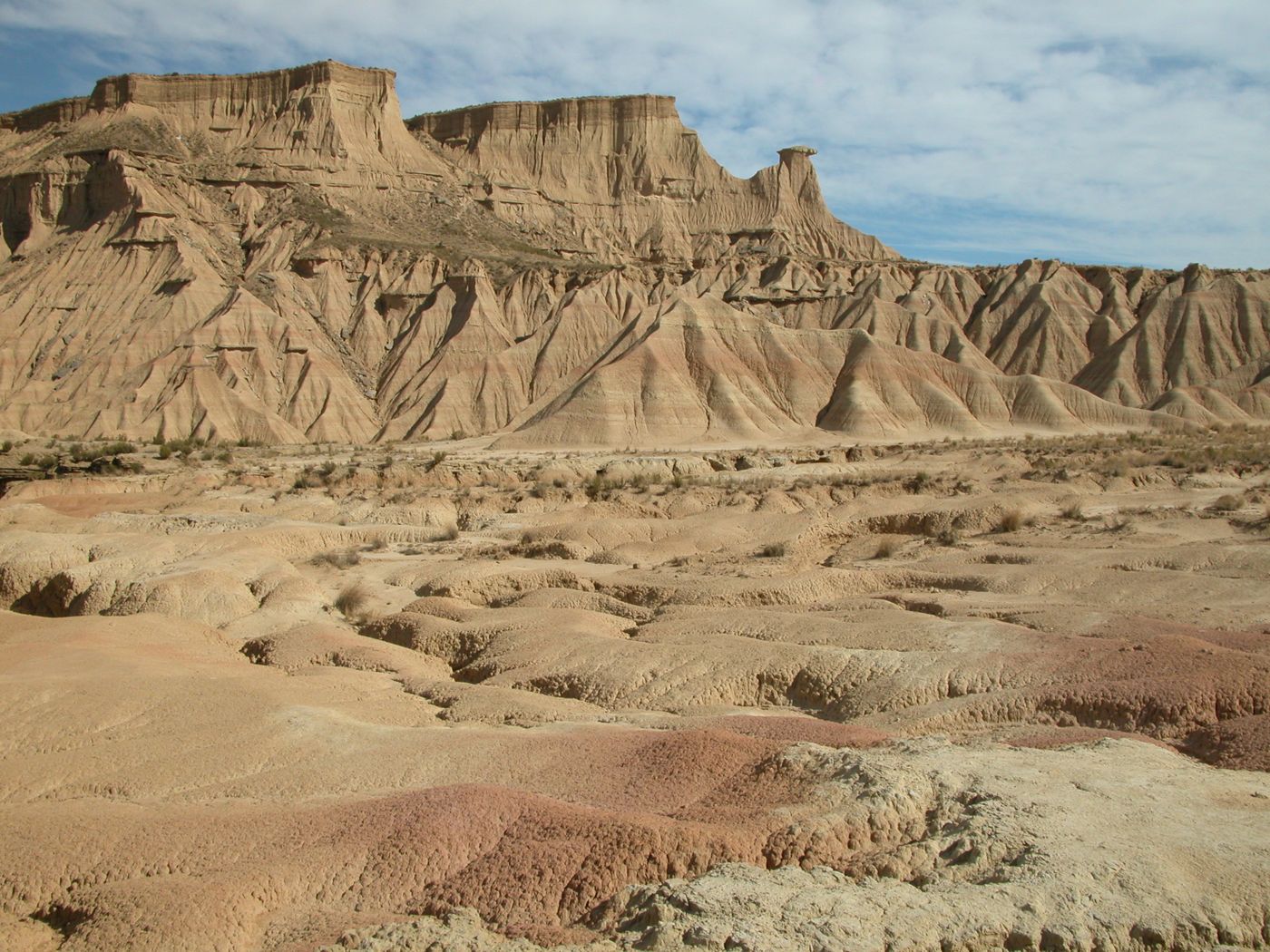
Bardenas Reales
Navarre
The Bardenas Reales is a semi-desert natural region, or badlands, of some 42,000 hectares in southeast Navarre (Spain). The soils are made up of clay, chalk, and sandstone and have been eroded by water and wind creating surprising shapes, canyons, plateaus, tabular structures, and isolated hills, called cabezos.
Did you know?
A semi-desert of eroded clay badlands and lone sculpted hills.
 Wetlands
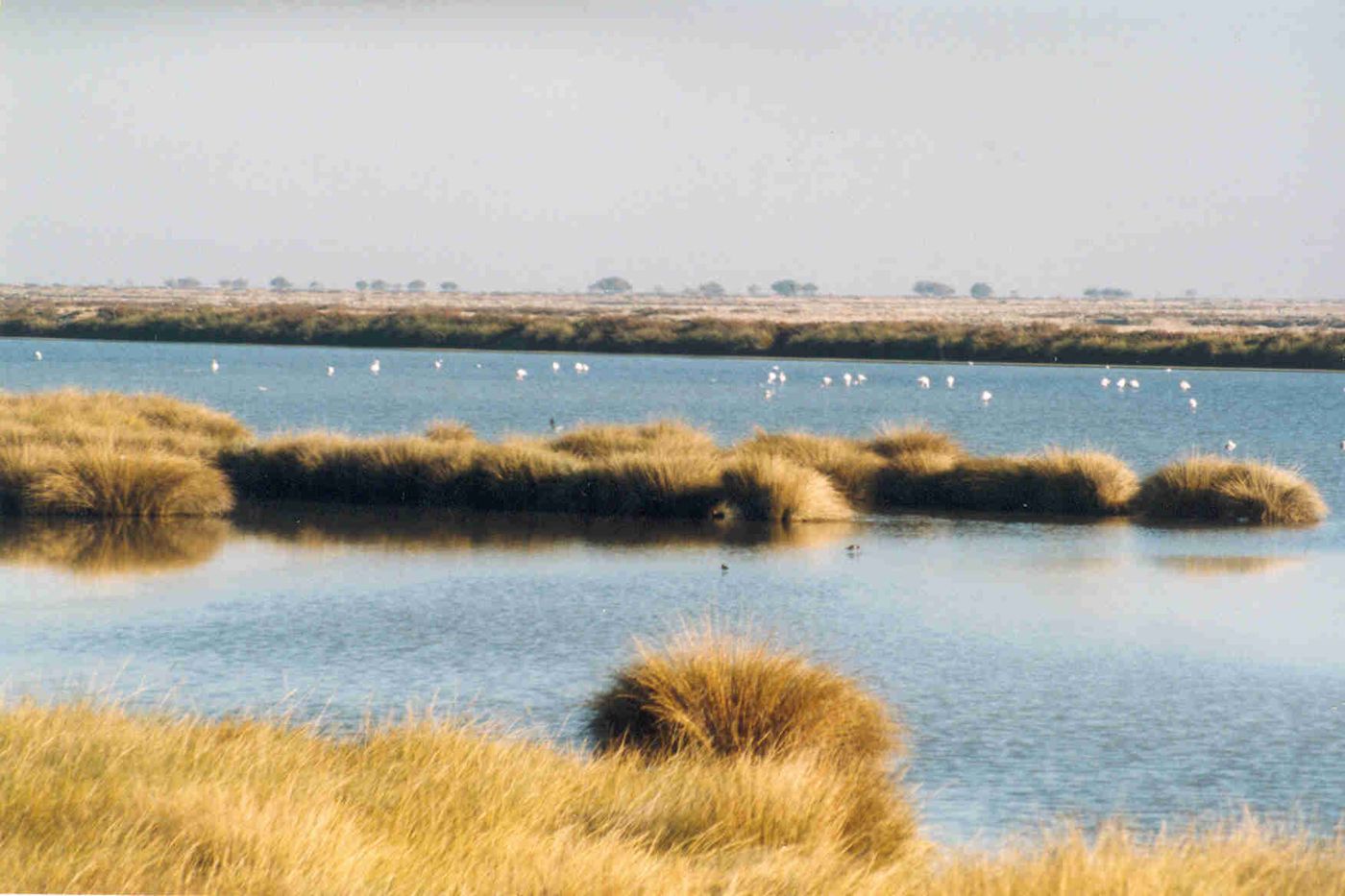
Doñana National Park
Andalusia
Doñana National Park or Parque Nacional y Natural de Doñana is a natural reserve in Andalusia, southern Spain, in the provinces of Huelva, Cádiz and Seville. It covers 543 km2 (209.65 mi2), of which 135 km2 (52.12 mi2) are a protected area. It is named after Doña Ana de Silva y Mendoza, wife of the 7th Duke of Medina Sidonia.
Did you know?
A vast delta of marshes and dunes, a crucial stop for migratory birds.
 Islands
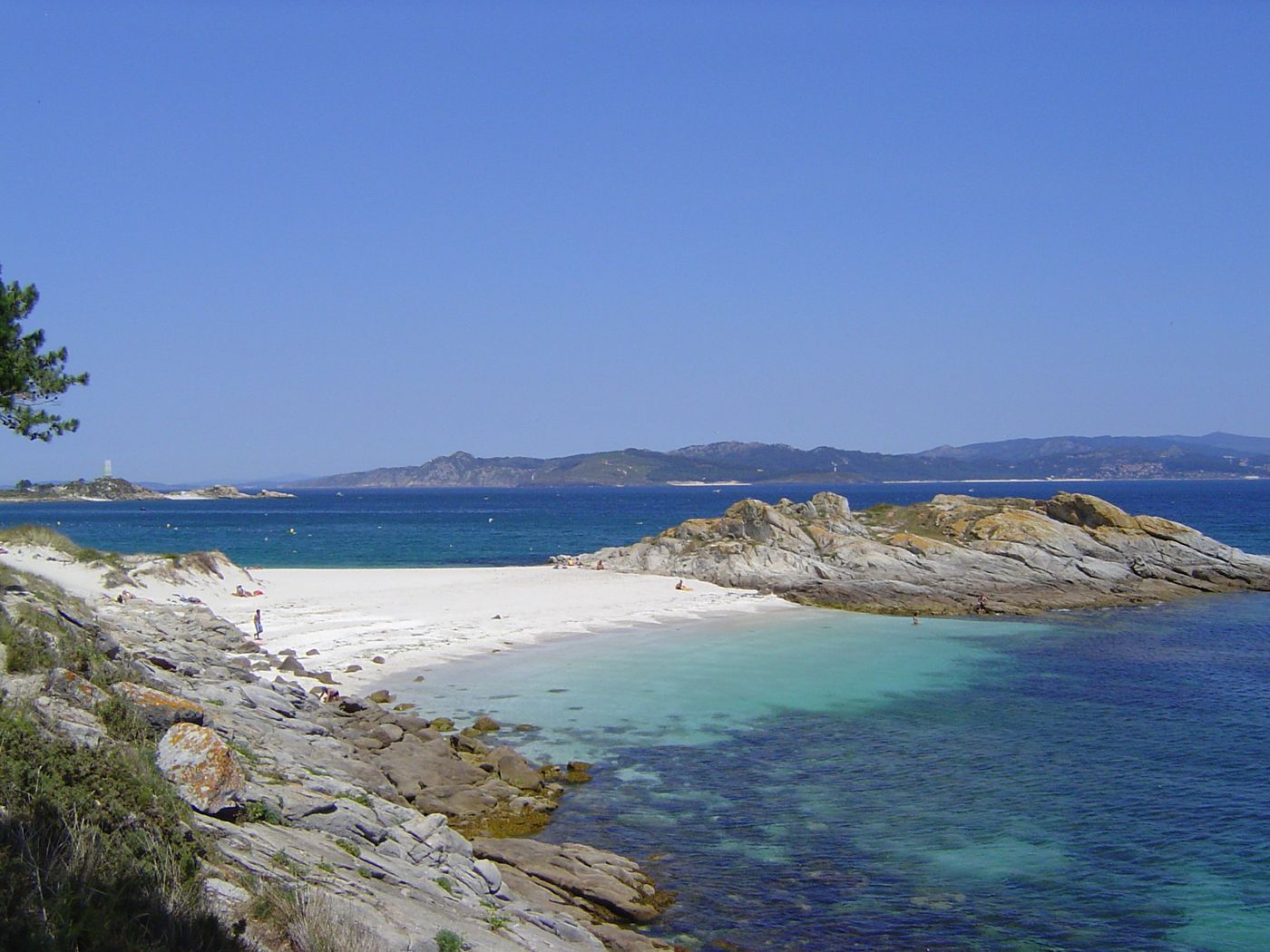
Cíes Islands
Galicia
The Cíes Islands are an archipelago off the coast of Pontevedra in Galicia, Spain, in the mouth of the Ria de Vigo. They were declared a Nature Reserve in 1980 and are included in the Atlantic Islands of Galicia National Park created in 2002.
Did you know?
An Atlantic archipelago famed for crescent beaches of white sand.
 Rocks
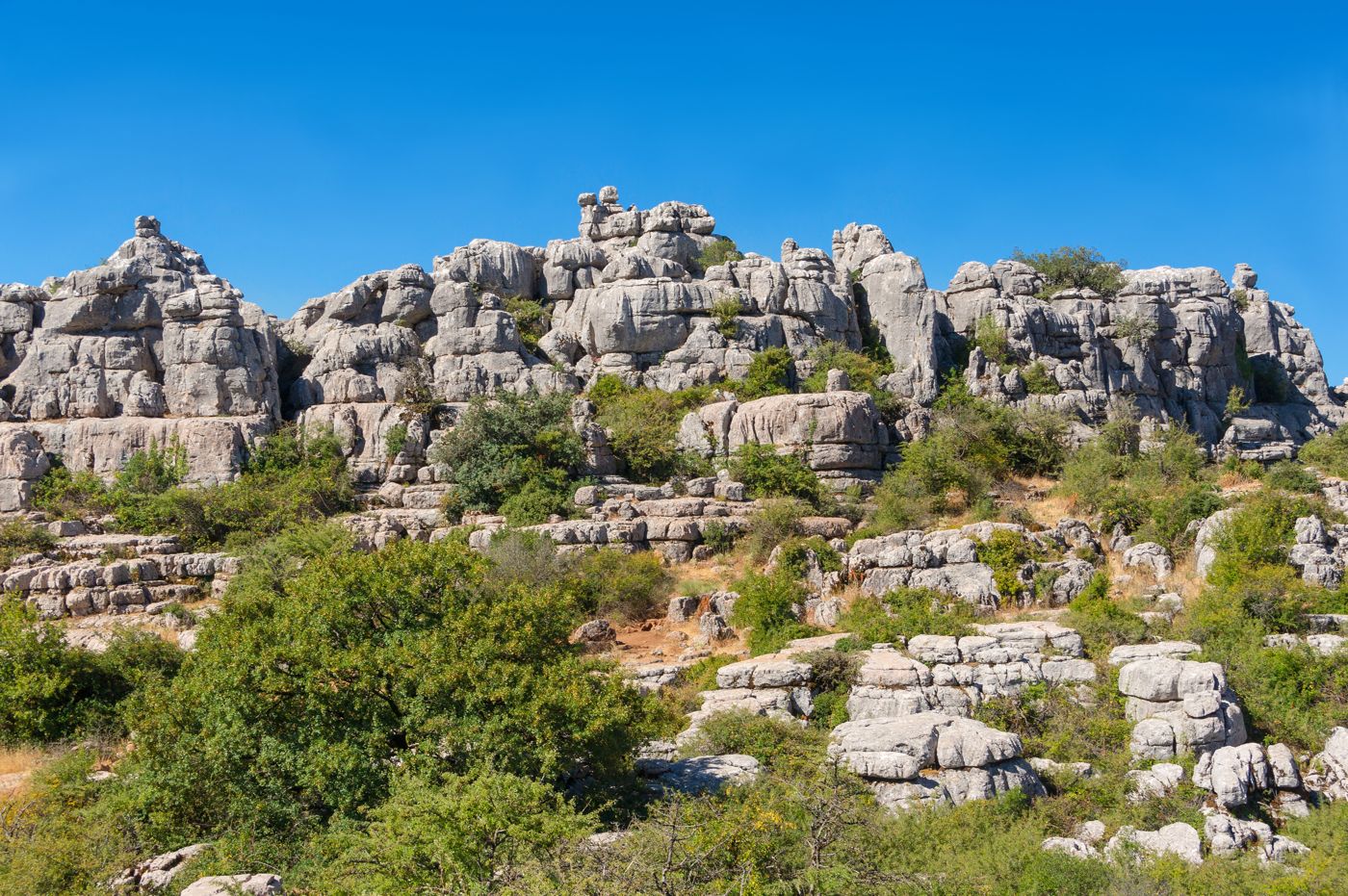
El Torcal de Antequera
Málaga
El Torcal de Antequera is a nature reserve in the Sierra del Torcal mountain range located south of the city of Antequera, in the province of Málaga of the A45 road in Andalusia, Spain. It is known for its unusual landforms and is regarded as one of the most impressive karst landscapes in Europe.
Did you know?
A karst landscape of weird stacked limestone sculpted over millennia.
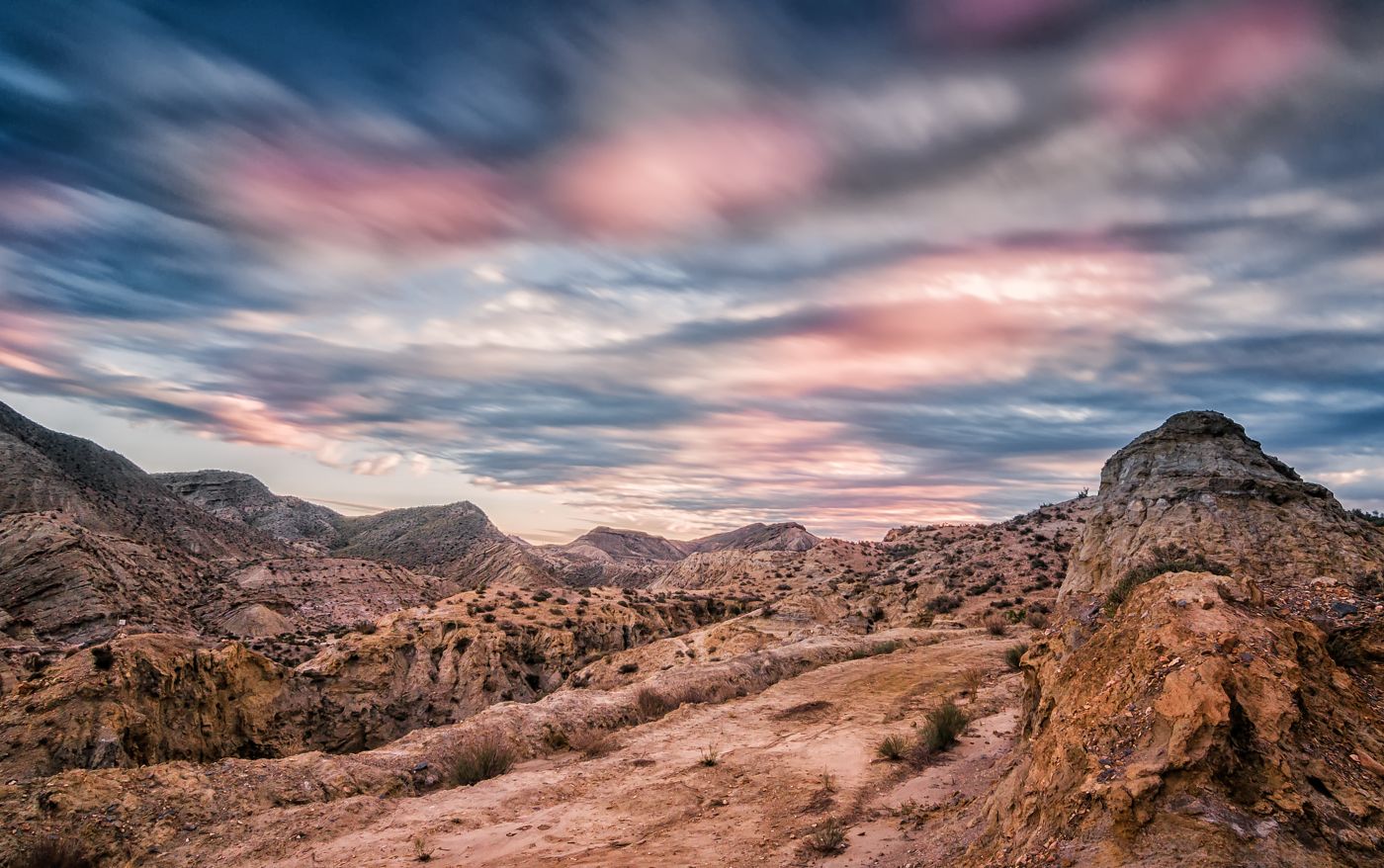 Deserts
Tabernas Desert
Almería
The Tabernas Desert is a desert located within Spain's south-eastern province of Almería. It is in the interior, about 30 kilometers (19 mi) north of the provincial capital Almería, in the Tabernas municipality in Andalusia.
Did you know?
Mainland Europe's only true desert, a backdrop for countless Westerns.
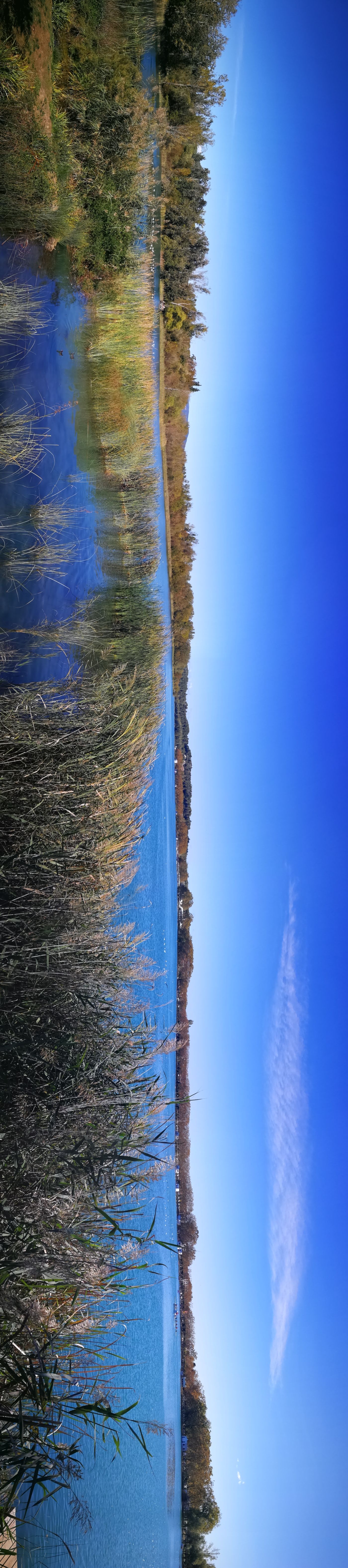 Lakes
Lake Banyoles
Catalonia
Lake of Banyoles is a natural lake located in the comarca "Pla de l'Estany", Province of Girona, in northeastern Catalonia, Spain. It is named after the nearby town of Banyoles, to which it belongs entirely.
Did you know?
The largest natural lake in Catalonia, fed by underground springs.