Central America
Costa Rica
The top 5 natural landmarks of Costa Rica — real photos, locations and fascinating facts for every wonder.
 Americas
 Volcanoes
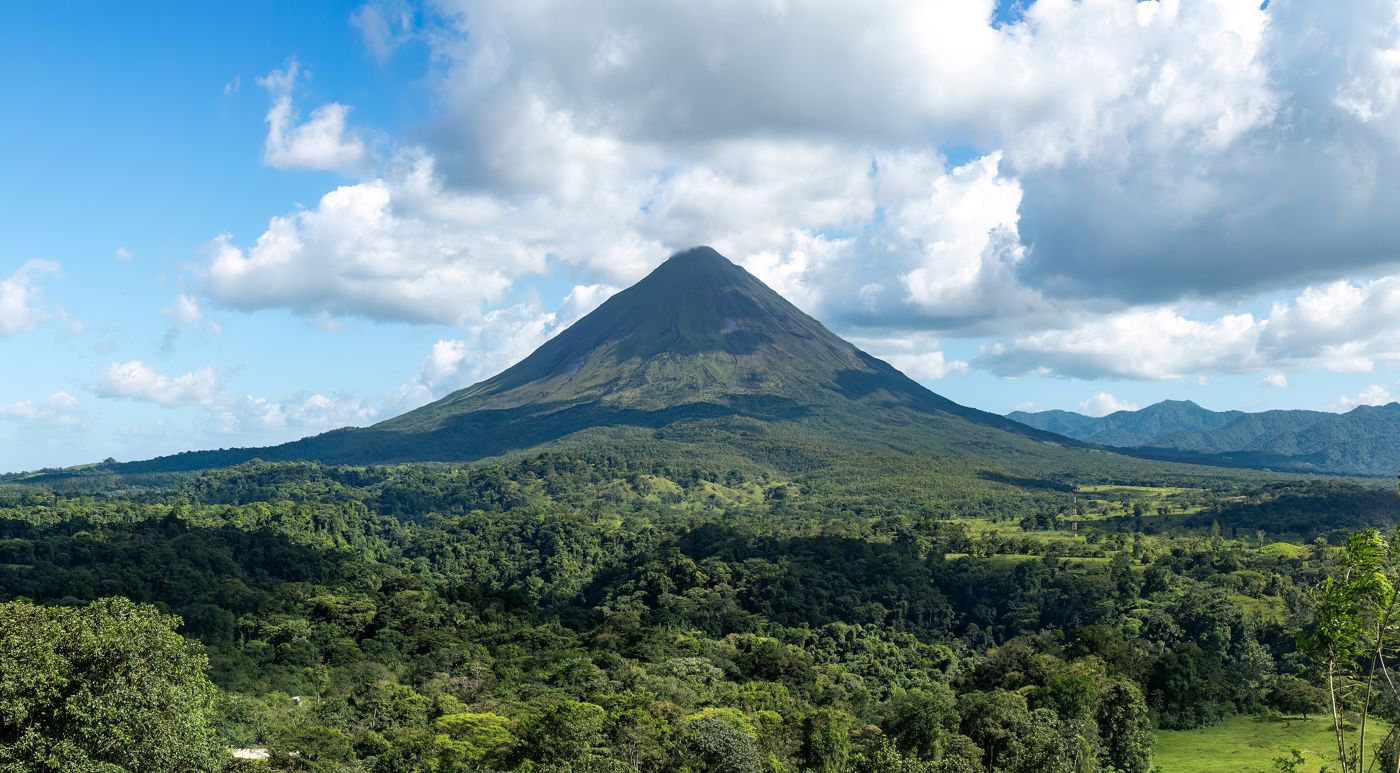
Arenal Volcano
north-central Costa Rica
Arenal Volcano is a recently active andesitic stratovolcano in north-western Costa Rica around 90 km (56 mi) northwest of San José, in the province of Alajuela, canton of San Carlos, and district of La Fortuna. The Arenal volcano stands 1,633 metres (5,358 ft) high.
Did you know?
A classic cone volcano towering over hot springs and a lake.
 Forests
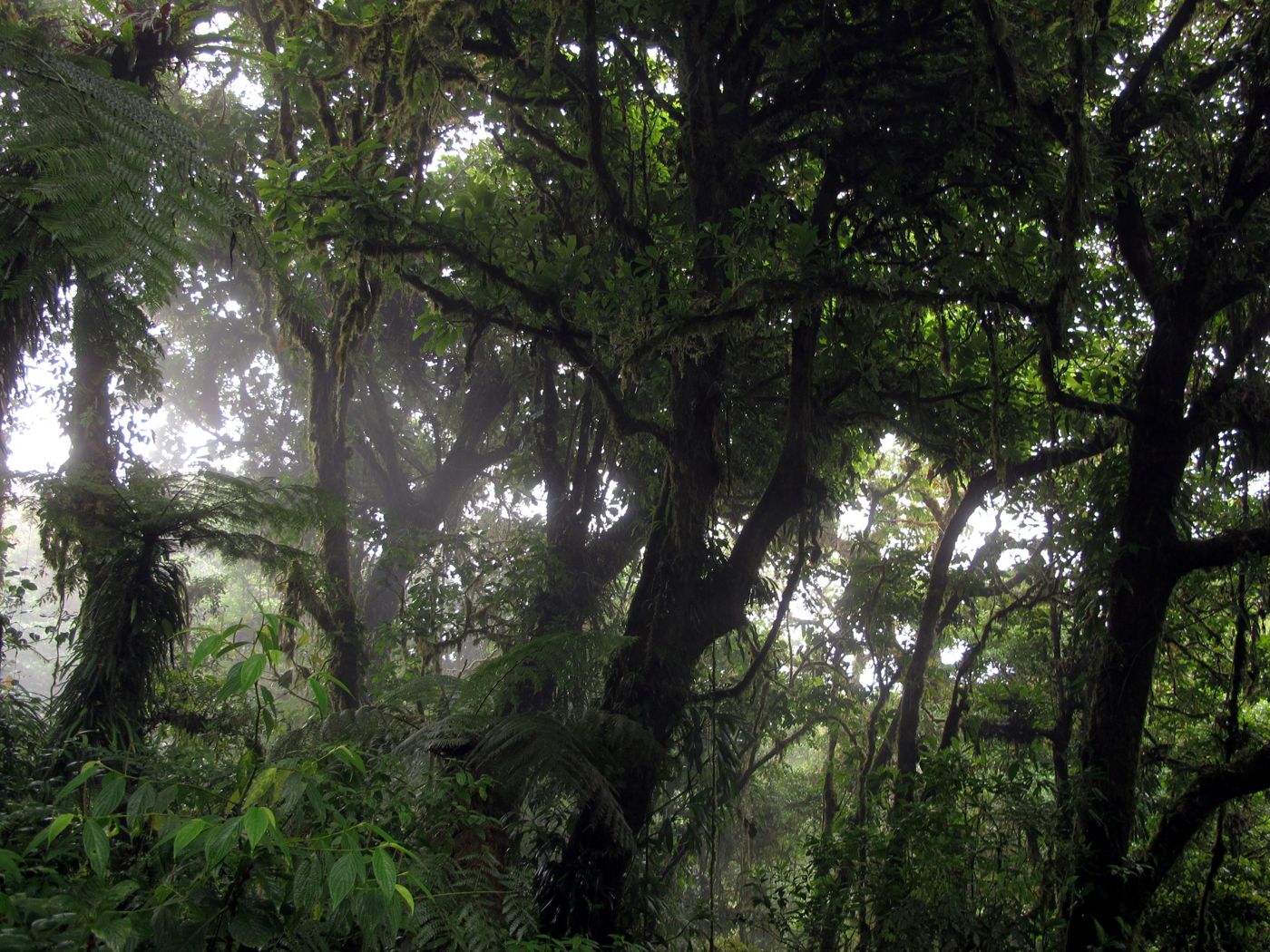
Monteverde
Puntarenas
The Monteverde Cloud Forest Reserve is a Costa Rican reserve located along the Cordillera de Tilarán within the Puntarenas and Alajuela provinces. Named after the nearby town of Monteverde and founded in 1972, the Reserve consists of over 10,500 hectares of cloud forest.
Did you know?
A misty cloud forest draped in orchids and alive with birds.
 Wetlands
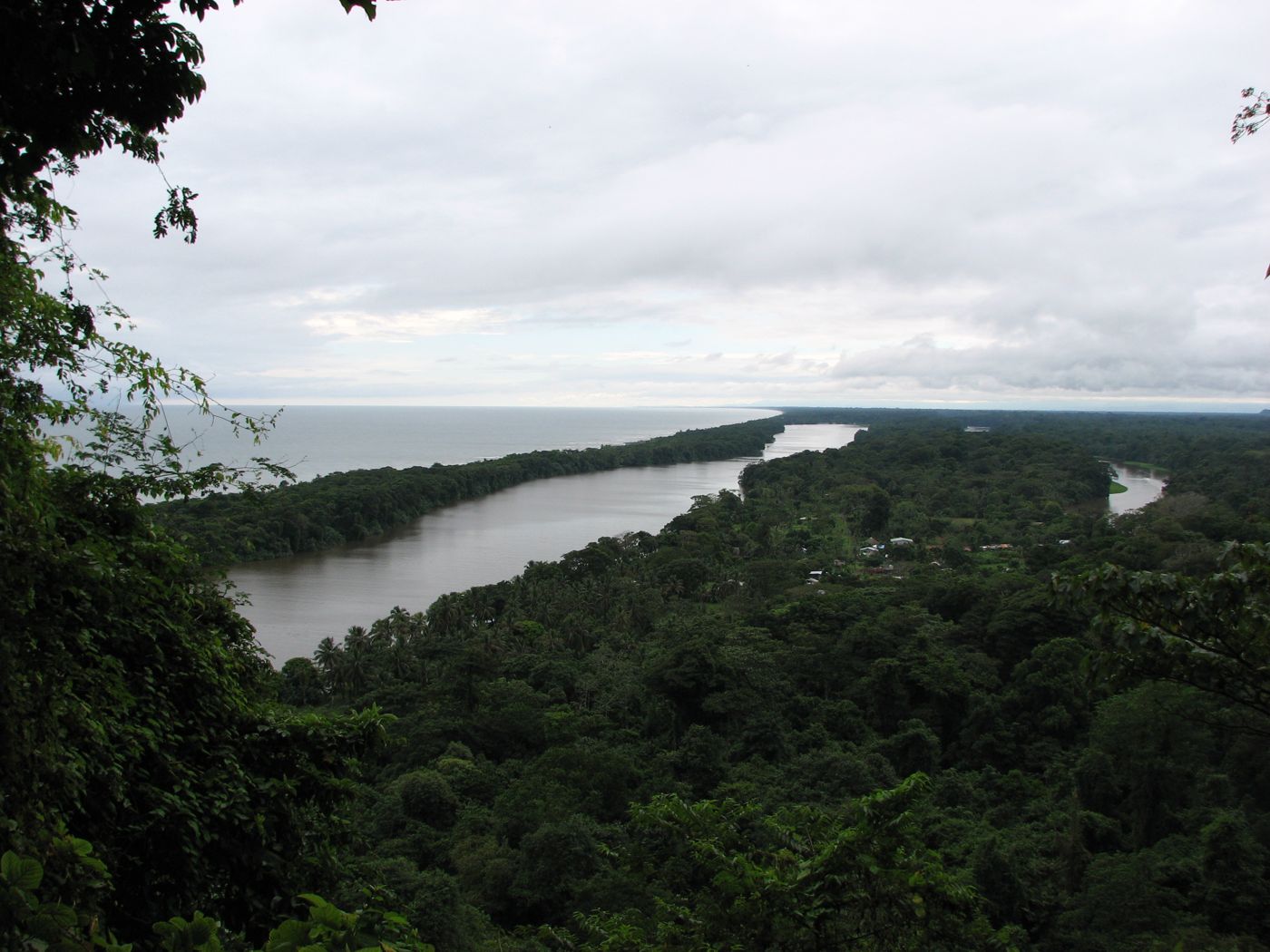
Tortuguero
Caribbean coast
Tortuguero National Park is a national park in the Limón Province of Costa Rica. It is situated within the Tortuguero Conservation Area of the northeastern part of the country. Despite its remote location, reachable only by airplane or boat, it is the third-most visited park in Costa Rica.
Did you know?
Rainforest canals and beaches where sea turtles nest.
 Rivers
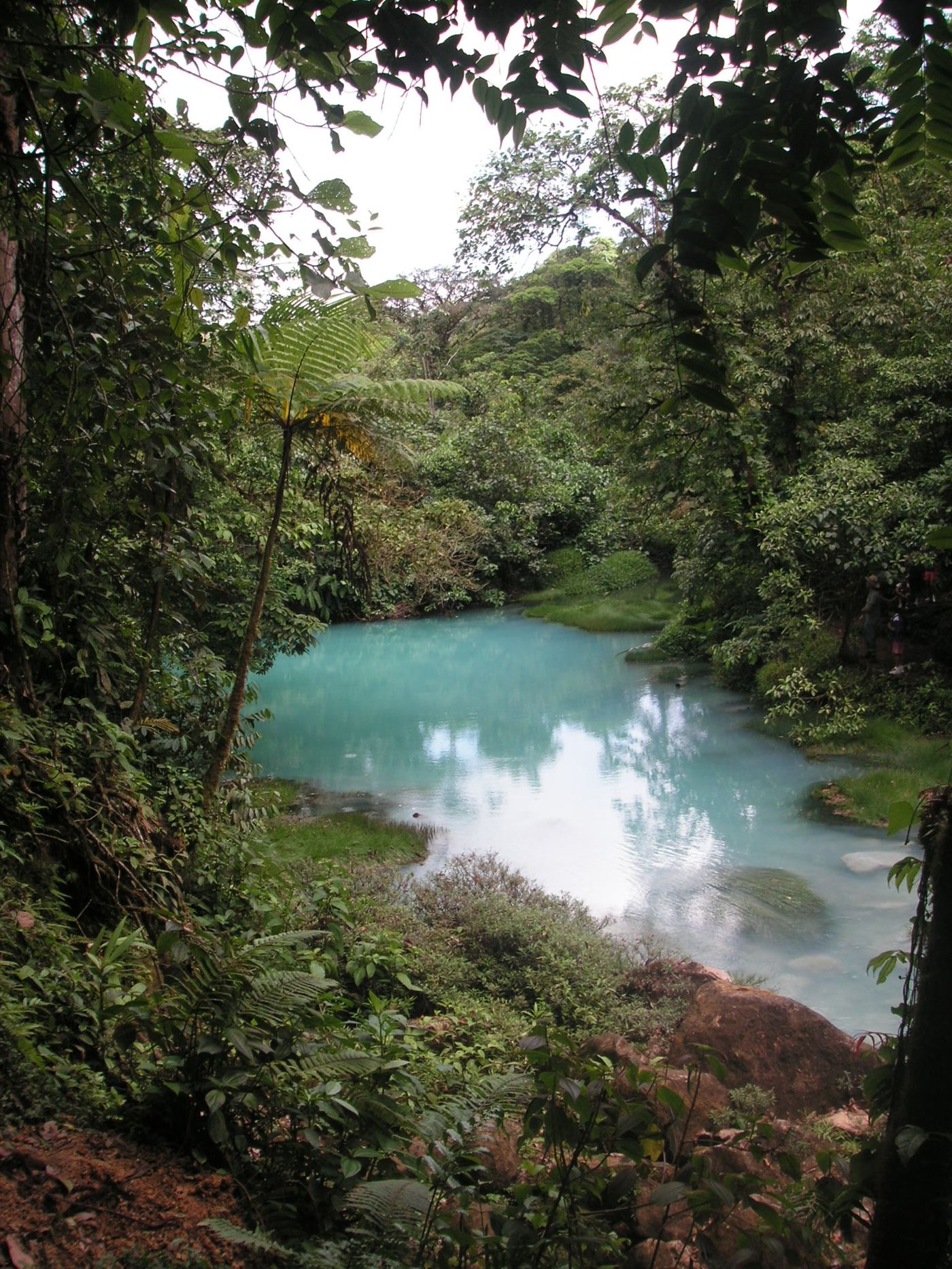
Río Celeste
Guanacaste
Tenorio Volcano National Park is a national park in the northern part of Costa Rica, which forms part of the Arenal Tempisque Conservation Area. The jewel of the national park is the Tenorio Volcano, from which it derives its name.
Did you know?
A river that turns sky-blue where two streams meet.
 Coasts
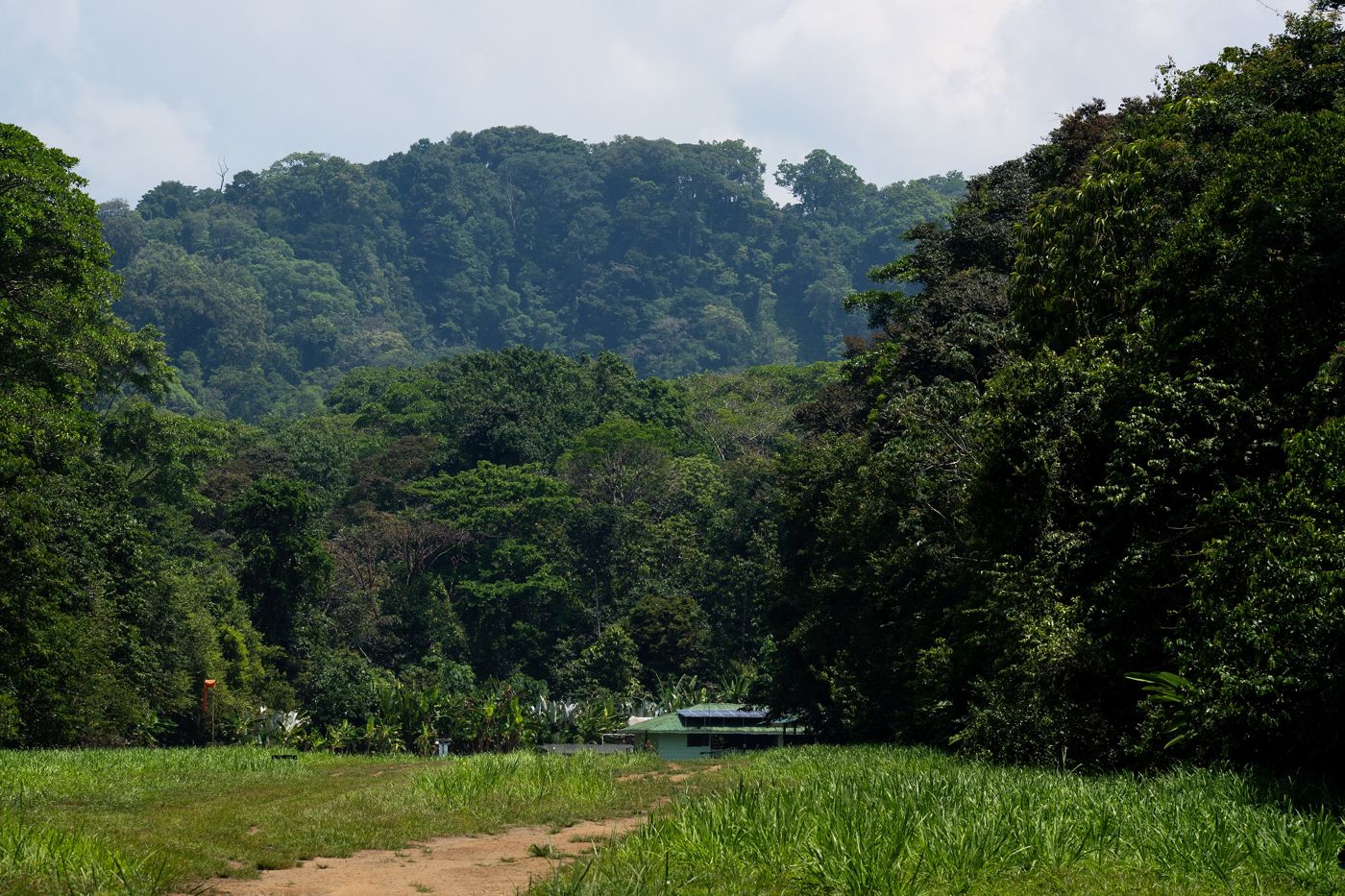
Corcovado
Osa Peninsula
Corcovado National Park is a National Park on the Osa Peninsula, in Osa Canton, located on the southwestern regions of Costa Rica, which is a part of the Osa Conservation Area. Corcovado National Park was established on October 24, 1975 and occupies an area of 424 square kilometres (164 sq mi).
Did you know?
Called the most biologically intense place on Earth.