North America
Canada
The top 10 natural landmarks of Canada — real photos, locations and fascinating facts for every wonder.
 Americas
 Waterfalls
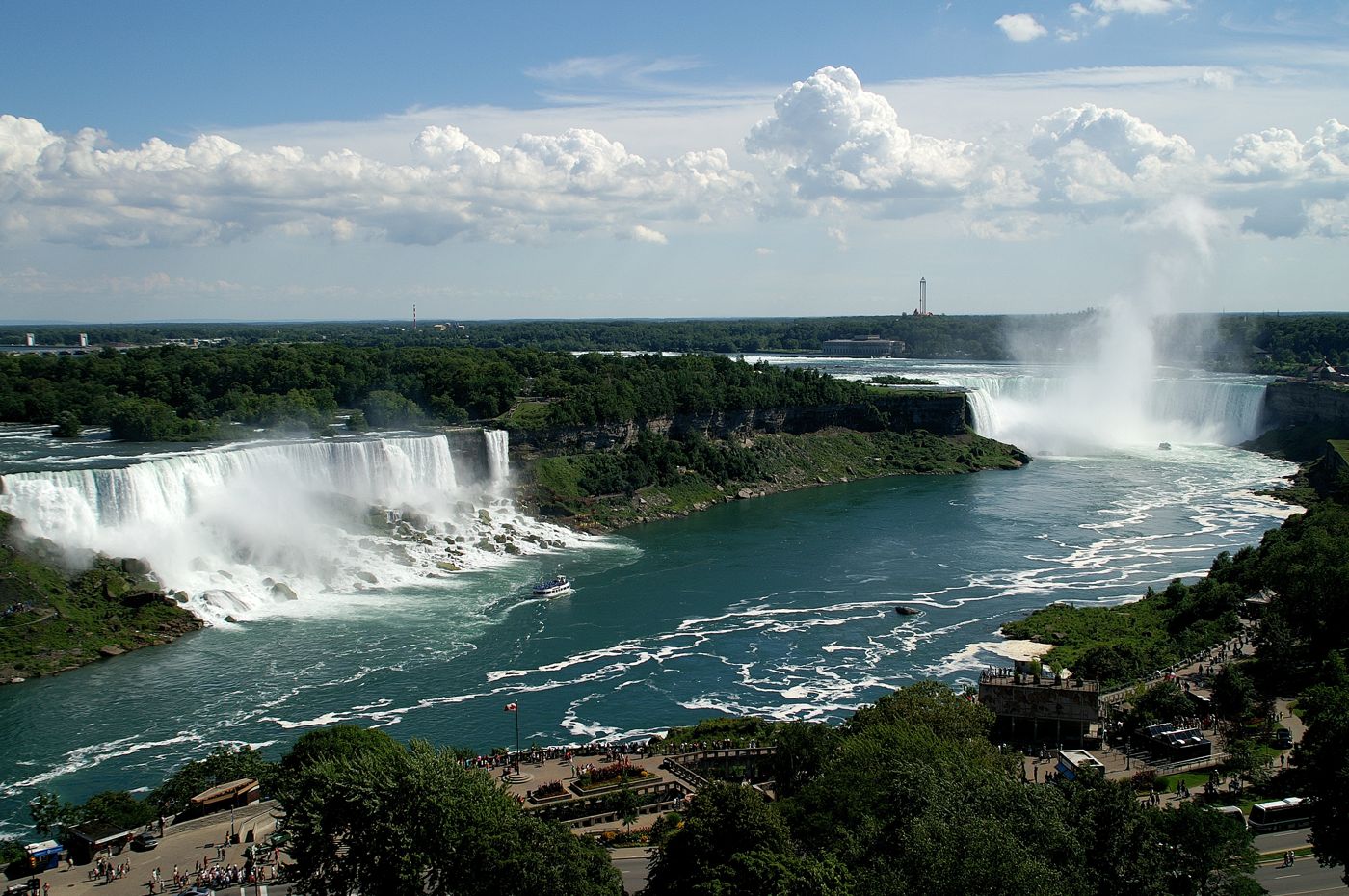
Niagara Falls
Ontario
Niagara Falls is a group of three waterfalls at the southern end of Niagara Gorge, spanning the border between the Canadian province of Ontario and the U.S. state of New York.
Did you know?
Three thundering falls straddling the US–Canada border.
 Mountains
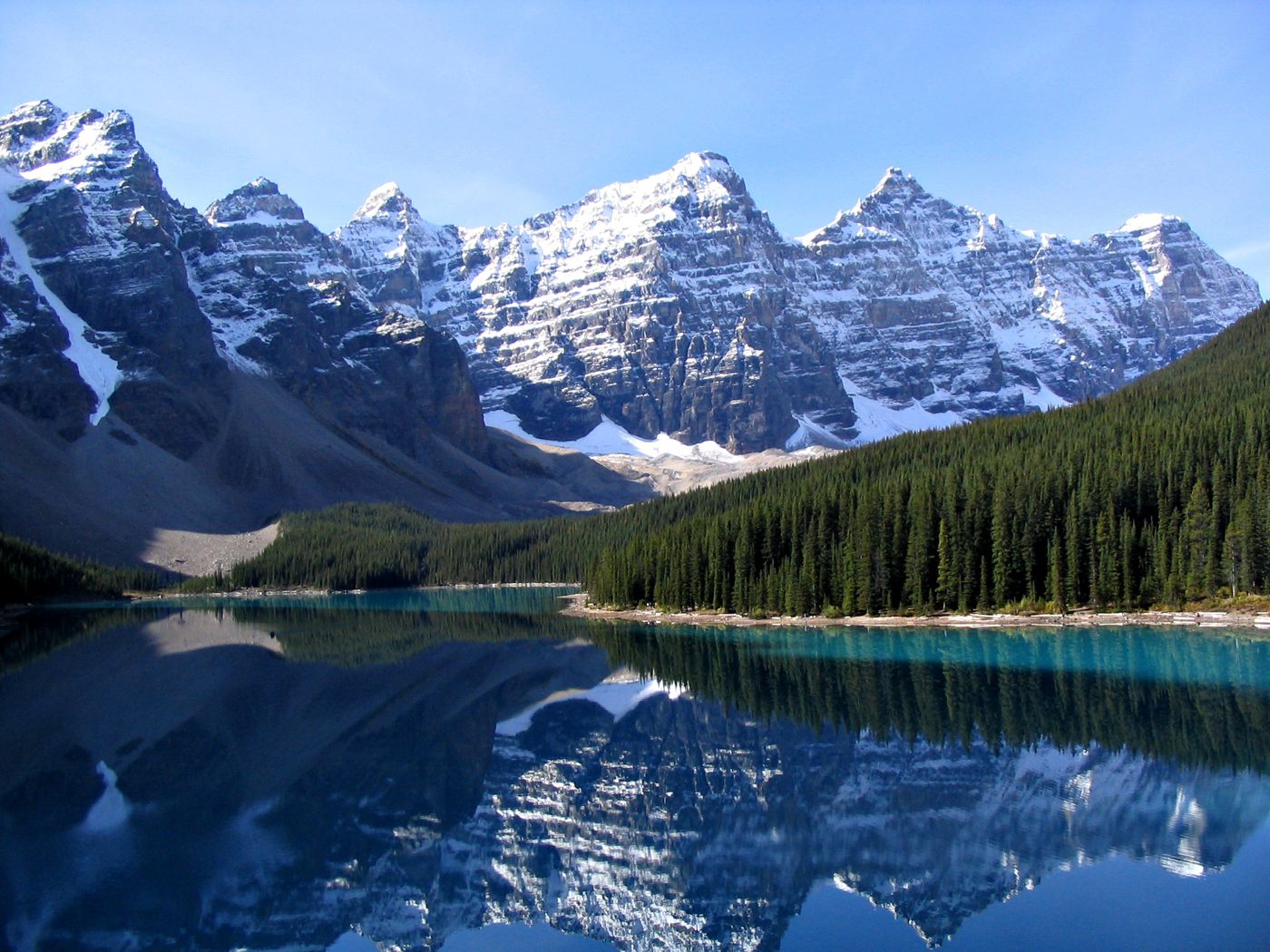
Banff National Park
Alberta
Banff National Park is Canada's first national park, established in 1885 as Rocky Mountains Park. Located in Alberta's Rocky Mountains, 110–180 kilometres (68–112 mi) west of Calgary, Banff encompasses 6,641 square kilometres (2,564 sq mi) of mountainous terrain, with many glaciers and ice fields, dense coniferous forest, and alpine landscapes.
Did you know?
Canada's oldest national park, a wonderland of peaks and turquoise lakes.
 Lakes
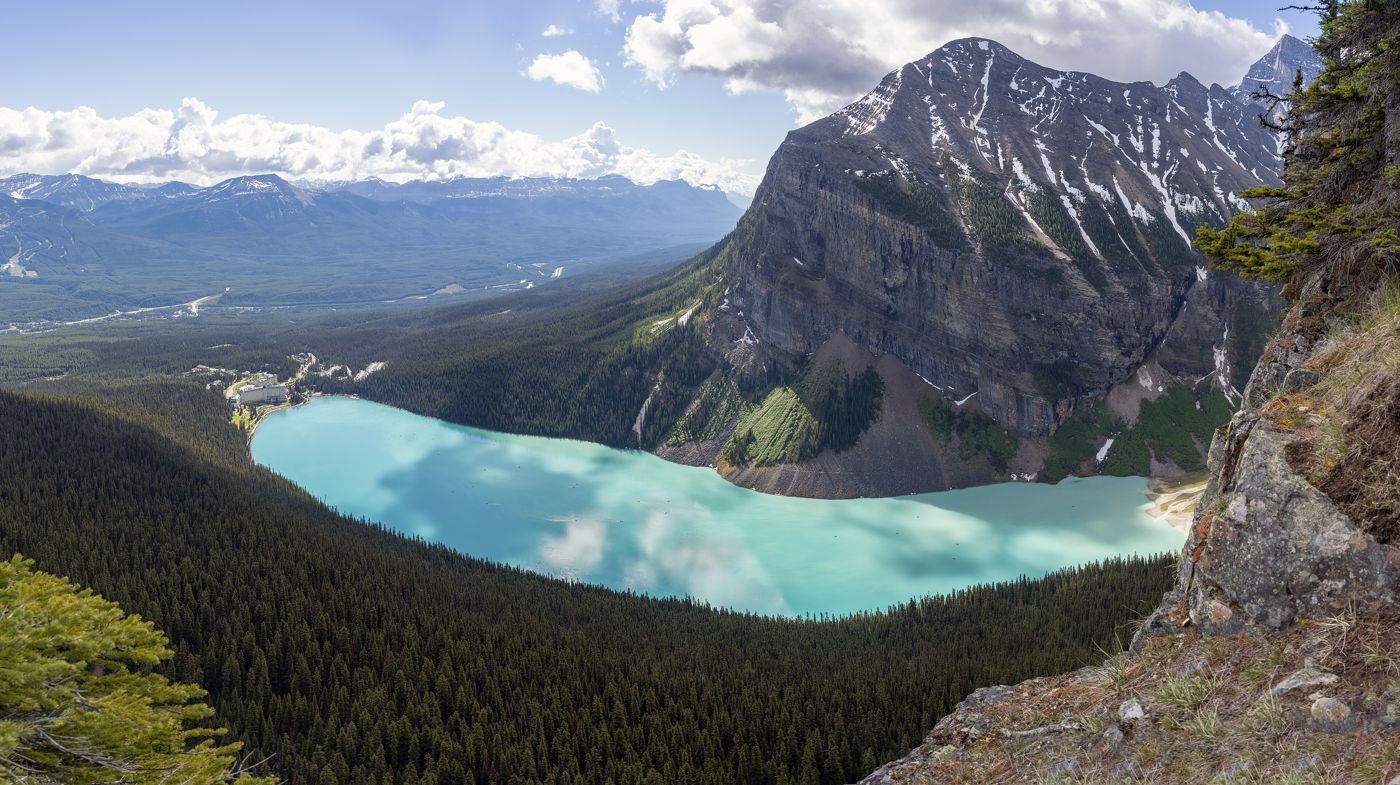
LakesLake Louise
Alberta
Lake Louise is a glacial lake within Banff National Park in Alberta, Canada. Situated 11 km (6.8 mi) east of the border with British Columbia, Lake Louise is located 5 km (3.1 mi) west of the community of Lake Louise and the Trans-Canada Highway.
Did you know?
A glacier-fed lake of almost unreal emerald colour.
 Lakes
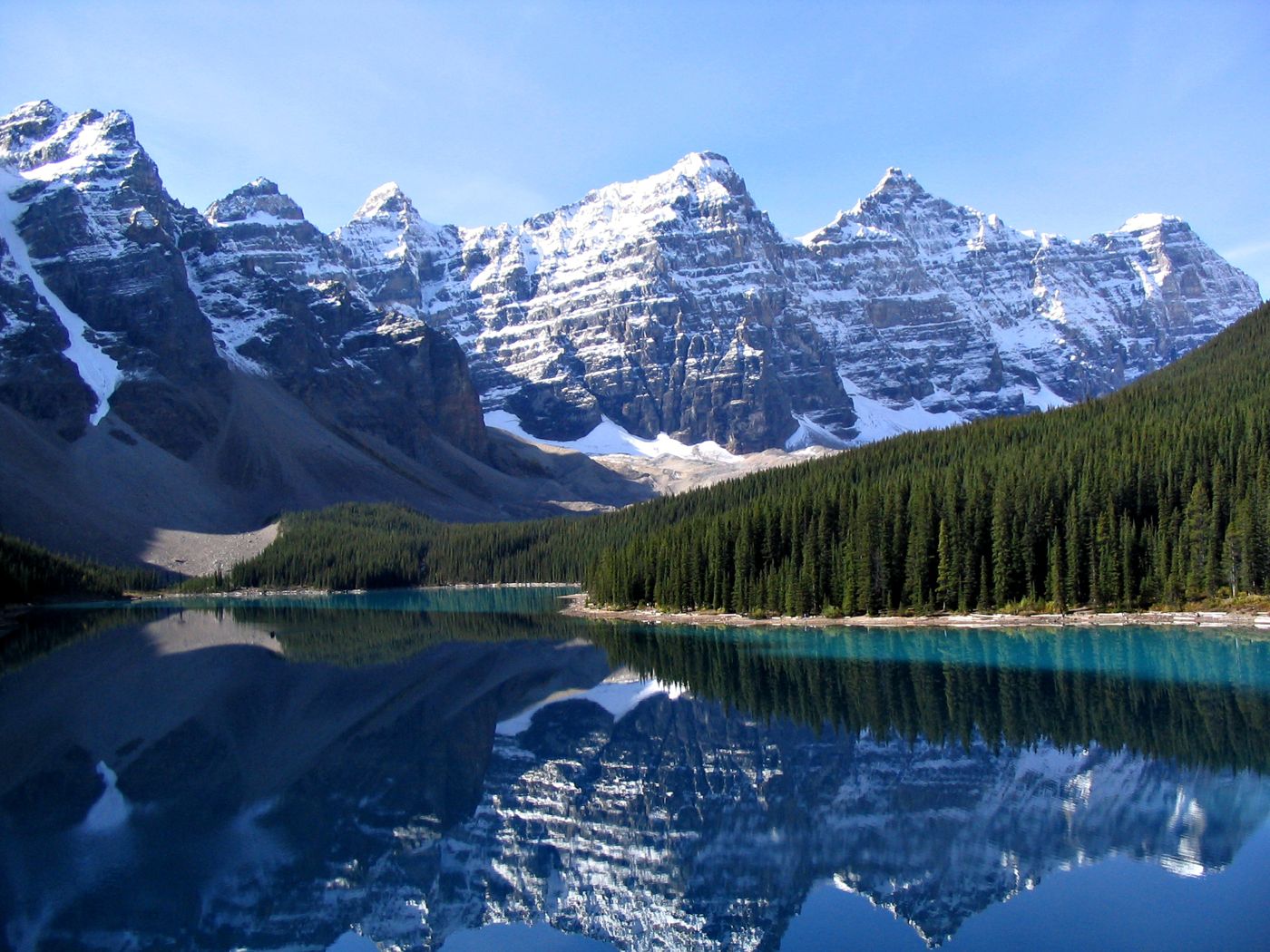
LakesMoraine Lake
Alberta
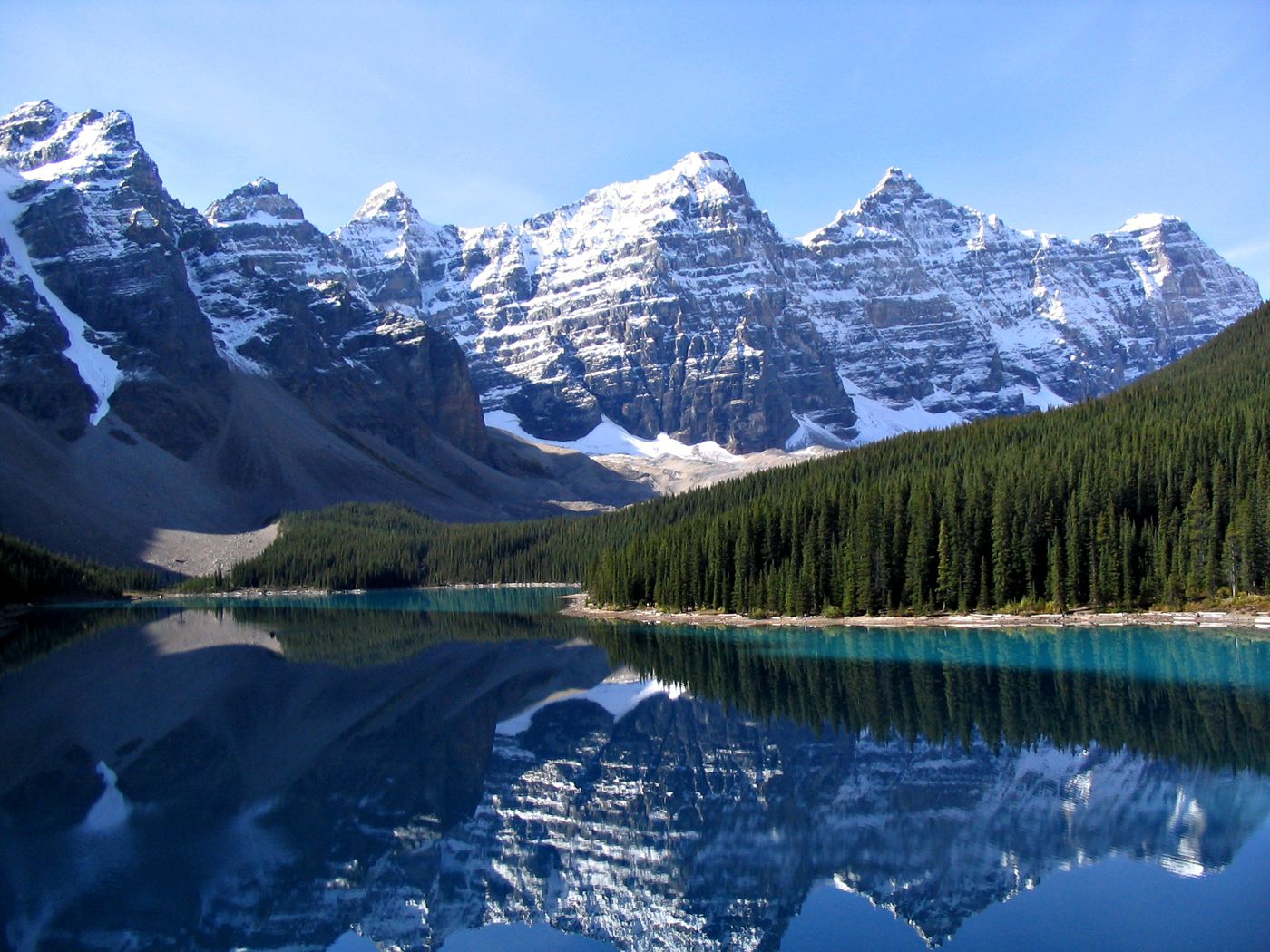
Moraine Lake is a snow and glacially fed alpine lake in Banff National Park, 14 kilometres (8.7 mi) outside the village of Lake Louise, Alberta, Canada. It is situated in the Valley of the Ten Peaks, at an elevation of approximately 1,884 metres (6,181 ft).
Did you know?
A vivid blue lake in the Valley of the Ten Peaks.
 Mountains
Rocky Mountains
Alberta / BC
The Canadian Rockies or Canadian Rocky Mountains, comprising both the Alberta Rockies and the British Columbian Rockies, is the Canadian segment of the North American Rocky Mountains. It is the easternmost part of the Canadian Cordillera, which is the northern segment of the North American Cordillera, the expansive system of interconnected mountain ranges between the Interior Plains and the Pacific Coast, that runs northwest–southeast from central Alaska to the Isthmus of Tehuantepec in Mexico.
Did you know?
A spine of jagged peaks running down western Canada.
 Coasts
Bay of Fundy
Nova Scotia / NB
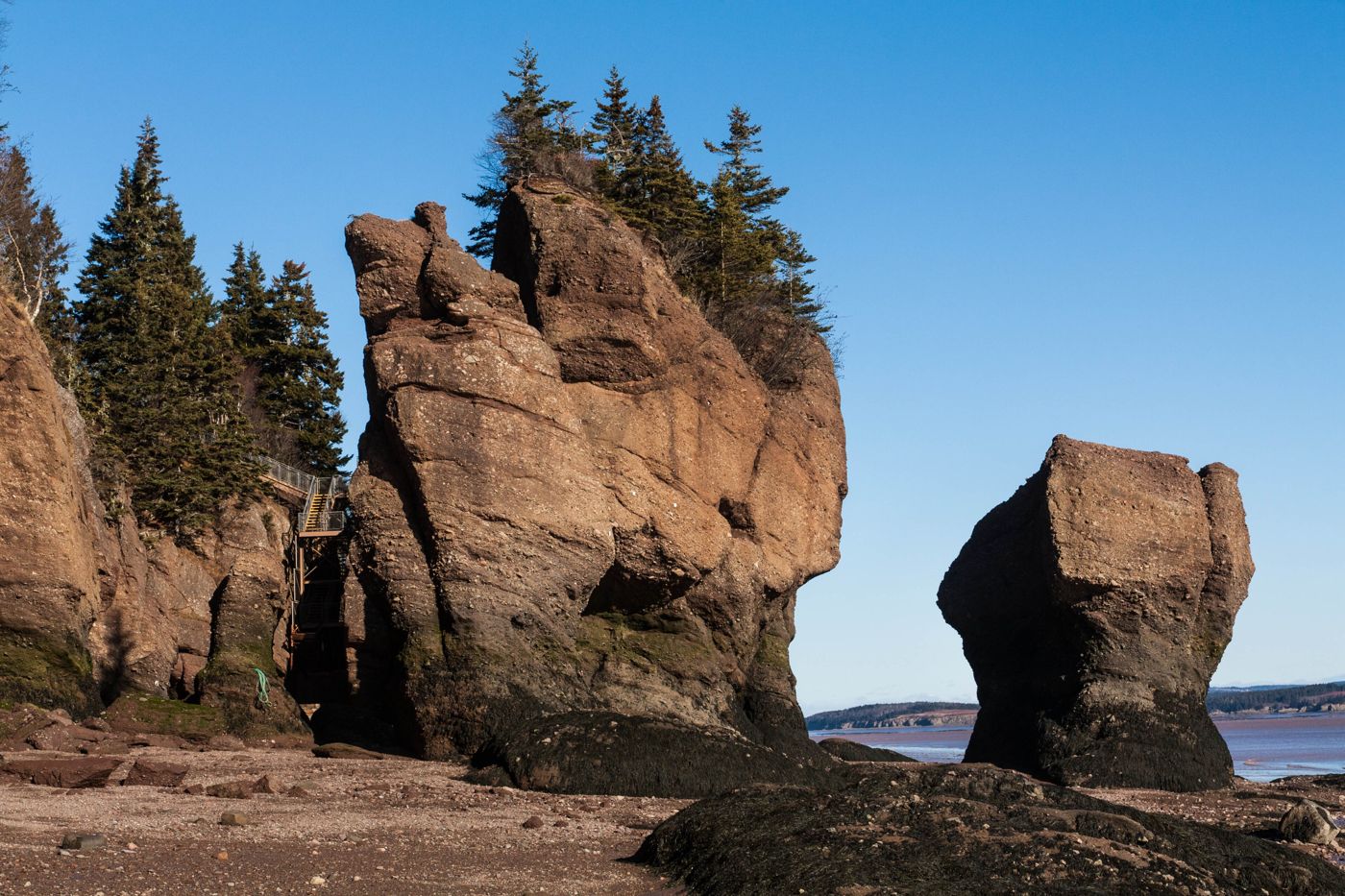
The Bay of Fundy is a bay between the Canadian provinces of New Brunswick and Nova Scotia, with a small portion touching the U.S. state of Maine.
Did you know?
Home to the highest tides on Earth, up to 16 metres.
 Canyons
Nahanni National Park
Northwest Territories
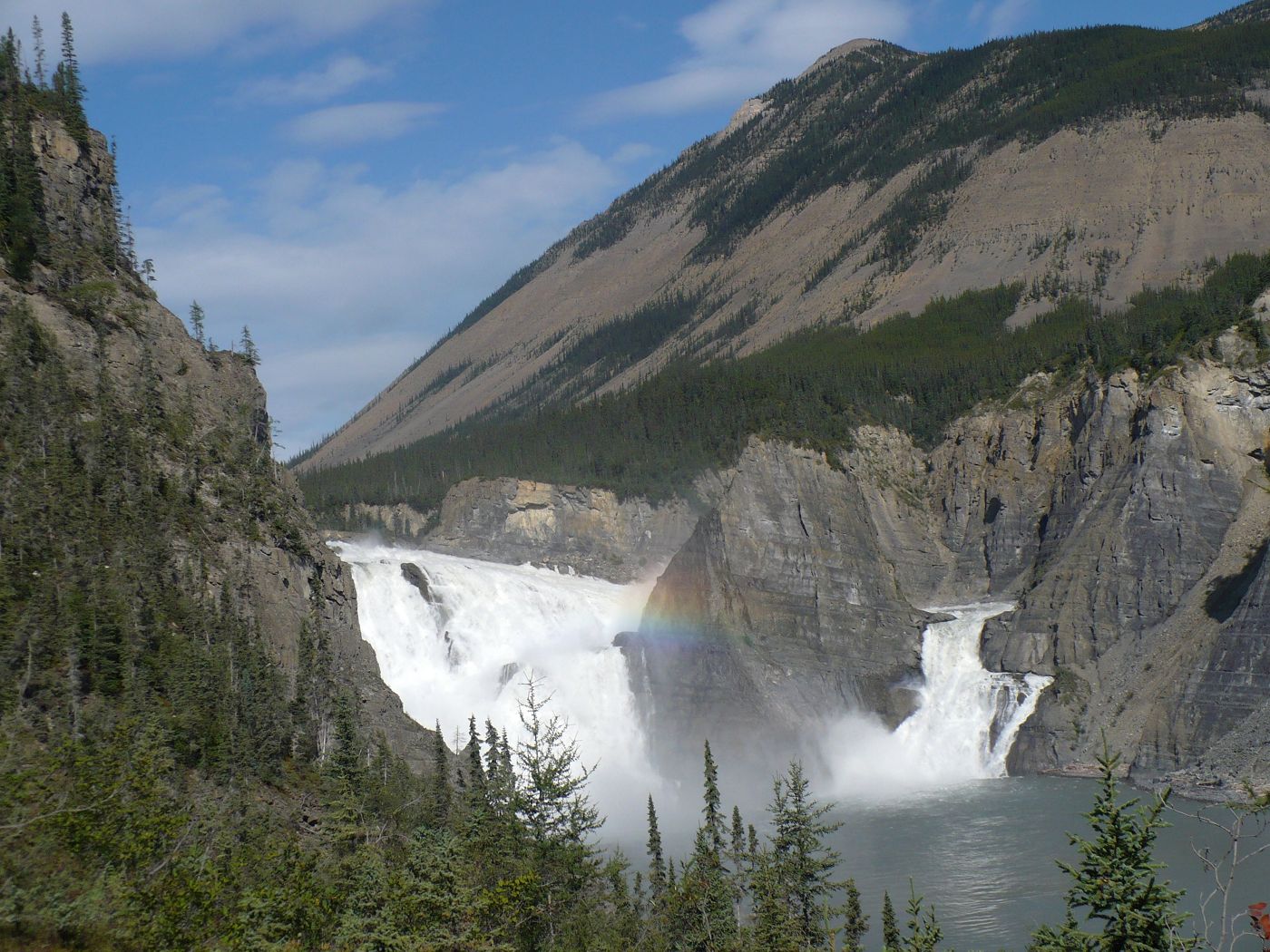
The Nahanni National Park Reserve, sometimes known as "Headless Valley" or "Valley of The Headless Men", in the Dehcho Region of the Northwest Territories, Canada, protects a portion of the Mackenzie Mountains Natural Region. The centrepiece of the park is the South Nahanni River.
Did you know?
Deep river canyons and Virginia Falls, twice the height of Niagara.
 Mountains
Gros Morne National Park
Newfoundland
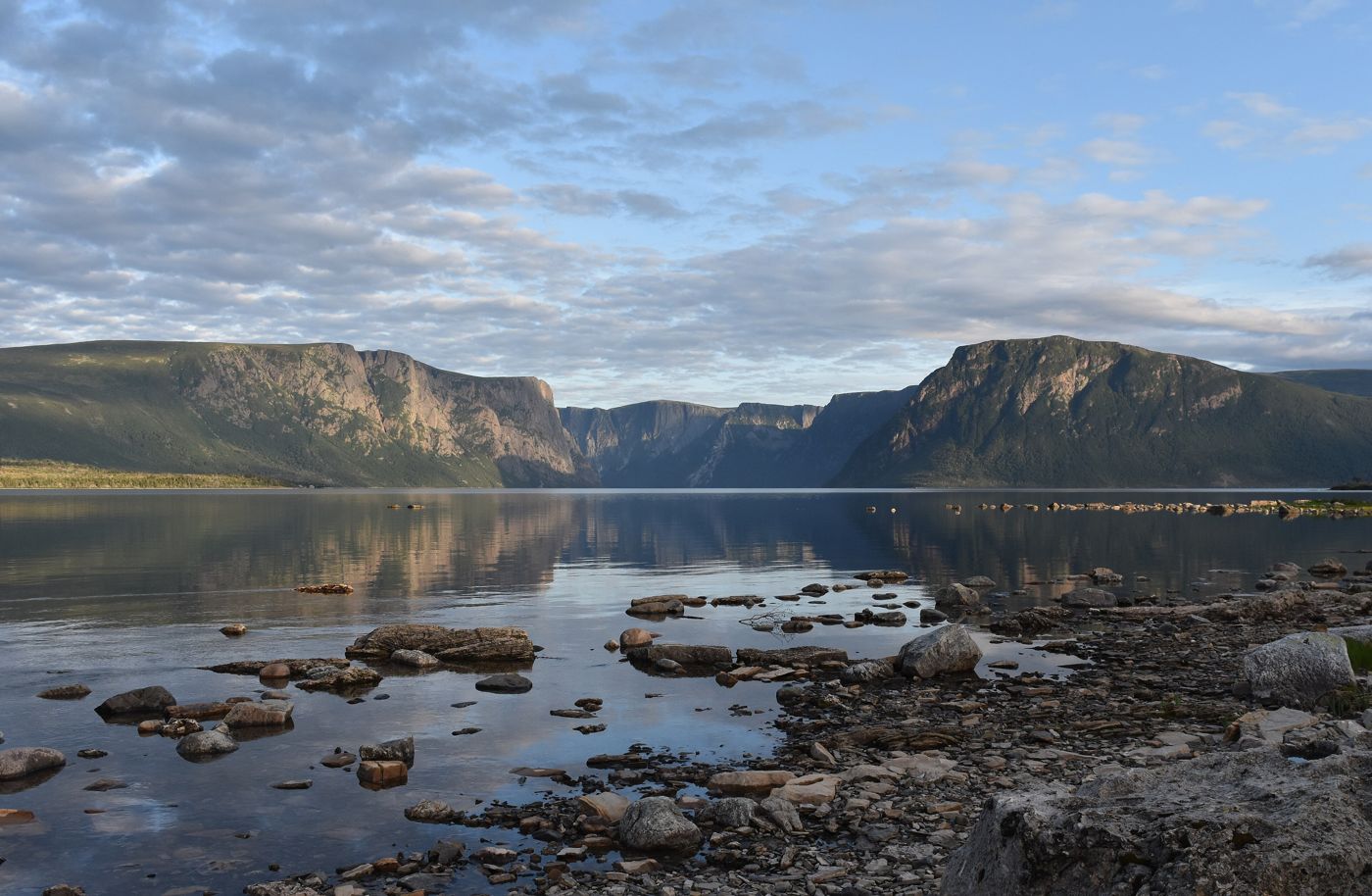
Gros Morne National Park is a Canadian national park and World Heritage Site located on the west coast of Newfoundland. At 1,805 km2 (697 sq mi), it is the second largest national park in Atlantic Canada after Torngat Mountains National Park, which has an area of 9,700 km2 (3,700 sq mi).
Did you know?
Fjords and exposed Earth's mantle rock on the Atlantic coast.
 Glaciers
Columbia Icefield
Alberta
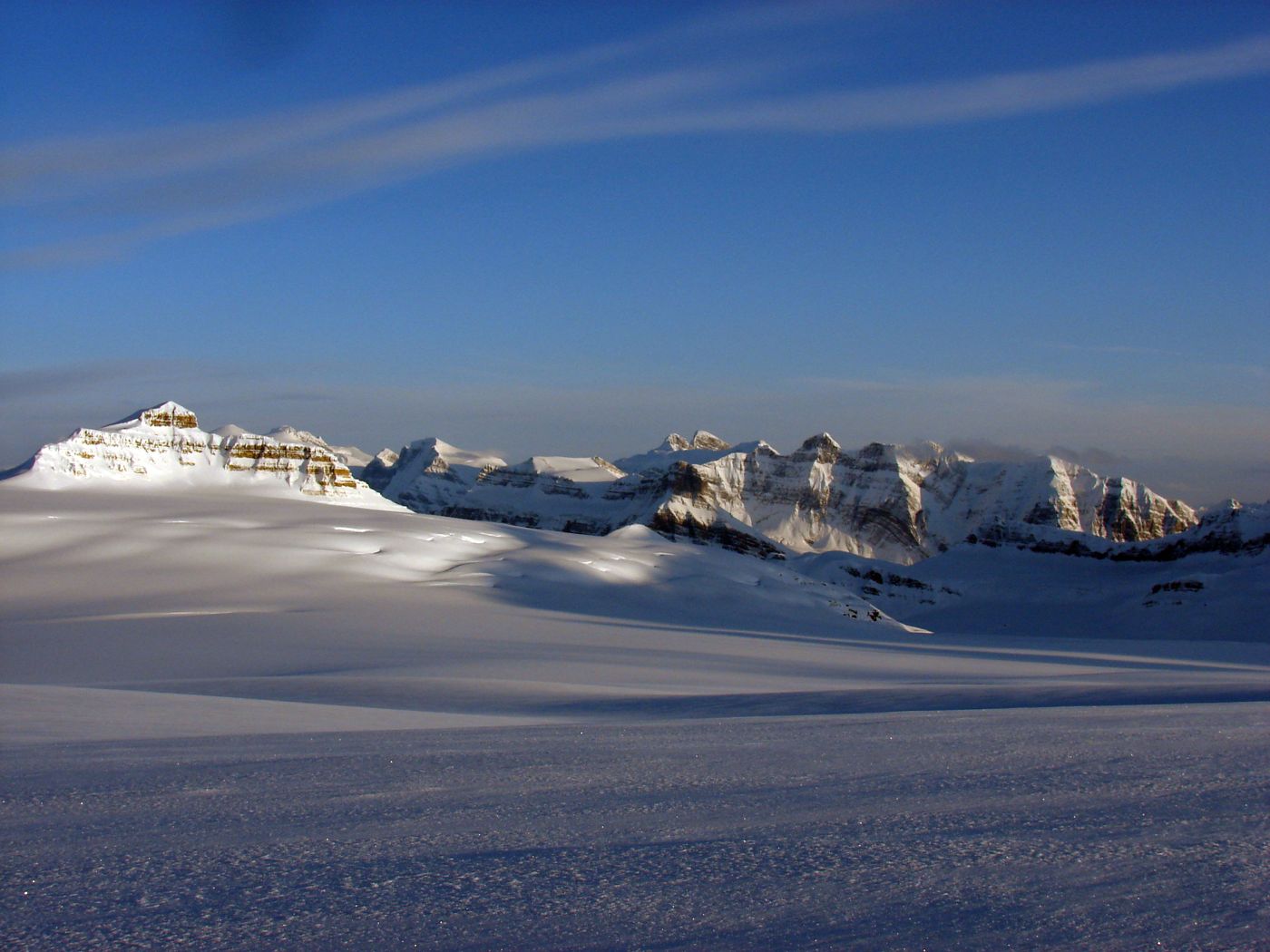
The Columbia Icefield is the largest ice field in North America's Rocky Mountains. Located within the Canadian Rocky Mountains astride the Continental Divide along the border of British Columbia and Alberta, Canada, the ice field lies partly in the northwestern tip of Banff National Park and partly in the southern end of Jasper National Park.
Did you know?
The largest icefield in the Rocky Mountains, feeding three oceans.
 Weather
Northern Lights (Yukon)
Yukon
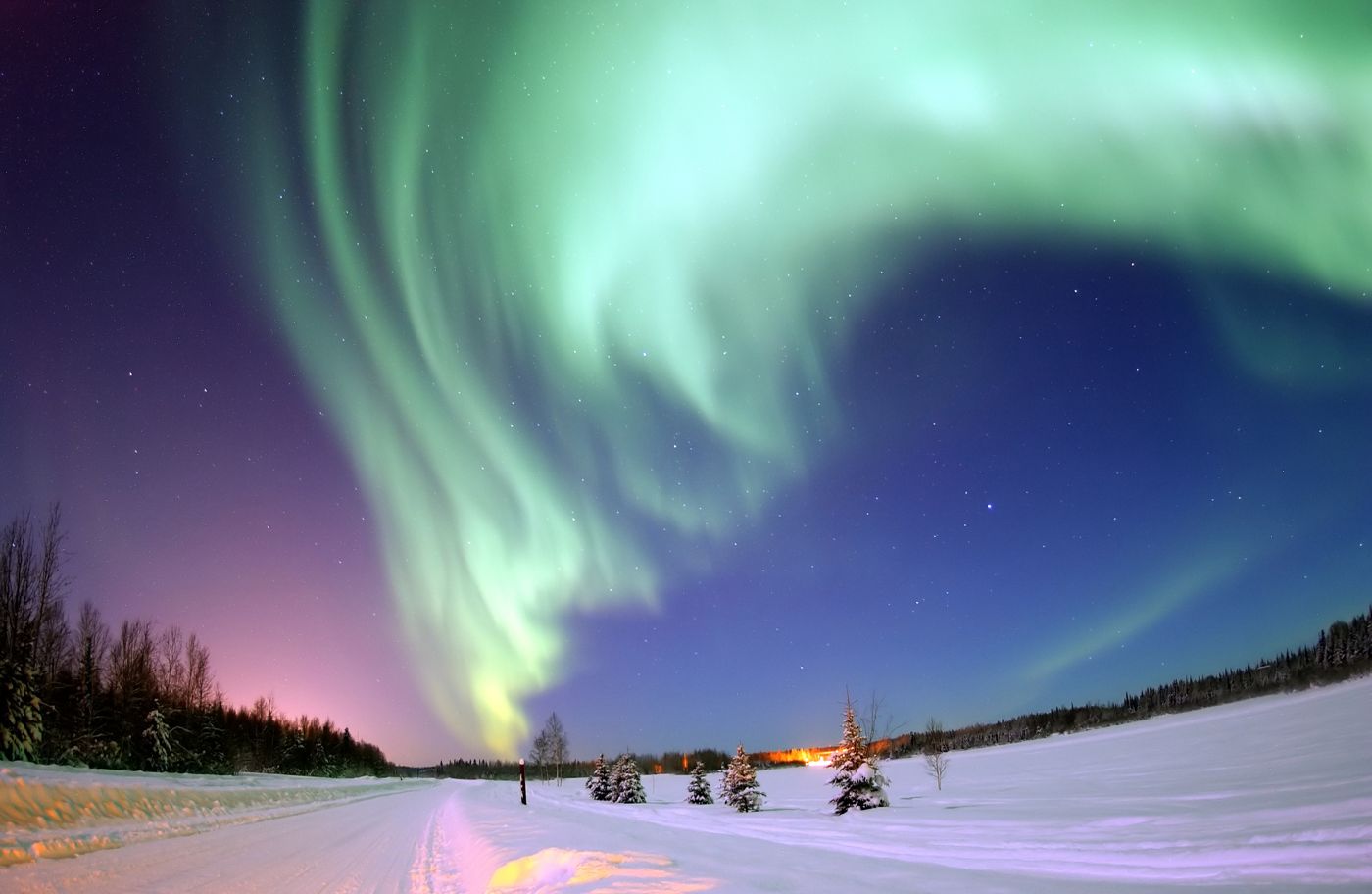
An aurora is a natural light display in Earth's upper atmosphere caused by charged particles from the Sun colliding with atoms in the atmosphere. These collisions excite oxygen and nitrogen, which then emit light of different colours such as green, red, and purple.
Did you know?
The subarctic north offers some of the planet's best aurora viewing.