Central Europe
Austria
The top 5 natural landmarks of Austria — real photos, locations and fascinating facts for every wonder.
 Europe
 Mountains
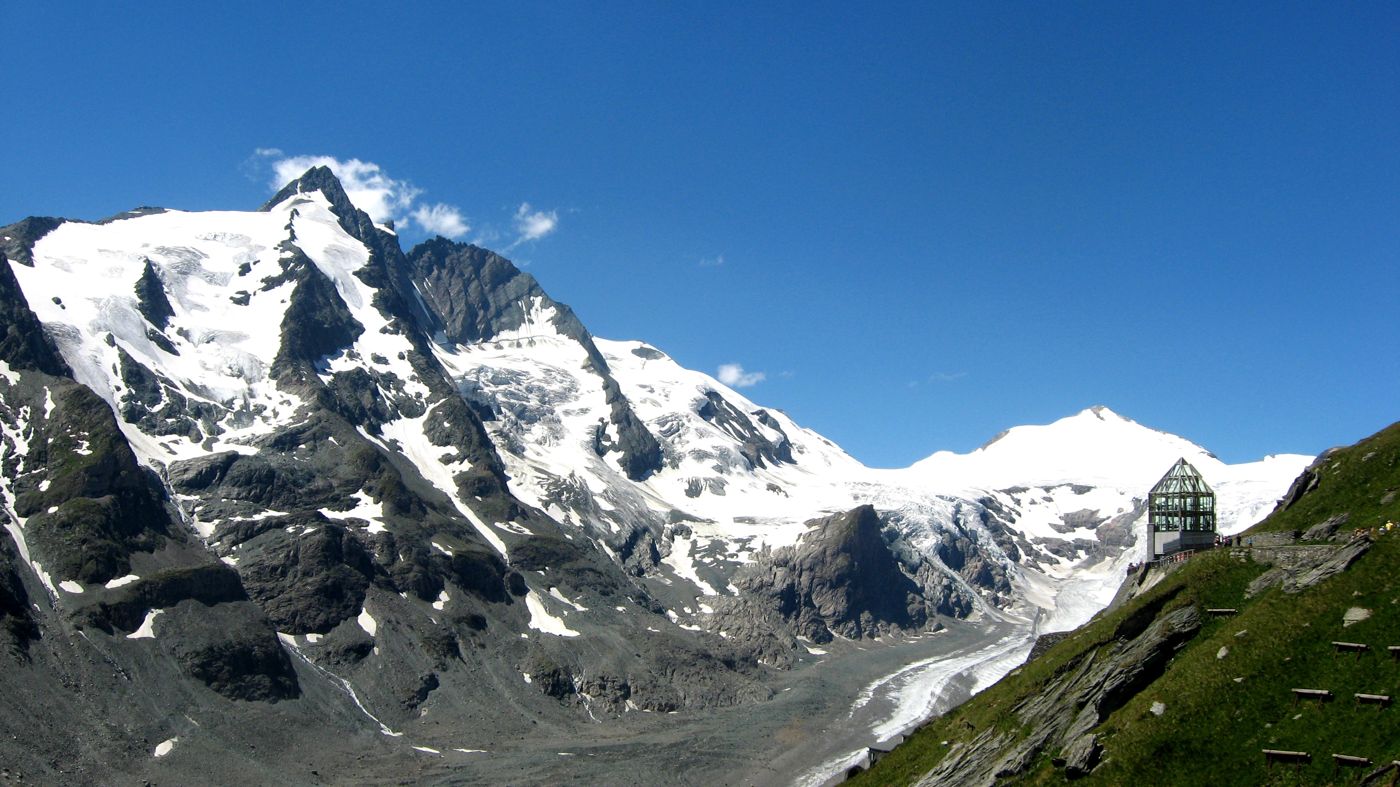
Grossglockner
Hohe Tauern
The Großglockner, or just Glockner, is, at 3,798 metres above the Adriatic (12,461 ft), the highest mountain in Austria and highest mountain in the Alps east of the Brenner Pass. It is part of the larger Glockner Group of the Hohe Tauern range, situated along the main ridge of the Central Eastern Alps and the Alpine divide.
Did you know?
Austria's highest peak at 3,798 m, flanked by a great glacier.
 Waterfalls
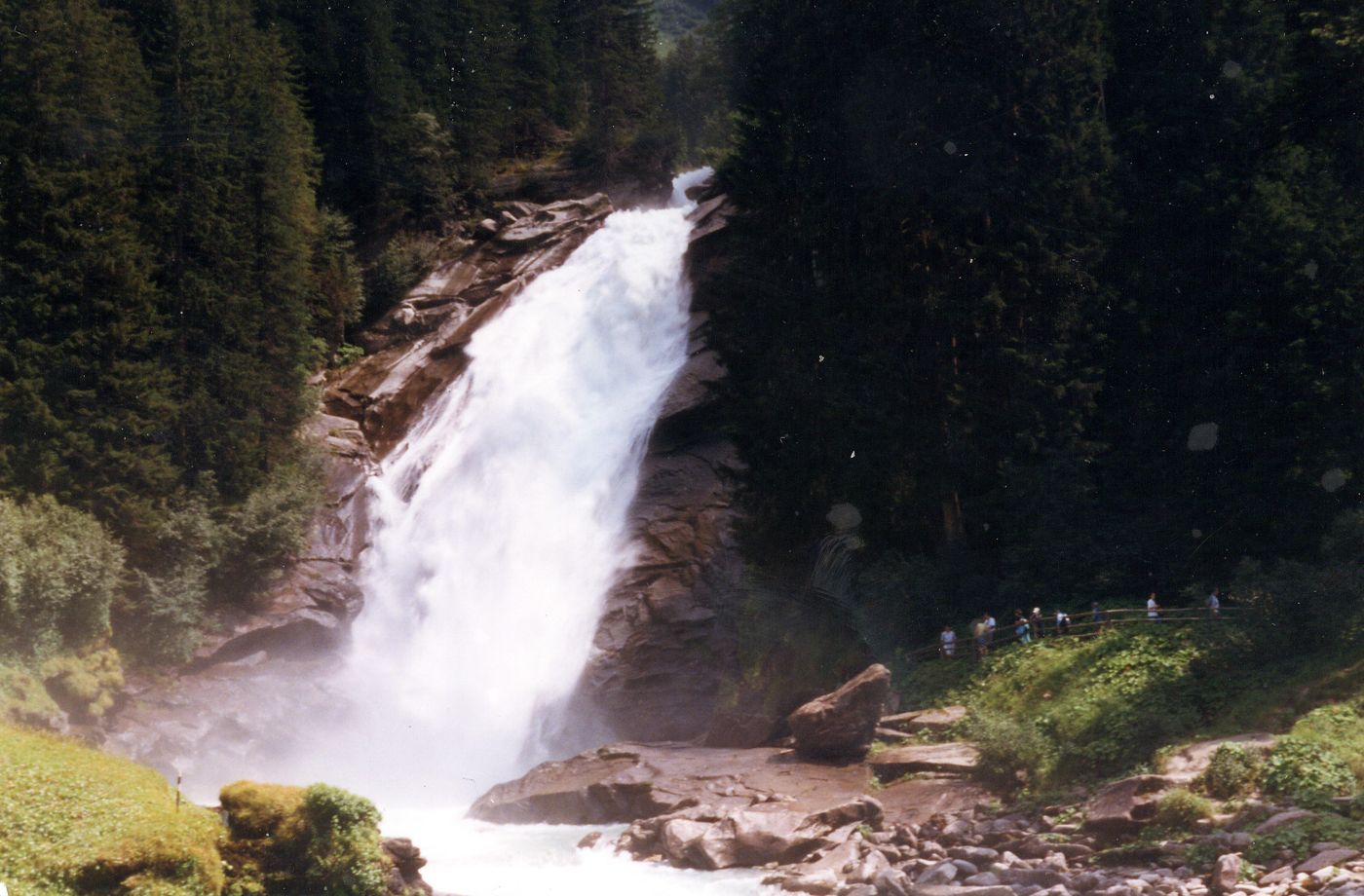
Krimml Waterfalls
Salzburg
The Krimml Waterfalls, with a total height of 380 metres, are the highest waterfall in Austria. The falls are on the Krimmler Ache river and are located near the village of Krimml in the High Tauern National Park in Salzburg state.
Did you know?
The tallest waterfall in Austria, plunging 380 m in three tiers.
 Lakes
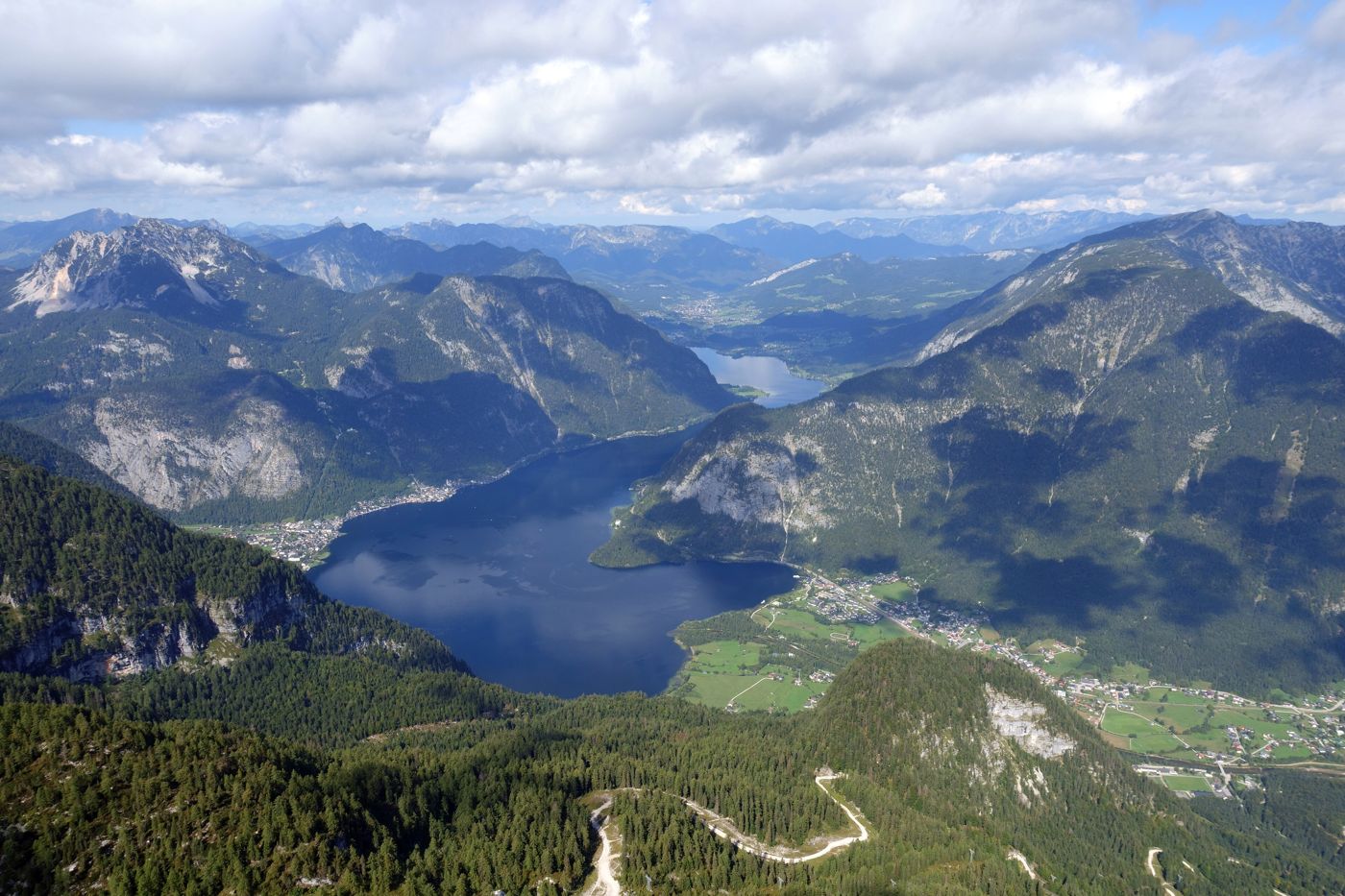
Hallstätter See
Salzkammergut
Hallstätter See or Lake Hallstatt is a lake in Salzkammergut, Austria. It is named after Hallstatt, a small market town famous for its salt mining since prehistoric times and for being the starting point of the world's oldest still-working industrial pipeline, used to transport brine to Bad Ischl and further to Ebensee.
Did you know?
A deep lake mirroring steep alpine slopes and a storybook village.
 Caves
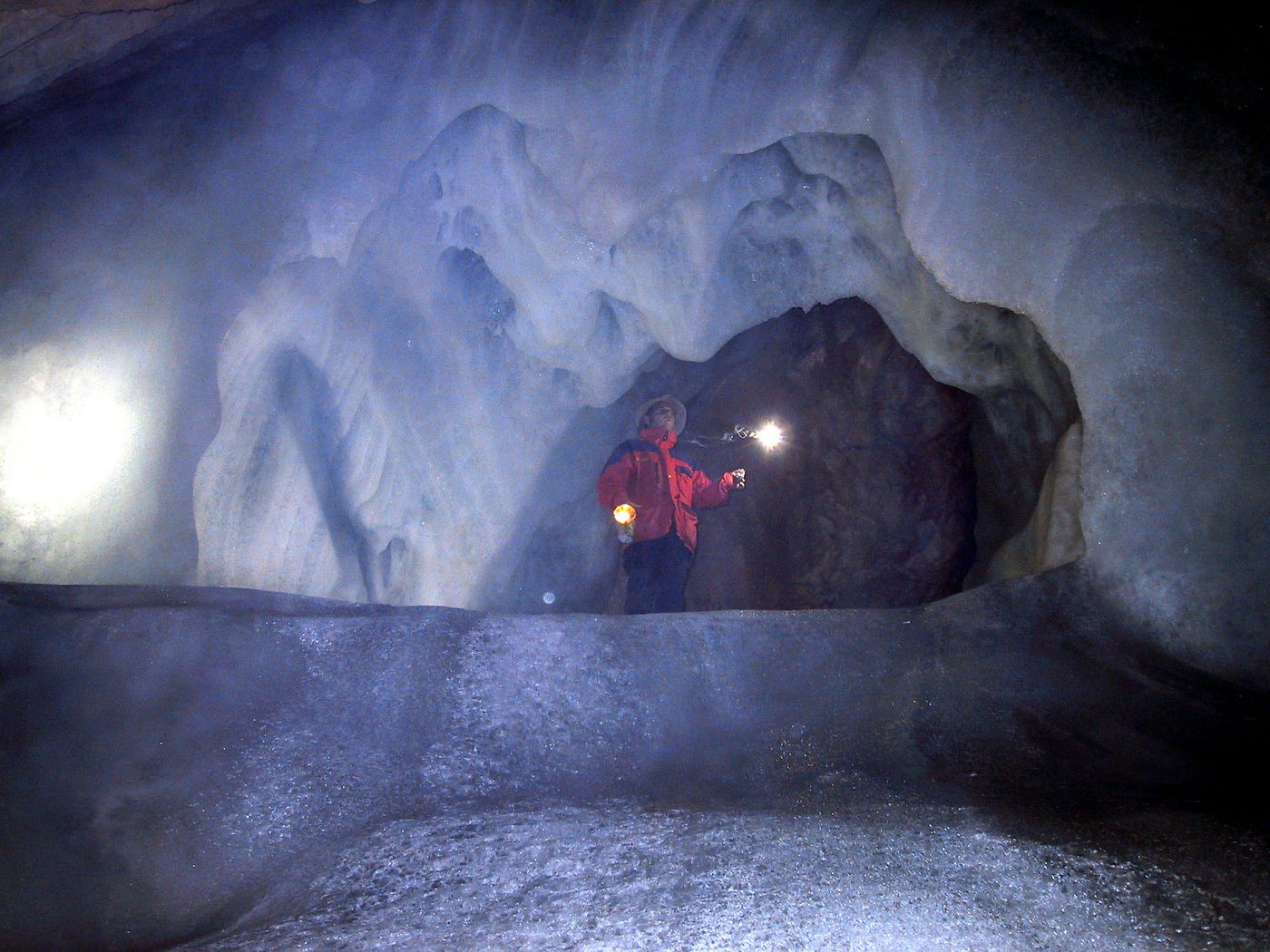
Eisriesenwelt
Werfen
The Eisriesenwelt is a natural limestone and ice cave located in Werfen, Austria, about 40 km south of Salzburg. The cave is inside the Hochkogel mountain in the Tennengebirge section of the Alps.
Did you know?
The largest ice cave in the world, with glittering frozen sculptures.
 Rivers
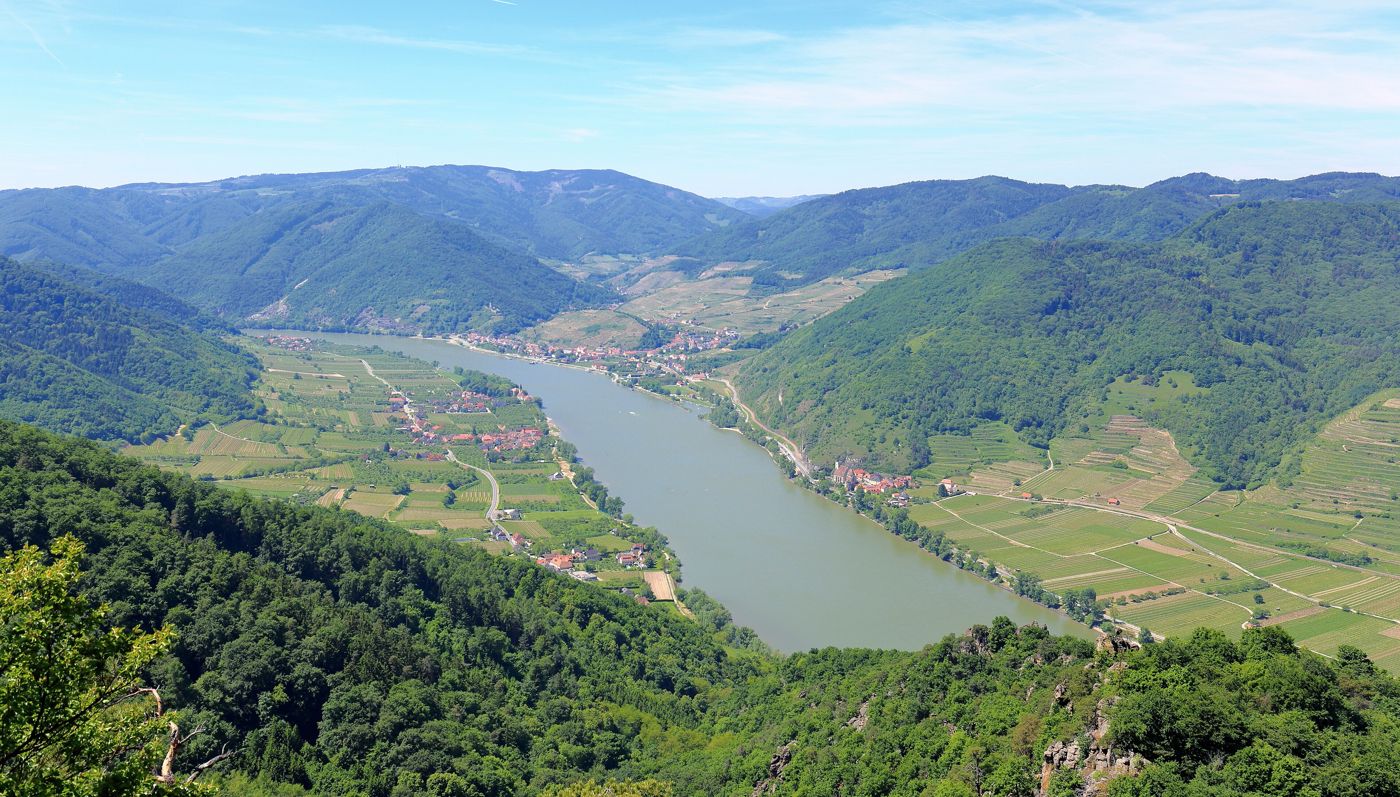
Wachau Valley
Lower Austria
The Wachau is an Austrian valley formed by the Danube River. It is one of the most prominent tourist destinations of Lower Austria, located between the towns of Melk and Krems that attracts epicureans for its high-quality wines.
Did you know?
A scenic stretch of the Danube between terraced vineyard hills.