Western Asia
Food of Türkiye
The 11 most iconic national dishes of Türkiye — real photos, key ingredients and tasty facts behind every plate.
 Asia
Asia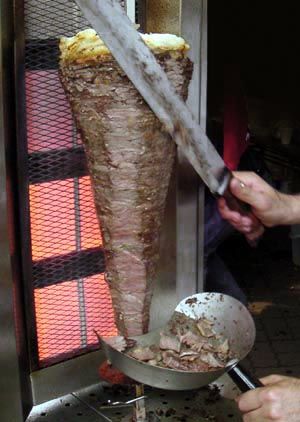
Döner kebab
Seasoned meat is stacked on a vertical rotisserie, slowly roasted, and shaved into thin slices for serving in bread or on a plate. It is deeply savory, juicy, and one of Türkiye’s most globally recognized foods.
Did you know?
The vertically roasted form of döner became established in the Ottoman world in the 19th century and later inspired dishes such as shawarma and gyros.
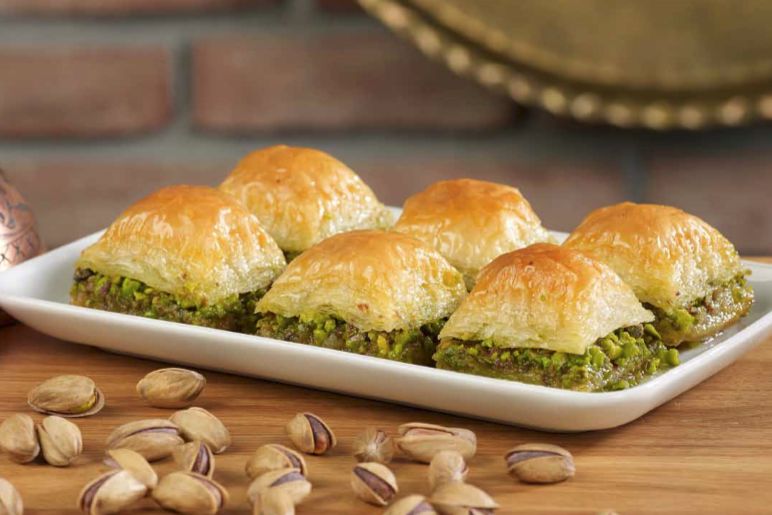
Baklava
Layers of delicate pastry are filled with nuts and soaked in fragrant syrup or honey. The result is crisp, buttery, and intensely sweet, with Gaziantep especially famed for its pistachio versions.
Did you know?
Gaziantep baklava received protected geographical indication status in the European Union, highlighting its prestige and regional identity.
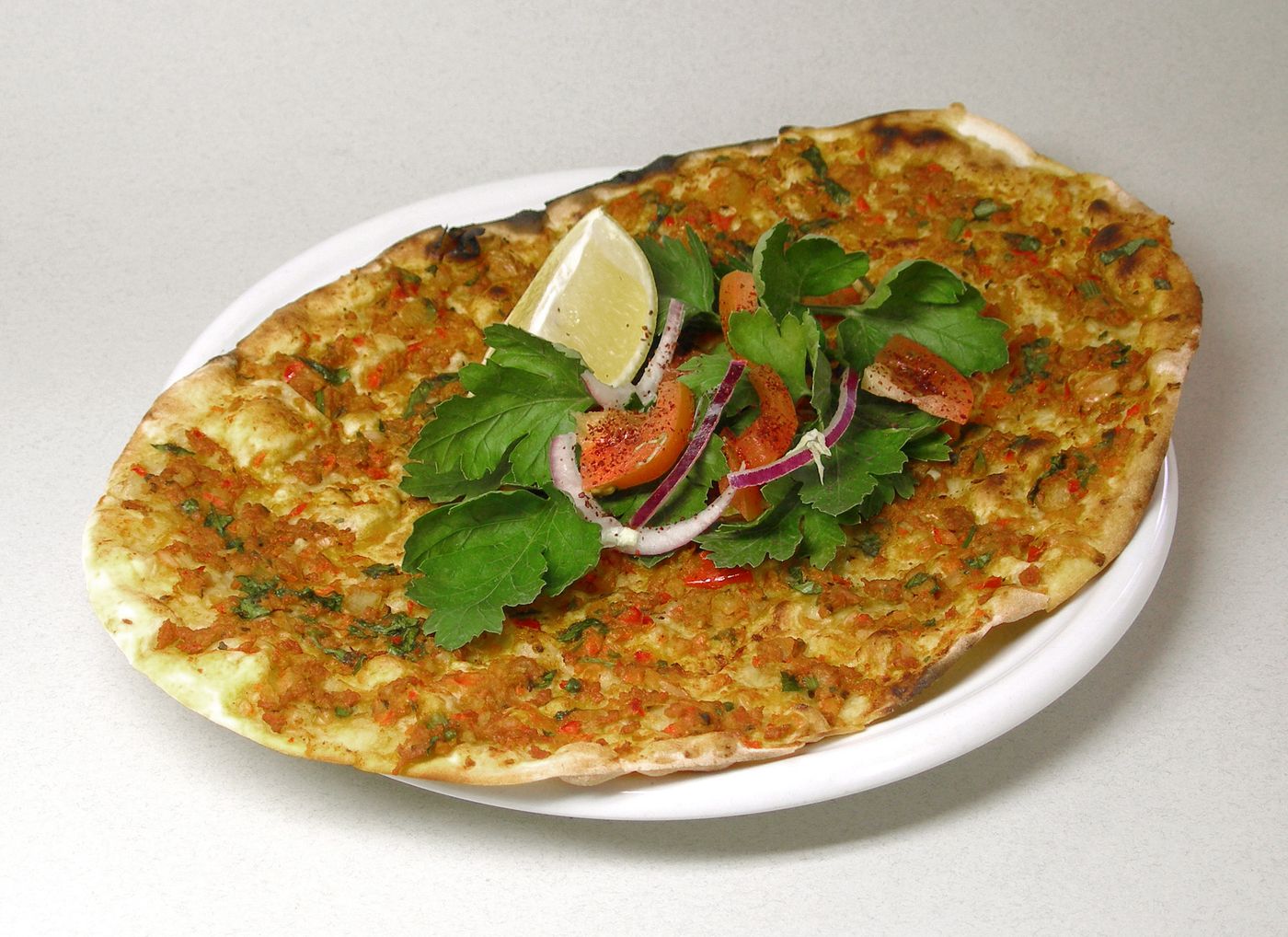
Lahmacun
A very thin round flatbread is spread with a spicy minced meat mixture and baked quickly until crisp at the edges. It is typically brightened with parsley and lemon before being rolled up and eaten.
Did you know?
Although often nicknamed 'Turkish pizza' abroad, locals recognize lahmacun as its own long-established dish with roots in the eastern Mediterranean.
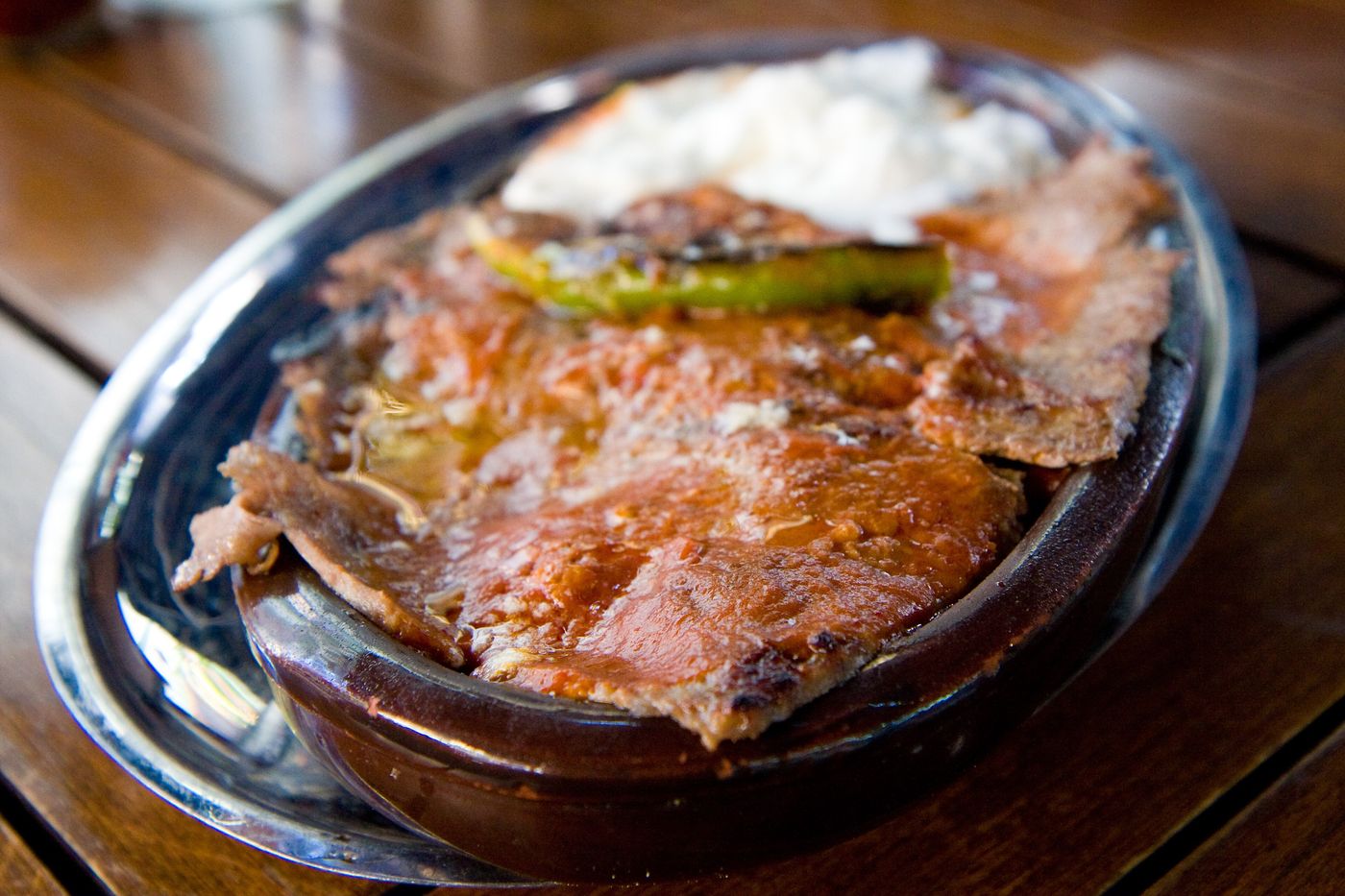
İskender kebap
Slices of döner are served over pieces of pide bread with tomato sauce, melted butter, and yogurt. The combination is rich, tangy, and famously indulgent.
Did you know?
The dish is associated with Bursa and named after İskender Efendi, whose family popularized this specific serving style in the 19th century.
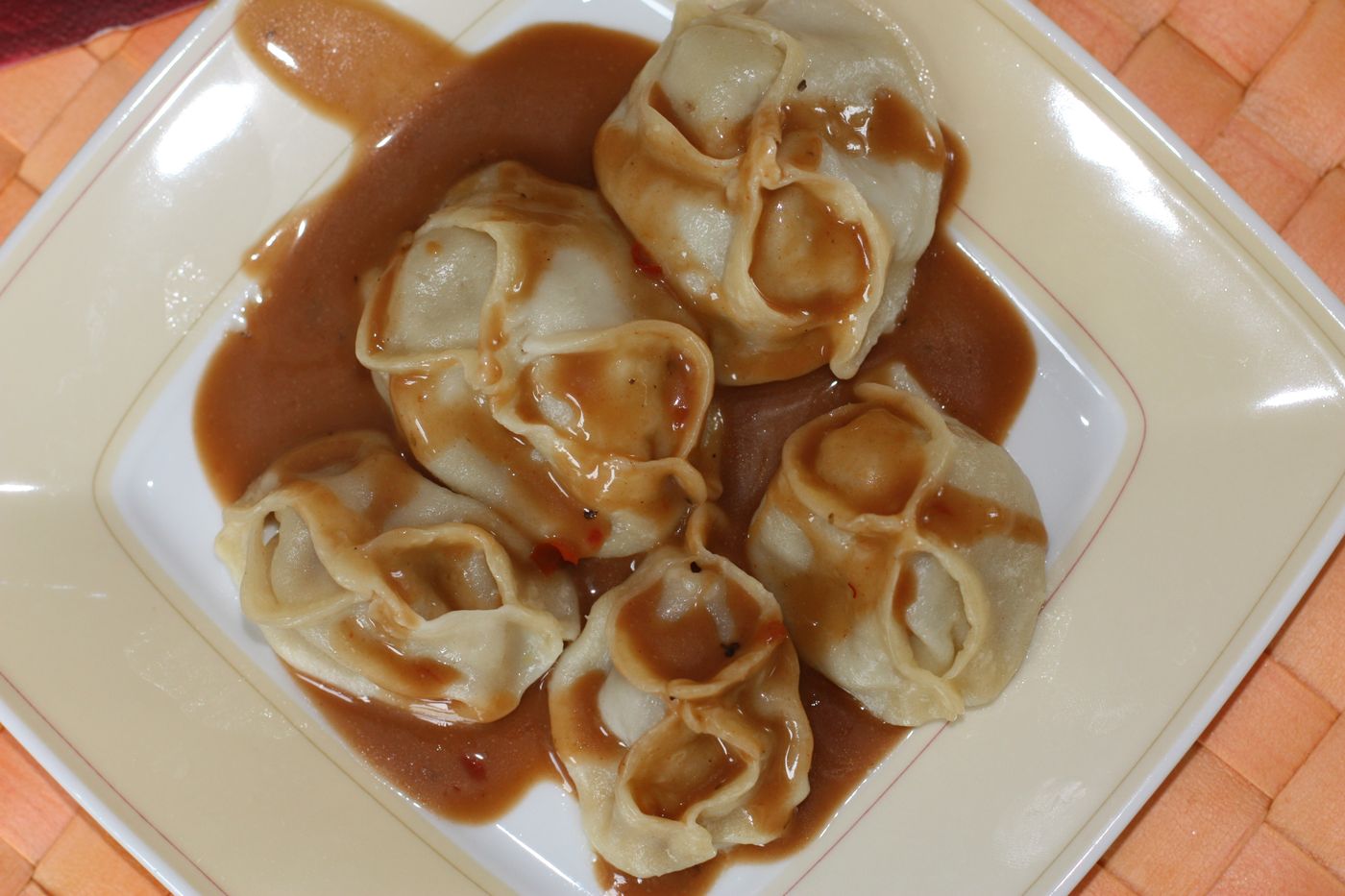
Mantı
Tiny dumplings filled with seasoned meat are boiled and topped with garlicky yogurt and spiced butter. They are tender, tangy, and aromatic, and often seen as a beloved comfort food.
Did you know?
Kayseri is especially famous for mantı, and a local saying boasts that skilled cooks can fit many tiny pieces onto a single spoon.
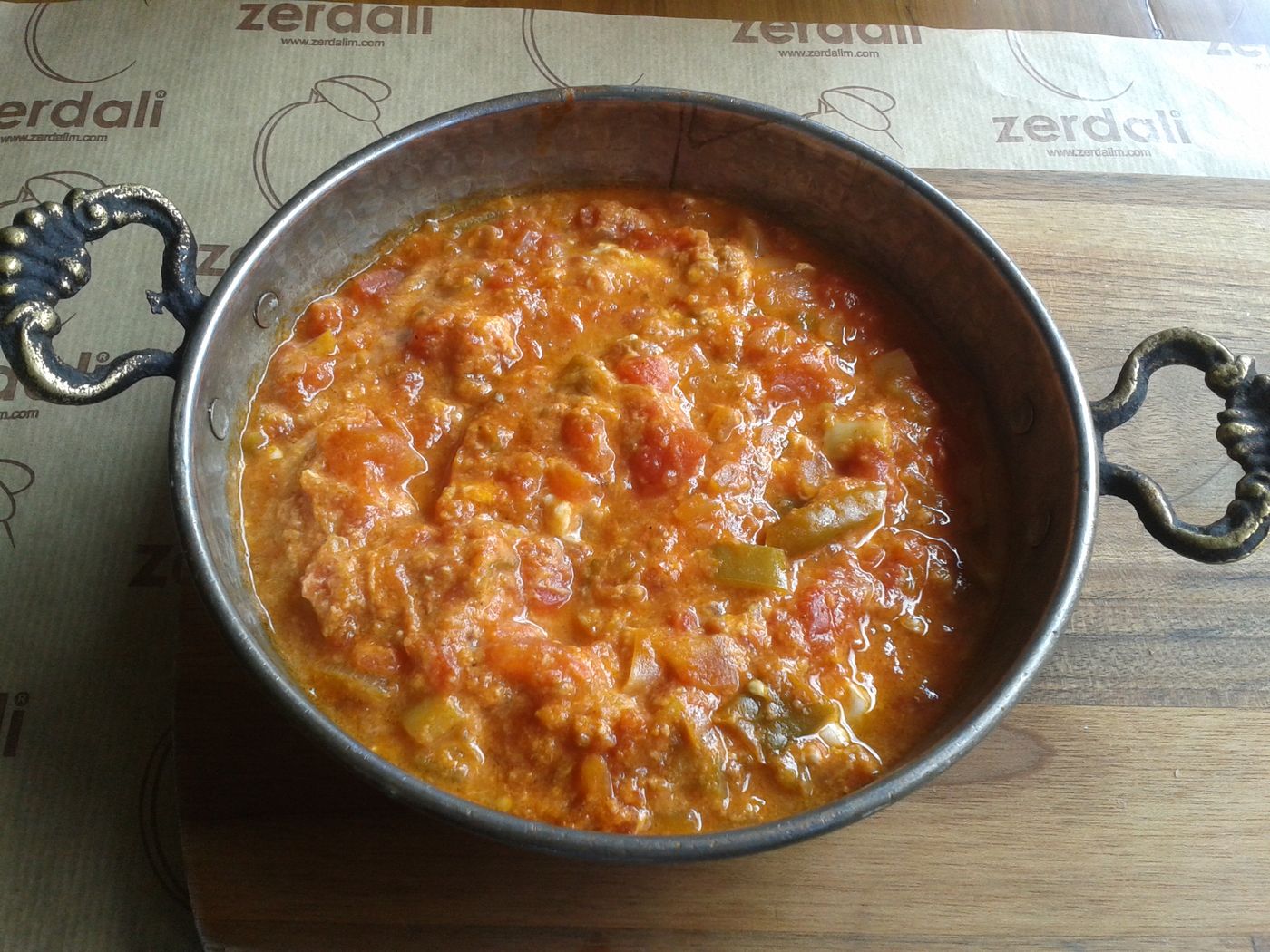
Menemen
Eggs are gently cooked with tomatoes, peppers, and oil or butter into a soft, scoopable breakfast dish. It tastes fresh, savory, and slightly sweet from the tomatoes.
Did you know?
One of Türkiye’s liveliest food debates is whether proper menemen should include onions, with passionate defenders on both sides.
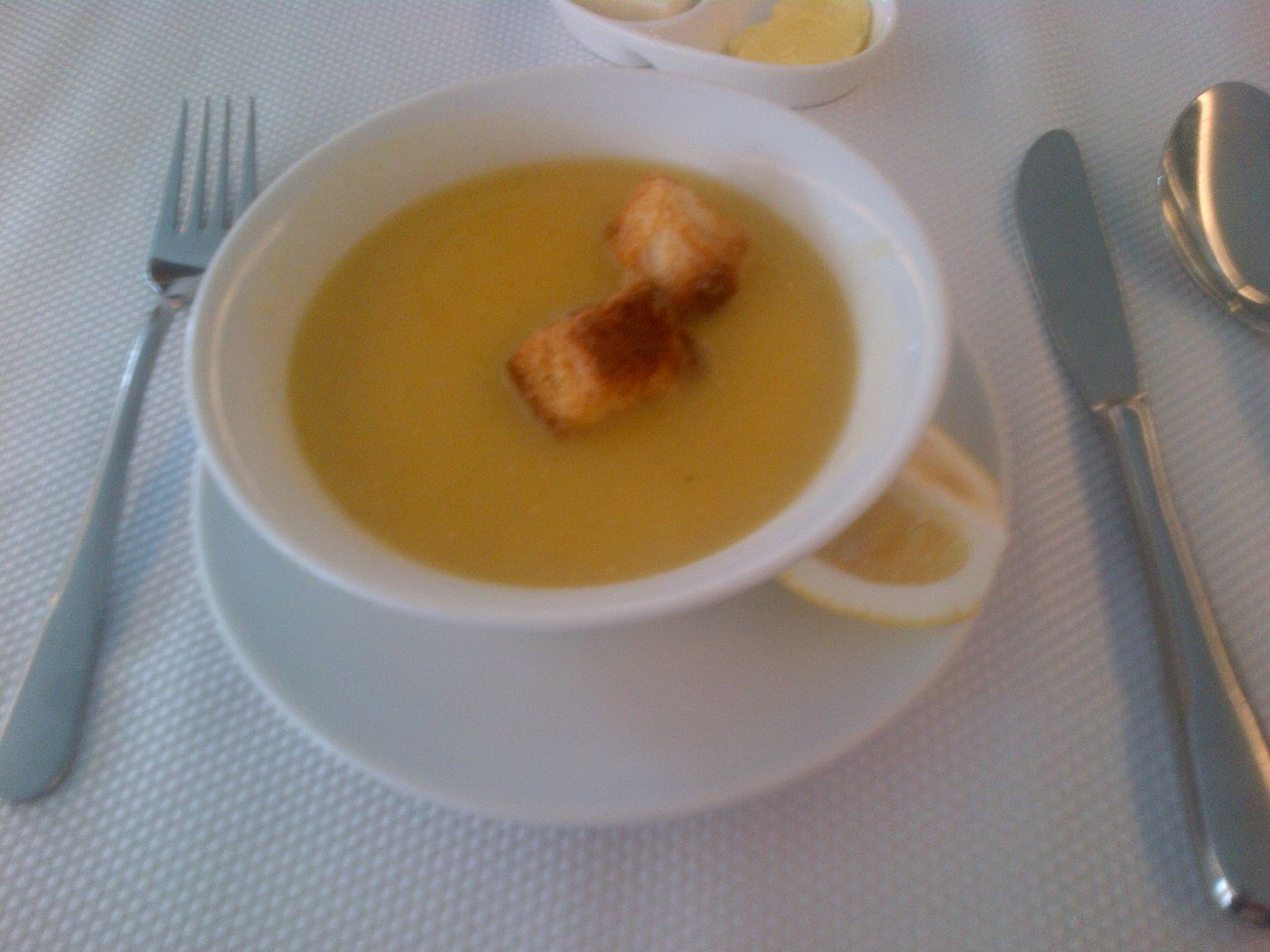
Mercimek çorbası
This smooth lentil soup is a staple at homes and lokantas alike, often finished with lemon and peppery butter or oil. It is earthy, warming, and simple in the best way.
Did you know?
It is one of the most common opening dishes in Turkish meals and is also a classic late-night restorative after long evenings out.
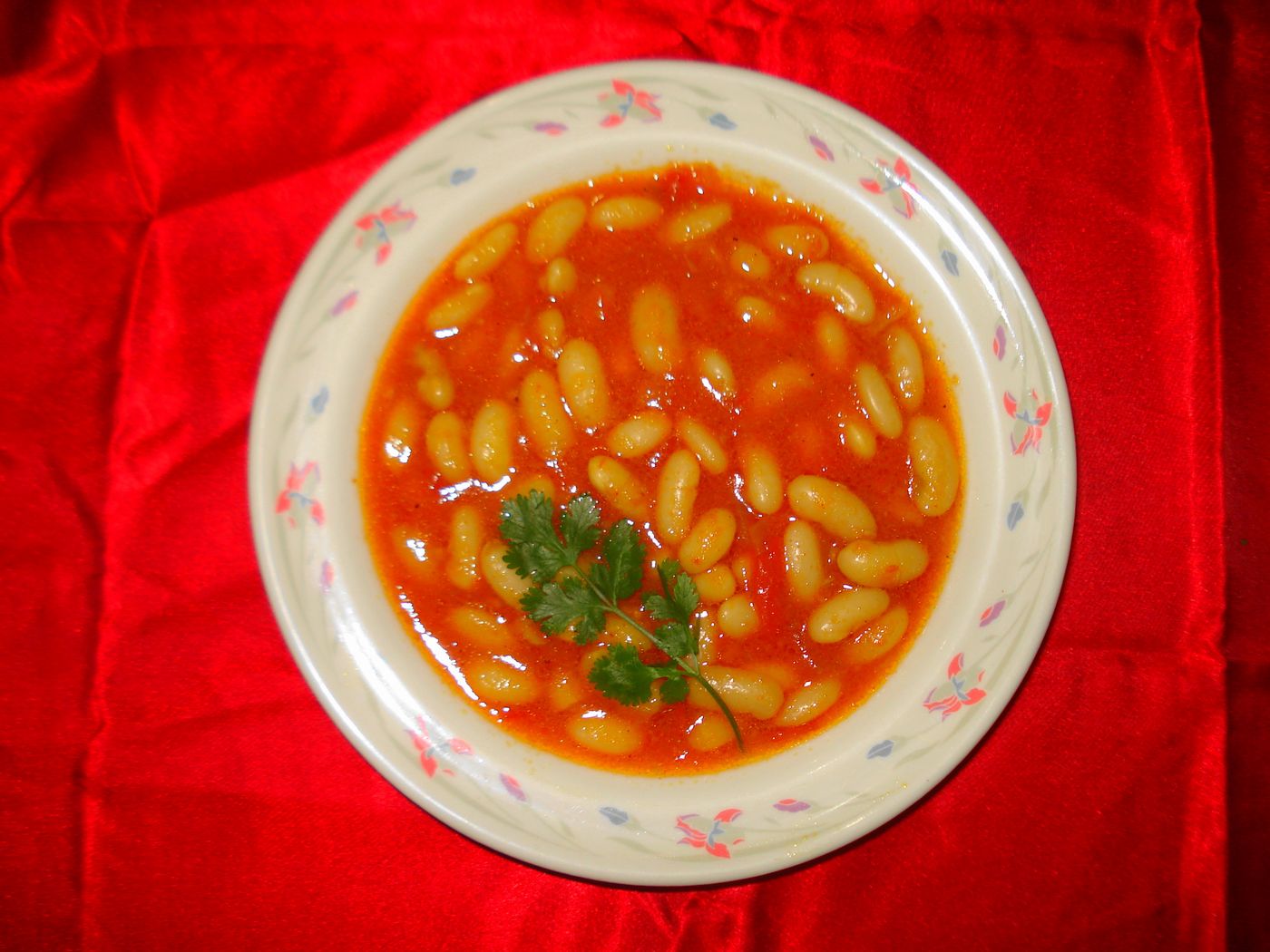
Kuru fasulye
White beans are slowly simmered in a tomato-based sauce, sometimes with pastırma or meat, until deeply comforting and hearty. It is a humble but iconic everyday favorite, especially with rice and pickles.
Did you know?
Kuru fasulye with pilav is such a classic pairing in Türkiye that it is often treated as a complete set meal in itself.
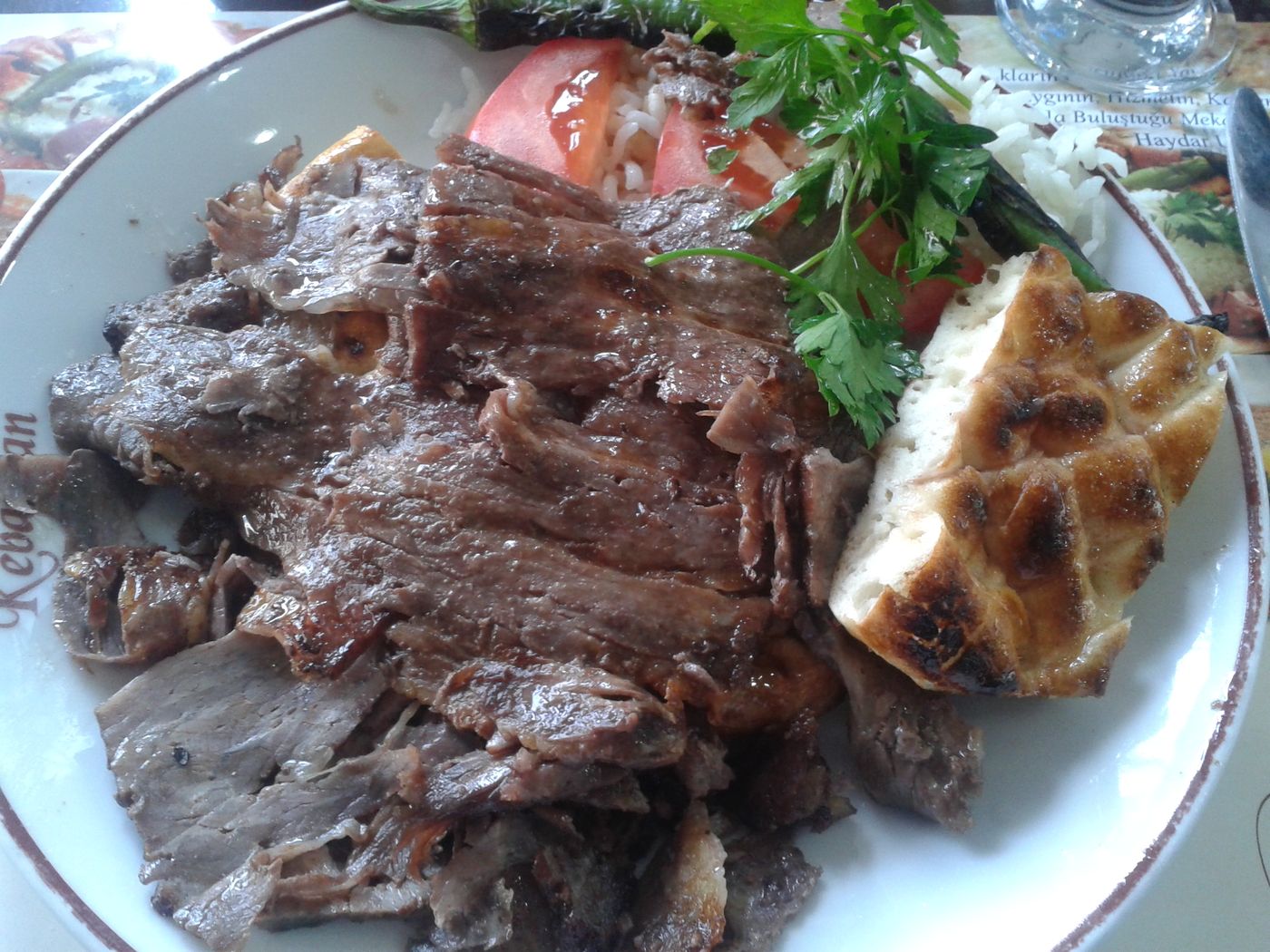
Pide
This boat-shaped baked flatbread is topped with cheese, minced meat, egg, or sucuk and baked until the crust is golden. It is chewy, savory, and especially associated with Black Sea regional styles.
Did you know?
Regional versions vary widely, but the long, open-faced form is so distinctive that pide is often called the 'boat bread' of Türkiye.
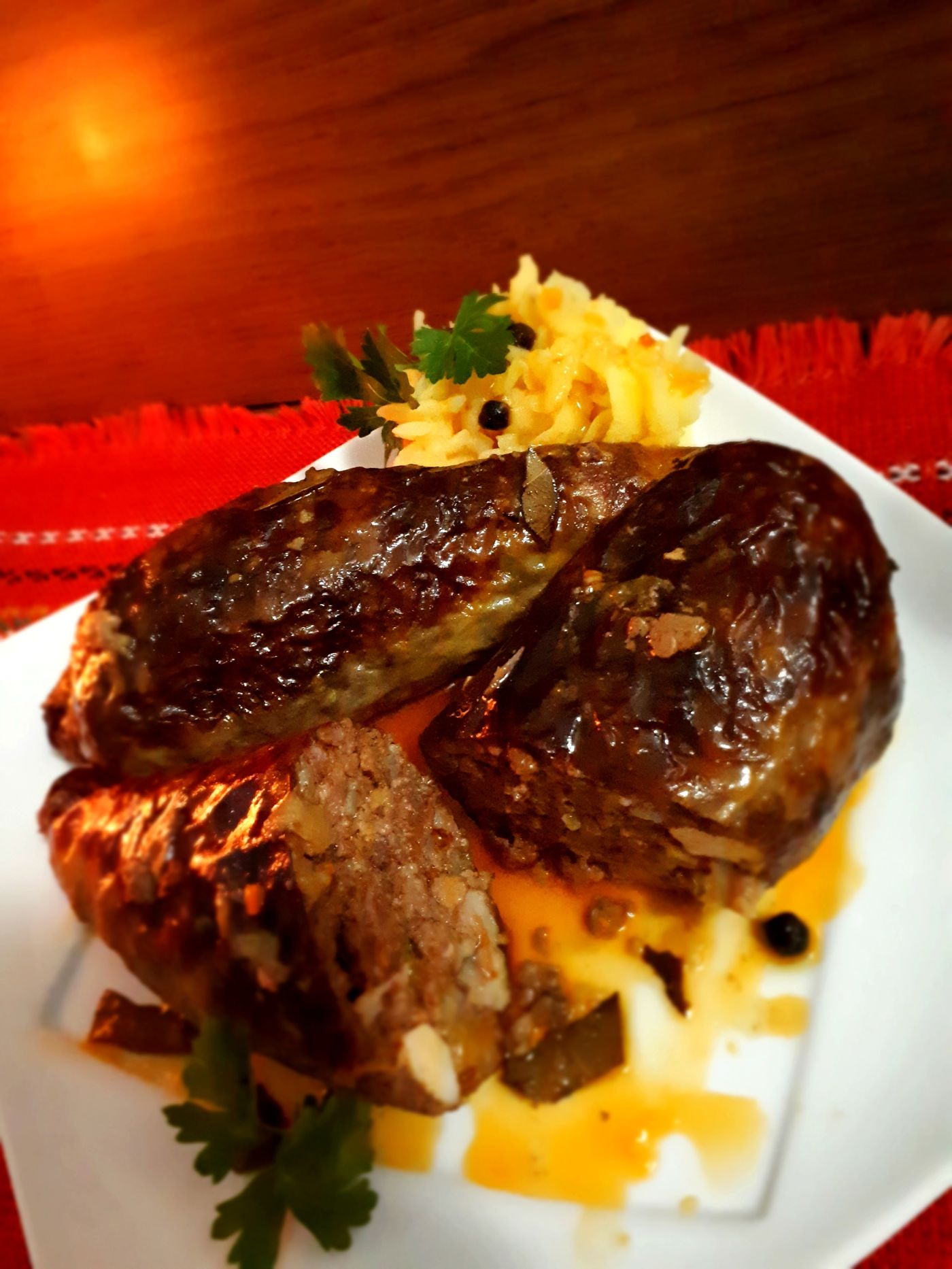
Şırdan
A specialty of Adana made by stuffing and seasoning the sheep's abomasum, then cooking it until tender. It is a boldly traditional offal dish with a strong regional identity.
Did you know?
It is especially associated with Adana and is commonly eaten late at night.
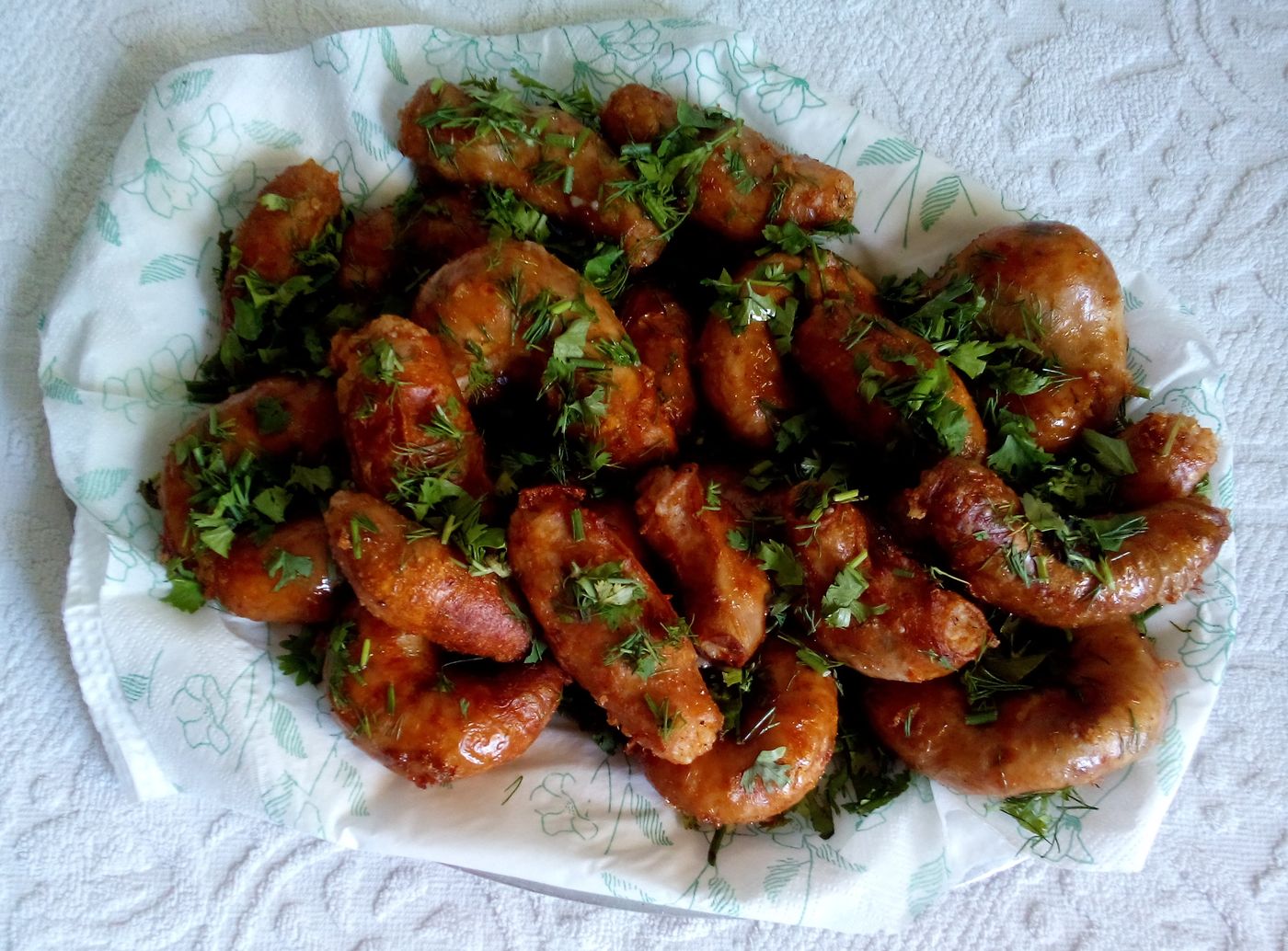
Mumbar
A traditional stuffed intestine dish found in southeastern Turkish cuisine, typically filled with a spiced rice mixture. It belongs to a broader family of old-fashioned offal-based festive foods.
Did you know?
Its preparation requires painstaking cleaning of the intestines before stuffing and cooking.