Northern Africa
Food of Tunisia
The 6 most iconic national dishes of Tunisia — real photos, key ingredients and tasty facts behind every plate.
 Africa
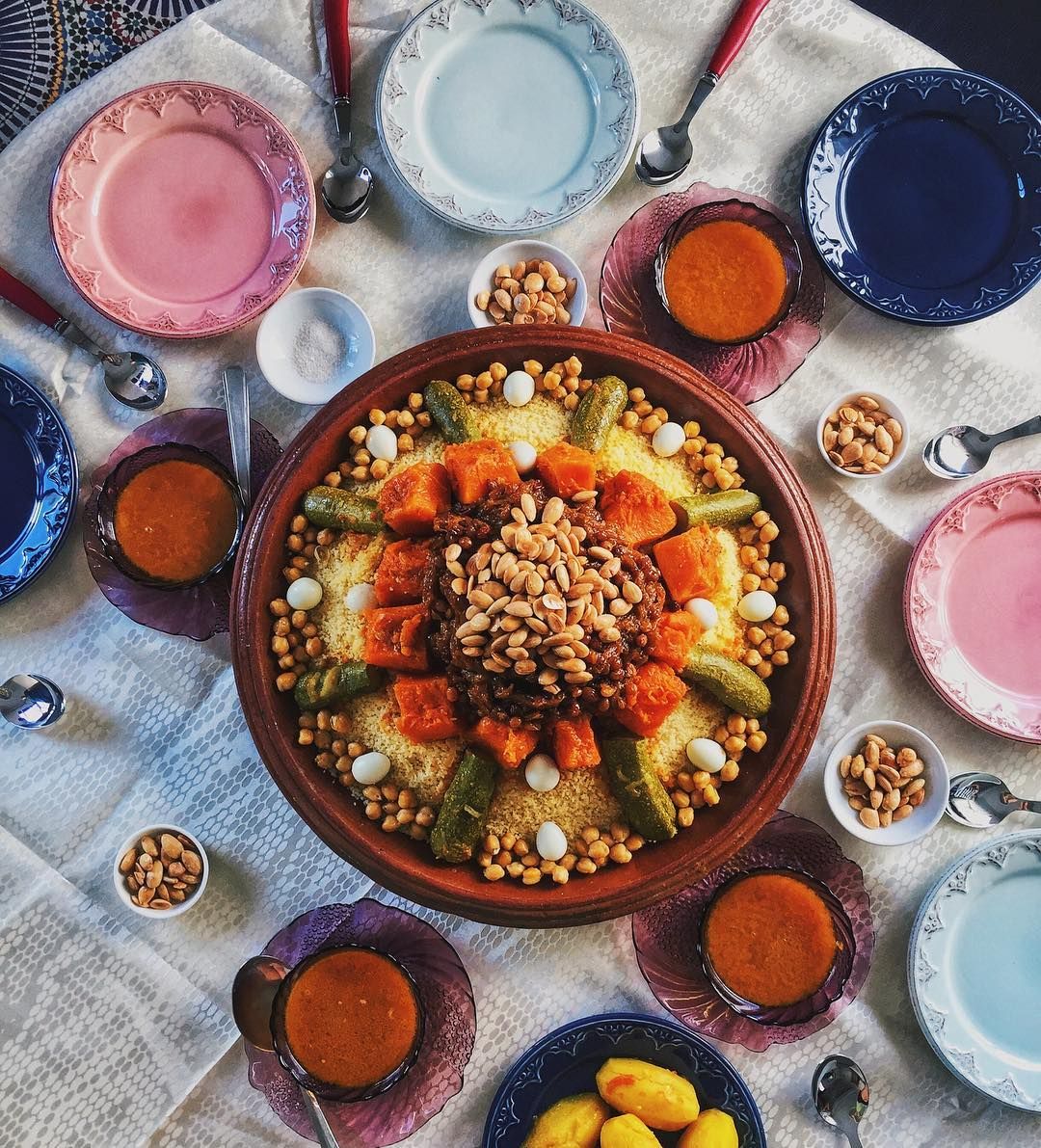
Couscous
Tunisia’s best-known national dish, made from steamed semolina grains and usually served with a spicy broth, vegetables, and meat or fish. Tunisian versions are especially noted for their assertive heat and use of harissa.
Did you know?
Couscous is shared across North Africa, but Tunisia is particularly associated with spicy red-sauced versions enriched with harissa.
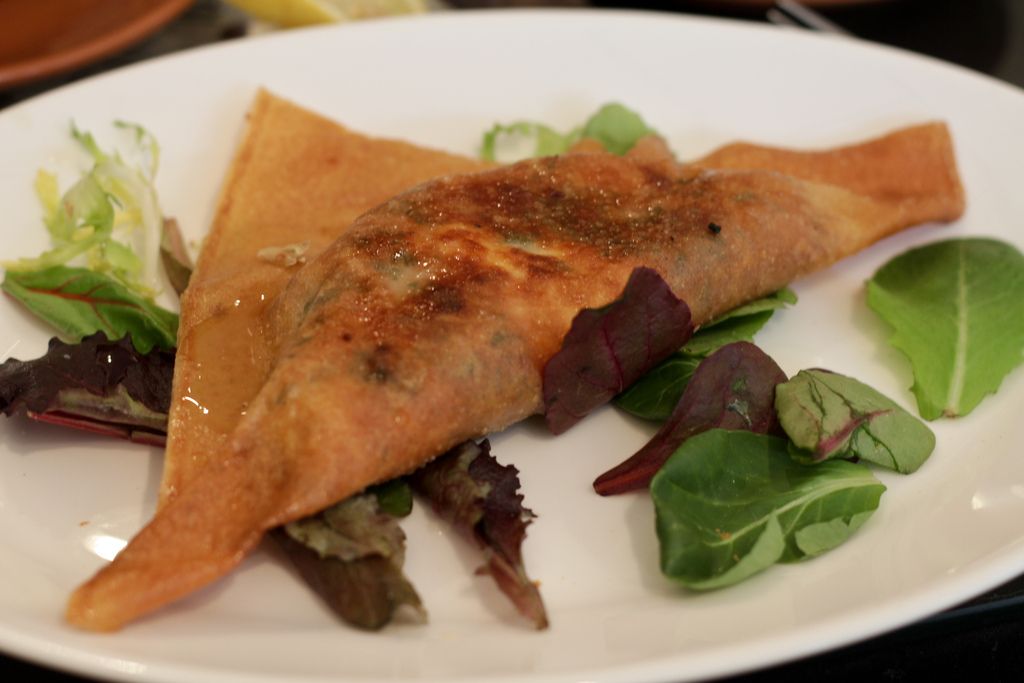
Brik
A crisp Tunisian pastry made with thin malsouka dough and commonly filled with egg, tuna, capers, and parsley, then deep-fried. It is crunchy outside with a rich, runny center when eaten fresh.
Did you know?
A classic way to eat brik is by hand, trying not to burst the yolk before taking the first bite.
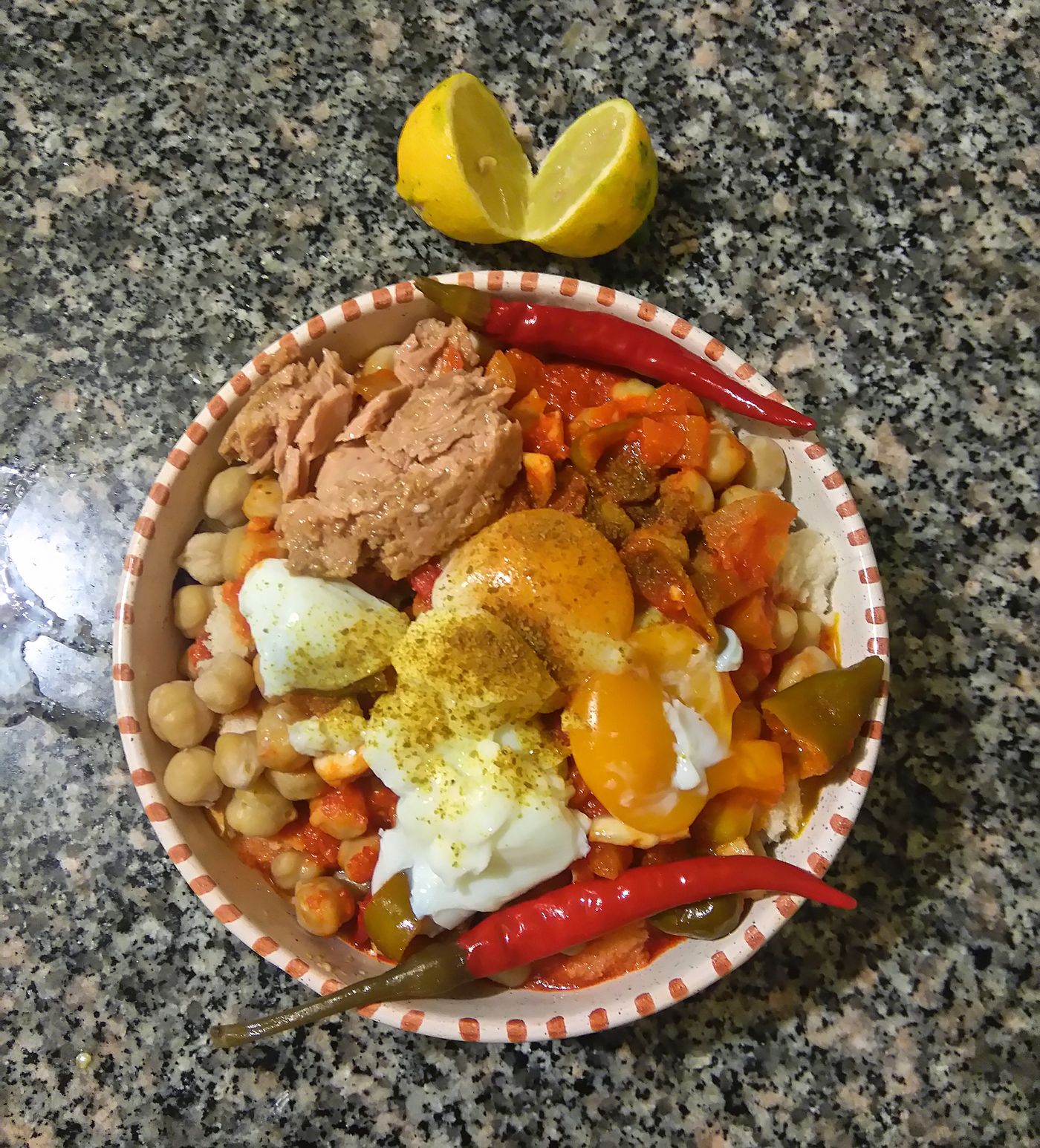
Lablabi
A hearty chickpea soup poured over torn stale bread and seasoned with garlic, cumin, harissa, and olive oil. It is comforting, filling, and especially popular as a cheap everyday meal in winter.
Did you know?
Lablabi is often finished to order with toppings such as tuna, a soft-cooked egg, olives, or pickled vegetables.
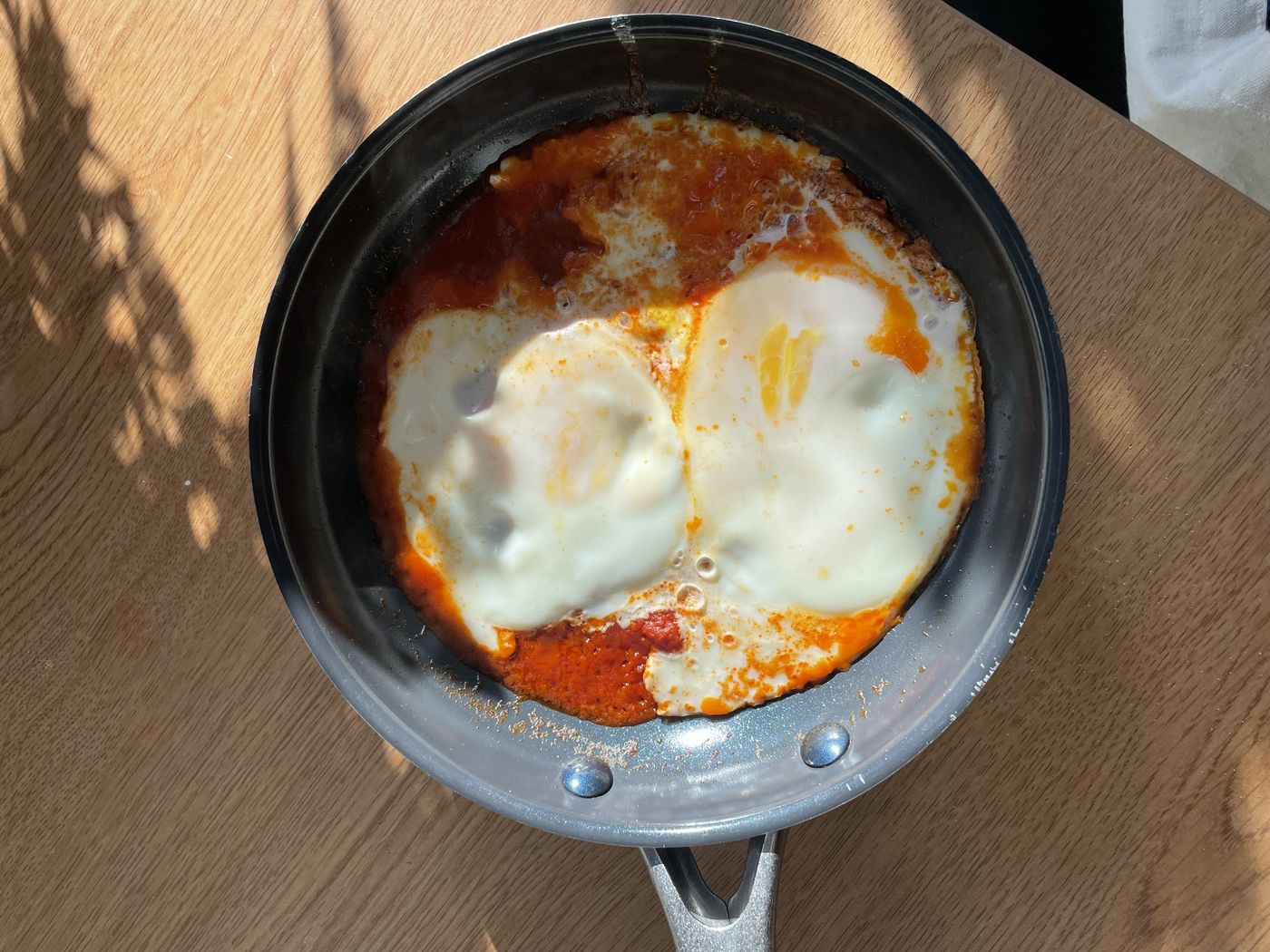
Ojja
A skillet dish of eggs poached in a spicy tomato-and-pepper sauce, often enriched with merguez sausage or seafood. It is savory, fiery, and typically eaten with bread.
Did you know?
Ojja is one of the dishes that best shows the Tunisian love of eggs combined with hot pepper paste.
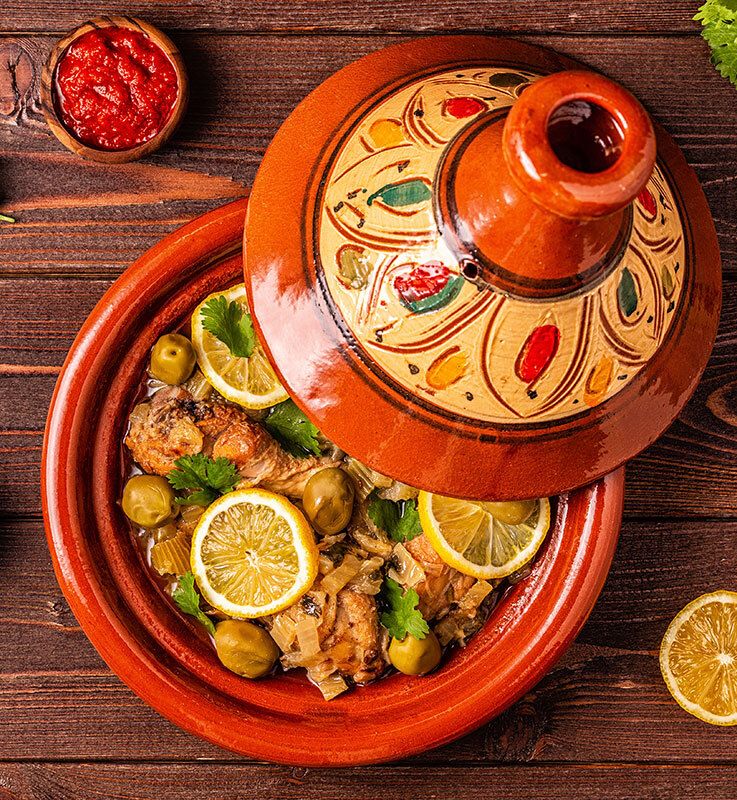
Tunisian tajine
Unlike the Moroccan stew of the same name, Tunisian tajine is a baked egg-based casserole, closer to a frittata or crustless quiche. It is often made with potatoes, cheese, herbs, and meat or offal.
Did you know?
The word tajine in Tunisia refers to a completely different dish from the better-known Moroccan tagine, which surprises many visitors.

Osban
A traditional Tunisian stuffed tripe or sausage-like dish filled with chopped liver, rice, herbs, and spices, then simmered or added to couscous. Its flavor is deeply savory, aromatic, and unmistakably old-fashioned.
Did you know?
Osban is especially associated with festive and home-style cooking, and is one of Tunisia’s most distinctive nose-to-tail specialties.