Northern Africa
Food of Sudan
The 5 most iconic national dishes of Sudan — real photos, key ingredients and tasty facts behind every plate.
 Africa
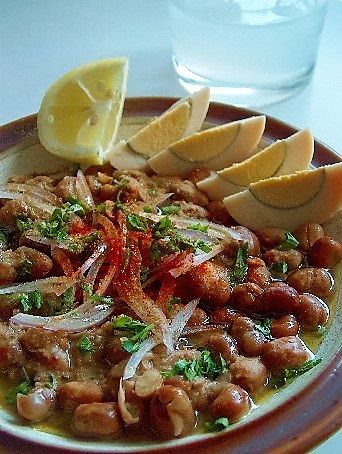
Ful medames
A hearty dish of slow-cooked fava beans, usually mashed or left partly whole and seasoned with oil, lemon and spices. It is a daily staple in Sudan and commonly eaten for breakfast with bread.
Did you know?
Although eaten across Northeast Africa and the Middle East, ful medames is especially central to everyday Sudanese breakfasts.
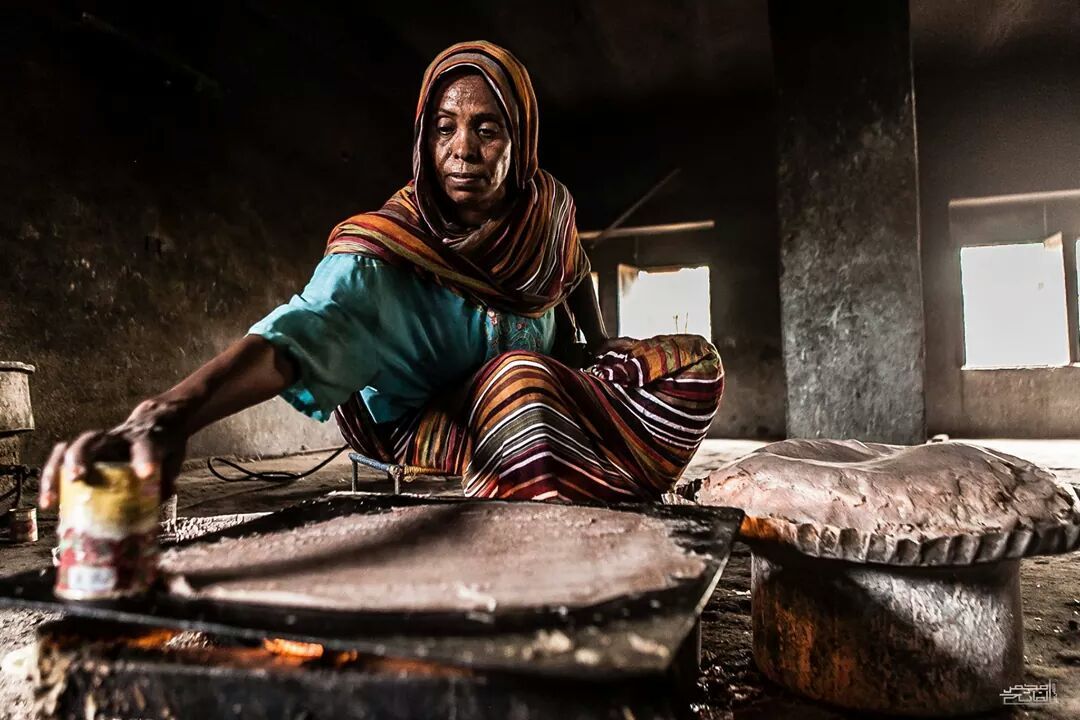
Kisra
A thin, fermented sorghum flatbread with a soft, flexible texture and a mildly tangy taste. It is one of Sudan’s defining staples and is used to scoop up stews and sauces.
Did you know?
Kisra is traditionally made from sorghum, a grain long adapted to Sudan’s climate and central to its food culture.
Mullah
Mullah is a broad Sudanese family of richly seasoned stews, often served over or alongside kisra. Depending on the version, it can be meaty, savory and spiced, or based on dried okra and other pantry staples.
Did you know?
In Sudanese meals, kisra and mullah are a classic pairing, much like bread and stew in other culinary traditions.
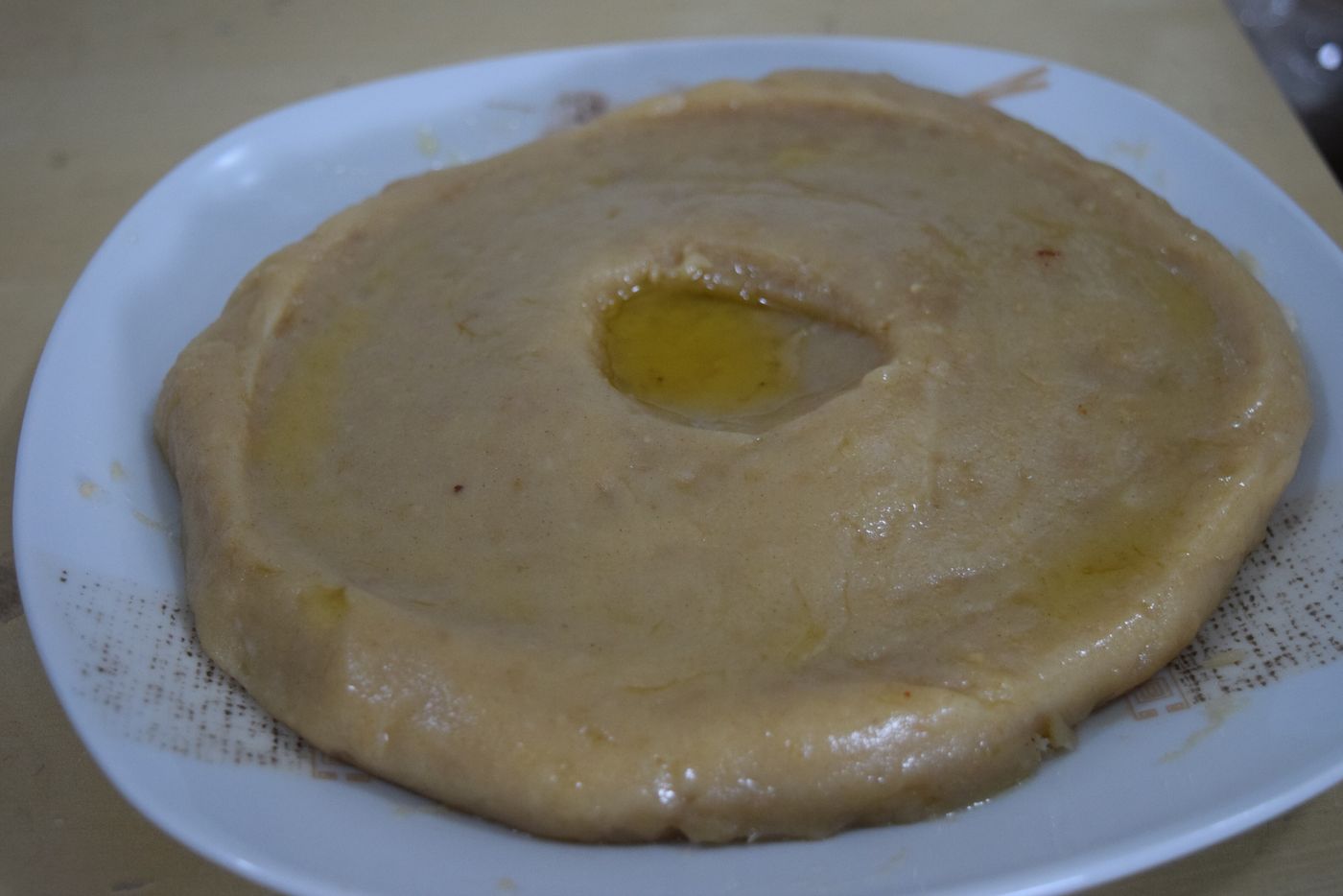
Asida
A dense, smooth porridge-like dough made from grain flour and served in molded portions, usually with savory sauces. In Sudan it is a traditional comfort food with a mild taste that takes on the flavor of the accompanying stew.
Did you know?
Asida is eaten in several Arab and African countries, but in Sudan it remains a familiar traditional household staple.
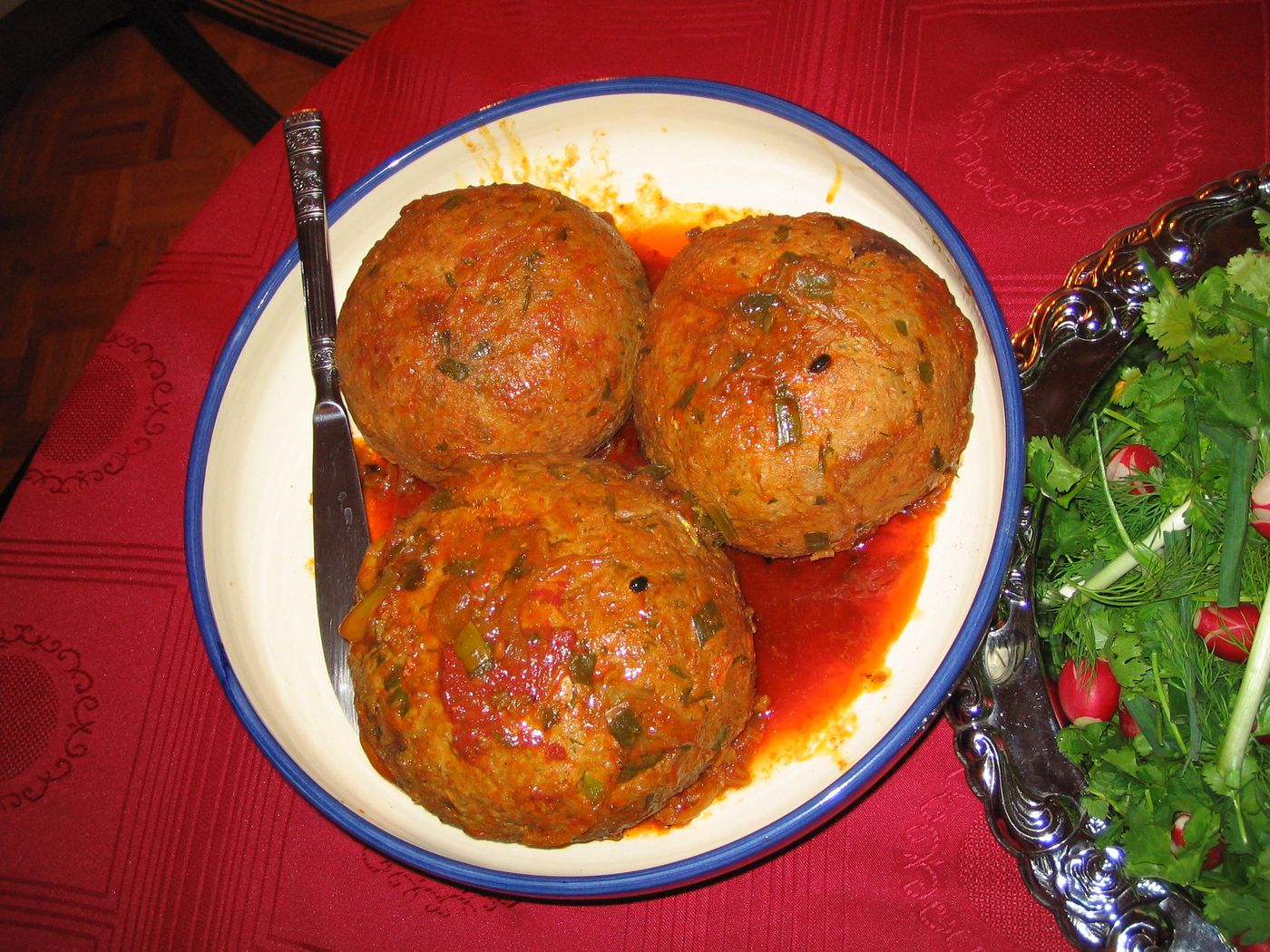
Kofta
Seasoned minced meat shaped into logs or patties and grilled or fried until browned and juicy. In Sudan it is a well-known meat dish, often served with bread, salad or sauces.
Did you know?
Kofta has a long culinary history across a vast region, and Sudanese versions reflect the country’s broader Arab and Northeast African food ties.