Western Asia
Food of Saudi Arabia
The 5 most iconic national dishes of Saudi Arabia — real photos, key ingredients and tasty facts behind every plate.
 Asia
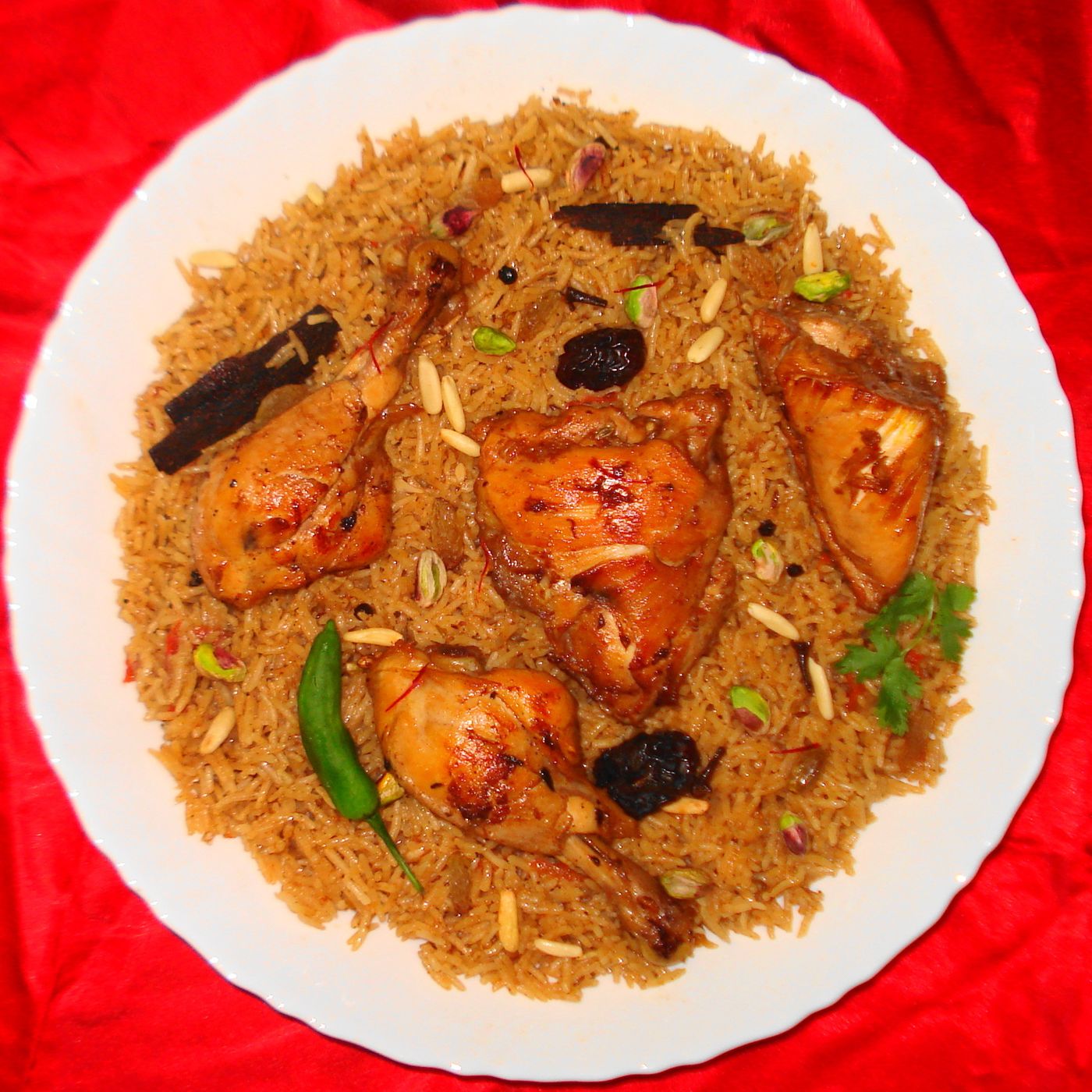
Kabsa
Saudi Arabia’s best-known rice dish, made with fragrant spiced rice and usually chicken or lamb. It is savory, aromatic, and often garnished with nuts and raisins.
Did you know?
Kabsa is widely regarded as the national dish of Saudi Arabia and is a centerpiece of family feasts and hospitality.
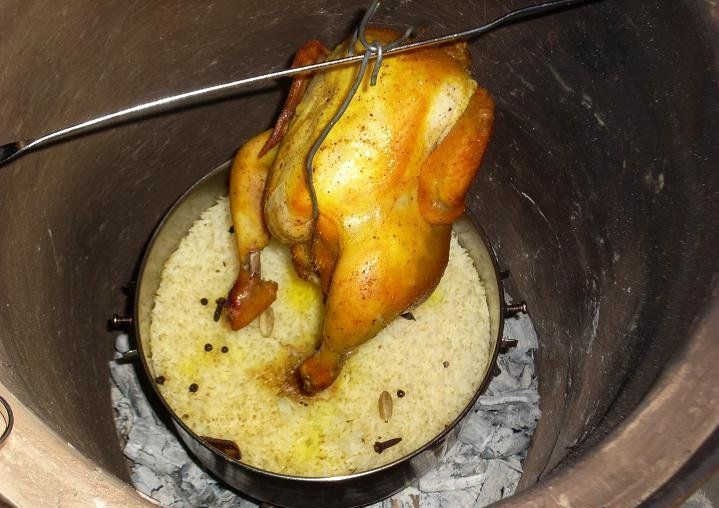
Mandi
A celebratory rice and meat dish in which tender lamb or chicken is cooked with lightly smoky, spiced rice. The flavor is rich but balanced, with a distinctive aroma from slow cooking.
Did you know?
Although strongly associated with southern Saudi Arabia today, mandi originated in Hadhramaut in neighboring Yemen.
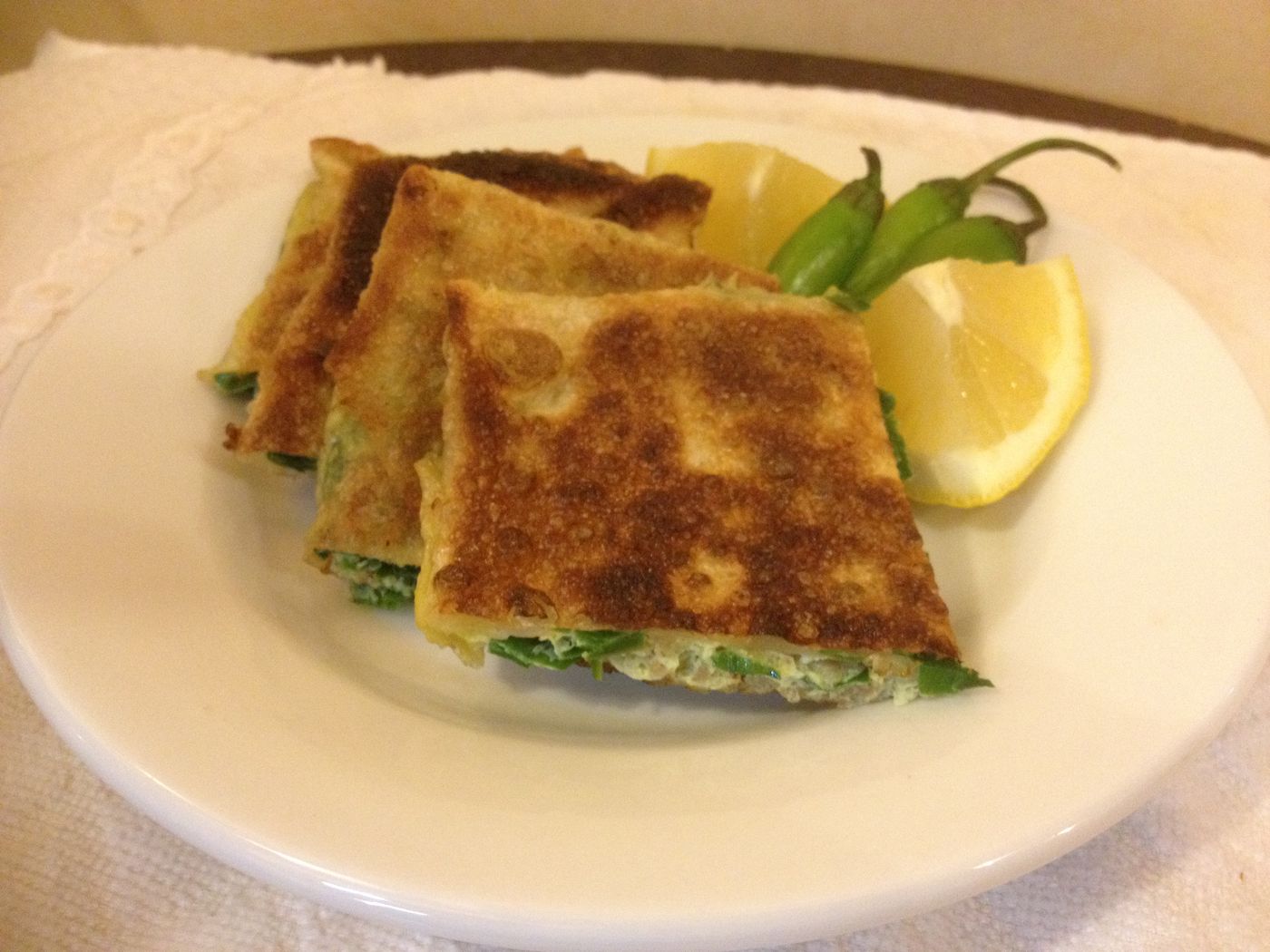
Mutabbaq
A folded stuffed flatbread popular in Saudi streets, typically filled with minced meat, egg, and scallions. The outside is crisp and flaky while the inside stays savory and juicy.
Did you know?
Mutabbaq in Saudi Arabia is especially linked with Hejaz, where pilgrims and trade helped spread it across the Red Sea region.
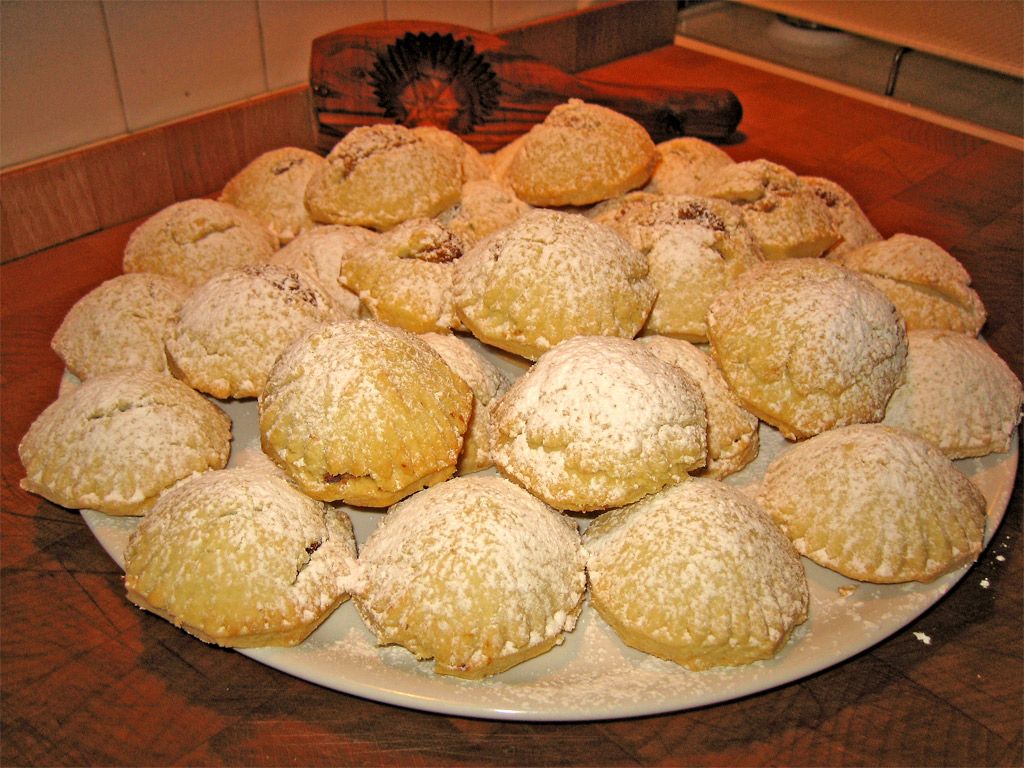
Ma'amoul
These delicate filled cookies are made from semolina dough and stuffed with dates, nuts, or figs. They are buttery, lightly crumbly, and closely associated with festive occasions.
Did you know?
Date-filled ma'amoul is especially common in the Arabian Peninsula, reflecting the deep cultural importance of dates in the region.
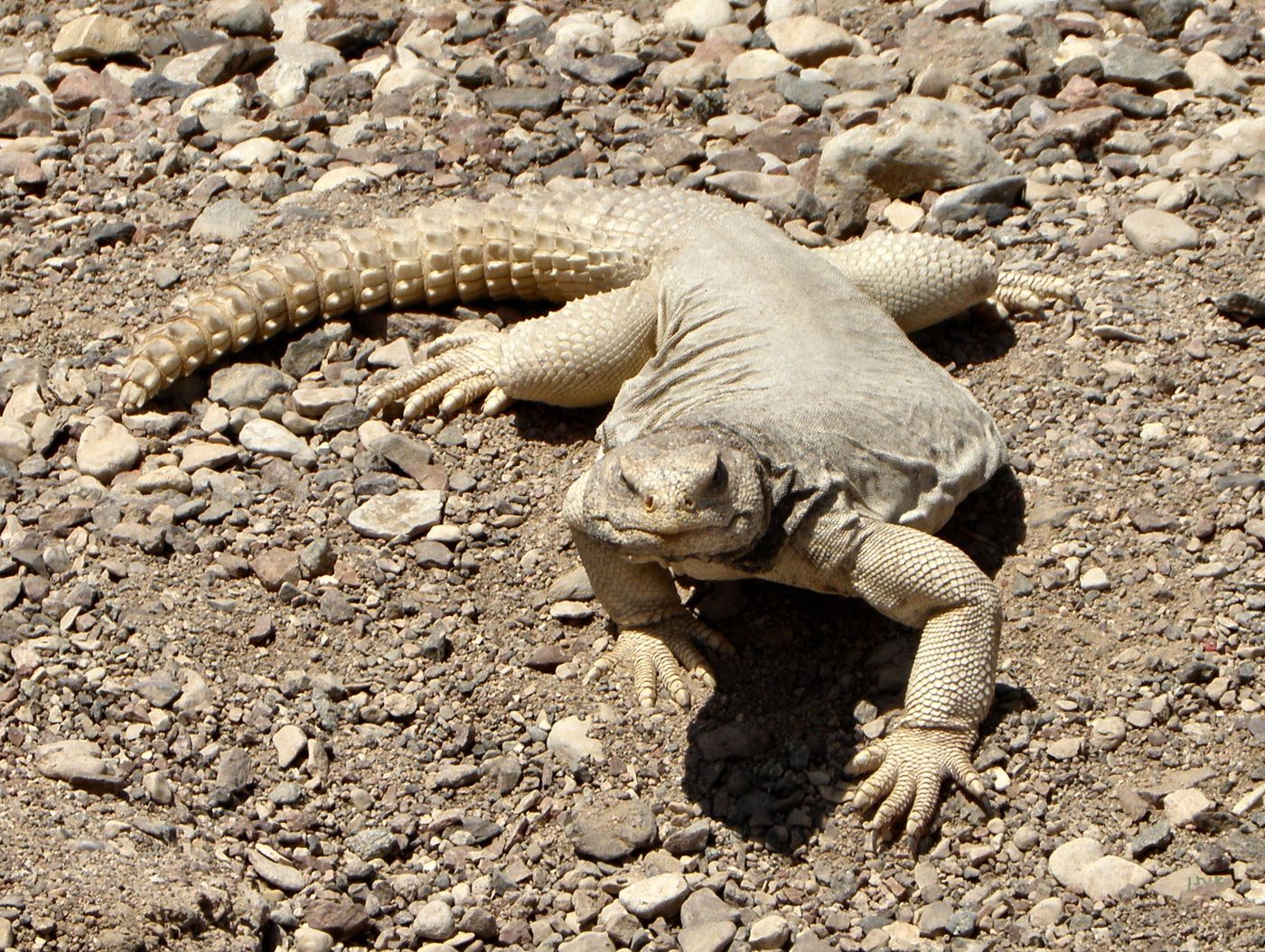
Ḍabb
Ḍabb is a traditional desert delicacy made from spiny-tailed lizard, usually grilled or roasted. It has long been eaten by Bedouin communities and is considered an adventurous regional specialty.
Did you know?
Ḍabb has a long history in Arabian foodways and is specifically noted in historical and religious sources connected with the region.