South-Eastern Asia
Food of Philippines
The 8 most iconic national dishes of Philippines — real photos, key ingredients and tasty facts behind every plate.
 Asia
Asia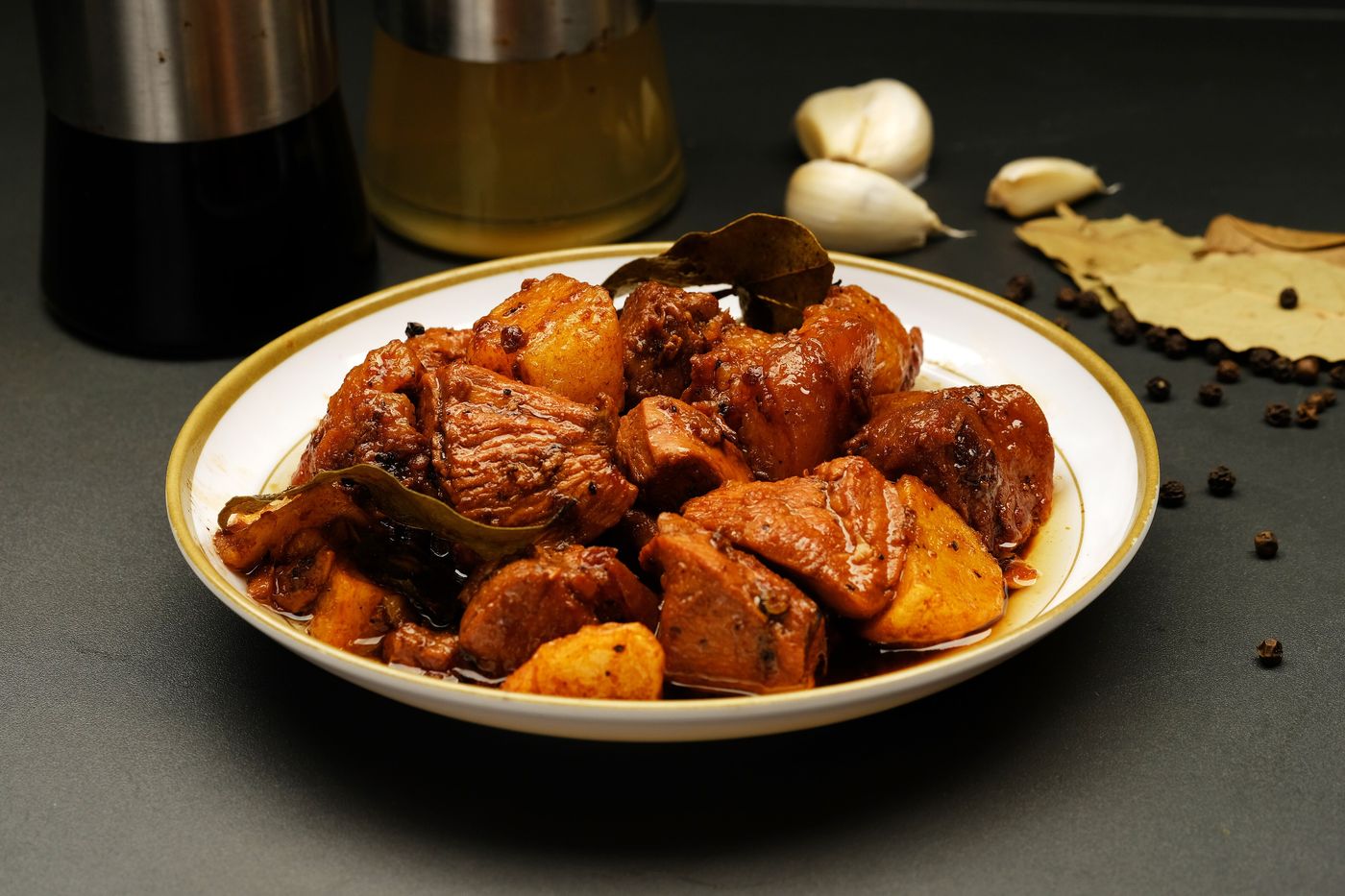
Adobo
A defining Filipino dish of meat braised in vinegar, soy sauce, garlic and spices until deeply savoury, tangy and glossy. It is commonly made with chicken, pork, or both.
Did you know?
The Spanish gave it the name adobo, but the vinegar-based cooking method predated Spanish colonisation in the Philippines.
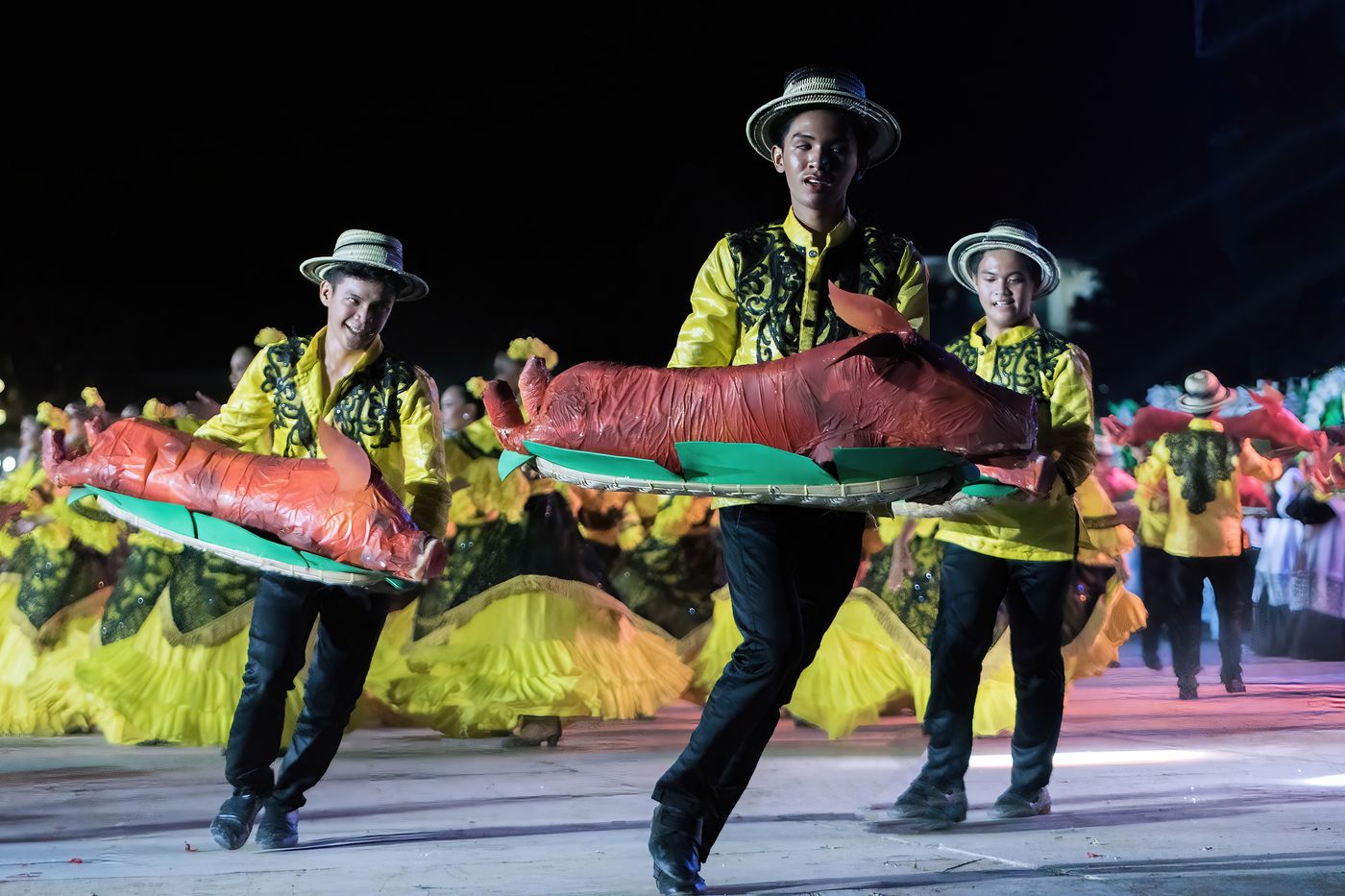
Lechón
Whole roast pig with crackling skin and juicy meat, celebrated at fiestas and major family gatherings across the Philippines. It is prized for its rich flavour and dramatic presentation.
Did you know?
Cebu is especially famous for its lechón, and Anthony Bourdain once called it the 'best pig ever'.
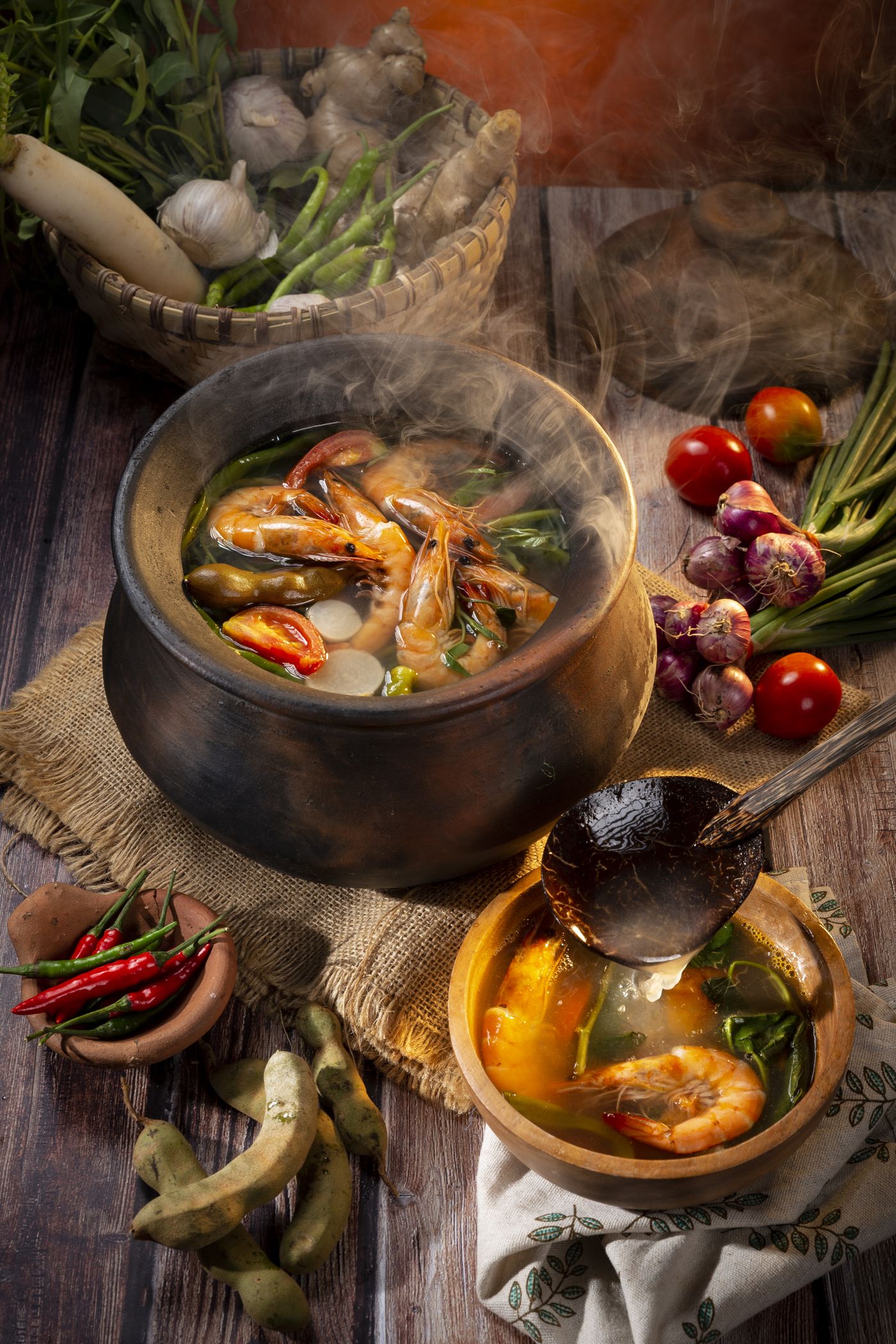
Sinigang
A sour Filipino soup known for its refreshing tamarind tang and comforting broth, often filled with pork, shrimp or fish and vegetables. Its taste is bright, savoury and distinctly appetising.
Did you know?
While tamarind is the classic souring agent, regional versions may use guava, unripe mango or bilimbi instead.
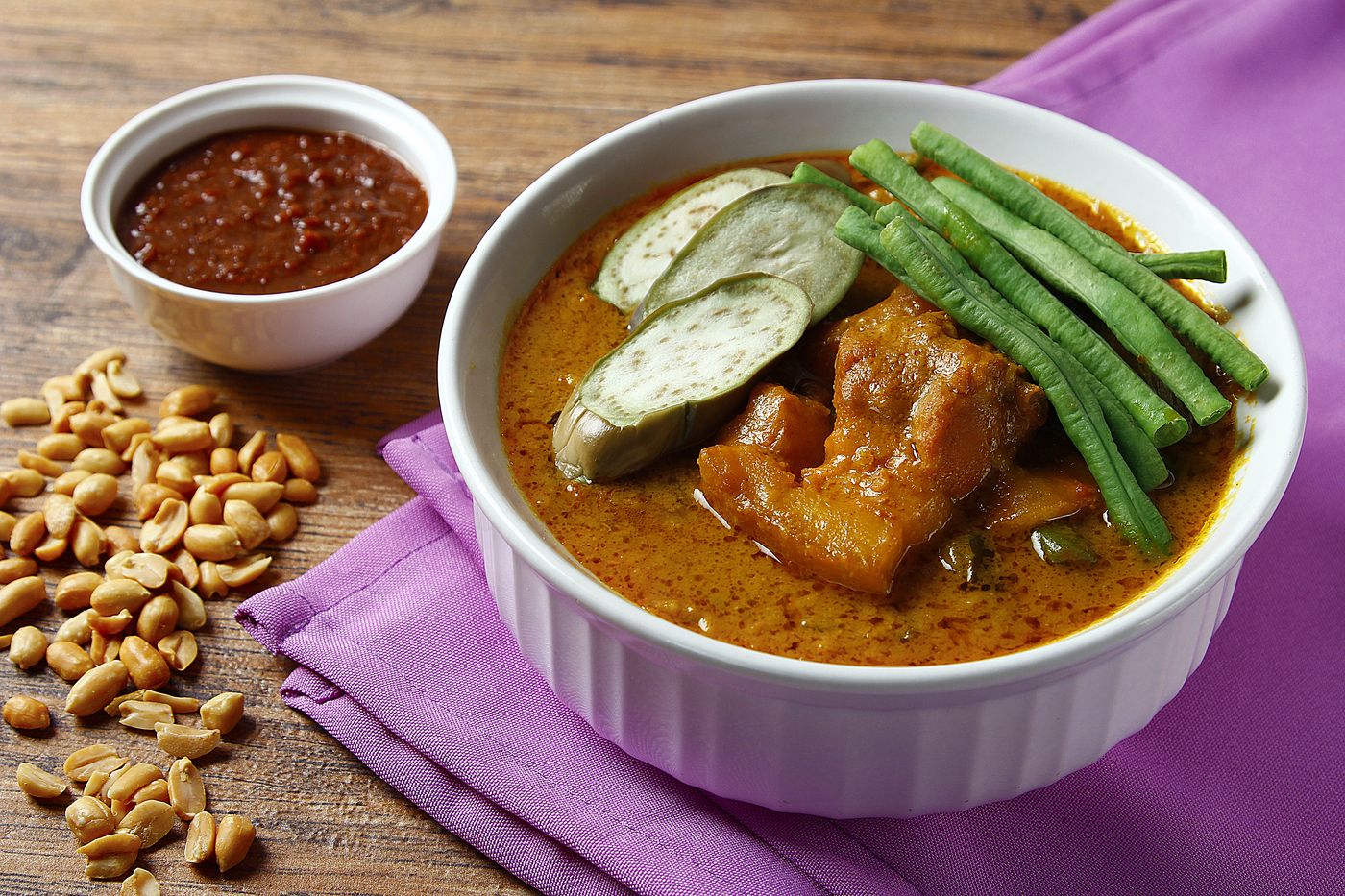
Kare-kare
A rich peanut-based stew usually made with oxtail or tripe and served with vegetables, then paired with pungent shrimp paste for contrast. It is thick, nutty and unmistakably festive.
Did you know?
Despite its name, kare-kare is not a curry in the Indian sense; the word likely reflects historical contact and adaptation.
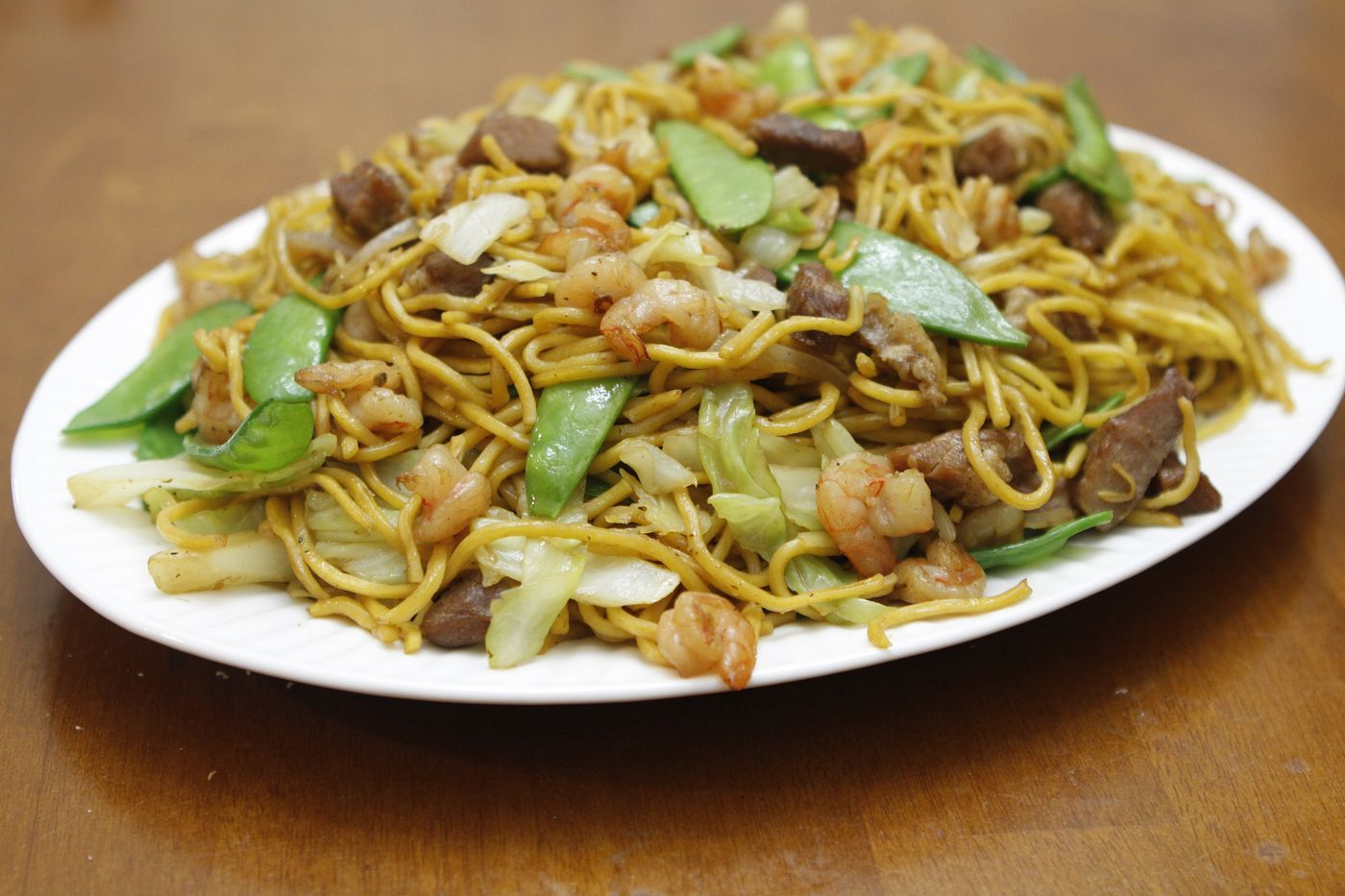
Pancit
A broad family of Filipino noodle dishes stir-fried or sauced with meat, seafood and vegetables, commonly served at birthdays and celebrations. The flavour is savoury and highly adaptable by region and occasion.
Did you know?
Pancit is associated with long life in Filipino tradition, which is why it is especially popular at birthday meals.
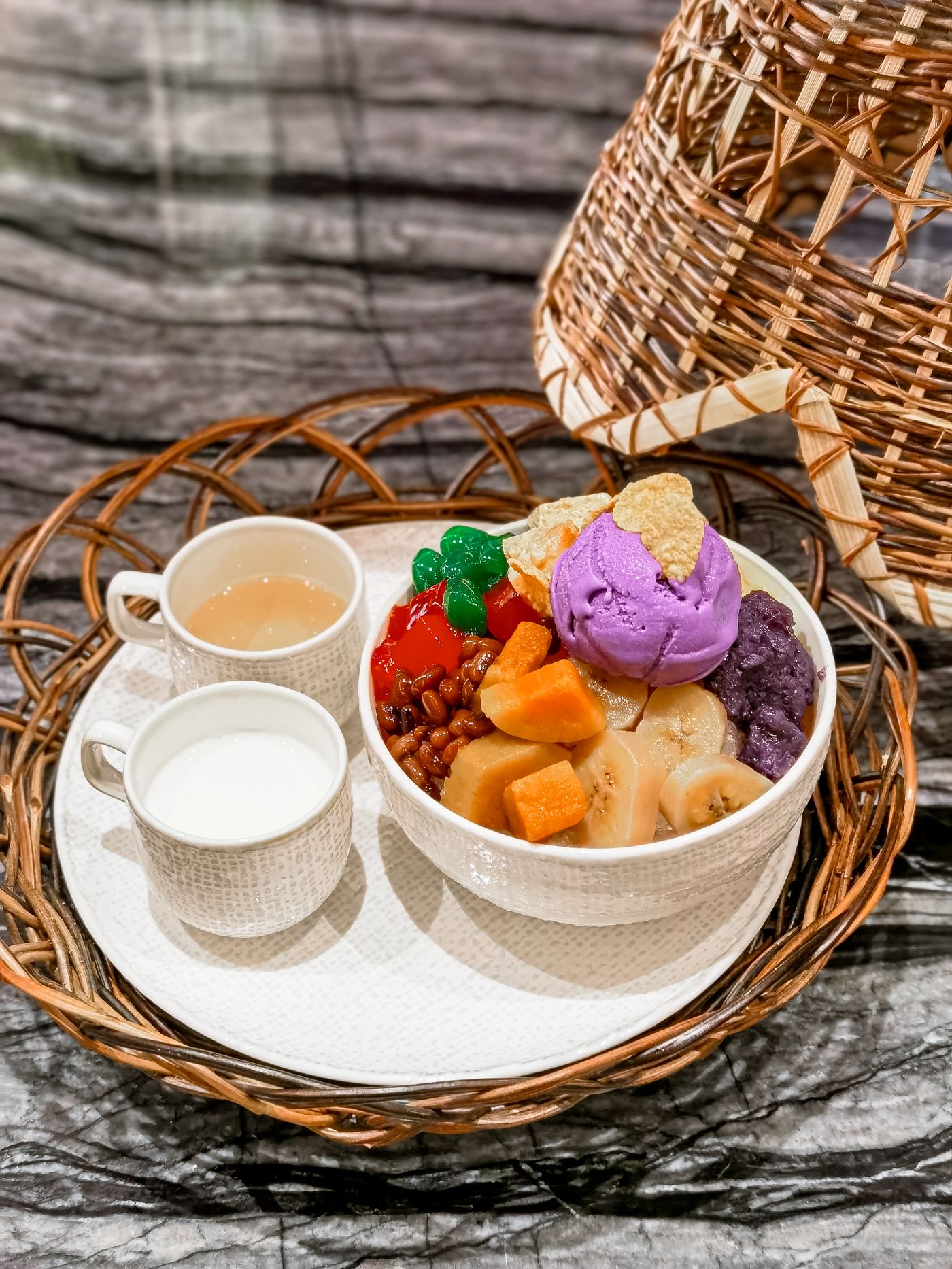
Halo-halo
A colourful shaved-ice dessert layered with sweetened beans, fruits, jellies and milk, then often topped with leche flan, ube ice cream or purple yam. It is creamy, icy and full of contrasting textures.
Did you know?
The name halo-halo literally means 'mix-mix' in Filipino, referring to the way the ingredients are stirred together before eating.
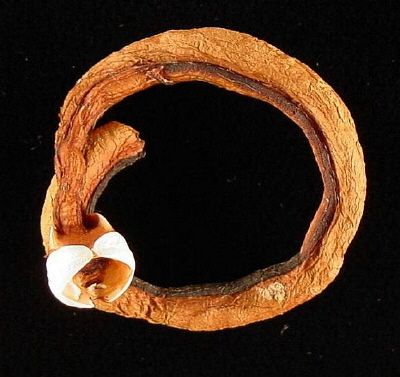
Tamilok
A traditional delicacy from Palawan made from wood-boring shipworms eaten fresh, often dressed like kinilaw. Despite its worm-like look, it is actually a mollusk.
Did you know?
Tamilok is popularly associated with Puerto Princesa and Aklan as an adventurous regional Filipino specialty.
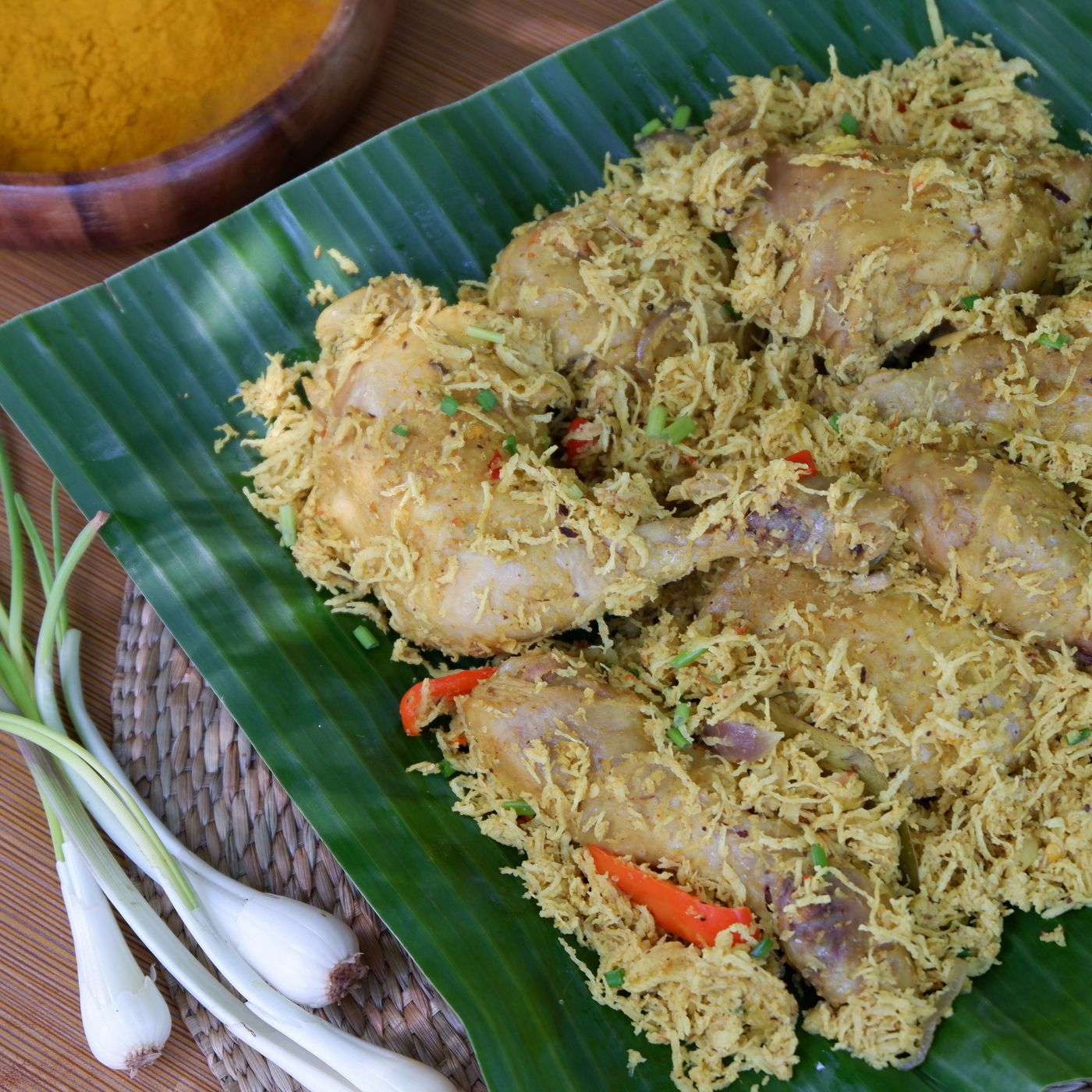
Piaparan
A Maranao dish from Mindanao cooked in a richly spiced sauce tinted yellow with turmeric. It is traditionally made with chicken and shredded young coconut.
Did you know?
Piaparan is part of the distinctive Maranao culinary tradition of the Lanao region.