Australia and New Zealand
Food of New Zealand
The 6 most iconic national dishes of New Zealand — real photos, key ingredients and tasty facts behind every plate.
 Oceania
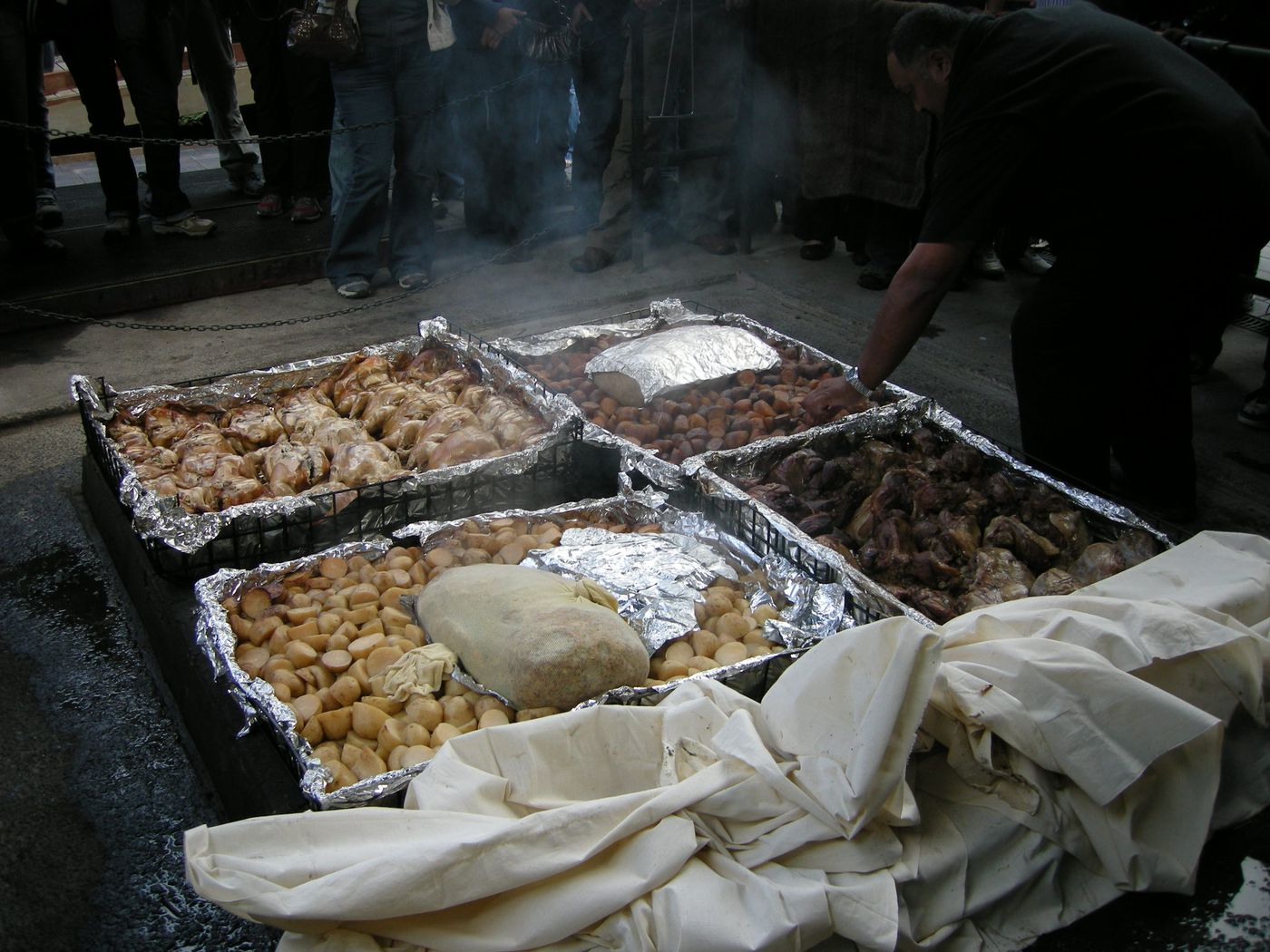
Hāngī
A traditional Māori earth-oven feast in which meat and vegetables are slow-cooked underground over heated stones. It has a distinctive smoky, earthy flavour and is strongly associated with communal gatherings.
Did you know?
Hāngī is one of the best-known Māori cooking methods and remains central to celebrations and hospitality across New Zealand.
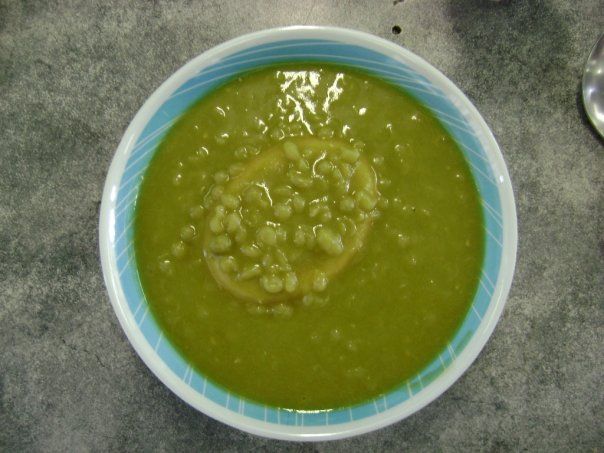
Meat pie
The New Zealand-style hand-sized savoury pie is usually filled with minced beef, steak, cheese, bacon and egg, or butter chicken in a flaky pastry shell. It is a staple from bakeries, dairies and petrol stations and is widely seen as everyday Kiwi comfort food.
Did you know?
The annual Bakels New Zealand Supreme Pie Awards are a major national competition and help cement the pie’s iconic status.
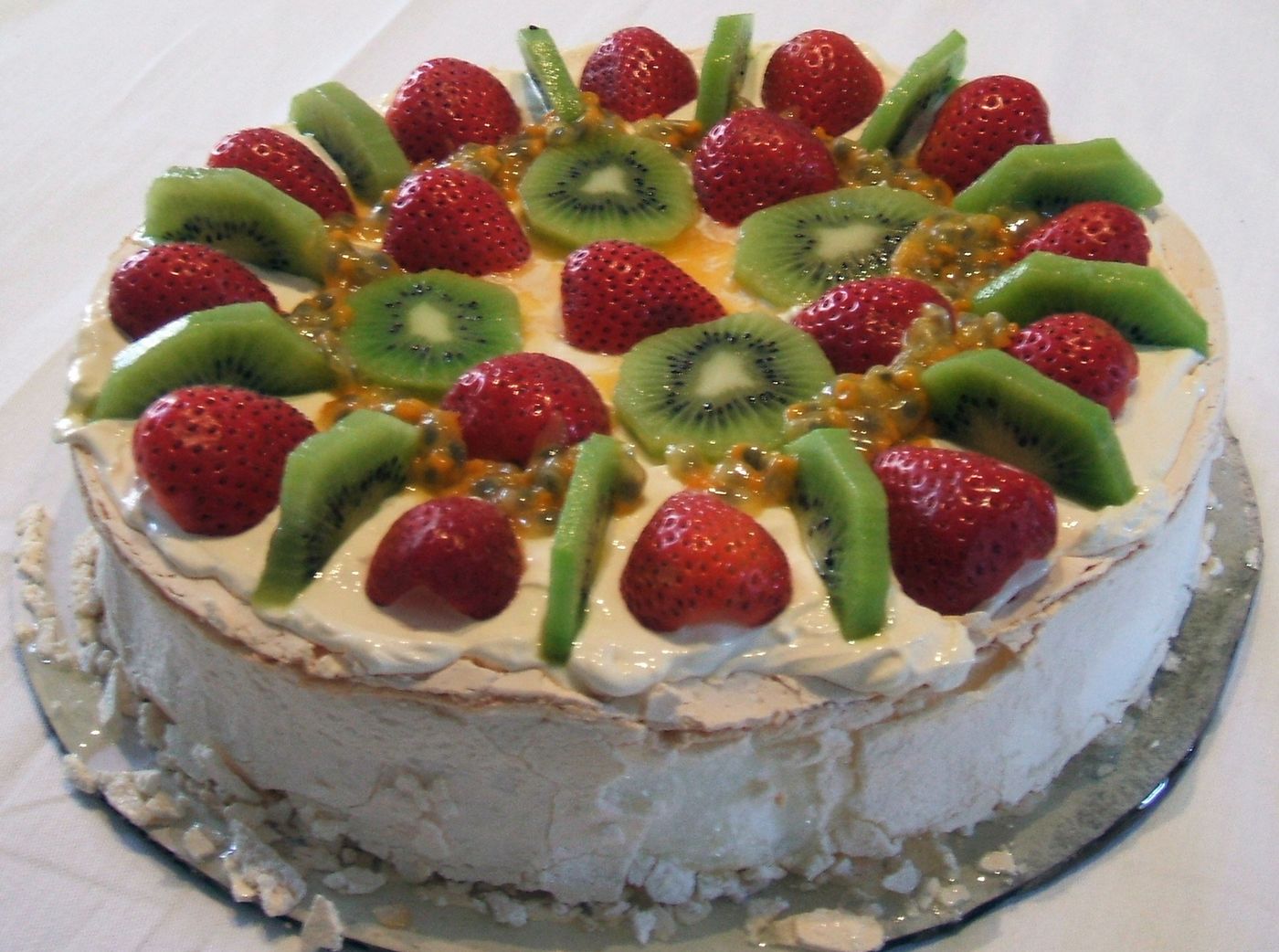
Pavlova
A meringue-based dessert with a crisp shell and marshmallow-soft centre, typically topped with whipped cream and fresh fruit. It is a classic celebratory dish, especially at Christmas and summer gatherings.
Did you know?
New Zealand and Australia famously dispute who created pavlova, which was named after the ballerina Anna Pavlova.
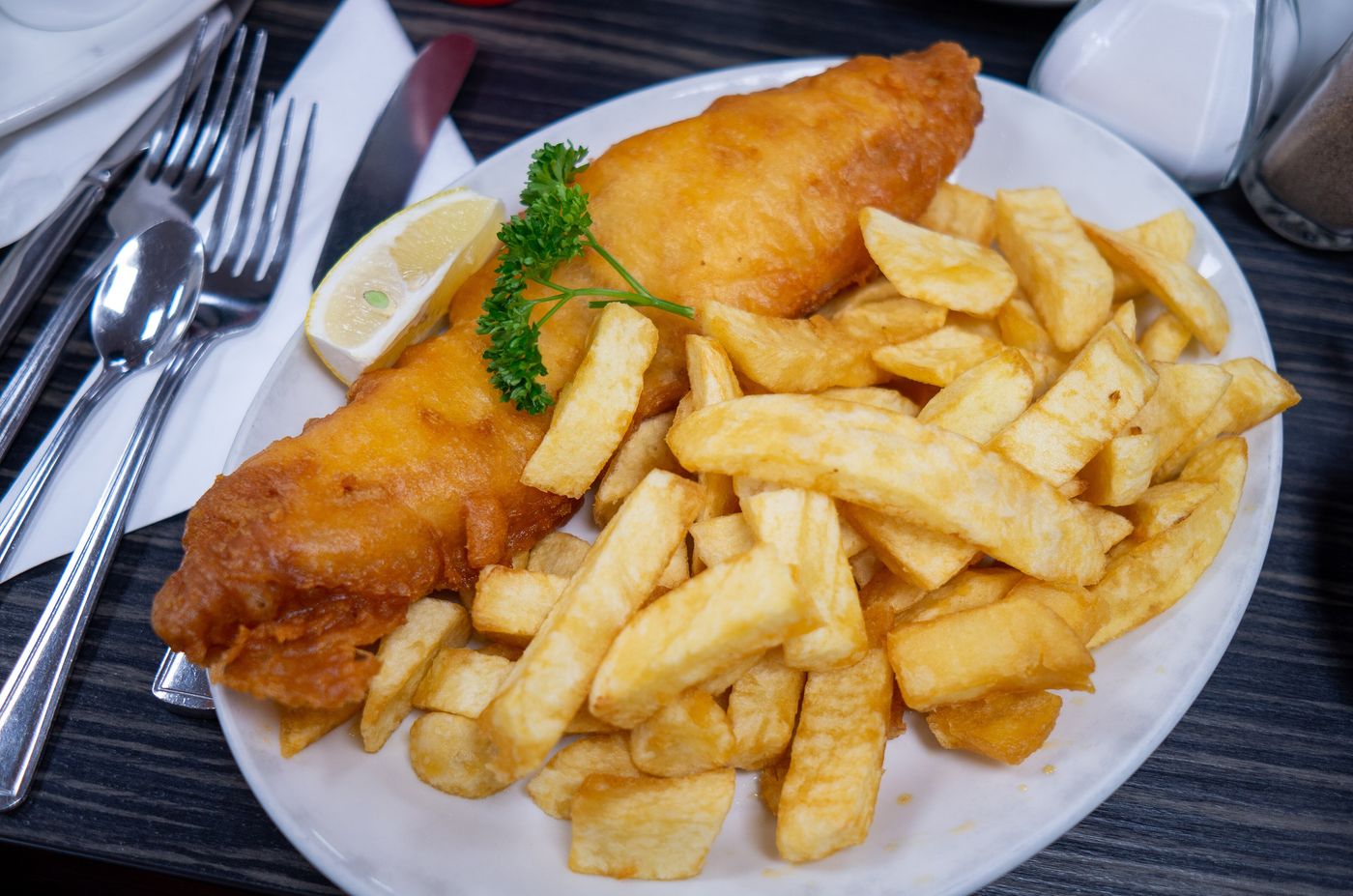
Fish and chips
Fresh white fish in crisp batter served with hot chips is one of New Zealand’s most familiar takeaway meals. Locals often pair it with tomato sauce, lemon, and beachside eating.
Did you know?
In New Zealand, fish and chips became especially tied to coastal life and Friday-night takeaways in the 20th century.
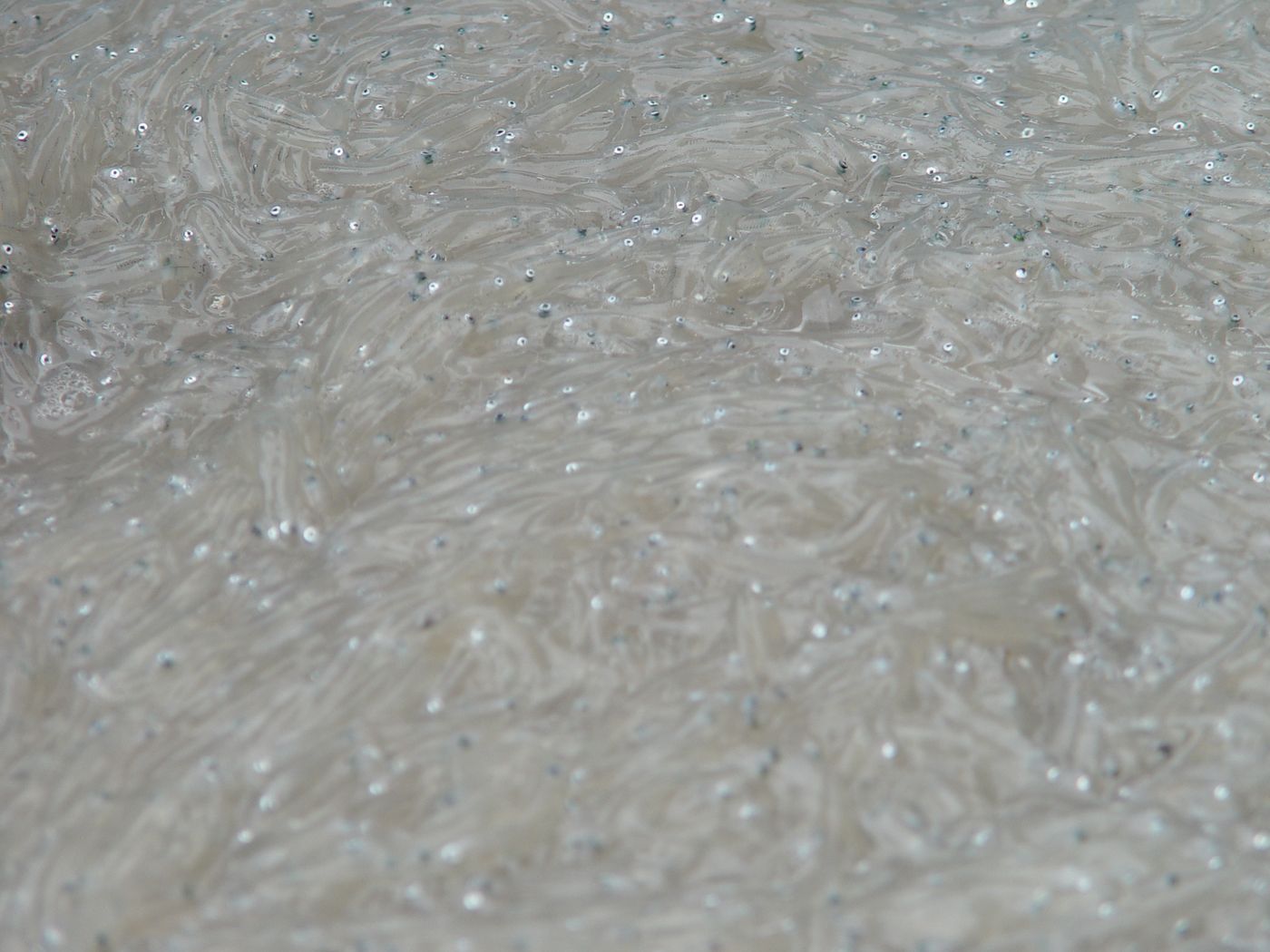
Whitebait fritter
This simple fritter combines delicate juvenile fish with egg to make a soft, savoury omelette-like cake. It is strongly linked to river mouths and the seasonal whitebait catch.
Did you know?
Whitebaiting is a distinctive local tradition, and the fritter is especially associated with the West Coast of the South Island.
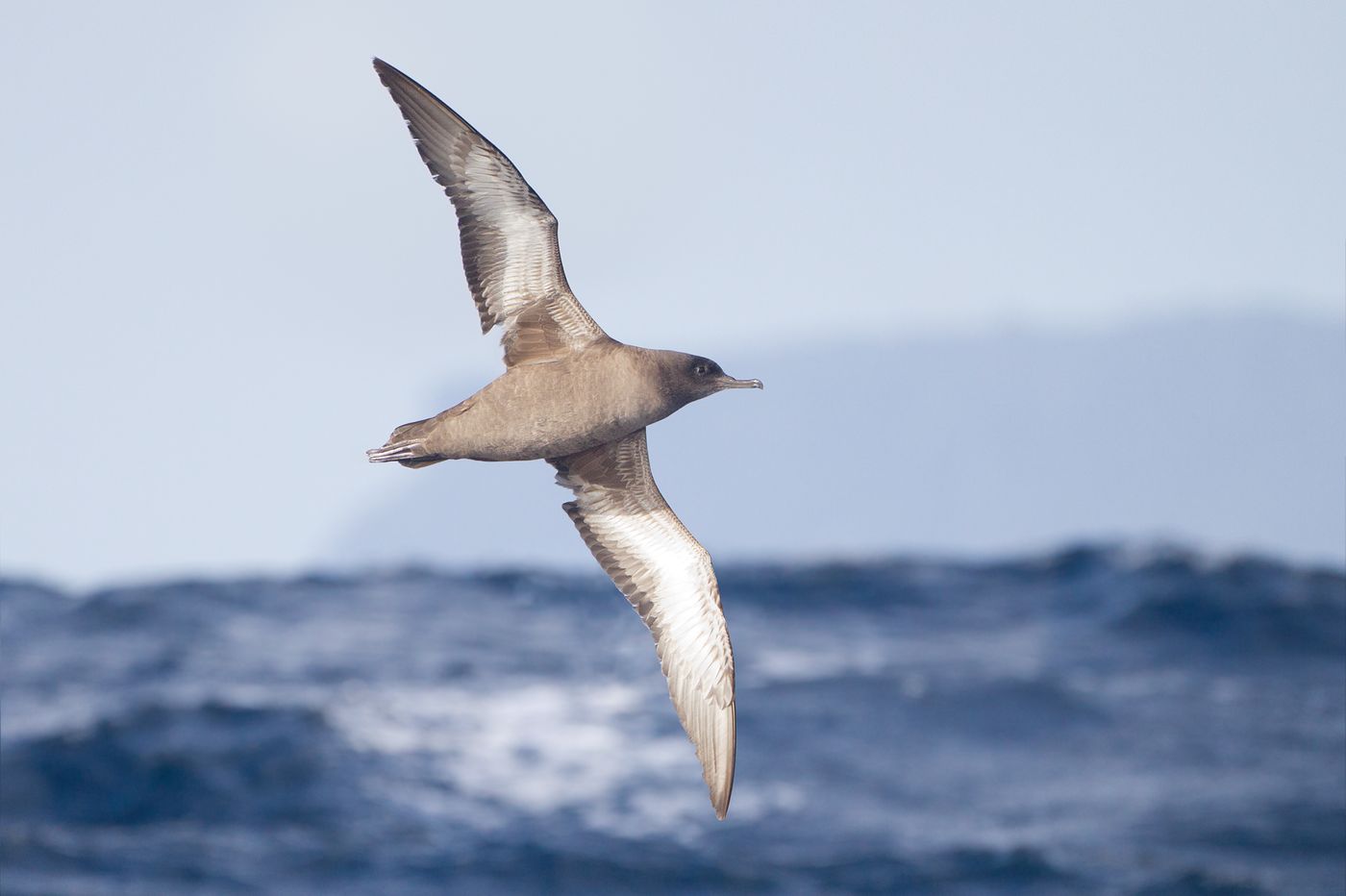
Tītī
Also called muttonbird, tītī is a traditional Māori delicacy made from preserved young sooty shearwater chicks. Its rich, oily, gamey taste makes it a culturally important but little-known regional food.
Did you know?
Customary harvesting of tītī is particularly associated with Māori from Rakiura/Stewart Island, who have long maintained rights to the seasonal birding grounds.